


Frische Steinpilze werden in US-amerikanischen Feinkostmärkten für 40 bis 80 US-Dollar pro Pfund verkauft, wobei die Preise im Frühjahr Spitzenwerte von über 100 US-Dollar pro Pfund erreichen. Getrocknete Steinpilze kosten 150 bis 300 US-Dollar pro Pfund. Sammler erzielen die höchsten Margen, während Restaurantkäufer und Einzelhandelskunden an der Ostküste am meisten bezahlen. Die Preise steigen Anfang März, sinken während des Höhepunkts im April im Mittleren Westen und steigen gegen Ende der Saison wieder an. Es ist wichtig, die Kosten für Steinpilze zu verstehen, unabhängig davon, ob Sie frische, getrocknete oder Großware kaufen, denn jede Form liegt in einer ganz anderen Preisklasse.
Dieser Leitfaden behandelt die aktuellen US-Marktpreise nach Form, den Frühlingspreisverlauf, Groß- versus Einzelhandel, regionale Unterschiede, warum Steinpilze teuer bleiben und erschwingliche Alternativen, wenn 80 US-Dollar pro Pfund außerhalb Ihres wöchentlichen Lebensmittelbudgets liegen. Wir aktualisieren die Preise jeden Frühling auf der Grundlage von Berichten des Agricultural Marketing Service des USDA und direkten Handelsdaten von Sammlern im Mittleren Westen, im pazifischen Nordwesten und in den Appalachen. Hintergrundinformationen zur Steinpilz-Saison finden Sie in unserem Leitfaden zur Steinpilz-Saison.
Preisübersicht für Steinpilze (USA 2026)
Diese Tabelle fasst die typischen Steinpilzpreise für 2026 in den drei Hauptformen zusammen. Nutzen Sie sie als schnellen Überblick. Detaillierte Aufschlüsselungen nach Region und Jahreszeit folgen unten.
| Form | Niedrig | Durchschnitt | Hoch |
|---|---|---|---|
| Frisch, Einzelhandel | 40 $/lb | 60 $/lb | 100+ $/lb |
| Getrocknet, Einzelhandel | 150 $/lb | 200 $/lb | 300+ $/lb |
| Großhandel, frisch gesammelt | 25 $/lb | 35 $/lb | 50 $/lb |
Die Preise spiegeln die US-Durchschnitte für 2026 bei Feinkostgeschäften, Bauernmärkten und Direktverkäufen von Sammlern wider. Datenquelle: Preisberichte des Agricultural Marketing Service des USDA und von Lykyn nachverfolgte regionale Handelsdaten.
Aktuelle Marktpreise nach Form (2026)
Wie viel kosten Steinpilze im Jahr 2026? Die Antwort hängt davon ab, ob Sie frische, getrocknete oder Großware kaufen. Jede Form hat aus bestimmten Gründen eine andere Preisklasse.
Preise für frische Steinpilze
Frische Steinpilze haben den höchsten psychologischen Preis, da die Saison kurz und das Produkt verderblich ist. Der Preis für frische Steinpilze, den die meisten US-Käufer sehen, liegt zwischen 40 und 80 US-Dollar pro Pfund, wobei die Preise auf Restaurantmenüs auf Warenkosten von etwa 1,50 bis 3 US-Dollar pro zubereiteter Portion basieren.
- Feinkostgeschäfte und Online-Einzelhandel: 40 bis 80 US-Dollar pro Pfund. Whole Foods, Eataly und Online-Feinkosthändler liegen in diesem Bereich.
- Bauernmärkte in Produktionsstaaten: 30 bis 50 US-Dollar pro Pfund. Märkte in Michigan, Wisconsin und Oregon übertreffen den Einzelhandel in der Mitte der Saison oft um 25 bis 40 Prozent.
- Frühjahrsspitzen zu Saisonbeginn: 80 bis 120+ US-Dollar pro Pfund. Die ersten Steinpilze des Jahres, meist schwarze Steinpilze im Süden Ende März, treiben die Preise über den saisonalen Durchschnitt.
- Restaurant-Großhandel: 25 bis 50 US-Dollar pro Pfund. Köche kaufen direkt von Sammlern oder über Feinkostvertriebler wie Marx Foods oder Earthy Delights.
Preise für getrocknete Steinpilze
Getrocknete Steinpilze lösen das Problem der Saisonalität und ermöglichen es Ihnen, das ganze Jahr über mit ihrem Geschmack zu kochen. Der Preis für getrocknete Steinpilze wirkt auf den ersten Blick brutal, aber die Rechnung geht auf, sobald Sie das Verhältnis der Dehydrierung verstehen.
- Getrockneter Einzelhandel: 150 bis 300 US-Dollar pro Pfund, typischerweise verpackt in 1-, 2- oder 4-Unzen-Beuteln zu 15 bis 25 US-Dollar pro Unze.
- Warum der hohe Preis: Es braucht etwa 7 bis 8 Pfund frische Steinpilze, um 1 Pfund getrocknete zu produzieren. Sie zahlen für konzentrierten Geschmack, nicht für einen schwereren Pilz.
- Effektiver Preis im Vergleich zu frischen: 20 bis 40 US-Dollar pro frischem Pfund-Äquivalent, was tatsächlich ein besseres Angebot ist als frische Importe außerhalb der Saison.
- Premium-Sortierung: Ganze, intakte Steinpilze mit tief bernsteinfarbener Farbe und engem Wabenmuster erzielen 20 bis 30 Prozent mehr als zerbrochene Stücke.
Preise für frisch gesammelte Großware
Großhandelspreise spiegeln wider, was Sammler von Käufern erhalten, nicht das, was Sie im Geschäft bezahlen. Dies ist der volatilste Teil des Marktes.
- Preise von Käufer zu Sammler: 25 bis 50 US-Dollar pro Pfund für saubere Steinpilze der Klasse A. Der Käufer verkauft sie dann an Restaurants oder Einzelhändler mit einer Aufschlagspanne von 40 bis 100 Prozent.
- Burn-Morel-Prämien: Nach einem Waldbrand können produktive Brandflächen in Oregon, Idaho und Montana den Großhandel mit Steinpilzen überschwemmen und die Preise auf Käuferebene kurzzeitig auf 15 bis 20 US-Dollar pro Pfund drücken.
- Ausfallquote: 10 bis 20 Prozent der geernteten Steinpilze fallen unter den Großhandelsstandard und werden getrocknet, dehydriert oder direkt vom Bauern mit Rabatt verkauft.
Saisonale Preisentwicklungen: Die Frühlingskurve
Die Steinpilzpreise folgen einer vorhersehbaren Frühlingskurve. Wenn Sie den Verlauf der Kurve verstehen, können Sie beim Tiefpunkt kaufen und den Aufschlag zu Saisonbeginn vermeiden.
- Ende März bis Anfang April (Frühjahrsspitze): Die ersten schwarzen Steinpilze erscheinen im Süden der USA. Das Angebot ist knapp, die Nachfrage von Restaurants an der Ostküste hoch, die Einzelhandelspreise erreichen Spitzenwerte von 80 bis 120 US-Dollar pro Pfund.
- Mitte April bis Mitte Mai (das Tief): Die Hauptflut im Mittleren Westen setzt ein. Michigan, Indiana und Ohio versorgen den Markt mit gelben Steinpilzen. Die Einzelhandelspreise sinken auf 40 bis 60 US-Dollar pro Pfund, die Preise auf Bauernmärkten auf 30 bis 50 US-Dollar.
- Ende Mai bis Juni (erneuter Anstieg): Die Saison im Mittleren Westen geht zu Ende. Das Angebot verlagert sich in höhere Lagen in Colorado, Idaho und den pazifischen Nordwesten. Die Einzelhandelspreise steigen wieder auf 50 bis 80 US-Dollar pro Pfund.
- Nebensaison (Juli bis Februar): Nur getrocknete, gefrorene oder frisch importierte Steinpilze sind erhältlich. Frische Importe aus der Türkei oder China erscheinen gelegentlich für 100+ US-Dollar pro Pfund, aber die Qualität variiert.
Praktischer Einkaufstipp: Wenn Sie frische Steinpilze zum besten Preis möchten, planen Sie den Einkauf um den Höchststand Mitte April in den Produktionsstaaten herum. Melden Sie sich für E-Mails des Bauernmarktes in Ihrer nächstgelegenen Steinpilz-Produktionsregion an und achten Sie auf die Woche, in der die lokalen Sammler mit vollen Kisten auftauchen.
Großhandel versus Einzelhandel: Wo der Aufschlag entsteht
Das Verständnis der Aufschlagskette erklärt, warum die Preise hoch erscheinen. Ein Steinpilz, der bei einem Sammler in Michigan mit 30 US-Dollar pro Pfund beginnt, landet oft auf der Speisekarte eines Restaurants in New York und spiegelt Warenkosten von 90 bis 120 US-Dollar pro Pfund wider.
- Erntekosten des Sammlers: 0 US-Dollar in bar, aber 4 bis 8 Stunden Arbeit pro Pfund bei erfahrenen Erntezeiten. Äquivalenter Arbeitswert: 15 bis 25 US-Dollar pro Pfund.
- Sammler-zu-Käufer-Großhandel: 25 bis 50 US-Dollar pro Pfund.
- Käufer-zu-Vertriebler: 40 bis 70 US-Dollar pro Pfund (40 bis 80 Prozent Aufschlag für Sortierung, Kühlkettenhandhabung und Übernachtversand).
- Vertriebler-zu-Restaurant: 50 bis 90 US-Dollar pro Pfund.
- Endpreis im Einzelhandel: 60 bis 100+ US-Dollar pro Pfund, was einen weiteren Aufschlag von 30 bis 50 Prozent für den Feinkosthändler widerspiegelt.
Die Großhandelsseite der Kette ist der Bereich, in dem sich die Preise am schnellsten verdichten. Restaurants, die Beziehungen zu regionalen Sammlern aufbauen, können ihre Steinpilzkosten im Vergleich zu Feinkostvertrieblern um 30 bis 40 Prozent senken. Hobbyköche, die in Produktionsstaaten leben, können das Gleiche auf Bauernmärkten tun.
Getrocknet versus Frisch: Was ist das bessere Angebot?
Der Vergleich der Verkaufspreise lässt getrocknete Steinpilze absurd erscheinen: 200 US-Dollar pro Pfund getrocknet versus 60 US-Dollar pro Pfund frisch. Die tatsächliche Rechnung der Kosten pro zubereiteter Portion erzählt eine andere Geschichte.
Da getrocknete Steinpilze beim Dehydrieren etwa 87 Prozent ihres Gewichts verlieren, rehydriert 1 Unze getrockneter Steinpilz zu etwa 7 Unzen frischem Pilz-Äquivalent. Bei 200 US-Dollar pro Pfund getrocknet sind das 1,79 US-Dollar pro frischem Unzen-Äquivalent, oder etwa 28,50 US-Dollar pro frischem Pfund-Äquivalent.
- Frisch für 60 $/lb: 3,75 US-Dollar pro Unze zubereiteter Pilze.
- Getrocknet für 200 $/lb: 1,79 US-Dollar pro frischem Äquivalent-Unze nach der Rehydrierung.
- Urteil: Getrocknete Steinpilze sind pro zubereiteter Portion etwa 50 Prozent günstiger, und sie halten sich zudem über 2 Jahre versiegelt.
Kompromiss: Getrocknete Steinpilze verlieren einen Teil der fleischigen, federnden Textur frischer Steinpilze. Sie sind hervorragend in Sahnesaucen, Brühen, Risottos und jedem Gericht, bei dem die Textur weniger wichtig ist als der Geschmack. Für einen Moment mit angebratenen Steinpilzen auf Toast im Mai möchten Sie trotzdem frische.
Regionale Preisunterschiede in den USA
Wo Sie leben, verschiebt die Steinpilzpreise um 30 bis 60 Prozent. Die Grundregel: Je näher an den Produktionswäldern, desto günstiger; Küsten-Metromärkte bedeuten teuer.
Mittlerer Westen (Günstigste)
Michigan, Wisconsin, Indiana, Iowa und Ohio liegen im Herzen der US-Steinpilzregion. Frisch im Einzelhandel kostet es typischerweise 30 bis 50 US-Dollar pro Pfund auf Bauernmärkten während des Höhepunkts von April bis Anfang Mai. Preise direkt vom Sammler können auf 25 US-Dollar pro Pfund sinken, wenn das Angebot sprunghaft ansteigt. Viele Feinkostgeschäfte in Kleinstädten der Produktionslandkreise führen Steinpilze während der Spitzenwochen für unter 40 US-Dollar pro Pfund.
Pazifischer Nordwesten (Mittleres Preissegment)
Oregon, Washington und Nord-Idaho erleben eine aktive kommerzielle Ernte, insbesondere Burn-Morels nach Waldbrandsaisons. Einzelhandelspreise liegen typischerweise bei 40 bis 65 US-Dollar pro Pfund, wobei Angebotsüberschüsse in Brandjahren die Preise in Richtung des unteren Endes ziehen. Bauernmärkte in Portland und Seattle sind im Mai und Juni gute Ziele.
Nordosten (Teuer)
New York, New England und der Mid-Atlantic haben verstreute einheimische Bestände, sind aber stark auf importiertes Angebot von Sammlern aus dem Mittleren Westen angewiesen. Rechnen Sie mit 60 bis 100 US-Dollar pro Pfund bei Feinkostgeschäften, wobei die Preise in Manhattan und Boston eher zum oberen Ende tendieren.
Westküsten-Metropolen (Teuerste)
San Francisco, Los Angeles und San Diego zahlen Küsten-Importprämien. Feinkosthändler verlangen für Steinpilze 70 bis 100+ US-Dollar pro Pfund. Die Ausnahme: Burn-Morels aus hohen Lagen der Sierra Nevada überschwemmen in Brandjahren gelegentlich den kalifornischen Markt mit günstigerem lokalem Angebot.
Süden (Variabel)
Virginia, Kentucky, Tennessee und Arkansas haben Steinpilzbestände zu Saisonbeginn. Frisch im Einzelhandel kostet es typischerweise 45 bis 70 US-Dollar pro Pfund. Die Saison beginnt etwa 3 bis 4 Wochen früher als im Mittleren Westen, sodass Käufer im Süden das Angebot Anfang März oft mit einem regionalen Rabatt erhalten.
Wie Sammler entscheiden, was sie verlangen
Wenn Sie sich gefragt haben, warum ein Verkäufer auf einem Bauernmarkt in Michigan Steinpilze für 35 US-Dollar pro Pfund verkauft, während ein Stand nur einen Platz weiter für das, was wie derselbe Pilz aussieht, 55 US-Dollar verlangt, so ist die Antwort um fünf Faktoren auf der Sammlerseite strukturiert.
- Klasse und Präsentation: Ganze, intakte Steinpilze der Klasse A mit sauberen Stängeln und engem Wabenmuster erzielen einen Aufschlag von 20 bis 40 Prozent gegenüber zerbrochenen oder schlammigen Exemplaren.
- Artenmix: Gelbe Steinpilze (Morchella esculenta) und schwarze Steinpilze (Morchella elata-Gruppe) werden typischerweise ähnlich bepreist. Halb-freie Steinpilze (Morchella punctipes) werden manchmal mit einem kleinen Rabatt gehandelt, weil die offene Kappe auf einem Teller weniger optisch ansprechend ist.
- Sammler-Arbeitsmarge: Die meisten unabhängigen Sammler streben einen effektiven Stundensatz von 30 bis 80 US-Dollar an, abhängig vom Ertrag. Ein Tag mit 8 gepfundeten Pilzen und 6 investierten Stunden macht 30 $/lb zu einem fairen Verkauf mit Marge, während ein 12-Pfund-Tag es dem Sammler ermöglichen könnte, sie für 25 $ weiterzuverkaufen.
- Geografie versus Lieferung: Sammler, die direkt an Restaurants liefern, verlangen 20 bis 35 Prozent über den Bauernmarktpreisen, um Transport und Beziehungsmanagement auszugleichen.
- Flexibilität am Ende des Tages: Um 13 Uhr auf den meisten Bauernmärkten senken Verkäufer mit übrig gebliebenem Bestand die Preise um 15 bis 25 Prozent, um den Bestand abzuverkaufen, der bis zum nächsten Markttag nicht haltbar ist.
Warum Steinpilze so teuer sind: Die fünf Preiskräfte
Fünf Kräfte wirken zusammen, um die Steinpilzpreise im Bereich von 40+ US-Dollar pro Pfund zu halten und die Art von Angebotsausweitung zu verhindern, die die Preise für Champignons und Austernpilze auf unter 4 US-Dollar pro Pfund gedrückt hat.
1. Kommerzielle Kultivierung ist immer noch begrenzt
Steinpilze haben einen komplexen Lebenszyklus mit Sklerotien, Primordien und spezifischen Bodenmikrobiom-Bedingungen, die jahrzehntelanger Kultivierungsforschung widerstanden haben. Einige Betriebe in China und der Provinz Yunnan haben seit 2015 einen teilweisen kommerziellen Erfolg erzielt, aber das globale Angebot besteht überwiegend aus wild gesammelten Pilzen. Vergleichen Sie dies mit Champignons, bei denen Agaricus bisporus seit den 1700er Jahren zuverlässig kultiviert wird.
2. Kurze, wetterabhängige Saison
Wilde Steinpilze fruchten in jeder Region nur 4 bis 6 Wochen lang jedes Frühjahr. Kühle Nächte, warme Tage, kürzlicher Regen und Bodentemperaturen im Bereich von 50 bis 60 Grad Fahrenheit werden alle benötigt. Ein trockener Frühling kann die Ernten in Produktionsstaaten um 50 bis 70 Prozent reduzieren, und genau deshalb sind die Preise 2026 leicht höher ausgefallen als 2025.
3. Arbeitsintensive, fachkundige Ernte
Jeder Steinpilz wird von Hand gepflückt, oft nach stundenlangem Wandern durch abgelegenes Gelände. Erfolgreiche Sammler brauchen jahrelange Erfahrung, um den Lebensraum zu lesen: nach Süden ausgerichtete Hänge, sterbende Ulmen, kürzlich abgebrannte Flächen und der Zeitpunkt des Auftauchens von Trillium und Maiglöckchen als Indikatoren. Diese Kosten für menschliches Wissen können nicht automatisiert werden.
4. Anhaltend hohe Nachfrage
Die Nachfrage von Fine-Dining-Restaurants, der Berichterstattung in Lebensmittelmedien und dem kulinarischen Tourismus ist schneller gewachsen als das Angebot aus Wildsammlung. Chef-getriebene Menüs während des Zeitraums von April bis Juni absorbieren den Großteil des erstklassigen A-Grade-Angebots, bevor es den Einzelhandel erreicht.
5. Kühlkettenlogistik
Frische Steinpilze müssen für eine erstklassige Qualität in weniger als 5 Tagen vom Waldboden in die Küche gelangen. Übernacht-Kühlversand, sorgfältige Verpackung und temperaturkontrollierte Lagerung fügen alle Kostenebenen zwischen Sammler und Endkäufer hinzu.
Alternativen zu teuren Steinpilzen: Gourmetpilze zu Hause für 5 bis 12 US-Dollar pro Pfund
Steinpilze bleiben berüchtigt schwer in kommerzieller Größe zu kultivieren, was der strukturelle Grund ist, warum ihr Preis nie unter 40 US-Dollar pro Pfund fällt. Wenn Sie Steinpilze wegen ihrer fleischigen Textur, Umami-Tiefe und des Kocherlebnisses eines wirklich guten Wildpilzes lieben, gibt es eine Möglichkeit, den Großteil dieser Zufriedenheit für einen Bruchteil der Kosten zu erhalten: Kultivieren Sie Gourmet-Arten zu Hause.
Die Wirtschaftlichkeit ergibt sich auf etwa ein Zehntel der Kosten frischer Steinpilze. Hier sind die Arten, die wir für Steinpilz-Liebhaber empfehlen, plus die Kits, die sie praktisch machen:
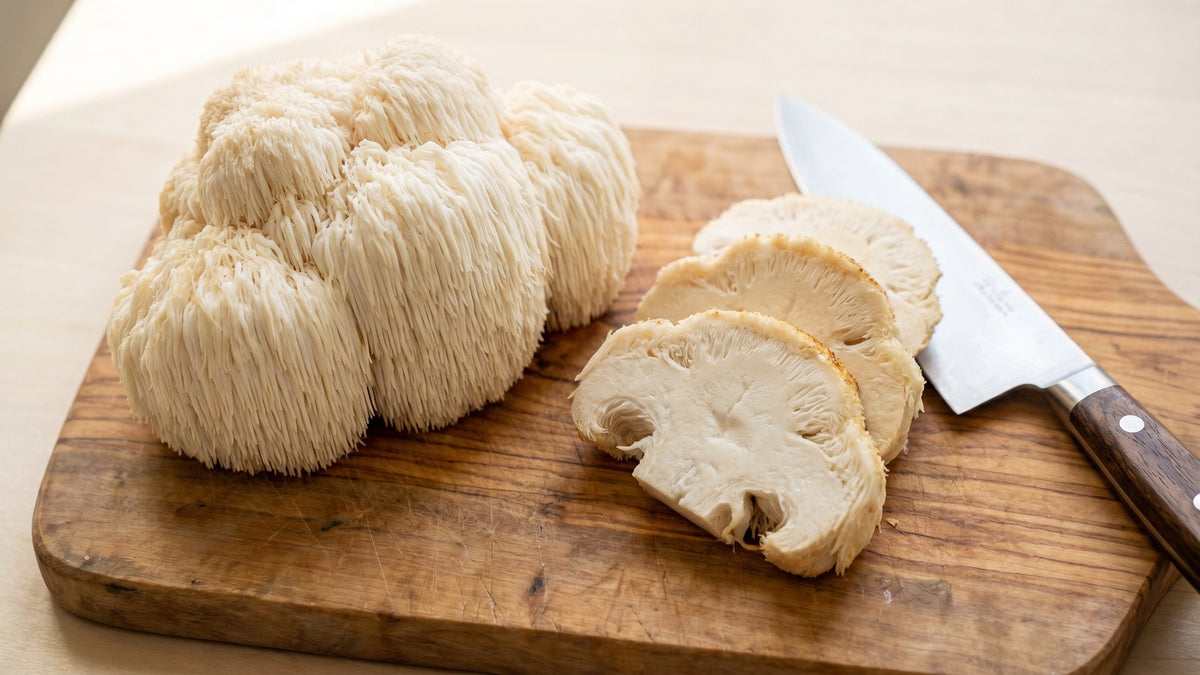
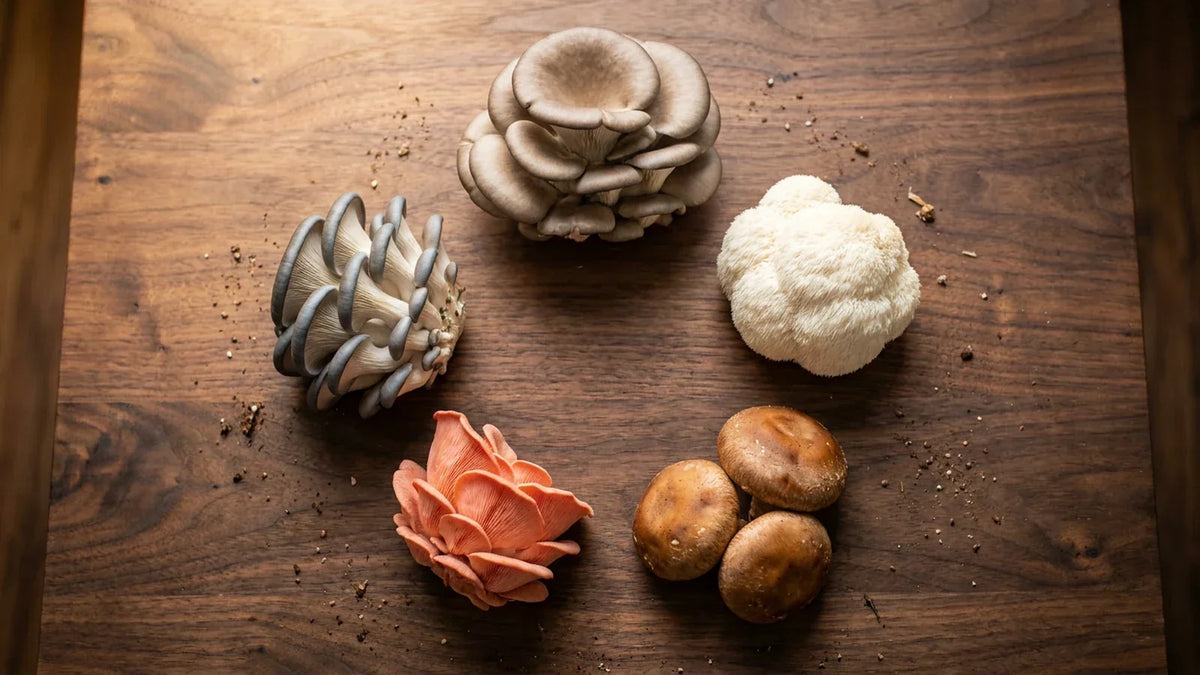
- Igelstachelbart-Anzucht-Kit: cremefarben, mit einer texturell an Hummer erinnernden Oberfläche und einem süßen Umami-Geschmack. Die Kosten für die frische Ernte ergeben sich auf etwa 4 bis 6 US-Dollar pro Pfund, im Vergleich zu 60 US-Dollar pro Pfund für frische Steinpilze. Der Ertrag liegt bei etwa 1 bis 1,5 Pfund pro Block.
- Shiitake-Anzucht-Kit: dichter, fleischiger Hut, tiefer herzhafter Geschmack, hervorragend in Sahnesaucen, in denen Sie sonst getrocknete Steinpilze verwenden würden. Kosten etwa 5 bis 8 US-Dollar pro Pfund.
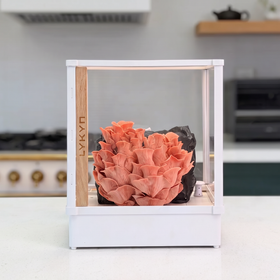
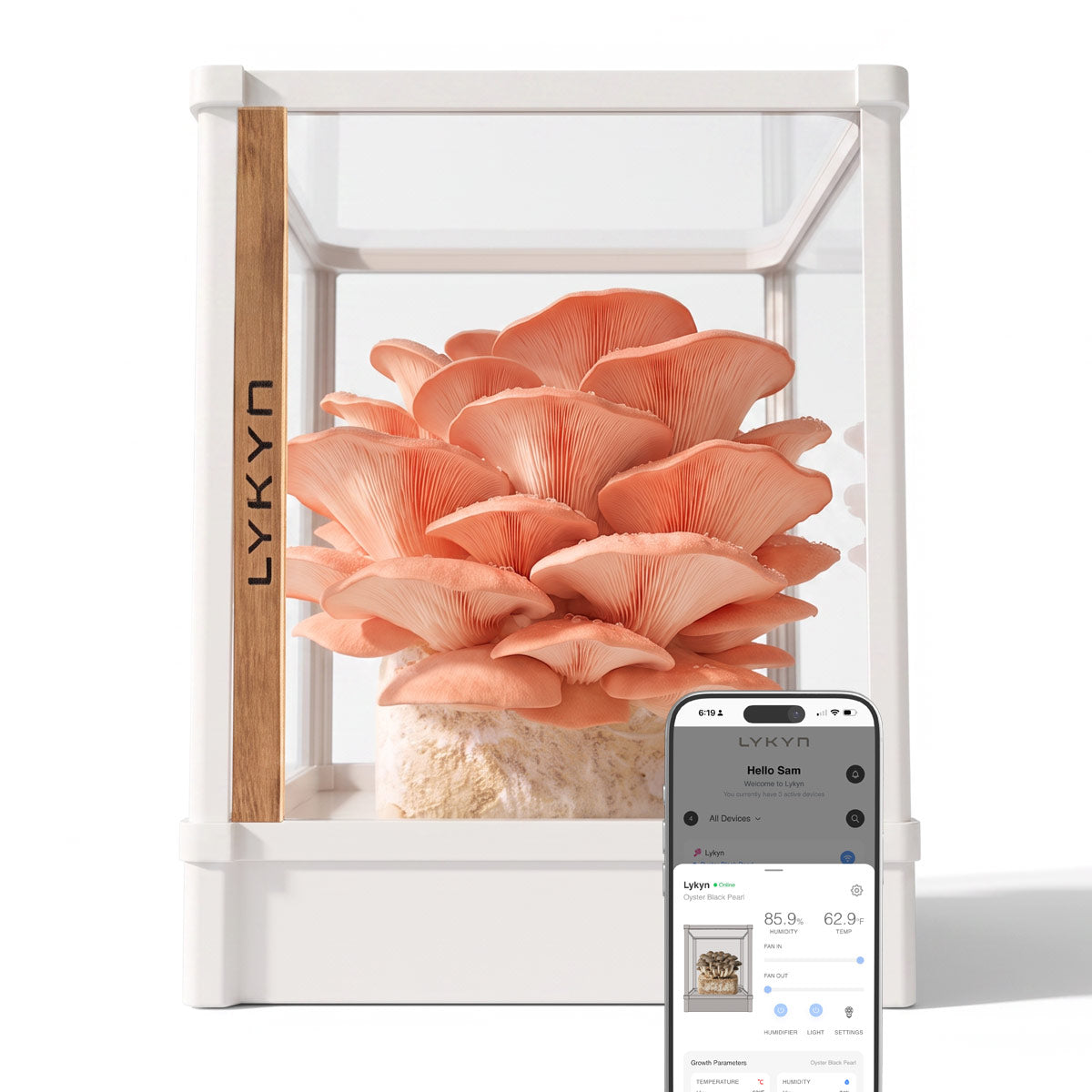
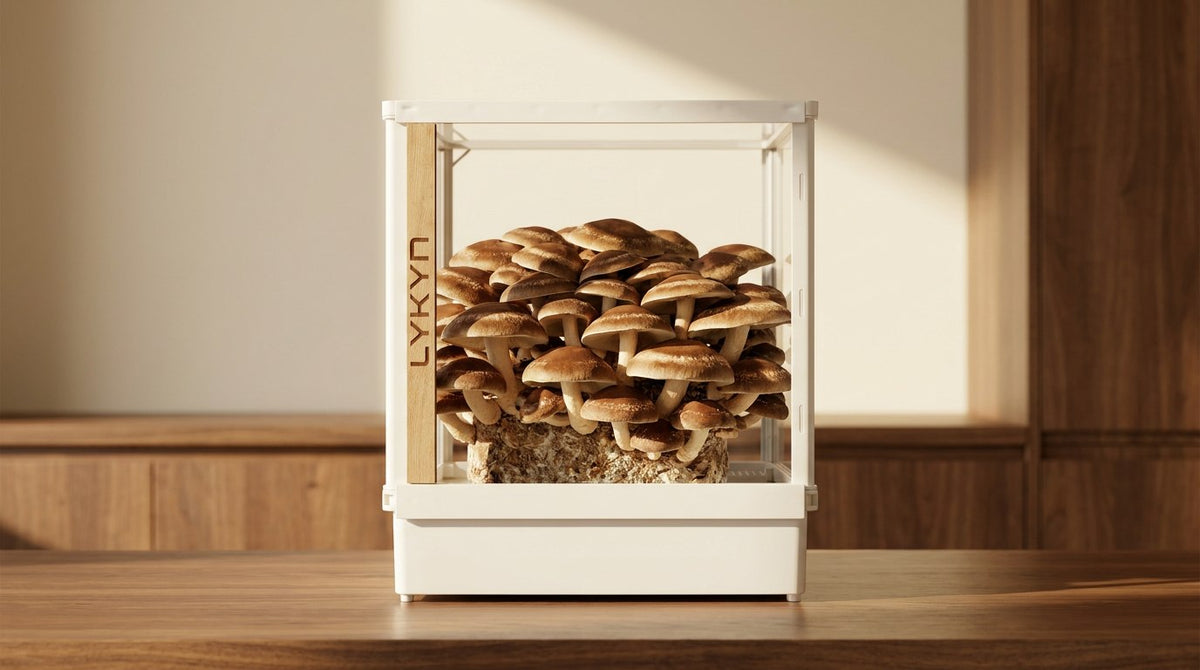
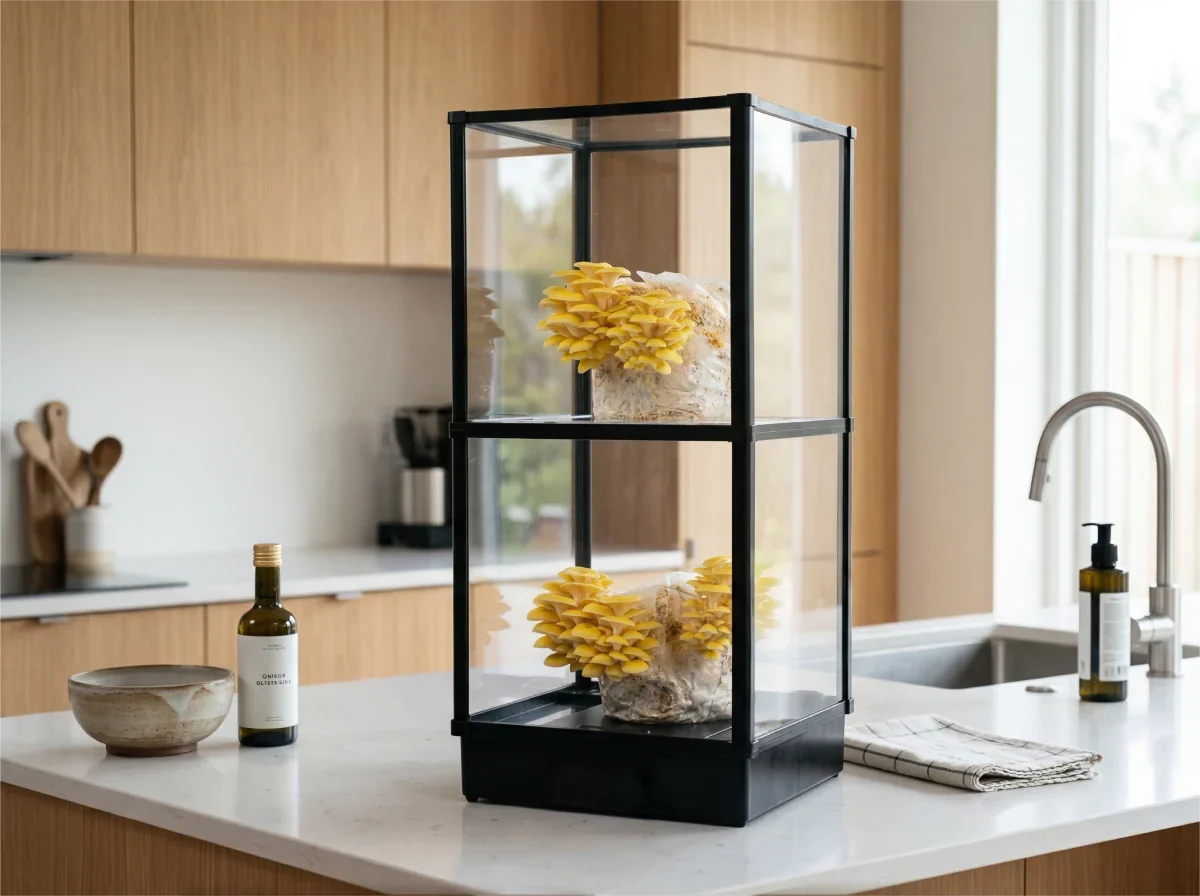
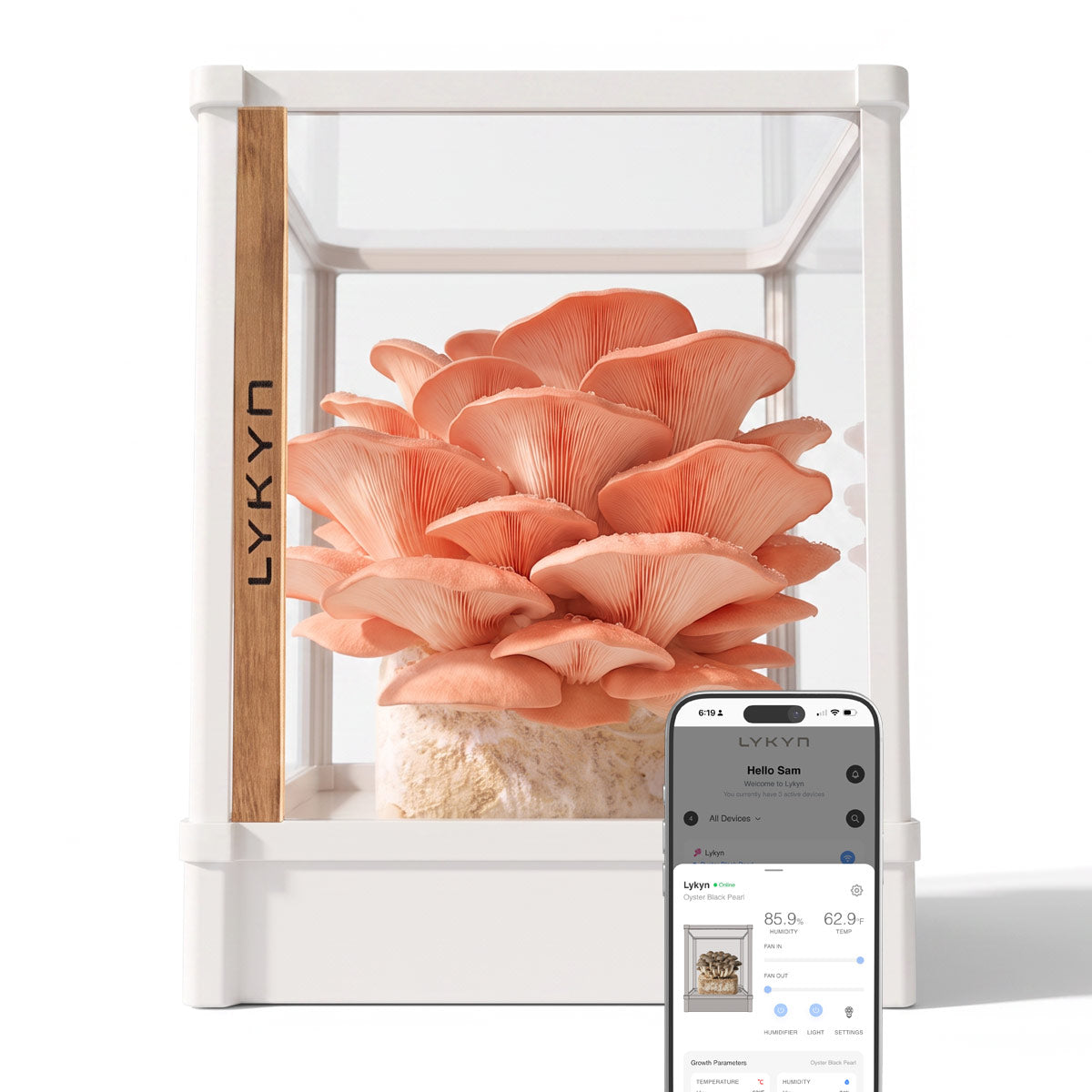
- Intelligenter Pilz-Anzucht-Kasten: die intelligente Fruchtkammer, die das ganze Jahr über 28+ Arten von Gourmet-Pilzen kultiviert. Regelt Feuchtigkeit, Luftstrom und Beleuchtung automatisch. Ihre Kosten pro Pfund über alle Arten hinweg liegen im Bereich von 5 bis 12 US-Dollar, sobald die Kammer abbezahlt ist.
- Indoor-Pilz-Anzucht-Kit (vollständige Auswahl): Durchstöbern Sie das vollständige Gourmet-Arten-Menü, einschließlich King Trumpet, Pioppino, Steinpilz und rosa Austernpilz. King Trumpet liefert insbesondere den fleischigsten Biss, der dem eines frischen Steinpilzes am nächsten kommt.
Praktischer Rezept-Ersatz: Tauschen Sie in einer Steinpilz-und-Sahne-Pastasauce 1 Pfund frische Steinpilze gegen 1 Pfund frische King Trumpet und 2 Unzen rehydrierte getrocknete Steinpilze für das Geschmacksskelett aus. Die Kosten sinken von etwa 60 auf etwa 33 US-Dollar und die meisten Essensgäste können den Unterschied nicht erkennen.
Das bedeutet nicht, dass Sie Steinpilze ganz weglassen sollten. Der jährliche Frühlings-Rausch über frisch gesammelte Steinpilze ist ein echtes Vergnügen und einmal im Jahr wert. Aber für die wöchentliche Gourmet-Pilz-Küche ändert das Heimzucht die Rechnung komplett. Sobald Sie die Kosten für Steinpilze gegen das aufstellen, was eine In-Home-Kammer tatsächlich liefert, wird die Wahl für die meisten Wochentage offensichtlich.
Häufig gestellte Fragen zu Steinpilzpreisen
Warum sind Steinpilze so teuer?
Steinpilze bleiben teuer, da sie sich nicht zuverlässig in großem Maßstab kultivieren lassen, jedes Frühjahr nur 4 bis 6 Wochen lang fruktifizieren, von erfahrenen Sammlern von Hand geerntet werden müssen und eine anhaltende Nachfrage von Restaurants besteht. Diese fünf Faktoren summieren sich und halten die Preise für frische Pilze im Bereich von 40 bis 80 US-Dollar pro Pfund.
Wann sind die Preise für Steinpilze am niedrigsten?
Die Preise für Steinpilze erreichen in der Regel während der Hochsaison im Mittleren Westen von Mitte April bis Mitte Mai ihren Tiefpunkt, wenn die Liefermengen aus Michigan, Indiana und Wisconsin den Markt überschwemmen. Auf Bauernmärkten in den Anbaustaaten sinken die Preise in diesen Wochen oft auf 30 bis 50 US-Dollar pro Pfund. Rabatte am Ende des Markttages an Samstagen können die Preise um weitere 15 bis 25 Prozent senken.
Wo kann ich Steinpilze kaufen?
Frische Steinpilze werden bei Feinkostgeschäften (Whole Foods, Eataly), auf Bauernmärkten in den Anbaustaaten, bei Online-Feinkosthändlern (Marx Foods, Earthy Delights) und direkt von Sammlern über lokale Netzwerke von Mykologievereinen verkauft. Getrocknete Steinpilze sind das ganze Jahr über online für 150 bis 300 US-Dollar pro Pfund erhältlich.
Kann ich Steinpilze zu Hause günstig anbauen?
Steinpilze gelten als äußerst schwierig im eigenen Garten anzubauen. Es gibt zwar einige Anbausets für Hobbyanbauer, doch die Erträge sind unvorhersehbar und die Kosten pro Pfund liegen selten unter den Preisen im Einzelhandel. Eine praktischere Möglichkeit ist der Anbau anderer Gourmetpilze wie Igelstachelbart, Königstrichter oder Shiitake zu Hause für 5 bis 12 US-Dollar pro Punde mit der Lykyn Smart Mushroom Grow Box. So können Steinpilze für den jährlichen Frühlingsschmaus aufbewahrt werden.
Wie viel kosten getrocknete Steinpilze?
Getrocknete Steinpilze werden für 150 bis 300 US-Dollar pro Pfund oder etwa 15 bis 25 US-Dollar pro Unze in 1-, 2- und 4-Unzen-Packungen verkauft. Da man 7 bis 8 Pfund frische Pilze benötigt, um 1 Pfund getrocknete zu erhalten, belaufen sich die effektiven Kosten im Vergleich zu frischen Pilzen auf etwa 20 bis 40 US-Dollar pro Pfund. Damit sind sie tatsächlich konkurrenzfähig mit frischen Importen außerhalb der Saison.
Variieren die Preise für Steinpilze je nach Region?
Ja, die regionalen Preisunterschiede liegen bei 30 bis 60 Prozent. Auf Bauernmärkten im Mittleren Westen in den Anbaustaaten kosten frische Steinpilze 30 bis 50 US-Dollar pro Pfund. Im Einzelhandel im pazifischen Nordwesten liegen die Preise bei 40 bis 65 US-Dollar pro Pfund. In den Metropolregionen des Nordostens und der Westküste werden für dasselbe Produkt in der Regel 60 bis über 100 US-Dollar pro Pfund verlangt, da die Ware importiert werden muss.
Warum zahlen Restaurants mehr für Steinpilze?
Restaurants zahlen mehr, zum einen, weil sie bei Großhändlern einkaufen, die mehrere Margen aufschlagen (vom Sammler zum Einkäufer, vom Einkäufer zum Großhändler und vom Großhändler zum Küchenchef), und zum anderen, weil sie ein gleichbleibend hochwertiges Produkt mit zuverlässiger Kühlkettenlieferung benötigen. Der Großhandel für Restaurants liegt in der Regel bei 50 bis 90 US-Dollar pro Pfund, während der Preis direkt vom Sammler zum Einkäufer bei 25 bis 50 US-Dollar pro Pfund liegt. Der Aufpreis deckt Sortieren, Einstufen, Verpacken und Expressversand ab.
Quellen und weiterführende Literatur
Die Preisdaten und saisonalen Muster in diesem Leitfaden basieren auf einer Kombination aus direkten Beobachtungen des Handels und den folgenden öffentlichen Quellen:
- USDA Agricultural Marketing Service: Fruits and Vegetables Market News erfasst wöchentlich die Preise für Spezialitätenprodukte, einschließlich verschiedener Pilzkategorien.
- Michigan State University Extension: Morel Mushrooms veröffentlicht Daten zu regionalen Lebensräumen und saisonale Prognosen, die das Angebot im Mittleren Westen beeinflussen.
- USDA Forest Service Northern Research Station führt Studien über die Ökologie von Waldpilzen und Steinpilz-Erträge an Brandflächen durch.
- University of Minnesota Extension: Mushrooms bietet Leitfäden zu besten Praktiken beim Pilzesammeln und zur Artbestimmung, die sich auf die preisbestimmende Einstufung auswirken.
Weiterführende Literatur
Bereit zum Anbau?
Verzichten Sie auf die Steinpilzsuche für 80 US-Dollar pro Pfund. Beginnen Sie mit einer intelligenten Fruchtkammer, die 28+ Gourmetpilzarten für 5 bis 12 US-Dollar pro Pfund angebaut werden können.
Starten Sie mit der Lykyn Grow Box →




Aktie:
Morcheln finden wie ein Profi
Morchelzeit: Die Jagd nach dem Gourmet-Schatz der Natur beginnt