


Morel mushrooms have captivated foragers and mushroom enthusiasts for generations with their distinctive honeycomb caps and earthy, nutty flavor. But one question that consistently arises among both novice and experienced growers is: exactly how long does it take for morels to grow? Whether you're planning to forage, attempting cultivation, or simply curious about these fascinating fungi, understanding morel growth timelines is essential for success.

The timeline for morel growth varies dramatically depending on whether you're talking about wild foraging conditions or controlled cultivation attempts. Between the juvenile morel and the adult size morel, the growth time is, on average, 10 days, but this represents only the visible fruiting stage. The complete life cycle tells a much more complex story.
Understanding the Complete Morel Life Cycle
Spore to Fruiting Body: The Full Timeline
The journey from spore to harvestable morel involves several distinct phases that can span months or even years. The cycle completes as the mature morel releases millions of microscopic spores, which must then find suitable conditions to germinate and establish themselves.
Phase 1: Spore Germination (1-4 weeks) When conditions are right, morel spores germinate and begin forming thread-like structures called hyphae. This initial stage requires specific moisture and temperature conditions.
Phase 2: Mycelium Development (3-12+ months) Individual hyphae grow and branch to form a network called mycelium, which spreads through the substrate (soil or decaying organic matter). This underground network is the main body of the fungus and can persist for years.
Phase 3: Sclerotia Formation (Variable) Under certain conditions, the mycelium may form hardened masses called sclerotia, dense structures containing stored nutrients that help the fungus survive unfavorable conditions. This adaptation allows morels to weather harsh conditions and emerge when optimal.
Phase 4: Fruiting Body Development (7-14 days) When environmental conditions are right (typically in spring), the mycelium or sclerotia produce the aboveground fruiting bodies we recognize as morel mushrooms. This is the visible growth phase most people observe.

Daily Growth Rate: How Fast Do Morels Actually Grow?
Once morels begin fruiting, their growth rate can be surprisingly rapid under optimal conditions. A morel mushroom can grow 0.2 inch to 0.4 inch per day when temperature and humidity conditions are favorable.
Factors Affecting Daily Growth Rate
Temperature: Morels typically fruit when daytime temperatures are between 60-70°F (15-21°C) and nighttime temperatures are between 40-50°F (4-10°C). These temperature fluctuations are crucial for triggering and sustaining growth.
Humidity: Adequate moisture is essential for rapid growth. With sufficiently high temperatures and adequate humidity, the morel mushroom will experience relatively rapid growth. On the other hand, under less optimal conditions, its growth will be slower.
Seasonal Timing: Early spring conditions following winter dormancy provide the ideal growth triggers that morels have evolved to respond to over millions of years.
Wild vs. Cultivated Morel Growth Timelines
Wild Morel Growing Season
Wild morels follow predictable seasonal patterns, though exact timing varies by geographic location. As detailed in our comprehensive guide on when morel mushroom season begins, the growing season progresses from south to north across North America.
The wild morel season typically unfolds as follows:
-
Southern regions: Late March to early April
-
Central regions: April to early May
-
Northern regions: May to early June
During peak season, morels quadruple their growth over the course of 3 or 4 days when conditions are optimal. However, adverse weather can dramatically slow or halt development.
Cultivation Timeline Challenges
Cultivating morels presents unique challenges compared to other mushroom varieties. It can take up to two years for morels to fruit after planting in outdoor cultivation attempts. This extended timeline reflects the complex environmental requirements these fungi have evolved to need.
Morels (Morchella species) have long been considered among the most difficult mushrooms to cultivate, with success rates remaining low even with commercial growing kits. The comprehensive guide on growing morel mushrooms available on our site explores these challenges in detail.
Environmental Factors That Influence Growth Speed
Temperature Fluctuations
The fruiting of morels is initiated by a temperature variation between night and day. These thermal cycles signal to the fungus that spring conditions have arrived and it's time to reproduce.
Moisture Requirements
While morels need humidity to grow, Rain is not an interesting indicator to know when to go morel hunting. Indeed, the morel needs quite a bit of humidity to start fruiting. Consistent soil moisture is more important than recent rainfall.
Tree Associations
Understanding morel mushroom trees can help predict where and when morels might appear. The symbiotic relationships with specific tree species influence both timing and growth rates.
Soil Conditions
Well-draining, nutrient-rich soil with organic matter provides the optimal growing medium. Dead and decaying wood from associated tree species often creates ideal conditions for morel development.
Harvesting Timeline: When Are Morels Ready?
Morels are ready to harvest when they reach a height of 2-4 inches and have a firm texture. The key indicators include:
-
Cap expansion: The honeycomb pattern is fully developed and the cap has expanded to its mature size
-
Firm texture: The mushroom feels solid but not woody
-
Color development: Proper coloration for the species (black, yellow, or half-free varieties)
-
Spore maturity: Before the mushroom begins releasing spores heavily
Modern Growing Solutions and Timelines
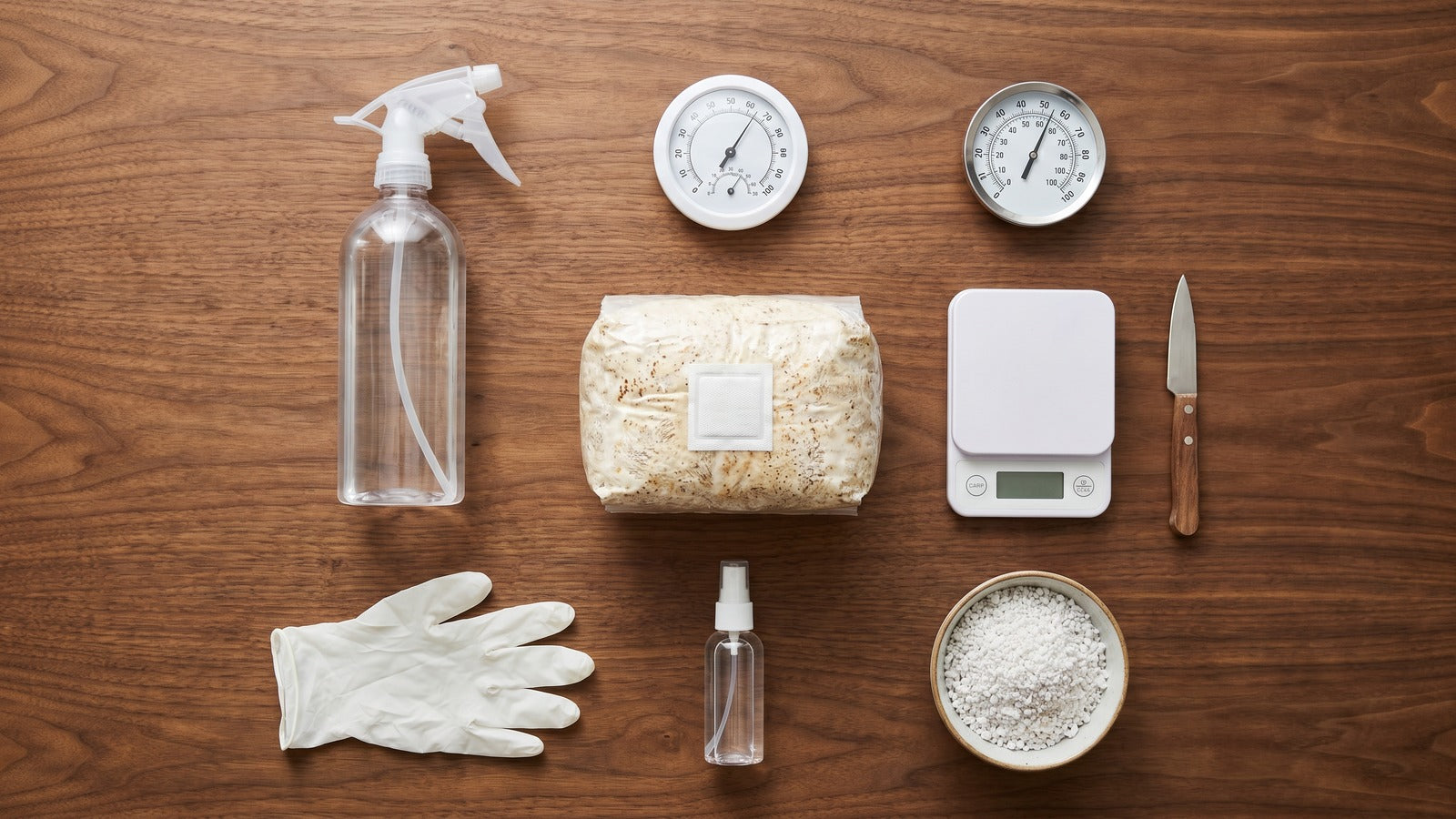
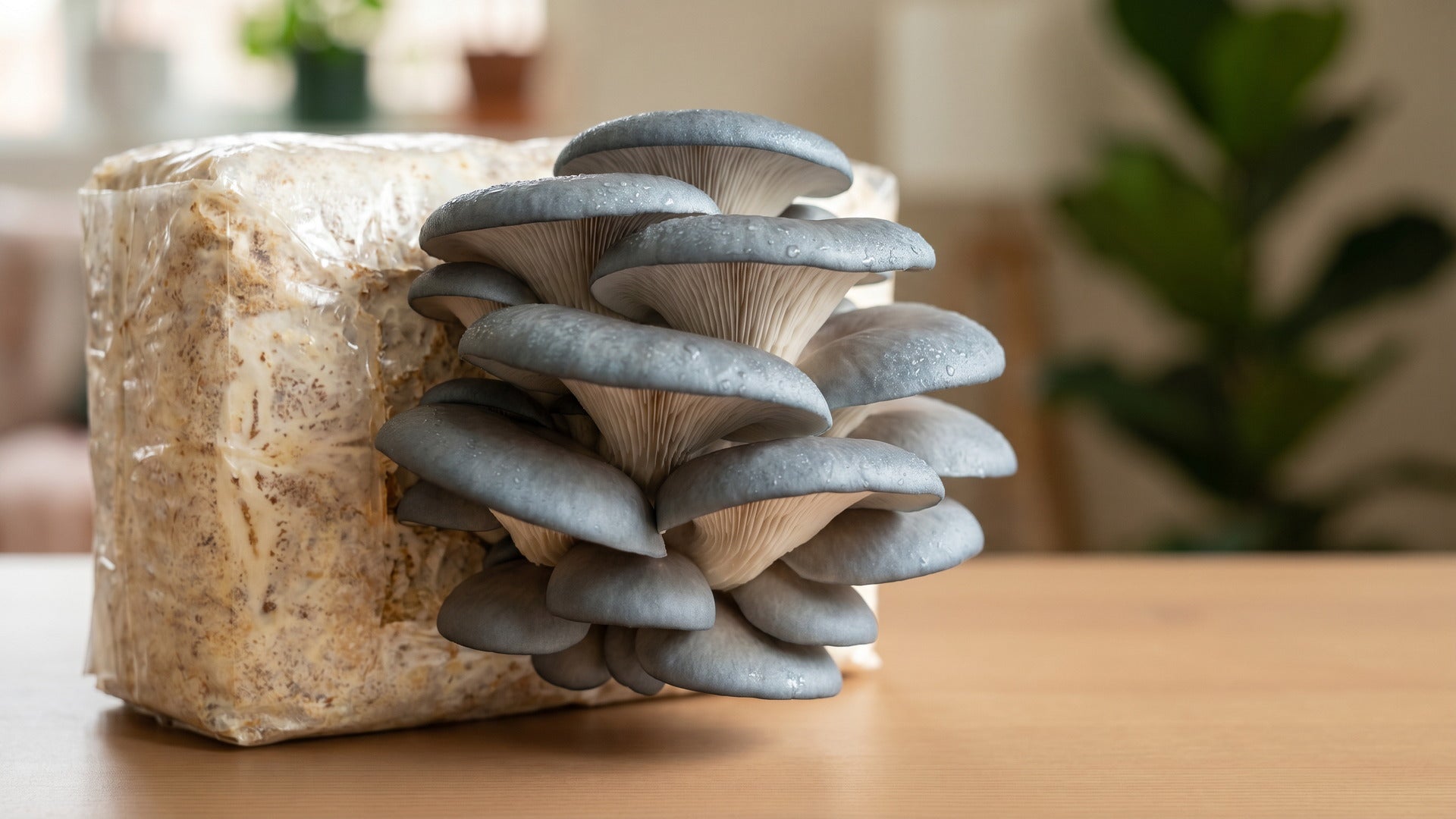
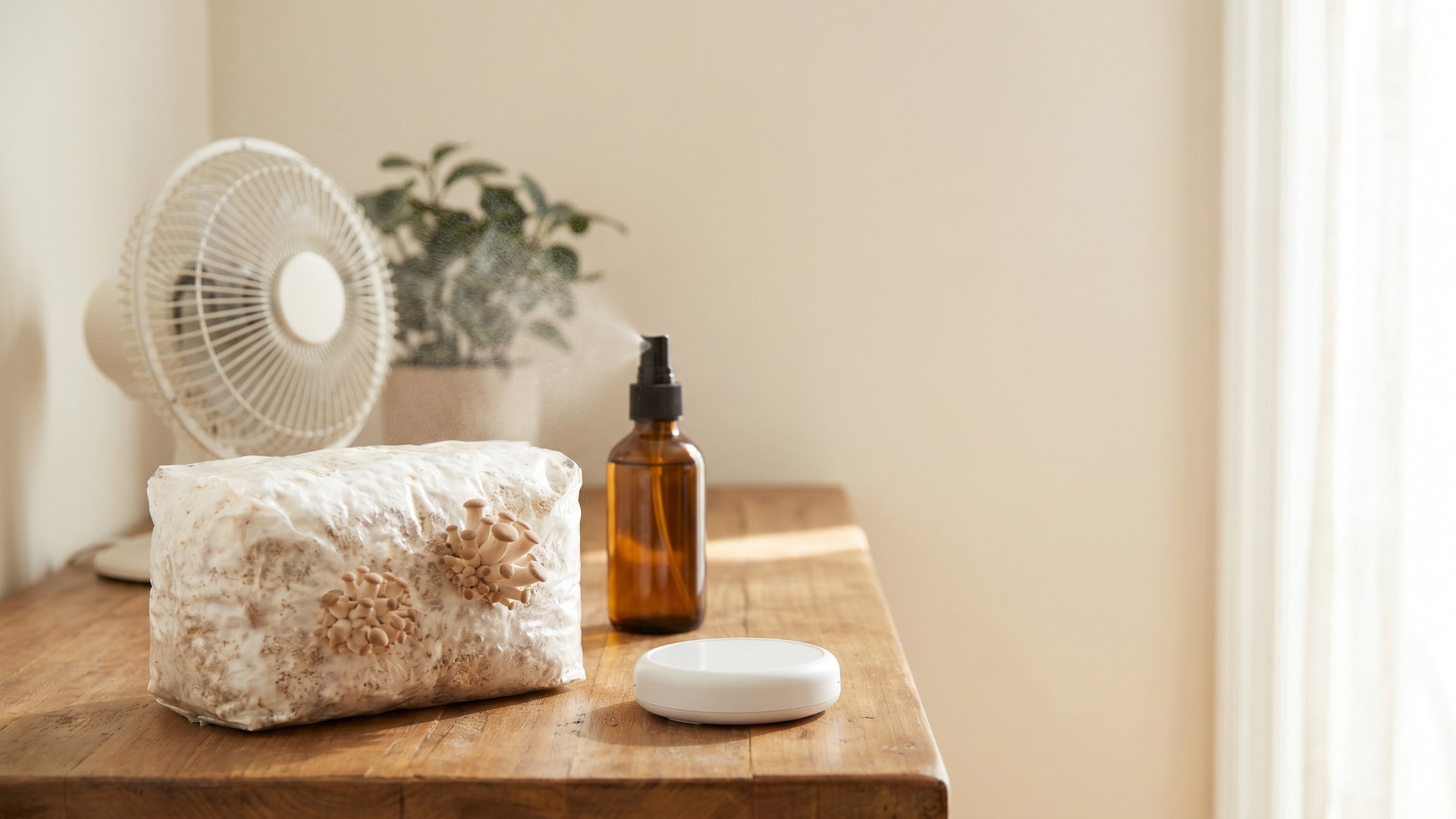
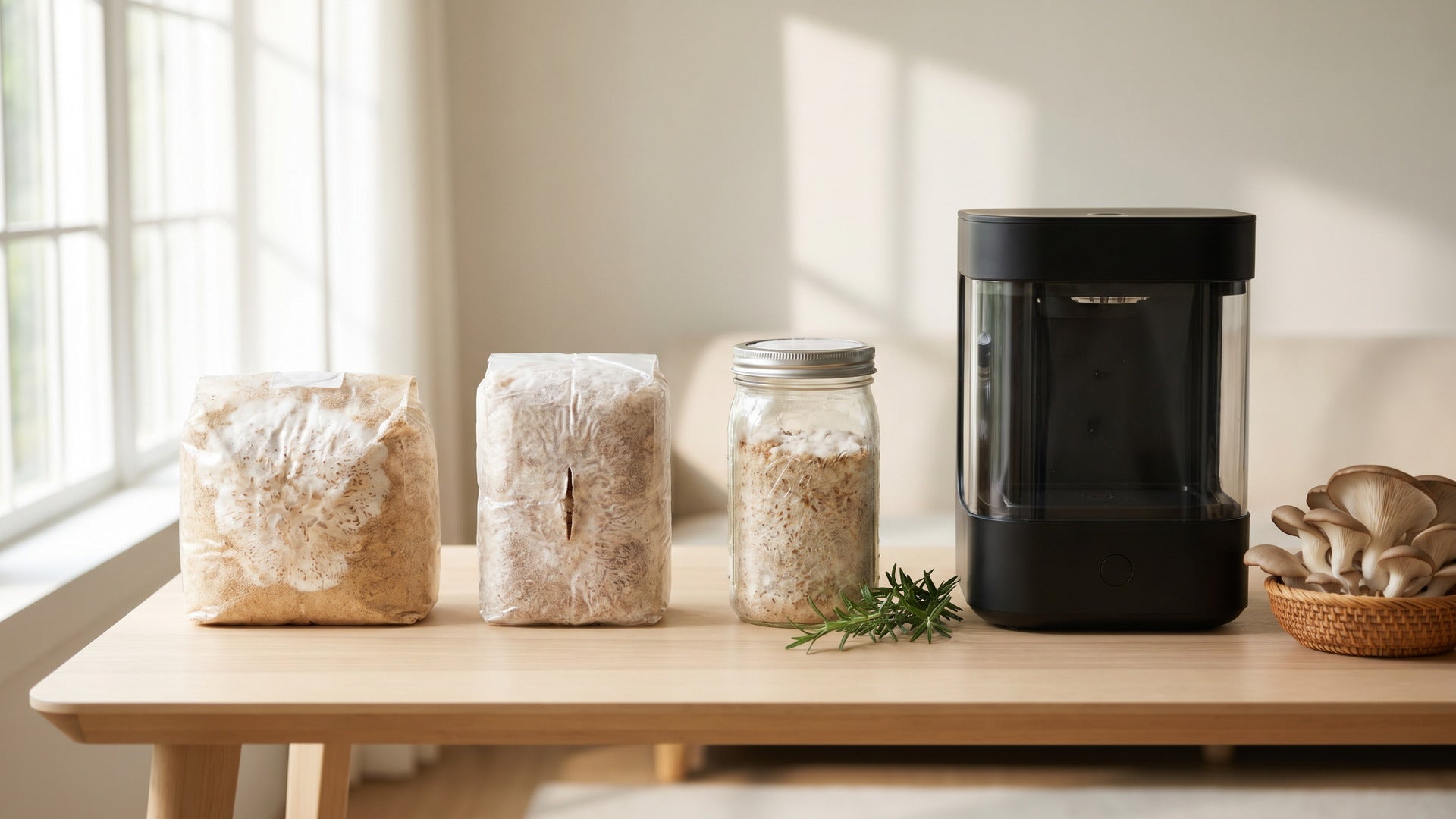
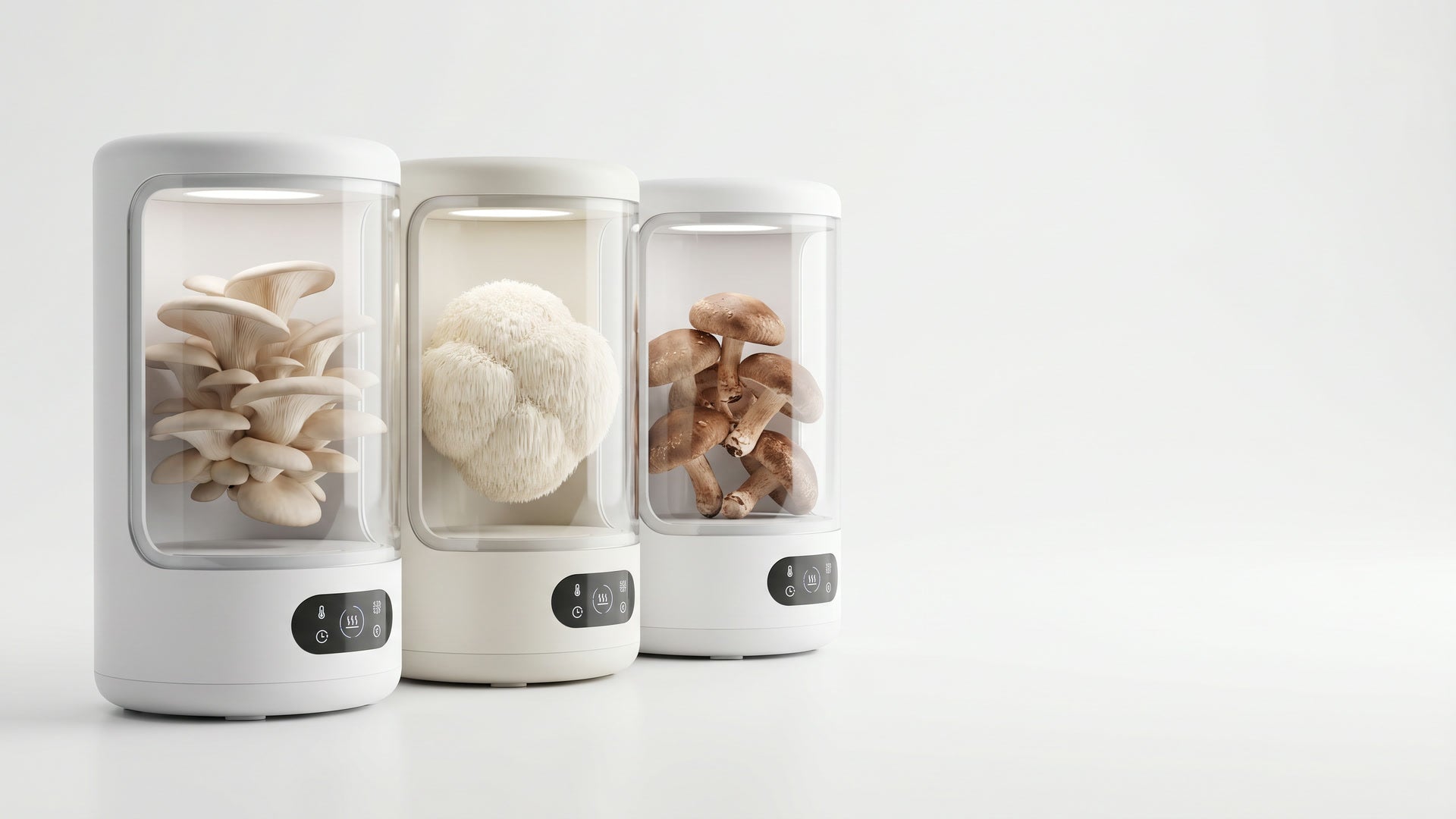
While traditional morel cultivation remains challenging, modern growing technology is making mushroom cultivation more accessible. The Lykyn Smart Mushroom Grow Chamber represents cutting-edge automation for home cultivation, though it's primarily designed for more easily cultivated species like oyster and shiitake mushrooms that grow much faster than morels.
For beginners interested in mushroom cultivation, our mushroom grow kit guide offers realistic timelines for various species. Most common cultivated mushrooms fruit within 7-21 days, making them much more predictable than morels.
Frequently Asked Questions
How long does it take for morel spores to germinate?
Spore germination typically occurs within 1-4 weeks under optimal conditions of moisture, temperature, and substrate. However, germination doesn't immediately lead to visible mushrooms.
Do morels really grow overnight?
Many websites claim that the morel mushroom grows overnight. This is obviously wrong! The morel does not grow overnight, like most mushrooms. While they can grow rapidly once fruiting begins, the process takes days to weeks, not hours.
How often should I check my morel growing areas?
There is no need to visit your morel places every day! There will be almost no difference. Checking every 3-5 days during peak season is sufficient for wild foraging.
Can morels be grown indoors successfully?
While it's possible, growing morels indoors is difficult and requires precise environmental control. Morels are better suited to outdoor cultivation where they can mimic natural conditions.
What's the success rate for morel cultivation kits?
Success rates are generally low, and many suppliers cannot guarantee results. Commercial cultivation has seen more success recently, but home cultivation remains challenging.
Summary: Morel Growth Timeline At-a-Glance
Wild morels fruit in 7-14 days once environmental triggers are met, growing 0.2-0.4 inches daily under optimal conditions. Cultivated morels require 1-2 years from inoculation to first fruiting, with no guarantee of success. Daily growth rates depend heavily on temperature fluctuations and humidity levels during the brief spring growing season.
Start Your Mushroom Growing Journey Today
While morel cultivation remains challenging, mushroom growing can be incredibly rewarding with the right species and equipment. The Lykyn Smart Mushroom Grow Chamber makes home cultivation accessible for beginners, allowing you to grow fresh, organic mushrooms with predictable timelines of just weeks rather than years.
Ready to experience the satisfaction of growing your own gourmet mushrooms? Explore our complete selection of beginner-friendly growing solutions and start your mycological adventure today. While you're waiting for that perfect morel season, you can enjoy fresh homegrown oyster, shiitake, and other delicious varieties that fruit reliably and quickly in controlled environments.
Share:
Edible Mushrooms in Wisconsin: Your Complete Guide to Foraging the Badger State
How Do You Make Chaga Tea? Your Complete Step-by-Step Brewing Guide