


Chaga tea has been treasured for centuries across Northern Europe, Russia, and Asia as a powerful medicinal beverage. This dark, earthy brew made from the chaga fungus (Inonotus obliquus) is gaining worldwide recognition as people seek natural ways to support their health and wellness. But how do you make chaga tea properly to maximize its benefits and flavor?
Making exceptional chaga tea requires understanding the unique nature of this remarkable fungus and following specific brewing techniques that differ significantly from regular tea preparation. Whether you're using chaga chunks, powder, or tea bags, this comprehensive guide will teach you everything you need to know about preparing perfect chaga tea at home.

Understanding Chaga: More Than Just a Mushroom
Before diving into brewing methods, it's essential to understand what makes chaga unique. Chaga isn't technically a mushroom in the traditional sense, it's a type of fungal growth called a "sclerotium" or "conk" that appears on birch trees after infection by the fungus Inonotus obliquus. The hard, black exterior resembles burnt charcoal, while the interior features a distinctive orange-brown color with a cork-like texture.
As covered in our comprehensive chaga mushroom tea guide, this remarkable fungus contains an impressive array of beneficial compounds including beta-glucans, melanin, triterpenes, and powerful antioxidants that may support immune function and overall wellness.
Essential Equipment and Ingredients
What You'll Need
For Chunk Method:
-
Heavy-duty pot or stainless steel vessel (avoid delicate porcelain that may stain)
-
Fine mesh strainer or cheesecloth
-
Hammer for breaking chunks (if needed)
-
Storage containers for reused chunks
For Powder Method:
-
Tea ball, muslin bag, or French press
-
Regular teapot or cup
-
Fine strainer
Chaga Forms Available:
-
Chunks: 1-inch pieces ideal for multiple uses and stronger brews
-
Powder: Fine ground chaga for quick brewing
-
Tea bags: Pre-portioned for convenience

Method 1: Traditional Chunk Brewing (Recommended)
This time-honored method produces the richest, most potent chaga tea and allows for multiple uses from the same chunks.
Step-by-Step Instructions
Step 1: Prepare Your Chaga Break chaga into approximately 1-inch chunks using a hammer if needed. Smaller pieces extract more efficiently. You'll need about 1 tablespoon of chunks per liter of water.
Step 2: Set Up Your Brew Add chaga chunks to a heavy-duty pot with filtered water. Use a 1:5 ratio, for every ounce of chaga, add 5 ounces of water.
Step 3: Heat Properly Heat water to 176°F (80°C), just below boiling. Do not boil, as high temperatures can destroy beneficial beta-glucans and other heat-sensitive compounds.
Step 4: Simmer Low and Slow Reduce heat to lowest setting and simmer for a minimum of 45 minutes. For maximum potency, simmer for 2-3 hours or until the water turns a rich, dark brown color similar to black tea.
Step 5: Strain and Serve Strain the liquid through fine mesh or cheesecloth. Your chaga tea should have a deep amber to dark brown color.
Step 6: Save Your Chunks Store used chunks in the refrigerator and reuse 2-4 times until they no longer produce dark tea. Used chunks can later be ground and added to smoothies or compost.
Pro Tips for Chunk Brewing
-
Longer steeping times (up to 8 hours) create richer, more medicinal brews
-
Use a slow cooker on low heat for all-day brewing
-
Monitor color development, darker tea indicates better extraction
Method 2: Quick Powder Brewing
Perfect for busy schedules, powder brewing offers convenience while maintaining beneficial properties.
Instructions for Powder Method
Step 1: Measure Powder Use 2-3 teaspoons of chaga powder per 8 oz cup of water. Place powder in a tea ball, muslin bag, or French press.
Step 2: Heat Water Heat water to 176°F (80°C), avoid boiling to preserve nutrients.
Step 3: Steep Pour hot water over powder and steep for 10-15 minutes for mild tea, or up to 30 minutes for stronger flavor.
Step 4: Strain and Enjoy Remove tea ball or strain thoroughly to avoid sediment. Even with fine straining, some particles may remain, adding slight texture.
Method 3: Tea Bag Convenience
Pre-packaged chaga tea bags offer the quickest preparation method.
Simple Tea Bag Process
-
Heat water to 176°F (80°C)
-
Steep tea bag for 4-6 minutes
-
Remove bag and enjoy immediately
This method produces a milder tea but offers maximum convenience for daily consumption.
Slow Cooker Method for Maximum Potency
For the ultimate medicinal brew, try the slow cooker approach mentioned in our chaga mushroom recipes guide.
Slow Cooker Instructions
-
Add chaga chunks and water to slow cooker
-
Set to low heat and brew for 6-24 hours
-
Monitor water levels and add more as needed
-
Strain when desired darkness is achieved
This method extracts maximum beneficial compounds while requiring minimal attention.
Enhancing Your Chaga Tea Experience
Natural Flavor Additions
Chaga tea has a mild, earthy flavor that pairs beautifully with:
-
Honey or maple syrup: Natural sweeteners that complement the earthy notes
-
Cinnamon: Adds warmth and enhances the tea's natural earthiness
-
Lemon juice: Brightens the flavor without affecting beneficial compounds
-
Ginger: Provides spicy warmth and additional health benefits
-
Milk or cream: Creates a coffee-like beverage perfect for morning routines
Serving Suggestions
-
Hot: Traditional serving method, perfect for cold weather
-
Iced: Refreshing summer drink, brew strong and serve over ice
-
Concentrated: Make strong brew and dilute as needed
-
Blended: Mix with herbal teas for complex flavor profiles
Storage and Reuse Guidelines
Proper Storage Methods
-
Fresh tea: Refrigerate for up to 7-14 days in airtight containers
-
Used chunks: Store in freezer between uses (can reuse 3-5 times)
-
Concentrated brew: Freeze in ice cube trays for easy portioning
-
Powder: Keep in cool, dry place away from light
Reuse Maximization
Used chaga chunks retain significant beneficial compounds through multiple brewing cycles. Continue using until tea no longer develops dark color, then compost the exhausted chunks or grind them for smoothie additions.
Health Benefits and Daily Consumption
Potential Benefits
Chaga contains powerful antioxidants, beta-glucans, and melanin that may support:
-
Immune system function
-
Natural inflammatory response
-
Overall wellness and vitality
-
Antioxidant protection
Recommended Dosage
Enjoy 1-2 cups of chaga tea daily for maximum benefits. Start with smaller amounts to assess tolerance, as some individuals may experience mild digestive sensitivity initially.
Frequently Asked Questions
How long should you brew chaga tea?
Minimum brewing time is 15 minutes, but 45 minutes to 3 hours produces optimal extraction. Longer brewing times create stronger, more medicinal tea.
Can you reuse chaga chunks?
Yes! Chaga chunks can be reused 2-4 times. Store used chunks in the refrigerator or freezer between uses until they no longer produce dark tea.
What temperature should the water be for chaga tea?
Keep water at 176°F (80°C), just below boiling. Boiling water can destroy heat-sensitive beneficial compounds like beta-glucans.
How much chaga do you use per cup?
Use 1 tablespoon of chunks per liter of water, or 2-3 teaspoons of powder per 8 oz cup. Adjust amounts based on desired strength.
What does chaga tea taste like?
Chaga tea has a mild, earthy flavor with subtle woodsy notes. It's much milder than black tea and pairs well with natural sweeteners and spices.
Growing Your Own Mushroom Journey
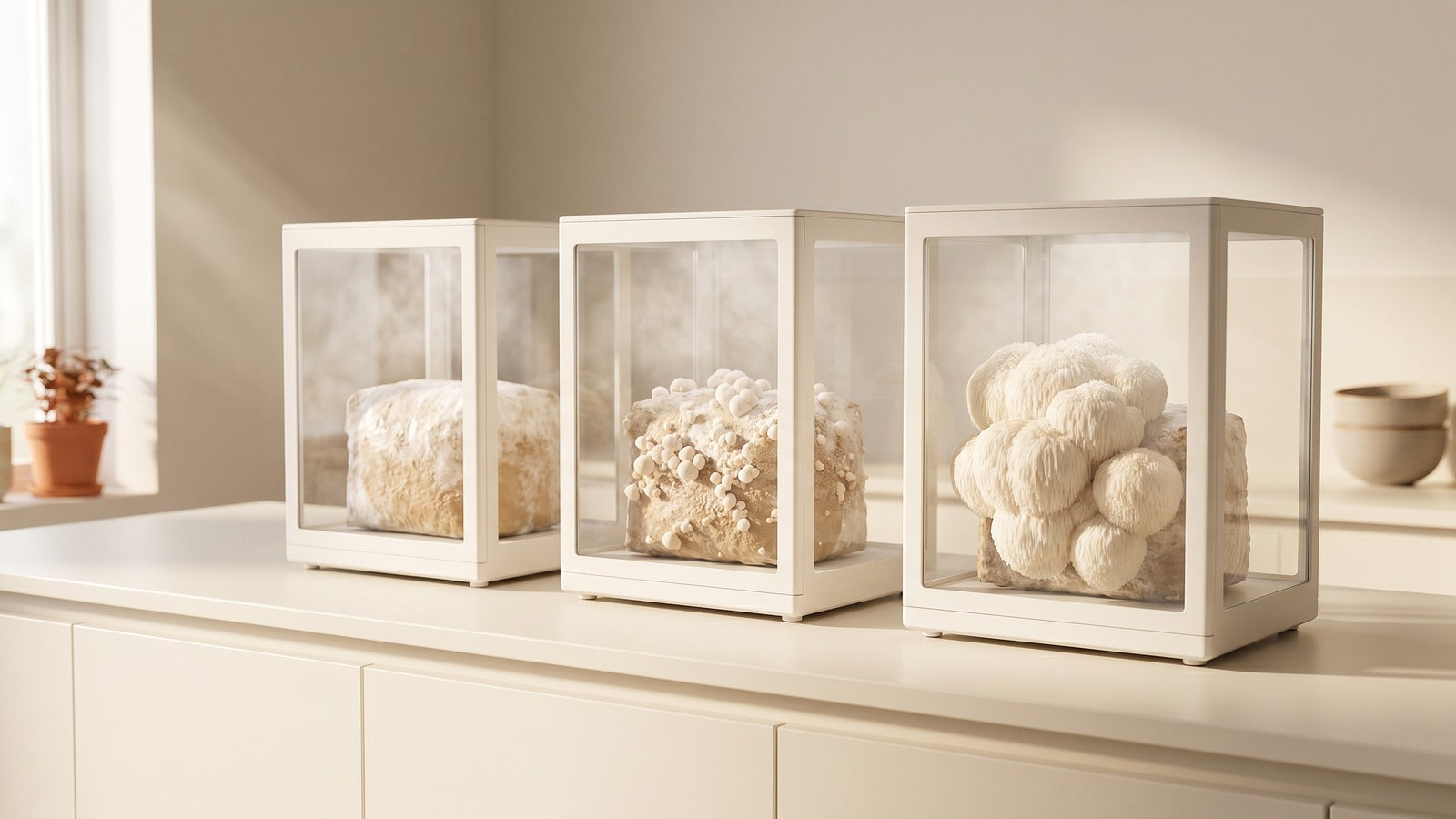
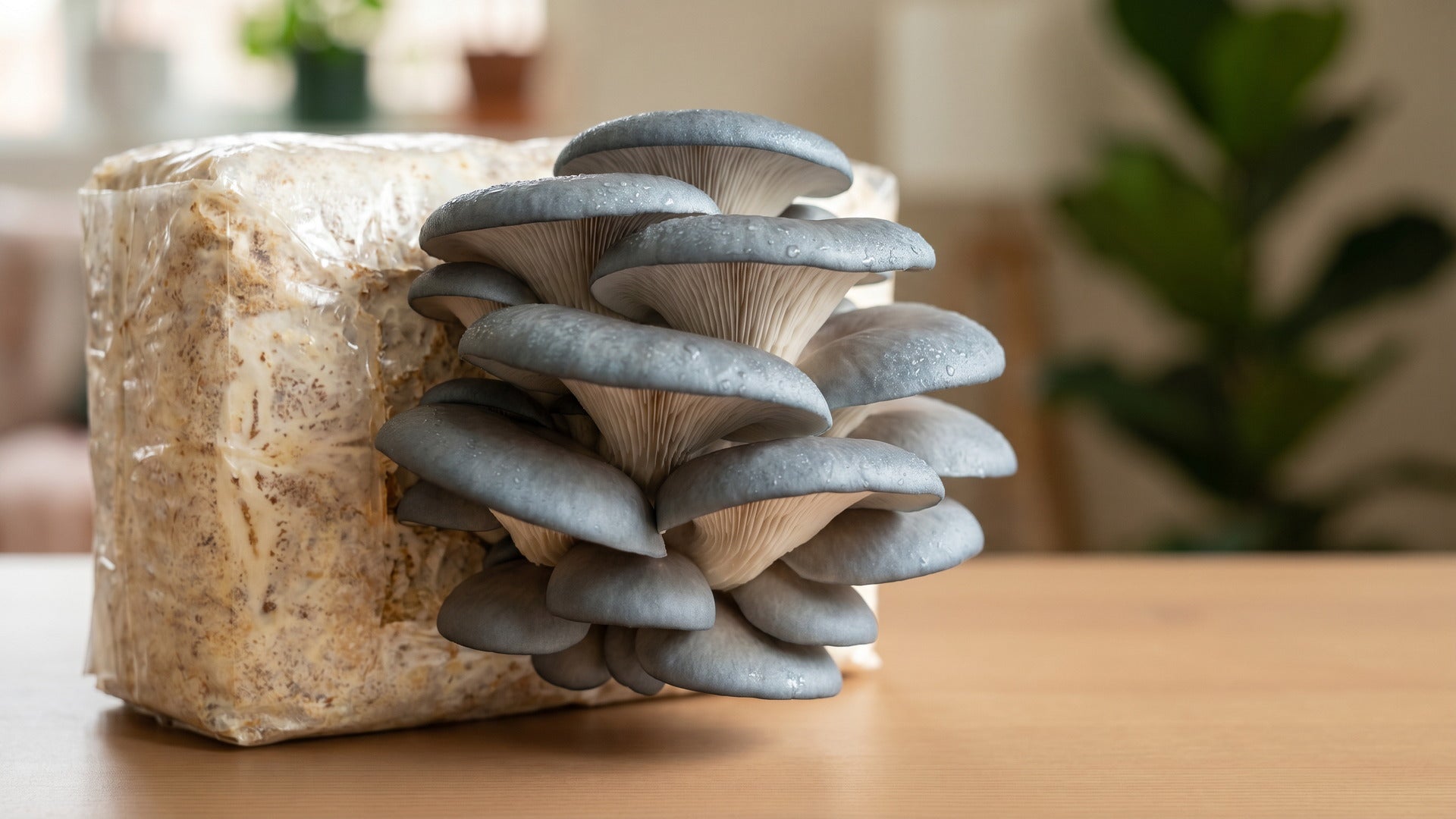
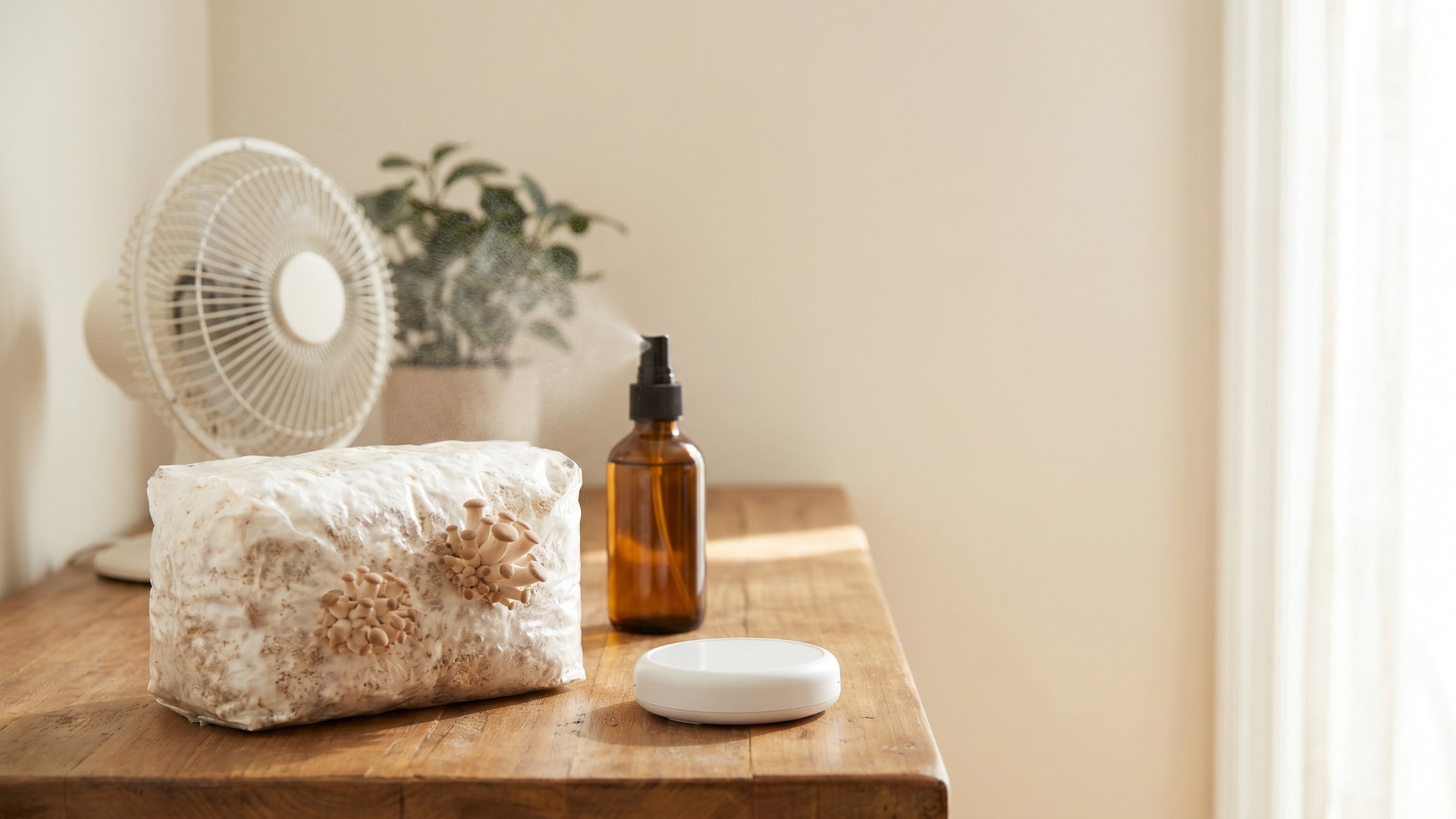
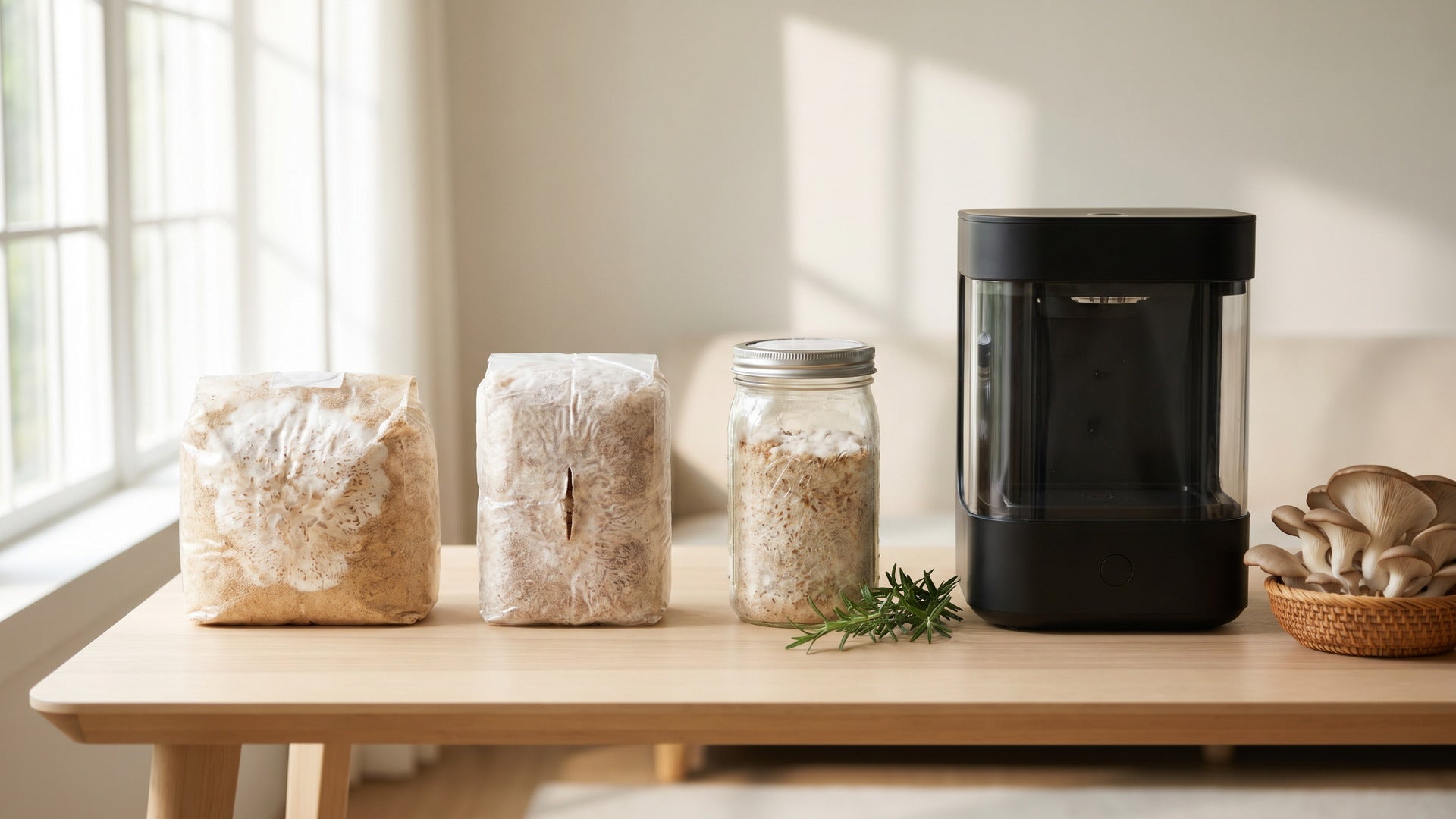
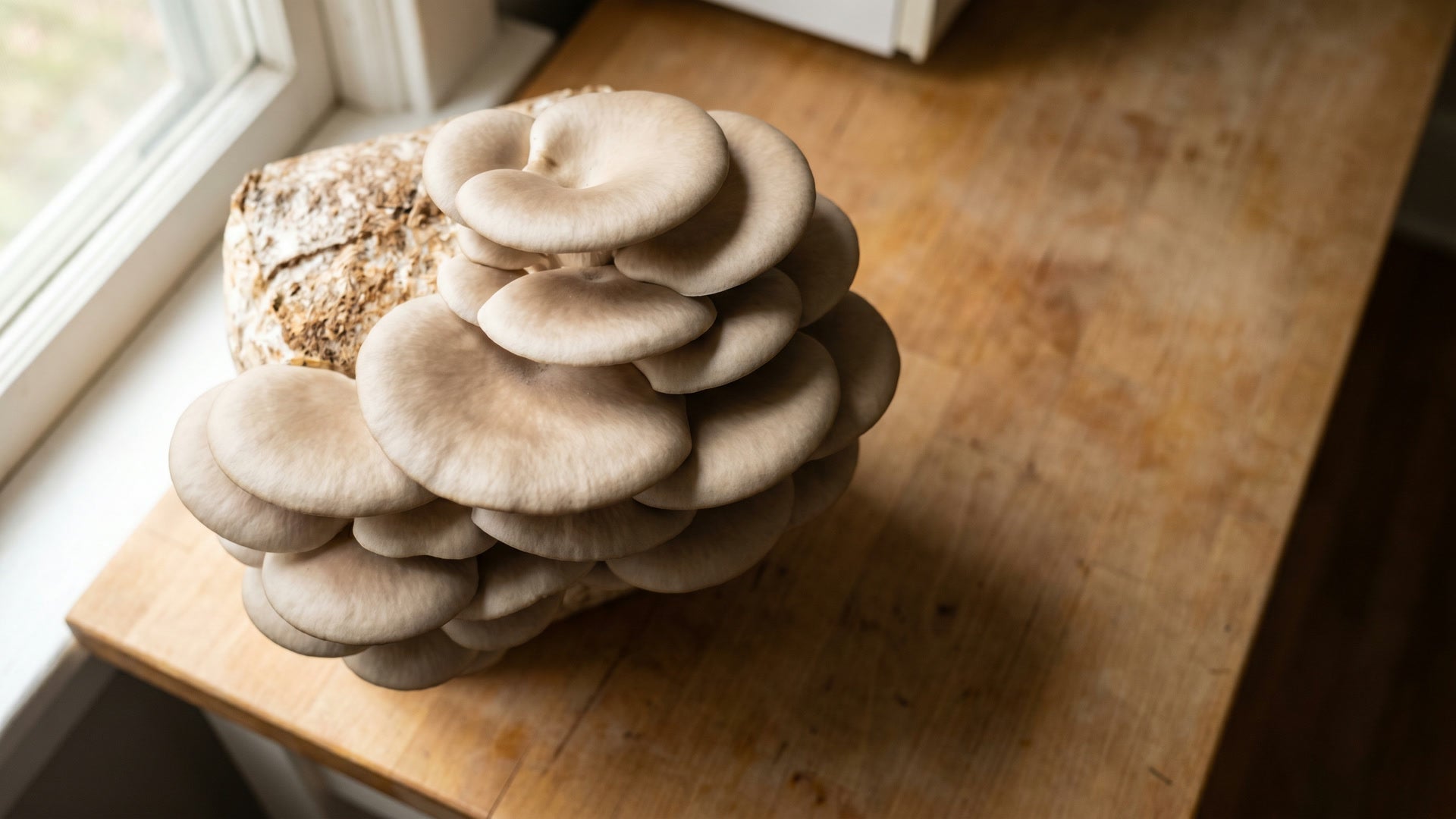
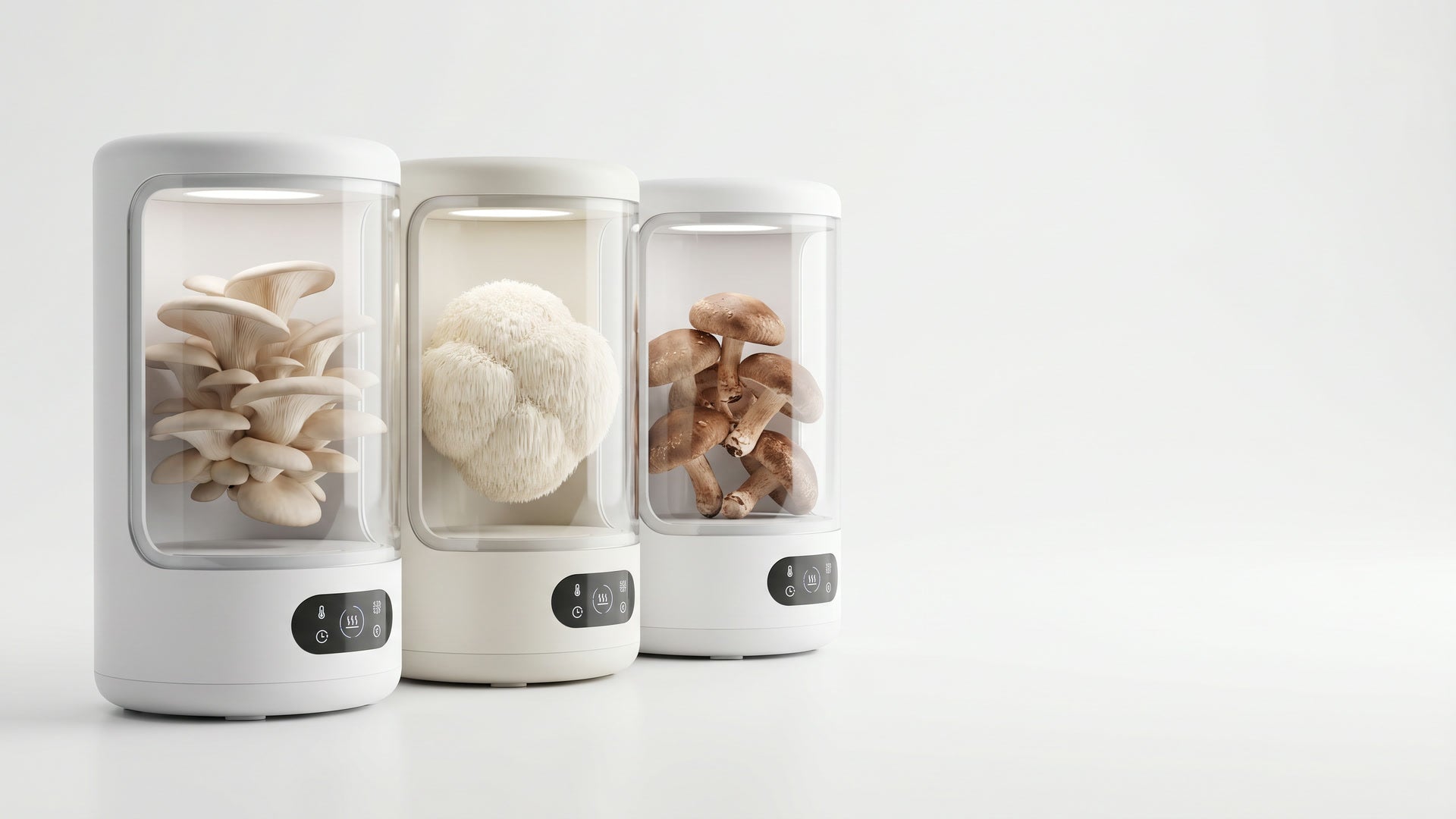
While chaga grows wild on birch trees in northern climates, you can explore growing other beneficial mushrooms at home. The Lykyn Smart Mushroom Grow Chamber makes it easy to cultivate varieties like oyster, shiitake, and lion's mane mushrooms, which can also be used to make medicinal teas and enhance your wellness routine.
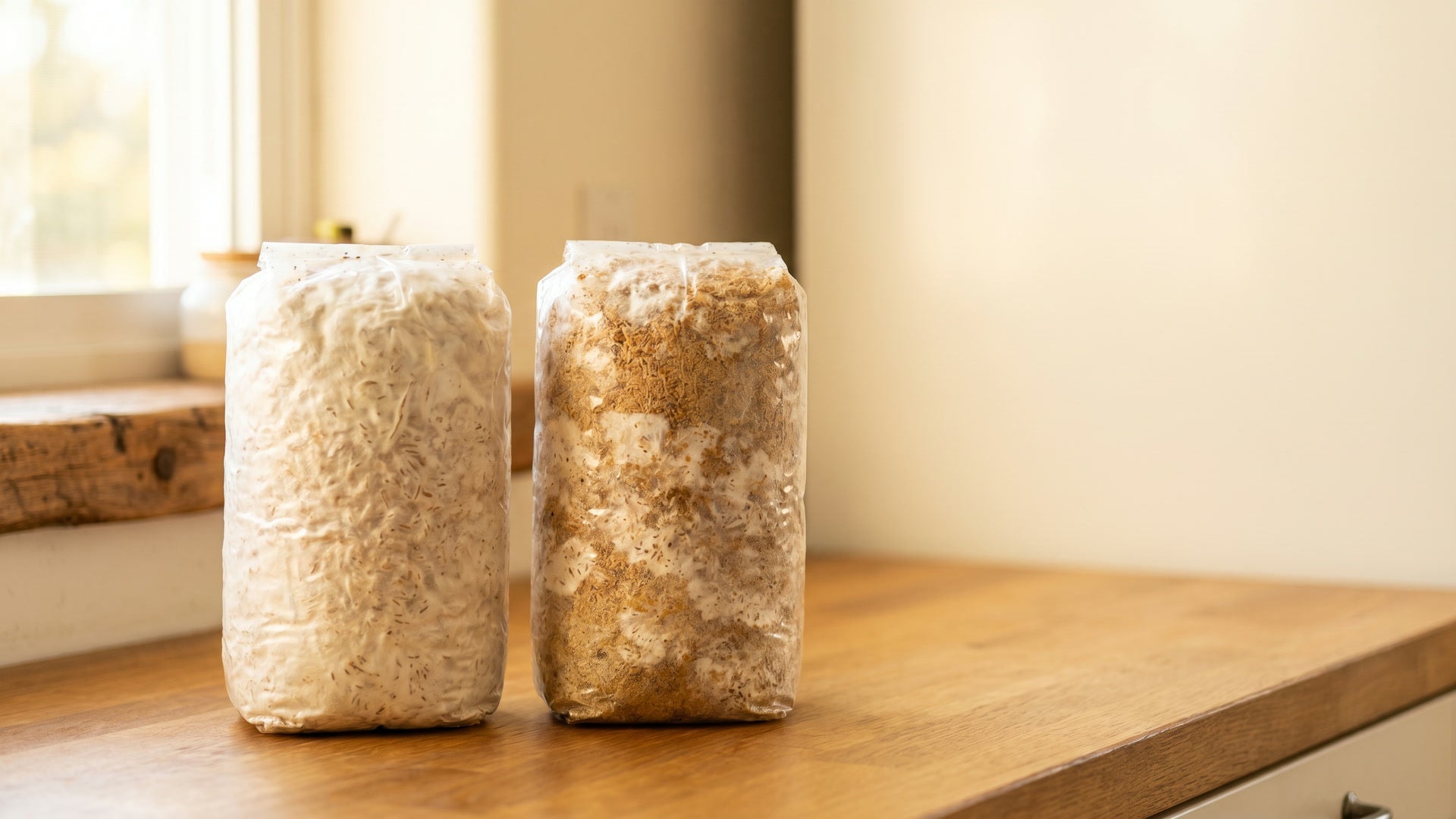
For beginners interested in mushroom cultivation, our mushroom grow kit guide provides everything you need to start your mycological journey with easy-to-grow varieties that fruit quickly and reliably.
Summary: Perfect Chaga Tea Every Time
Traditional chunk brewing offers the richest flavor and maximum reuse value, requiring 45 minutes to 3 hours of simmering. Powder brewing provides convenience with 10-15 minute steeping times. Tea bags offer ultimate convenience for daily consumption. Always maintain water temperature at 176°F and avoid boiling to preserve beneficial compounds.
Start Your Wellness Journey Today
Ready to experience the ancient wisdom of chaga tea? Whether you choose traditional chunk brewing for maximum potency or convenient powder methods for daily use, chaga tea offers a natural way to support your wellness routine.
While you're exploring the world of functional fungi, consider expanding your horizons with the Lykyn Smart Mushroom Grow Chamber. This innovative system makes it easy to grow fresh, potent mushrooms at home, allowing you to create your own supply of medicinal fungi for teas, cooking, and wellness applications. Transform your kitchen into a functional food laboratory and discover the satisfaction of growing your own superfoods.
Share:
How Long Does It Take for Morels to Grow? Your Complete Timeline Guide
Tulip Morel: The Ultimate Guide to Nature's Hidden Spring Treasure