


Among the diverse world of morel mushrooms, few varieties remain as secretive and regionally specific as the tulip morel. These remarkable fungi, scientifically known as Morchella virginiana or Morchella diminutiva, have earned their common name through their strong association with tulip poplar trees (Liriodendron tulipifera). While most mushroom hunters focus on traditional morel hunting grounds, those who understand the tulip morel's unique preferences often discover abundant harvests in overlooked locations.
Tulip morels represent one of the most fascinating examples of the specialized relationships between fungi and their host trees. Unlike the more widely known yellow and black morels that grow in various hardwood forests, tulip morels have evolved a remarkably specific preference for tulip poplar ecosystems, particularly in the southeastern United States.

What Are Tulip Morels? Understanding the Science
Scientific Classification and Discovery
Tulip morels were formally described as a distinct species in 2012 through groundbreaking DNA sequencing work by Michael Kuo and his collaborators. This research revealed that what was previously considered a single widespread morel species actually comprised multiple distinct species with specific habitat preferences.
The primary species associated with tulip poplars include:
-
Morchella virginiana: The most well-documented tulip morel species
-
Morchella diminutiva: A closely related species also found near tulip trees
-
Morchella sceptriformis: A taxonomic synonym for M. virginiana
Unique Characteristics
Tulip morels possess several distinctive features that set them apart from other morel varieties:
Size and Proportions: Generally smaller than common yellow morels, typically reaching 2-5 inches in height with a proportionally longer stem relative to cap size.
Cap Structure: Features vertically aligned ridges and pits, similar to black morels but with the coloration of yellow morels. The honeycomb pattern runs primarily up and down rather than randomly.
Coloration: When young, ridges appear yellow with gray pits. As they mature, ridges develop brownish-yellow tones while maintaining the characteristic gray pitting.
Stem Characteristics: Often exhibits a slightly swollen base and maintains the hollow structure essential to all true morels.
The Tulip Poplar Connection: A Specialized Relationship
Understanding Tulip Poplar Trees
Tulip poplars (Liriodendron tulipifera) are magnificent deciduous trees native to eastern North America. Despite their name, they're actually members of the magnolia family rather than true poplars. These trees are easily recognizable by their distinctive four-lobed leaves that resemble tulip flowers when viewed upright.
Key identification features of tulip poplars include:
-
Leaves: Distinctive four-lobed shape with a broad, notched tip
-
Bark: Develops characteristic furrows and ridges as trees mature
-
Size: Among the tallest hardwood trees in North America, often reaching 80-120 feet
-
Flowers: Large, tulip-shaped greenish-yellow flowers in late spring
Why Tulip Morels Choose These Trees
The relationship between tulip morels and tulip poplars appears to be both symbiotic and highly specialized. Several factors contribute to this association:
Root System Chemistry: Tulip poplars produce specific chemical compounds in their root systems that may trigger morel fruiting or provide optimal growing conditions.
Soil Conditions: These trees often grow in rich, well-draining soils with specific pH levels that morels prefer.
Microclimate Creation: The large leaves and extensive canopy of tulip poplars create ideal moisture and temperature conditions beneath the tree.
Nutrient Cycling: The decomposition of tulip poplar leaves and organic matter creates the nutrient-rich environment that supports morel development.

Identifying Tulip Morels: Key Recognition Features
Physical Characteristics
Cap Appearance: The honeycomb pattern features predominantly vertical ridges and pits, distinguishing tulip morels from species like Morchella americana which has randomly oriented patterns.
Size Range: Typically 2-5 inches tall with caps measuring 1-3 inches, making them smaller than many common yellow morels.
Color Development: Young specimens display bright yellow ridges with gray pits, gradually developing brownish-yellow ridges as they mature.
Stem Structure: Proportionally longer stems compared to other yellow morels, often with a characteristic swollen base.
Distinguishing from Similar Species
Morchella americana: Features randomly oriented ridges rather than the vertical pattern of tulip morels, and typically grows larger.
Morchella esculentoides: Much larger overall size and less conical shape distinguish it from tulip morels.
Black morels: While sharing the vertical ridge pattern, black morels have much darker coloration and different habitat preferences.
Safety and Look-Alikes
Tulip morels share the same safety profile as other true morels. The critical identification rule remains: all true morels are completely hollow when cut lengthwise. Potentially dangerous look-alikes include:
Verpa species: Have caps that hang freely from stems rather than being attached at the base.
Gyromitra species: Feature brain-like, wrinkled caps rather than honeycomb patterns and are not hollow.
Half-free morels: While edible, these have caps attached only halfway down the stem.
Where to Find Tulip Morels: Habitat and Distribution
Geographic Range
Tulip morels are primarily found in the southeastern United States, with confirmed populations in:
-
Virginia: The type locality for Morchella virginiana
-
North Carolina: Particularly in the Coastal Plain and Piedmont regions
-
South Carolina: Throughout hardwood forests with tulip poplars
-
Mississippi: River bottom areas with tulip poplar stands
-
Potentially extending into: Tennessee, Georgia, and other southeastern states with suitable habitat
Preferred Habitats
River Bottoms and Floodplains: Tulip morels show a strong preference for rich, moist soils found in river valleys where tulip poplars commonly grow.
Sandy Soils: Coastal areas and regions with well-draining sandy soils provide ideal growing conditions.
Mixed Hardwood Forests: While associated with tulip poplars, they're often found in diverse hardwood forests where these trees are present.
Edge Habitats: Areas where forests meet clearings or where logging has created openings often produce tulip morels.
Seasonal Timing
Like other morels, tulip morels emerge in spring when specific environmental conditions align:
Temperature Requirements: Soil temperatures reaching the mid-50s°F (12-15°C) trigger fruiting.
Weather Patterns: The combination of warming temperatures after cool periods, adequate moisture, and proper soil conditions.
Phenological Indicators: Traditional signs include tulip poplar buds reaching "the size of a squirrel's ear" or when the distinctive tulip-shaped flowers begin appearing.
Peak Season: Typically April through May in most of their range, with timing varying based on local climate conditions.
Foraging Techniques for Tulip Morels
Locating Tulip Poplar Stands
Tree Identification Skills: Learn to identify tulip poplars by their distinctive leaves, bark, and overall growth form throughout the seasons.
Habitat Assessment: Focus on areas with mature tulip poplars, particularly in river bottoms, protected valleys, and mixed hardwood forests.
Multiple Tree Strategy: Search areas with multiple tulip poplars rather than isolated specimens for better success rates.
Search Techniques
Systematic Coverage: Work in grid patterns around the base of tulip poplar trees, extending searches to the drip line and beyond.
Ground Level Focus: Tulip morels often grow close to the ground and can be well-camouflaged among leaf litter.
Return Visits: Like other morels, tulip morels may continue emerging over several weeks, making return visits to productive areas worthwhile.
Weather Timing: Hunt during or shortly after periods of warming temperatures following spring rains.
Harvesting Ethics
Sustainable Practices: Harvest selectively, leaving smaller specimens to mature and spore.
Spore Dispersal: Use mesh bags or baskets that allow spores to fall through during transport, helping propagate future generations.
Habitat Preservation: Avoid damaging root systems or disturbing soil around productive trees.
Permission and Legality: Always obtain proper permissions for foraging on private land and follow local regulations.
Culinary Applications and Preparation
Flavor Profile
Tulip morels share the distinctive earthy, nutty flavor profile characteristic of morel mushrooms, with subtle variations that some foragers claim to detect. The smaller size makes them particularly suitable for certain culinary applications.
Preparation Methods
Cleaning: Follow the same thorough cleaning procedures used for other morels, paying special attention to the hollow interior where debris can collect. Our comprehensive guide to cleaning morel mushrooms provides detailed instructions.
Drying for Storage: Due to their smaller size, tulip morels are excellent candidates for drying, which concentrates their flavor and allows for long-term storage.
Cooking Applications: Their size makes them perfect for sautéing, incorporating into cream sauces, or adding to pasta dishes.
Storage and Preservation
Fresh Storage: Keep refrigerated and use within 3-5 days of harvest for optimal quality.
Drying: Air dry or use a dehydrator to preserve tulip morels for year-round use.
Freezing: Can be cooked and frozen, though texture changes make this less ideal than drying.
The Future of Tulip Morel Research
Ongoing Scientific Study
Research into tulip morels continues as mycologists work to better understand:
-
Distribution patterns: Mapping the complete range of tulip morel species
-
Ecological relationships: Understanding the precise nature of the tulip poplar association
-
Climate change impacts: How changing weather patterns affect tulip morel populations
Conservation Considerations
As with many specialized fungi, tulip morels face potential threats from:
-
Habitat loss: Destruction of tulip poplar forests reduces available habitat
-
Climate change: Shifting weather patterns may affect traditional fruiting cycles
-
Over-harvesting: Increased foraging pressure in known locations
Expanding Your Morel Knowledge
Understanding tulip morels opens doors to appreciating the incredible diversity within the morel family. Our complete guide to types of morel mushrooms explores the full spectrum of these fascinating fungi.
For those interested in the broader world of morel foraging, our resources on where morel mushrooms grow and morel mushroom trees provide comprehensive guidance for successful hunting.
Growing Your Mushroom Expertise
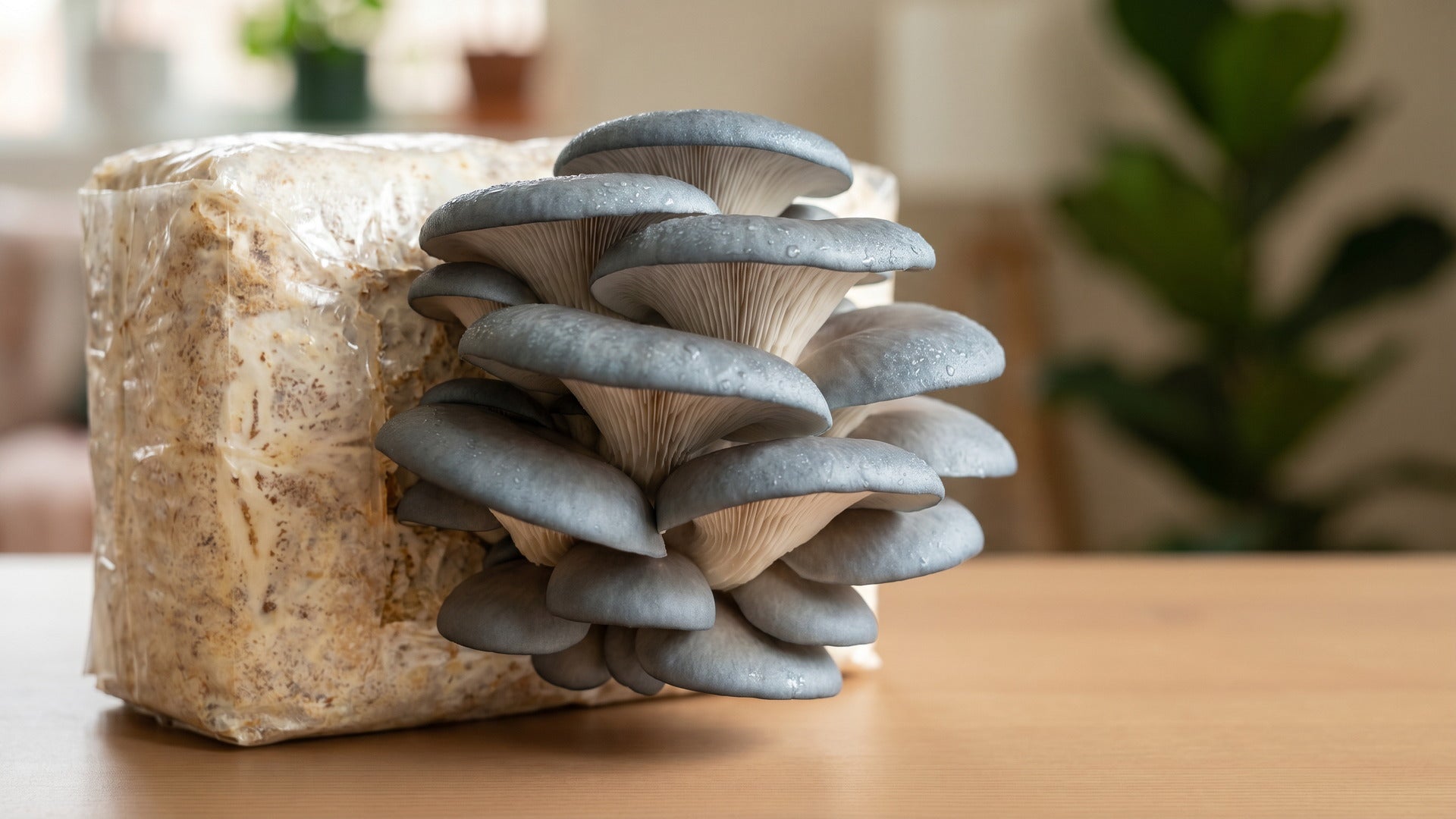
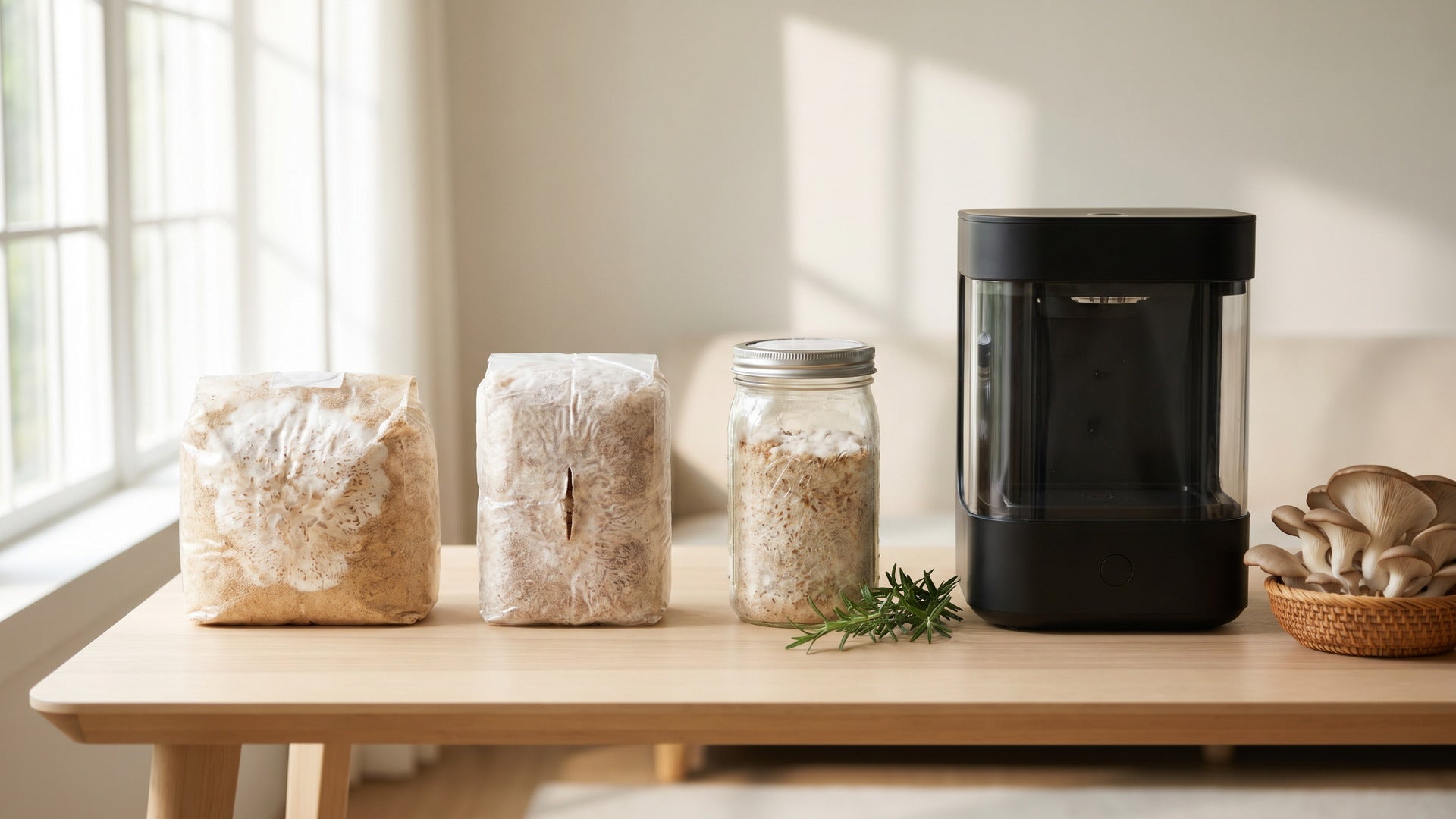
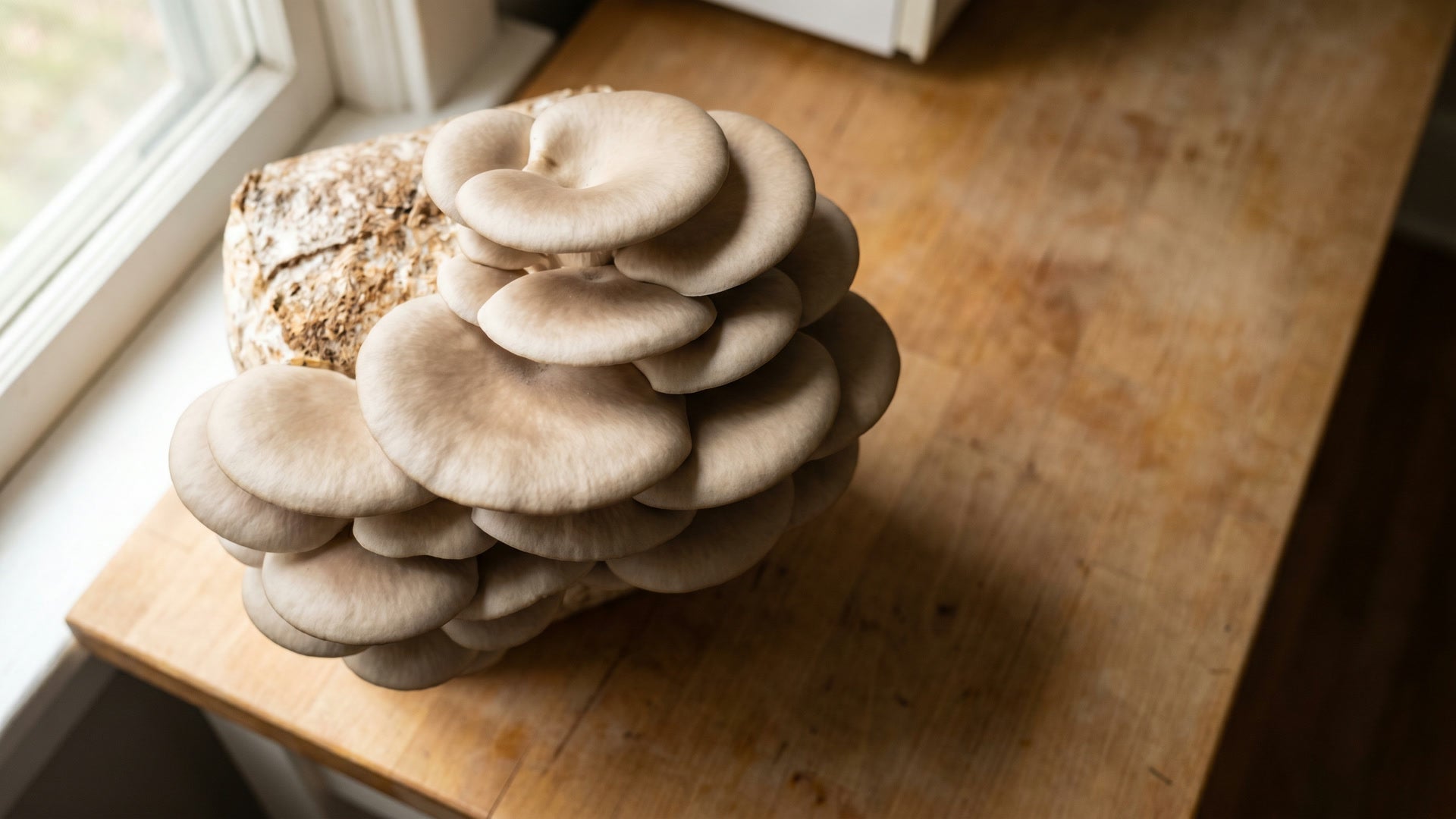
While tulip morels remain primarily a wild-foraged delicacy, you can explore mushroom cultivation with more easily grown varieties. The Lykyn Smart Mushroom Grow Chamber makes it possible to grow gourmet mushrooms like oyster, shiitake, and lion's mane at home.
For beginners interested in mushroom cultivation, our mushroom grow kit guide provides everything needed to start your mycological journey with reliable, fast-growing varieties.
Frequently Asked Questions
Are tulip morels different from regular morels?
Yes, tulip morels are distinct species (Morchella virginiana and related species) with specific habitat preferences for tulip poplar trees and unique morphological characteristics including smaller size and vertically oriented ridge patterns.
Where are tulip morels most commonly found?
Tulip morels are primarily found in the southeastern United States, particularly in Virginia, North Carolina, South Carolina, and Mississippi, growing in association with tulip poplar trees in river bottoms and hardwood forests.
How can I identify tulip poplar trees?
Tulip poplars have distinctive four-lobed leaves that resemble tulip flowers, smooth gray bark when young that develops furrows with age, and large tulip-shaped greenish-yellow flowers in late spring.
When is the best time to hunt for tulip morels?
The optimal time is typically April through May when soil temperatures reach the mid-50s°F, often coinciding with tulip poplar bud break and the appearance of other spring wildflowers.
Can tulip morels be cultivated like other mushrooms?
Currently, tulip morels cannot be reliably cultivated and remain exclusively wild-foraged mushrooms due to their complex ecological requirements and specialized relationship with tulip poplar trees.
Summary: Unlocking the Secrets of Tulip Morels
Tulip morels (Morchella virginiana) represent a specialized morel species found primarily in southeastern US hardwood forests with tulip poplar trees. Key identification features include smaller size, vertically oriented honeycomb patterns, and yellow ridges with gray pits. Prime habitats include river bottoms, sandy soils, and mixed hardwood forests during April-May when soil temperatures reach the mid-50s°F.
Discover More Mushroom Adventures
Ready to expand your mushroom knowledge beyond foraging? While tulip morels remain nature's exclusive domain, you can explore the fascinating world of mushroom cultivation with the Lykyn Smart Mushroom Grow Chamber. This innovative system makes it easy to grow gourmet mushrooms at home, providing fresh harvests year-round while you wait for tulip morel season to return.
Start your mycological journey today and discover why thousands of mushroom enthusiasts are choosing home cultivation to complement their foraging adventures. Transform your kitchen into a productive growing space and experience the satisfaction of harvesting your own gourmet mushrooms.







Share:
How Do You Make Chaga Tea? Your Complete Step-by-Step Brewing Guide
How Long Does It Take for Morel Mushrooms to Grow? Your Complete Timeline Guide