


Featured Snippet Answer: A mushroom identifier is a tool, either an app, field guide, or expert consultation, that helps you determine a mushroom's species based on physical characteristics like cap shape, gill structure, spore print color, and habitat. In 2026, AI-powered apps achieve 85-92% accuracy, but experts recommend always confirming identifications with multiple sources before consuming any wild fungi.
Look, I get it. You found something beautiful growing at the base of an oak tree, and now you're wondering: Can I eat this, or will it send me to the hospital?

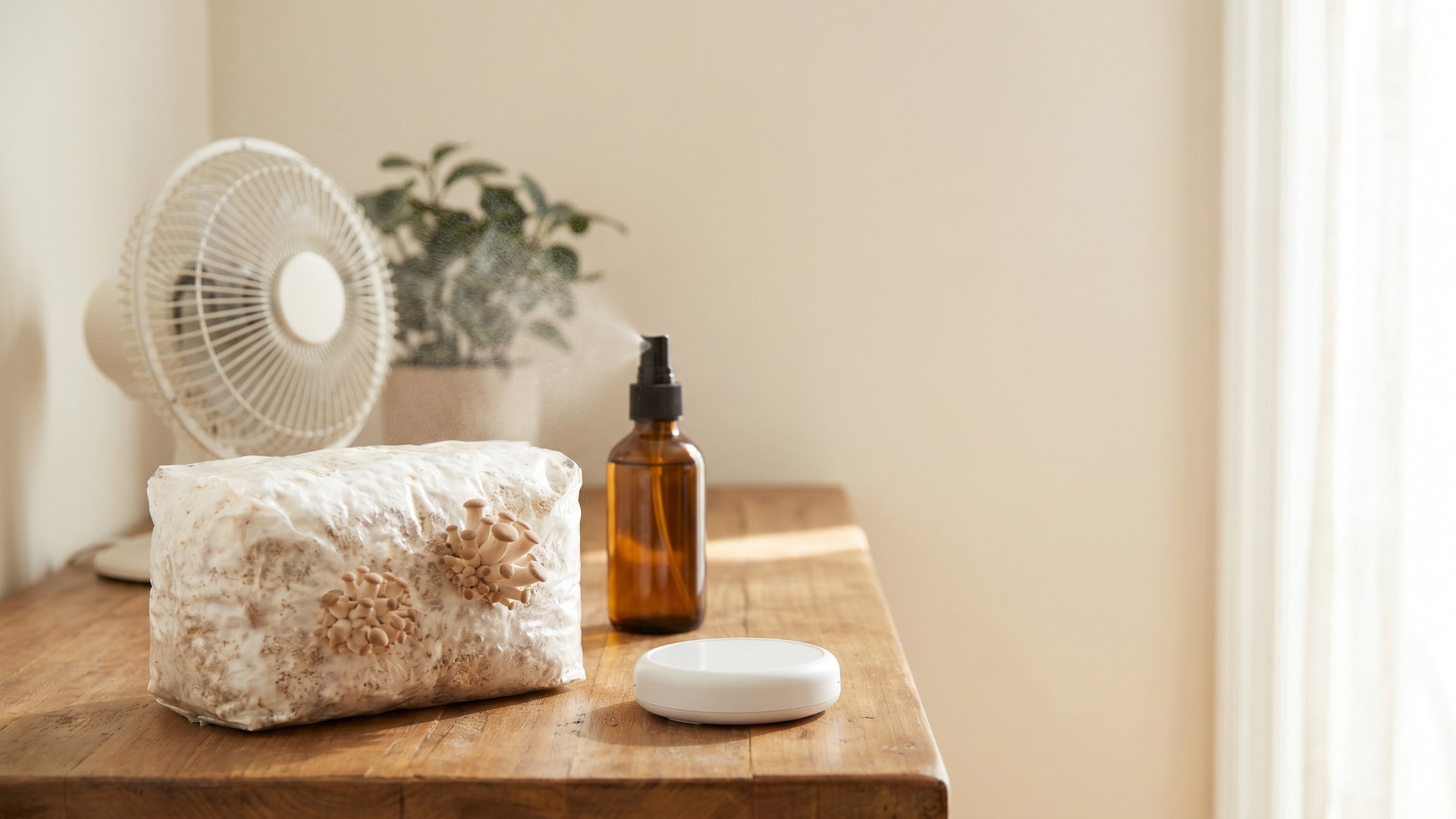
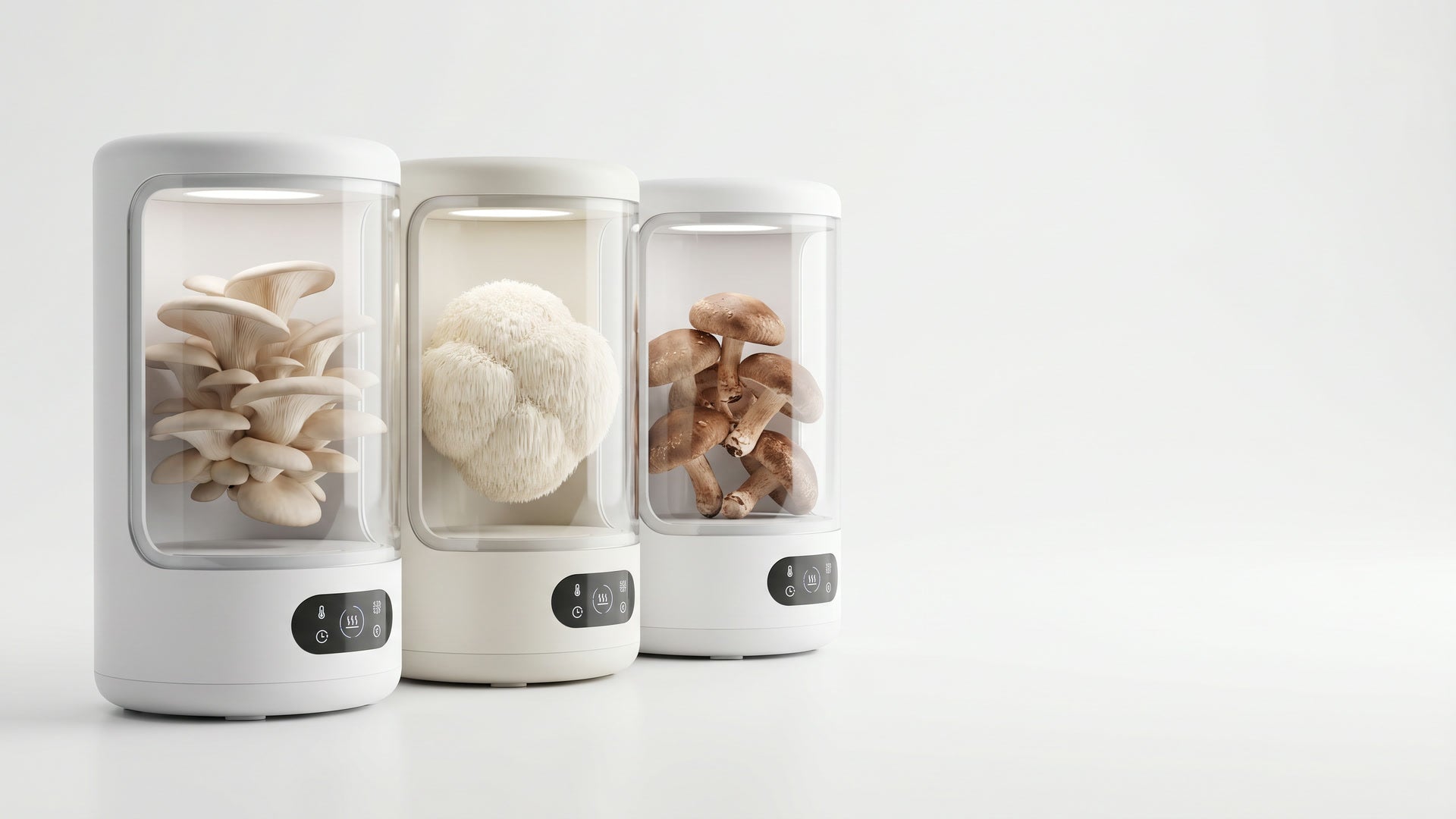
Smart Chamber. Bone White Single
- 2.8L tank, 90% humidity automatic
- App-controlled, plug-and-play
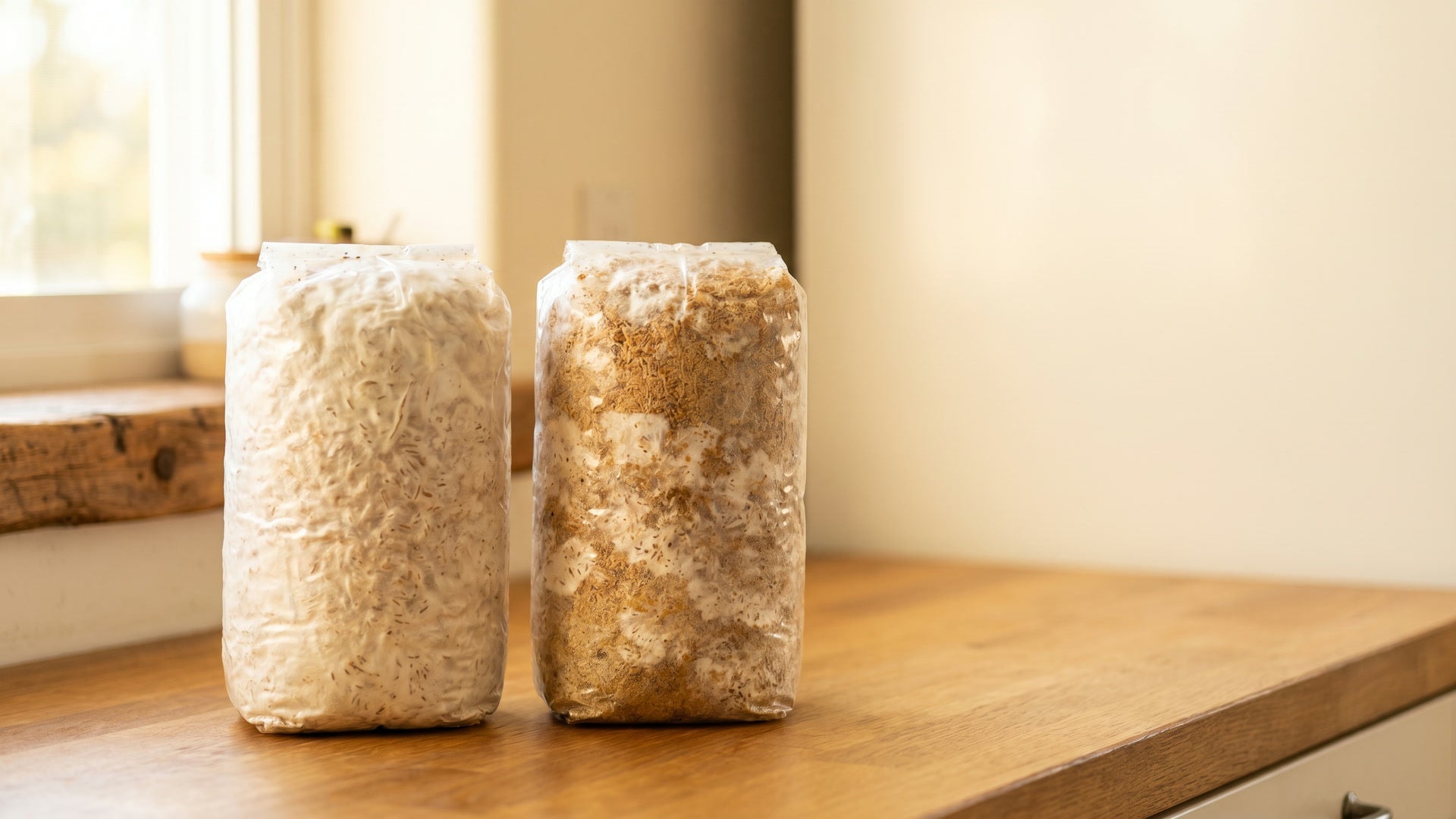
- 6 lb block ceiling, in stock

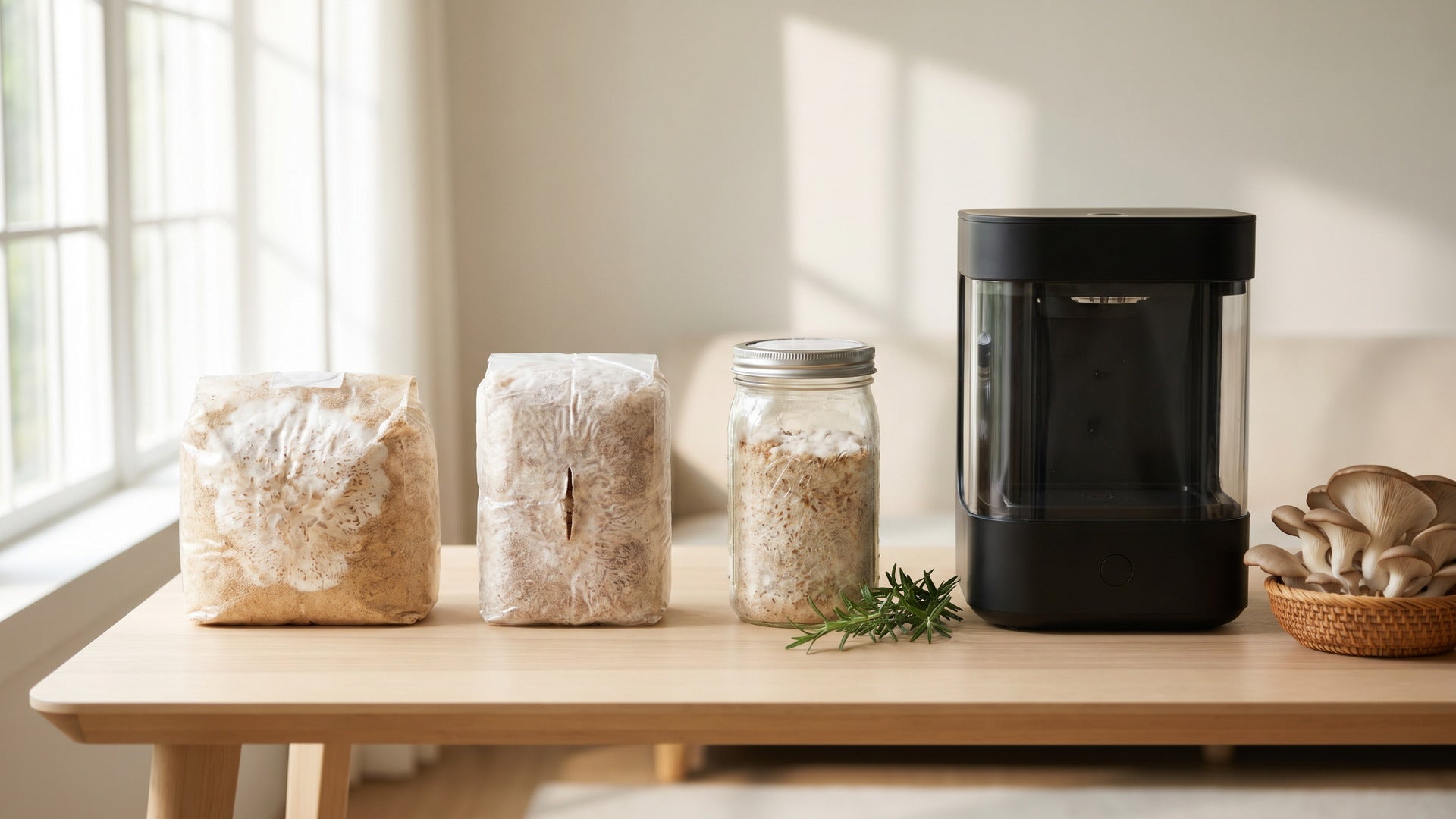
Smart Chamber. Obsidian Black Single
- Same hardware as Bone White
- Matte black premium finish
- Pairs with any kitchen palette

That's exactly why mushroom identifiers exist. And honestly? They've gotten pretty incredible in 2026.
But here's the thing, and I say this as someone who's been foraging for years, no single tool should be your only line of defense. Let me walk you through how to actually use these identifiers the right way, so you can enjoy wild mushrooms safely.
What Is a Mushroom Identifier and How Does It Work?
A mushroom identifier is any method you use to determine the species of a fungus you've found. This includes:
- AI-powered smartphone apps (like Picture Mushroom, Shroomify, or iNaturalist)
- Physical field guides with dichotomous keys
- Spore print analysis and chemical testing
- Expert consultation through local mycological societies
How AI Mushroom Identifier Apps Work
Modern mushroom identifier apps use convolutional neural networks (CNNs) trained on millions of mushroom images. When you snap a photo, the app compares visual features against its database and returns probability-matched species.
Here's what the app analyzes:
| Feature | What It Tells You |
|---|---|
| Cap shape and color | Narrows down genus |
| Gill attachment | Distinguishes families |
| Stem characteristics | Identifies key species |
| Habitat context | Confirms likelihood |
A 2025 study from the University of Copenhagen found that top-tier apps correctly identified edible species 89% of the time under ideal conditions. However, accuracy dropped to 67% when images were poorly lit or showed immature specimens.
That's why you need to understand the fundamentals yourself.
If you're just starting out, our Complete Beginner's Guide to Foraging Mushrooms breaks down the essential skills you'll need before relying on any identifier tool.

How to Use a Mushroom Identifier Correctly: Step-by-Step
I've seen too many people snap one blurry photo and assume they've got a positive ID. That's not how this works. Here's my actual process:
Step 1: Observe Before You Pick
Before you even touch the mushroom, note these details:
- What's it growing on? (Soil, wood, dung, leaves?)
- What trees are nearby? (Many species have specific tree partners)
- Is it growing alone or in clusters?
- What's the weather been like recently?
Step 2: Photograph Everything
Take multiple photos from different angles:
- Top-down view of the cap
- Side profile showing stem and cap proportion
- Underside close-up showing gills, pores, or teeth
- Habitat shot including surrounding environment
- Cross-section if possible (cut it in half vertically)
Step 3: Cross-Reference Multiple Sources
This is non-negotiable. Run your photos through at least two different identifier apps. Then check a physical field guide. If you're still uncertain, consult a local expert.
Step 4: Make a Spore Print
A spore print takes 4-8 hours but provides crucial identification data many apps can't assess from photos alone.
How to make one:
- Remove the cap from the stem
- Place cap gill-side down on paper (half white, half black)
- Cover with a bowl
- Wait overnight
- Compare the spore color to identification guides
Step 5: When in Doubt, Throw It Out
Seriously. No mushroom is worth a hospital visit. The risk-reward calculation should always favor caution.
If you're interested in specific regional species, check out our Colorado Mushroom Guide featuring 15 species with detailed identification tips for 2025-2026.
Best Mushroom Identifier Tools for 2026
I've tested dozens of apps and resources over the years. Here's what actually works:
Top AI Mushroom Identifier Apps
| App | Best For | Accuracy (2025 Testing) | Price |
|---|---|---|---|
| Picture Mushroom | Beginners, speed | 89% | Free/Premium |
| iNaturalist | Community verification | 91% (with expert review) | Free |
| Shroomify | European species | 86% | Free |
| Mushroom AI Pro | Detailed species data | 88% | $4.99/month |
Physical Field Guides Worth Owning
Digital tools are convenient, but a good field guide never runs out of battery. My recommendations:
- "Mushrooms of North America" by Roger Phillips – comprehensive photography
- "All That the Rain Promises and More" by David Arora – practical and entertaining
- "Mushrooms Demystified" – the 1,000-page bible for serious foragers
When to Consult Human Experts
Join your local mycological society. These groups offer:
- Guided foraging walks
- Identification workshops
- Expert verification for uncertain specimens
Nothing replaces human expertise. A 2024 survey by the North American Mycological Association found that 73% of mushroom poisoning cases involved individuals who relied solely on app identification without secondary confirmation.

Common Mushroom Identifier Mistakes (And How to Avoid Them)
I've made most of these mistakes myself. Learn from my experience:
Mistake #1: Trusting a Single App Result
Even 90% accuracy means 1 in 10 identifications could be wrong. With toxic lookalikes, those odds aren't acceptable.

Fuel Your Mushroom Journey
Smart Mushroom Grow Chamber
Plug-and-play smart chamber with humidity, light, and airflow dialed in for every species. Beginners harvest their first flush in days, not months.
Add to cart $299Solution: Always triangulate with multiple sources.
Mistake #2: Ignoring Lookalikes
Many edible mushrooms have dangerous twins. The delicious chanterelle can be confused with the toxic jack-o'-lantern mushroom. Both are orange. Both grow in similar habitats.
Solution: Study toxic lookalikes for any species you plan to eat. Know the differences cold.
For example, our Meadow Mushrooms Guide specifically addresses how to distinguish edible Agaricus campestris from the toxic Agaricus xanthodermus.
Mistake #3: Poor Photo Quality
Blurry, poorly-lit, or incomplete photos tank identifier accuracy. The app can only work with what you give it.
Solution: Take multiple, clear, well-lit photos from every angle. Include habitat context.
Mistake #4: Misidentifying Immature Specimens
Young mushrooms often lack the distinctive features needed for positive identification. Button-stage mushrooms of deadly Amanita species can look nearly identical to edible puffballs.
Solution: Never eat mushrooms you can't identify at maturity. Let young specimens grow, mark the location, and return later.
Growing Your Own: The Safest Mushroom Identification
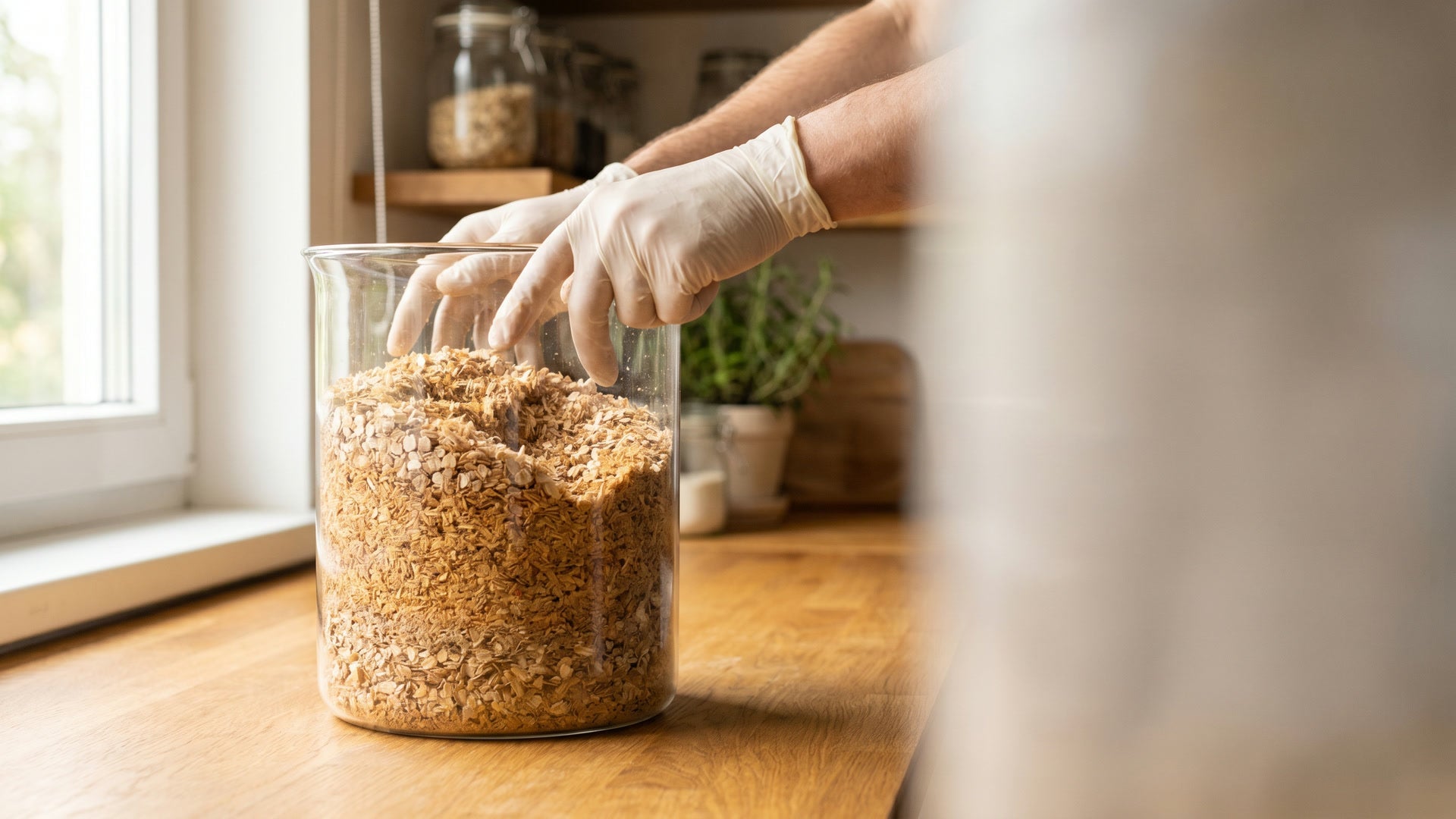
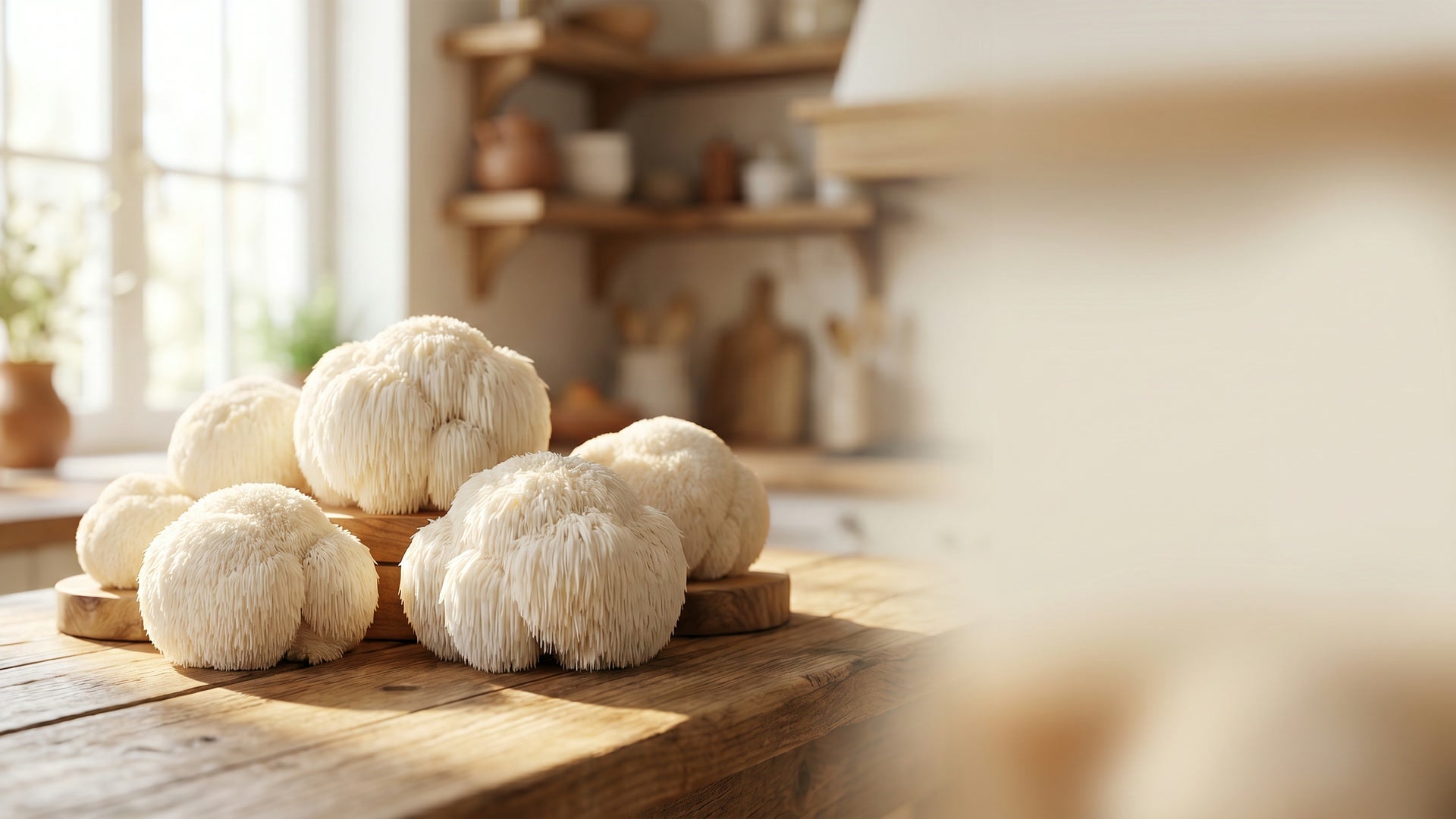
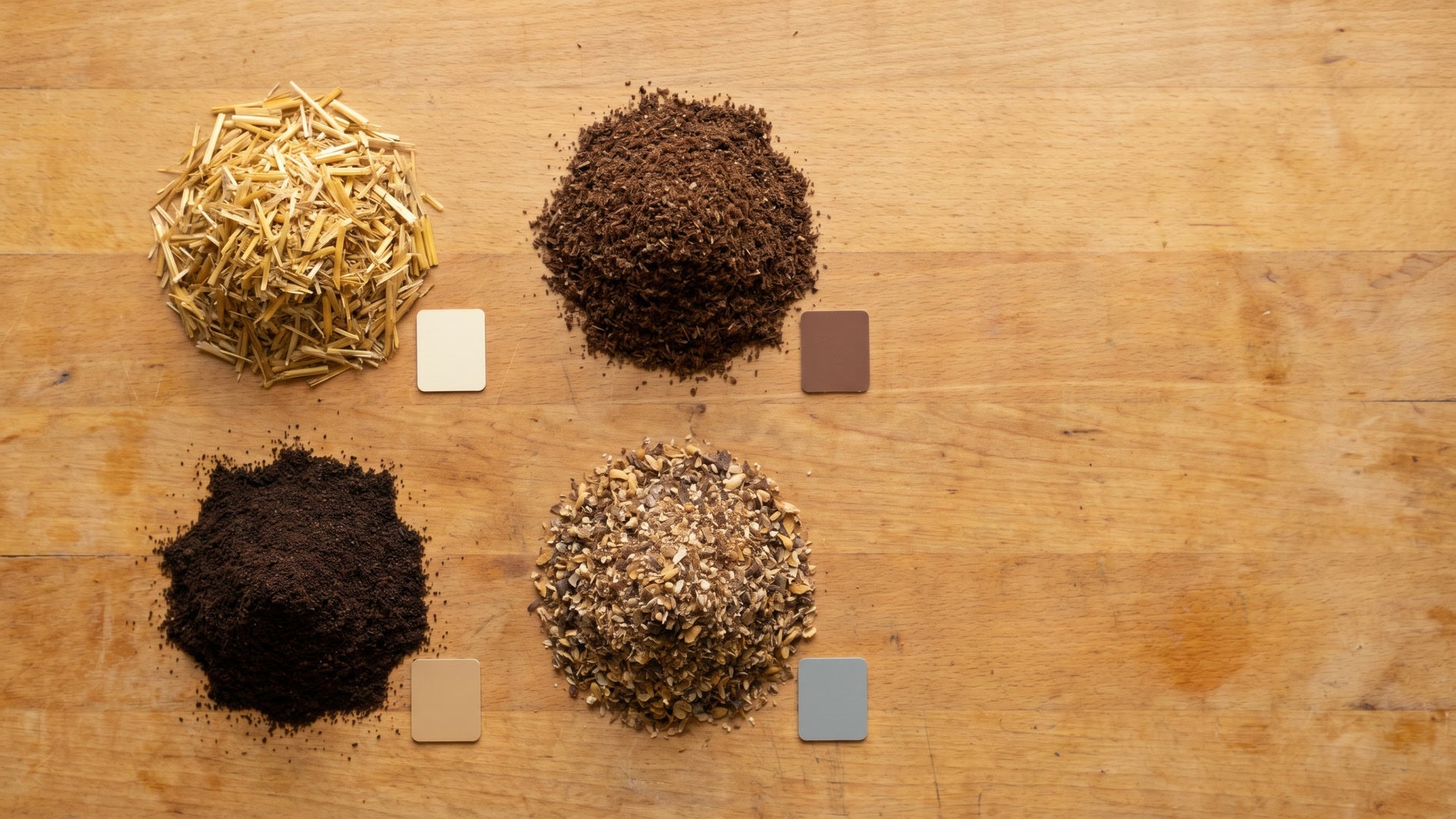
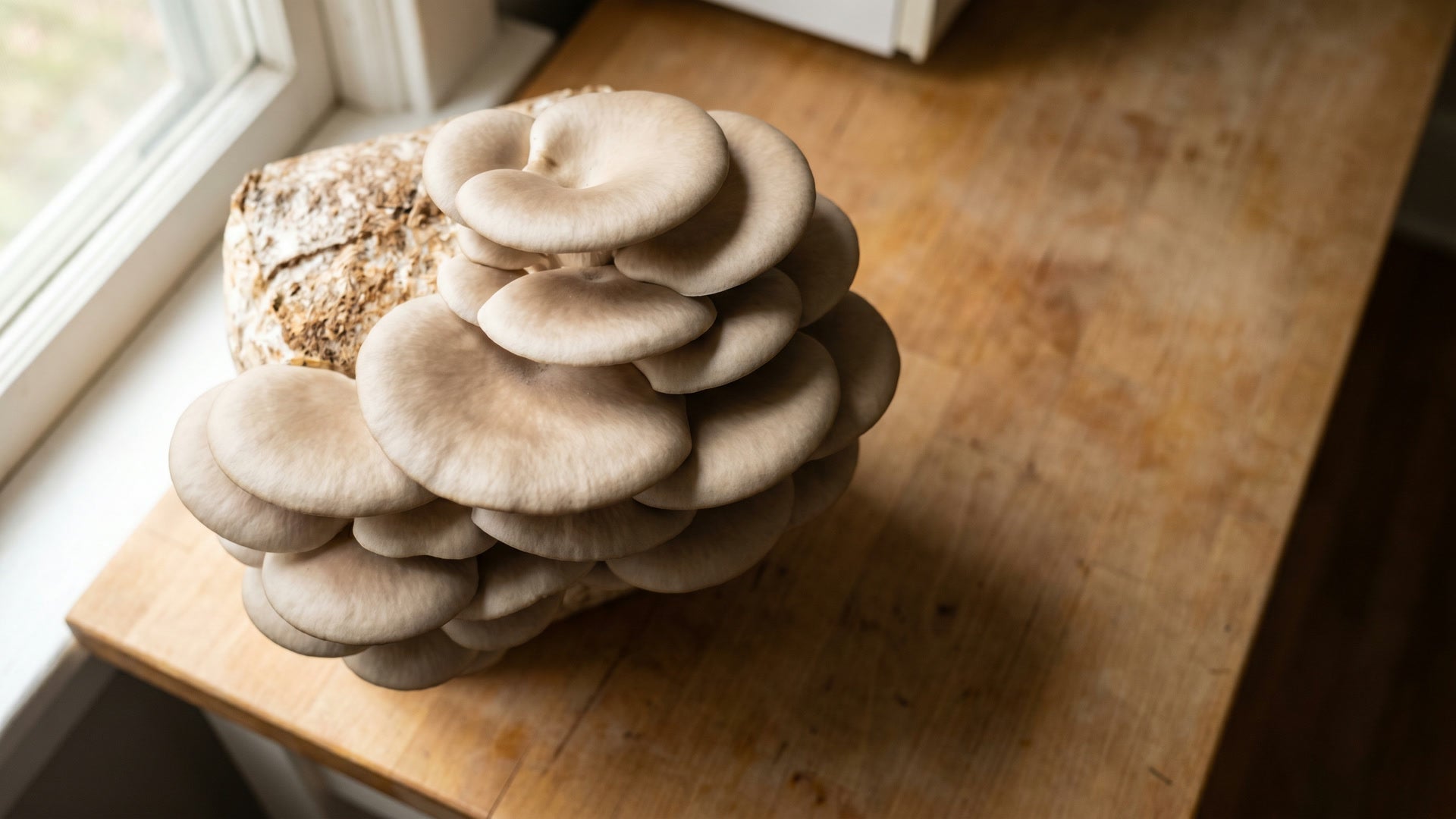
Here's something I tell every new forager: the easiest way to know exactly what mushroom you're eating is to grow it yourself.
When you cultivate mushrooms at home, there's zero identification guesswork. You know the species because you inoculated the substrate yourself.
If you're interested in cultivation, maintaining proper humidity is critical for successful grows. The Lykyn Ultrasonic Humidifier helps maintain the 80-95% relative humidity most gourmet species require during fruiting.
For species-specific growing information, our White Elm Oyster Mushroom Guide covers both identification and cultivation techniques.

Frequently Asked Questions About Mushroom Identifiers
How accurate are mushroom identifier apps in 2026?
Top mushroom identifier apps achieve 85-92% accuracy under optimal conditions with clear, well-lit photographs. However, accuracy drops significantly with poor images, immature specimens, or regional species underrepresented in training data. Always verify app results with secondary sources before consuming any wild mushroom.
Can I trust a mushroom identifier app for edibility?
You should never trust a mushroom identifier app as your sole source for determining edibility. These apps are helpful starting points, but misidentification can be fatal. Always cross-reference with field guides, spore prints, and preferably confirmation from experienced foragers or mycologists.
What features should I photograph for mushroom identification?
Photograph the cap (top and underside), gills or pore surface, full stem including the base, any ring or volva structures, the cut flesh showing color changes, and the surrounding habitat. The more visual information you provide, the more accurate your identification will be.
Are free mushroom identifier apps reliable?
Free mushroom identifier apps like iNaturalist provide reliable results, especially when community experts review submissions. However, premium apps often include larger databases, regional species data, and more detailed lookalike warnings. For beginners, the $5-10 investment in a premium app provides meaningful safety value.
What's the safest way to identify wild mushrooms?
The safest identification method combines multiple approaches: AI app scanning, field guide comparison, spore print analysis, and expert verification through local mycological societies. Never eat a mushroom identified by only one method, regardless of apparent confidence levels.
How do I identify poisonous mushrooms?
Poisonous mushrooms are identified by the same methods as edible species, visual characteristics, spore prints, and habitat analysis. There is no single test or rule that identifies all toxic mushrooms. Common warning signs vary by species. Learn the specific toxic species in your region rather than relying on general "rules" that have dangerous exceptions.
Should beginners use mushroom identifier apps?
Beginners benefit from mushroom identifier apps as educational tools that accelerate learning. However, beginners should not forage for eating until they can confidently identify species without app assistance. Use apps to learn, but don't rely on them for edibility decisions until you've developed substantial independent knowledge.
Conclusion: Becoming a Confident Mushroom Identifier
Getting good at mushroom identification isn't about finding a magic app that does the work for you. It's about building layered knowledge that keeps you safe while enjoying one of nature's most rewarding activities.
Here's what to remember:
- Use multiple identification methods, apps, guides, spore prints, and expert consultation
- Photograph thoroughly, quality images dramatically improve ID accuracy
- Study lookalikes obsessively, know the toxic twins for every species you plan to eat
- Start with foolproof species, begin with mushrooms that have no dangerous lookalikes
- When uncertain, don't eat it, no mushroom meal is worth the risk
The best mushroom identifier is ultimately the knowledge you carry in your head. Apps and guides are tools that support your learning, not replacements for genuine expertise.
Ready to Start Your Mushroom Journey?
Don't learn the hard way. Before your next foraging trip, bookmark our Complete Beginner's Guide to Foraging Mushrooms and review it thoroughly. Then join a local mycological society for hands-on learning with experienced foragers.
Your future self, enjoying a delicious, safely-identified wild mushroom dinner, will thank you.
Share:
Mushroom Chocolate: The Complete Guide to Making Functional Chocolate at Home (2026)
How to Make the Best Mushroom Pasta You've Ever Tasted