


What is mushroom chocolate? Mushroom chocolate combines functional mushrooms like lion's mane, reishi, or chaga with cacao or dark chocolate. These adaptogenic treats deliver cognitive and wellness benefits in a delicious format. Unlike psychoactive varieties, functional mushroom chocolates are legal, safe, and increasingly popular for daily wellness routines in 2026.
How to Make Mushroom Chocolate: Your Complete Guide to Functional Treats
Look, I'll be honest with you. The first time I made mushroom chocolate, I ended up with a grainy, bitter mess that my dog wouldn't even sniff. But after growing mushrooms for years and experimenting with dozens of batches, I've figured out what actually works.

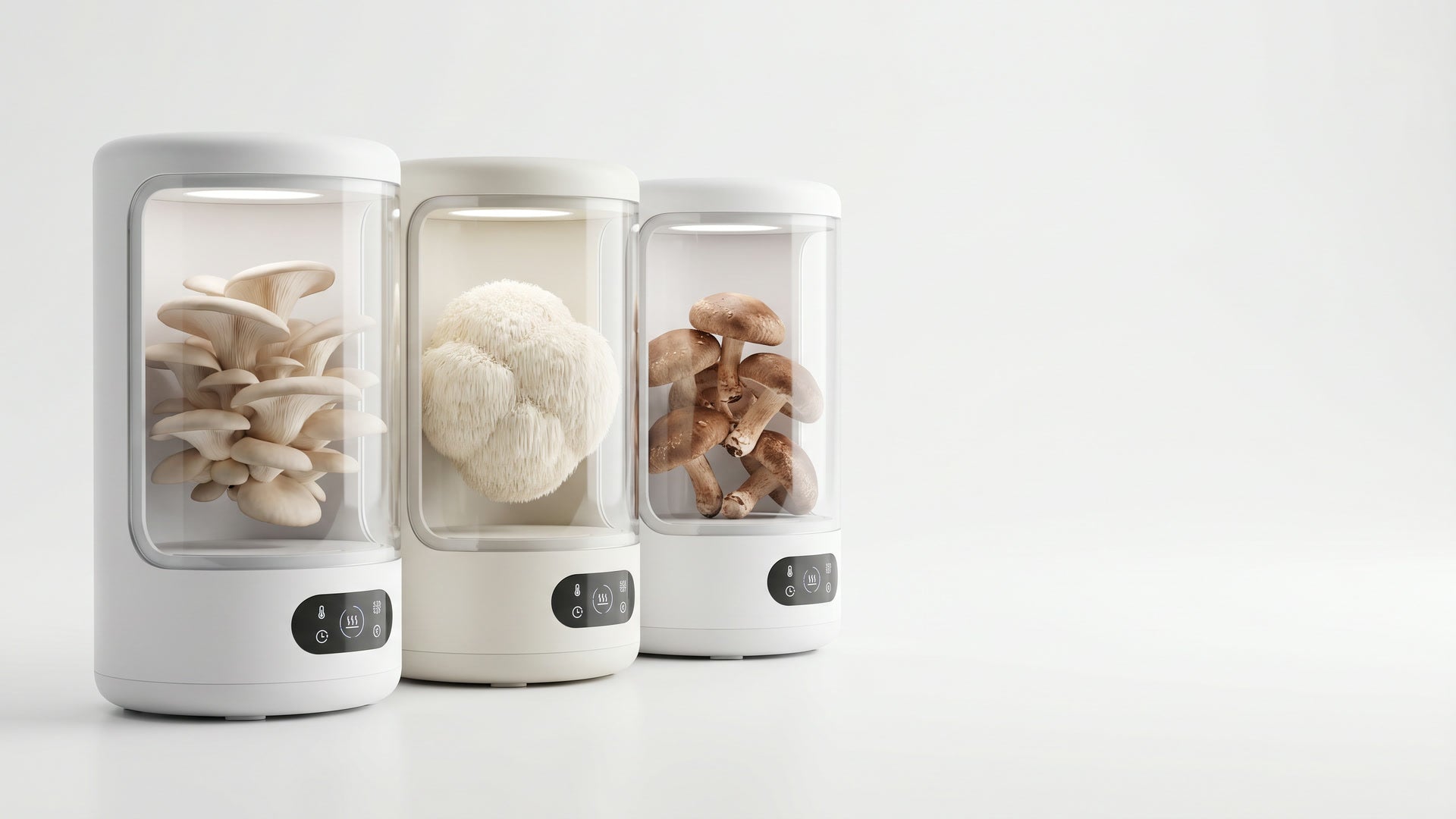
Smart Chamber. Bone White Single
- 2.8L tank, 90% humidity automatic
- App-controlled, plug-and-play
- 6 lb block ceiling, in stock

Smart Chamber. Obsidian Black Single
- Same hardware as Bone White
- Matte black premium finish
- Pairs with any kitchen palette

This guide covers everything you need to know about making functional mushroom chocolate at home, the real stuff made with adaptogenic mushrooms like lion's mane and reishi, not the other kind. We're talking legal, wellness-focused treats that taste incredible and might actually help you focus better.
What Is Mushroom Chocolate, Exactly?
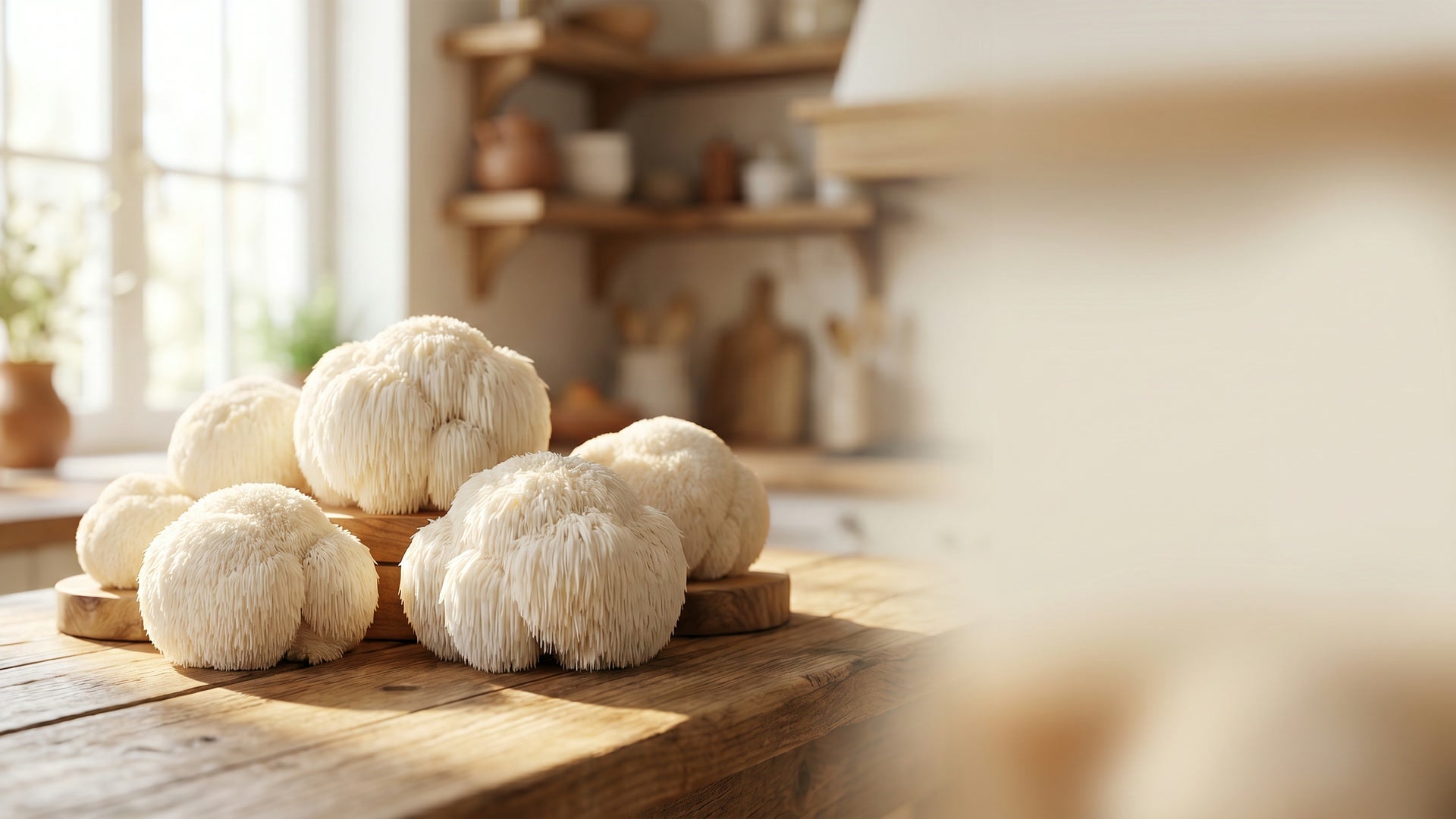
Mushroom chocolate is a combination of functional mushroom extracts or powders blended into chocolate. The mushrooms used are adaptogenic species, meaning they help your body adapt to stress and support overall wellness.
The Functional Mushrooms Used in Chocolate
The most common functional mushrooms for chocolate include:
- Lion's Mane – Known for cognitive support and focus
- Reishi – Called the "mushroom of immortality" for stress relief
- Chaga – Packed with antioxidants
- Cordyceps – Popular for energy and athletic performance
- Turkey Tail – Immune system support
According to a 2025 market analysis, functional mushroom products grew by 34% year-over-year, with chocolate-based formats leading consumer preference. People want wellness benefits without swallowing capsules, and honestly, who can blame them?
Understanding the life cycle of a mushroom helps you appreciate why different growth stages produce varying concentrations of beneficial compounds. This matters when you're sourcing mushroom powder for your chocolate.

Why Combine Mushrooms and Chocolate?
Here's the thing, functional mushrooms taste... earthy. Some would say dirt-like. Chocolate masks that flavor brilliantly while adding its own health benefits.
The Science Behind the Pairing
Cacao contains natural fats that help your body absorb fat-soluble compounds in mushrooms. Dark chocolate also provides:
- Flavonoids for cardiovascular health
- Theobromine for gentle, sustained energy
- Magnesium for muscle and nerve function
A 2024 study in the Journal of Functional Foods found that combining lion's mane extract with cacao improved bioavailability of hericenones by approximately 23% compared to capsule form. That's significant if you're investing in quality mushroom powders.
If you're curious whether these fungi actually deliver on their promises, check out our deep dive on whether mushrooms are good for health. Spoiler: the research is pretty compelling.
How to Make Mushroom Chocolate at Home
Making mushroom chocolate isn't complicated, but technique matters. Here's my tested method after years of experimentation.
Ingredients You'll Need
| Ingredient | Amount | Notes |
|---|---|---|
| Dark chocolate (70%+) | 200g | Higher cacao = better health benefits |
| Mushroom powder extract | 2-4g | Dual-extracted for potency |
| Coconut oil | 1 tbsp | Improves texture and absorption |
| Optional: honey or maple syrup | 1-2 tsp | Only if needed for sweetness |
Step-by-Step Instructions
Step 1: Prepare Your Workspace
Chocolate is temperamental. Keep your workspace dry, even a drop of water can cause chocolate to seize. Working in a still air box isn't just for mushroom cultivation; it also keeps contaminants out of your food projects.
Step 2: Melt the Chocolate
Use a double boiler or microwave in 30-second intervals. Never exceed 115°F (46°C) for dark chocolate. Higher temperatures destroy beneficial compounds in both the cacao and mushroom extracts.
Step 3: Mix in Mushroom Powder
Add your mushroom powder and coconut oil while stirring continuously. Mix for at least 2-3 minutes to ensure even distribution. Clumping happens when you rush this step, trust me.
Step 4: Pour and Set
Pour into silicone molds. Tap the molds gently to release air bubbles. Refrigerate for 1-2 hours until solid.
Step 5: Store Properly
Keep mushroom chocolates in an airtight container in the refrigerator. They'll last 2-3 weeks, though they rarely survive that long in my house.

Choosing the Right Mushrooms for Your Chocolate
Not all mushroom powders are equal. This is where most beginners go wrong.
What to Look For
Dual-extraction is non-negotiable. Mushrooms contain both water-soluble compounds (beta-glucans) and alcohol-soluble compounds (triterpenes). Single-extraction methods miss half the benefits.
Look for:

Fuel Your Mushroom Journey
Smart Mushroom Grow Chamber
Plug-and-play smart chamber with humidity, light, and airflow dialed in for every species. Beginners harvest their first flush in days, not months.
Add to cart $299- Fruiting body extracts (not mycelium on grain)
- Third-party testing for purity
- Beta-glucan content listed (aim for 30%+)
- Organic certification when possible
Growing Your Own Mushrooms for Chocolate
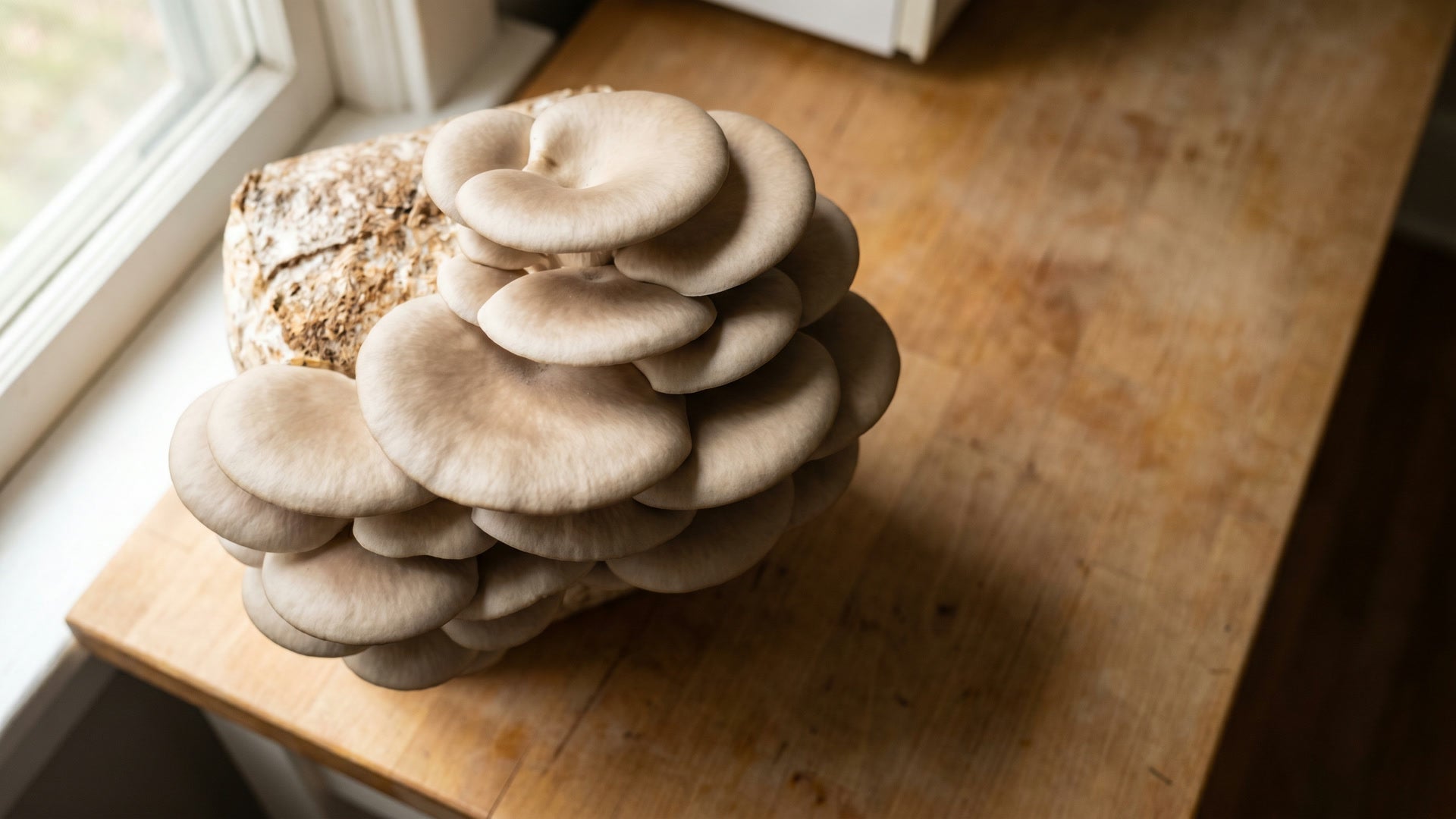
Here's where it gets interesting. Growing your own mushrooms gives you complete control over quality. A shiitake mushroom fruiting block produces fresh mushrooms you can dry and powder yourself.
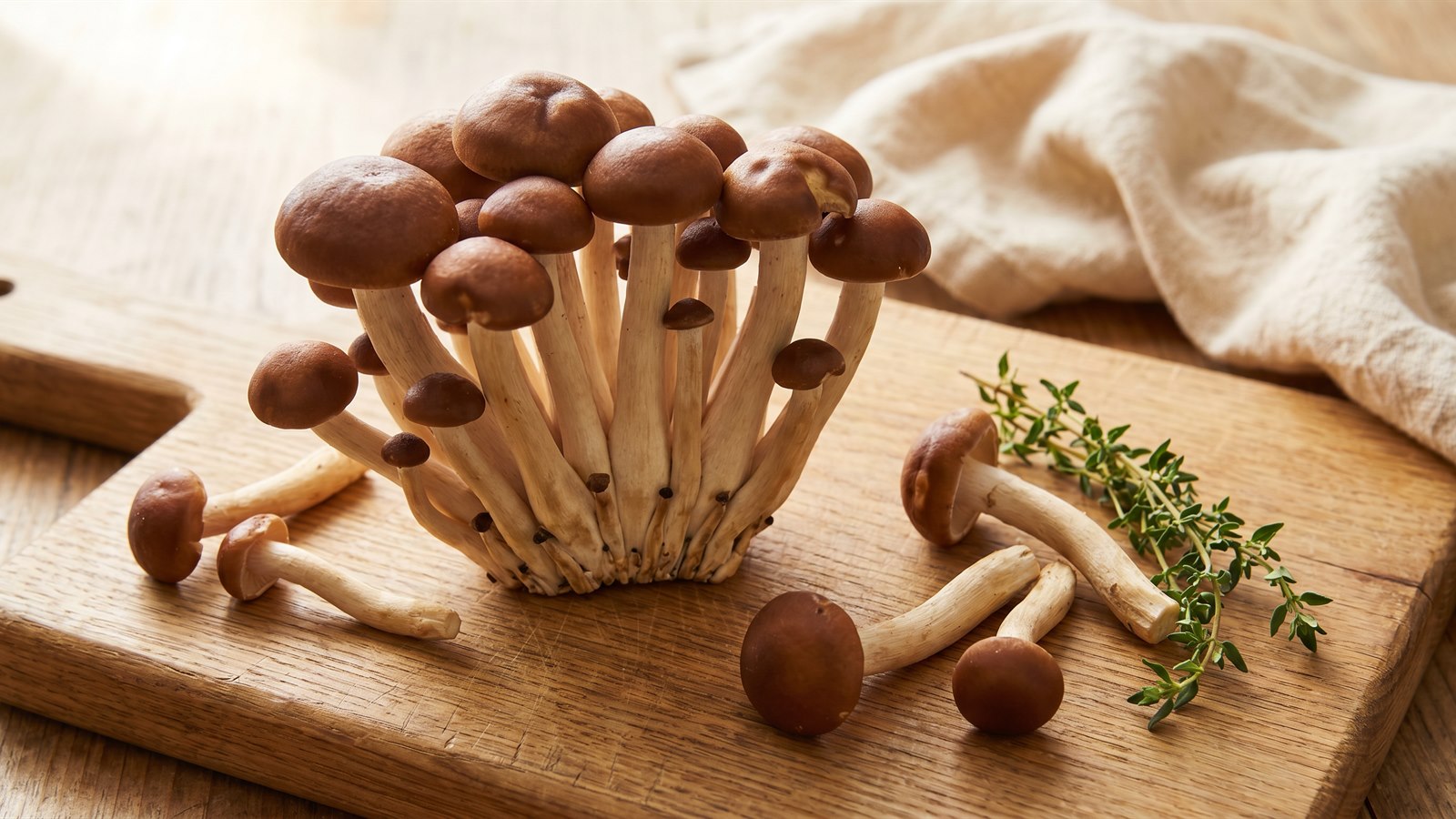
For a sweeter flavor profile, cinnamon cap mushroom fruiting blocks produce mushrooms with naturally warm, cinnamon-like notes that complement chocolate beautifully.
Our guide on how to grow shrooms walks you through the complete process from inoculation to harvest.
Dosage Guidelines for Functional Mushroom Chocolate
Getting dosage right matters. Too little and you won't notice benefits. Too much and you might experience digestive discomfort.
Recommended Daily Amounts
| Mushroom | Starting Dose | Maintenance Dose |
|---|---|---|
| Lion's Mane | 250mg | 500-1000mg |
| Reishi | 250mg | 500-1500mg |
| Chaga | 250mg | 500-1000mg |
| Cordyceps | 250mg | 500-1000mg |
If your chocolate molds make 10 pieces from a 200g batch, and you add 3g of mushroom powder, each piece contains approximately 300mg. Simple math, but easy to miscalculate.

Common Mistakes to Avoid
I've made all of these so you don't have to:
Using culinary mushroom powder instead of extract – Regular dried mushroom powder hasn't been extracted. The beneficial compounds remain locked in cell walls your body can't break down.
Overheating the chocolate – Temperatures above 120°F destroy both chocolate's antioxidants and heat-sensitive mushroom compounds.
Not mixing thoroughly – Mushroom powder settles. Every piece should have consistent potency.
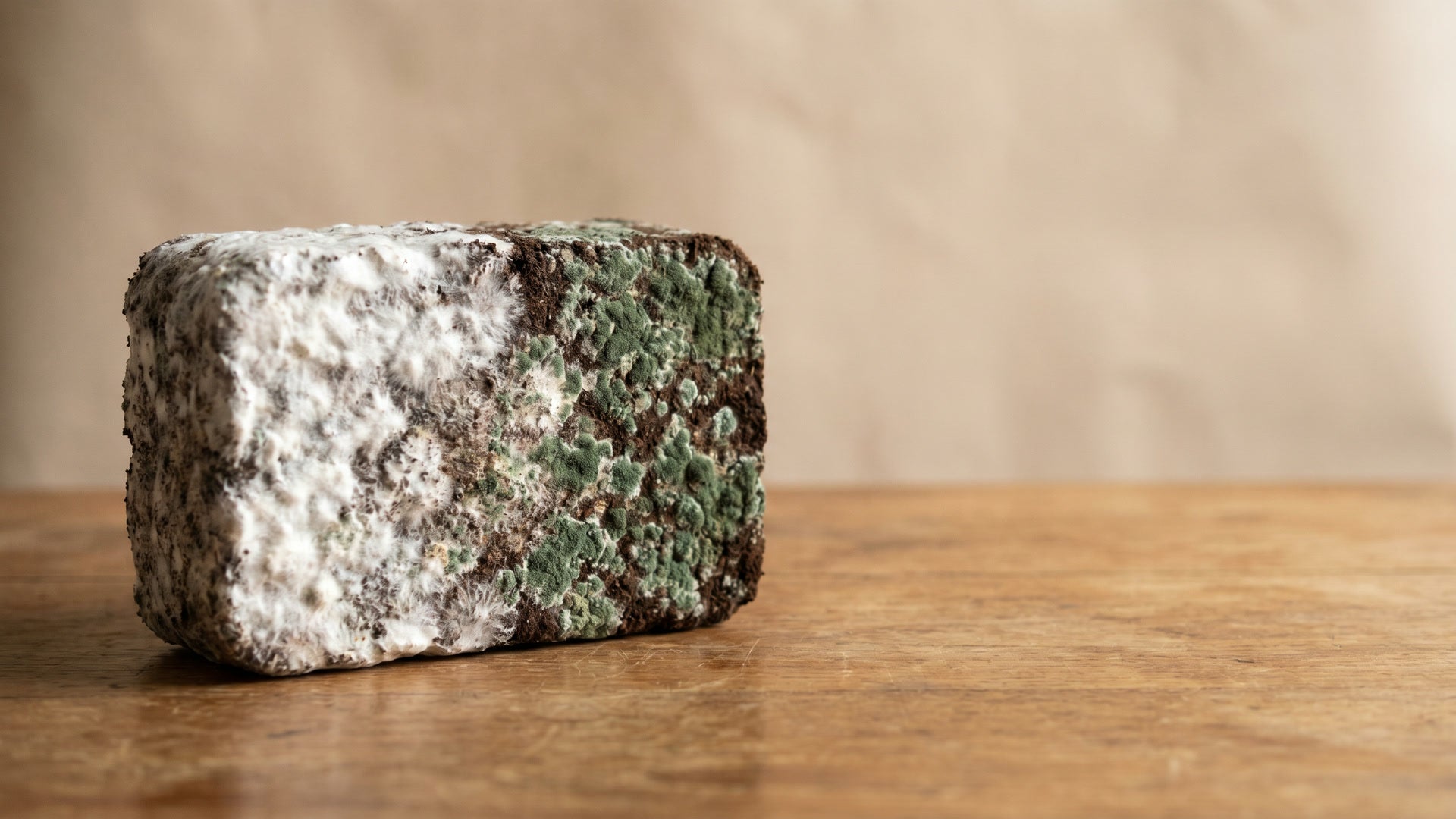
Ignoring humidity – Moisture ruins chocolate's texture and can introduce mold to mushroom powder.
Starting with too high a dose – Begin with smaller amounts and increase gradually over 2-3 weeks.
Frequently Asked Questions About Mushroom Chocolate
Is mushroom chocolate legal?
Yes, functional mushroom chocolate made with species like lion's mane, reishi, and chaga is completely legal in the United States and most countries. These are non-psychoactive, food-grade mushrooms sold openly in health stores. This guide specifically covers legal, adaptogenic varieties.
How long does homemade mushroom chocolate last?
Properly stored mushroom chocolate lasts 2-3 weeks in the refrigerator and up to 3 months in the freezer. The limiting factor is usually the chocolate's freshness rather than the mushroom content. Keep it in an airtight container away from moisture and strong odors.
Can I taste the mushrooms in the chocolate?
With quality dark chocolate and proper ratios, the mushroom flavor is minimal, a subtle earthiness that most people find pleasant. If your mushroom chocolate tastes strongly of mushrooms, you've either used too much powder or inferior chocolate. The cacao should dominate.
What's the best mushroom for focus in chocolate?
Lion's mane is the top choice for cognitive support and focus. Research published in 2024 showed lion's mane extract improved working memory scores in adults aged 25-65 after 8 weeks of daily use. Combine it with dark chocolate's theobromine for enhanced mental clarity.
How much mushroom chocolate should I eat daily?
Start with one piece containing 250-500mg of mushroom extract. Observe how you feel over 1-2 weeks before increasing. Most people find 500-1000mg daily optimal for noticeable benefits. Consistency matters more than quantity, daily small doses outperform occasional large ones.
Can I make mushroom chocolate with white chocolate?
Technically yes, but dark chocolate offers superior health benefits and better masks the earthy mushroom taste. If you prefer white chocolate, add 1-2 extra grams of cacao powder to the mixture for improved flavor balance and additional antioxidants.
Do I need special equipment to make mushroom chocolate?
No specialized equipment is required. You need a double boiler (or microwave-safe bowl), silicone molds, a spatula, and a kitchen thermometer for best results. The thermometer is the one item most people skip but shouldn't, temperature control makes the difference between smooth and grainy chocolate.
Conclusion: Start Your Mushroom Chocolate Journey
Making mushroom chocolate at home is simpler than most people think. You now know that functional mushrooms like lion's mane and reishi pair perfectly with dark chocolate, both for flavor and absorption benefits. The key steps are using dual-extracted mushroom powder, maintaining proper temperatures, and mixing thoroughly for consistent dosing.
Start with a small batch using one mushroom variety. Lion's mane is beginner-friendly and the cognitive benefits are well-documented. Once you've mastered the basic technique, experiment with mushroom blends and different chocolate percentages.
Growing your own mushrooms takes this hobby to the next level, you'll know exactly what goes into your chocolate and save money long-term.
Ready to Grow Your Own Mushrooms for Chocolate?
Stop buying overpriced mushroom powders. Start with a Lykyn fruiting block and harvest fresh, potent mushrooms within weeks. Our cinnamon cap mushroom fruiting block produces mushrooms with natural flavor notes that complement chocolate perfectly, no artificial flavoring needed.
First-time grower? Grab a still air box to maximize your success rate and keep contaminants out.
This content is for educational purposes only and is not medical advice. Consult a healthcare provider before adding supplements to your routine. Statements about mushrooms have not been evaluated by the FDA.
Share:
Jack O Lantern Mushroom: Complete Identification and Safety Guide
How to Use a Mushroom Identifier Without Getting Yourself Into Trouble