



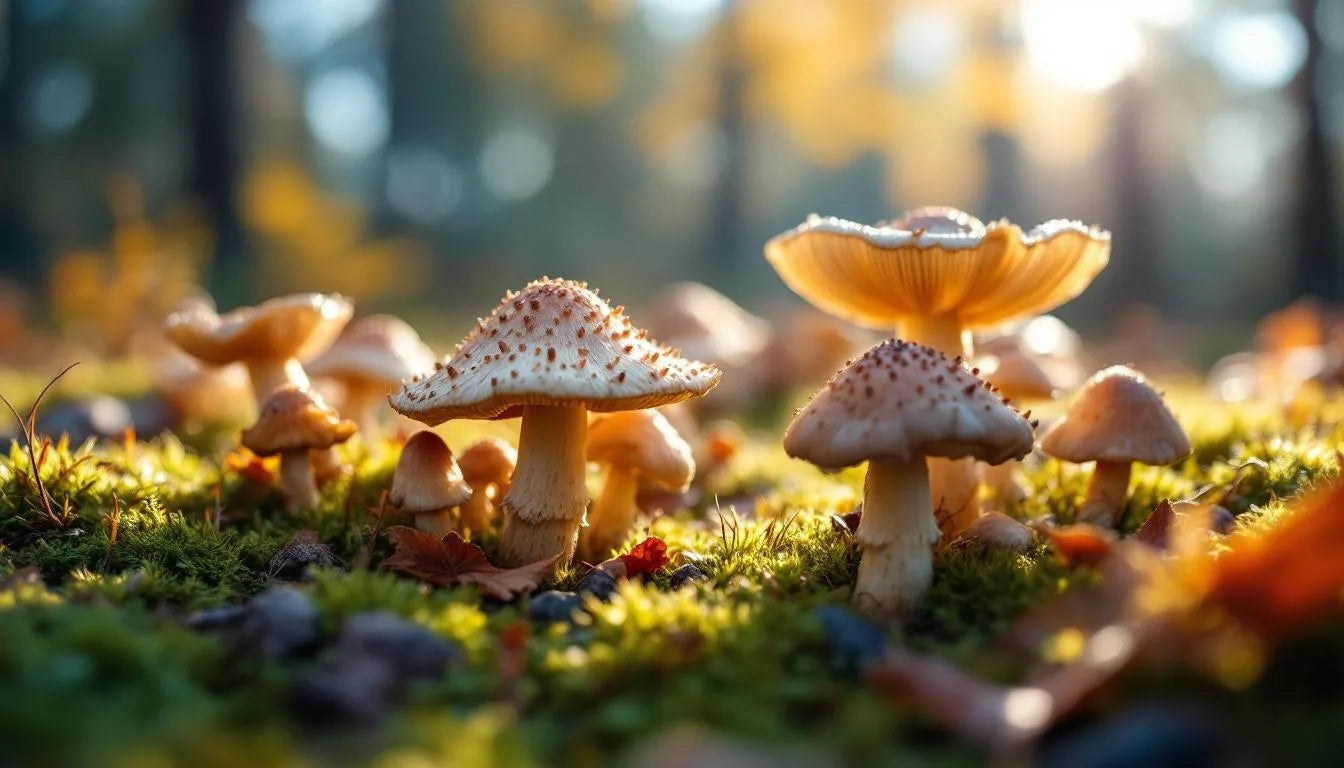
Colorado's diverse mountainous terrain and varied ecosystems make it one of the premier destinations for mushroom enthusiasts in North America. From the prized porcini mushrooms found at high elevations to the elusive morels that emerge after spring fires, the Centennial State offers incredible opportunities for both foraging and home cultivation of edible mushrooms.
Quick Summary: Colorado hosts over 2,000-3,000 mushroom species across its diverse ecosystems. The most sought-after edible varieties include porcinis (found above 9,000 feet), chanterelles (primarily on the Western Slope), and morels (in burn areas). Foraging requires permits on most public lands, while home cultivation offers a safer alternative for beginners.

Why Colorado is a Mushroom Forager's Paradise
Colorado boasts the second-largest mycological habitat in the United States, with mushroom species thriving across its varied elevations and climates. The state's unique combination of high-altitude coniferous forests, aspen groves, and diverse microclimates creates ideal conditions for numerous edible mushroom varieties.
The mushroom season typically runs from late spring through early fall, with peak activity occurring after the summer monsoon rains. Recent years have seen increased mushroom activity due to changing weather patterns, making it an exciting time for both novice and experienced foragers.

Top Edible Mushrooms Found in Colorado
Porcini Mushrooms (Boletus edulis)
Porcini mushrooms, also known as king boletes, are arguably Colorado's most famous edible fungi. These substantial mushrooms can grow up to 12 inches across and are considered choice edibles by chefs worldwide.
Where to find them: Primarily in mixed conifer forests above 9,000 feet elevation Season: June through September Identification: Large, bulbous stems with sponge-like pores under the cap (no gills), and a hamburger bun-shaped cap
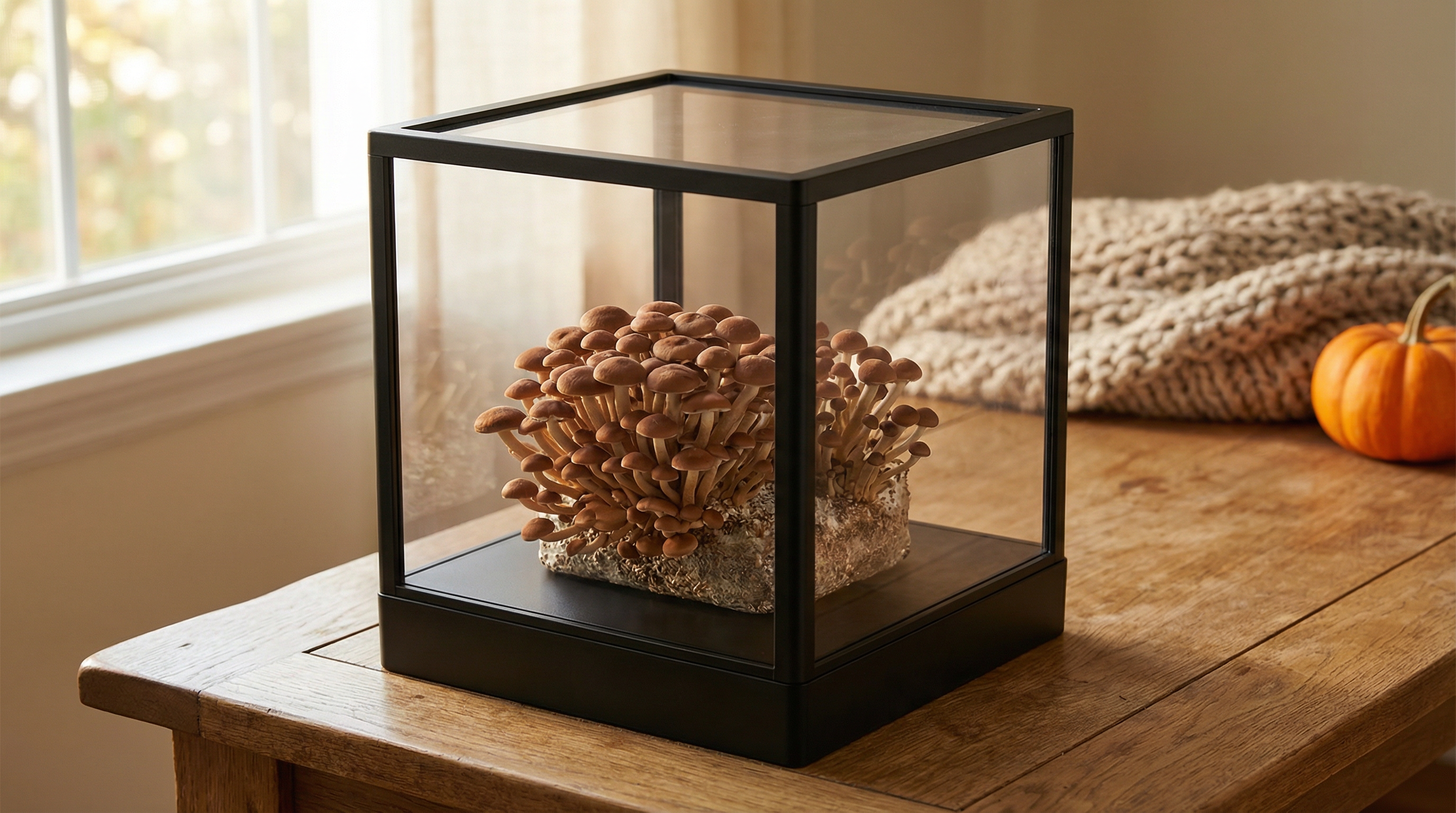
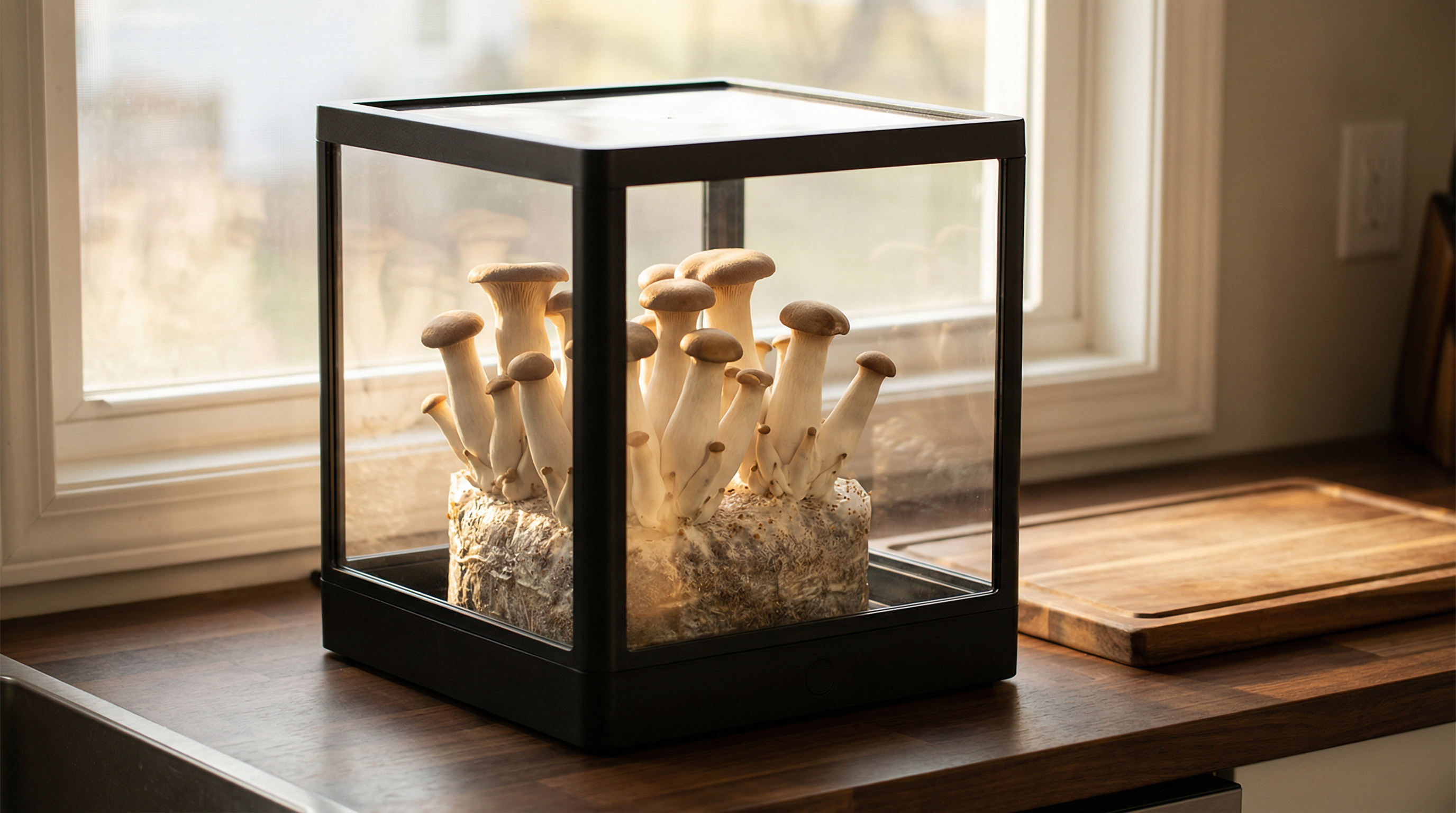
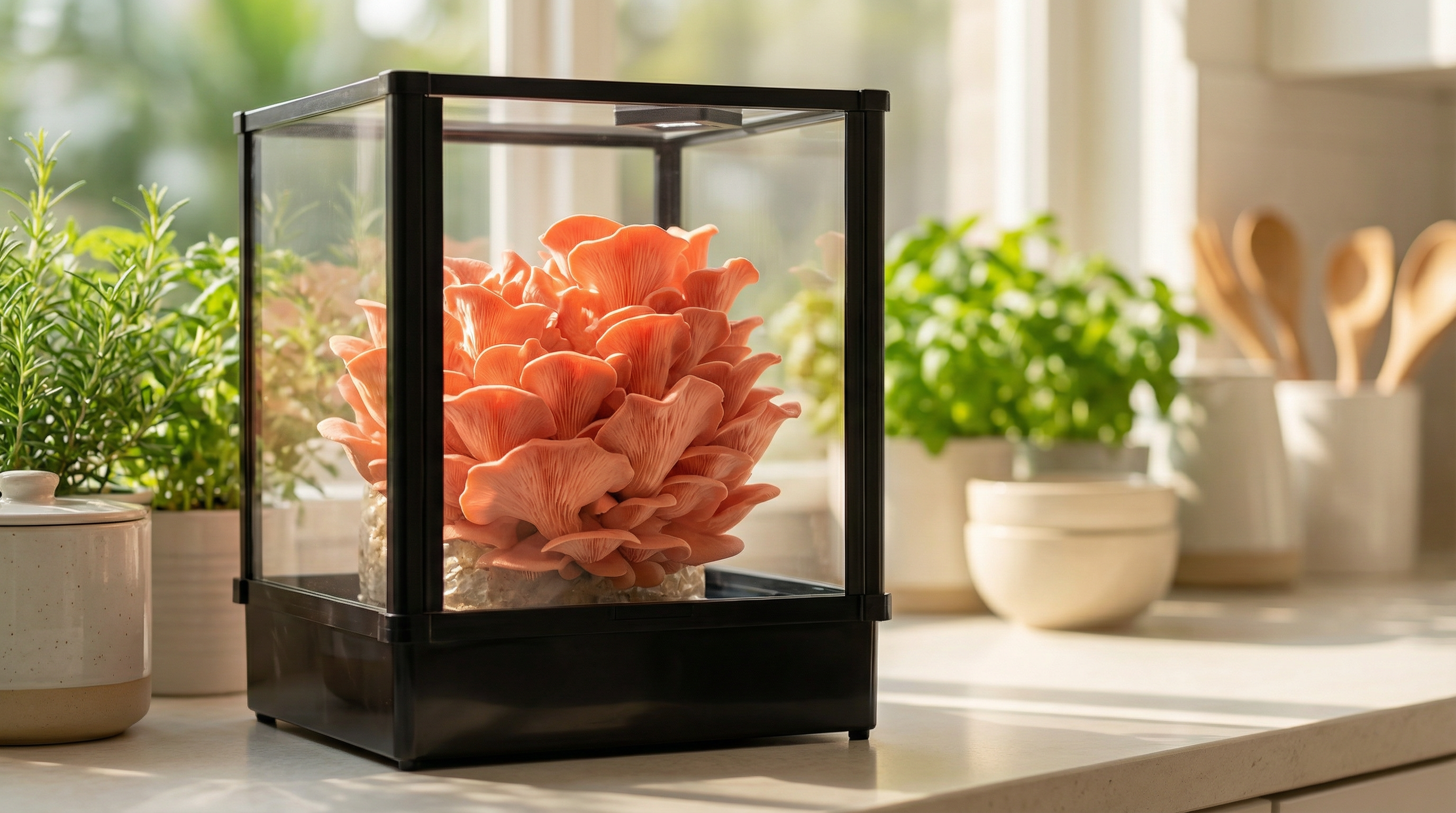
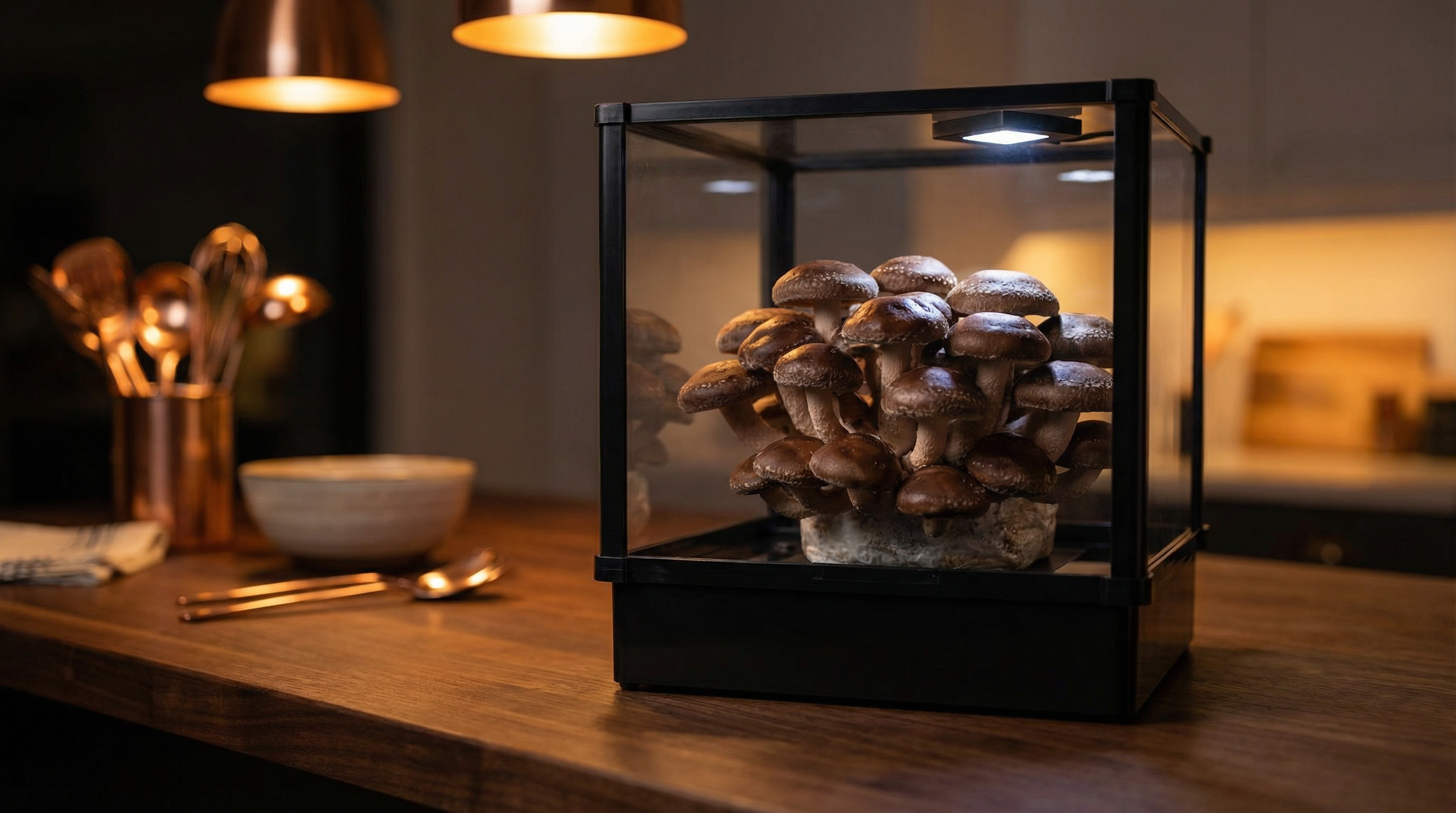
Porcinis form mycorrhizal relationships with spruce and fir trees, making them relatively predictable to locate once you understand their preferred habitat. The Lykyn Mushroom Grow Kit offers an excellent way for beginners to learn mushroom cultivation techniques before venturing into wild foraging.
Chanterelle Mushrooms (Cantharellus cibarius)
Golden chanterelles are among the most prized edible mushrooms in Colorado, known for their distinctive fruity aroma reminiscent of apricots and their exceptional flavor profile.
Where to find them: Western Slope of Colorado, particularly in mixed conifer/aspen forests Season: July through September Identification: Bright golden-orange color with false gills that run down the stem
Chanterelles can be notoriously elusive, with some years producing abundant harvests while others yield little. Their delicate, fruity flavor makes them highly sought after by gourmet restaurants and home chefs alike.
Morel Mushrooms (Morchella species)
Morel mushrooms represent the holy grail for many Colorado foragers. These distinctive honeycomb-capped fungi emerge in specific conditions, making them challenging but rewarding to find.
Where to find them: Burn areas 1-3 years after forest fires, typically between 8,000-11,000 feet Season: Late spring to early summer (timing varies with snowmelt) Identification: Distinctive honeycomb-patterned cap that's completely hollow when cut lengthwise
For more detailed information about morel varieties, check out our comprehensive guide on types of morel mushrooms.

Colorado Mushroom Foraging Laws and Permits
Understanding legal requirements is crucial before heading out to forage for mushrooms in Colorado. Different land management agencies have varying regulations:
National Forest Lands
Most of Colorado's National Forests require permits for mushroom collection:
-
Personal use permits: Typically free, allowing 2-5 gallons per day with seasonal limits
-
Commercial permits: Required for selling mushrooms, with fees ranging from $20-$100
-
Wilderness areas: Generally discouraged under Leave No Trace principles
Bureau of Land Management (BLM)
BLM lands in Colorado allow personal mushroom collection without permits for reasonable amounts. This makes BLM lands some of the most accessible for casual foragers.
State and National Parks
Foraging is prohibited in all Colorado State Parks and National Parks, including Rocky Mountain National Park and Mesa Verde National Park.
Private Land
Always obtain explicit permission before foraging on private property. Trespassing laws are strictly enforced throughout Colorado.
Safety Guidelines for Colorado Mushroom Foragers
Proper Identification is Critical
Colorado is home to several deadly mushroom species, including the destroying angel (Amanita species), which can easily be mistaken for edible varieties by inexperienced foragers.
Essential safety rules:
-
Never eat any mushroom you cannot identify with 100% certainty
-
Use multiple field guides and expert verification
-
Join local mycological societies for hands-on learning
-
Start with easily identified species like porcinis
Recommended Learning Resources
-
Colorado Mycological Society (Denver-based with 2,000+ members)
-
Pikes Peak Mycological Society
-
Modern Forager online courses
-
Local guided forays and workshops

Best Locations for Mushroom Hunting in Colorado
High-Elevation Conifer Forests
The most productive mushroom hunting occurs in mixed conifer forests between 9,000-11,000 feet elevation. These areas typically feature spruce, fir, and lodgepole pine trees.
Top regions include:
-
White River National Forest
-
San Juan National Forest
-
Routt National Forest
-
Grand Mesa, Uncompahgre, and Gunnison National Forests
Burn Areas and Fire Recovery Zones
Recent burn areas (1-3 years post-fire) often produce exceptional morel mushroom flushes. The mineral-rich soil and reduced competition create ideal conditions for these prized fungi.
Aspen Groves and Mixed Forests
While primarily associated with other mushroom species, aspen groves can harbor various edible varieties, though foragers should be cautious of look-alike species in these environments.
Growing Edible Mushrooms at Home in Colorado
For those interested in enjoying fresh mushrooms without the challenges of foraging, home cultivation offers an excellent alternative. Colorado's climate and altitude can make indoor growing particularly appealing.
Benefits of Home Cultivation
-
Year-round production: Independent of seasonal variations
-
Safety: No risk of misidentification
-
Consistency: Reliable harvests with proper setup
-
Learning opportunity: Understand mushroom biology and cultivation techniques
The Smart Mushroom Grow Kit provides an ideal solution for Colorado residents interested in home cultivation. This advanced system automatically maintains optimal humidity, temperature, and airflow conditions, taking the guesswork out of mushroom growing at higher altitudes.
Popular Species for Home Growing
Colorado's dry climate and variable indoor conditions make automated growing systems particularly valuable. Species that grow well indoors include:
-
Oyster mushrooms
-
Shiitake mushrooms
-
Lion's mane mushrooms
For advanced cultivators interested in propagation techniques, our guide on Lion's Mane Mushroom Liquid Culture provides detailed information on this efficient growing method.
Seasonal Timing and Weather Considerations
Spring (March-May)
Early spring marks the beginning of morel season, particularly in lower elevation burn areas. Timing depends heavily on snowmelt and soil temperature.
Summer (June-August)
Peak mushroom season in Colorado's high country. Porcinis and chanterelles emerge after summer rains, with the best foraging typically 1-4 days after significant precipitation.
Fall (September-October)
Late-season species like hawk's wing mushrooms and various boletes continue fruiting until the first hard freeze.
Winter Considerations
While most mushroom activity ceases, winter presents an excellent time to plan for the following season and focus on indoor cultivation projects.
Frequently Asked Questions
What are the most common edible mushrooms in Colorado?
The most common edible mushrooms in Colorado are porcinis (king boletes), found primarily above 9,000 feet in conifer forests, chanterelles on the Western Slope, and morels in burn areas. Hawk's wing mushrooms are also abundant and considered beginner-friendly due to their distinctive appearance and lack of toxic look-alikes.
Do I need a permit to collect mushrooms in Colorado?
Yes, most National Forest lands in Colorado require free personal-use permits for mushroom collection. Permits typically allow 2-5 gallons per day with seasonal limits. BLM lands generally don't require permits for personal use, while all State Parks and National Parks prohibit foraging entirely.
When is the best time to hunt for mushrooms in Colorado?
The prime mushroom hunting season runs from June through September, with peak activity occurring 1-4 days after significant rainfall. Morels emerge earlier (late spring) in burn areas, while porcinis and chanterelles fruit throughout the summer months in high-elevation forests.
How can I safely identify edible mushrooms in Colorado?
Safe mushroom identification requires hands-on training with experienced foragers, multiple field guides, and joining local mycological societies. Never eat any mushroom unless you're 100% certain of its identification. Colorado has deadly species like destroying angels that can be easily confused with edible varieties.
What's the easiest way to start growing mushrooms at home in Colorado?
The easiest way to start growing mushrooms at home in Colorado is with an automated growing system that manages the challenging aspects of cultivation. Colorado's dry climate and altitude variations make environmental control particularly important for successful mushroom cultivation.
Sustainable Foraging Practices
Responsible foraging ensures mushroom populations remain healthy for future generations:
-
Harvest selectively: Take only what you can use, leaving some mushrooms to release spores
-
Use proper techniques: Cut mushrooms at the base rather than pulling them up
-
Respect habitat: Don't rake or disturb the forest floor
-
Share locations responsibly: Avoid over-publicizing productive spots
Many experienced foragers also recommend using mesh bags that allow spores to fall through as you walk, helping to propagate future mushroom crops.
Colorado's incredible diversity of edible mushrooms offers endless opportunities for exploration and culinary adventure. Whether you choose to venture into the high country in search of wild porcinis or prefer the reliability of home cultivation with a Lykyn Mushroom Grow Kit, the world of edible mushrooms provides a fascinating connection to nature's bounty.
Start your mushroom journey today by joining a local mycological society, obtaining proper permits, and always prioritizing safety through proper identification. For those interested in guaranteed harvests and year-round growing, explore our selection of mushroom growing equipment designed to make cultivation accessible to everyone.
Remember: when in doubt about any wild mushroom, leave it in the woods. The risks of misidentification far outweigh any potential benefits, making careful education and conservative harvesting practices essential for safe and enjoyable mushroom foraging in Colorado's magnificent wilderness.





Share:
Colorado Mushroom Foraging: Your Complete Guide to Safe and Legal Mushroom Hunting
How Long Does It Take for Reishi Mushroom to Work? Your Complete Timeline Guide