


Massachusetts offers incredible opportunities for mushroom foraging enthusiasts, with diverse ecosystems supporting dozens of edible species throughout the growing season. From the prized morel mushrooms that emerge in spring to the abundant oyster mushrooms available year-round, the Bay State's forests provide a natural bounty for those who know where to look.
Whether you're a beginner forager or experienced mushroom hunter, this comprehensive guide will help you safely identify, locate, and harvest edible mushrooms across Massachusetts while respecting local regulations and environmental sustainability.

Most Common Edible Mushrooms Found in Massachusetts
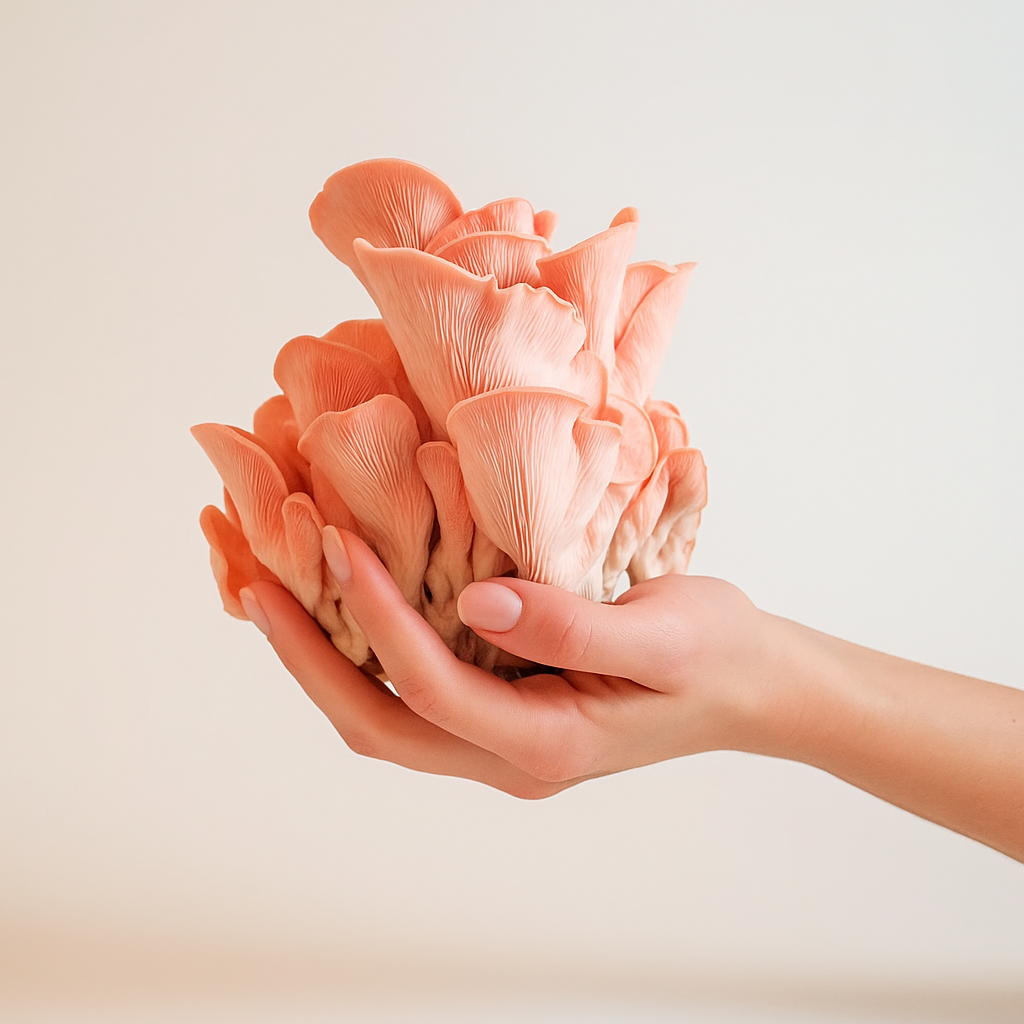
Oyster Mushrooms (Pleurotus ostreatus)
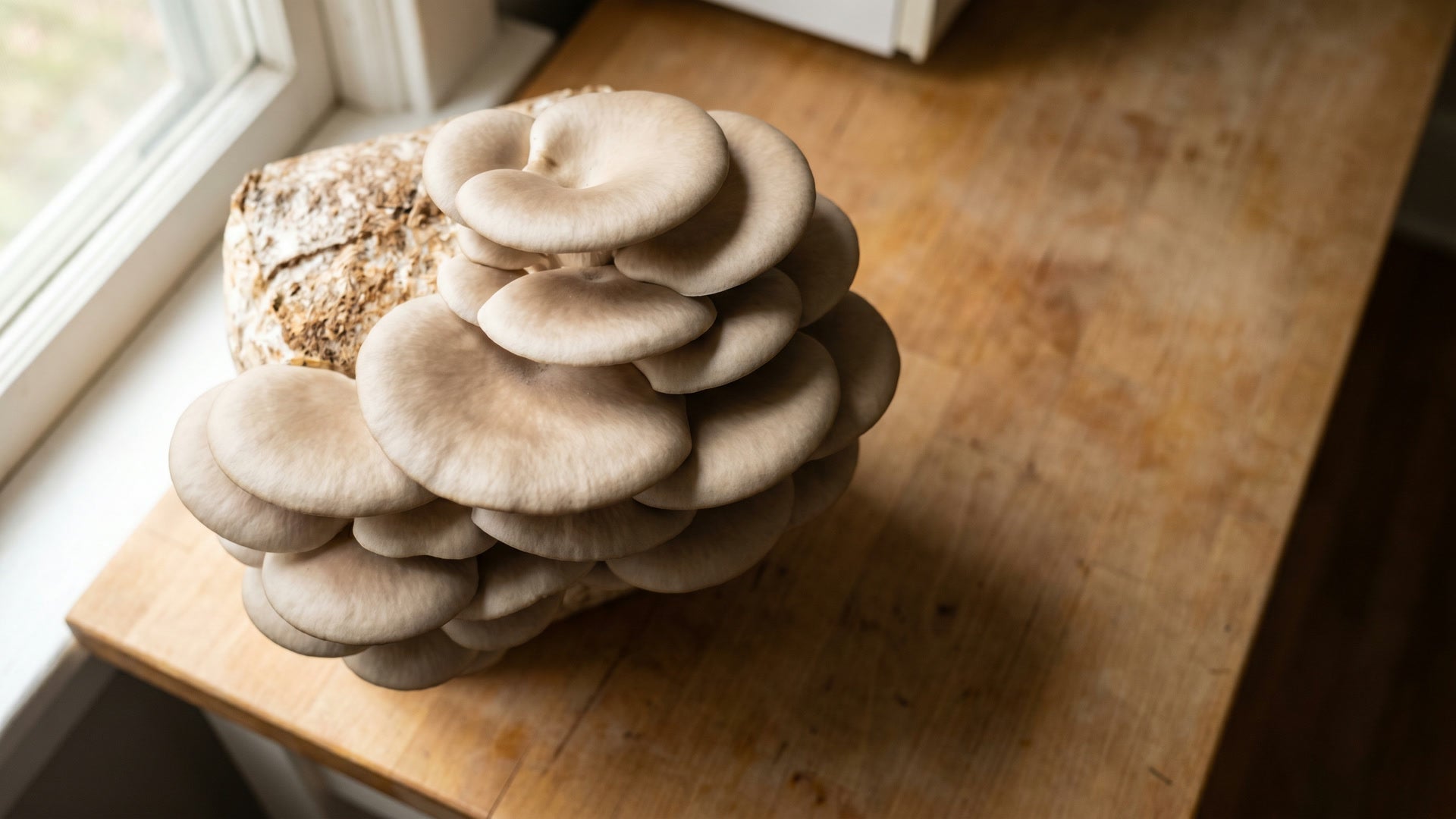
Oyster mushrooms are among the easiest edible mushrooms to identify and find in Massachusetts. These fan-shaped fungi grow in overlapping clusters on hardwood trees and stumps throughout the year, making them perfect for beginning foragers.
Identification Features:
-
Oyster-shaped caps ranging from 2-10 inches across
-
Creamy white to light brown coloration
-
Gills that run down the stem (decurrent)
-
Grows in shelf-like clusters on dead or dying hardwoods
Where to Find: Look for oyster mushrooms on beech, oak, and maple trees in state forests like Mohawk Trail State Forest and Mount Greylock State Reservation.
Season: Available year-round, with peak production in fall and spring
Chanterelle Mushrooms (Cantharellus species)
Chanterelles are prized for their golden color and fruity aroma. They often grow near oak and pine trees from June to September, making them a summer favorite among Massachusetts foragers.
Identification Features:
-
Bright yellow to golden-orange coloration
-
Trumpet or funnel shape
-
False gills that are forked and run down the stem
-
Distinctive apricot-like fragrance
Where to Find: Common in mixed hardwood forests, particularly around oak and beech trees throughout western Massachusetts.
Season: June through September, with peak season in July and August
Morel Mushrooms (Morchella species)
Morels, with their distinctive honeycomb texture, are considered the "holy grail" of spring foraging in Massachusetts. These highly sought-after mushrooms command premium prices and offer exceptional flavor.
Identification Features:
-
Honeycomb-like cap with pits and ridges
-
Hollow stem and cap when cut in half
-
Tan to dark brown coloration
-
Conical or elongated shape
Where to Find: Near dying elm trees, apple orchards, and south-facing slopes in early spring
Season: April through May, depending on soil temperature and moisture
For those interested in cultivating their own morels at home, check out our detailed guide on whether you can grow morel mushrooms and learn how to dehydrate morel mushrooms for year-round enjoyment.
Hen of the Woods (Grifola frondosa)
This prized edible mushroom is found in late summer through fall, often at the base of oak trees. Its overlapping spoon-shaped caps resemble the tail feathers of a hen.
Identification Features:
-
Large, clustered masses of overlapping caps
-
Grayish-brown coloration
-
Grows at the base of oak trees
-
Can weigh several pounds when mature
Where to Find: Base of mature oak trees throughout Massachusetts forests
Season: September through November

Best Locations for Mushroom Foraging in Massachusetts
State Forests and Parks
In Massachusetts, edible mushrooms like Morel, Chanterelle, Hen of the Woods, and Oyster are found in various state forests, including the Mohawk Trail State Forest and Mount Greylock State Reservation.
Top Foraging Locations:
-
Mohawk Trail State Forest - Excellent for chanterelles and oyster mushrooms
-
Mount Greylock State Reservation - Diverse ecosystem supporting multiple species
-
Berkshire County forests - Rich in maitake, oyster, and chanterelle varieties
-
Quabbin Reservoir area - Known for spring morel hunting
-
Blue Hills Reservation - Accessible location near Boston for oyster mushrooms
Habitat Preferences
Different mushroom species prefer specific environments:
Hardwood Forests: Best for oyster mushrooms, hen of the woods, and chanterelles Mixed Forests: Ideal for morels and various summer species Wetland Edges: Good for certain oyster varieties and seasonal species Disturbed Areas: Wine cap mushrooms thrive in wood chip piles and landscaped areas

Seasonal Foraging Calendar for Massachusetts
Spring (March - May)
In New England, they're one of the first mushrooms to appear after winter, with morels leading the spring foraging season.
Available Species:
-
Morel mushrooms (April-May)
-
Oyster mushrooms (year-round)
-
Deer mushrooms (early spring)
Summer (June - August)
Peak season for many edible varieties in Massachusetts.
Available Species:
-
Chanterelles (June-September)
-
Chicken of the woods
-
Summer oyster mushrooms
-
Bolete varieties
Fall (September - November)
Mushroom foraging season typically runs from April to November, with fall offering the greatest diversity.
Available Species:
-
Hen of the woods (maitake)
-
Honey mushrooms
-
Late-season oyster mushrooms
-
Wine cap mushrooms
Winter (December - February)
Limited but available options for dedicated foragers.
Available Species:
-
Oyster mushrooms (continue through winter)
-
Chaga (medicinal fungus)
-
Various bracket fungi
Safety Guidelines and Legal Considerations
Proper Identification is Critical
Never consume any mushroom unless you're 100% certain of its identification. Oysters, morels, maitakes, chanterelles, trumpets, all abundant in Berkshire forests, delight the palate. But slip up and misidentify and you might well end up in the ER, or worse.
Safety Rules:
-
Use multiple field guides for identification
-
Consider joining local mycological societies
-
Start with easily identifiable species
-
When in doubt, throw it out
Legal Foraging Guidelines
-
Always obtain permission on private property
-
Check state park regulations before foraging
-
Respect posted signs and boundaries
-
Practice sustainable harvesting methods
Sustainable Foraging Practices
-
Cut mushrooms with a knife, don't pull them
-
Leave smaller specimens to mature
-
Don't harvest more than you can use
-
Avoid damaging the surrounding ecosystem
Getting Started with Mushroom Foraging
Essential Equipment
-
Sharp knife for clean cuts
-
Mesh bag or basket for spore dispersal
-
Field guide specific to northeastern mushrooms
-
Camera for documentation
-
GPS device or smartphone for location tracking
Educational Resources
Consider joining the Pioneer Valley Mycological Association or taking guided foraging tours with certified instructors. Rachel Goclawski is a certified educator, naturalist, and wild food foraging guide in Massachusetts. She conducts foraging and mushrooming classes all over MA.
Building Your Skills
Start with easily identifiable species like oyster mushrooms before progressing to more challenging varieties. Document your finds with photos and notes to build your knowledge base over time.
Frequently Asked Questions
Q: What is the best time of year to find edible mushrooms in Massachusetts? A: Mushroom foraging season typically runs from April to November, with peak diversity occurring in fall (September-November). Spring offers morels, summer provides chanterelles, and fall delivers the greatest variety including hen of the woods and honey mushrooms.
Q: Are there any poisonous mushrooms I should avoid in Massachusetts? A: Yes, Massachusetts has several dangerous species including the destroying angel (Amanita bisporigera) and various Amanita species. Always use proper identification techniques and never consume mushrooms you cannot positively identify. When in doubt, consult with experienced mycologists or local mushroom societies.
Q: Do I need a permit to forage mushrooms in Massachusetts state parks? A: Regulations vary by location. Some state parks allow personal-use foraging while others prohibit it entirely. Always check with park officials before foraging and respect posted regulations. Private property requires landowner permission.
Q: What's the difference between oyster mushrooms and other shelf fungi? A: Oyster mushrooms have distinctive decurrent gills (running down the stem), a pleasant smell, and grow in overlapping clusters on hardwood trees. They're among the safest mushrooms for beginners due to their clear identifying features and lack of poisonous lookalikes.
Q: Can I grow the mushrooms I find foraging at home? A: Some species like oyster mushrooms and wine caps can be cultivated at home using spore prints or tissue cultures. However, species like morels and chanterelles form complex relationships with tree roots and are extremely difficult to cultivate. For reliable home growing, consider using a mushroom grow kit designed for beginners.
Summary
Massachusetts offers exceptional opportunities for edible mushroom foraging, with diverse species available from spring through fall. The most accessible edible mushrooms include oyster mushrooms (year-round), chanterelles (summer), morels (spring), and hen of the woods (fall). Always prioritize proper identification and safety when foraging, and consider joining local mycological societies for education and guided experiences.
Success in mushroom foraging comes from understanding seasonal patterns, habitat preferences, and sustainable harvesting practices. Start with easily identifiable species and gradually build your knowledge through hands-on experience and continued education.
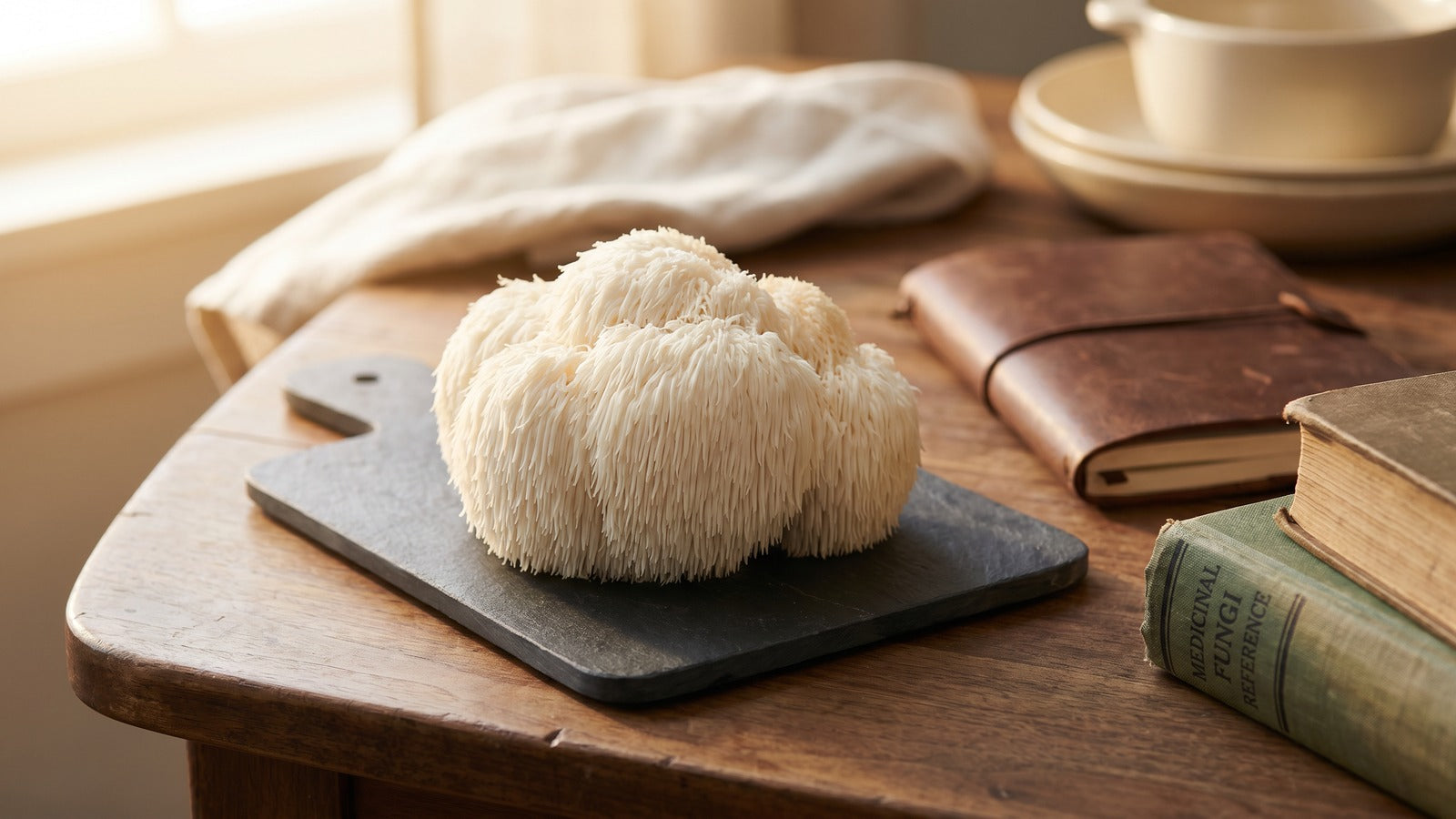
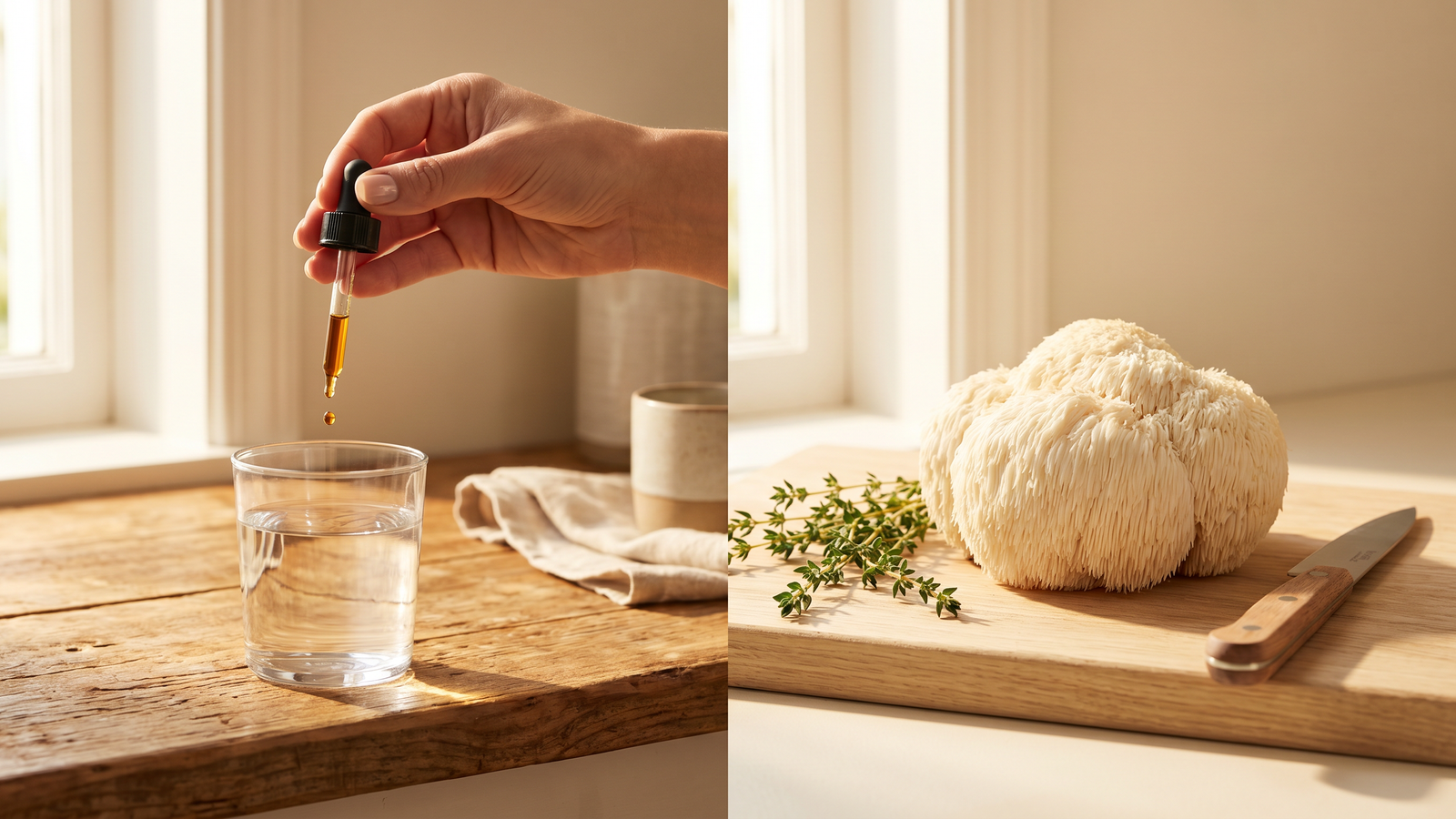
Ready to complement your foraging adventures with home cultivation? Explore our complete guide to edible mushrooms and discover how a smart mushroom grow kit can provide fresh, organic mushrooms year-round while you develop your foraging skills. Whether you're interested in growing gourmet varieties like roasted maitake mushrooms or exploring advanced techniques with Lion's Mane liquid culture, combining foraging knowledge with home cultivation creates the perfect foundation for a lifelong mushroom journey.

Share:
Mushroom Rockefeller: The Ultimate Guide to Creating This Elegant Stuffed Mushroom Masterpiece
Mushrooms That Grow on Oak Trees: Your Complete Guide to Oak-Loving Fungi