


Grass with mushrooms looks alarming the first time you see it sprouting overnight, but it's almost always a good sign for your soil and almost never a threat to your lawn. The fungi behind those mushrooms have been working underground for months or years, recycling buried organic matter, improving soil structure, and contributing to nutrient cycling that benefits the grass you're standing on.
This is the practical guide to grass with mushrooms: what's happening biologically, which mushrooms are common in lawns, why they appear in waves, and what to do (or not do) about them.
The Underground Story
The visible mushroom is a small fraction of the fungus. The bulk of the organism is mycelium, a thread-like network of cells that spreads through soil, sometimes covering hundreds of square feet. Mycelium feeds on dead organic matter (buried wood, decomposing roots, thatch, leaf litter), breaking it down into nutrients that grass roots can use.
When the mycelium has built up enough food reserves and the weather offers the right combination of moisture and temperature, it produces fruiting bodies (mushrooms) to release spores. The mushrooms typically appear within hours, peak over 2 to 3 days, and disappear within a week. The mycelium underneath persists.
So the question isn't really "why are there mushrooms in my grass." It's "why are there fruiting bodies appearing right now." The answer is almost always recent rain plus warm soil.

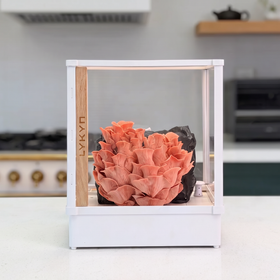
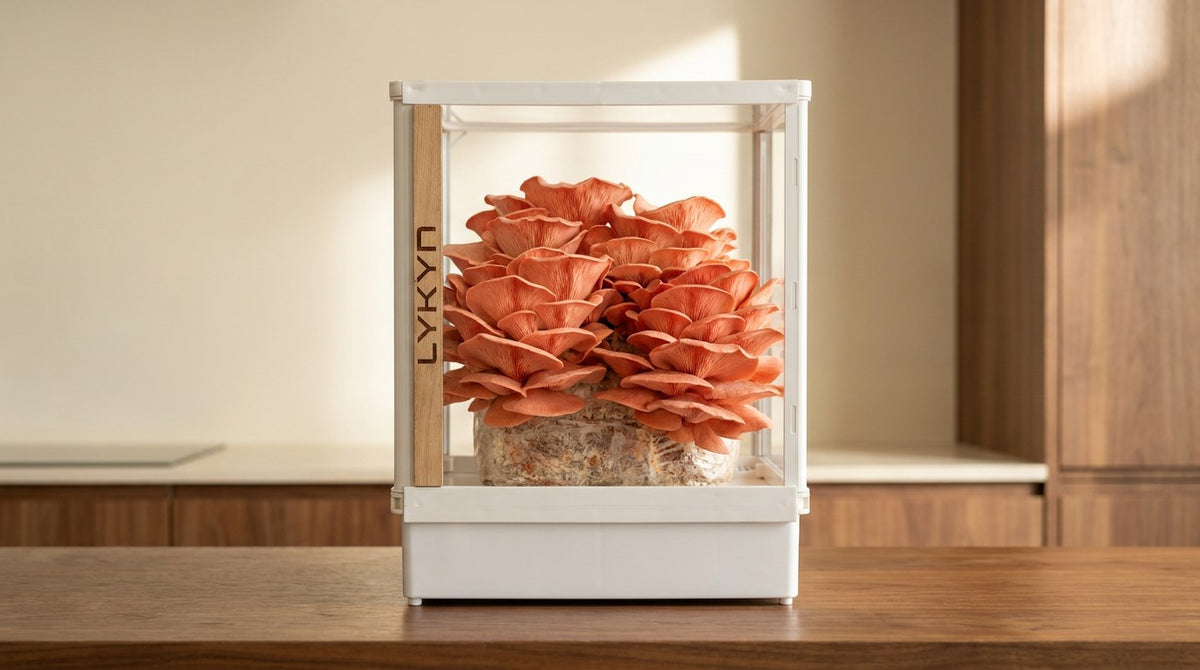
Smart Chamber. Bone White Single
- 2.8L tank, 90% humidity automatic
- App-controlled, plug-and-play
- 6 lb block ceiling, in stock

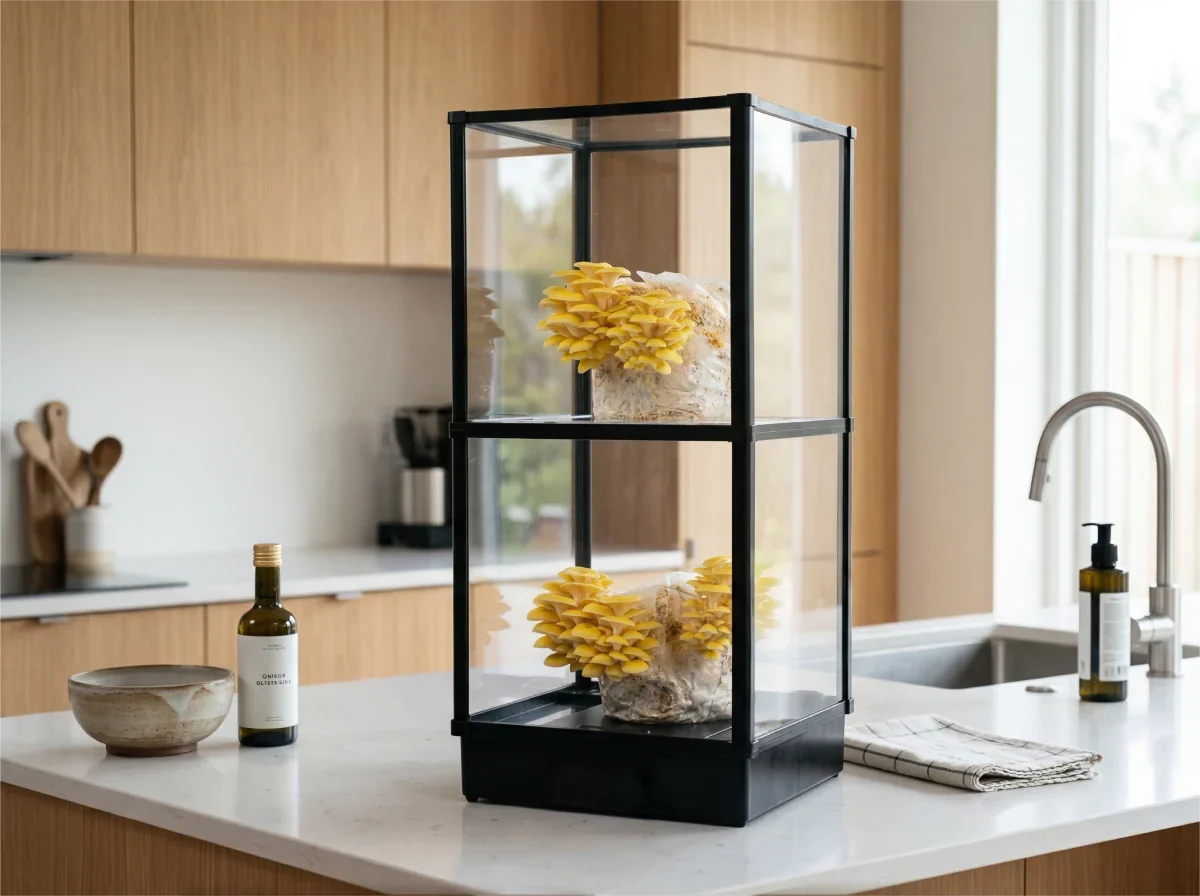
Smart Chamber. Obsidian Black Single
- 2.8L tank, 90% humidity automatic
- App-controlled, plug-and-play
- Matte obsidian finish, in stock

Black Oyster Fruiting Block
- 5 lb colonized hardwood block
- 1-3 day cycle, easy first flush
- Lab-tested strain, in stock
Common Mushrooms in Grass
A handful of species turn up in residential lawns across North America. Most are harmless decomposers, though some can cause stomach upset if eaten by pets or curious children.
- Fairy ring mushrooms (Marasmius oreades and others): small tan caps growing in rings or arcs. Associated with thatch decomposition.
- Inky caps (Coprinus species): tall white-to-gray cylindrical caps that dissolve into a black liquid. Common over decomposing wood and roots.
- Yellow houseplant mushroom (Leucocoprinus birnbaumii): bright yellow caps, usually in mulched beds adjacent to lawn.
- Puffballs (Lycoperdon species): white spheres that release brown spore dust when mature.
- Bird's nest fungi: tiny cup-shaped structures, often in mulched areas. Decompose wood mulch.
- Common psathyrella: brown-capped mushrooms in lawns with high organic content.
None of these species infects living grass. The lawn diseases that actually damage turf (brown patch, dollar spot, rust, snow mold) are caused by completely different fungi that don't produce visible mushrooms.
What Triggers a Mushroom Flush
Mushrooms appear in flushes when several environmental factors align:
- Recent rainfall: the soil has been deeply moistened
- Warm soil temperature: typically 60 to 75 degrees F
- High humidity: above 80 percent, especially overnight
- Available food: buried wood, thick thatch, or decomposing roots within reach of the mycelium
This is why mushroom flushes tend to follow summer thunderstorms or fall rain spells. If you live somewhere with consistent humidity (Pacific Northwest, Southeast U.S., Great Lakes region), mushrooms in grass are an ongoing seasonal feature rather than a one-time event.
Are They Bad for the Lawn?
In almost every case, no. Lawn-growing fungi are decomposers that help convert dead organic matter into plant-available nutrients. The mycelium also improves soil structure by creating tiny channels for water and air movement. Some species actually form beneficial relationships with grass roots through a process called mycorrhizal symbiosis, though most lawn mushrooms are not mycorrhizal.
The exception is fairy ring fungi, which can create a hydrophobic layer in soil that prevents water from penetrating. This layer can stress grass and create the brown rings homeowners sometimes see. Even then, the fungus isn't directly killing the grass; it's making it harder for the grass to access water.

Fuel Your Mushroom Journey
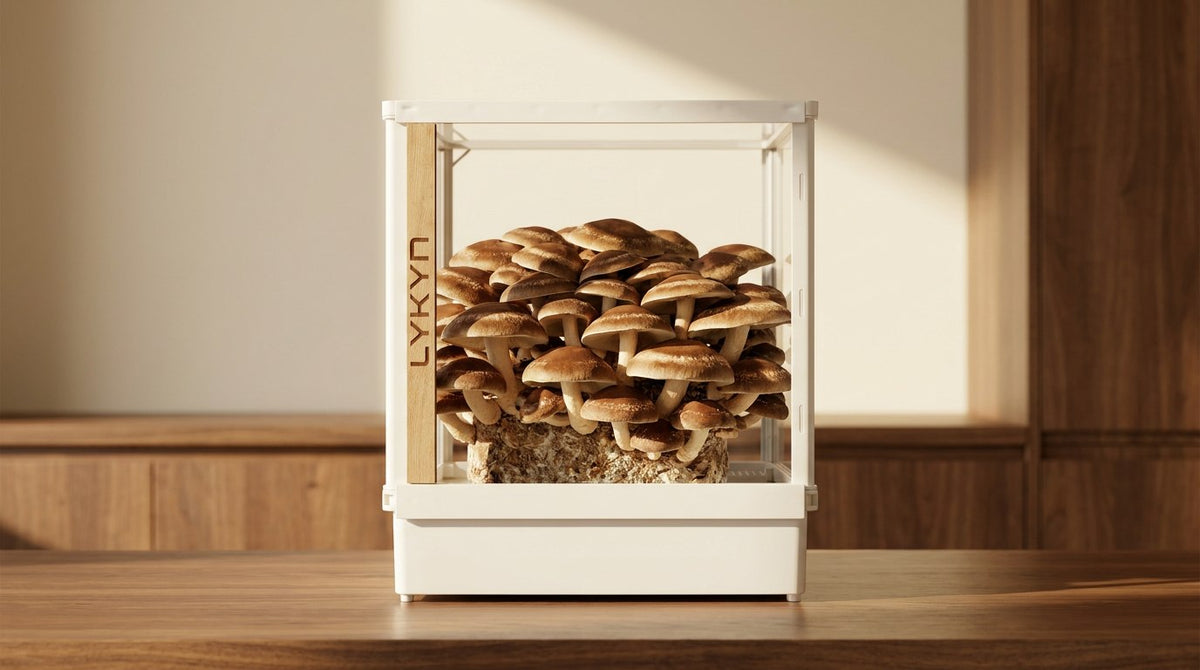
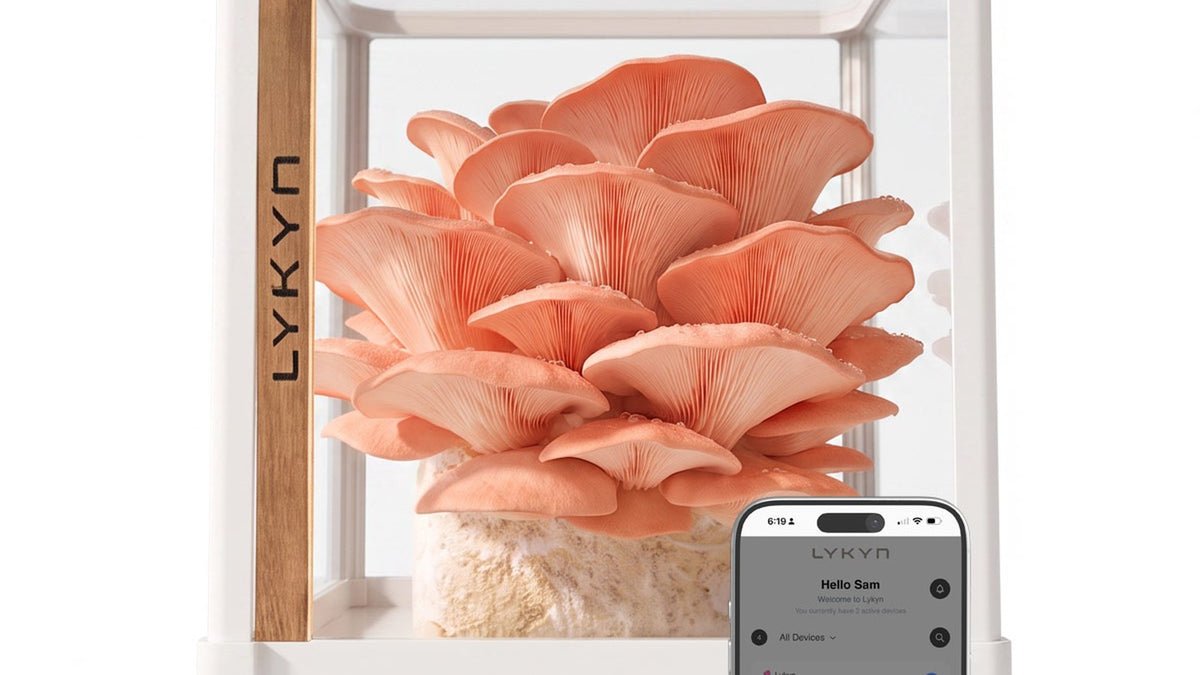
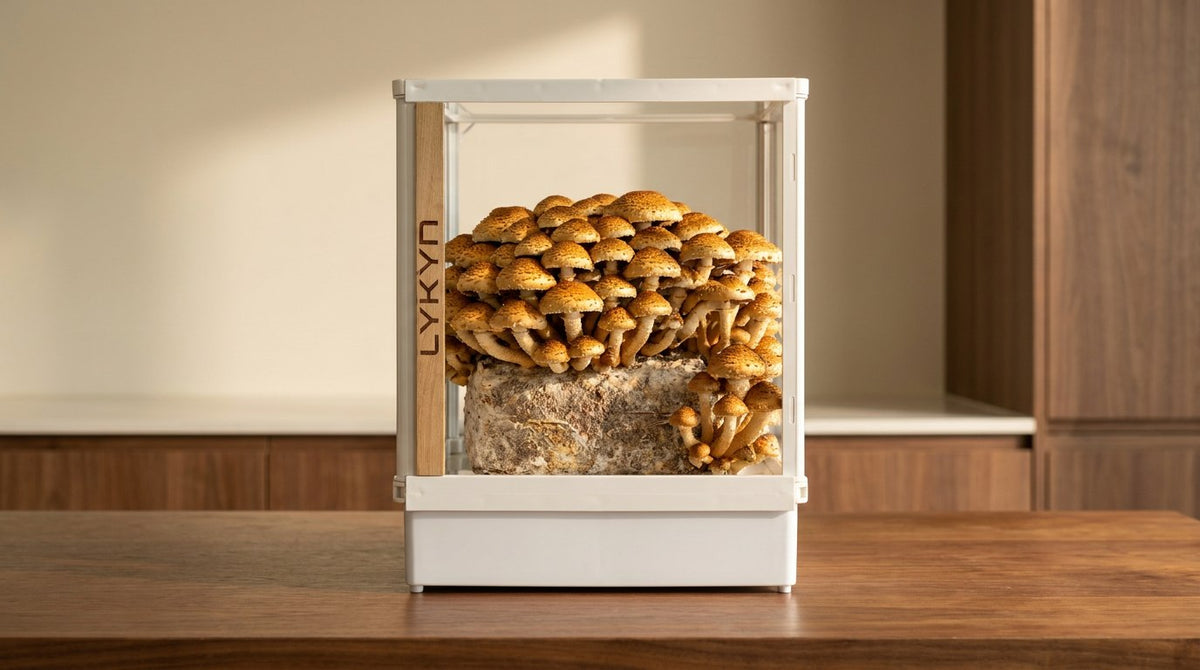
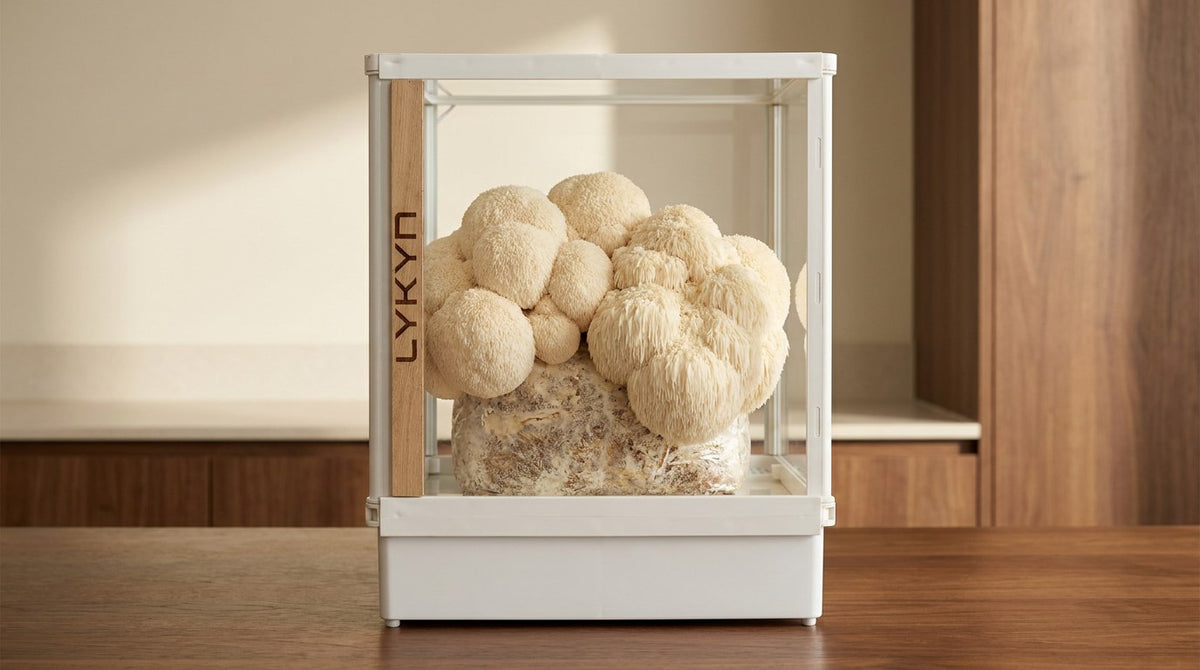
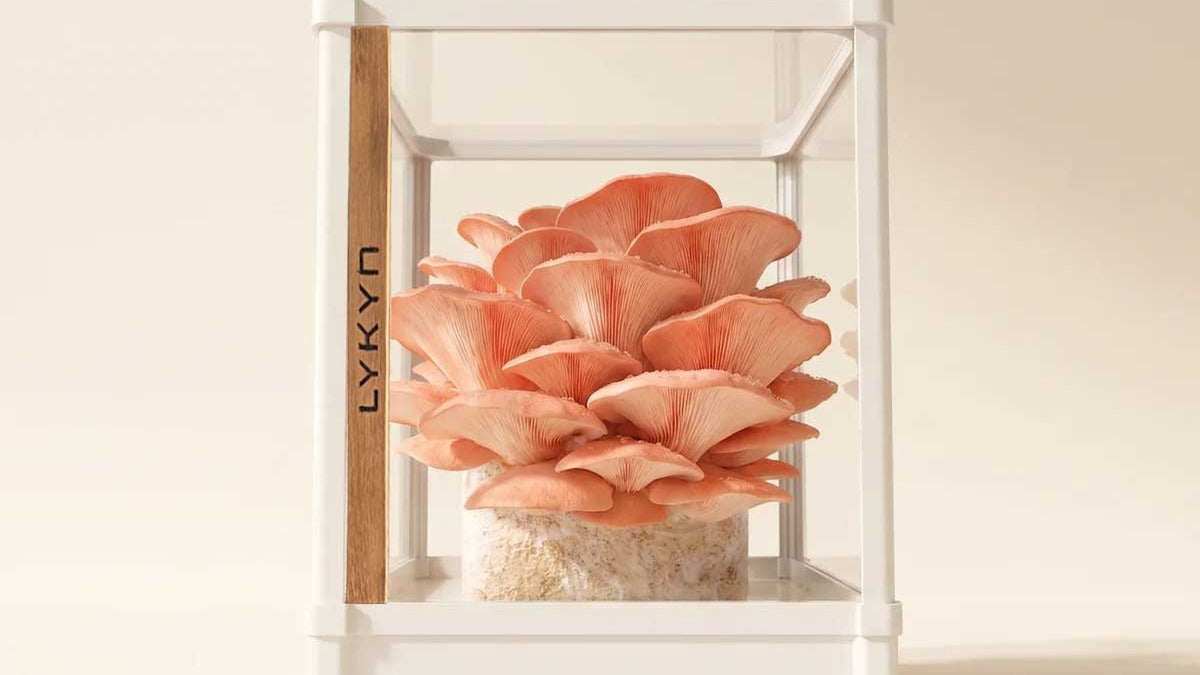
Smart Mushroom Grow Chamber
Plug-and-play smart chamber with humidity, light, and airflow dialed in for every species. Beginners harvest their first flush in days, not months.
Add to cart $299Are They Bad for Pets and Kids?
This is the more important question. Most lawn mushrooms cause nothing worse than mild gastrointestinal upset if eaten, but a few species are genuinely dangerous. The same yard that produces harmless fairy rings can also produce Galerina, Inocybe, or even Amanita species in shaded edges and tree-line areas.
Practical safety steps:
- Walk the yard each morning after rain in warm weather and remove visible mushrooms before letting pets and children play.
- Wear gloves when handling unidentified mushrooms.
- Bag the removed mushrooms and put them in the trash rather than the compost bin.
- If a pet eats an unknown mushroom, contact a veterinarian and bring a sample if you can.
- Never assume a mushroom is safe based on color or shape. Toxic species can look very ordinary.
Should You Try to Get Rid of Them?
If mushrooms appear occasionally after rain and disappear within a week, the most rational response is to do nothing. Pick them, throw them away, move on with your day. The mycelium remains in your soil regardless, and the next favorable weather will produce more mushrooms whether you took action or not.
If mushrooms appear constantly or in large numbers, the underlying conditions can be modified:
- Water deeply but less often: 1 inch per week in 1 to 2 deep soakings rather than daily light watering. Always water in the morning.
- Dethatch if needed: a thatch layer thicker than 1/2 inch holds moisture and feeds saprotrophs. Dethatch in fall.
- Aerate compacted soil: improves drainage and disrupts surface mycelium.
- Remove buried stumps or roots: the most reliable way to eliminate a persistent mushroom patch is to dig up its food source.
- Use composted mulch, not fresh: fresh hardwood mulch introduces wood-decay fungi.
- Prune low branches: more sun and air movement reduce surface moisture.
Most homeowners see a noticeable reduction in mushroom frequency within one growing season after implementing two or three of these changes.
What Doesn't Work
Fungicide products sold for residential lawn use don't target the decomposer fungi behind grass mushrooms. They're formulated for plant-pathogenic fungi that infect leaves and roots. Spraying them on your lawn does nothing useful for mushroom control and adds chemicals to your soil without benefit.
Home remedies (vinegar, bleach, baking soda, dish soap) might temporarily damage visible mushrooms but don't affect the mycelium. They also frequently damage the grass. Skip them.
Fairy Rings Deserve Special Mention
If your mushrooms appear in a circle, you've got a fairy ring, which is a specific category of mushroom problem. Fairy rings expand outward from a central point at a rate of inches to a foot per year, and they can produce three different visible effects: rings of mushrooms, rings of stimulated darker grass, or rings of dying grass.
Managing fairy rings is a long-term project. Core aerate along the ring, deep-water with a soil wetting agent to break the hydrophobic layer, and topdress with compost over multiple seasons. Complete excavation (removing soil along the ring to a depth of 12 inches) works but requires significant manual labor.
If Mushrooms Fascinate You, Try Growing Them Indoors
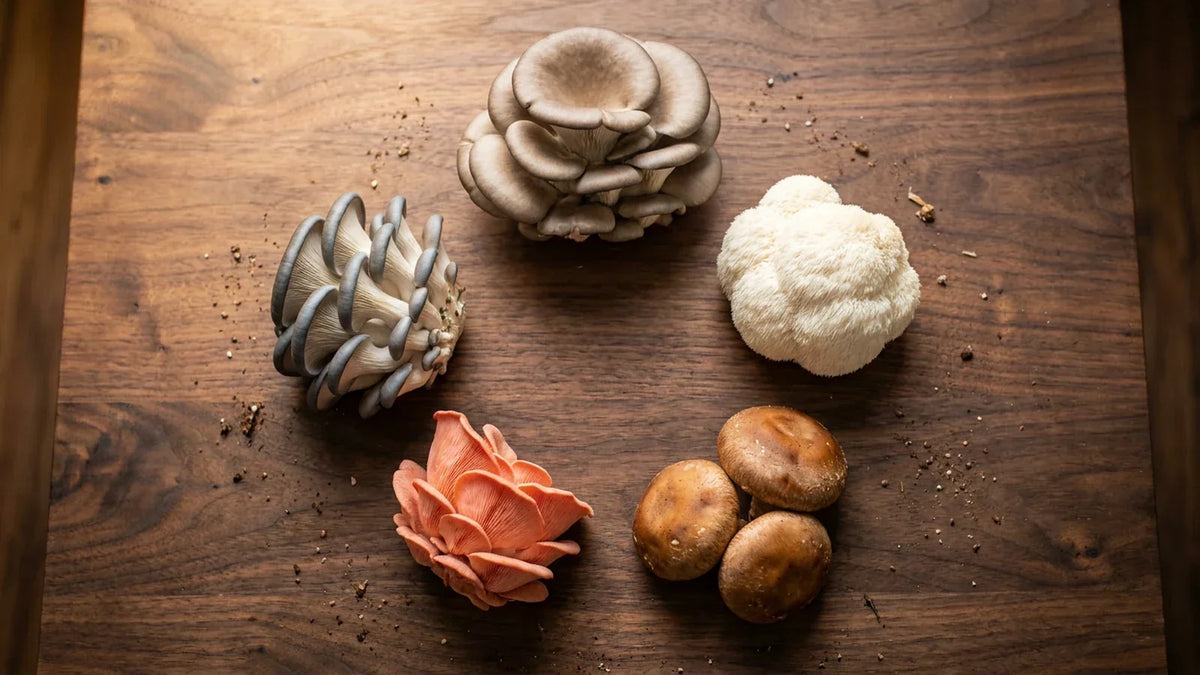
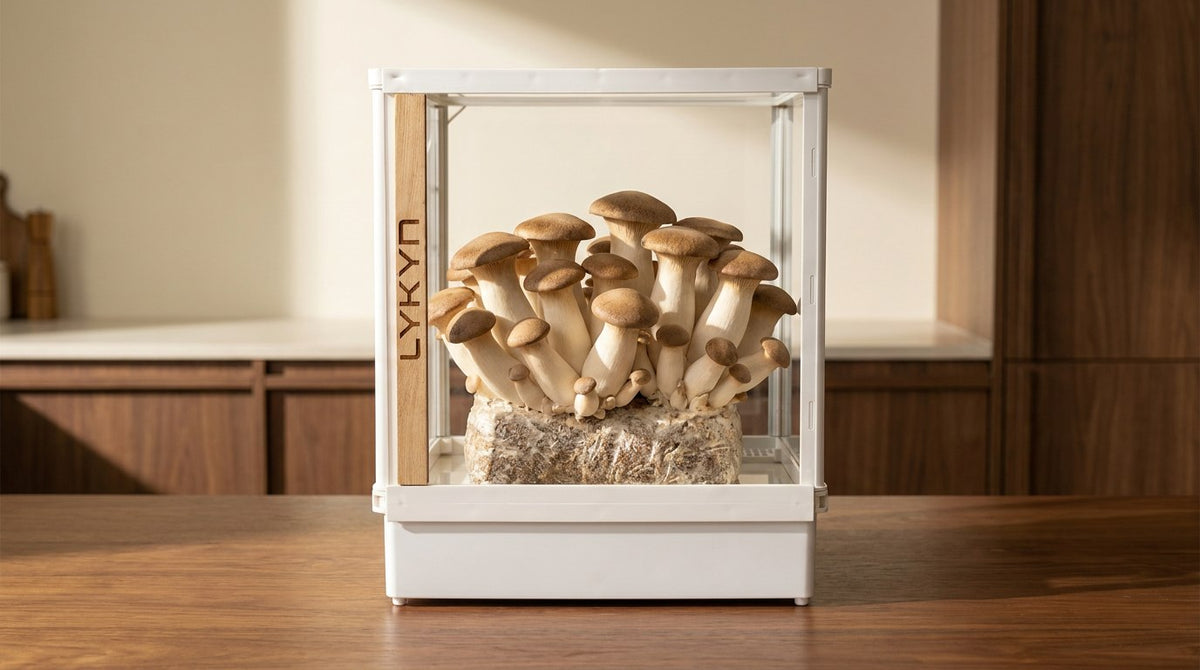
Lawn mushrooms are unpredictable, possibly toxic, and impossible to identify reliably without expertise. Cultivated mushrooms grown indoors are exactly the opposite: predictable, safe, and labeled by species. A countertop grow kit from Lykyn's mushroom grow kits produces oyster, lion's mane, or king trumpet harvests in 5 to 7 days, on demand, without any of the identification risk that comes with foraging in your own yard.
Grass with mushrooms is one of those situations where doing less is usually better than doing more. Pick what you see, watch the moisture, trust the soil ecosystem, and accept that fungi are a permanent feature of any healthy outdoor space. The lawn will be fine, the mushrooms will keep coming, and the world will continue turning.

Share:
Dairy Free Cream of Mushroom Soup That Tastes Like the Real Thing
Dairy Free Cream of Mushroom Soup That Tastes Like the Real Thing