


If you searched "hedgehog and mushroom," you've landed on one of two genuinely different topics, and both are worth covering. The first is the hedgehog mushroom (Hydnum repandum), a prized foraged species with tiny spore-bearing spines on its underside instead of gills. The second is the popular online and pop-culture pairing of hedgehog animals with mushrooms (think children's books, cottagecore illustrations, hedgehogs photographed next to fairy-ring mushrooms in the forest).
This article focuses on the mushroom side, because that's our wheelhouse, but we'll briefly touch on why the two go together so often in nature.
The hedgehog mushroom (Hydnum repandum)

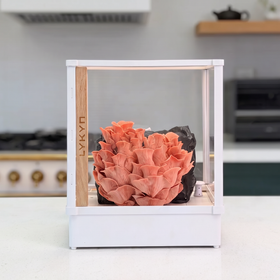
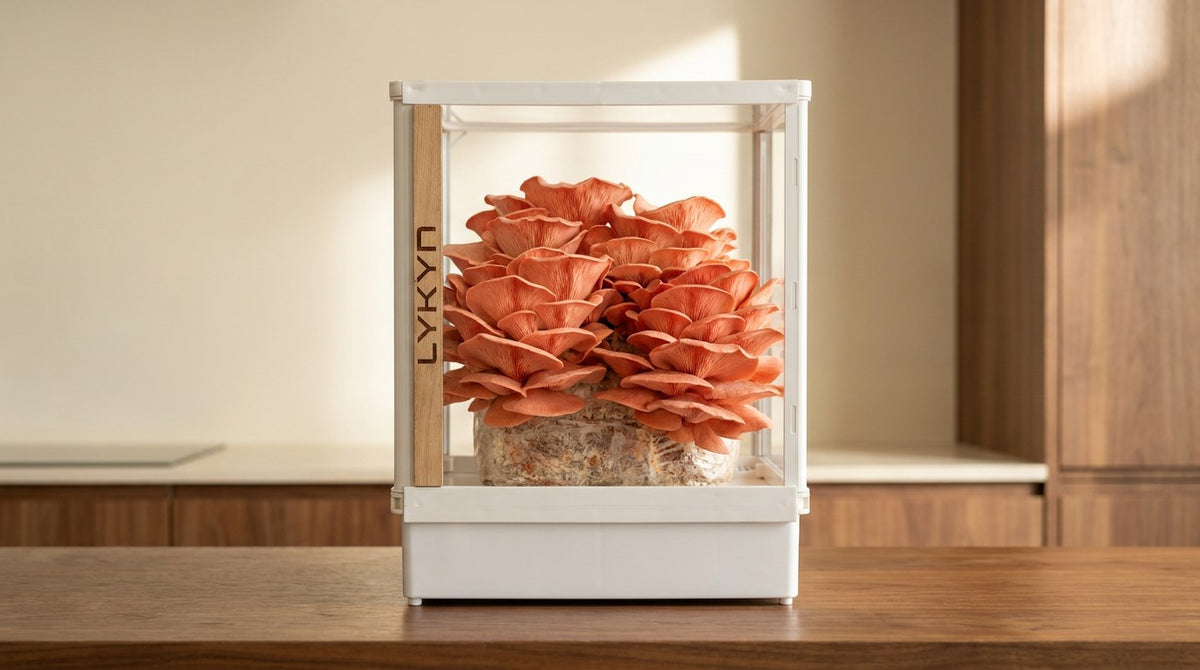
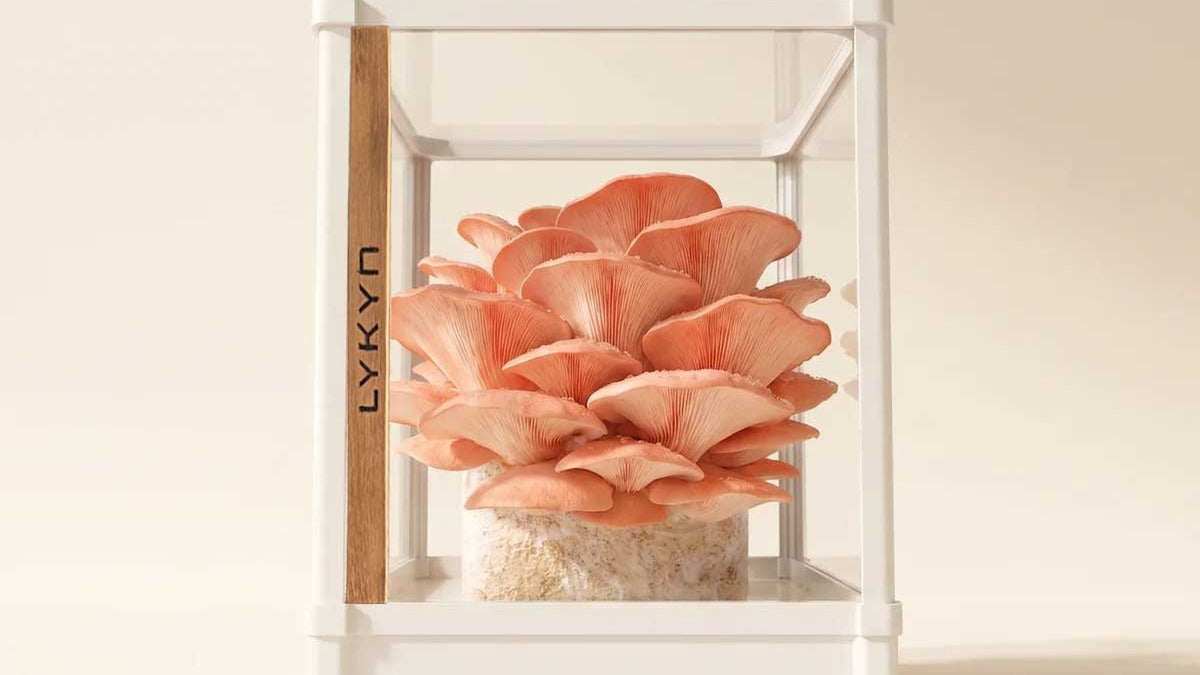
Smart Chamber. Bone White Single
- 2.8L tank, 90% humidity automatic
- App-controlled, plug-and-play
- 6 lb block ceiling, in stock

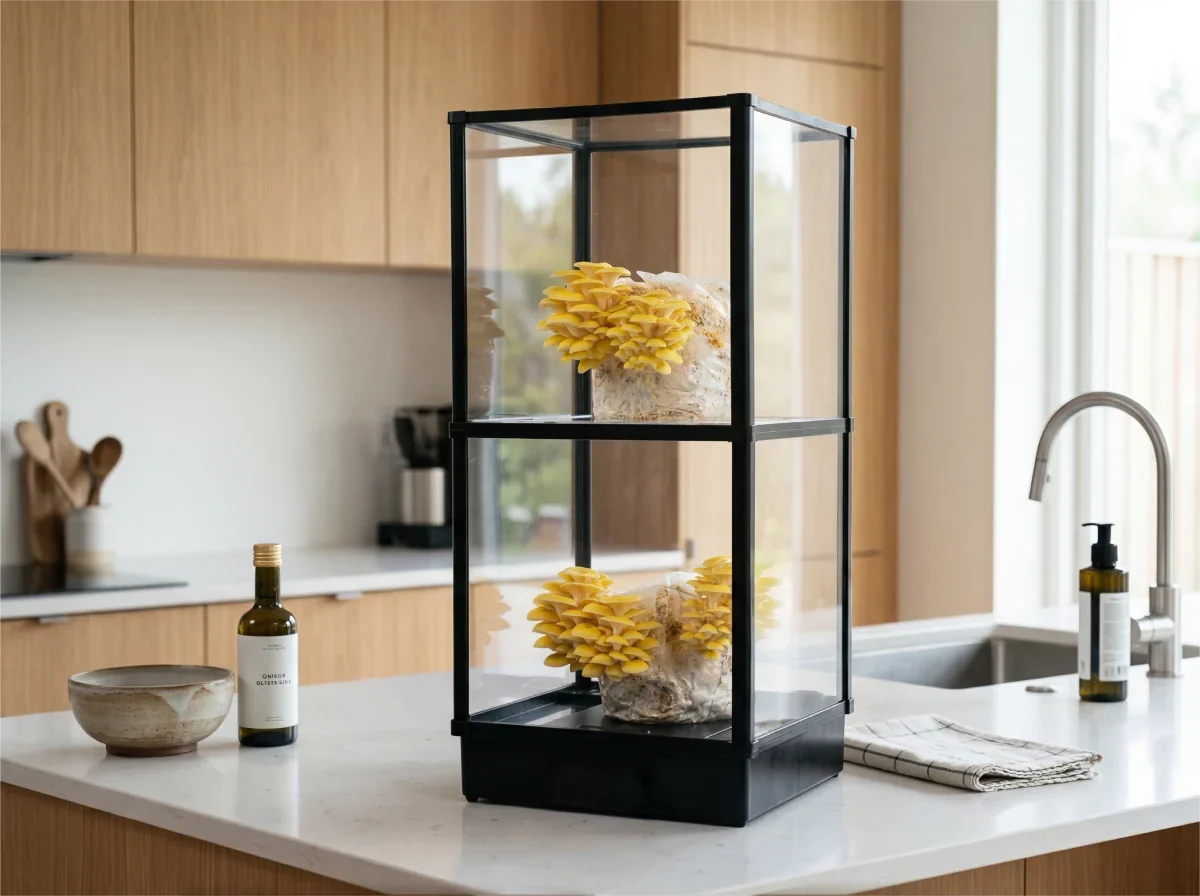
Smart Chamber. Obsidian Black Single
- Same hardware as Bone White
- Matte black premium finish
- Pairs with any kitchen palette

Hedgehog mushrooms are named for the soft, tooth-like spines that hang underneath the cap. Most mushrooms have gills, pores, or smooth surfaces under the cap. Hedgehogs have those distinctive downward-pointing spines that look like tiny stalactites or, yes, a hedgehog's quills.
The cap is pale tan to orange-tan, irregular in shape, and the flesh is dense and slightly brittle. Hedgehog mushrooms grow on the forest floor in symbiotic relationship with the roots of conifers and hardwoods (they're mycorrhizal, not decomposers). You'll find them in the Pacific Northwest, the Northeast, the Upper Midwest, and across much of Europe, generally from late summer through fall, and on the West Coast through winter.
Why foragers love them
Three reasons. First, they're delicious. The flavor is mild, sweet, slightly nutty, often compared to a fresh chanterelle but with a firmer texture and a little less perfume.
Second, they're hard to confuse with anything dangerous. The toothed underside is unique enough that even beginner foragers can identify them reliably (though always confirm with a local expert before eating any wild mushroom). There are no deadly lookalikes for hedgehog mushrooms in North America, which is a rare and valuable trait in the foraging world.
Third, they stay fresh longer than most wild mushrooms. Where a chanterelle goes bad in two or three days, a hedgehog can hold for a week in the fridge.
How to cook hedgehog mushrooms
Treat them like chanterelles, but a touch less delicately. They tolerate a hotter pan, take longer to release their water, and hold their shape well in stews and braises.
The classic preparation is a simple sauté. Tear or slice the mushrooms into bite-sized pieces, heat butter in a wide pan until foaming, add the hedgehogs in a single layer, and let them cook undisturbed for three to four minutes. Flip, cook another two minutes, then add a clove of minced garlic, a pinch of salt, and a tablespoon of crème fraîche or heavy cream. Finish with chopped chives or parsley.
Hedgehog mushrooms also work in pasta with butter and parmesan, in risotto, on toast with goat cheese, and folded into omelets. Their texture is more forgiving than the more delicate wild mushrooms, so they're a great starter wild species for home cooks.
The two main species you'll find
Hydnum repandum is the larger, more common species. Caps grow up to six inches across, flesh is robust, and the spines are clearly visible. Hydnum umbilicatum is smaller (caps usually under two inches) and has a small belly-button-like depression in the center of the cap. Both are edible and prized. Some foragers consider the smaller species slightly better for fresh eating; the larger holds up better in cooked dishes.

Fuel Your Mushroom Journey
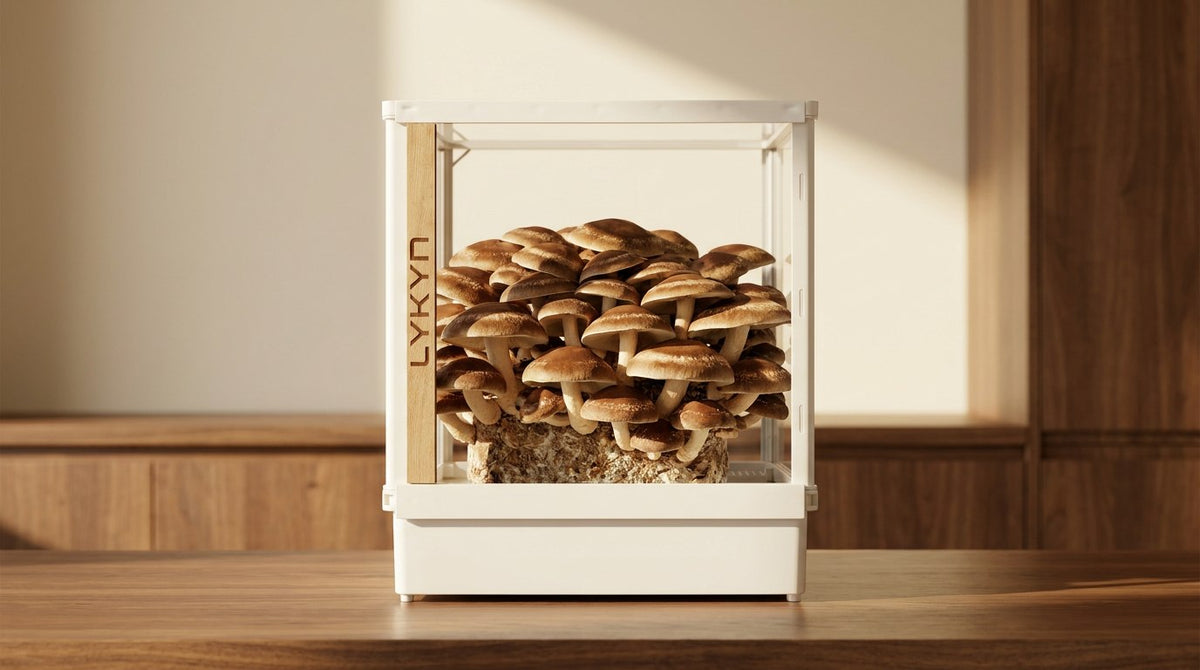
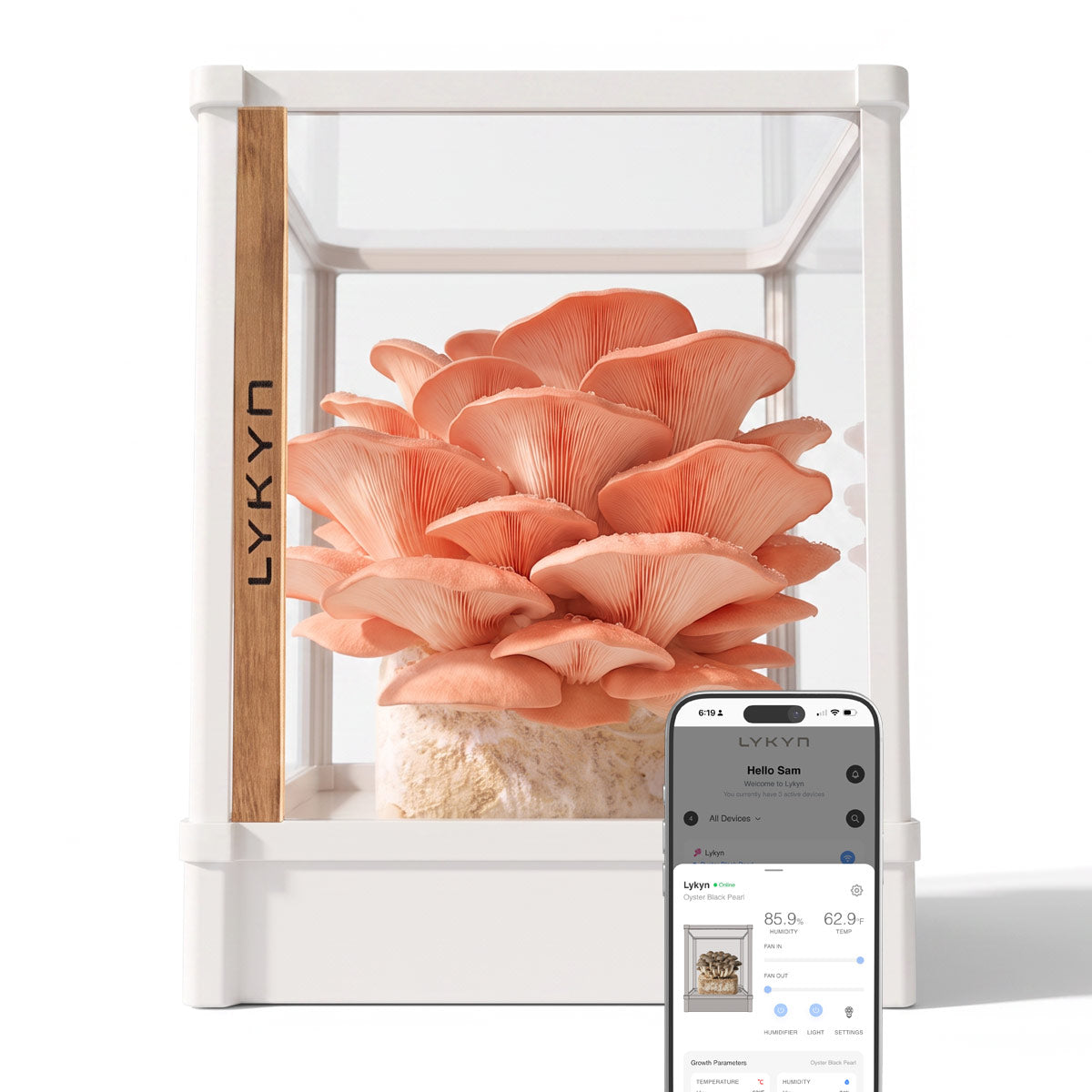
Smart Mushroom Grow Chamber
Plug-and-play smart chamber with humidity, light, and airflow dialed in for every species. Beginners harvest their first flush in days, not months.
Add to cart $299Where you'll find them
Hedgehog mushrooms grow in mossy areas under conifers and hardwoods, often in places that look like classic mushroom habitat: damp forest floor, scattered leaf litter, and dappled light. They tend to fruit in groups, so if you find one, look around.
The season varies by region. Pacific Northwest foragers find them from October through January in good rain years. New England gets them in September and October. The Upper Midwest sees them in late August through September. In Europe, they fruit from late summer into fall.
Why hedgehogs (the animals) and mushrooms go together
This is where the search term gets interesting. There's a reason "hedgehog and mushroom" is a cultural pairing that appears everywhere from Beatrix Potter to modern cottagecore.
European hedgehogs (Erinaceus europaeus) and many North American forest-dwelling small mammals share habitat with autumn mushrooms. Hedgehogs forage at night in damp leaf litter, exactly where toadstools, fairy rings, and edible mushrooms appear in the fall. Photographers and illustrators have been capturing the pairing for over a century because it actually happens in the woods.
Hedgehogs don't generally eat mushrooms (they're insectivores, mostly), but they pass through the same micro-habitats and the visual contrast (a spiny brown animal next to a colorful capped mushroom) is irresistible.
If you can't forage but want similar flavors
Wild hedgehog mushrooms aren't commercially cultivated, which is unusual for a beloved edible species. The mycorrhizal relationship is hard to replicate at scale.
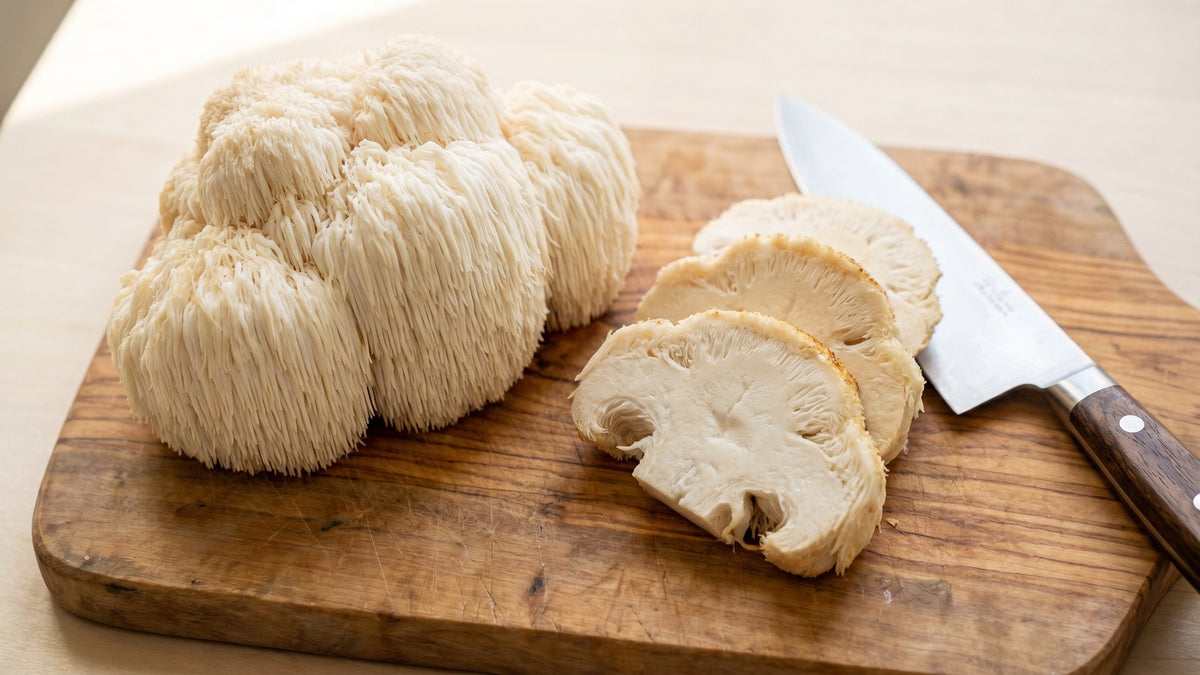
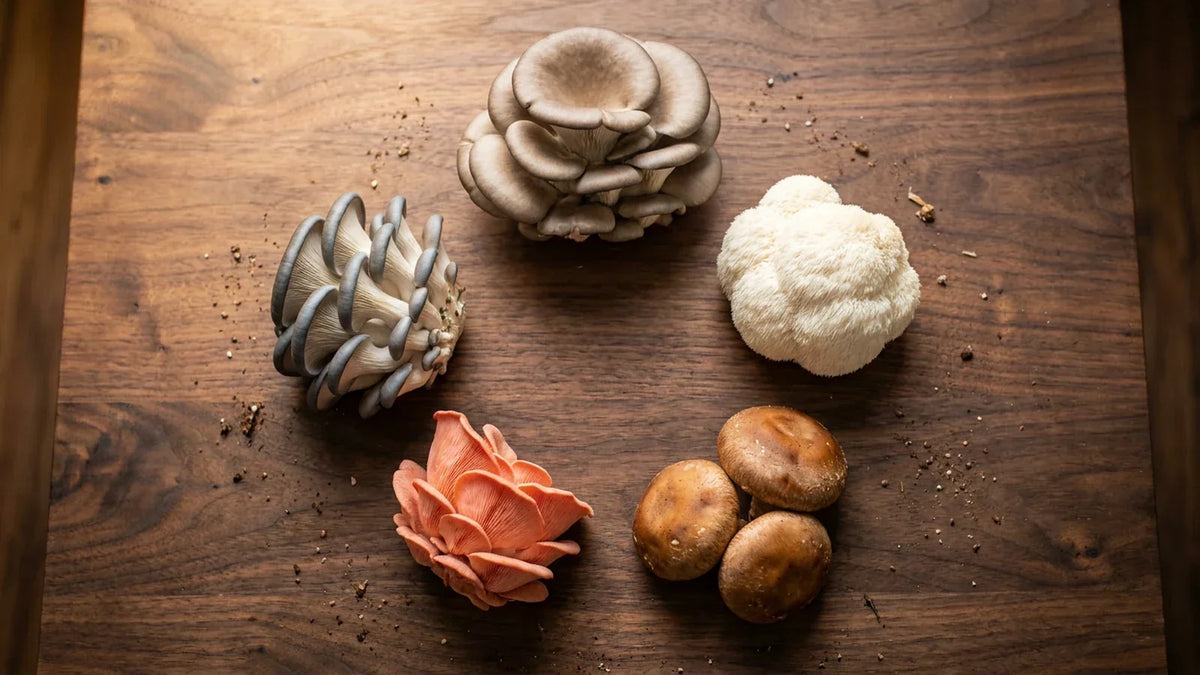
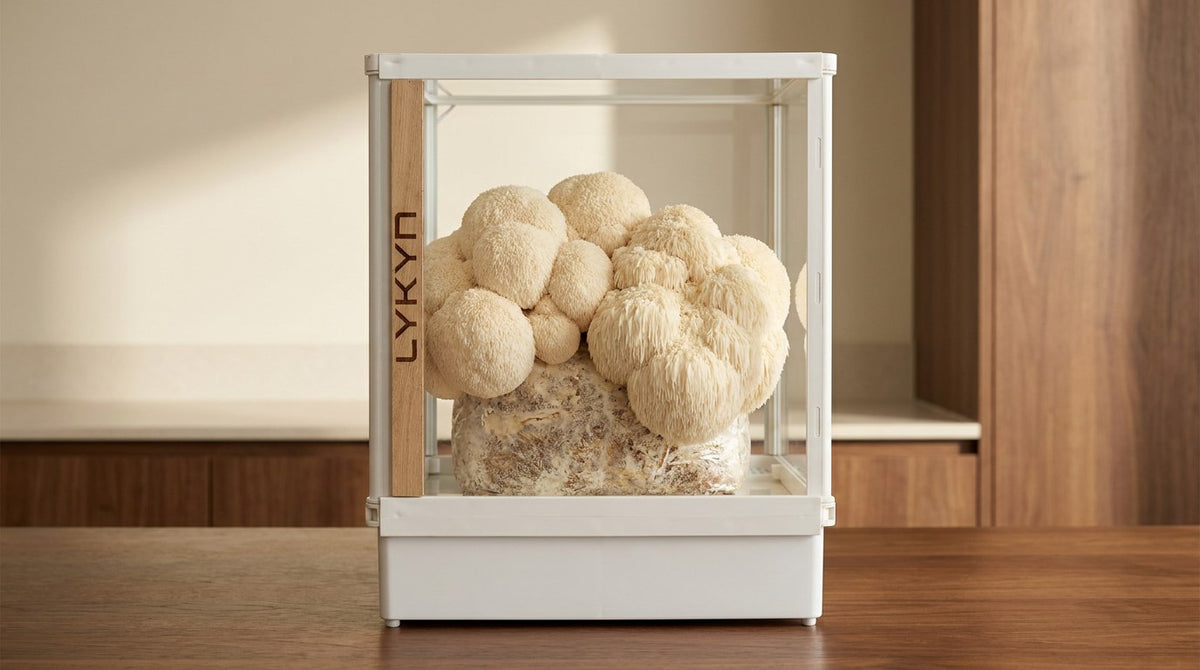
If you want a similar profile in a cultivated mushroom, look for Lion's Mane (also called the "pom pom mushroom" or "yamabushitake"). Lion's Mane has a similar mild, slightly sweet, almost seafood-like quality, and it's the closest cultivated species in spirit to a fresh-foraged hedgehog. You can grow Lion's Mane at home with a mushroom grow kit, which gives you the same kitchen versatility without needing to know your local forest in detail.
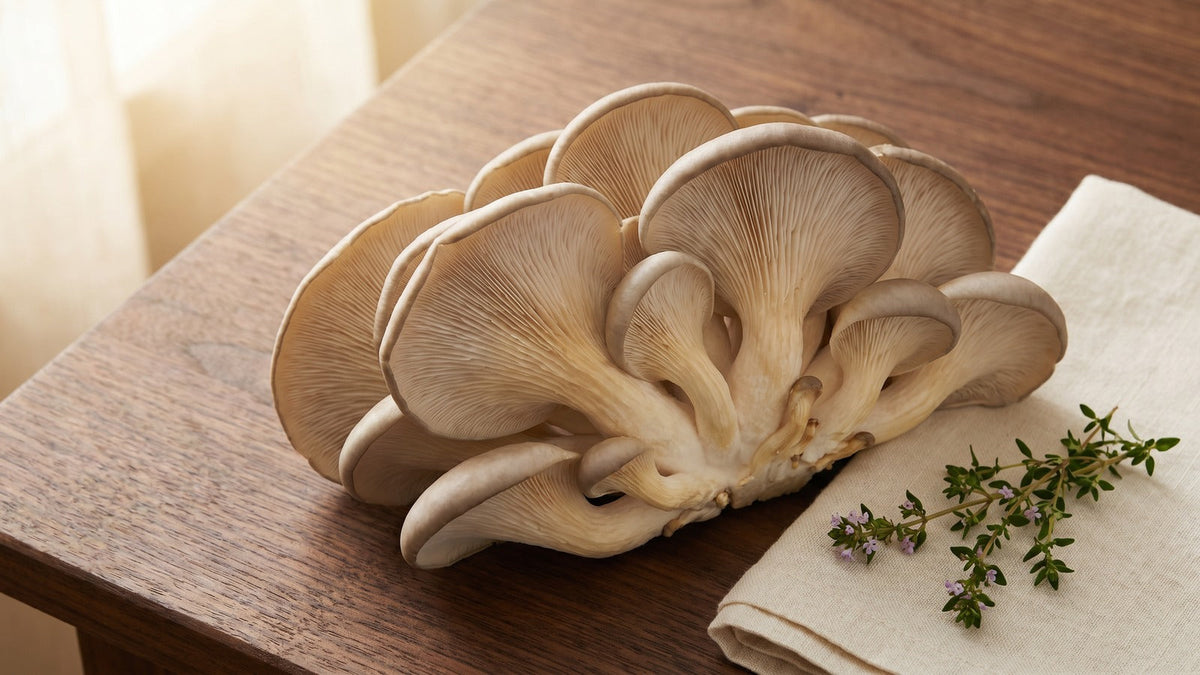
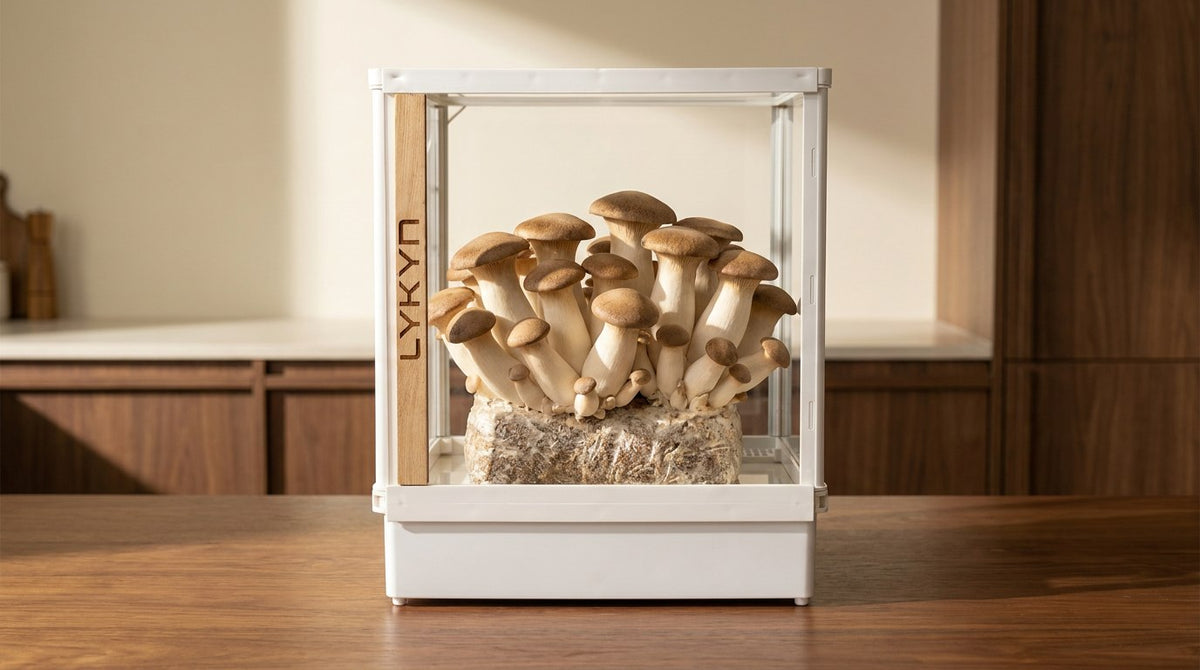
King Trumpet is another good cultivated alternative. The firm texture handles a sear well, and the mild flavor takes on butter, herbs, and lemon nicely.
A note on safety
If you're starting to forage, always get positive identification from an experienced forager or a verified app with multiple confirmations before you eat anything. Even hedgehog mushrooms, which are friendly to beginners, should be confirmed in person the first few times. Photos online don't always show the diagnostic features (the spines, the cap texture, the substrate) clearly.
Foraging is one of the more rewarding ways to get into mushrooms, but it has a real learning curve and an asymmetric downside. Take a class with a local mycological society if you want to start, and start with species that have no dangerous lookalikes. Hedgehog mushrooms are a great first species precisely because of that.
Share:
Gourmet Mushrooms: A Guide to the Best Specialty Varieties
Gourmet Mushrooms: A Guide to the Best Specialty Varieties