


The reliable way to dehydrate mushrooms is in a food dehydrator at 110 to 125 F for six to eight hours, until the slices are completely dry and snap when bent. You can also use a low oven, an air fryer with a low-temp setting, or air-dry them in a warm, dry, well-ventilated spot. The principle is the same in every method: remove water slowly enough that the mushroom doesn't cook, but consistently enough that it doesn't spoil before drying is complete.
Dehydrated mushrooms last 12 months or longer when stored properly, concentrate flavor (especially in shiitake and oyster varieties), and rehydrate to a usable texture in 20 to 30 minutes of warm water. Below is everything you need to do it right the first time.
What you need

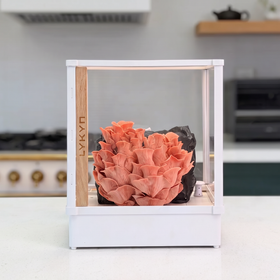
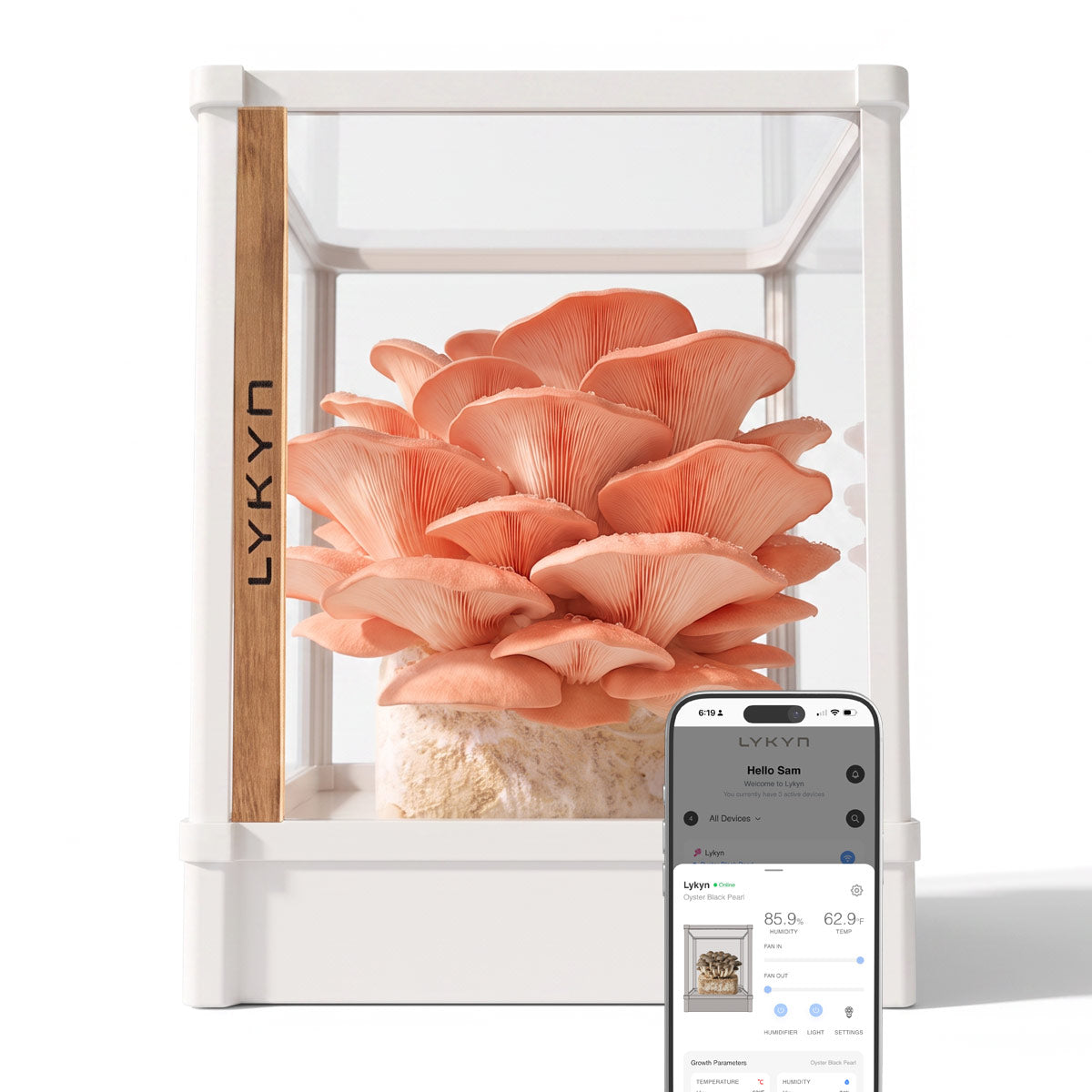
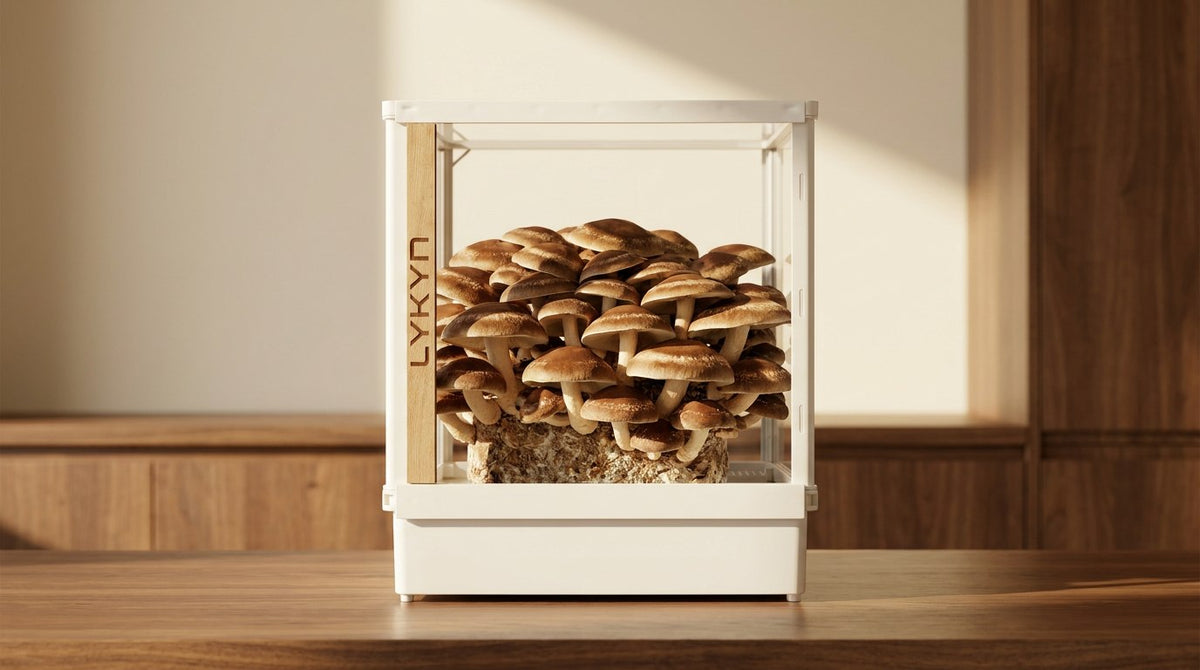
Smart Chamber. Bone White Single
- 2.8L tank, 90% humidity automatic
- App-controlled, plug-and-play
- 6 lb block ceiling, in stock

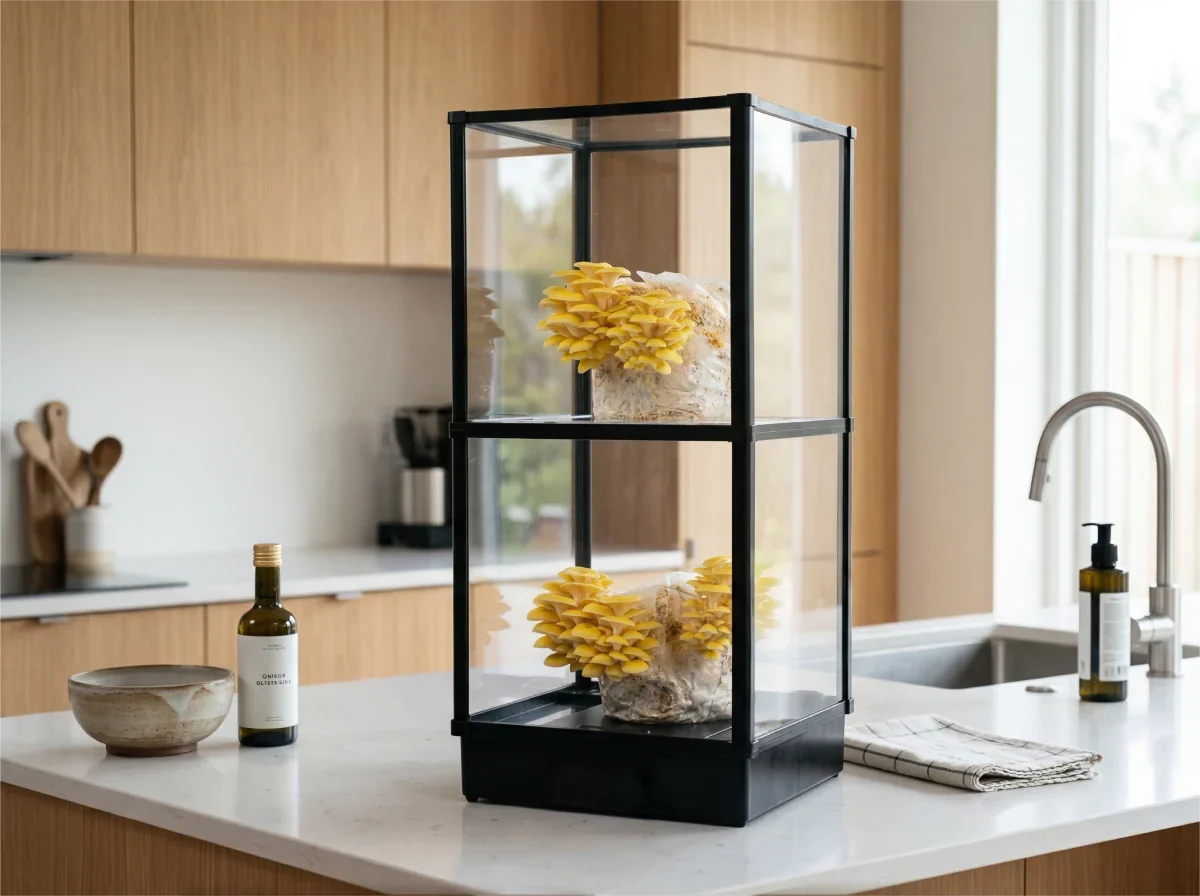
Smart Chamber. Obsidian Black Single
- Same hardware as Bone White
- Matte black premium finish
- Pairs with any kitchen palette

One pound of fresh mushrooms (any species works, see notes below), a sharp knife or mandoline, a clean dehydrator or other drying setup, airtight jars or vacuum-seal bags for storage, and silica gel packets (optional but recommended for long-term storage in humid climates).
You don't need salt, oil, or seasoning. Plain dried mushrooms are the most versatile, and any seasoning you add at the drying stage limits how you can use them later.
Step 1: pick fresh, clean mushrooms
Use mushrooms at their peak, not the ones at the back of the fridge that need to be used up. Drying concentrates flavor, including off-flavors. Slightly past-prime mushrooms dry into worse-tasting dried mushrooms.
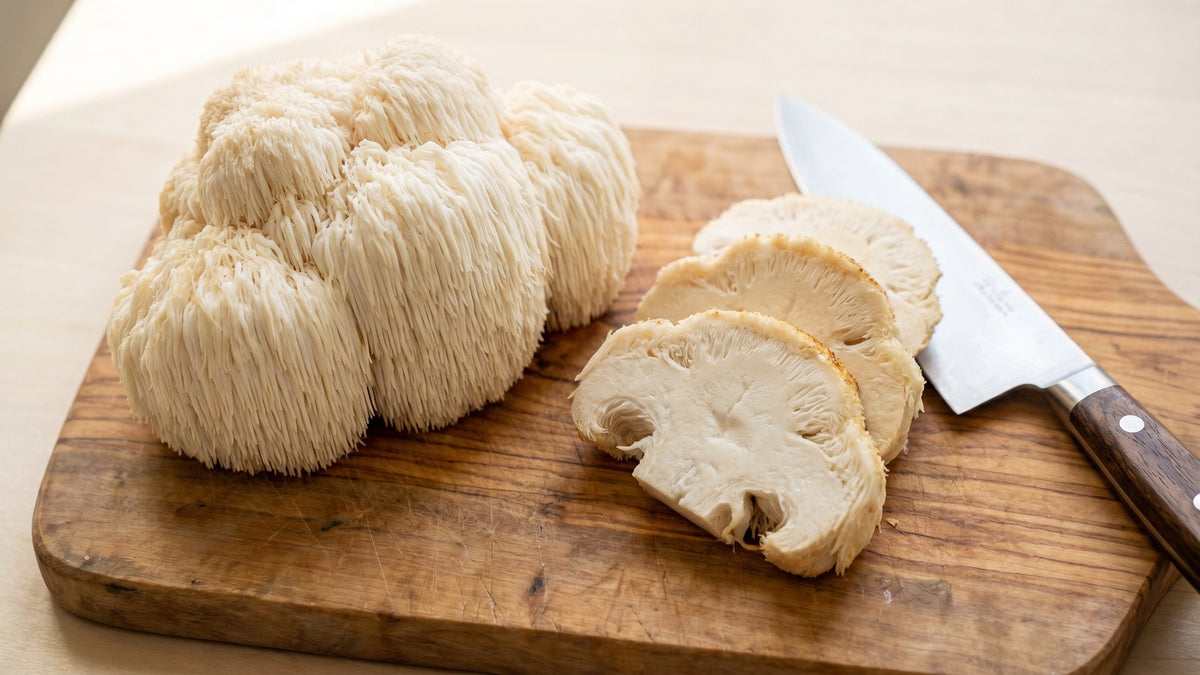
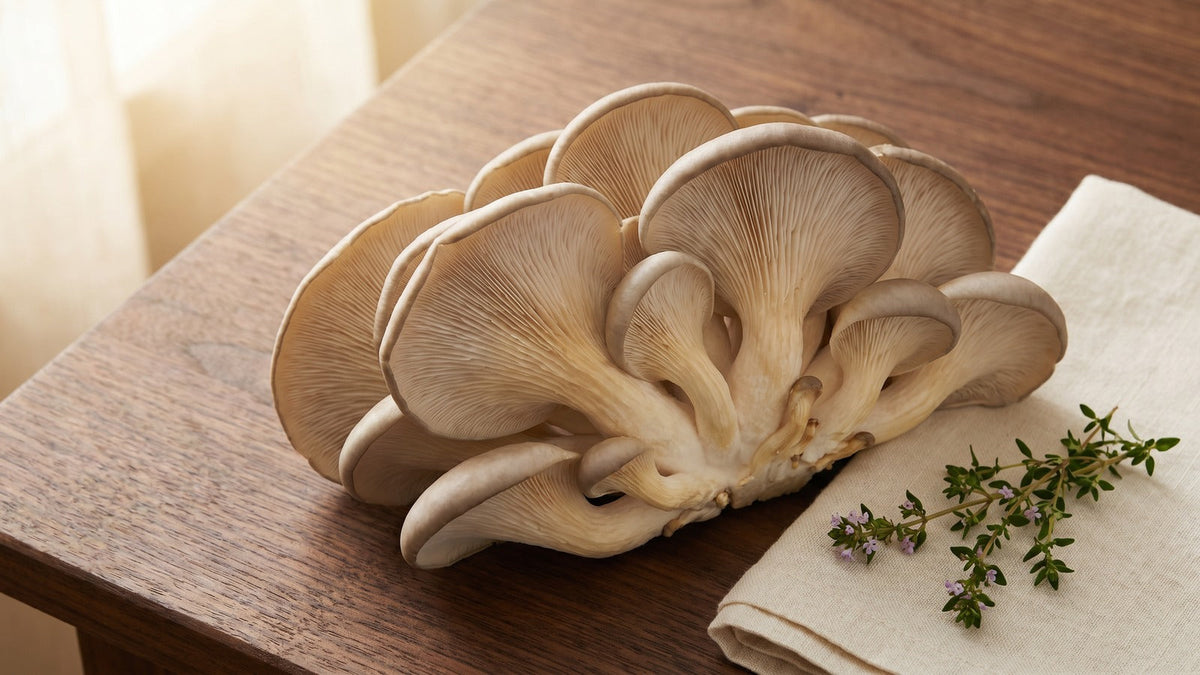
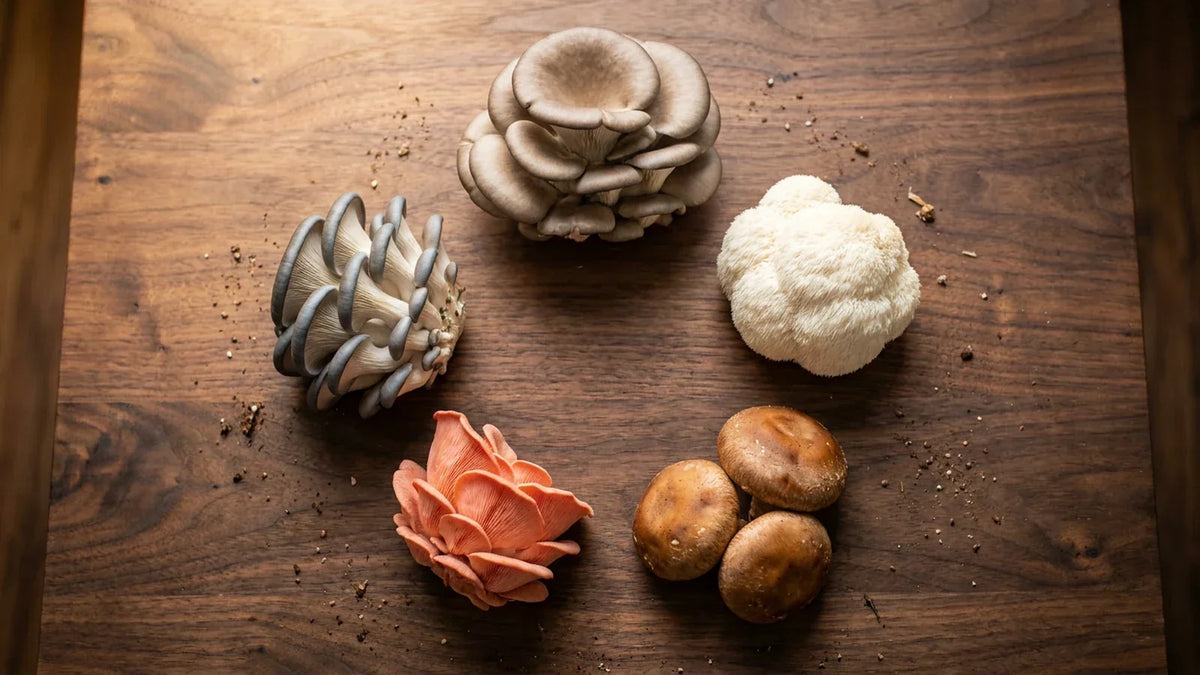
Best species for dehydrating: shiitake (the gold standard, dried shiitake is in a different flavor league than fresh), porcini (intensely savory after drying), morels (preserve their distinct aroma), oyster mushrooms (delicate but useful), King Trumpet (slices well into dense, chewy chips), Lion's Mane (dehydrates well but rehydrates to a softer texture).
Less ideal: white button and cremini lose more flavor than they gain in concentration. Maitake works but is so good fresh that drying feels like a waste.
Step 2: clean without water
Wipe each mushroom with a slightly damp paper towel or use a soft brush to remove dirt. Don't rinse mushrooms before drying. Water adds moisture you're about to spend hours removing, and submerging mushrooms before drying creates uneven texture.
Trim any tough stem ends. For shiitake, remove the stems entirely (they stay tough even after rehydration, but you can save them for stock).
Step 3: slice uniformly
The single most important step. Uneven thickness gives you uneven drying, which means some pieces are crispy while others are still moist (and at risk of mold).
Aim for slices a quarter inch thick or slightly less. A sharp knife works fine, though a mandoline gives you the most consistent results. For oyster mushrooms, tear them into similar-sized pieces by hand rather than slicing.
You can also dry small mushrooms whole (small button cremini, baby shiitake, small chestnut mushrooms) if you want them for visual appeal in dishes. Whole mushrooms take longer to dry than slices, often 10 to 14 hours.
Step 4: arrange on the dehydrator trays
Lay slices flat in a single layer on the dehydrator trays. Don't overlap. Pieces should have a little space between them for air circulation.
Position larger or thicker slices on the outside edges of the tray (where airflow is strongest in most dehydrators) and smaller pieces toward the center. This evens out drying time.
Step 5: set the temperature and time
Set the dehydrator to 110 to 125 F. Lower temperatures preserve more flavor and nutrients but take longer. Higher temperatures speed things up but can begin to cook the mushroom rather than just dry it.
Expected time: six to eight hours for thin slices, 10 to 14 hours for thicker pieces or whole mushrooms. Check every two hours after the four-hour mark.
The mushroom is fully dehydrated when it snaps when bent, has no flexibility, and feels dry through to the center. Pieces that bend without breaking still have moisture in them and need more time. Mushrooms that feel slightly tacky or leathery are not done.

Fuel Your Mushroom Journey
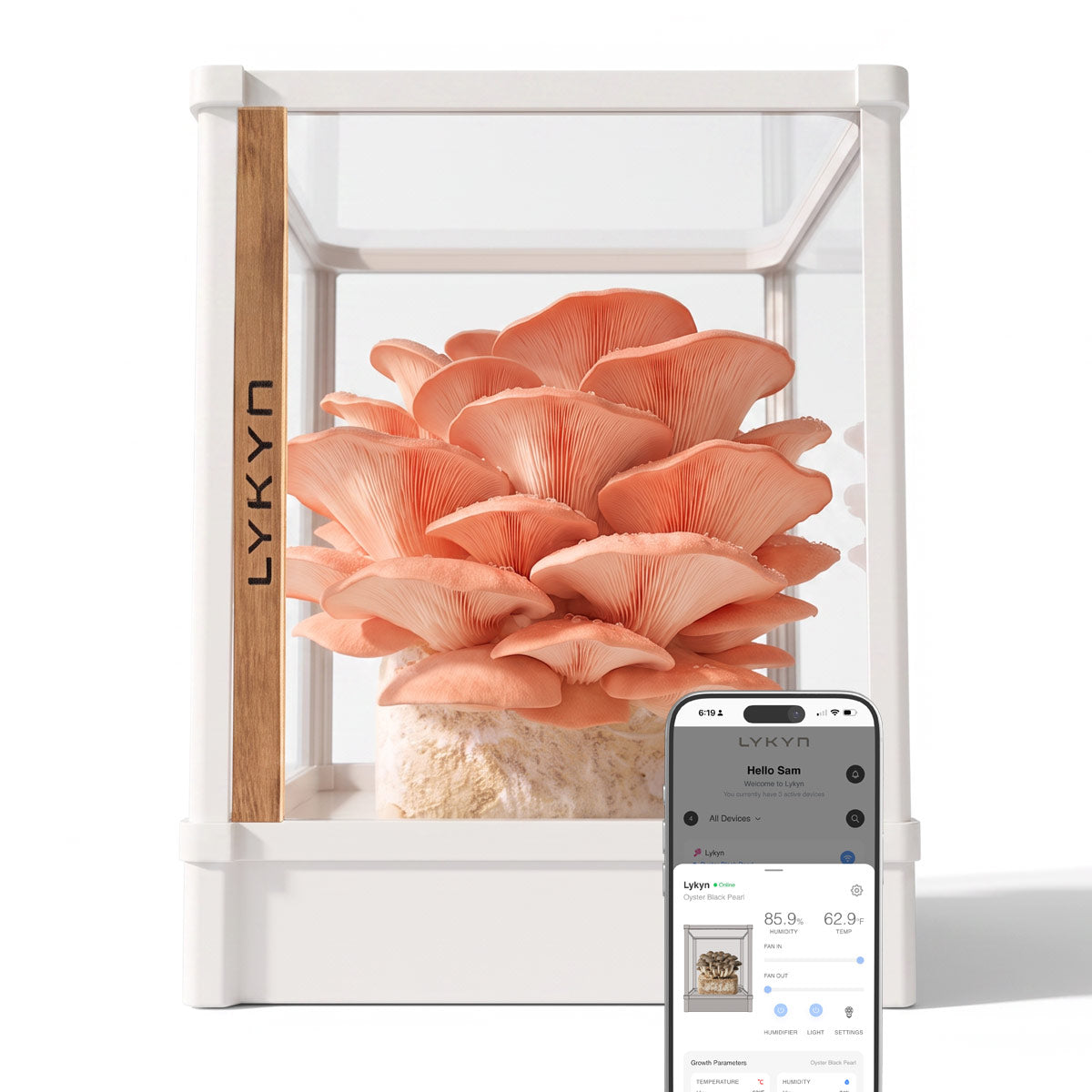
Smart Mushroom Grow Chamber
Plug-and-play smart chamber with humidity, light, and airflow dialed in for every species. Beginners harvest their first flush in days, not months.
Add to cart $299Oven and air-fryer methods
If you don't have a dehydrator, a conventional oven works. Set it to the lowest temperature (usually 150 to 170 F), prop the door open with a wooden spoon to let moisture escape, and arrange the mushrooms on parchment-lined sheet pans. Check every hour, rotating pans for even drying. Total time: four to six hours, faster than a dehydrator but with more variability in results.
Air fryers with a dehydrate function (most modern ones) work at lower temperatures than the oven and produce more consistent results. Set to 125 F if available, otherwise the lowest temperature your unit supports. Time depends on capacity, but six to eight hours is typical.
Air-drying outdoors works in dry climates (relative humidity below 60 percent). Thread sliced mushrooms onto string or arrange on screen racks in a warm, sunny, well-ventilated spot. Cover with cheesecloth to keep insects off. Drying time: one to three days. Avoid air-drying in humid or rainy weather, as the mushrooms won't dry fast enough to prevent spoilage.
Step 6: condition them
Once your mushrooms feel completely dry, don't immediately seal them up. Put them in a glass jar, leave it loosely covered, and check it every day for a week. If you see any moisture condensing on the inside of the jar, the mushrooms aren't fully dry. Put them back in the dehydrator for another hour or two.
This conditioning step catches any residual moisture before it has a chance to cause mold during long-term storage. It's worth the extra week.
Step 7: store properly
Once you're confident the mushrooms are bone-dry, transfer them to airtight containers. Glass jars with rubber-gasket lids, Mason jars, or vacuum-seal bags all work well. Keep them in a cool, dark place (a pantry, a cabinet away from the stove, or a cool basement).
For long-term storage in humid climates, add a food-grade silica gel packet or a small piece of oxygen absorber to each container. These extend shelf life significantly.
Properly dried and stored mushrooms keep their quality for 12 months at minimum. Many sources cite 2 to 3 years for vacuum-sealed dried mushrooms stored cool and dark. The flavor does slowly degrade after the first year, so try to use them within 12 months for the best experience.
How to rehydrate
Place the dried mushrooms in a heatproof bowl. Cover with warm water (or stock for added flavor). Let sit for 20 to 30 minutes, until the mushrooms are plump and flexible.
Strain the soaking liquid through a coffee filter or fine-mesh strainer to remove any grit. Don't throw the liquid away. This is mushroom stock, and it's one of the most flavorful ingredients you can produce. Use it in risotto, soup, braises, or sauces.
Squeeze excess water out of the rehydrated mushrooms before cooking. They're ready for any preparation you'd use fresh mushrooms in, though the texture is slightly chewier (which works beautifully in soups and braises).
Best uses for dried mushrooms
Dried shiitake in dashi or any Asian-style broth. Dried porcini in mushroom risotto, ragù, or any Italian dish where you want intense mushroom flavor. Dried morels in cream sauces with chicken or veal. Dried oyster mushrooms in pasta dishes. Dried Lion's Mane crumbled into the bottom of a slow-cooker dish before adding stew ingredients.
Powdered dried mushrooms (run them through a spice grinder or blender) become an instant umami booster. A teaspoon of mushroom powder added to soups, gravies, marinades, and seasoning blends is one of the most effective flavor upgrades in the dried-mushroom toolkit.
Why home-grown dries better
Mushrooms harvested at peak freshness and dried within hours produce significantly better results than store-bought mushrooms dried several days after purchase. The flavor compounds are at their peak, the moisture content is consistent, and the texture rehydrates more cleanly.
If you regularly cook with dried mushrooms, growing your own with a mushroom grow kit and dehydrating the harvest gives you a year-round supply at a fraction of the cost of buying dried specialty mushrooms by the ounce. A single one-pound harvest of fresh shiitake or oyster mushrooms dehydrates down to roughly two to three ounces of dried mushrooms, which is enough to flavor a month of weekly dishes.




Share:
French Recipes With Mushrooms: 7 Bistro Classics for Home Cooks
French Recipes With Mushrooms: 7 Bistro Classics for Home Cooks