



Mung Bean Sprouts Nutrition: The Complete Guide to Nature's Nutritional Powerhouse
Mung bean sprouts nutrition represents one of nature's most impressive nutritional profiles, packing an extraordinary array of vitamins, minerals, and bioactive compounds into these small, crunchy vegetables. These fresh, tender sprouts deliver exceptional nutritional density while remaining incredibly low in calories, making them ideal for anyone seeking to maximize their nutritional intake while maintaining healthy weight management goals.
The remarkable nutritional value of mung bean sprouts stems from the unique biological process of sprouting, which activates dormant nutrients in the original bean while creating new compounds that aren't present in the unsprouted seed. This transformation process enhances bioavailability of nutrients, reduces antinutrients, and creates a fresh, living food that provides immediate nutritional benefits upon consumption.

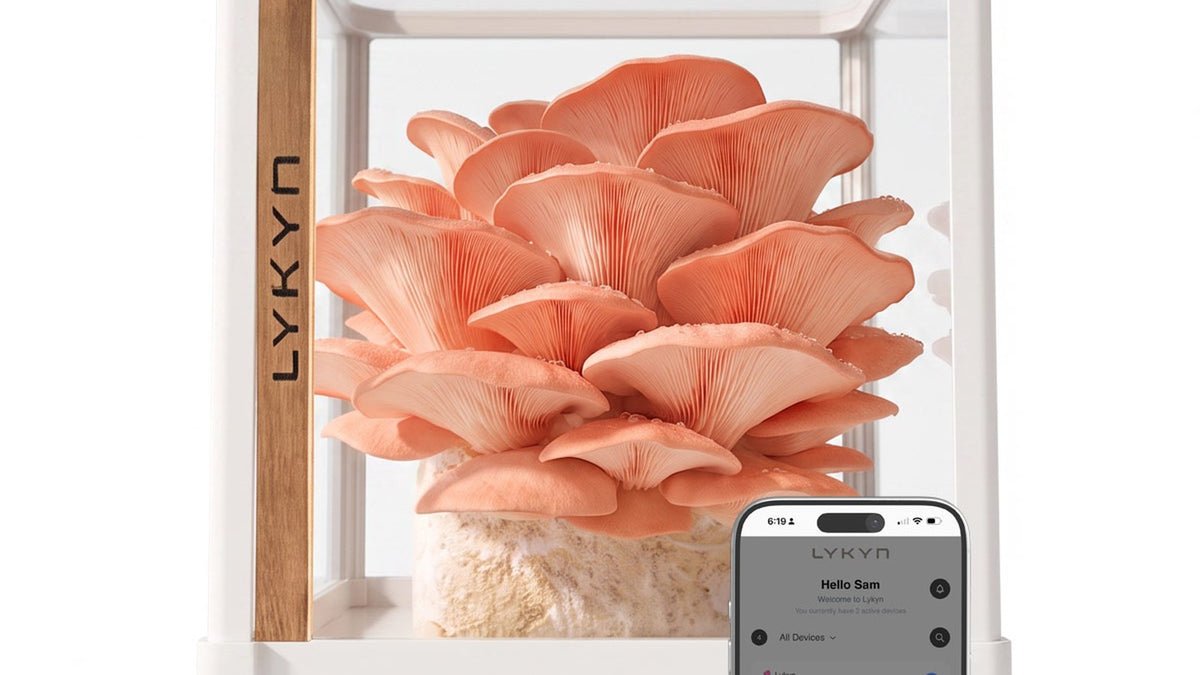
Smart Chamber. Bone White Single
- 2.8L tank, 90% humidity automatic
- App-controlled, plug-and-play
- 6 lb block ceiling, in stock

Smart Chamber. Obsidian Black Single
- Same hardware as Bone White
- Matte black premium finish
- Pairs with any kitchen palette


Understanding Mung Bean Sprouts and Their Nutritional Foundation
What Are Mung Bean Sprouts
Botanical Origins
- Scientifically known as Vigna radiata
- Native to India and Southeast Asia
- Member of the legume family (Fabaceae)
- Also called green gram or golden gram sprouts
Sprouting Process and Nutritional Enhancement
- Seeds germinate in 2-5 days under proper conditions
- Sprouting increases vitamin C content by up to 600%
- Protein becomes more digestible through enzymatic breakdown
- Complex carbohydrates convert to simpler, more accessible forms
Physical Characteristics
- Small white shoots with yellow-green seed heads
- Crisp texture with mild, fresh flavor
- Average length of 1-3 inches when harvested
- Translucent white stems with small green leaves
Nutritional Transformation During Sprouting
Enhanced Nutrient Availability
- Sprouting breaks down phytic acid that blocks mineral absorption
- Enzyme activation improves protein digestibility
- Vitamin synthesis increases significantly during germination
- Antioxidant compounds multiply during sprouting process
Reduced Antinutrients
- Phytic acid levels decrease by 50-80% during sprouting
- Tannins and other compounds that inhibit digestion are reduced
- Oligosaccharides that cause digestive discomfort are broken down
- Overall digestibility improves dramatically compared to dry beans
Comprehensive Nutritional Profile of Mung Bean Sprouts
Macronutrient Content
Caloric Content and Energy
- Only 31 calories per 100 grams (approximately 1 cup)
- 94% water content provides hydration benefits
- Low energy density perfect for weight management
- High nutrient-to-calorie ratio maximizes nutritional value
Protein Content and Quality
- 3.04 grams of protein per 100 grams
- Contains all essential amino acids in varying amounts
- High biological value protein easily absorbed by body
- Particularly rich in lysine, an amino acid often limited in plant foods
Carbohydrate Profile
- 5.94 grams of total carbohydrates per 100 grams
- 1.8 grams of dietary fiber supporting digestive health
- Low glycemic index helps maintain stable blood sugar
- Complex carbohydrates provide sustained energy
Fat Content
- Minimal fat content at 0.18 grams per 100 grams
- Primarily beneficial unsaturated fatty acids
- Omega-3 and omega-6 fatty acids in small amounts
- Virtually fat-free food perfect for low-fat diets
Vitamin Content and Benefits
Vitamin C Powerhouse
- 13.2 mg per 100 grams (15% Daily Value)
- Significantly higher than most vegetables
- Essential for immune system function and collagen synthesis
- Powerful antioxidant protecting against cellular damage
B-Vitamin Complex
- Folate (B9): 61 mcg per 100 grams (15% DV)
- Thiamine (B1): 0.084 mg supporting energy metabolism
- Riboflavin (B2): 0.124 mg essential for cellular function
- Niacin (B3): 0.749 mg supporting cardiovascular health
Vitamin K Content
- 33 mcg per 100 grams (28% Daily Value)
- Essential for blood clotting and bone health
- Supports cardiovascular health and calcium regulation
- Important for maintaining bone density
Other Essential Vitamins
- Vitamin A: 21 IU supporting eye health and immune function
- Vitamin E: Small amounts providing antioxidant protection
- Pantothenic acid supporting energy metabolism
- Biotin contributing to healthy hair, skin, and nails
Mineral Composition
Iron Content and Absorption
- 0.91 mg per 100 grams (5% Daily Value)
- Enhanced bioavailability due to vitamin C content
- Essential for oxygen transport and energy production
- Particularly important for vegetarians and vegans
Calcium and Bone Health
- 13 mg per 100 grams supporting bone and tooth health
- Highly bioavailable form easily absorbed by body
- Works synergistically with vitamin K for bone strength
- Important for muscle function and nerve transmission
Potassium for Heart Health
- 149 mg per 100 grams (3% Daily Value)
- Essential electrolyte supporting heart function
- Helps regulate blood pressure and fluid balance
- Important for muscle contractions and nerve function
Other Essential Minerals
- Magnesium: 21 mg supporting over 300 enzymatic reactions
- Phosphorus: 54 mg essential for bone health and energy storage
- Zinc: 0.41 mg supporting immune function and wound healing
- Manganese: 0.188 mg important for bone development and metabolism
Health Benefits of Mung Bean Sprouts Nutrition
Immune System Support
Vitamin C and Immune Function
- High vitamin C content boosts white blood cell production
- Antioxidant properties protect immune cells from damage
- Supports rapid wound healing and tissue repair
- Enhances iron absorption improving overall immune response
Zinc and Immune Health
- Essential mineral supporting immune cell development
- Helps maintain barrier function of skin and mucous membranes
- Required for proper T-cell function and antibody production
- Deficiency linked to increased susceptibility to infections
Cardiovascular Health Benefits
Heart-Healthy Nutrients
- Potassium helps regulate blood pressure naturally
- Folate reduces homocysteine levels linked to heart disease
- Fiber content supports healthy cholesterol levels
- Antioxidants protect against cardiovascular inflammation
Blood Sugar Regulation
- Low glycemic index prevents blood sugar spikes
- Fiber content slows sugar absorption
- Protein helps maintain steady energy levels
- Beneficial for diabetes management and prevention
Digestive Health and Gut Support
Fiber Benefits
- Insoluble fiber promotes regular bowel movements
- Prebiotic properties support beneficial gut bacteria
- Helps maintain healthy digestive tract environment
- Reduces risk of digestive disorders and colon cancer
Enzyme Activity
- Natural enzymes aid in protein and carbohydrate digestion
- Sprouting process creates digestive enzymes not present in seeds
- Improves overall nutrient absorption from other foods
- Reduces digestive discomfort compared to unsprouted legumes
Weight Management Support
Low-Calorie Density
- High volume with minimal calories creates satiety
- High water content promotes hydration and fullness
- Protein content helps maintain muscle mass during weight loss
- Fiber promotes feelings of fullness and reduces overeating
Metabolic Benefits
- B-vitamins support efficient energy metabolism
- Protein requires more energy to digest than carbohydrates or fats
- Helps maintain stable blood sugar preventing cravings
- Provides essential nutrients while restricting calories

Comparing Mung Bean Sprouts to Other Nutritious Foods
Sprout Comparisons
Mung Bean vs. Alfalfa Sprouts
- Mung bean sprouts higher in protein and vitamin C
- Alfalfa sprouts higher in vitamin K and calcium
- Both excellent sources of folate and antioxidants
- Mung bean sprouts have better texture for cooking
Mung Bean vs. Broccoli Sprouts
- Broccoli sprouts higher in sulforaphane compounds
- Mung bean sprouts higher in protein and folate
- Both excellent sources of vitamin C and antioxidants
- Different flavor profiles suit various culinary applications
Vegetable Comparisons
Mung Bean Sprouts vs. Spinach
- Spinach higher in iron and vitamin A
- Mung bean sprouts lower in calories and oxalates
- Both excellent sources of folate and vitamin K
- Sprouts provide crunch while spinach offers versatility
Mung Bean Sprouts vs. Bell Peppers
- Bell peppers higher in vitamin C and vitamin A
- Mung bean sprouts higher in protein and folate
- Both low in calories and high in water content
- Different textures and flavors complement various dishes
Maximizing Nutritional Value Through Preparation
Raw vs. Cooked Nutritional Content
Benefits of Raw Consumption

Fuel Your Mushroom Journey
Smart Mushroom Grow Chamber
Plug-and-play smart chamber with humidity, light, and airflow dialed in for every species. Beginners harvest their first flush in days, not months.
Add to cart $299- Maximum vitamin C content preserved
- Enzyme activity remains intact
- Crisp texture provides satisfying crunch
- No nutrient loss from cooking processes
Advantages of Light Cooking
- Improved digestibility for some individuals
- Enhanced flavor development
- Kills potential harmful bacteria
- Some nutrients become more bioavailable
Optimal Preparation Methods
Gentle Cooking Techniques
- Light steaming for 1-2 minutes preserves most nutrients
- Quick stir-frying maintains crunch and nutrition
- Brief blanching followed by ice bath stops cooking process
- Raw addition to hot dishes provides textural contrast
Nutrient Preservation Tips
- Use minimal water when cooking to prevent nutrient leaching
- Cook for shortest time possible to maintain vitamin content
- Add to dishes at end of cooking to preserve heat-sensitive vitamins
- Store properly to maintain nutritional quality
Combining with Other Nutritious Foods
Nutrient Synergy
- Combine with vitamin C-rich foods to enhance iron absorption
- Pair with healthy fats to improve fat-soluble vitamin absorption
- Include with calcium sources for bone health benefits
- Add to protein-rich meals for complete amino acid profiles
Complementary Flavor Combinations
- Asian-inspired dishes with ginger and garlic provide additional antioxidants
- Mediterranean combinations with olive oil enhance nutrient absorption
- Mexican preparations with lime boost vitamin C content
- Indian spice combinations provide anti-inflammatory compounds
Growing Your Own for Maximum Nutrition
Home Sprouting Benefits
Nutritional Advantages
- Harvest at peak nutritional content
- No nutrient loss from transportation and storage
- Control growing conditions for optimal nutrition
- Ensure freshness and maximum enzyme activity
Quality Control
- Avoid potential contamination from commercial processing
- Control water quality and growing environment
- Select high-quality organic seeds for sprouting
- Harvest at optimal stage for maximum nutrition
Sprouting Process for Best Nutrition
Optimal Growing Conditions
- Maintain proper temperature (68-78°F) for nutrient development
- Ensure adequate drainage to prevent bacterial growth
- Provide proper air circulation for healthy development
- Rinse frequently to maintain freshness and prevent spoilage
Harvest Timing
- Harvest when shoots are 1-3 inches long for best nutrition
- Peak vitamin C content occurs at 3-4 days of sprouting
- Optimal texture and flavor at proper harvest stage
- Avoid over-sprouting which can reduce nutritional quality
Storage and Handling for Nutrient Retention
Proper Storage Techniques
Refrigerator Storage
- Store in perforated bags to maintain humidity while allowing air circulation
- Keep at 32-40°F to slow nutrient degradation
- Use within 3-5 days for maximum nutritional benefit
- Avoid storing with ethylene-producing fruits
Preparation Before Storage
- Rinse gently with cool water to remove debris
- Drain thoroughly to prevent bacterial growth
- Pat dry gently with paper towels
- Remove any discolored or damaged sprouts
Maintaining Nutritional Quality
Handling Best Practices
- Handle gently to prevent cellular damage and nutrient loss
- Avoid excessive washing which can leach water-soluble vitamins
- Keep refrigerated until ready to use
- Use clean utensils and cutting boards to prevent contamination
Signs of Nutritional Decline
- Browning or darkening indicates oxidation and nutrient loss
- Slimy texture suggests bacterial growth and quality decline
- Off odors indicate spoilage and potential safety issues
- Wilted appearance shows water loss and reduced nutritional quality
Special Nutritional Considerations
For Specific Health Conditions
Diabetes Management
- Low glycemic index helps maintain stable blood sugar
- High fiber content slows glucose absorption
- Protein helps prevent blood sugar spikes
- Minimal impact on insulin response
Heart Disease Prevention
- Potassium supports healthy blood pressure
- Folate reduces cardiovascular disease risk
- Antioxidants protect against arterial damage
- Low sodium content supports heart health
Immune System Compromised Individuals
- High vitamin C content supports immune function
- Zinc and other minerals support immune cell development
- Should be consumed cooked if immune system is severely compromised
- Consult healthcare provider for individual recommendations
Pregnancy and Lactation
Folate Benefits
- High folate content supports fetal neural tube development
- Important for DNA synthesis and cell division
- Reduces risk of birth defects
- Supports maternal health during pregnancy
Safety Considerations
- Pregnant women should consume thoroughly cooked sprouts
- Raw sprouts may carry bacteria harmful during pregnancy
- Discuss consumption with healthcare provider
- Consider home sprouting for better quality control
Incorporating Mung Bean Sprouts into Your Diet
Daily Serving Recommendations
Optimal Serving Sizes
- ½ to 1 cup serving provides significant nutritional benefits
- Can be consumed daily as part of balanced diet
- Multiple servings throughout day increase nutrient intake
- Listen to body's response and adjust accordingly
Meal Integration Strategies
- Add to salads for extra crunch and nutrition
- Include in stir-fries and Asian-inspired dishes
- Use as garnish for soups and noodle dishes
- Incorporate into sandwiches and wraps
Recipe Ideas for Maximum Nutrition
Raw Preparations
- Fresh salads with mixed vegetables and herbs
- Sandwich and wrap fillings for added crunch
- Garnish for hot soups and cooked dishes
- Smoothie additions for extra nutrients (blend lightly)
Cooked Applications
- Quick stir-fries with minimal cooking time
- Light steaming as side dish
- Addition to omelets and scrambled eggs
- Incorporation into grain bowls and Buddha bowls

Scientific Research and Evidence
Nutritional Studies
Research on Sprouting Benefits
- Multiple studies confirm increased vitamin content during sprouting
- Research shows improved protein digestibility in sprouted legumes
- Studies demonstrate enhanced antioxidant activity in sprouts
- Evidence supports reduced antinutrient content through sprouting
Health Benefit Research
- Studies link regular sprout consumption to improved immune function
- Research suggests cardiovascular benefits from regular consumption
- Evidence supports role in weight management and diabetes prevention
- Studies show positive effects on digestive health
Future Research Directions
Emerging Areas of Study
- Investigation of specific bioactive compounds in mung bean sprouts
- Research on optimal sprouting conditions for maximum nutrition
- Studies on long-term health effects of regular consumption
- Investigation of processing effects on nutritional content
Economic and Environmental Benefits
Cost-Effectiveness
Nutritional Value per Dollar
- Extremely high nutrient density relative to cost
- Home sprouting provides maximum economic benefit
- Longer shelf life than many fresh vegetables
- No waste as entire sprout is edible
Budget-Friendly Nutrition
- Provides premium nutrition at affordable price
- Excellent protein source for budget-conscious consumers
- Minimal processing costs compared to packaged foods
- Available year-round regardless of season
Environmental Sustainability
Low Environmental Impact
- Minimal water requirements for sprouting
- No pesticides or fertilizers needed for sprouting
- Reduced transportation costs for home-grown sprouts
- Zero packaging waste when grown at home
Sustainable Protein Source
- Efficient conversion of seeds to edible protein
- Lower environmental impact than animal proteins
- Renewable and sustainable growing process
- Contributes to plant-based diet sustainability
Conclusion
Mung bean sprouts nutrition represents an exceptional combination of high nutritional density, low caloric content, and impressive health benefits that make these humble sprouts true nutritional superstars. The remarkable transformation that occurs during sprouting creates a fresh, living food that provides immediate nutritional benefits while supporting long-term health and wellness goals.
Whether consumed raw for maximum enzyme activity and vitamin C content, or lightly cooked for enhanced digestibility and flavor, mung bean sprouts offer versatile nutritional benefits that complement virtually any dietary approach. Their exceptional nutrient-to-calorie ratio makes them ideal for weight management, while their comprehensive vitamin and mineral profile supports overall health and vitality.
The accessibility and affordability of mung bean sprouts, combined with their impressive nutritional profile, makes them an excellent choice for anyone seeking to optimize their nutrition without breaking their budget. Whether purchased fresh or grown at home, these nutritional powerhouses deserve a regular place in health-conscious diets.
Understanding mung bean sprouts nutrition empowers individuals to make informed dietary choices that support optimal health while enjoying the fresh, crisp texture and mild flavor that makes these sprouts such versatile and valuable additions to countless dishes and meal preparations.







Share:
When to Harvest Pink Oyster Mushrooms: The Complete Timing and Technique Guide
When to Harvest Pink Oyster Mushrooms: The Complete Timing and Technique Guide