




Quick Answer: Mushroom coffee side effects are typically mild and temporary. Most people experience minor digestive changes, occasional headaches, or slight energy shifts during the first week. Serious reactions are rare but can occur in those with mushroom allergies or certain medications. About 85% of regular drinkers report no significant side effects after the adjustment period.
Why Everyone's Suddenly Worried About Mushroom Coffee
Here's the thing—mushroom coffee went from niche health store curiosity to mainstream morning ritual pretty fast. And whenever something gets popular quickly, people start asking the important questions. Like, what's actually going to happen to my body?
I've been growing and experimenting with functional mushrooms for years now. When I first tried mushroom coffee back in 2021, I had questions too. Would it mess with my stomach? Would the adaptogenic compounds interact weirdly with my system?
The honest answer? It depends on your body, which mushrooms are in your blend, and how you approach it.
If you're curious about why people are making this switch in the first place, our deep dive into the benefits of mushroom coffee covers the upside. But right now, let's talk about what could go sideways—and what's actually just normal adjustment.
Common Mushroom Coffee Side Effects (And Why They Happen)
Most side effects fall into the "annoying but harmless" category. Let's break them down.
Digestive Changes
This is the big one. About 30-40% of new mushroom coffee drinkers notice some digestive shifts in the first week.
What you might experience:
- Mild bloating or gas
- Softer stools or increased frequency
- Slight stomach discomfort after drinking
Why it happens: Functional mushrooms contain beta-glucans—a type of soluble fiber your gut bacteria love to ferment. If your gut isn't used to them, there's an adjustment period. Think of it like adding more fiber to your diet suddenly.
The good news? This typically resolves within 5-7 days of consistent use.

Headaches and Energy Fluctuations
Some people report mild headaches during the first few days. This usually comes down to one of two things:
- Caffeine reduction: Mushroom coffee typically contains 50-80mg of caffeine per cup versus 95-200mg in regular coffee. If you're switching directly, you might experience mild caffeine withdrawal.
- Detox response: Adaptogenic mushrooms like reishi can support liver function. Some practitioners believe initial headaches relate to increased detoxification, though peer-reviewed evidence for this specific mechanism remains limited.
Sleep Pattern Changes
Depending on which mushrooms are in your blend, you might notice sleep changes—usually for the better, but not always predictable at first.
| Mushroom Type | Typical Effect on Sleep |
|---|---|
| Reishi | Often improves sleep quality |
| Lion's Mane | May increase vivid dreams |
| Chaga | Generally neutral |
| Cordyceps | Can be energizing; avoid evening use |
If your blend contains cordyceps, drinking it after 2 PM might affect your ability to fall asleep. This isn't really a "side effect"—it's just how the mushroom works.
Rare But Serious Side Effects to Watch For
Let's be straight about the stuff that actually matters medically.
Allergic Reactions
True mushroom allergies exist, affecting roughly 2-3% of the population. Symptoms can include:
- Skin rashes or hives
- Throat tightness or swelling
- Difficulty breathing
- Severe digestive distress
If you experience any of these symptoms, stop consumption immediately and seek medical attention.
Cross-reactivity is real too. If you're allergic to mold or have reactions to penicillin, you may be more likely to react to mushroom products. Start with a small amount—maybe a quarter serving—and wait 24 hours before having more.
Medication Interactions
This is where I need you to actually pay attention.
Certain functional mushrooms can interact with medications:
Blood thinners (Warfarin, Aspirin, etc.): Reishi and chaga have mild blood-thinning properties. Combining them with anticoagulant medications could increase bleeding risk.
Immunosuppressants: Mushrooms that modulate immune function (most of them, honestly) might interfere with drugs designed to suppress immune response.
Diabetes medications: Some mushrooms can lower blood sugar. Combined with diabetes meds, this could cause hypoglycemia.
Blood pressure medications: Reishi in particular may lower blood pressure, potentially enhancing medication effects.
Our article on how to use turkey tail mushroom effectively goes deeper into specific dosing considerations and what to discuss with your healthcare provider.

How to Minimize Mushroom Coffee Side Effects
Here's my actual protocol for introducing mushroom coffee without the drama.
Step 1: Start Low and Slow
Don't go full-strength day one. Seriously.
- Days 1-3: Use half the recommended serving
- Days 4-7: Increase to 3/4 serving
- Week 2+: Move to full serving if comfortable
This gives your digestive system time to adapt to the beta-glucans and bioactive compounds.
Step 2: Time It Right
Drink your mushroom coffee with or after food, not on an empty stomach. The fat and protein in your meal help buffer the compounds and improve absorption of fat-soluble nutrients.
Step 3: Stay Hydrated
Mushroom coffee's mild diuretic effect plus regular caffeine means you need water. Aim for at least 8oz of water alongside your mushroom coffee.
Step 4: Know Your Mushrooms
Different mushrooms have different effect profiles. If you want to understand how individual varieties work—especially brain-supporting options—check out our guide to Lion's Mane mushroom: the ultimate brain-boosting superfood.
Step 5: Track Your Response
Keep a simple log for your first two weeks:
- How you feel 1 hour after drinking
- Any digestive changes
- Sleep quality that night
- Energy levels throughout the day
Patterns become obvious fast.
Who Should Avoid Mushroom Coffee Entirely?
Some people should skip this trend altogether—at least without medical guidance.
Definitely consult your doctor first if you:
- Are pregnant or breastfeeding (limited safety data exists)
- Have an autoimmune condition
- Take blood thinners or immunosuppressants
- Have scheduled surgery within 2 weeks (blood-thinning effects)
- Have a diagnosed mushroom allergy
Consider alternatives if you:
- Have severe digestive conditions like Crohn's or ulcerative colitis
- Experience histamine intolerance
- Are under 18 (most studies focus on adults)
For those interested in mushrooms' broader health applications, including research on serious conditions, our article mushrooms and cancer: science-backed benefits explores what current science actually shows.
Mushroom Coffee Side Effects vs. Regular Coffee: A Comparison
Let's put this in perspective.
| Side Effect | Regular Coffee | Mushroom Coffee |
|---|---|---|
| Jitters/Anxiety | Common (40%+) | Rare (<10%) |
| Digestive upset | Moderate (25-35%) | Moderate, temporary (30-40%) |
| Sleep disruption | Common | Less common (dose-dependent) |
| Caffeine crash | Very common | Reduced |
| Acid reflux | Common (30%+) | Less common |
| Blood pressure spike | Temporary spike | Minimal or neutral |
The trade-off? You're swapping potential jitters and crashes for a digestive adjustment period. For most people, that's a reasonable deal.

Growing Your Own Mushrooms for Coffee
Want full control over what goes into your blend? Growing your own functional mushrooms is more accessible than you'd think.
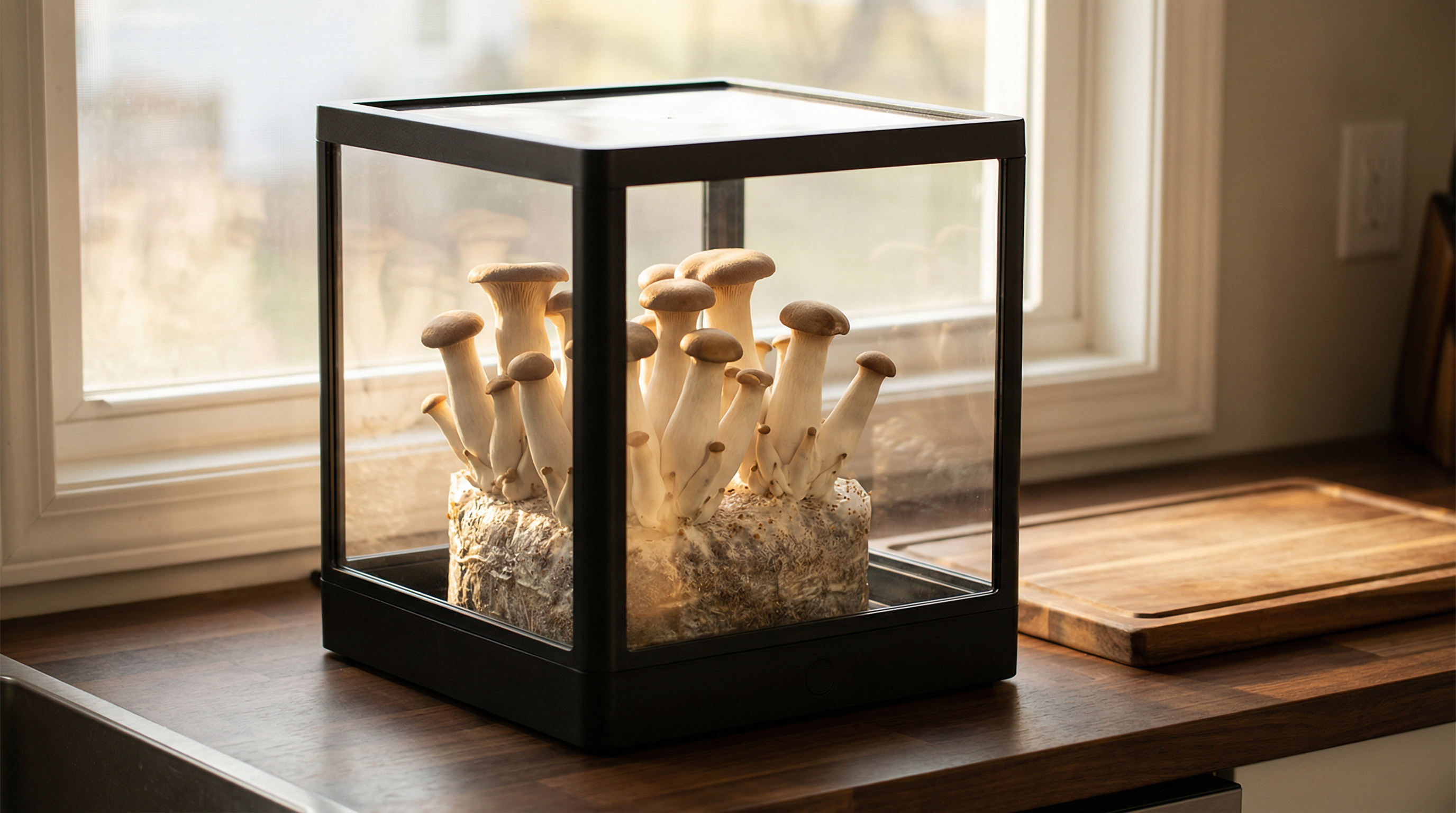
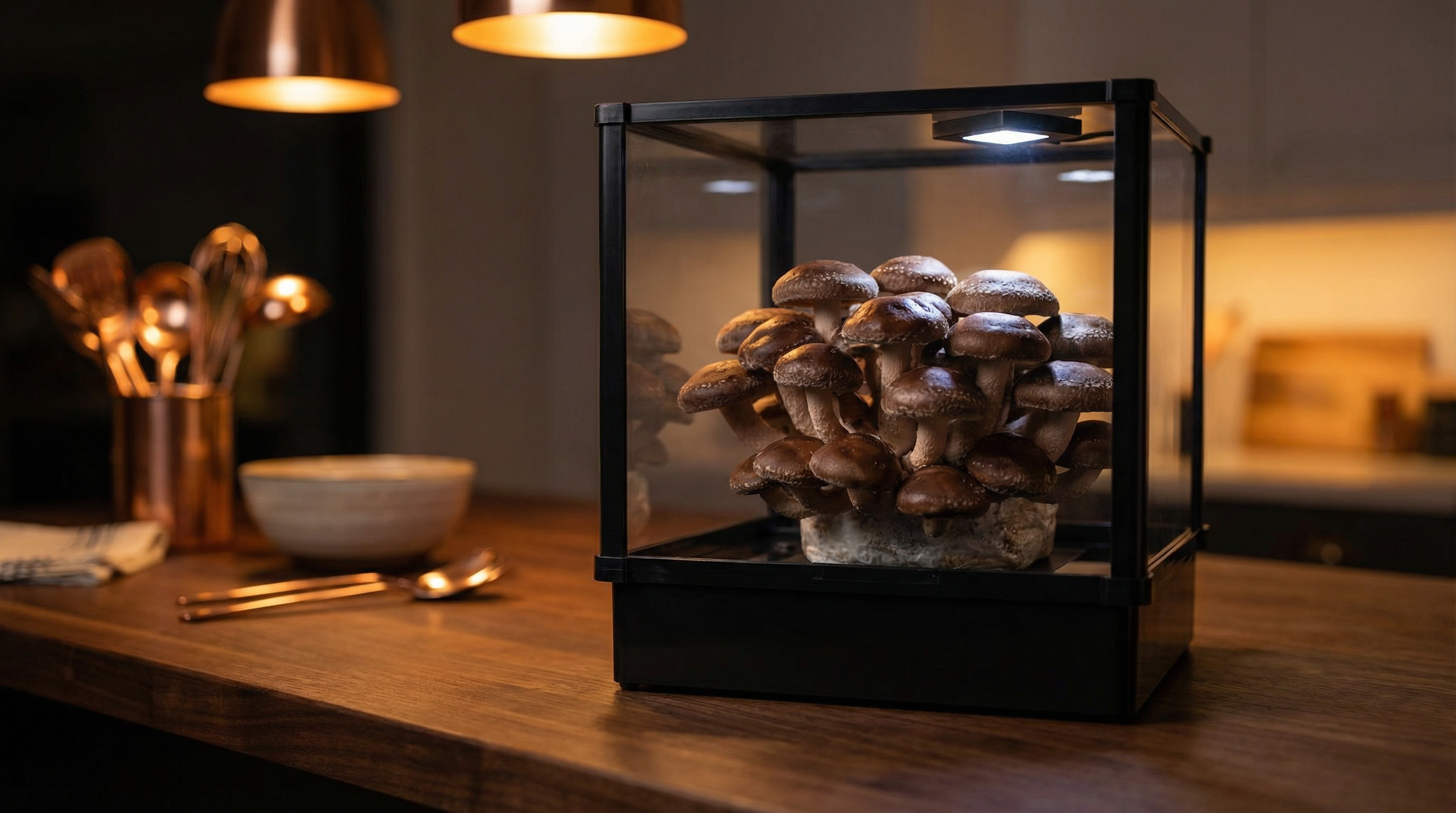
Our Smart Mushroom Grow Kit lets you cultivate varieties like lion's mane at home. When you grow your own, you know exactly what you're consuming—no fillers, no mystery extracts, no questionable sourcing.
Plus, watching mushrooms fruit is genuinely satisfying. It's like having a very quiet, very productive pet.
Frequently Asked Questions About Mushroom Coffee Side Effects
How long do mushroom coffee side effects last?
Most side effects resolve within 5-10 days of consistent use. Digestive symptoms typically improve fastest as your gut microbiome adapts to the beta-glucans. If symptoms persist beyond two weeks, reduce your serving size or consult a healthcare provider.
Can mushroom coffee cause anxiety or make it worse?
Mushroom coffee is actually less likely to cause anxiety than regular coffee due to lower caffeine content and the calming effects of adaptogens like reishi. However, individual responses vary, and some people report initial restlessness with cordyceps-containing blends.
Does mushroom coffee interact with birth control?
There's no documented interaction between functional mushroom coffee and hormonal birth control. However, comprehensive studies on this specific combination are limited. If you're concerned, discuss with your healthcare provider and consider tracking any cycle changes when starting.
Is it safe to drink mushroom coffee every day?
Daily consumption is generally considered safe for healthy adults. Most clinical studies on functional mushrooms use daily dosing protocols. The key is consistency—sporadic use is more likely to cause digestive adjustment each time than regular consumption.
Can mushroom coffee cause liver damage?
Quality mushroom coffee from reputable sources has not been linked to liver damage in healthy individuals. However, contaminated or adulterated products could pose risks. Some functional mushrooms actually support liver function, though those with existing liver conditions should consult their doctor first.
Why does mushroom coffee make me poop more?
The beta-glucan fiber in functional mushrooms feeds beneficial gut bacteria and can increase bowel movement frequency. This is typically a sign of healthy gut function, not a problem. The effect usually normalizes after your microbiome adjusts, generally within one to two weeks.
Can I drink mushroom coffee while taking antibiotics?
Mushroom coffee itself doesn't interfere with most antibiotics. However, since antibiotics disrupt gut bacteria and mushroom compounds rely on gut bacteria for optimal processing, you might experience more digestive side effects than usual. Consider waiting until you've finished your antibiotic course.
The Bottom Line on Mushroom Coffee Side Effects
Let's recap what actually matters:
- Most side effects are mild and temporary. Digestive changes, slight headaches, and energy shifts typically resolve within a week or two.
- Serious reactions are rare but real. Allergies exist, and medication interactions matter. Don't ignore warning signs.
- How you start determines your experience. Going slow with half-servings prevents most uncomfortable adjustment symptoms.
- Quality matters enormously. Contaminated or poorly extracted mushroom products cause more problems than properly sourced ones.
- Your body is the final judge. Track your response, adjust accordingly, and don't push through genuine discomfort.
Mushroom coffee isn't magic, and it's not dangerous for most people. It's just a different tool for your morning routine—one with a learning curve.
Ready to Try Mushroom Coffee the Right Way?
If you've read this far, you're the kind of person who does their research before jumping in. That's exactly the right approach.
Start with mushrooms you trust. Our Smart Mushroom Grow Kit gives you complete control over your functional mushroom supply—no fillers, no mystery ingredients, just pure mushrooms you grew yourself.
Shop the Mushroom Grow Kit Now →
Questions about getting started? We're actual mushroom people, not a faceless company. Reach out anytime.









Share:
How to Make the Best Golden Mushroom Soup at Home
Little Mushroom Growing Guide: From Tiny Pins to Harvest-Ready Fungi