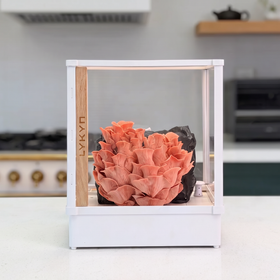



A mushroom cultivation kit is the shortest path from "I want to grow mushrooms at home" to actually eating the result. It packages the hardest, most failure-prone parts of cultivation (sterile substrate, viable spawn, controlled humidity) into a product you can put on a counter and harvest from in 2 to 4 weeks. This is the practical, no-hype overview of what cultivation kits actually are, how they work, which species you can realistically grow, and how to pick one that suits your life.
The direct answer for anyone scanning: a modern mushroom cultivation kit is a pre-inoculated substrate block (sawdust, straw, or grain colonized by mushroom mycelium) packaged in a bag or container, sometimes with a humidity tent or grow box. You unbox it, give it light and fresh air, mist it once or twice a day, and harvest fresh mushrooms in 10 to 21 days. Most kits will produce 2 to 4 flushes (harvests) before the substrate is exhausted.
What's actually inside a cultivation kit
Modern home cultivation kits fall into three broad designs:
- Bag-based ready-to-fruit kits. A plastic bag containing colonized sawdust or straw. You cut an X in the bag, mist it, and let it fruit. The cheapest and most common format. Cost: $20 to $40 per kit. Yield: 0.5 to 1.5 pounds total across all flushes.
- Box-based kits with humidity tents. A cardboard or plastic box housing the substrate, often shipped with a plastic mist tent. More foolproof than bag kits because the tent stabilizes humidity. Cost: $30 to $60. Yield: 1 to 2 pounds.
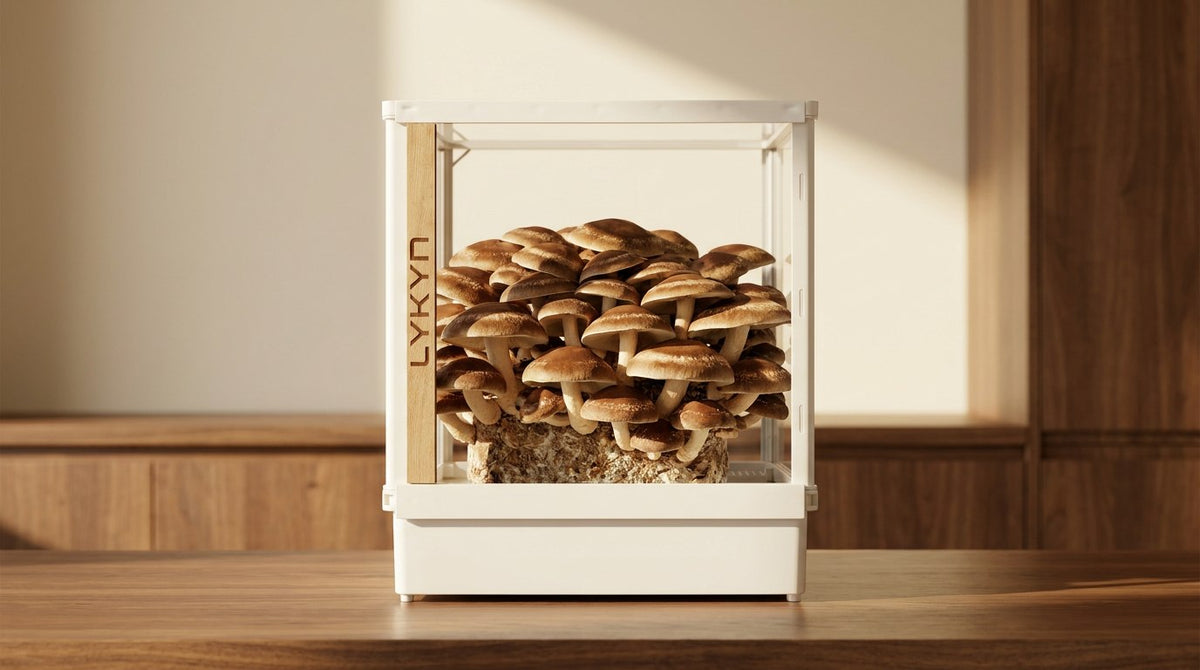
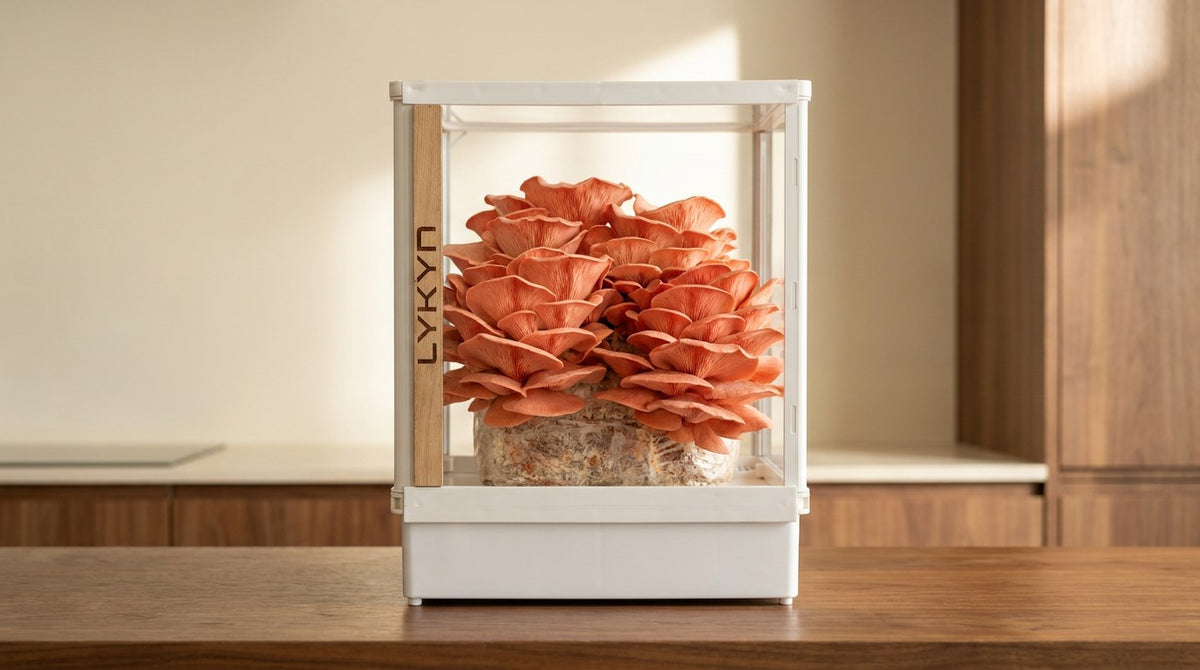
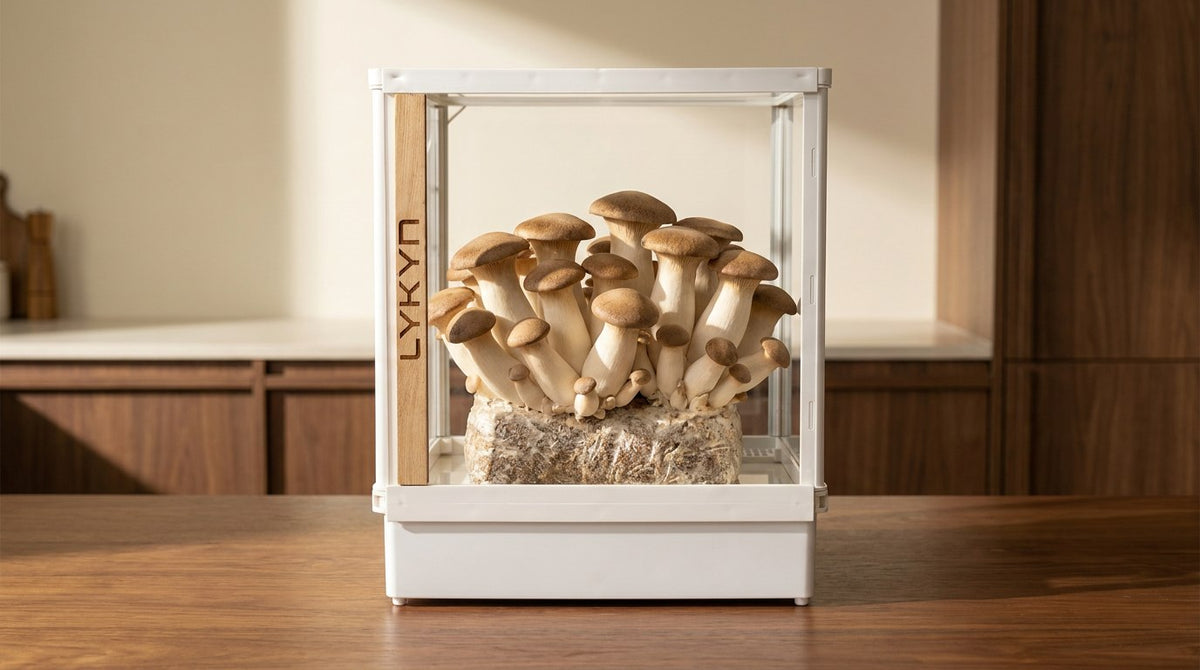
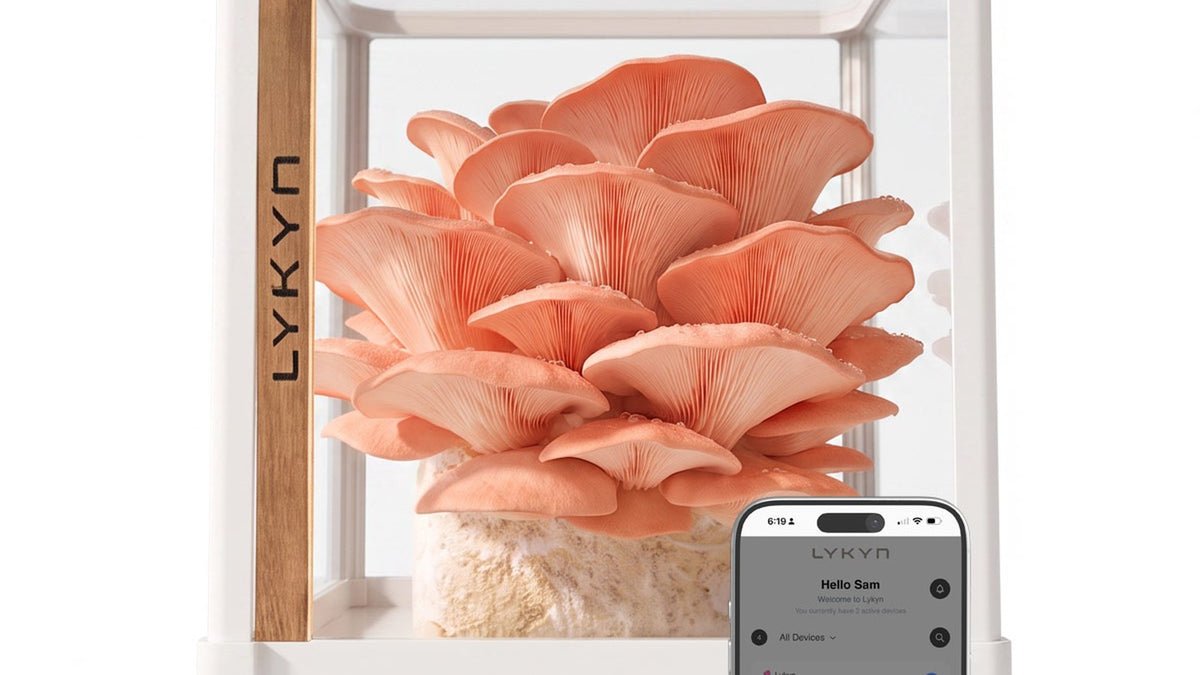
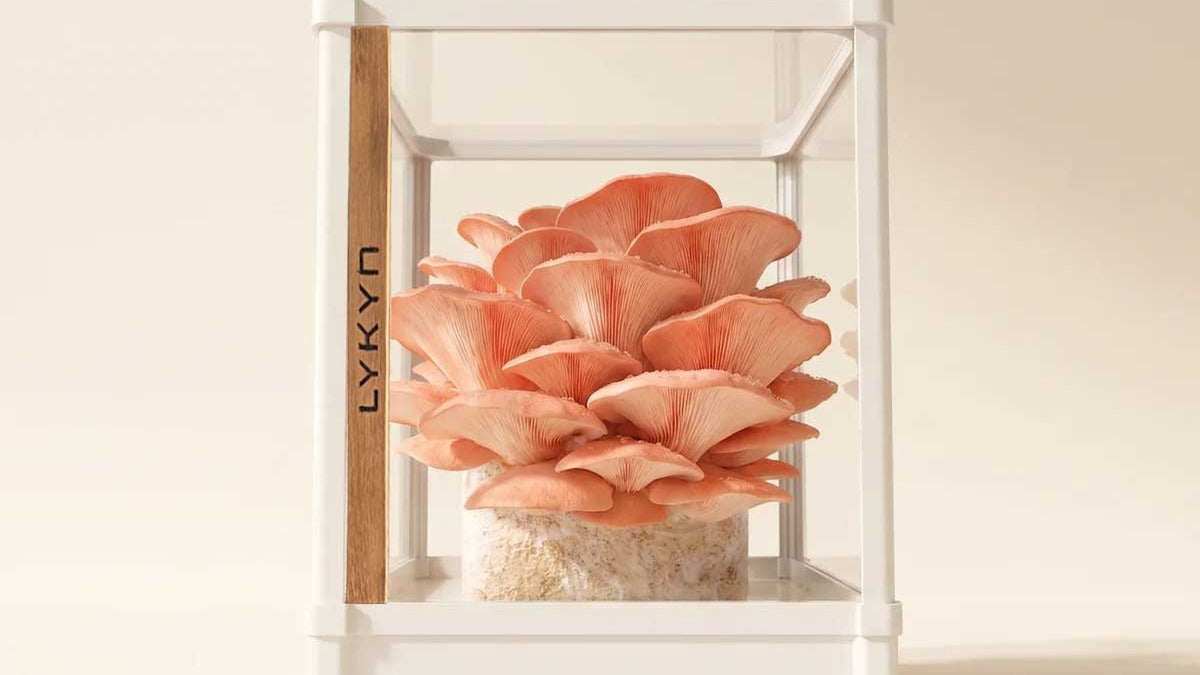
- Enclosed smart grow boxes. A reusable device with a sealed chamber, automated humidity, fresh-air exchange, and lighting. You insert a refill block, the device runs the climate, and you harvest. Higher upfront cost but consistent results across many grows. Cost: $200 to $500 for the device plus $25 to $40 per refill block. Yield: 1 to 1.5 pounds per block, with the device usable for years.
The right format depends on whether you want one curious experiment (bag or box kit), a few harvests a year (box kit with humidity tent), or a continuous home cultivation habit (smart grow box).

Smart Chamber. Bone White Single
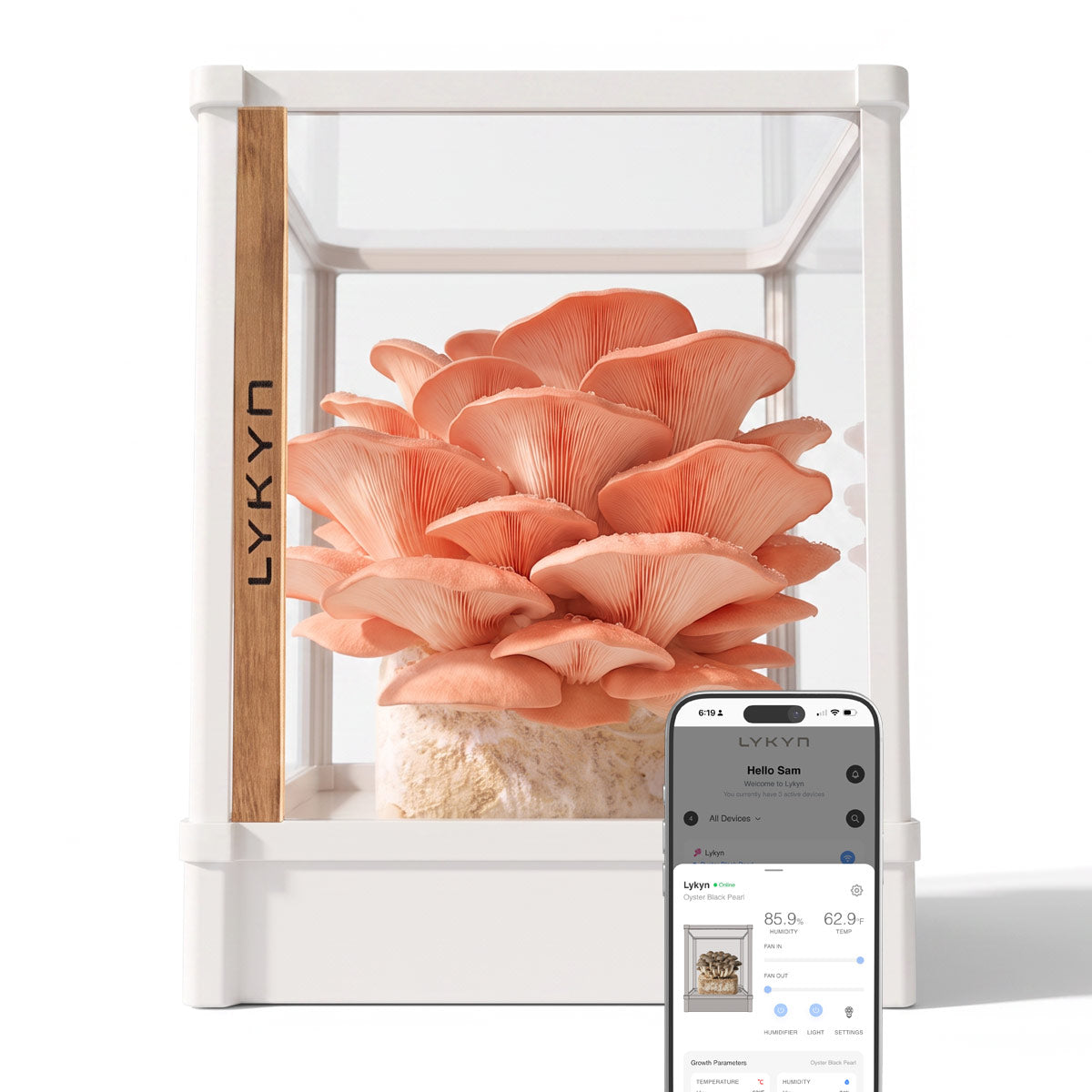
- 2.8L tank, 90% humidity automatic
- App-controlled, plug-and-play
- 6 lb block ceiling, in stock

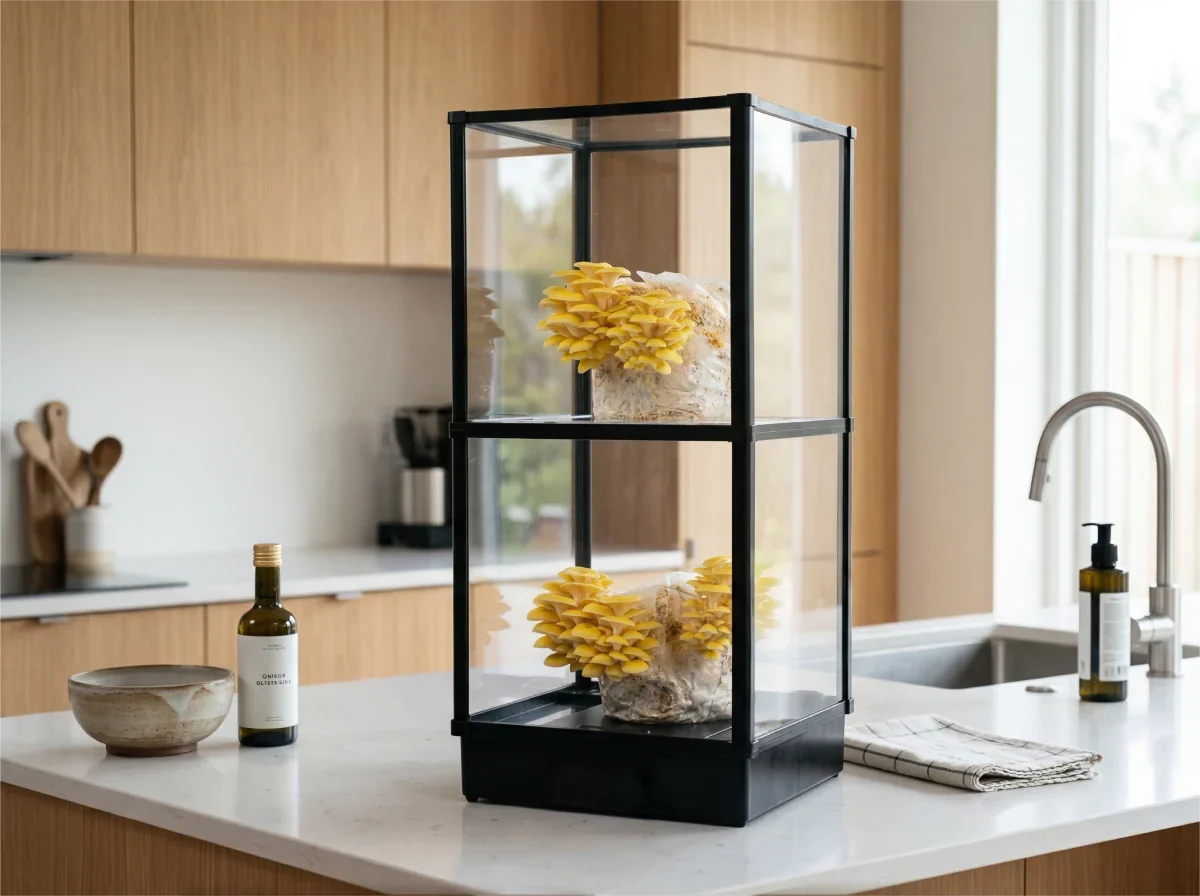
Smart Chamber. Obsidian Black Single
- Same hardware as Bone White
- Matte black premium finish
- Pairs with any kitchen palette

Species you can realistically grow in a kit
Some species fit a kit format. Others don't, regardless of how well-designed the kit is. The species that work reliably as home cultivation kits:
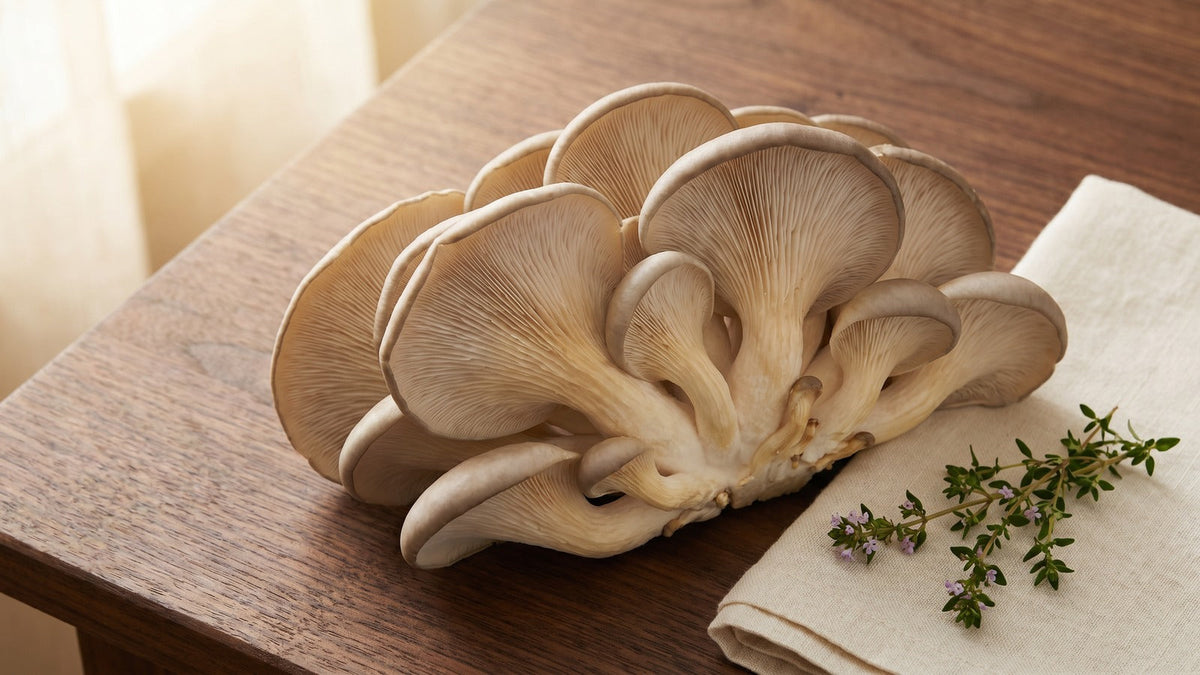
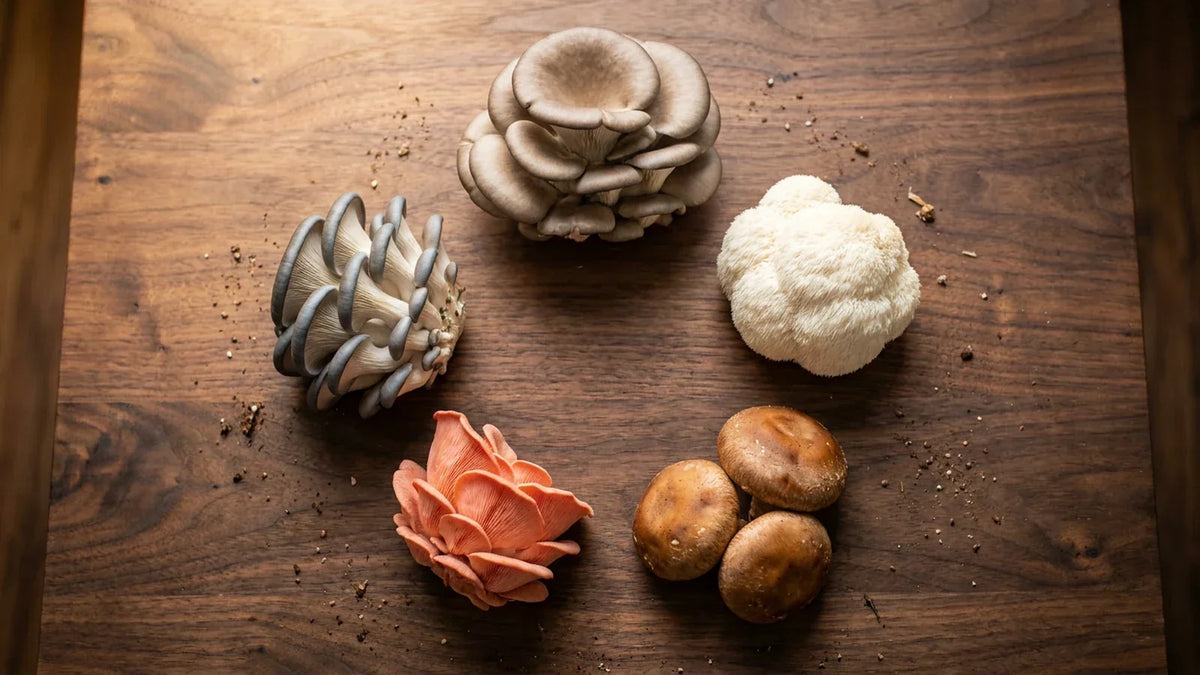
- Oyster mushrooms (Pleurotus ostreatus, P. eryngii, P. djamor): The classic kit species. Fast (10 to 14 days), forgiving, prolific. Pink, blue, gold, and king oysters all work.
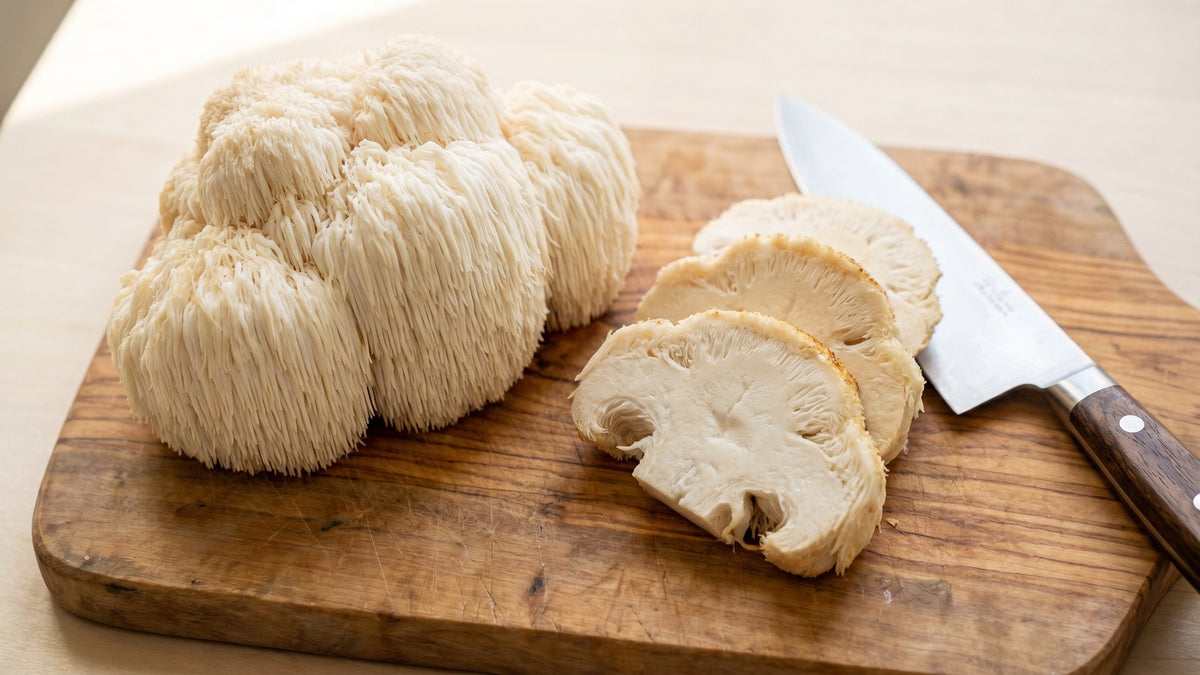
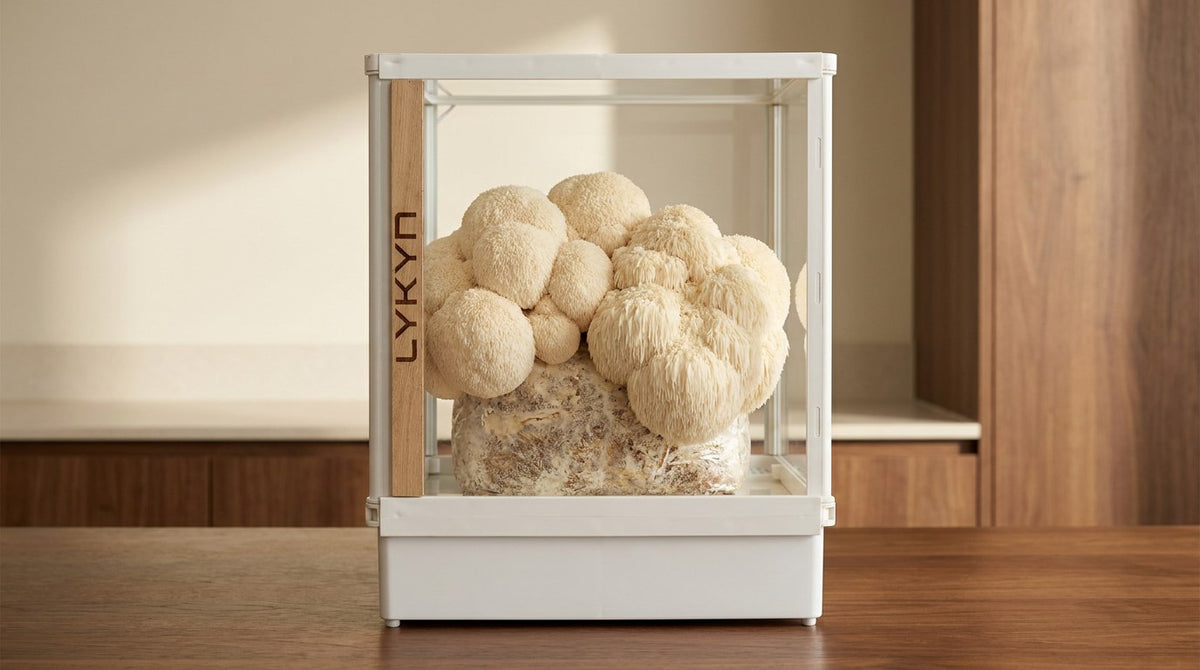
- Lion's mane (Hericium erinaceus): Slightly slower (14 to 21 days), beautiful pom-pom growth, great culinary and functional appeal.
- Shiitake (Lentinula edodes): Works as a block kit (sawdust block format). 14 to 28 days. Lower yield per kit than oyster but premium quality.
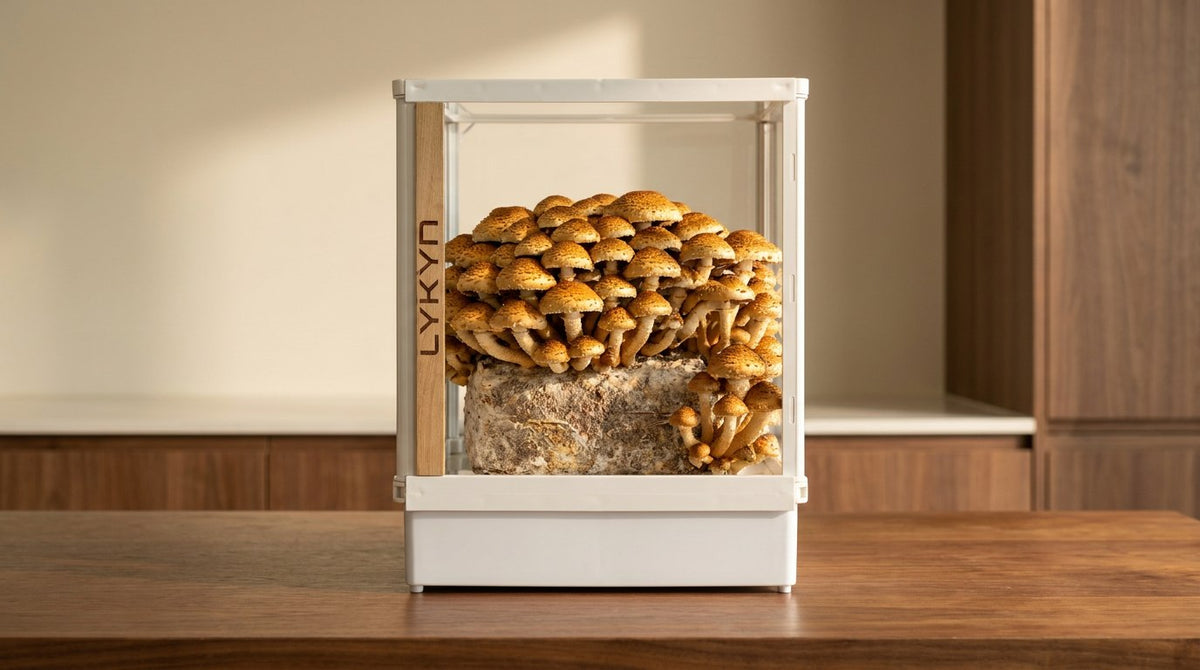
- Pioppino (Cyclocybe aegerita): A nutty, dense-textured mushroom that does well in kit format. 14 to 21 days.
- Reishi (Ganoderma lucidum): Slow (60+ days) but unique. Mostly grown for medicinal use, not eating.
Species that don't work well in kits despite being sold as such:
- Morels (Morchella spp.): Outdoor bed crops, not kit crops. Multi-year timelines, 10 to 30% success rate.
- Truffles: Require host tree associations, 5 to 10 year establishment.
- Chanterelles, porcini, matsutake: Mycorrhizal species that need specific tree partners. Not cultivatable in a kit.
- Button mushrooms (Agaricus bisporus): Possible in a kit but require composted substrate and a casing layer, which most kits skip. Possible but finicky.
If a kit promises chanterelles, truffles, or porcini in your kitchen, treat it as a scam. The biology simply doesn't allow indoor kit cultivation of those species.

Fuel Your Mushroom Journey
Smart Mushroom Grow Chamber
Plug-and-play smart chamber with humidity, light, and airflow dialed in for every species. Beginners harvest their first flush in days, not months.
Add to cart $299How a typical cultivation kit grow works
From unboxing to harvest, a typical oyster or lion's mane kit goes like this:
- Day 1: Unbox the kit. Place it in a spot with indirect light and stable temperatures around 65 to 72 degrees Fahrenheit. Cut the recommended opening (usually an X or a horizontal slit). Mist the opening lightly with filtered water.
- Days 2 to 5: Mist 1 to 2 times per day. The substrate surface should look damp, not soaked. Small pin-like primordia appear, sometimes within 48 hours, sometimes by day 5.
- Days 6 to 10: Pins develop into recognizable miniature mushrooms. Increase misting if you see drying. If you see fluffy white mycelium overgrowing pins, increase fresh air.
- Days 11 to 14: Mushrooms reach harvest size. The right harvest moment is when caps just start to flatten and the edges are still slightly curled (oyster) or when teeth/spines are fully developed but not yet dropping spores (lion's mane).
- Day 14 onward: Harvest by twisting and pulling the whole cluster at the base. Wait 7 to 14 days, mist lightly, and a second flush appears. Most kits produce 2 to 4 flushes total.
What you need around the kit
A bag-based kit needs almost nothing. A spray bottle of filtered or distilled water, a counter spot with indirect light, and 14 days of attention.
A box or smart-kit setup adds the convenience of stable humidity but uses the same workflow. Slightly less misting, slightly more reliable yields.
Things you do NOT need for most kits:
- Sterile gloves or sterile work area (the kit is pre-colonized)
- A still-air box or laminar flow hood
- Pressure cooker, autoclave, or pasteurization equipment
- An indoor grow tent (unless you're running multiple kits at once)
One of the major benefits of cultivation kits is that they remove the part of mushroom growing that requires a sterile lab. The kit's manufacturer did that work for you.
Common cultivation kit failures and fixes
- No pins after 10 days: Too dry, too cold, or contaminated. Increase misting, check temperature, look for off colors.
- Long stems, tiny caps: CO2 too high (poor fresh-air exchange). Move kit to a more ventilated spot or fan the area twice daily.
- Cap edges cracking, dry surface: Humidity too low. Mist more frequently, add a humidity tent over the kit.
- Green, black, or pink-orange patches: Mold contamination. Cut out affected areas. If contamination spreads, the kit may be unsalvageable.
- Mushrooms grow but never reach full size: Substrate exhausted faster than expected, or environmental stress. Harvest what you have, mist, and try for another flush.
Picking a kit that fits your life
The right cultivation kit depends on how often you want fresh mushrooms and how much manual care you want to do:
- One-time curiosity grow: Buy a single bag kit. $20 to $40. Done in a month.
- Occasional gourmet harvests, 3 to 4 times a year: Buy box kits with humidity tents as you want them. $30 to $60 per harvest.
- Regular weekly fresh mushrooms: Invest in an enclosed smart grow kit and rotate refill blocks. Higher upfront cost, lower per-harvest cost, much less daily fiddling. Browse mushroom grow kits for the smart-kit format if that matches your goals.
The honest tradeoff
Cultivation kits are not a way to grow mushrooms cheaper than buying them at a grocery store. A $30 kit producing 1 pound of oyster mushrooms costs about the same as 1 pound of oysters at a specialty grocer. The reason to grow your own is freshness, variety (species you can't find locally), the experience of watching mushrooms develop, the educational value, and the satisfaction of cooking with something you grew.
If you're cost-comparing to grocery prices, kits don't win. If you're comparing to the experience of cultivation, they win easily.
The bottom line
A mushroom cultivation kit is the best entry point into home mushroom growing in 2026. The species available actually work, the timelines are predictable, and the manual care is light. Start with one oyster or lion's mane kit, see how the workflow feels, then decide whether you want to scale into a smart grow box or stay with one-off kits for occasional grows. Either path produces fresh mushrooms, and that's the whole point.
Share:
Morel Mushroom Map 2025: Where and When to Find Them
Morel Mushroom Map 2025: Where and When to Find Them