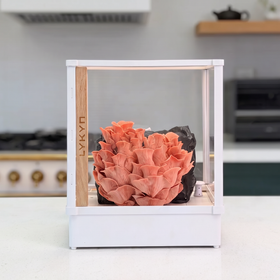



The general word for mushroom in Japanese is キノコ (kinoko), written きのこ in hiragana or 茸 in kanji. But that's only the start of the answer. Japan has named, cooked with, and revered mushrooms for over a thousand years, and the language reflects that. Specific species have their own names, often poetic, and they show up in cuisine, medicine, and even mythology.
If you're learning Japanese, planning a trip to Tokyo, or trying to identify what's labeled in a Japanese grocery store, this guide walks through the most common terms and what they actually refer to.
Kinoko: the umbrella word

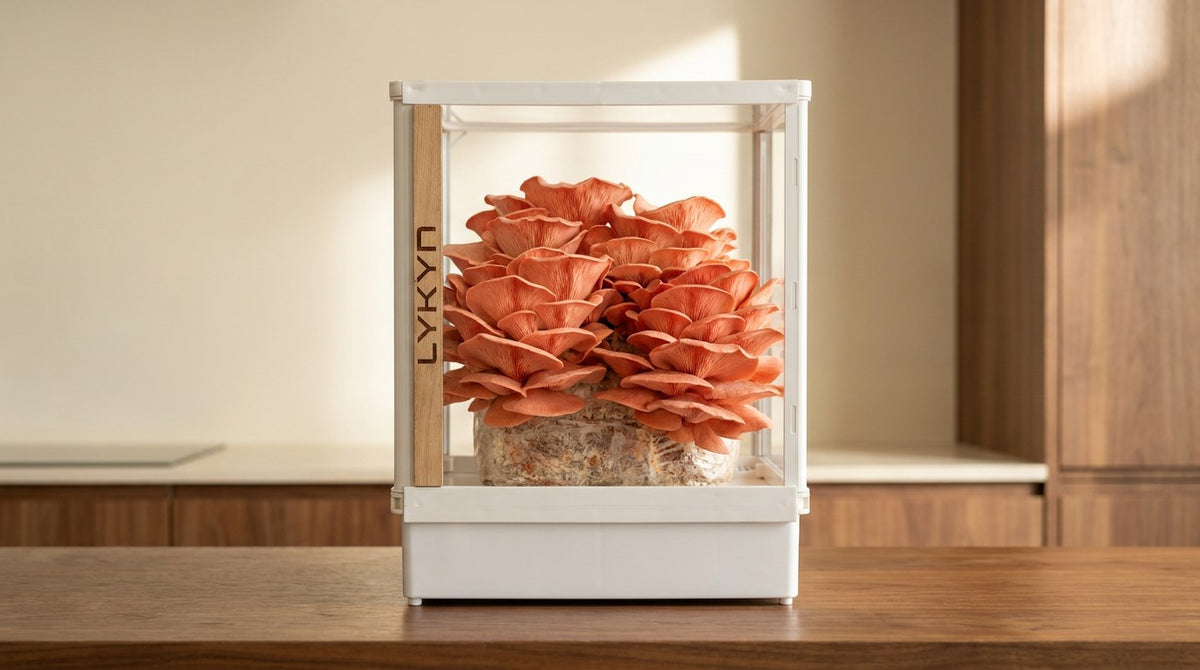
Smart Chamber. Bone White Single
- 2.8L tank, 90% humidity automatic
- App-controlled, plug-and-play
- 6 lb block ceiling, in stock

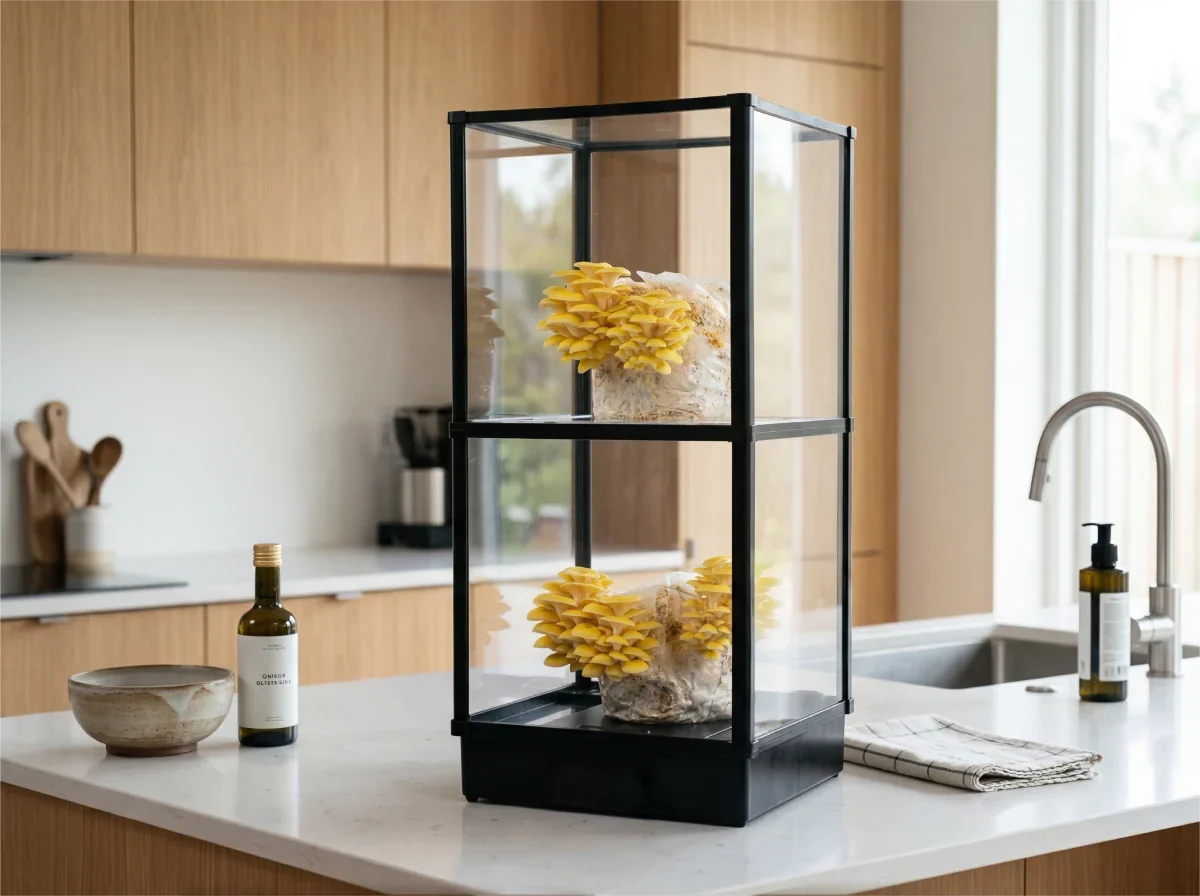
Smart Chamber. Obsidian Black Single
- Same hardware as Bone White
- Matte black premium finish
- Pairs with any kitchen palette

キノコ (kinoko) is the everyday word, used the way "mushroom" is in English. It covers everything from button mushrooms to wild varieties. The kanji 茸 is sometimes used in food packaging and traditional menus, but in casual writing katakana キノコ is more common (Japanese often writes biological terms in katakana).
You'll also see 菌 (kin), which means fungus or mold in a broader scientific sense. That's the term used in mycology textbooks, not at the grocery store.
Shiitake (椎茸)
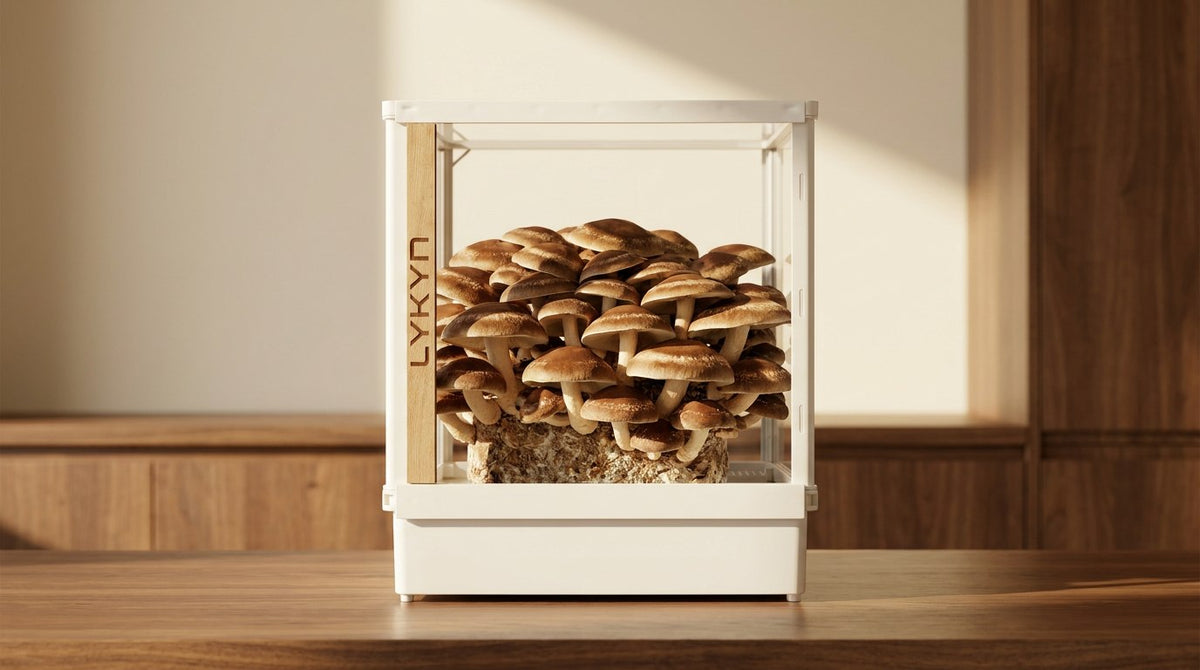
The famous one. Shiitake means "oak mushroom" (椎 shii is a type of evergreen oak, 茸 take is mushroom). It's been cultivated in Japan and China for at least 1,000 years on hardwood logs, originally on the shii tree, which is where the name comes from. Shiitake has the deepest umami of any common cultivated mushroom thanks to its high glutamate and guanylate content.
In Japan, dried shiitake (干し椎茸 hoshi-shiitake) is a pantry staple. The rehydrating liquid is used as dashi, the foundation of countless soups and braises. Fresh shiitake (生椎茸 nama-shiitake) is grilled, simmered in sukiyaki, or stuffed.
Maitake (舞茸)
The name translates to "dancing mushroom." Folklore says foragers danced with joy when they found one, because the price was so high. Maitake (Grifola frondosa, also called hen-of-the-woods in English) grows in large feathery clusters at the base of oak trees. It has a meaty texture and a slightly earthy, almost peppery flavor. Tempura maitake is a classic preparation, and it's also a key ingredient in Japanese hot pot.
Maitake is studied for its beta-glucan content, which is one of the highest among edible mushrooms. Researchers at the National Cancer Institute and several Japanese universities have looked at its immune-modulating effects.
Enoki (榎茸 or えのき)
Enoki are the long, thin, white mushrooms with tiny caps you see clustered in plastic bags. Wild enoki look different (golden brown, shorter, slightly sticky on top), but the cultivated white version dominates the market. The name comes from 榎 (enoki), the hackberry tree they grow on in the wild.
In Japanese cooking, enoki gets added to nabe (hot pot), miso soup, and grilled with bacon. They're mild and slightly crunchy. They're also one of the cheapest mushrooms in Japan, often a few hundred yen for a generous bag.

Fuel Your Mushroom Journey
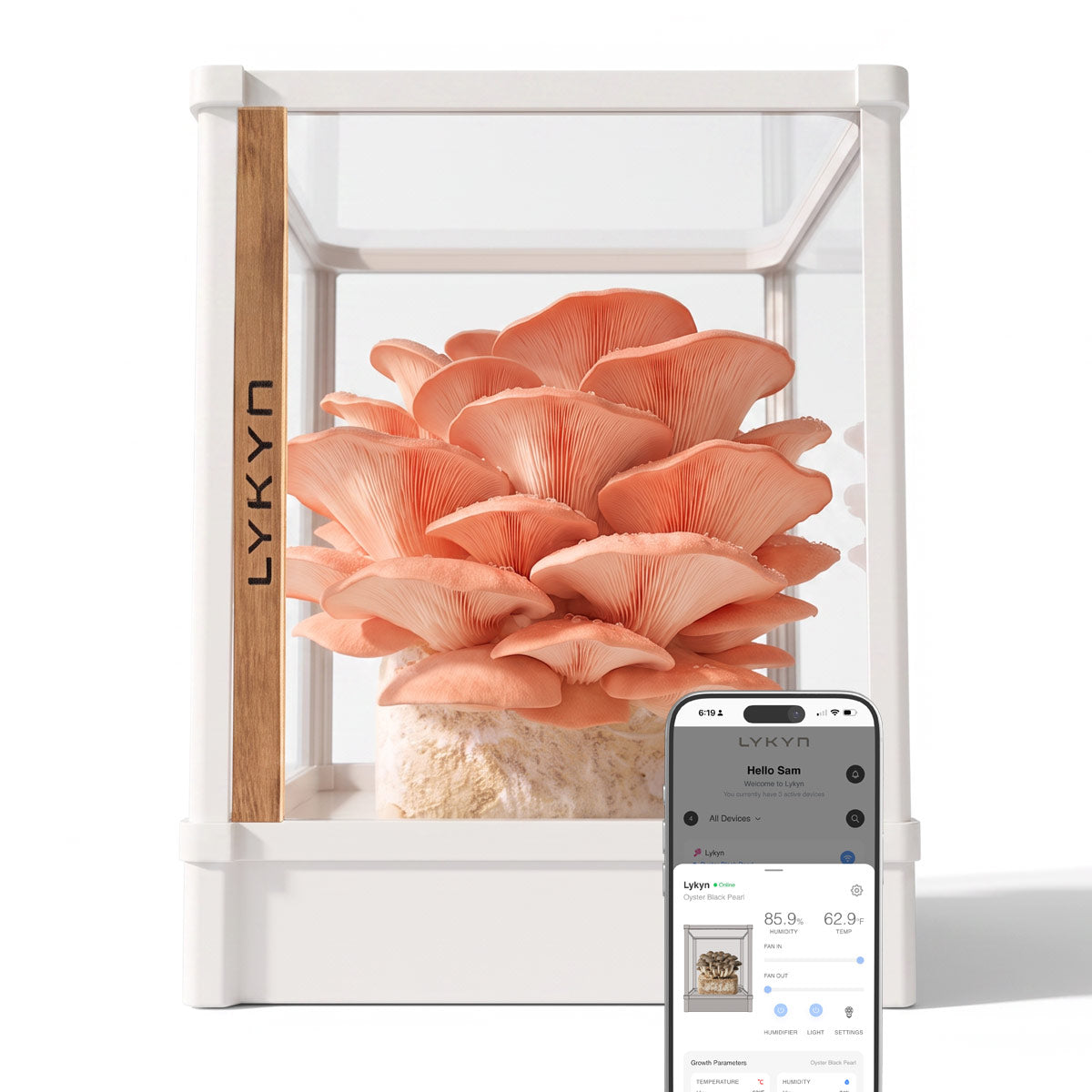
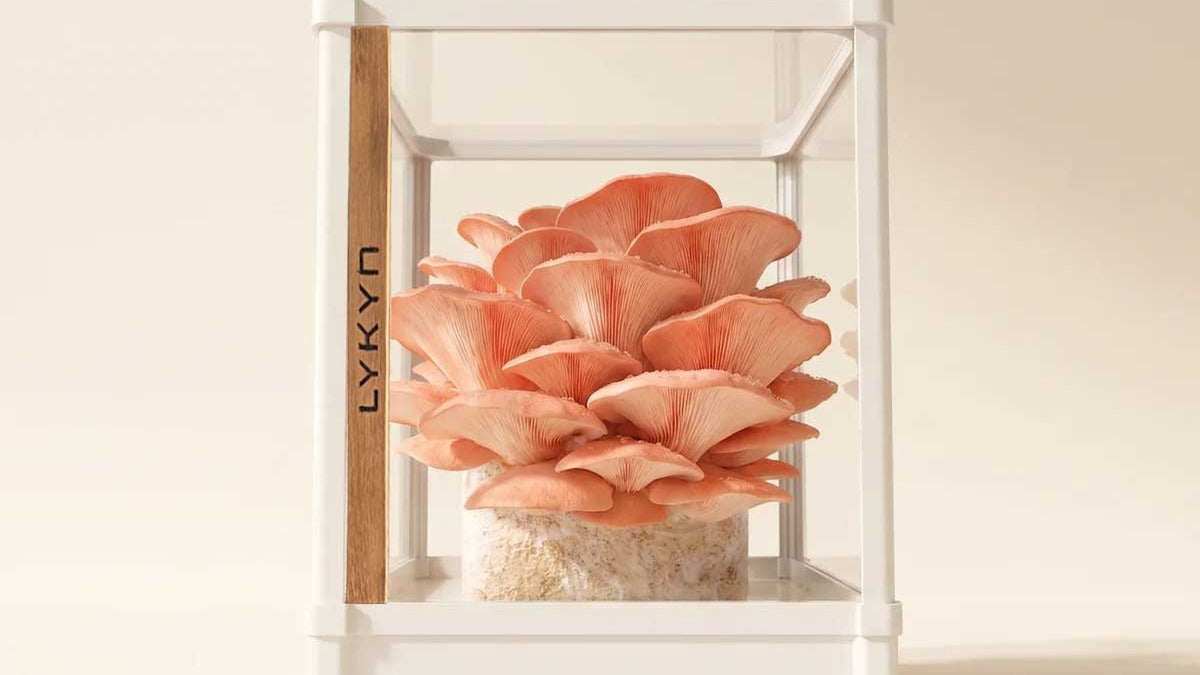
Smart Mushroom Grow Chamber
Plug-and-play smart chamber with humidity, light, and airflow dialed in for every species. Beginners harvest their first flush in days, not months.
Add to cart $299Shimeji (しめじ)
Shimeji is a category that includes a few species, the most common being buna-shimeji (ブナシメジ, "beech shimeji") with brown caps and white stems. The taste is nutty and slightly bitter when raw, which mellows to savory and sweet when cooked. "Shimeji is for flavor, matsutake is for aroma" is a Japanese saying about which mushrooms add what to a dish.
Always cook shimeji. Raw or undercooked shimeji can cause stomach upset.
Matsutake (松茸)
The mushroom that costs more than truffles. Matsutake means "pine mushroom" (松 matsu is pine, 茸 take is mushroom). It grows wild in symbiosis with red pine trees in Japan, Korea, and parts of the Pacific Northwest. It has a powerful, spicy, almost cinnamon-like aroma that is utterly distinct.
Top-grade Japanese matsutake can sell for over 100,000 yen per kilogram in season (late September through October). The traditional preparation is matsutake gohan (rice cooked with matsutake) or dobin mushi (a clear soup steamed in a small teapot).
Eringi (エリンギ)
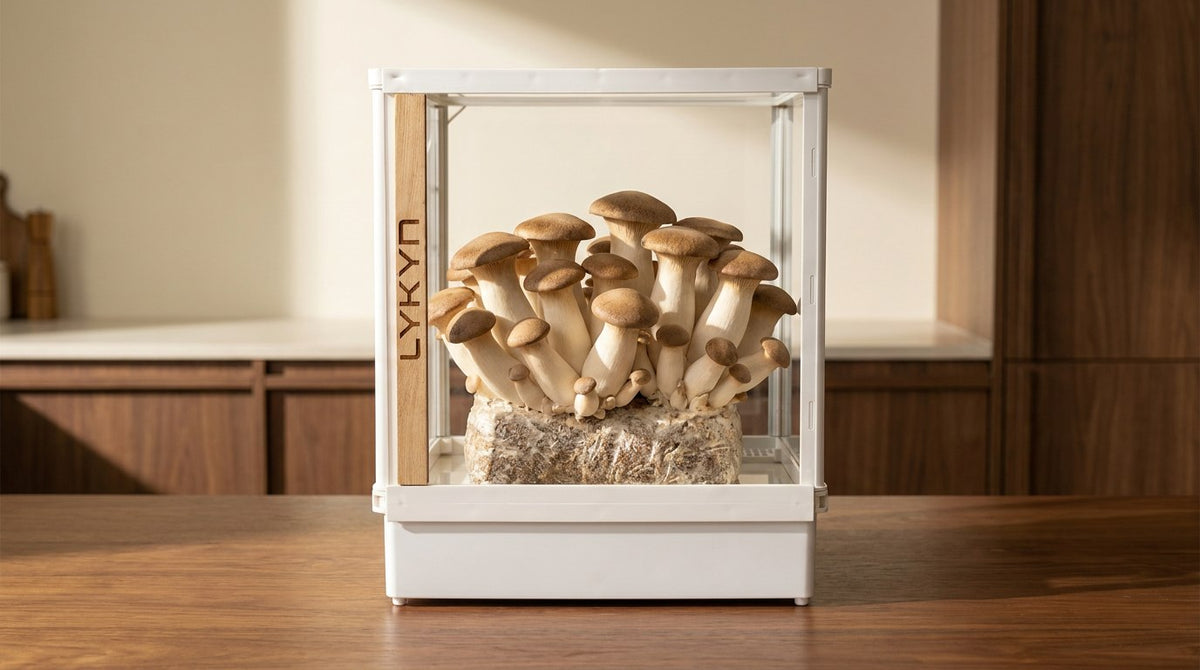
This is King Trumpet or King Oyster in English (Pleurotus eryngii). It's not native to Japan, but it became hugely popular in Japanese cuisine after commercial cultivation took off in the 1990s. The thick white stem holds up to grilling and frying, and slices of eringi look almost like scallops when seared. Texture is the selling point: dense, slightly chewy, very meaty.
Nameko (なめこ)
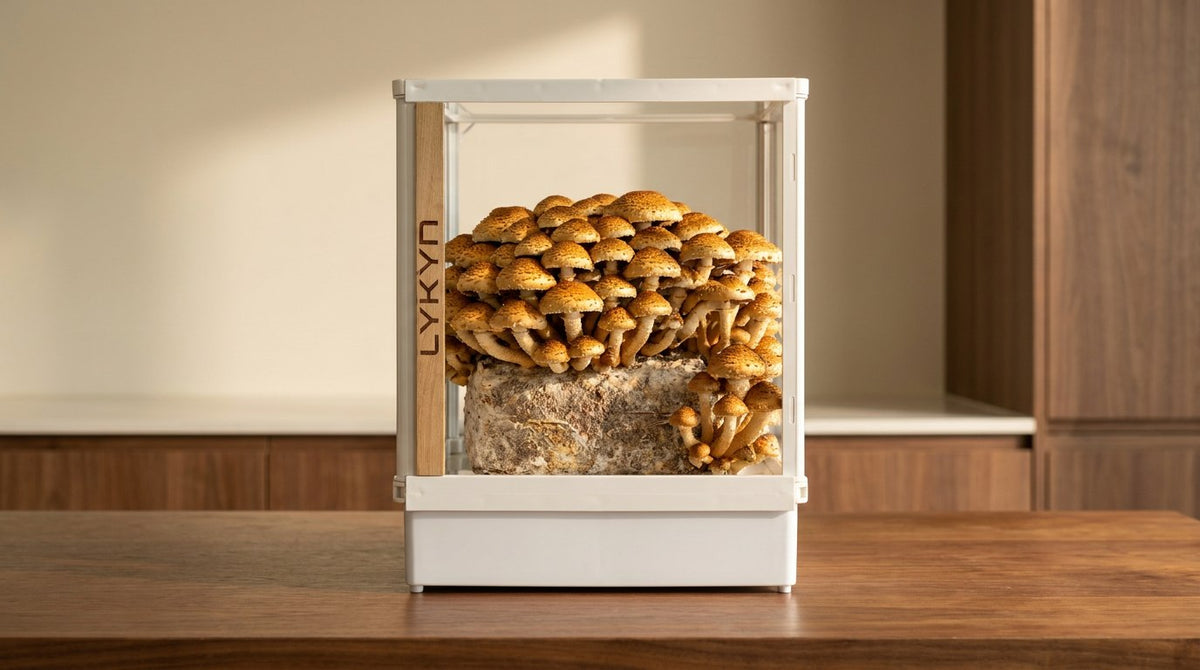
Small, orange-brown caps with a glossy, gelatinous coating. The slipperiness is the point. Nameko is the traditional mushroom for miso soup in northeast Japan, and the texture works against the savory broth. The word なめ (name) refers to the sliminess, which is a quality Japanese cuisine often celebrates rather than avoids.
Other terms you'll encounter
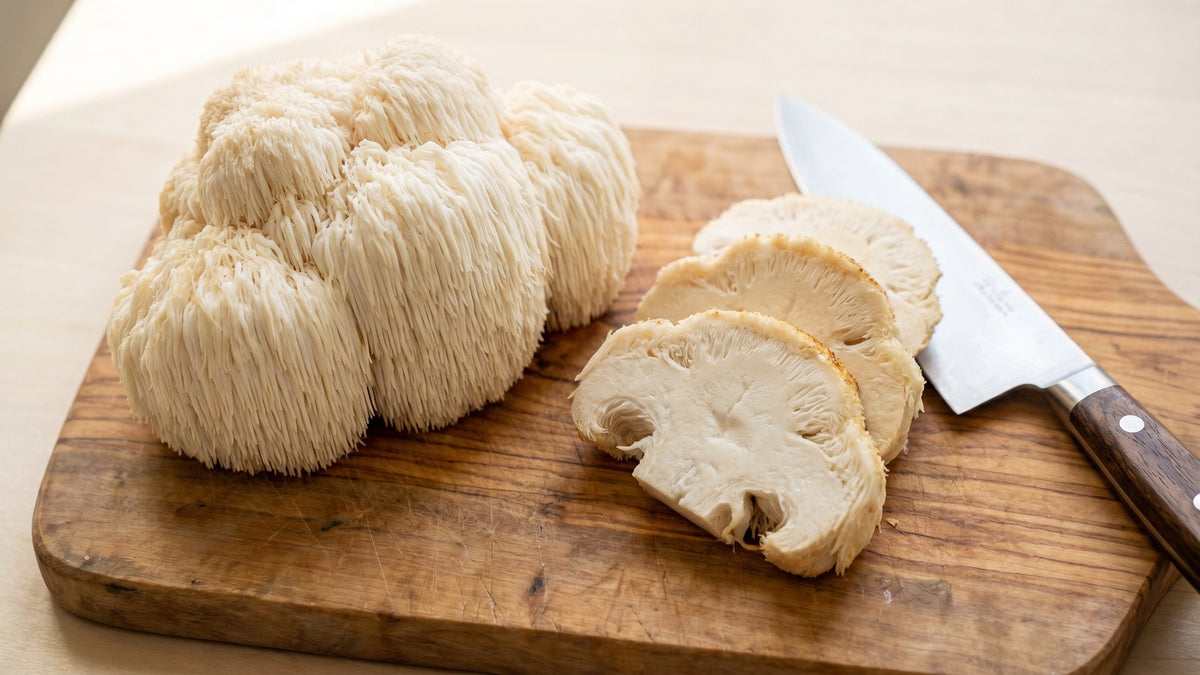
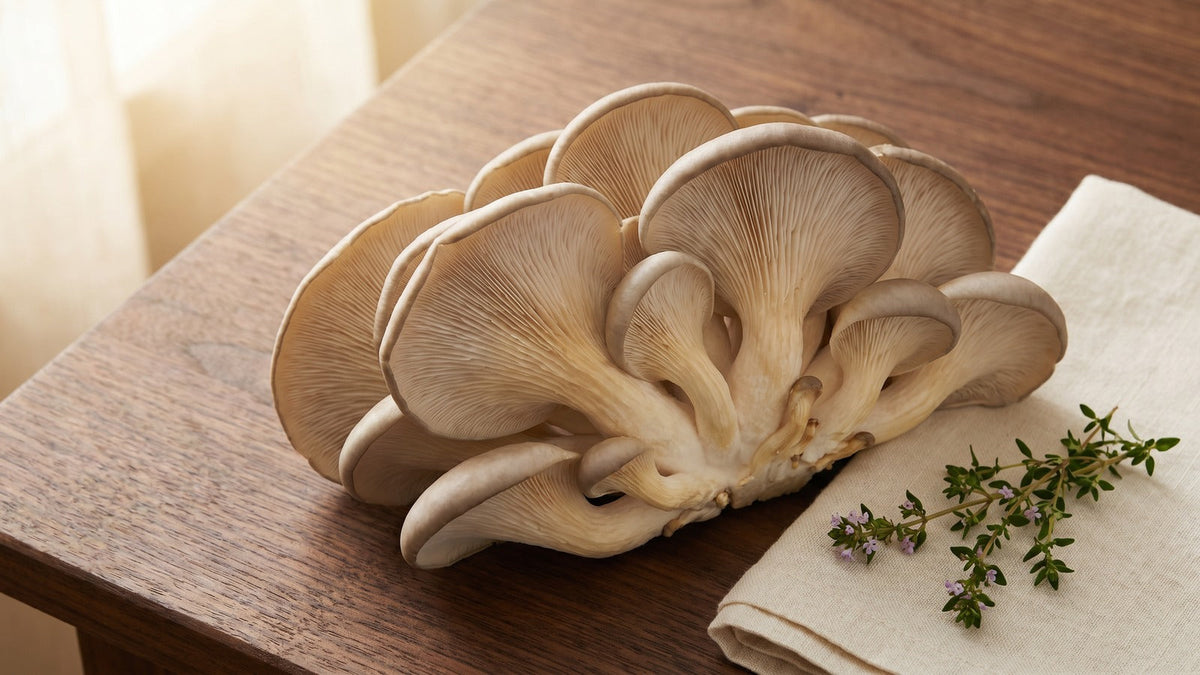
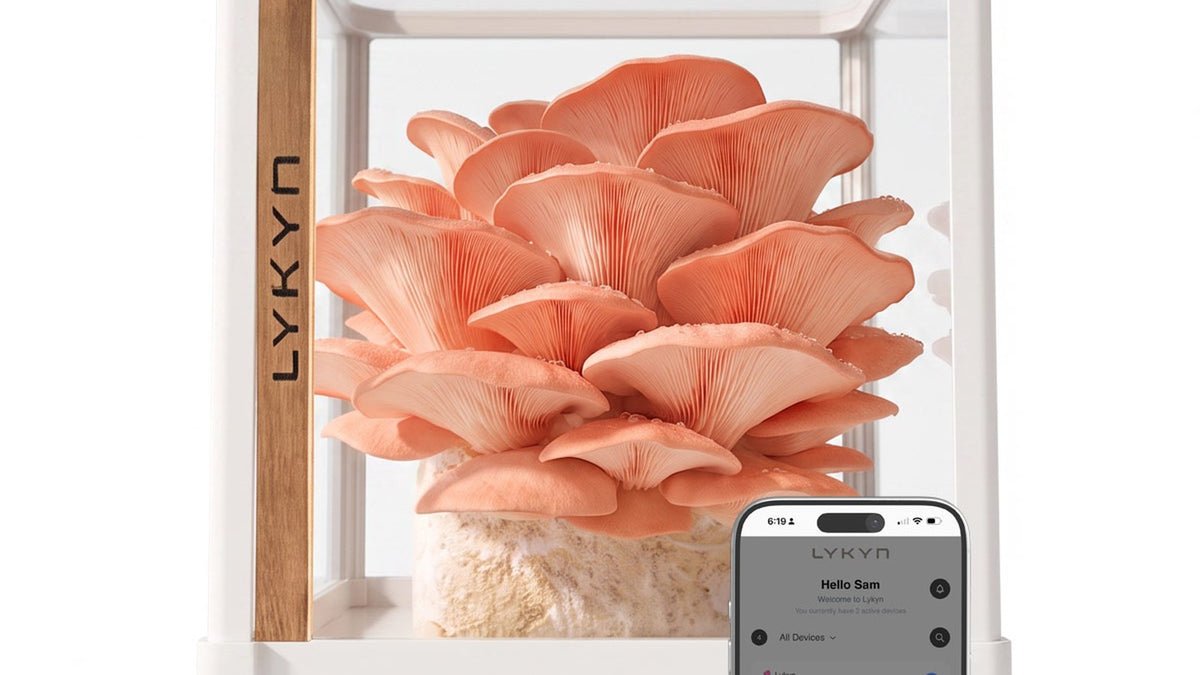
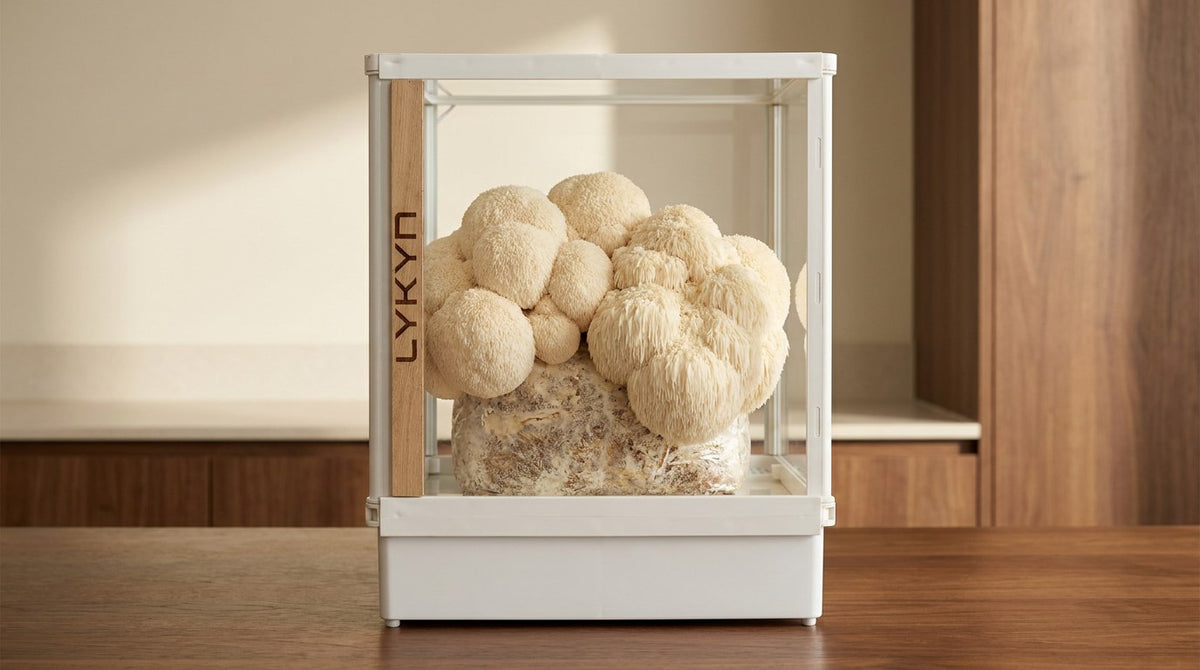
You'll see キクラゲ (kikurage) on ramen menus. That's wood ear mushroom (Auricularia auricula-judae), known for its rubbery crunch and used mostly for texture. ヤマブシタケ (yamabushitake) is Lion's Mane, named after yamabushi (mountain ascetic monks) because the mushroom resembles their tasseled robes. ヒラタケ (hiratake) is the generic word for oyster mushrooms. レイシ (reishi) is the famous medicinal mushroom, also called manetake (万年茸, "ten-thousand-year mushroom") because of its longevity associations.
Why Japan has so many specific names
Mushrooms are deeply embedded in Japanese food culture. They appear in every season's cooking, in regional specialties, and in formal kaiseki menus where each ingredient is chosen for its place in the calendar. The vocabulary mirrors that depth. English collapses dozens of species into "mushroom"; Japanese gives most of them their own name and their own place at the table.
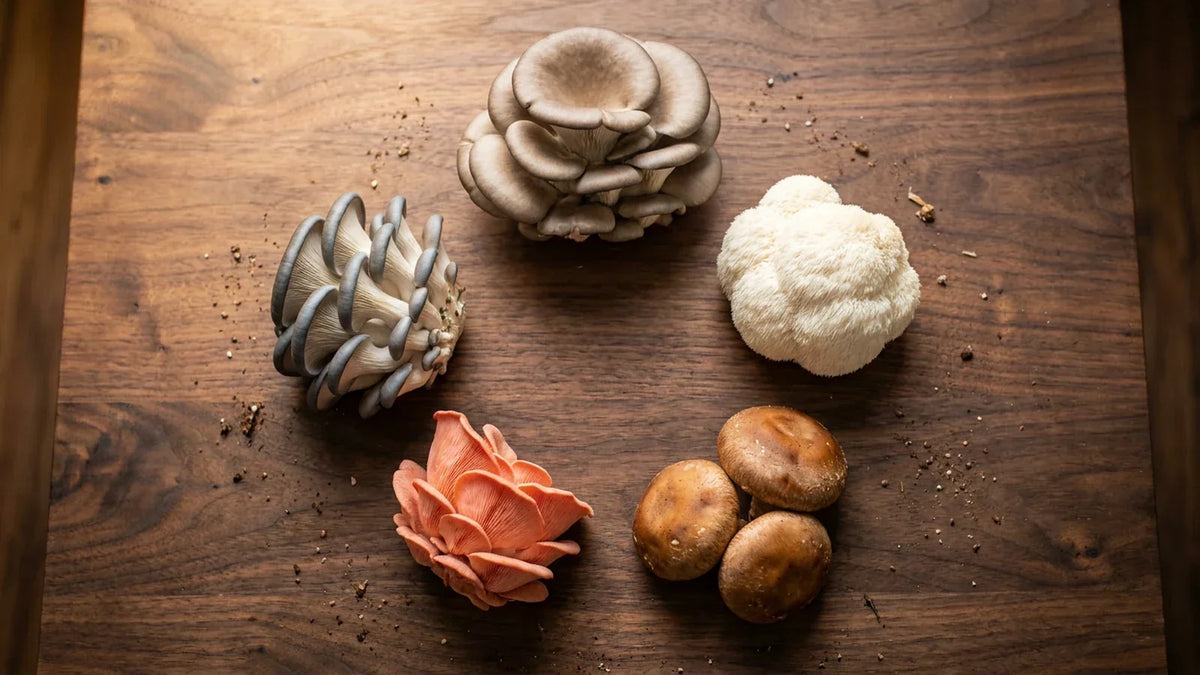
If you're interested in growing some of these yourself (Lion's Mane and King Oyster especially), our home mushroom grow kits let you cultivate the same gourmet species without needing a forest or a 1,000-year-old cultivation tradition. Just a countertop and patience.
Share:
Mushroom Hot Chocolate: The Tastiest Way to Drink Functional Mushrooms
Mushroom Hot Chocolate: The Tastiest Way to Drink Functional Mushrooms