



Mushrooms are not the first food that comes to mind when people think about protein. But they show up in almost every plant-forward diet plan, and the reason is simple: relative to their calorie load, fresh mushrooms deliver a respectable amount of protein with an unusually complete amino acid profile for a non-animal source. They will not replace a chicken breast gram for gram, but they fill a useful niche in a plant-based or flexitarian diet.
Here is the straight answer: a cup of cooked white mushrooms contains about 3 grams of protein. Shiitake comes in around 2 grams per cup. Maitake delivers about 3 grams. Lion's mane sits near 2 grams per cup. Dried mushrooms concentrate more, and mycoprotein products like Quorn push the number much higher. Mushrooms are a useful protein contributor, not a primary source.
The Amino Acid Profile

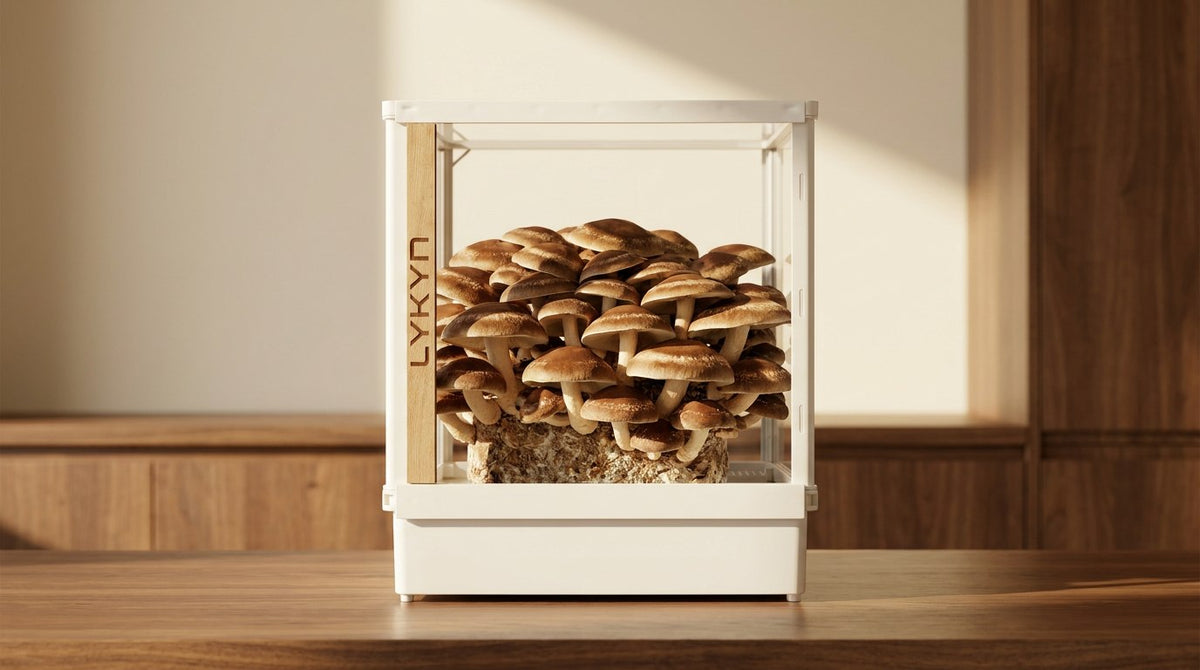
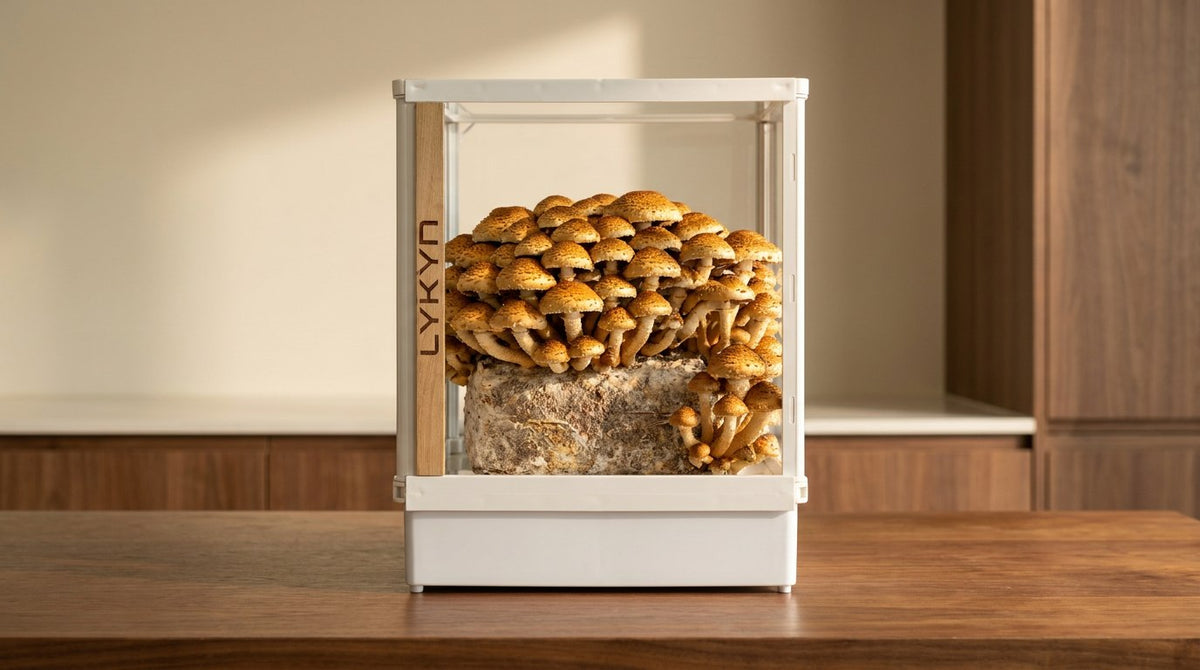
Smart Chamber. Bone White Single
- 2.8L tank, 90% humidity automatic
- App-controlled, plug-and-play
- 6 lb block ceiling, in stock

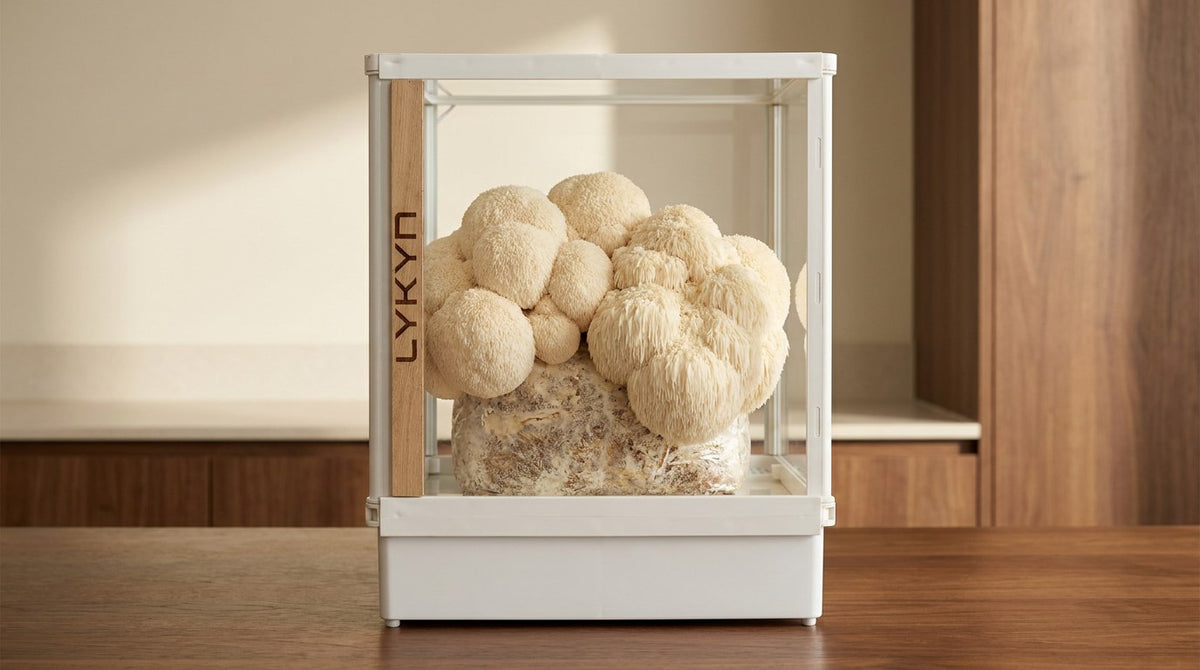
Smart Chamber. Obsidian Black Single
- Same hardware as Bone White
- Matte black premium finish
- Pairs with any kitchen palette

What makes mushroom protein interesting is its quality, not its quantity. Most edible mushroom species contain all nine essential amino acids, the ones your body cannot make on its own. That puts mushrooms in the same "complete protein" category as eggs, soy, and quinoa, even if the absolute protein content is lower.
The amino acid distribution varies by species, but a few patterns hold:
- Leucine is present in meaningful amounts in shiitake, oyster, and white button mushrooms. Leucine is the amino acid most associated with muscle protein synthesis.
- Lysine is moderately present, which is useful because lysine is often the limiting amino acid in plant-based diets, especially for people who lean heavily on grains.
- Methionine is on the lower end in most species. Pair mushrooms with foods that are methionine-rich, like seeds or grains, to round out the profile.
- Glutamate is abundant and is responsible for the umami flavor that makes mushrooms feel substantial in cooking.
The protein digestibility-corrected amino acid score (PDCAAS) for typical edible mushrooms lands around 0.6 to 0.7. That is below soy (1.0) and eggs (1.0) but well above grains alone. In practice, this means mushroom protein is well-utilized by the body, especially when combined with other plant proteins in the same meal.
Protein Per Serving by Species
Numbers below are for one cup of cooked mushrooms (about 150 grams).
- White button: 3 grams protein, 35 calories.
- Cremini: 4 grams protein, 40 calories.
- Portobello: 5 grams protein, 60 calories.
- Shiitake: 2 grams protein, 80 calories.
- Maitake: 3 grams protein, 35 calories.
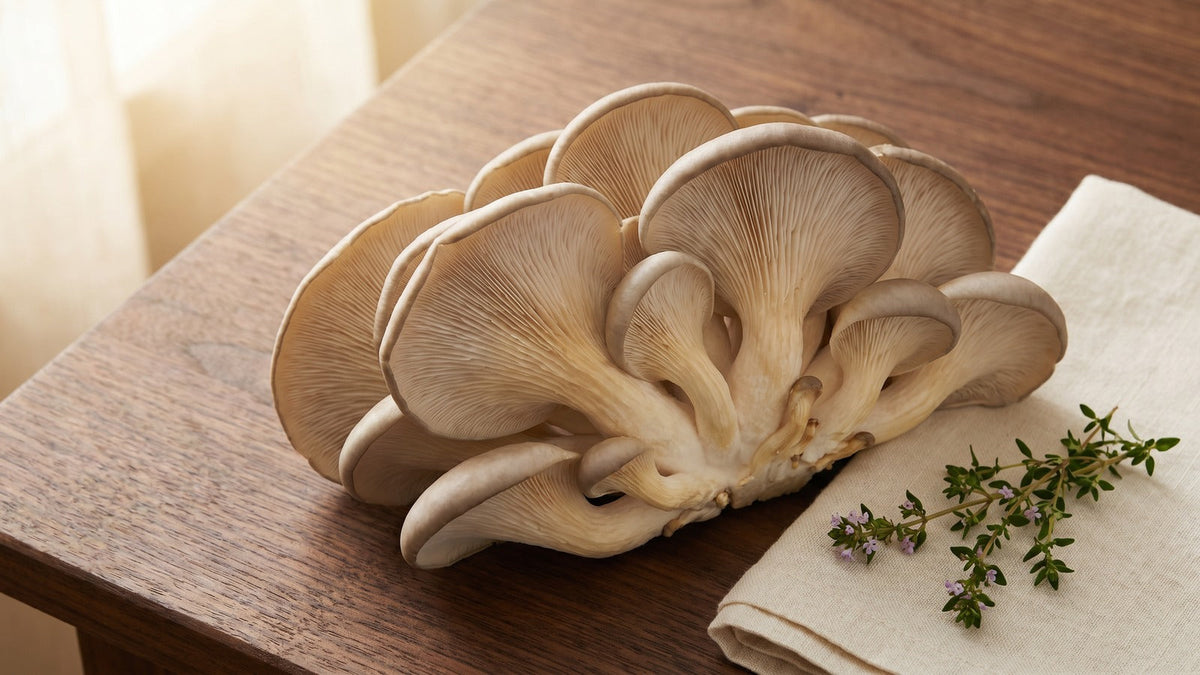
- Oyster: 4 grams protein, 40 calories.
- King oyster: 3 grams protein, 45 calories.
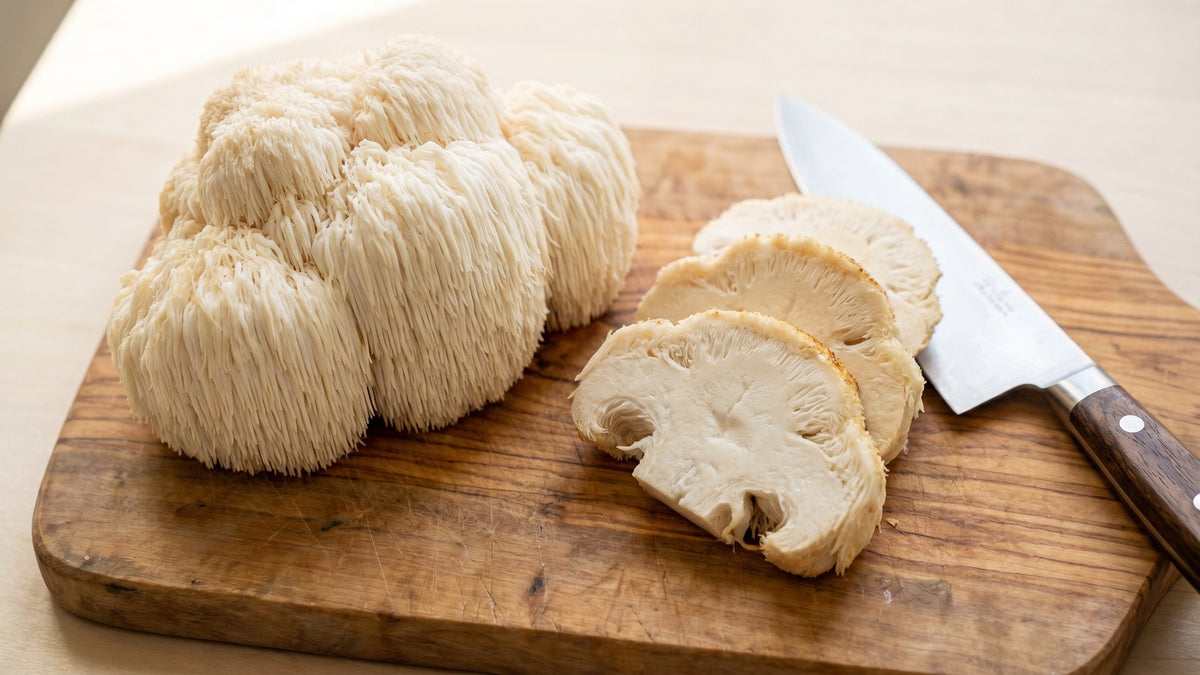
- Lion's mane: 2 grams protein, 30 calories.
- Enoki: 2 grams protein, 30 calories.
Dried mushrooms tell a different story. By weight, dried shiitake is about 20 to 25 percent protein, which puts it in the same range as lean meat on a dry-weight basis. The catch is that you rarely eat dried mushrooms in large quantities; a cup of rehydrated dried shiitake is closer in protein content to its fresh equivalent.
Mycoprotein: A Different Category
When people mention "mushroom protein" in a fitness context, they sometimes mean mycoprotein, which is technically a fungal protein but not from the fruiting bodies of culinary mushrooms. Mycoprotein is the product made by fermenting Fusarium venenatum, a soil fungus, into a meat-textured ingredient. Quorn is the most recognized commercial brand.
A typical mycoprotein serving delivers 11 to 13 grams of protein per 100 grams, with all essential amino acids present and a higher PDCAAS than fresh mushrooms. Mycoprotein is closer to a meat replacement than a mushroom in any culinary or nutritional sense, so treat it as a separate category if you are stacking foods for a high-protein day.
How to Use Mushrooms for Protein
The trick to extracting real protein value from mushrooms is volume and pairing.
Cook Them Down
Fresh mushrooms are 90 percent water. Cooking removes most of that water and concentrates everything, including the protein, by volume. A pound of fresh shiitake collapses to about a cup and a half of cooked mushrooms with the same protein content. If you sauté two pounds of mushrooms as the base for a meal, you have just added 15 to 20 grams of protein with minimal calories.
Pair with Legumes or Grains
A mushroom-lentil bolognese, mushroom-bean chili, or mushroom-quinoa risotto stacks complementary amino acid profiles. The methionine from grains rounds out the lower methionine in mushrooms, and the lysine from mushrooms boosts what grains lack.

Fuel Your Mushroom Journey
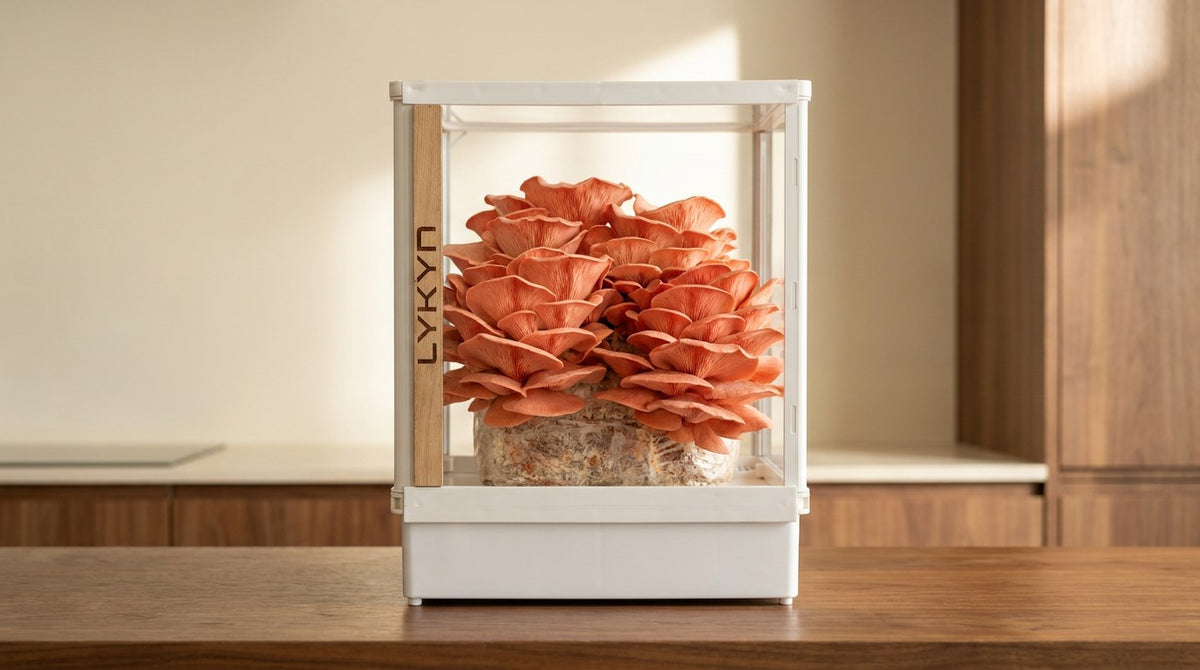
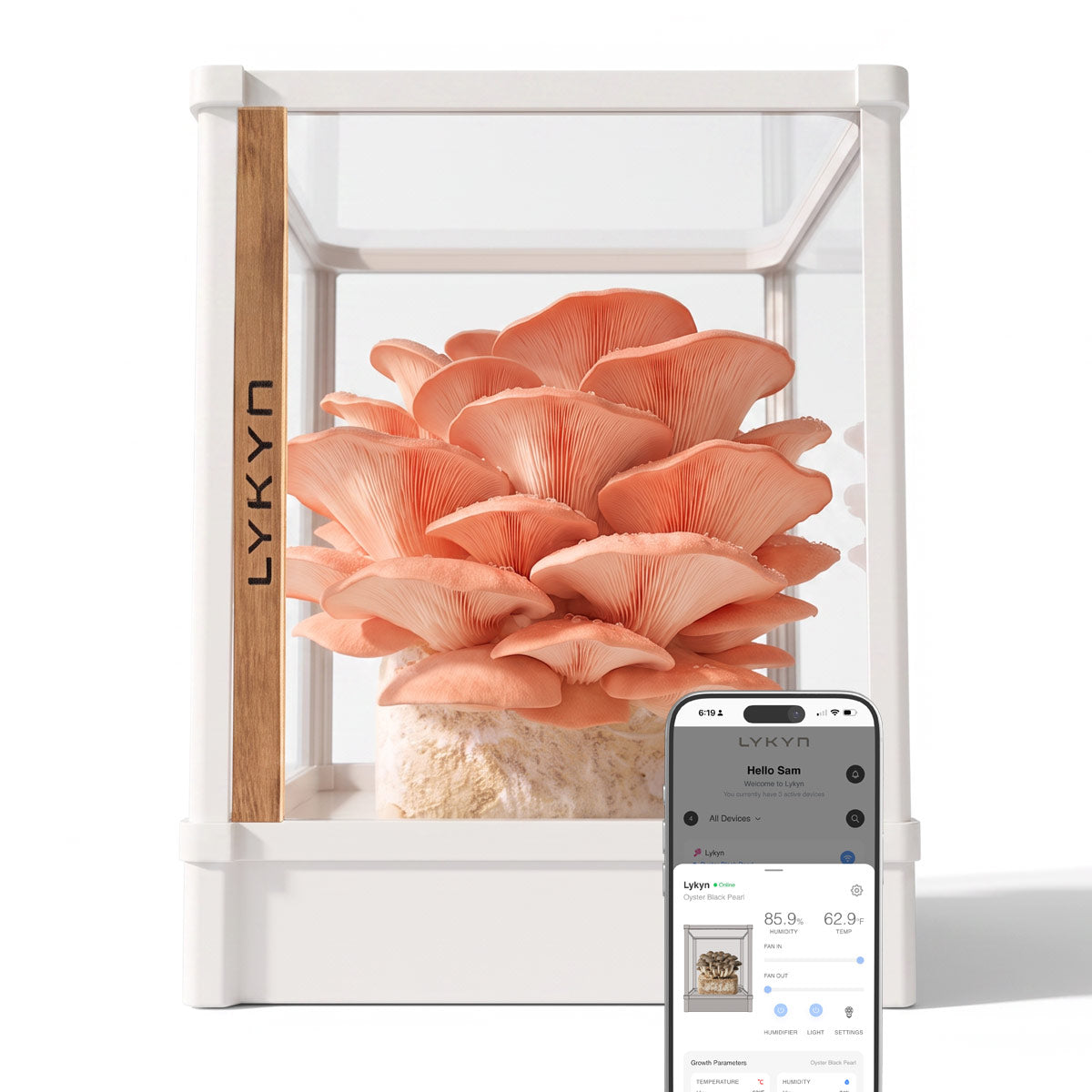
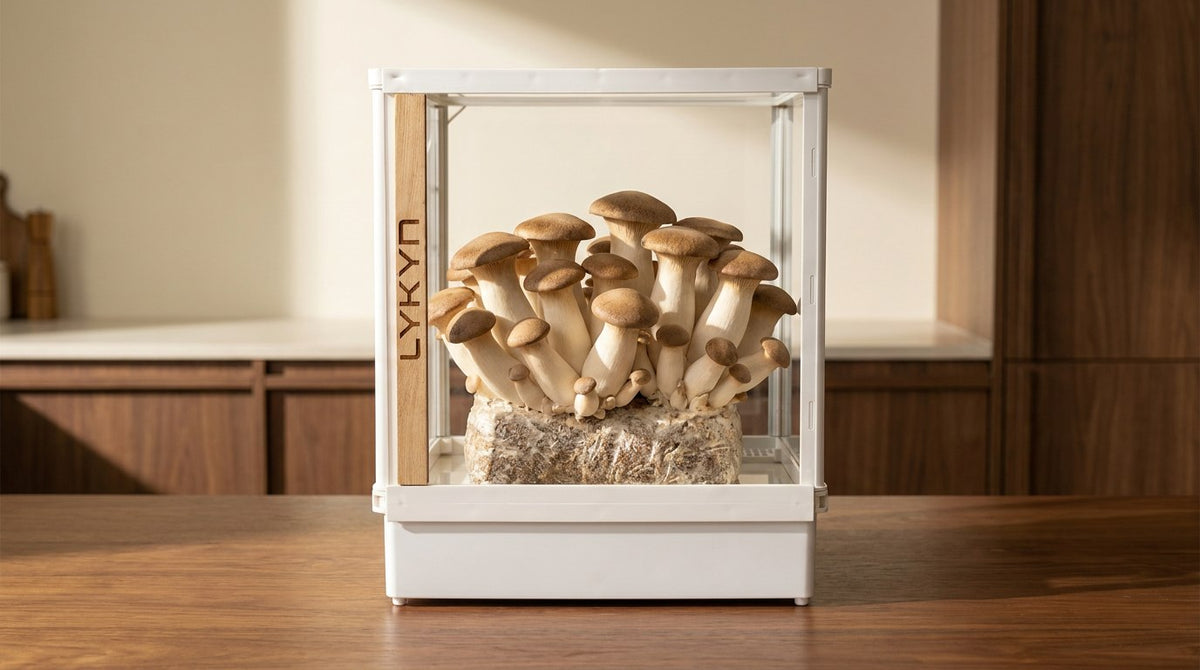
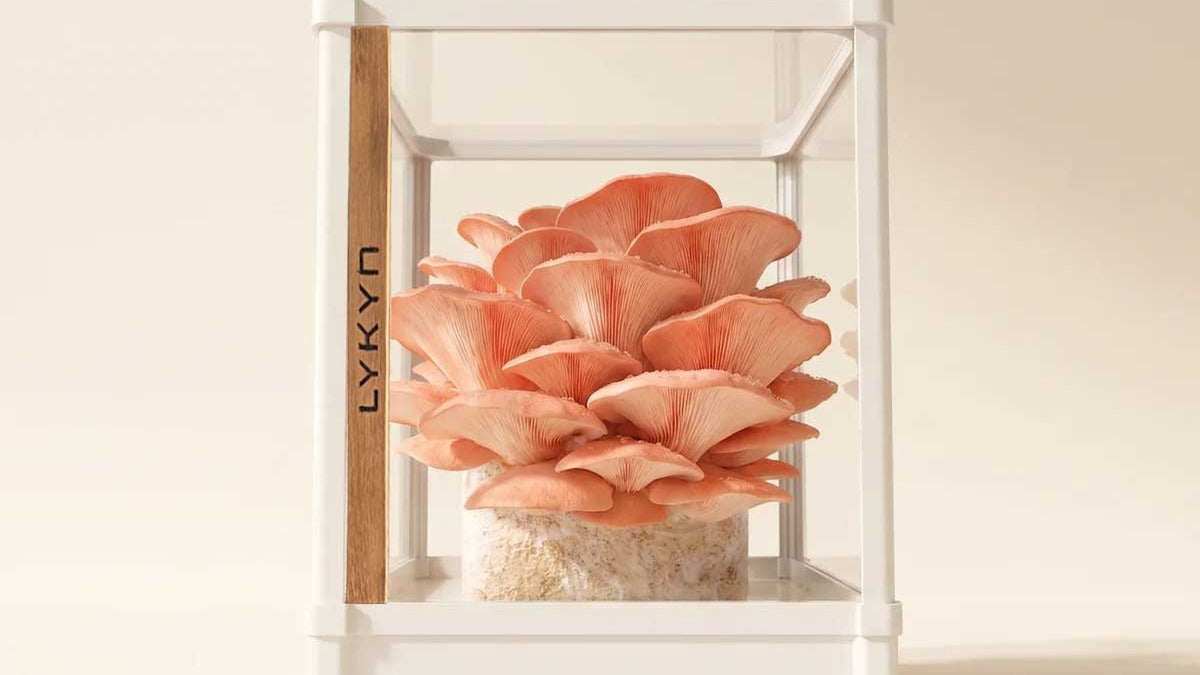
Smart Mushroom Grow Chamber
Plug-and-play smart chamber with humidity, light, and airflow dialed in for every species. Beginners harvest their first flush in days, not months.
Add to cart $299Use Them as a Texture Anchor
Finely chopped cooked mushrooms can replace half the ground meat in burgers, meatballs, and tacos. You lose some of the meat protein but keep texture and bulk, which is useful when you want to stretch a protein-rich meal across more servings.
Comparing Mushrooms to Other Plant Proteins
Mushrooms are a middle-tier plant protein source. Per 100 grams of cooked food:
- Tempeh: 19 grams protein.
- Lentils: 9 grams protein.
- Tofu (firm): 8 grams protein.
- Quinoa: 4 grams protein.
- Mushrooms (most species): 2 to 3 grams protein.
On absolute numbers, tempeh and lentils are far ahead. Where mushrooms compete is on calorie density. A cup of cooked shiitake at 80 calories with 2 grams of protein gives you 25 calories per gram of protein. That is excellent for someone trying to manage weight while maintaining protein intake, even if it is not enough on its own.
Best Species for Protein Content
If you are optimizing for protein specifically, three species lead the pack: portobello, cremini, and oyster. All three deliver 4 to 5 grams of protein per cooked cup and hold up well to cooking methods that concentrate them (roasting, grilling, dehydrating). King oyster has particularly meaty stems and works well sliced and pan-seared as a steak alternative.
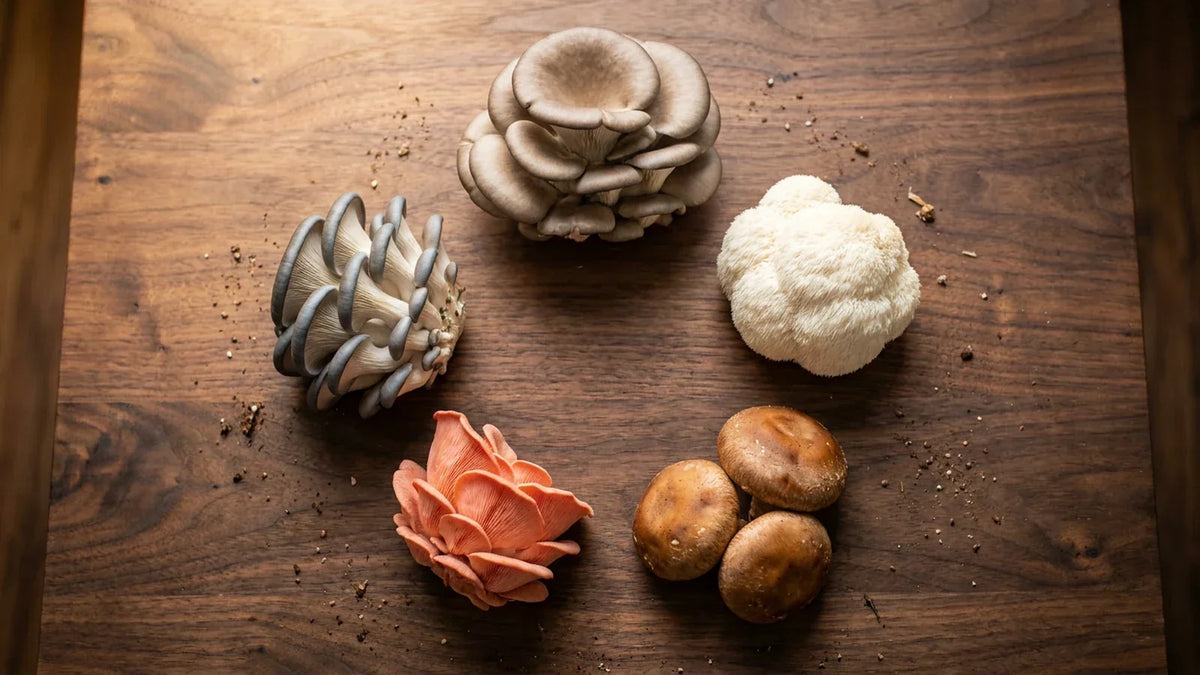
Shiitake and lion's mane are slightly lower in protein but bring other compounds (beta-glucans, hericenones in lion's mane) that justify their place on the rotation. Maitake sits in between and has the most umami flavor of the group.
A Realistic Recipe Approach
Build mushroom protein into meals as a multiplier rather than the centerpiece. A few patterns that work:
- Breakfast scramble: 3 eggs (18 g protein) + 1 cup sautéed mushrooms (3 g) = 21 g protein.
- Lunch grain bowl: 1 cup cooked quinoa (8 g) + 1 cup roasted mushrooms (4 g) + 1/2 cup chickpeas (7 g) = 19 g protein.
- Dinner mushroom stir-fry: 2 cups mixed mushrooms (8 g) + 1 cup edamame (17 g) + brown rice = 25+ g protein.
None of these are protein-poor, and none rely on the mushrooms as the sole source. That is the right way to think about mushroom protein.
Fresher Is Better
The protein in a mushroom does not change much between fresh and store-bought, but flavor, texture, and the umami-driving amino acids degrade quickly after harvest. Mushrooms picked the same day you eat them taste markedly better, which makes it easier to use them in high enough volume to actually contribute meaningful protein.
For anyone who wants the freshest possible supply without a weekly grocery run, growing your own at home is more practical than most people realize. A countertop grow kit can produce more than a pound of fresh oyster, shiitake, or lion's mane per cycle, which is enough to anchor several plant-based meals. Our mushroom grow kits are built for that kind of small-scale, regular harvest.
Mushroom protein will not turn anyone into a bodybuilder on its own. But as a low-calorie, nutrient-dense, umami-rich way to stretch a plant-based diet without leaning entirely on legumes and grains, it earns its place on the plate.

Share:
Mushroom Matcha: Benefits, Best Pairings, and How to Make It
Mushroom Matcha: Benefits, Best Pairings, and How to Make It