


Mushroom spawn is the starting material that turns sterile substrate into a productive mushroom block. Think of it the way a gardener thinks of seeds, except instead of dormant embryos, you're working with living fungal mycelium ready to colonize whatever you feed it. Understanding what spawn is, how it's made, and which type to buy is the single biggest factor in whether your first grow succeeds or rots in a corner of the closet.
Here's the practical guide to mushroom spawn: the four common forms, when to use each, how to store it, and what to look for when buying.
What Mushroom Spawn Actually Is

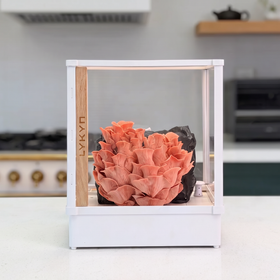
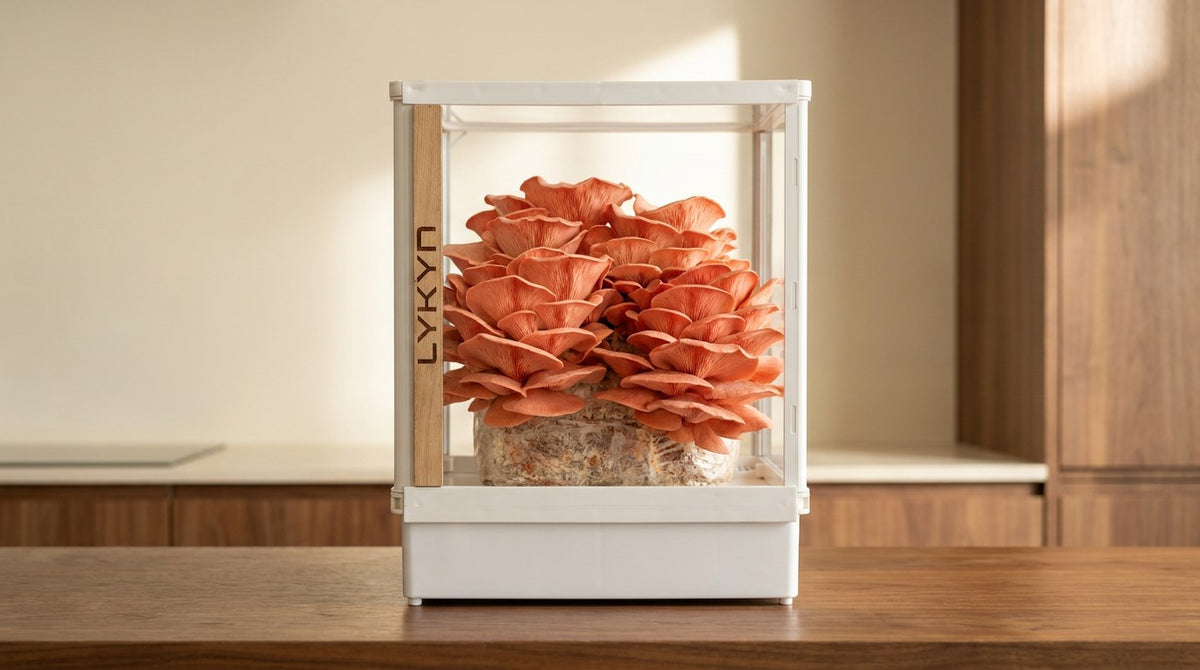
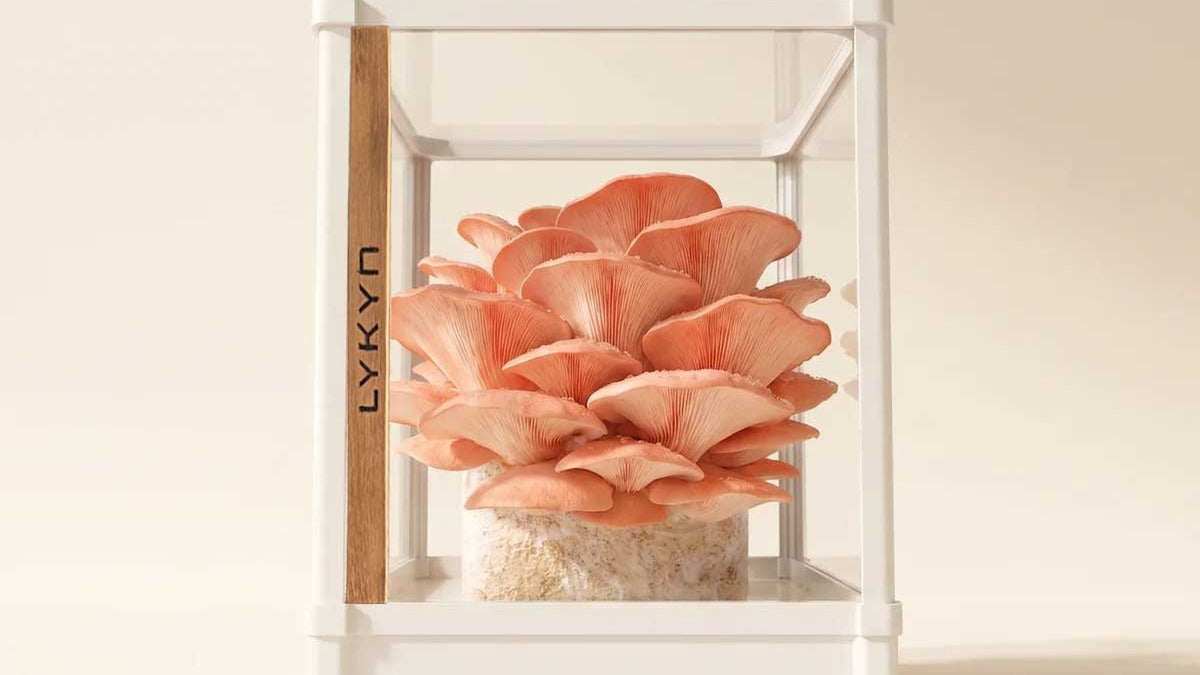
Smart Chamber. Bone White Single
- 2.8L tank, 90% humidity automatic
- App-controlled, plug-and-play
- 6 lb block ceiling, in stock

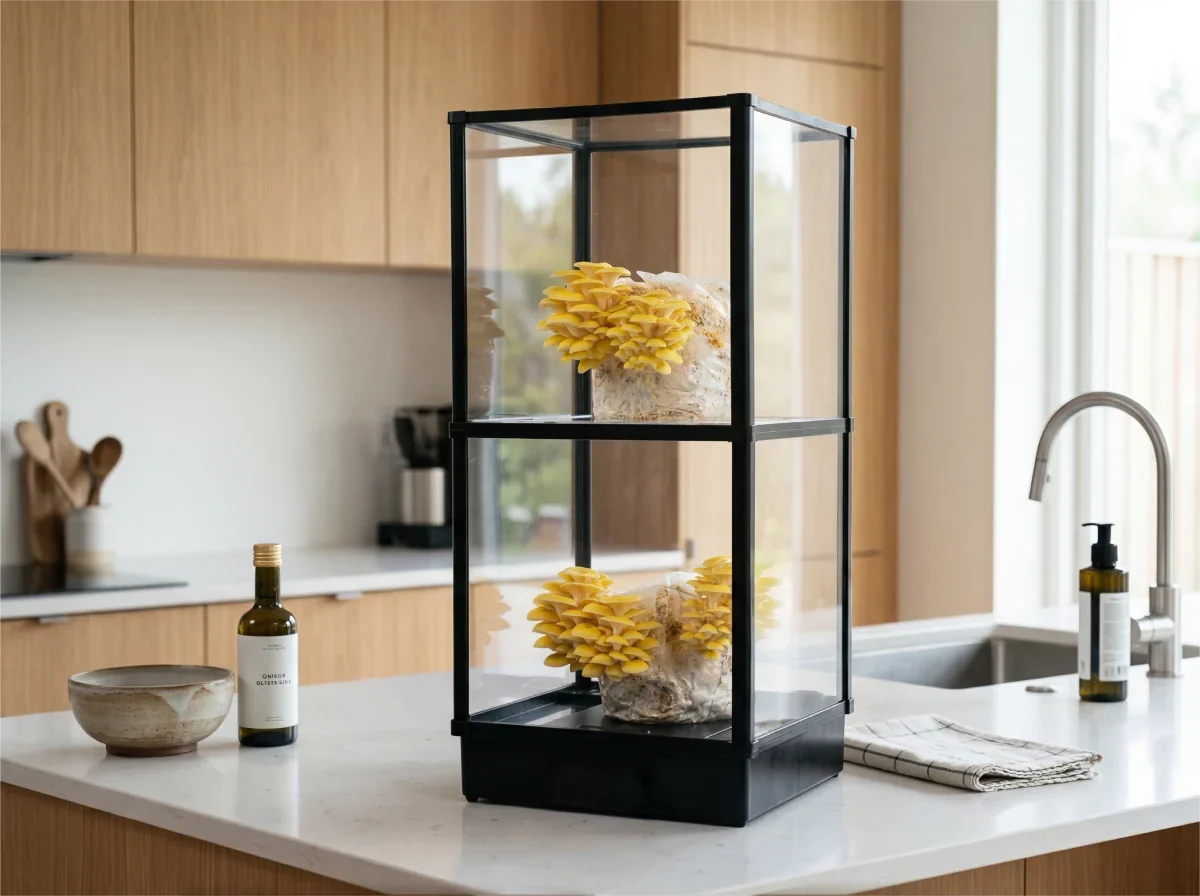
Smart Chamber. Obsidian Black Single
- Same hardware as Bone White
- Matte black premium finish
- Pairs with any kitchen palette

Spawn is a carrier material (grain, sawdust, plug, or liquid) that has been fully colonized by the mycelium of a specific mushroom species. The mycelium is the vegetative body of the fungus, the white thread-like network that breaks down organic matter and eventually produces fruiting bodies, which are the mushrooms you eat.
When you mix spawn into bulk substrate (straw, hardwood pellets, manure, or coco coir), the mycelium spreads from the carrier into the new food source. Within one to three weeks, the substrate is fully colonized and ready to fruit.
Spawn is not seeds, even though people often call it "mushroom seed." It's a living tissue culture. Treat it like fresh produce: refrigerate it, use it quickly, and never freeze it.
The Four Main Types of Spawn
Different spawn types suit different substrates and species. Choosing the wrong one wastes time and money.
Grain Spawn
The most common form for indoor growing. Sterilized rye, millet, sorghum, or wheat berries are inoculated with mycelium and incubated until each grain is white and woolly. Grain spawn has high nutritional value and rapid colonization speed, making it ideal for transferring to bulk substrate. One pound of grain spawn typically inoculates 5 to 10 pounds of pasteurized straw or 3 to 5 pounds of supplemented sawdust.
Use grain spawn for: oyster mushrooms, lion's mane, shiitake (in bag culture), king trumpet, wine cap, and most beginner-friendly species.
Sawdust Spawn
Hardwood sawdust supplemented with a small percentage of bran or millet, fully colonized with mycelium. Sawdust spawn carries less nutrition than grain, which makes it less attractive to molds and pests, but colonization is slower. It's the preferred spawn for outdoor logs and wood-based projects.
Use sawdust spawn for: log inoculation, totem cultures, large outdoor wood chip beds, and indoor wood-loving species like reishi.
Plug Spawn
Wooden dowels colonized with mycelium, designed specifically for log inoculation. Drill a pattern of 5/16 inch holes into a freshly cut hardwood log, tap the plugs in, and seal with cheese wax. Plug spawn is slow but rugged, and a well-inoculated log can produce mushrooms for 4 to 6 years.
Use plug spawn for: shiitake logs, lion's mane logs, oyster logs, and any outdoor woodland cultivation.
Liquid Culture
Mycelium suspended in a sterile nutrient solution, usually a light malt-extract water or honey water. Liquid culture is the fastest way to inoculate fresh grain but requires a clean workspace and a basic understanding of sterile technique. It's more popular with experienced growers than beginners.
Use liquid culture for: producing your own grain spawn at home, expanding cultures, and genetic preservation.

Fuel Your Mushroom Journey
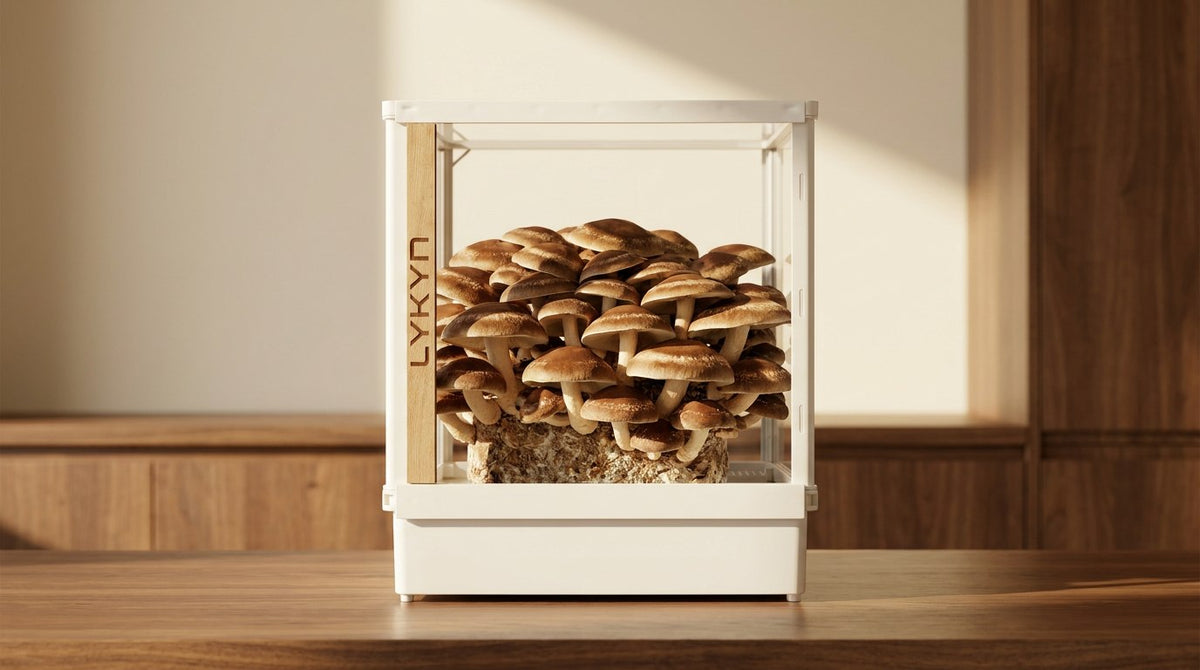
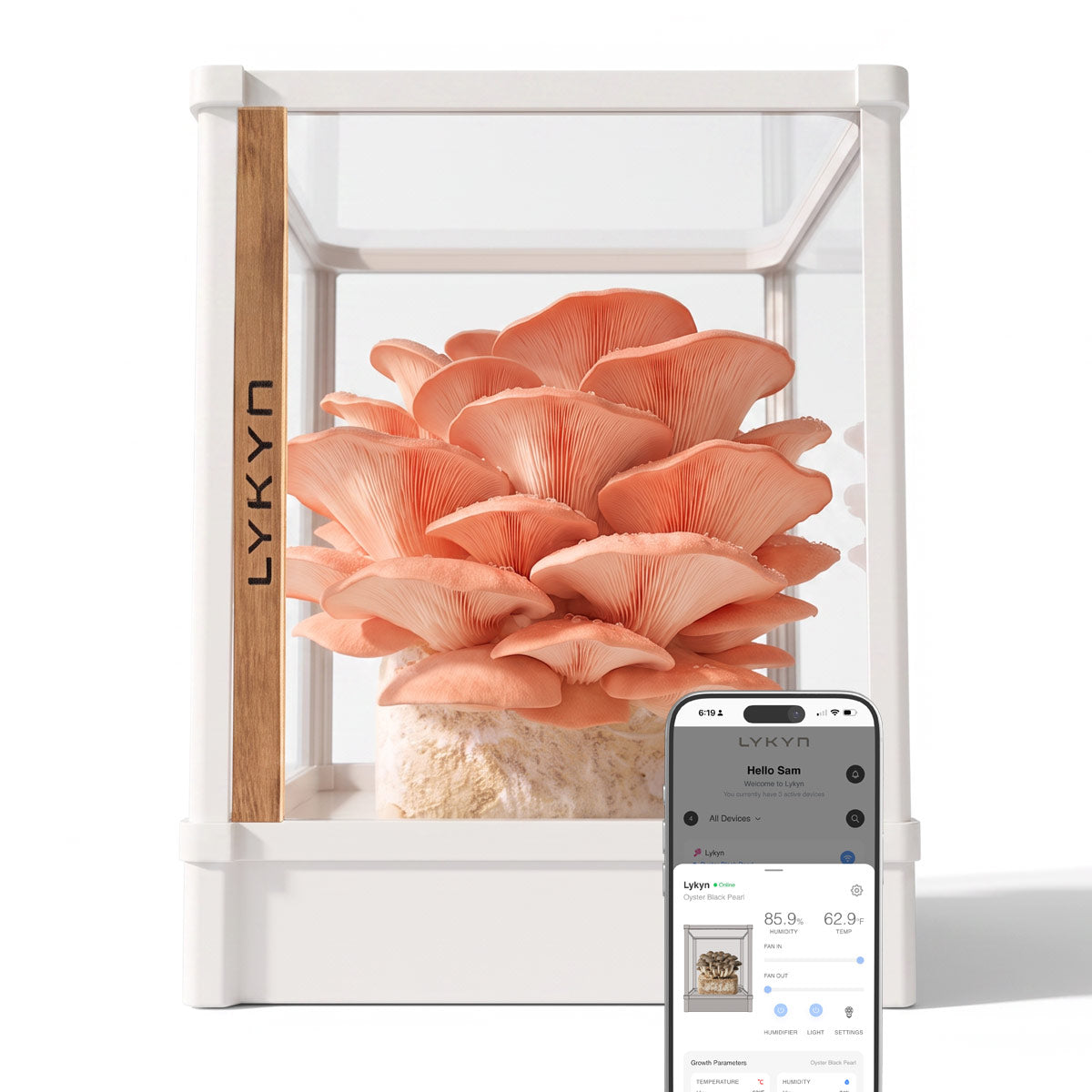
Smart Mushroom Grow Chamber
Plug-and-play smart chamber with humidity, light, and airflow dialed in for every species. Beginners harvest their first flush in days, not months.
Add to cart $299How to Read a Spawn Label
Quality spawn lists the species, strain, production date, and recommended substrate. A good supplier will tell you the genetic lineage of the strain (commercial, wild-collected, or hybrid) and provide a use-by date typically four to eight weeks from production.
Inspect spawn on arrival. Healthy grain spawn is uniformly white, smells faintly like fresh bread or damp earth, and feels firm but slightly springy. Reject any bag with green, black, or pink patches, slimy texture, or sour smells. Those are contamination markers, and using contaminated spawn will almost always crash the grow.
Storing Spawn Correctly
Refrigerate spawn at 35 to 40 degrees Fahrenheit, never frozen. Cold slows the mycelium's metabolism without killing it. Most grain spawn keeps for 4 to 8 weeks refrigerated, sawdust spawn for 8 to 12 weeks, and plug spawn for 4 to 6 months if kept dry.
Don't open the bag until you're ready to use it. Once exposed to air, the mycelium starts metabolizing oxygen and producing CO2, which builds pressure inside the bag and accelerates aging. If you can only use half a bag, transfer the unused spawn to a clean sealed jar with a piece of micropore tape on the lid for gas exchange.
How Much Spawn Do You Need?
The standard spawn-to-substrate ratio is 5 to 10 percent by wet weight for indoor bag culture. Higher spawn rates colonize faster and outcompete contamination, but they're more expensive. A 10-pound block of pasteurized straw needs roughly 1 pound of grain spawn.
For outdoor logs, plug spawn is sold by the count. A standard 4 by 36 inch shiitake log takes 30 to 50 plugs in a diamond pattern with 6 inches between rows and 4 inches between holes.
Skipping Spawn With Pre-Made Kits
Buying spawn, sourcing substrate, sterilizing, mixing, and incubating is genuinely satisfying work, but it's not the right entry point for everyone. If you want mushrooms on your counter without managing the colonization phase, ready-to-fruit grow kits ship as fully colonized blocks. You hydrate, cut a slit, and harvest in 5 to 7 days. A kit from Lykyn's mushroom grow kits bypasses the spawn-handling stage entirely while still teaching you the fruiting half of the cycle.
Where to Buy Reliable Spawn
Buy from established mycology suppliers with verifiable strain histories, transparent production practices, and recent customer reviews. North Spore, Field & Forest, and Fungi Perfecti are three of the longest-running U.S. sources. Smaller regional labs often produce excellent spawn at lower prices, but quality varies more.
Avoid marketplace listings with no species name, no strain ID, or no harvest date. The mushroom world has its share of repackaged old stock, and there's no way to evaluate sealed spawn that doesn't list provenance.
Common Beginner Mistakes
The two errors that ruin most first attempts: using too little spawn (saving money up front, losing the entire grow to contamination) and storing spawn at room temperature for weeks before use. Both are easy to avoid.
A third mistake is mixing spawn with substrate that's still hot from pasteurization. Anything above 90 degrees Fahrenheit kills mycelium. Let the substrate cool to room temperature, then inoculate with clean hands or sterile gloves.
Mushroom spawn is the bridge between fungal biology and your kitchen. Buy fresh, store cold, match the spawn type to the substrate, and the rest of the process largely takes care of itself.
Share:
Mushroom Rice: A One-Pot Side That Tastes Like a Restaurant Made It
Mushroom Rice: A One-Pot Side That Tastes Like a Restaurant Made It