


Puffball mushrooms are the round, white, stemless fungi that look like volleyballs, golf balls, or pearls scattered across a meadow. Pick a young one and slice it open: the inside is pure, solid, marshmallow-white flesh. That solid white interior is what makes puffballs both one of the safest beginner foraging mushrooms and one of the most distinctive culinary ingredients in the wild edible world. A 6-inch giant puffball can produce enough meaty slices for a family dinner, and the flavor is mild enough that almost any cooking technique works.
The puffball category includes several genera. The giant puffball (Calvatia gigantea) is the headline species, capable of reaching 24 inches across and weighing over 20 pounds in a record specimen. The pear-shaped puffball (Apioperdon pyriforme) grows on wood in small clusters. The common puffball (Lycoperdon perlatum) is the small, spiny, pear-shaped puffball you see on woodland trails. This guide focuses on identification, the critical safety rules, and culinary technique across the group.
How to identify a puffball
Puffballs share four features. They're roughly round or pear-shaped. They have no visible stem, gills, or cap (or only a very rudimentary stem in the woodland species). The outer skin is smooth, warty, or spined depending on species and age. And when young, the entire interior is solid, uniform, marshmallow-white flesh.
Mature puffballs do something dramatic: the interior turns olive-brown to dark purple-brown as the spores ripen, and the skin develops a hole or splits open. A puff of brown spore dust escapes when the fruiting body is disturbed by rain, wind, or an animal kick. This stage gives the group its name. Mature puffballs are inedible (they're effectively bags of spore dust), but they're not toxic.
The single most important rule for puffball edibility is the interior color. Cut every puffball you collect lengthwise from top to bottom. If the inside is pure, uniform, marshmallow-white from edge to edge with no yellow, green, gray, brown, or purple discoloration, it's safe to cook. If you see any color other than pure white, throw it out.

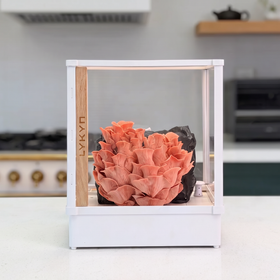
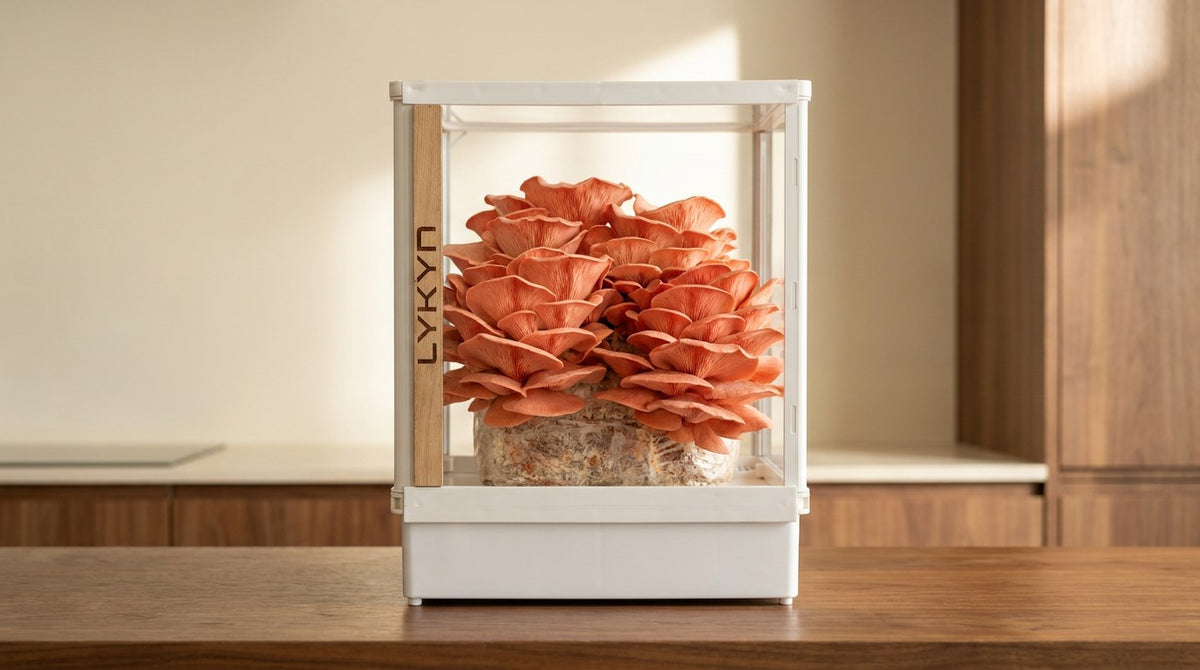
Smart Chamber. Bone White Single
- 2.8L tank, 90% humidity automatic
- App-controlled, plug-and-play
- 6 lb block ceiling, in stock

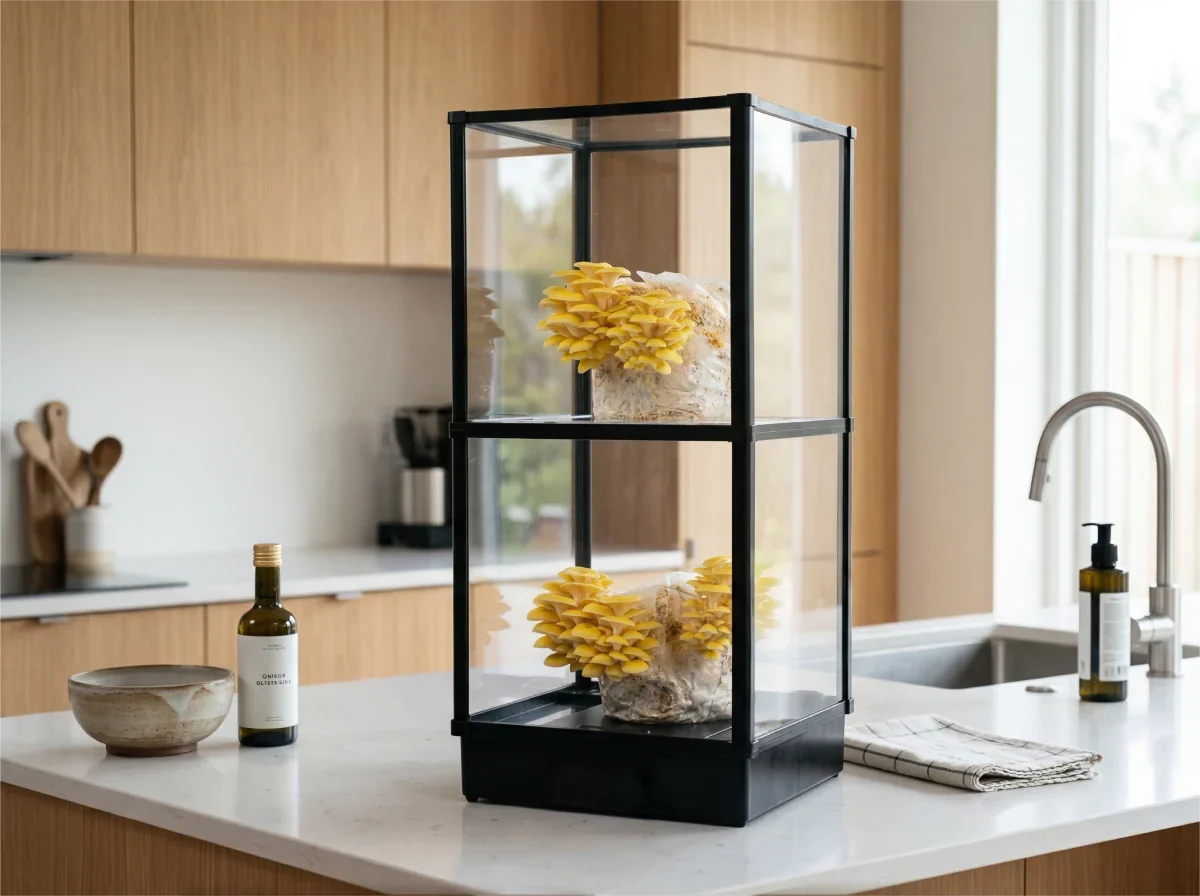
Smart Chamber. Obsidian Black Single
- 2.8L tank, 90% humidity automatic
- App-controlled, plug-and-play
- Matte obsidian finish, in stock

Black Oyster Fruiting Block
- 5 lb colonized hardwood block
- 1-3 day cycle, easy first flush
- Lab-tested strain, in stock
The deadly look-alikes
The single biggest puffball danger is mistaking a young amanita "egg" for a small puffball. Amanita phalloides (death cap), Amanita virosa (destroying angel), and several related species emerge as small, white, oval structures with the immature cap, stem, and gills enclosed in a tight outer membrane (the universal veil). From the outside, a young amanita button can look exactly like a small puffball.
The lengthwise cut is the test that saves your life. Slice every roundish white mushroom you collect from top to bottom and examine the cross-section. A puffball shows uniform, solid, marshmallow-white flesh from one edge to the other. A young amanita shows the silhouette of the developing mushroom inside: you'll see the outline of a cap, gills, and stem in cross-section, like a tiny mushroom embryo. If you see that silhouette, you're holding an amanita. Throw it out and wash your hands.
Three other puffball-stage look-alikes deserve mention. Scleroderma species (earth balls) look like puffballs from the outside but have a thick, hard, often warty skin and a dark purple-black interior even when young. They cause severe gastrointestinal distress. The interior color test rules them out. Stinkhorn eggs (Phallus species in their immature state) have a gelatinous interior that doesn't look like solid puffball flesh. And earth tongues and earth stars are different fungi entirely.

Fuel Your Mushroom Journey
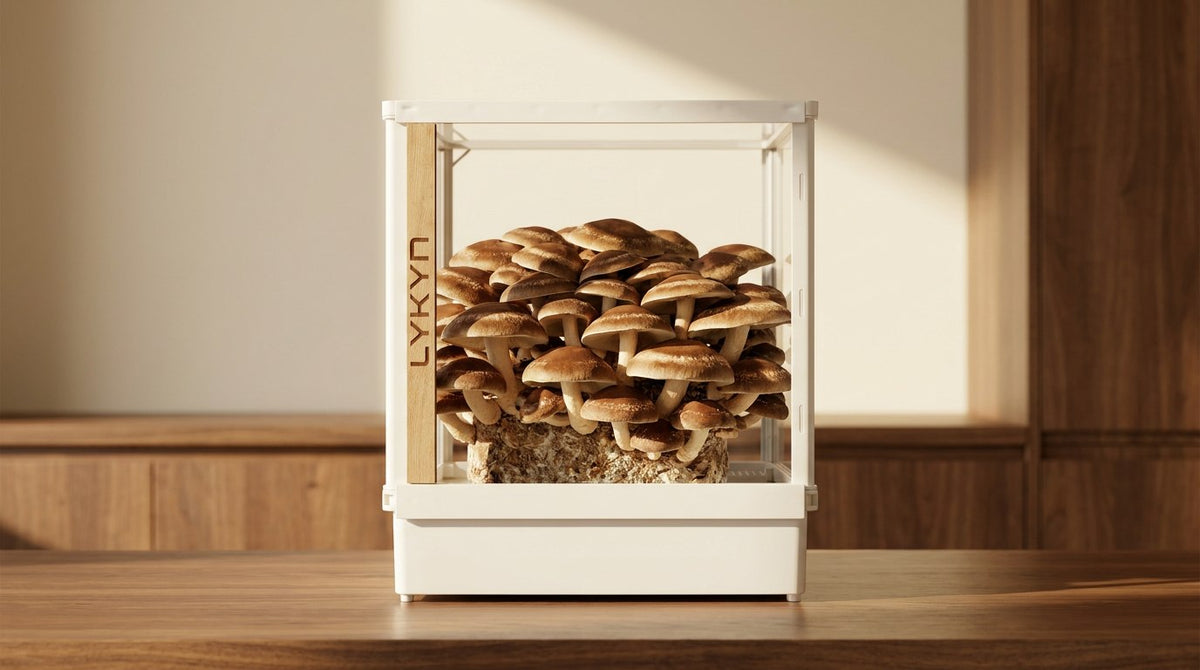
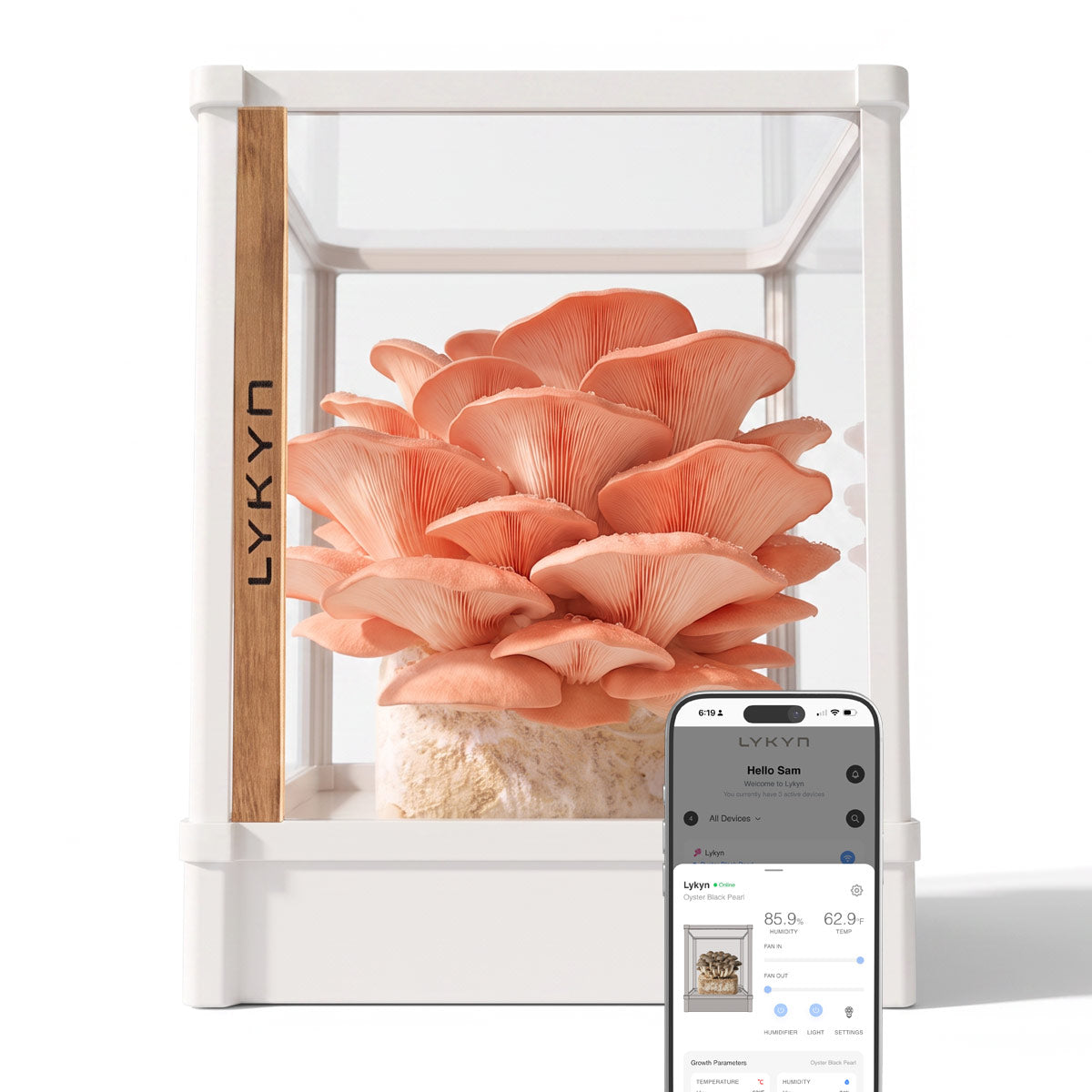
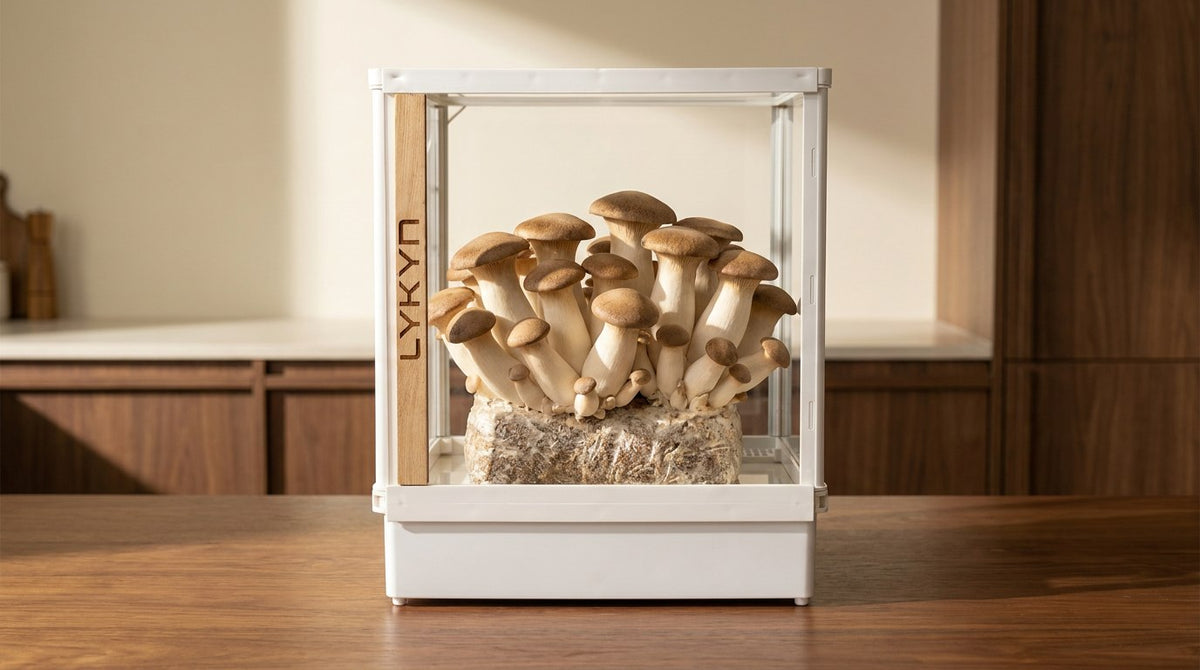
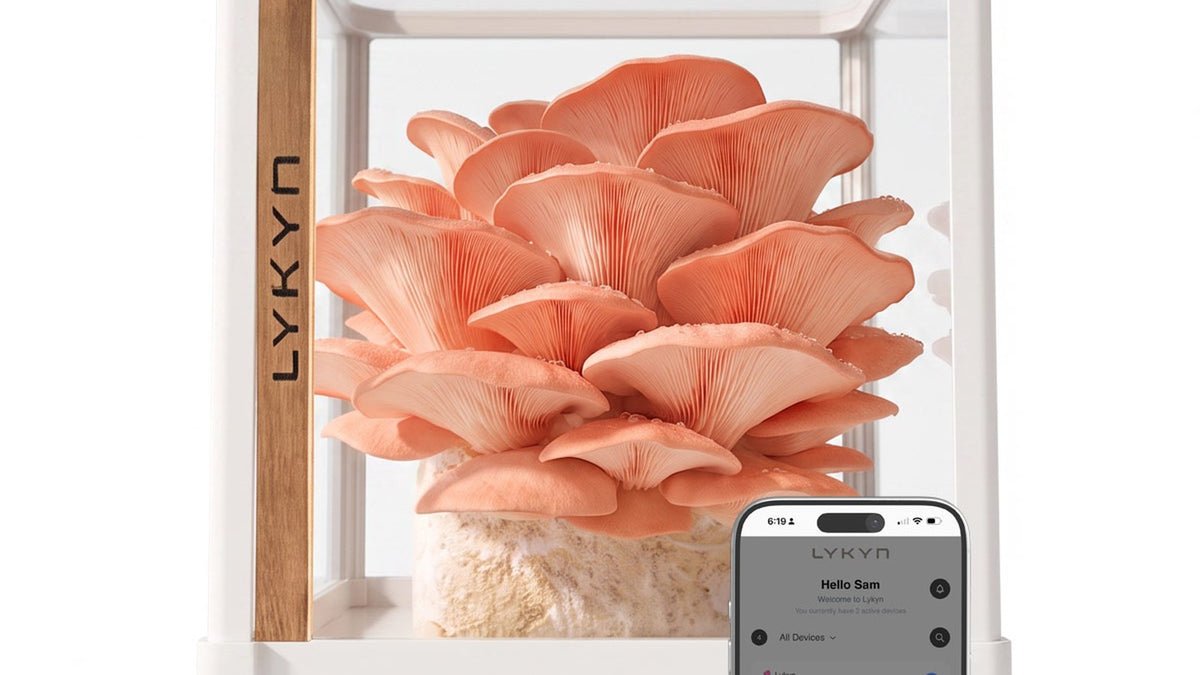
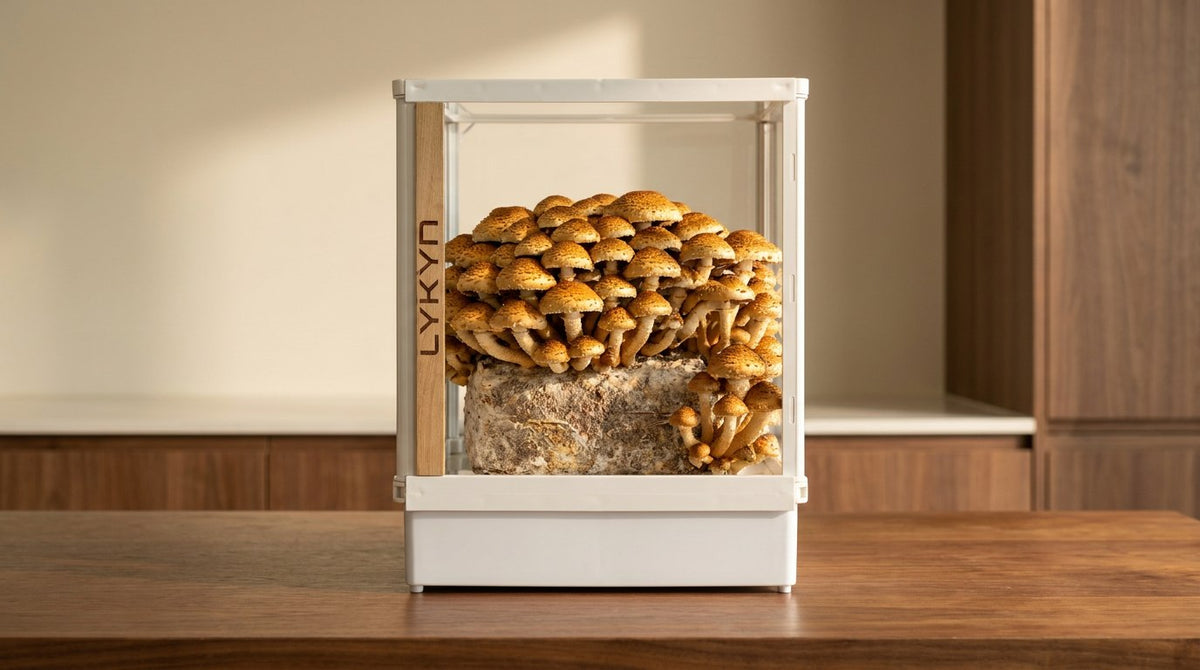
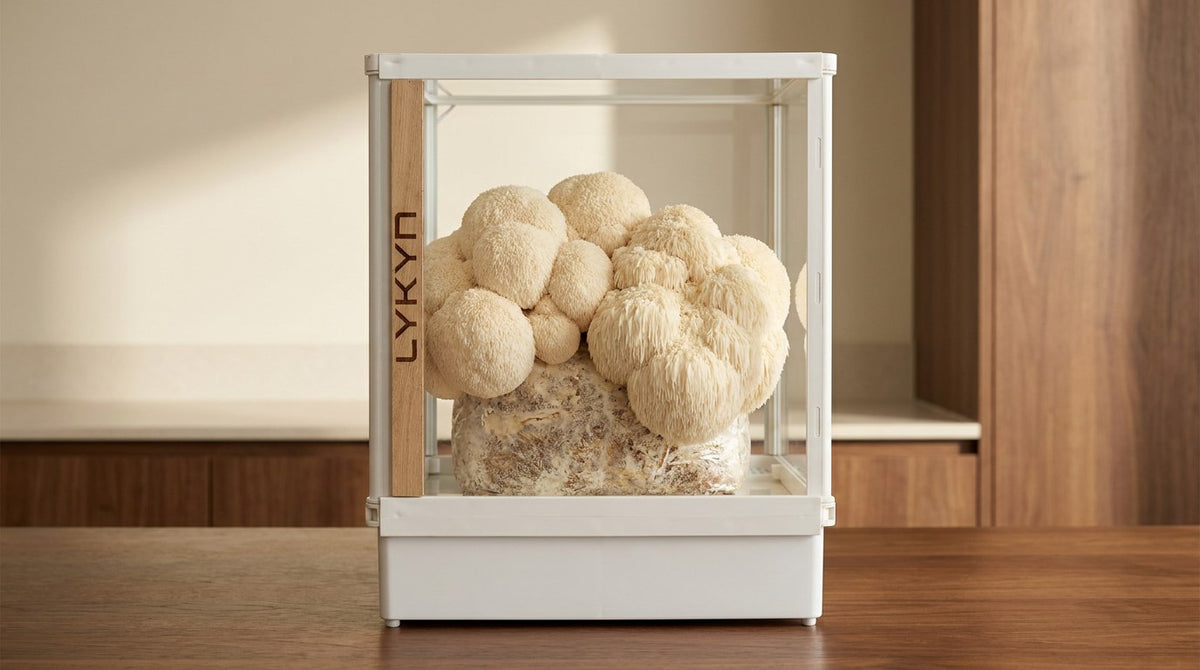
Smart Mushroom Grow Chamber
Plug-and-play smart chamber with humidity, light, and airflow dialed in for every species. Beginners harvest their first flush in days, not months.
Add to cart $299Where and when to find them
Giant puffballs (Calvatia gigantea) fruit in grassy fields, pasture edges, hedgerows, and disturbed soil near roads. They prefer rich, organic ground and often appear after pasture has been grazed and rested. In North America, the main season is August through October. They tend to fruit in scattered groups, sometimes 5 to 20 specimens in a small area.
Pear-shaped puffballs (Apioperdon pyriforme) grow on rotting hardwood logs and stumps in mixed forests. Season: August through November in temperate climates. They fruit in tight clusters of 10 to 50 small specimens.
Common puffballs (Lycoperdon perlatum) appear on bare soil, leaf litter, and decaying wood in deciduous forests from summer through autumn.
All puffballs prefer the wet weeks following a soaking rain. Once you find a productive spot, the mycelium persists for years and you can expect fruitings in the same locations across seasons.
Taste, texture, and culinary uses
Puffball flesh is mild, slightly nutty, and very mushroom-like in the most generic sense. The texture is firm but tender, somewhere between fresh mozzarella and pan-seared zucchini. Because the flavor is mild and the texture is reliable, puffballs take on the seasoning of whatever you cook them with, which makes them one of the most versatile wild mushrooms in the kitchen.
The classic giant puffball preparation is slabs: slice into half-inch steaks, salt them lightly and let them sit for 15 minutes to draw out water, pat dry, and pan-fry in butter over medium-high heat until golden on both sides. Treated this way, a giant puffball steak eats like a thick, savory pancake or a vegetarian schnitzel.
Other reliable preparations include puffball "parmesan" (slab breaded, fried, topped with tomato sauce and cheese), puffball cubes in a soup or stew, puffball stir-fry, and puffball pizza topping (sliced thin, lightly pre-cooked, scattered on a pizza in the last 5 minutes). The small woodland puffballs (pear-shaped, common) are best simply sautéed whole in butter or sliced into mixed-mushroom dishes.
How to store puffballs
Fresh puffballs keep poorly. The high water content means a giant puffball will start to develop yellow or green discoloration in the interior within 2 to 4 days, even refrigerated. Once you cut one open and see any color other than pure white, the whole specimen goes in the compost.
The best storage strategies are immediate use and freezing the cooked product. Slice, sauté in butter with a pinch of salt, cool, and freeze in airtight containers for up to 6 months. The fried cooked-and-frozen slabs reheat beautifully in a pan.
Drying works for the small puffballs but not the giants. Giant puffball flesh has so much water that it shrinks to almost nothing and loses most of its character in a dehydrator. Slice the small woodland species at quarter-inch thickness and dry at 110°F for 6 to 8 hours.
Can you grow puffballs at home?
Some giant puffball cultivation attempts have produced small fruitings on prepared outdoor beds, but the species is not in reliable commercial cultivation, and no home grow kit for any puffball species exists at meaningful scale. The mycelial network behind a giant puffball patch is too tied to specific soil conditions and weather windows to be reproduced indoors.
For predictable indoor harvests with documented yields, look at cultivated species available as ready-to-fruit mushroom grow kits. Puffballs stay on the foraging list.
The bottom line on puffballs
Puffballs are one of the best beginner foraging mushrooms in the temperate world, but only if you follow one rule rigorously: cut every specimen lengthwise and confirm the interior is pure, uniform, marshmallow-white. Solid white interior, throw it in the pan. Any discoloration or any silhouette of a developing mushroom inside the cross-section, throw it out. Get that habit down and you'll have access to a versatile, mild, mushroom-flavored ingredient that one good autumn walk can supply for a full week of cooking.
Share:
Sauteed Mushrooms and Onions: The 15-Minute Side Everyone Loves
Sauteed Mushrooms and Onions: The 15-Minute Side Everyone Loves