


Wasabi Growing Conditions: The Complete Guide to Environmental Requirements
Understanding wasabi growing conditions is absolutely critical for anyone attempting to cultivate this notoriously challenging plant, as even minor deviations from optimal parameters can result in plant stress, disease, or complete failure. Wasabi (Wasabia japonica) evolved in very specific environmental niches in Japanese mountain regions, making replication of these precise conditions essential for successful cultivation anywhere in the world.
The complexity of wasabi growing conditions stems from the plant's evolutionary adaptation to cool, humid mountain stream environments where temperatures remain consistently cool, humidity stays extremely high, and light levels remain low and filtered. These demanding requirements explain why commercial wasabi cultivation remains limited and why fresh wasabi commands such premium prices in culinary markets worldwide.
Natural Habitat and Environmental Origins
Japanese Mountain Stream Environments
Geographic Distribution
- Native to mountainous regions of Japan at elevations of 1,300-2,500 feet
- Grows naturally along cool, spring-fed streams and rivers
- Found in shaded areas under dense forest canopies
- Thrives in regions with year-round cool, stable temperatures
Natural Growing Conditions
- Constant water flow provides consistent moisture and temperature regulation
- Forest canopy creates filtered, indirect lighting conditions
- High ambient humidity from water sources and dense vegetation
- Rich, organic soil deposits from decomposing forest materials
Microclimate Characteristics
- Temperature variations rarely exceed 10°F throughout the year
- Humidity levels consistently remain above 90%
- Air circulation from water movement prevents stagnant conditions
- Consistent water quality from natural spring sources
Why These Conditions Are Critical
Evolutionary Adaptations
- Wasabi developed specialized root systems for consistent moisture
- Leaf structures adapted for low-light, high-humidity environments
- Metabolic processes optimized for cool temperature ranges
- Disease resistance mechanisms evolved for specific environmental conditions
Physiological Requirements
- Cell structure requires consistent moisture to prevent desiccation
- Photosynthetic processes adapted for filtered light conditions
- Root systems extremely sensitive to temperature fluctuations
- Growth hormones respond specifically to environmental triggers

Temperature Requirements and Control
Optimal Temperature Ranges
Air Temperature Specifications
- Ideal range: 54-59°F (12-15°C) consistently
- Absolute minimum: 46°F (8°C). Plant enters dormancy below this
- Maximum tolerance: 68°F (20°C). Stress and disease risk increase rapidly
- Daily variation should not exceed 5°F for optimal health
Root Zone Temperature
- Maintain soil temperature between 50-55°F (10-13°C)
- Root zone temperatures above 60°F (15°C) promote root rot
- Consistent soil temperatures more critical than air temperatures
- Use soil thermometers for accurate monitoring
Seasonal Temperature Considerations
- Wasabi requires vernalization (cool period) for proper development
- Winter temperatures can drop to 45°F (7°C) without damage
- Spring warming should be gradual, not exceeding 2°F per week
- Summer temperatures above 70°F (21°C) often fatal
Temperature Control Systems
Climate Control Equipment
- Dedicated refrigeration units for precise temperature control
- Thermostat-controlled heating and cooling systems
- Insulated growing chambers to maintain stability
- Backup temperature control systems to prevent failures
Monitoring and Automation
- Digital thermometers with data logging capabilities
- Wireless temperature sensors for remote monitoring
- Automated alert systems for temperature deviations
- Multiple measurement points throughout growing area
Regional Climate Adaptations
- Hot climate regions require significant cooling infrastructure
- Cold climate regions need protection from freezing
- Moderate climates may only need seasonal adjustments
- Coastal areas often provide naturally suitable conditions
Humidity Control and Management
Humidity Level Requirements
Optimal Humidity Parameters
- Relative humidity: 95-98% consistently maintained
- Minimum acceptable level: 85% (temporary periods only)
- Maximum level: 99% (with adequate air circulation)
- Leaf surface humidity should remain constantly high
Measuring Humidity Accurately
- Use calibrated digital hygrometers for precise readings
- Place multiple sensors throughout growing area
- Monitor both air and soil surface humidity levels
- Record humidity data for pattern analysis and optimization
Humidity Fluctuation Management
- Avoid rapid humidity changes which stress plants
- Maintain consistent levels rather than periodic misting
- Consider daily and seasonal humidity variations
- Implement gradual adjustments when changes are necessary
Humidity Generation Methods
Ultrasonic Humidification Systems
- Ultrasonic foggers create fine mist particles
- Consistent, controllable humidity output
- Low energy consumption and quiet operation
- Easy integration with automated control systems
Evaporative Humidity Methods
- Water-filled trays with increased surface area
- Wet towel and capillary mat systems
- Natural evaporation from substrate surfaces
- Lower-cost options for small-scale growing
Misting and Fogging Systems
- High-pressure misting nozzles for fine droplets
- Programmable misting schedules and durations
- Integration with humidity sensors for automatic operation
- Consideration of water quality for misting systems
Air Circulation and Ventilation
Balancing Humidity and Air Movement
- Gentle air circulation prevents stagnant, disease-promoting conditions
- Avoid direct airflow on plants which reduces humidity
- Use oscillating fans for even air distribution
- Maintain air movement without creating drafts
Ventilation System Design
- Intake and exhaust systems for fresh air exchange
- Air filtration to prevent contamination
- Heat recovery ventilation to maintain temperature
- Humidity control during air exchange processes
Lighting Requirements and Management
Natural Light Conditions
Forest Understory Light Levels
- Natural habitat receives 5-10% of full sunlight
- Filtered, diffused light throughout the day
- No direct sunlight exposure at any time
- Consistent light levels without dramatic fluctuations
Photoperiod Requirements
- 12-14 hours of light during growing season
- Reduced photoperiods during winter months
- Consistent daily light schedules important for plant health
- Seasonal variations should be gradual and natural
Artificial Lighting Systems
LED Growing Lights
- Full-spectrum LEDs provide optimal light quality
- Adjustable intensity for different growth stages
- Energy-efficient operation with minimal heat generation
- Programmable photoperiods and intensity control
Fluorescent Lighting Options
- T5 high-output fluorescent tubes work well
- Cool operation doesn't heat growing environment
- Lower initial cost than LED systems
- Sufficient light output for wasabi requirements
Light Intensity Management
- Start with 200-400 PPFD (Photosynthetic Photon Flux Density)
- Gradually increase intensity as plants establish
- Monitor plants for signs of light stress or insufficiency
- Adjust height and intensity based on plant response
Light Quality and Spectrum
Optimal Light Spectrum
- Blue light (400-500nm) essential for vegetative growth
- Red light (600-700nm) important for overall plant health
- Green light (500-600nm) penetrates deeper into canopy
- Full-spectrum lighting mimics natural forest conditions
Avoiding Light Stress
- Direct sunlight causes immediate leaf burn
- Too much light intensity promotes heat stress
- Insufficient light leads to weak, elongated growth
- Sudden light changes can shock sensitive plants

Water Quality and Requirements
Water Quality Parameters
pH Requirements
- Optimal pH range: 6.0-7.0 for healthy growth
- Slightly acidic conditions preferred
- Regular pH testing and adjustment necessary
- Use pH meters rather than test strips for accuracy
Water Purity Standards
- Total dissolved solids (TDS) should be less than 150 ppm
- Chlorine and chloramine must be completely removed
- Heavy metals and pesticides must be absent
- Bacterial contamination must be prevented
Mineral Content Considerations
- Low mineral content essential for plant health
- Excessive minerals cause nutrient lockout
- Calcium and magnesium levels should be minimal
- Monitor electrical conductivity (EC) levels regularly
Water Treatment and Preparation
Filtration Systems
- Reverse osmosis systems provide purest water
- Carbon filtration removes chlorine and chemicals
- Sediment filters remove particulates
- UV sterilization eliminates biological contaminants
Water Storage and Handling
- Store treated water in clean, covered containers
- Prevent recontamination during storage
- Use water within reasonable timeframes
- Maintain storage temperature close to growing environment
Substrate and Growing Medium Conditions
Soil Composition Requirements
Optimal Growing Medium
- Well-draining yet moisture-retentive substrate
- High organic matter content (30-40%)
- Good air porosity for root respiration
- pH buffering capacity to maintain stable conditions
Substrate Components
- High-quality peat moss or coconut coir as base
- Perlite or vermiculite for drainage and aeration
- Composted bark or organic matter for nutrition
- Avoid heavy soils or those with poor drainage
Soil Environment Management
Moisture Content
- Maintain consistent moisture without waterlogging
- Soil should be moist but not saturated
- Good drainage essential to prevent root rot
- Monitor soil moisture levels regularly
Soil Temperature Control
- Maintain soil temperatures within optimal range
- Insulate containers to prevent temperature fluctuations
- Consider soil heating/cooling systems for extreme climates
- Monitor soil temperature at root level
Environmental Monitoring and Control Systems
Automated Monitoring Equipment
Multi-Parameter Sensors
- Temperature, humidity, and light sensors
- Data logging capabilities for trend analysis
- Wireless connectivity for remote monitoring
- Battery backup for continuous operation
Control System Integration
- Automated responses to environmental changes
- Programmable setpoints and tolerances
- Manual override capabilities for emergencies
- System status alerts and notifications
Data Collection and Analysis
Environmental Data Logging
- Continuous monitoring of all critical parameters
- Historical data analysis for optimization
- Identification of patterns and correlations
- Documentation for troubleshooting and improvement
Alert and Notification Systems
- Immediate alerts for critical parameter deviations
- Email, text, or app-based notification systems
- Escalating alert levels based on severity
- Integration with backup systems and controls

Fuel Your Mushroom Journey
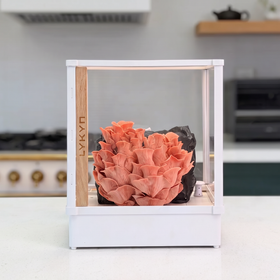
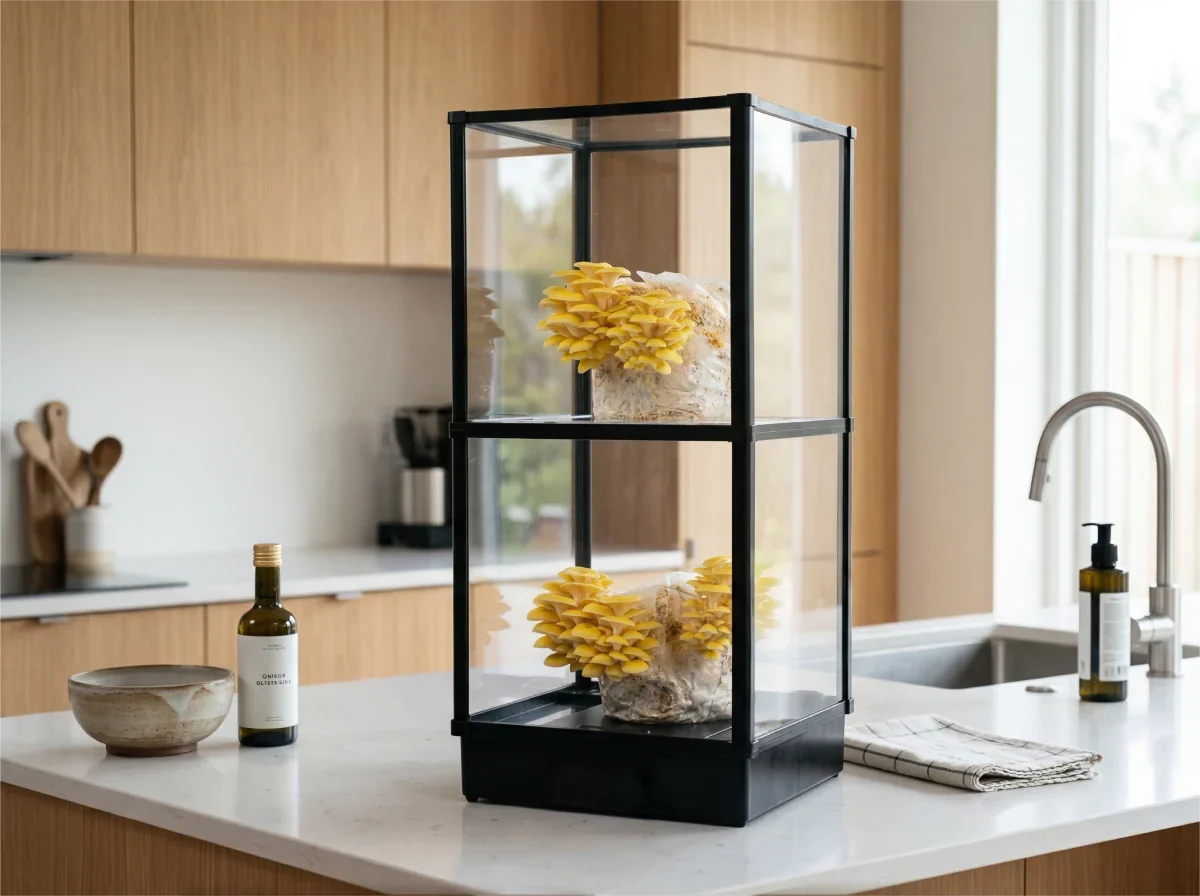
Smart Mushroom Grow Chamber
Plug-and-play smart chamber with humidity, light, and airflow dialed in for every species. Beginners harvest their first flush in days, not months.
Add to cart $299Regional Adaptation Strategies
Climate Zone Considerations
Tropical and Subtropical Regions
- Significant cooling requirements year-round
- High humidity often naturally available
- Air conditioning and refrigeration essential
- Energy costs can be substantial
Temperate Climate Zones
- Seasonal heating and cooling requirements
- Natural humidity may need supplementation
- Spring and fall conditions often ideal
- Winter heating considerations important
Arid and Semi-Arid Regions
- Major humidity generation requirements
- Cooling needs during hot seasons
- Water conservation and recycling important
- Completely controlled environment necessary
Seasonal Adaptation Requirements
Spring Conditions
- Gradual warming from winter dormancy
- Increasing photoperiods and light intensity
- Higher humidity needs as growth resumes
- Monitoring for pest and disease emergence
Summer Challenges
- Maximum cooling requirements
- Highest humidity generation needs
- Peak energy consumption periods
- Critical monitoring during heat waves
Fall Preparations
- Gradual reduction in temperature and photoperiod
- Preparing plants for winter dormancy
- Equipment maintenance before winter
- Harvest timing considerations
Winter Management
- Reduced lighting and temperature requirements
- Lower humidity needs during dormancy
- Equipment winterization and backup preparations
- Planning for spring restart
Troubleshooting Environmental Issues
Temperature-Related Problems
Overheating Symptoms
- Wilting despite adequate moisture
- Leaf edges browning or burning
- Accelerated disease development
- Poor root development
Cold Damage Indicators
- Stunted or stopped growth
- Leaf discoloration or purpling
- Increased susceptibility to diseases
- Delayed flowering and fruiting
Humidity and Air Quality Issues
Low Humidity Problems
- Leaf tip browning and desiccation
- Poor growth and development
- Increased pest susceptibility
- Premature leaf drop
Excessive Humidity Issues
- Fungal disease development
- Poor air quality and stagnation
- Algae growth on surfaces
- Equipment corrosion and damage
Lighting Problems
Light Burn Symptoms
- Bleached or yellowed leaf surfaces
- Leaf edge browning or crisping
- Stunted growth patterns
- Heat stress combination effects
Insufficient Light Issues
- Elongated, weak growth (etiolation)
- Poor leaf color and development
- Reduced flowering and fruiting
- Increased disease susceptibility
Equipment and Infrastructure Requirements
Essential Environmental Control Equipment
Temperature Control Systems
- Precision thermostats and controllers
- Heating and cooling equipment
- Insulation materials and systems
- Temperature monitoring devices
Humidity Control Equipment
- Ultrasonic humidifiers and foggers
- Dehumidifiers for excess humidity control
- Humidity sensors and controllers
- Air circulation and ventilation systems
Lighting Infrastructure
- LED or fluorescent growing lights
- Light timers and controllers
- Adjustable mounting systems
- Light meters for intensity measurement
Backup and Redundancy Systems
Power Backup Solutions
- Uninterruptible power supplies (UPS)
- Generator systems for extended outages
- Battery backup for critical sensors
- Automatic transfer switches
Equipment Redundancy
- Backup environmental control systems
- Spare sensors and monitoring equipment
- Emergency manual controls
- Rapid replacement procedures
Cost Considerations and Economics
Initial Setup Costs
Equipment Investment
- Environmental control systems: $2,000-10,000+
- Monitoring and automation: $500-2,000
- Growing containers and media: $200-500
- Lighting systems: $300-1,500
Infrastructure Costs
- Insulated growing space construction
- Electrical upgrades and installations
- Plumbing for water and drainage systems
- Ventilation and air handling systems
Operating Expenses
Energy Costs
- Cooling and heating electricity consumption
- Lighting system operation
- Humidification and air circulation
- Monitoring system power requirements
Maintenance and Replacement
- Filter replacements and cleaning supplies
- Equipment maintenance and repairs
- Sensor calibration and replacement
- Growing media and nutrient supplies
Success Factors and Best Practices
Critical Success Elements
Consistency Over Perfection
- Stable conditions more important than perfect parameters
- Avoid frequent adjustments and changes
- Maintain consistent care routines
- Patient, long-term approach essential
Quality Equipment Investment
- Reliable environmental control systems
- Accurate monitoring equipment
- Proper backup and redundancy systems
- Professional-grade components when possible
Common Failure Points
Environmental Instability
- Temperature fluctuations and extremes
- Humidity variations and inadequate levels
- Poor air quality and circulation
- Inconsistent lighting conditions
Equipment Failures
- Single points of failure in control systems
- Inadequate backup systems
- Poor maintenance routines
- Cheap or unreliable equipment choices
Conclusion
Mastering wasabi growing conditions requires understanding and precisely replicating the unique environmental parameters found in Japanese mountain stream habitats. Success depends on maintaining consistent temperature, humidity, lighting, and air quality conditions that closely mimic the plant's natural ecosystem.
The complexity of these requirements explains why wasabi cultivation remains challenging and why most commercial operations are limited to naturally suitable climates. However, with proper equipment, monitoring systems, and dedication to maintaining optimal conditions, successful indoor wasabi cultivation is achievable.
The key to success lies in investing in quality environmental control systems, implementing comprehensive monitoring, and maintaining the patience required for this slow-growing, demanding plant. While the initial investment and ongoing maintenance requirements are substantial, the rewards of successfully creating optimal wasabi growing conditions include producing one of the world's most valuable culinary ingredients.
Understanding that wasabi growing conditions are non-negotiable requirements rather than suggestions is essential for anyone serious about cultivating this extraordinary plant. Those willing to meet these demanding environmental requirements will be rewarded with the satisfaction of growing one of horticulture's most challenging species and enjoying the unparalleled flavor of fresh, authentic wasabi.
Fuel Your Mushroom Journey

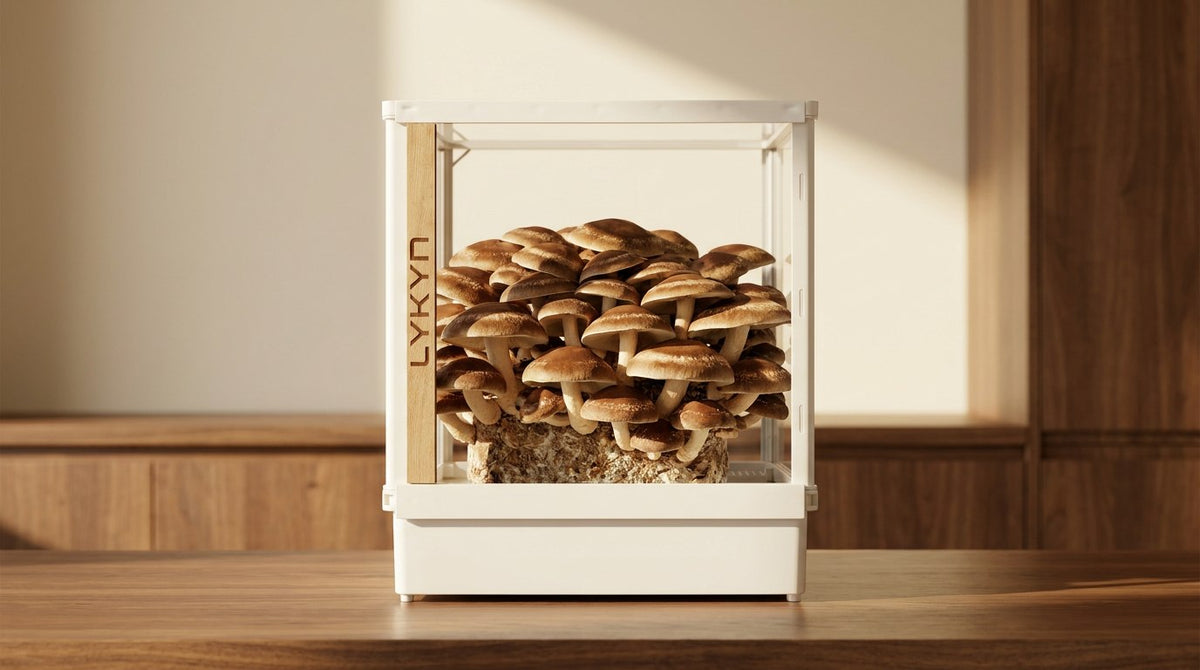
Smart Chamber. Bone White Single
- 2.8L tank, 90% humidity automatic
- App-controlled, plug-and-play
- 6 lb block ceiling, in stock

Smart Chamber. Obsidian Black Single
- Same hardware as Bone White
- Matte black premium finish
- Pairs with any kitchen palette






Share:
Growing Wasabi Indoors: The Ultimate Guide to Cultivating the World's Most Challenging Plant
Growing Wasabi Indoors: The Ultimate Guide to Cultivating the World's Most Challenging Plant