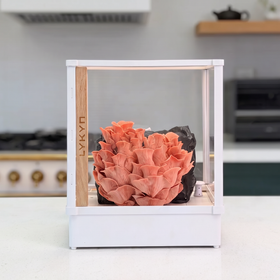



Ein Pilzzuchtzelt ist ein Gehäuse aus Stoff oder Kunststoff (meistens ein umgebautes Grow-Zelt oder ein Martha-Monotub-auf-Steroiden-Aufbau), das Ihrem beimpften Substrat eine kontrollierte Umgebung für die letzte Phase des Pilzanbaus bietet: Pinning, Fruchtbildung und Ernte. Zelte sind zum Standard-Upgrade-Pfad für Heimgärtner geworden, die ihre Schuhkarton-Monotubs überwachsen, aber noch nicht bereit sind, einen speziellen Fruchtraum zu bauen. Sie lösen ein bestimmtes Bündel von Problemen und schaffen ein paar neue, worum es in diesem Artikel geht.
Die direkte Antwort auf "was sind die Vorteile" ist, dass Fruchtzelte Ihnen zuverlässige Feuchtigkeit und Luftaustausch in einem geschlossenen Raum bieten, Ihre Ernte von einem einzigen Schuhkarton auf mehrere Blöcke gleichzeitig skalieren, die Anbauumgebung von Ihrem Wohnraum isolieren und Ihnen ermöglichen, Licht, Temperatur und Kontaminationsrisiko auf Weisen zu kontrollieren, wie es eine offene Arbeitsplatte niemals kann. Ob sie das richtige Werkzeug für Sie sind, hängt davon ab, was Sie anbauen und wie viel Sie manuell verwalten möchten.

Smart Chamber. Bone White Single
- 2,8L Tank, 90% automatische Luftfeuchtigkeit
- App-gesteuert, Plug-and-Play
- 6 lb Block-Decke, auf Lager

Smart Chamber. Obsidian Black Single
- Gleiche Hardware wie Bone White
- Mattschwarzes Premium-Finish
- Passt zu jeder Küchenpalette

Black Oyster Anzucht-Set
- Auf Lager
- Pinning in 3-5 Tagen
- Ersetzt einen Kammerzyklus
Vorteil 1: Stabile Luftfeuchtigkeit für empfindliche Arten
Die meisten Speisepilzarten benötigen beim Pinning eine relative Luftfeuchtigkeit von 85 bis 95 % und während der Fruchtbildung 80 bis 90 %. In einem offenen Raum können Sie diese Werte realistischerweise nicht erreichen, insbesondere in beheizter Innenluft im Winter (die oft unter 30 % Luftfeuchtigkeit liegt). Ein Fruchtzelt mit einem kleinen Ultraschallbefeuchter im Inneren kann die Zielfeuchtigkeit stundenlang halten, ohne Ihren Boden zu überfluten oder Holzmöbel zu verziehen.
Für Arten wie Löwenmähne, Austernpilz und Pioppino, die bei niedriger Luftfeuchtigkeit Ernteausfälle erleiden oder verkrustete, missgebildete Fruchtkörper entwickeln, ist ein Zelt die größte Qualitätsverbesserung, die Sie vornehmen können.
Vorteil 2: Kontrollierter Frischluftaustausch
Pilze produzieren beim Wachsen CO2, und hohe CO2-Werte führen zu klassischen Deformationen: lange Stiele, winzige Hüte, flauschige, seltsame Wucherungen anstelle von sauberen Früchten. Das feste Gehäuse eines Zeltes ermöglicht den Einsatz eines Niedervolumenlüfters mit Zeitschaltuhr (üblicherweise 4 bis 8 Luftwechsel pro Stunde) für einen vorhersehbaren Frischluftaustausch.
Dies ist ein enormer Vorteil gegenüber dem Fruchten in offenen Beuteln in einer Küche, wo der Luftstrom zufällig ist und davon abhängt, ob jemand durch den Raum gegangen ist. Mit einem Zelt ist Ihre CO2-Kontrolle über mehrere Zyklen hinweg reproduzierbar.
Vorteil 3: Skalierung ohne die Küche zu übernehmen
Sobald ein Heimgärtner zwei oder drei erfolgreiche Monotubs oder einzelne Beutel betrieben hat, möchte er fast immer mehr auf einmal anbauen. Ein 2x4 Fuß großes Fruchtzelt kann 4 bis 6 Fruchtblöcke gleichzeitig aufnehmen, was eine kontinuierliche Ernte-Rotation anstelle von Zeiten des Überflusses oder Mangels bedeutet. Ein 4x4 Fuß großes Zelt kann 12 bis 16 Blöcke aufnehmen, genug, um eine kleine CSA zu betreiben oder ein lokales Restaurant zu beliefern.
Das Zelt isoliert die Produktion von Ihrem Wohnraum, sodass Sie Ihr Hobby skalieren können, ohne dass Ihre Küche zu einer Pilzfarm wird.
Vorteil 4: Lichtkontrolle für Arten, die es benötigen
Einige Arten (Austernpilze, Shiitake, Pioppino) benötigen indirektes Licht, um die Fruchtbildung auszulösen und zu formen. Andere (Löwenmähne) sind weniger lichtabhängig, profitieren aber dennoch. Ein Zelt mit einer LED-Klemmleuchte mit Zeitschaltuhr bietet 12 Stunden konstantes indirektes Licht, was geradere Stiele, eine bessere Hutbildung und eine gleichmäßigere Erntezeit ermöglicht, als wenn man sich auf das Umgebungslicht des Raumes verlässt, das sich mit Wetter und Jahreszeit ändert.
Vorteil 5: Isolierung von Kontaminationen
Offenes Fruchten in einer Küche setzt Blöcke luftgetragenen Verunreinigungen aus: Trichoderma-Sporen aus Kompostbehältern, Aspergillus von Zimmerpflanzen, Spinnwebenpilz von früheren fehlgeschlagenen Anzuchten. Ein geschlossenes Zelt dient als physikalische Barriere und ermöglicht es Ihnen, es zwischen den Chargen mit 70% Isopropyl abzuwischen. Sie können das Zelt auch leicht mit versiegelter und App-gesteuerter Luft unter Druck setzen, um Verunreinigungen nach außen zu drücken, anstatt sie hereinwehen zu lassen.
Für Züchter in Wohnungen mit gemeinsamer Klimaanlage ist dies mehr als nur praktisch, es ist der Unterschied zwischen einem Hobby, das funktioniert, und einem, das ständig an Schimmelbefall scheitert.

Befeuern Sie Ihre Pilzreise
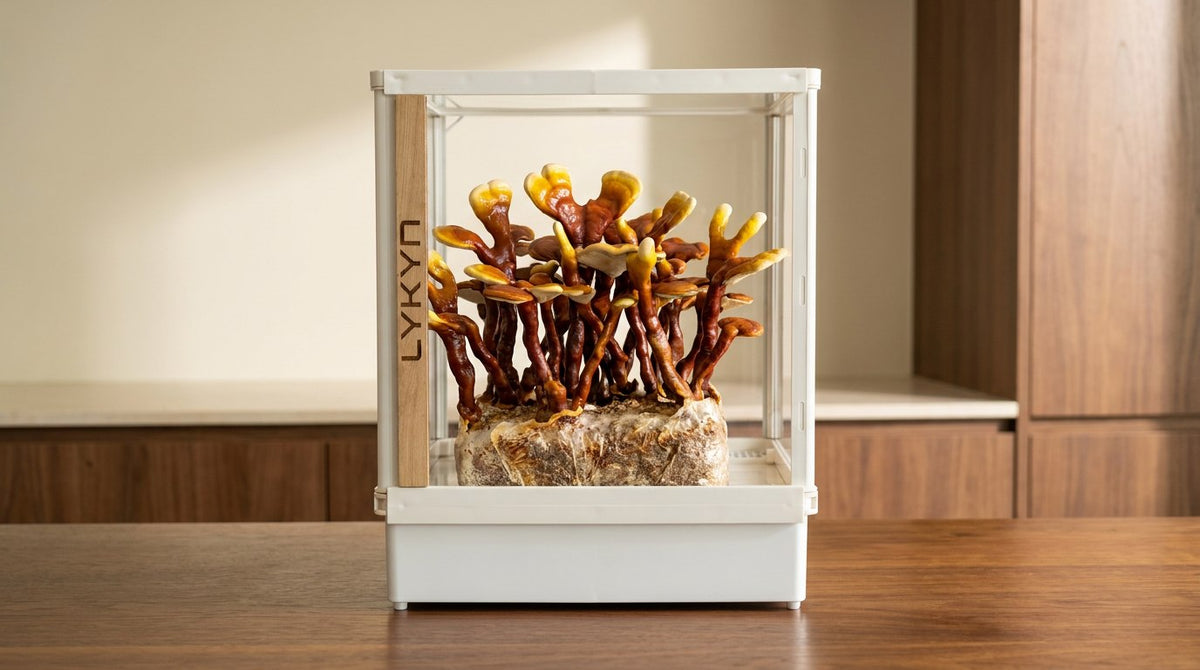
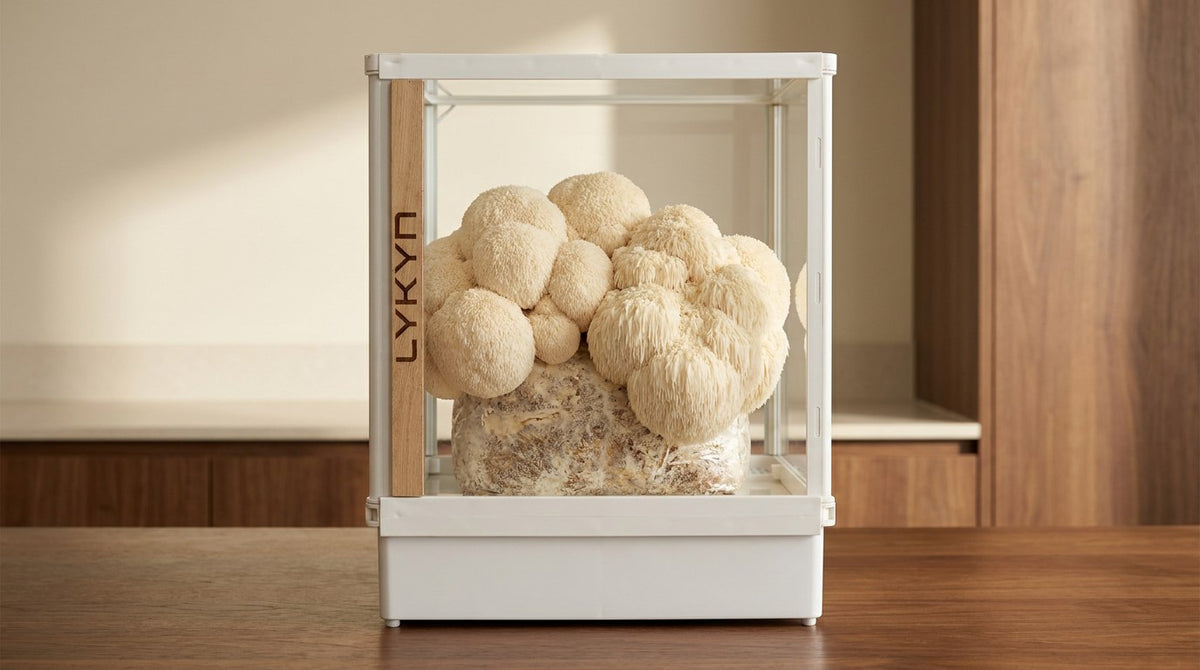
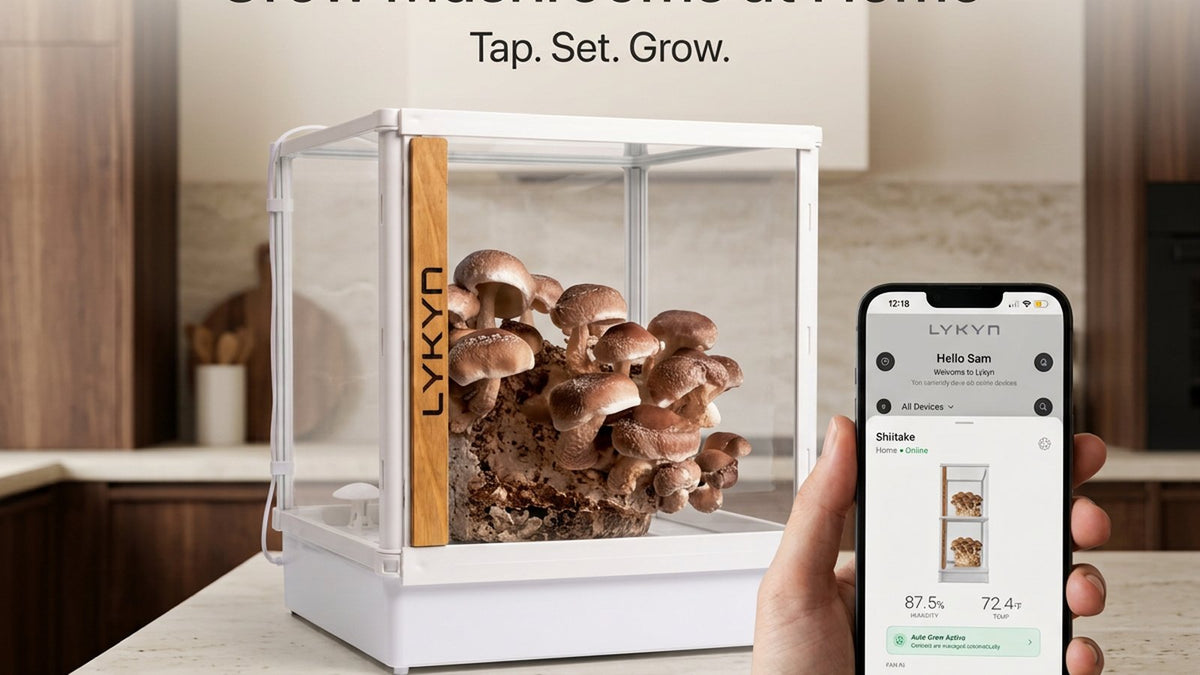
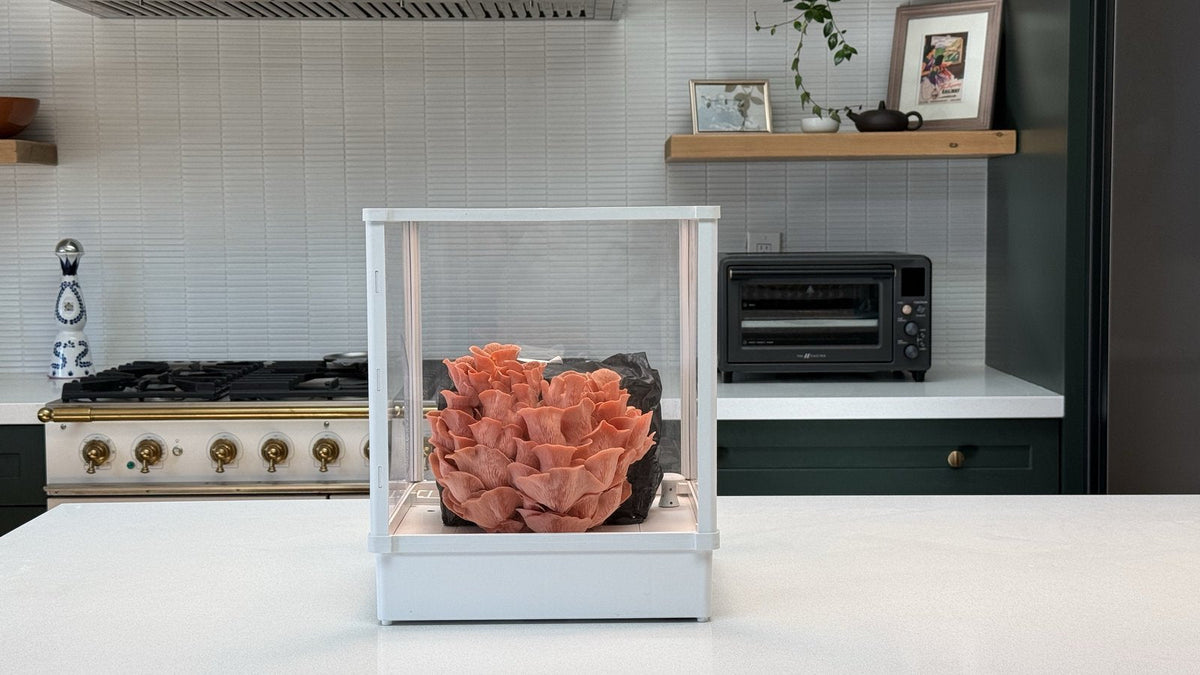
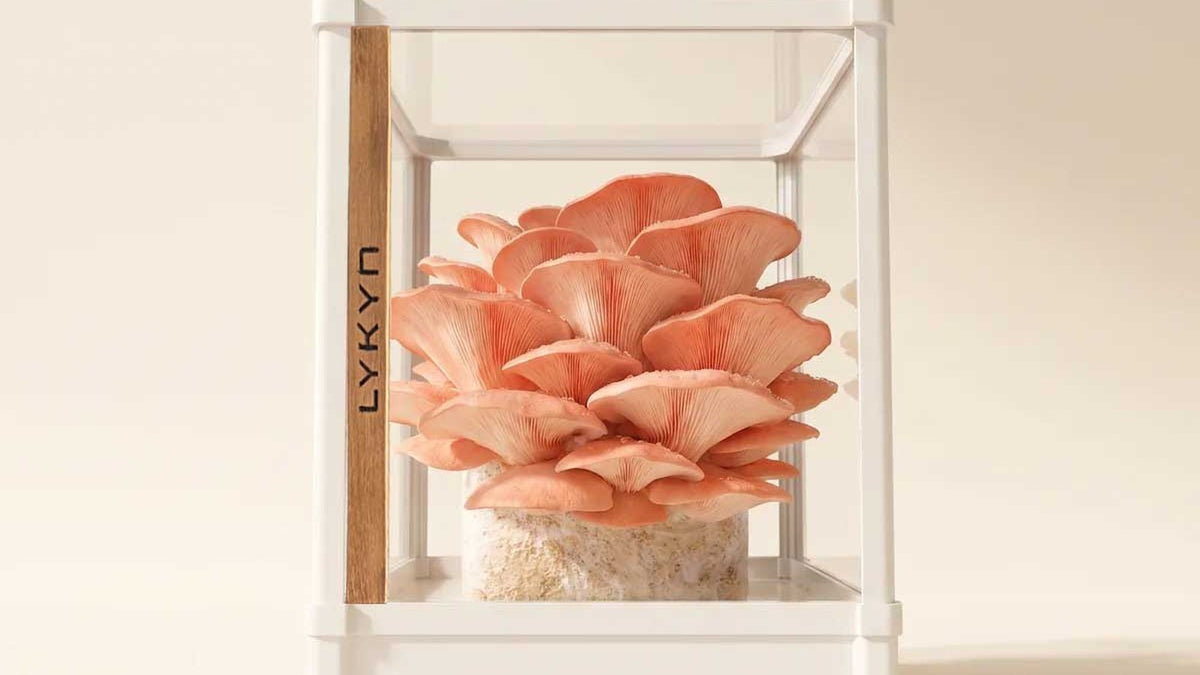
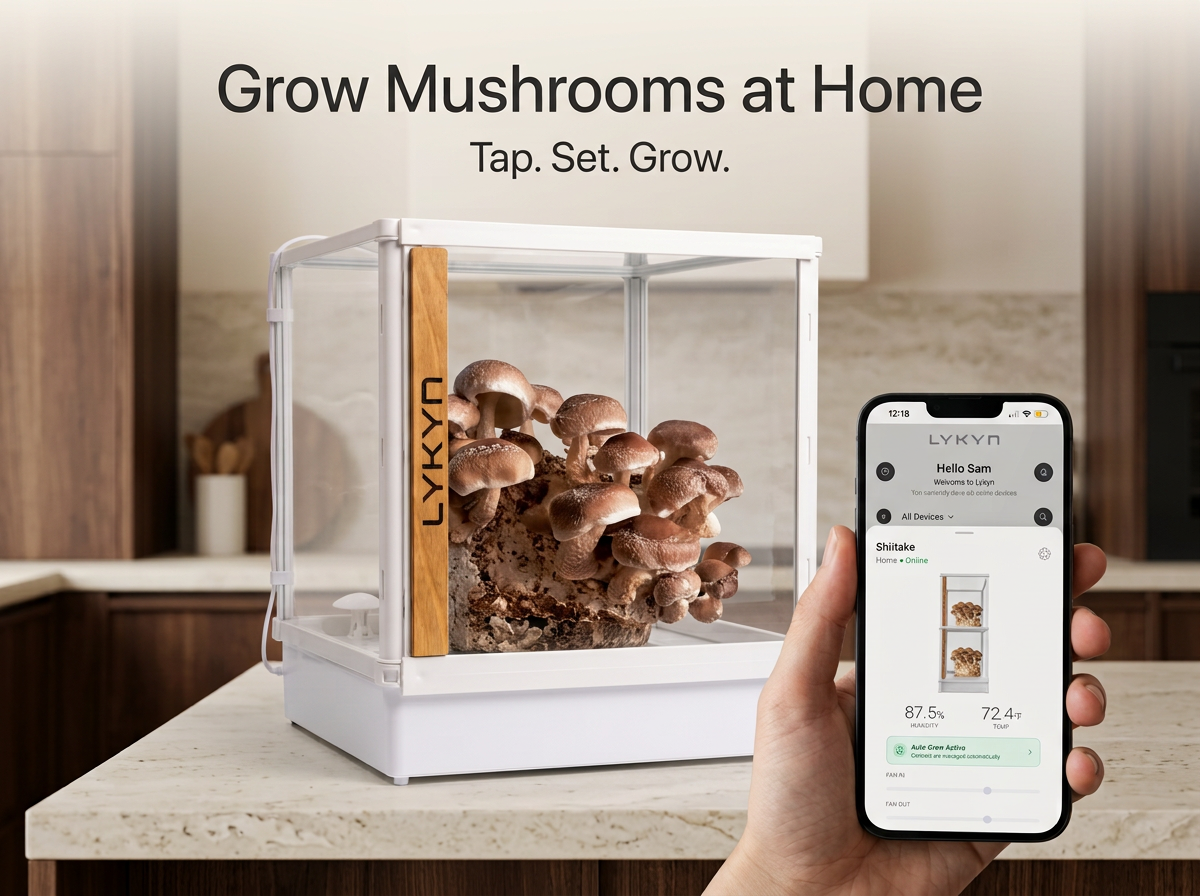
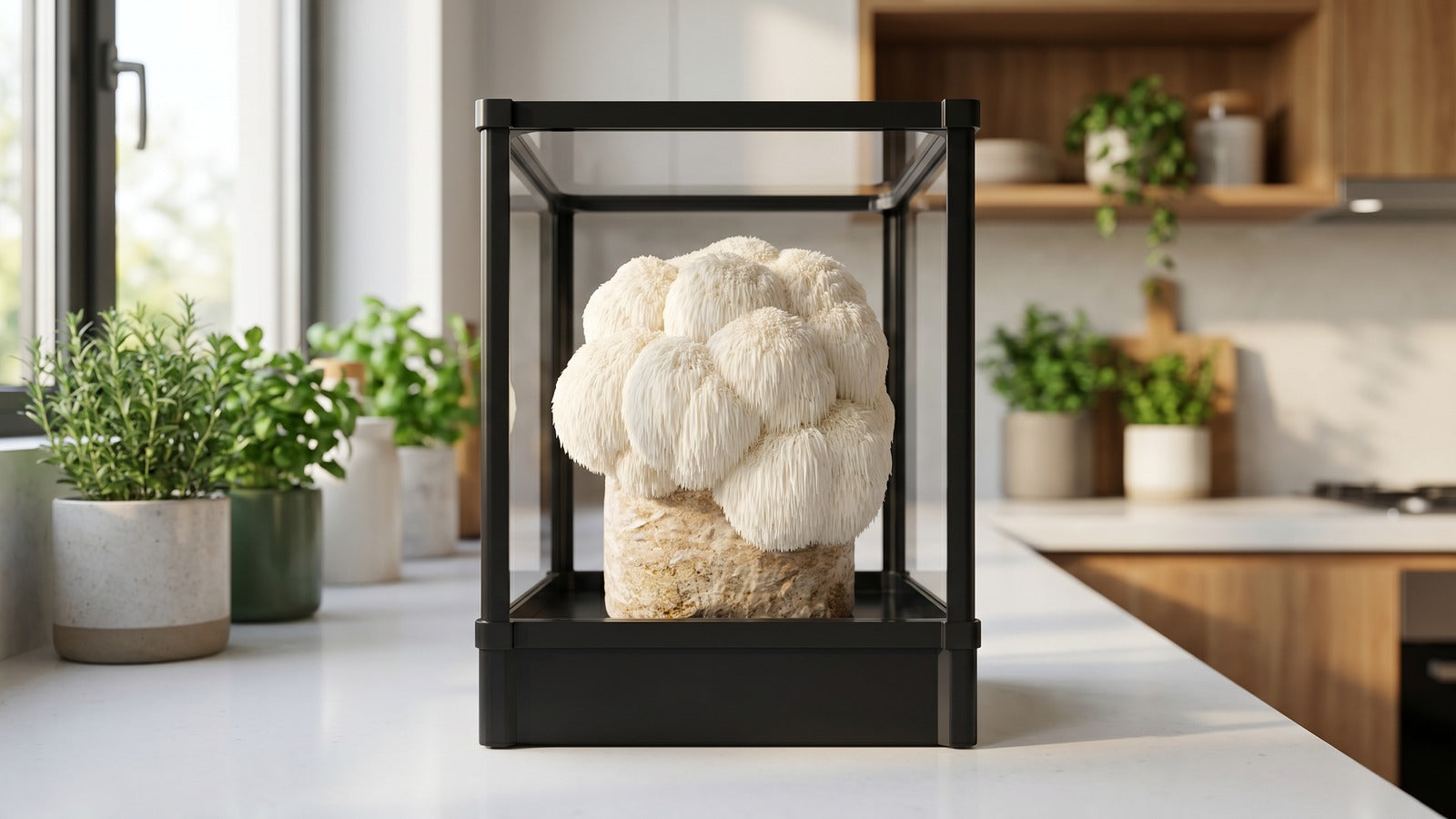
Intelligente Pilzzuchtkammer
Plug-and-Play Smart Chamber mit Feuchtigkeit, Licht und Luftstrom, abgestimmt auf jede Art. Anfänger ernten ihre erste Welle in Tagen, nicht Monaten.
In den Warenkorb $299Vorteil 6: Temperaturkontrolle mit weniger Aufwand
Ein Fruchtzelt ist ein kleiner, geschlossener Raum, in dem eine Heizung mit geringer Wattzahl oder eine Keimlingsheizmatte im Winter die Temperatur halten kann, und ein kleiner AC-Kanal oder ein tragbarer Verdunstungskühler sie im Sommer senken kann. Sie konditionieren einen Raum von 30 bis 60 Kubikfuß, nicht ein Haus von 1500 Quadratfuß. Das macht es wirtschaftlich machbar, die Fruchtungstemperaturen (60 bis 70 Grad Fahrenheit für die meisten Arten) das ganze Jahr über zu halten.
Vorteil 7: Weniger Unordnung, einfachere Reinigung
Pilzfrüchte werfen Sporen ab. Austernpilzsporen sind besonders für Menschen mit Atemwegsempfindlichkeiten eine echte Überlegung. Ein Zelt fängt Sporen in einer abgeschlossenen Umgebung ein, anstatt sie durch Ihre Küche schweben zu lassen. Die Reinigung besteht darin, die Zeltwände und die Bodenmatte abzuwischen, nicht Ihr Wohnzimmer gründlich zu reinigen.
Wenn jemand in Ihrem Haushalt Asthma oder Allergien hat, rechtfertigt dieser Vorteil allein das Zelt.
Vorteil 8: Eine Plattform für Experimente
Sobald Sie einen kontrollierten Raum haben, können Sie Parallelversuche durchführen: dieselbe Art bei zwei verschiedenen Feuchtigkeitseinstellungen, zwei Stämme derselben Art unter denselben Bedingungen oder eine einzelne Art bei unterschiedlichen CO2-Werten. Ein Zelt ermöglicht es Ihnen, Variablen zu isolieren, was in einer offenen Küche nicht möglich ist, und so verbessern Heimanbauer ihre Fähigkeiten.
Die ehrlichen Kompromisse
Fruchtzelte sind keine Magie, und es gibt echte Nachteile abzuwägen:
- Kosten: Ein komplettes Setup (Zelt, Luftbefeuchter, Ventilator, Steuerung, LED, Hygrometer) kostet zwischen 200 und 500 US-Dollar. Mehr, wenn Sie auf Klimaregler aufrüsten.
- Wartung: Sie müssen den Luftbefeuchter immer noch nachfüllen, wöchentlich reinigen, um Biofilm zu vermeiden, Lüfterfilter austauschen und die Umgebung überwachen. Es ist kein "Einrichten und vergessen".
- Platz: Selbst ein kleines Zelt ist 2 mal 2 mal 4 Fuß groß. In kleinen Wohnungen ist das echter Platz.
- Stromverbrauch: Ein ständig laufender Luftbefeuchter, Ventilator, LED und manchmal eine Heizung verbrauchen 50 bis 150 Watt. Nicht riesig, aber nicht umsonst.
- Lernkurve: Sie müssen immer noch die artspezifischen Feuchtigkeits- und CO2-Ziele verstehen. Das Zelt gibt Ihnen die Kontrollen, Sie müssen sie immer noch einstellen.
Wann ein Zelt die richtige Antwort ist
Ein Fruchtzelt ist die richtige Wahl, wenn Sie bereits zwei oder mehr Chargen gleichzeitig anbauen, Sie bei offenem Fruchten feuchtigkeitsbedingte Misserfolge erlebt haben, Sie auf Pilzsporen empfindlich reagieren, Sie auf 4+ Blöcke gleichzeitig skalieren möchten oder Sie experimentelle Vergleiche durchführen möchten.
Ein Fruchtzelt ist überdimensioniert, wenn Sie jeweils nur einen Block als Küchenhobby anbauen, Sie mit Ihrer aktuellen Einrichtung keine Feuchtigkeitsprobleme hatten oder Sie keine Zeit mit der Abstimmung der Hardware verbringen möchten.
Die einfachere Alternative für Gelegenheitsanbauer
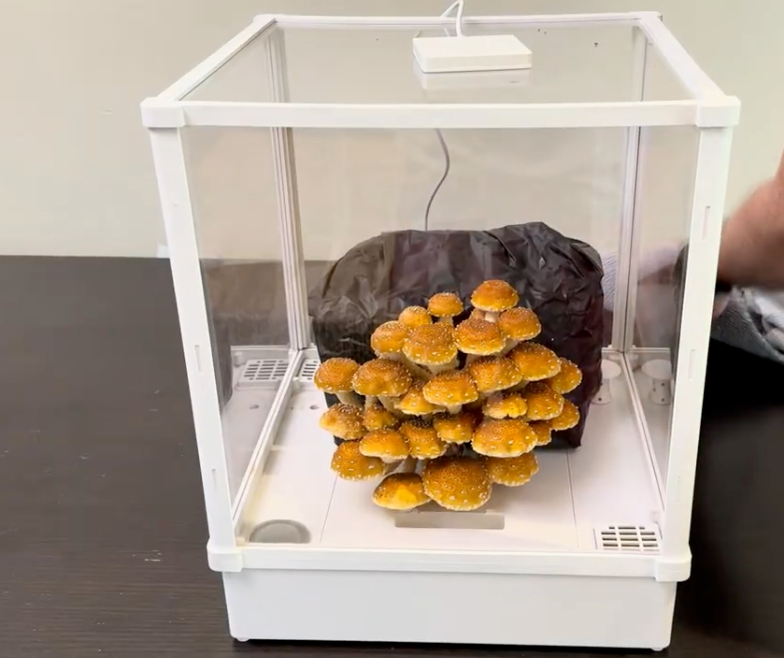
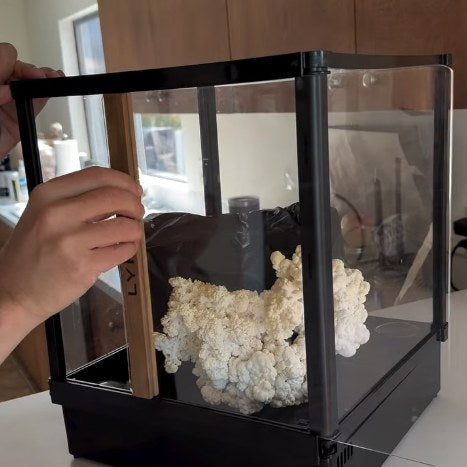
Wenn Sie die meisten Klimakontrollvorteile eines Fruchtzeltes ohne die manuelle Abstimmung wünschen, automatisiert ein geschlossenes Smart Grow Kit die Luftfeuchtigkeit, den Frischluftaustausch und die Beleuchtung für einen einzelnen Fruchtblock. Es tauscht Flexibilität (man kann nicht 6 Blöcke gleichzeitig betreiben) gegen Einfachheit (man muss nichts verwalten). Für Haushalte, die frische Pilze wünschen, ohne zu Hobby-Klimaingenieuren zu werden, ist das ein vernünftiger Ersatz. Stöbern Sie in den Pilzzucht-Kits, wenn ein kleineres, einfacheres geschlossenes System besser zu Ihrem Leben passt als ein Multiblock-Zelt.
Das Fazit
Fruchtzelte sind ein Upgrade-Werkzeug. Sie machen ein bereits funktionierendes Hobby zuverlässiger, skalierbarer und sauberer. Sie beheben keinen fehlerhaften Prozess, Sie müssen Ihre Arten und Ihre Umgebung immer noch verstehen. Aber sobald Sie bereit sind, mehr als einen Block gleichzeitig anzubauen oder zu viele Feuchtigkeitsprobleme in der offenen Luft hatten, ist ein Zelt die sauberste Lösung im Werkzeugkasten des Heimanbaus.

Aktie:
Die Vorteile der Verwendung eines Morchel-Zucht-Kits
Die Vorteile der Verwendung eines Morchel-Zucht-Kits