


Kurze Antwort
Pilze mit Krabbenfüllung sind in 30 Minuten fertig: Champignons oder Cremini säubern, Krabbenfleisch mit Frischkäse, Panko, Zitrone und Kräutern vermischen, großzügig in die Pilzkappen füllen und bei 400 Grad 12 bis 15 Minuten backen, bis die Oberseite goldbraun ist.

Pilze mit Krabbenfüllung sind der Inbegriff eleganter Vorspeisen: die luxuriöse Süße frischen Krabbenfleisches vereint sich mit dem erdigen, vollmundigen Geschmack perfekt zubereiteter Pilze zu raffinierten Gerichten, die Gäste stets beeindrucken und jedem Essen eine besondere Note verleihen. Diese exquisiten Vorspeisen sind zu einem Synonym für gehobene Küche, besondere Anlässe und Gourmet-Veranstaltungen geworden und bieten die perfekte Balance aus Geschmack, Textur und optischer Raffinesse, die sie sowohl Meeresfrüchte-Liebhaber als auch Feinschmecker unwiderstehlich macht.
Die Faszination von Pilzen mit Krabbenfüllung reicht weit über ihren außergewöhnlichen Geschmack hinaus und umfasst auch ihre bemerkenswerte Vielseitigkeit und ihr großes Potenzial für ansprechende Präsentationen. Ob als elegante Vorspeisen bei Cocktailpartys, als raffinierte Vorspeisen bei mehrgängigen Menüs oder als optische Highlights bei besonderen Anlässen – diese raffinierten Kreationen bieten stets Ergebnisse in Restaurantqualität und zeugen sowohl von kulinarischem Können als auch von anspruchsvollem Geschmack.

Die Kunst, perfekte Pilze mit Krabbenfüllung zuzubereiten, erfordert ein sicheres Gespür für die Auswahl der Zutaten, die Zubereitungstechniken, die Abstimmung der Aromen und die Präsentation, um aus einfachen Zutaten außergewöhnliche kulinarische Erlebnisse zu kreieren. Von der Wahl der optimalen Pilzsorten und erstklassigen Krabbenfleisches bis hin zur Entwicklung harmonischer Geschmacksprofile und der perfekten Zubereitung – jeder Aspekt trägt zu unvergesslichen Gerichten bei, die das Beste aus der Küche von Meeresfrüchten und Pilzen hervorheben.
Wichtige Zutaten für perfekte Pilze mit Krabbenfüllung

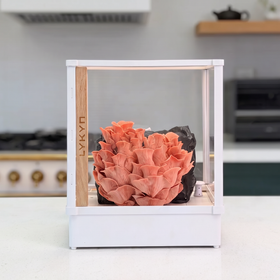
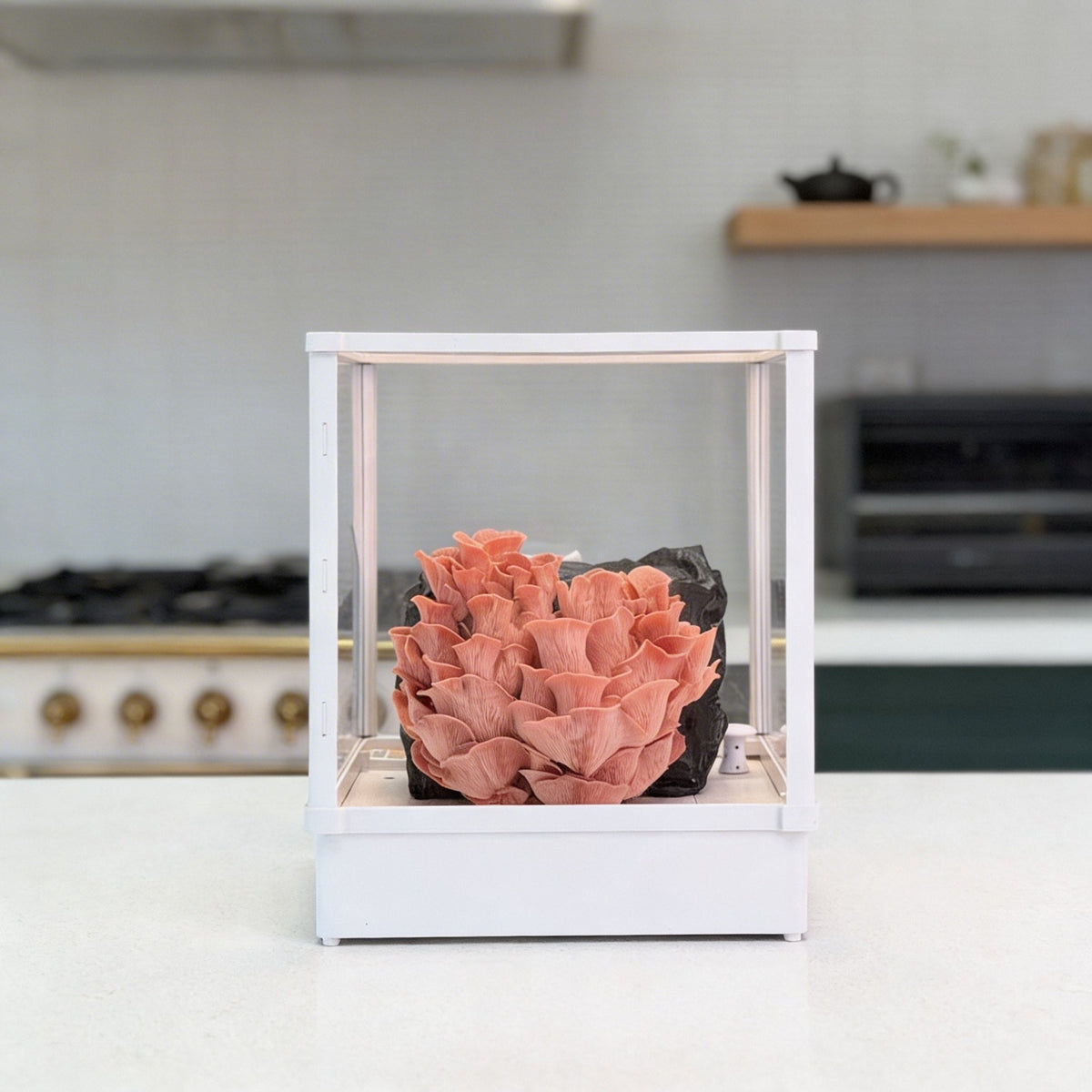
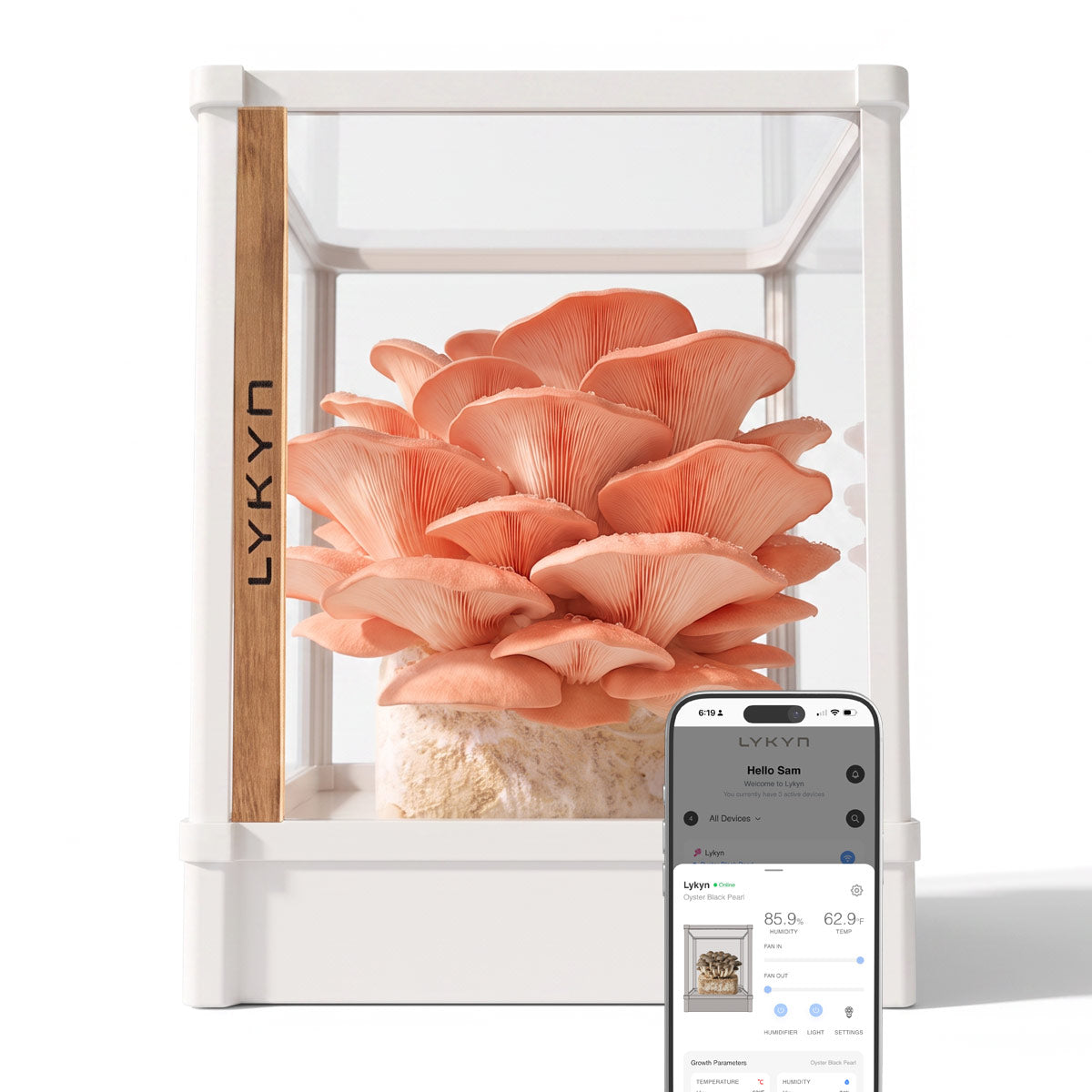
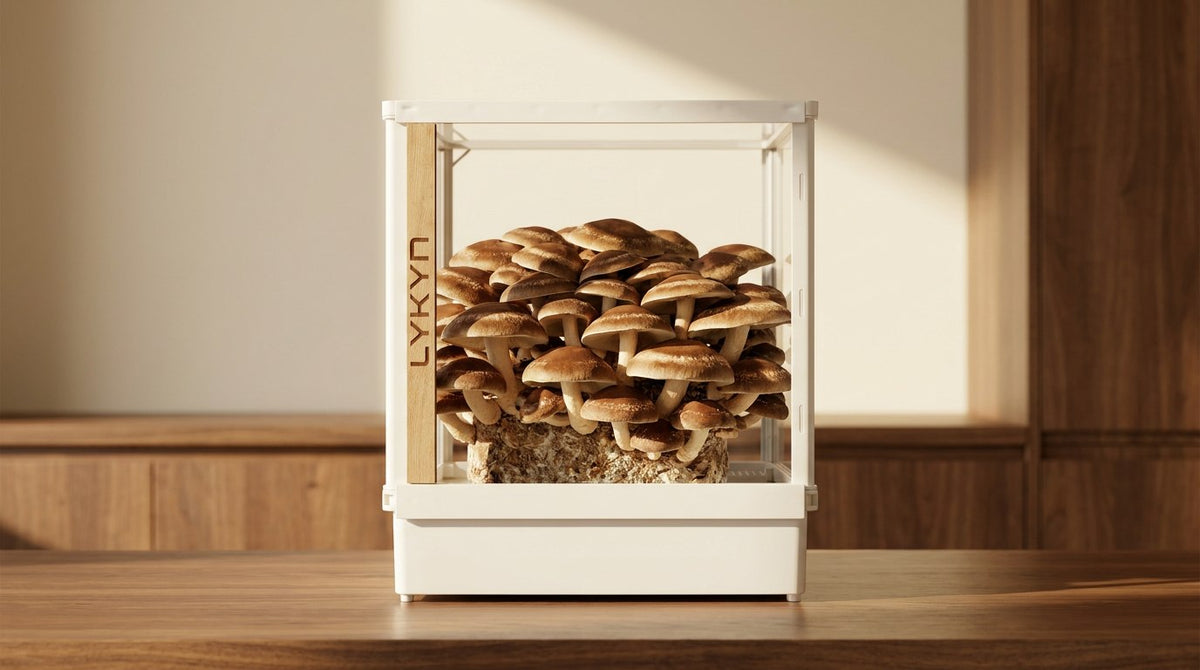
Smart Chamber. Bone White Single
- 2,8-Liter-Behälter, automatische 90 % Luftfeuchtigkeit
- App-gesteuert, Plug-and-Play
- 6-Pfund-Block-Decke, auf Lager

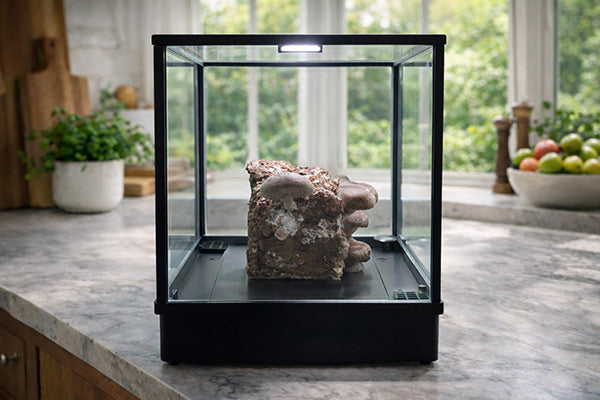
Smart Chamber. Obsidian Black Single
- Diesel Hardware wie Bone White
- Hochwertiges mattschwarzes Finish
- Passend zu jeder Kücheneinrichtung

Black Oyster Grow Kit
- Auf Lager
- Versand in 3–5 Tagen
- Ersetzt einen Kammerzyklus
Auswahl erstklassigen Krabbenfleisches
Die Qualität des Krabbenfleisches ist entscheidend für den Erfolg von Pilzen mit Krabbenfüllung:
Arten von Krabbenfleisch:
- Lump-Krabbenfleisch – hochwertige Stücke mit hervorragender Textur und optischer Qualität
- Jumbo-Lump-Krabbenfleisch – besonders große Stücke mit beeindruckender Optik und süßem Geschmack
- Backfin-Krabbenfleisch – eine Mischung aus Stücken und Flocken mit gutem Preis-Leistungs-Verhältnis und angenehmer Textur
- Klauenfleisch – eine aromatische Variante mit etwas anderer Textur und kräftigem Geschmack
- Frisch vs. pasteurisiert – Verständnis der Qualitätsunterschiede und Zubereitungsanforderungen
Kriterien zur Qualitätsbeurteilung:

- Frischemerkmale – süßes Meeresaroma ohne fischigen oder ammoniakartigen Geruch
- Texturprüfung – feste, intakte Stücke, die gut zusammenhalten
- Farbechtheit – strahlend weißes Fleisch mit minimalen Verfärbungen
- Entfernung von Schalenresten – gründliche Reinigung für ein angenehmes Esserlebnis
- Herkunftsprüfung – Auswahl seriöser Anbieter und nachhaltiger Krabbenquellen
Zubereitungstechniken:
- Schonende Handhabung – Erhalt der Stücke beim Reinigen und Vermischen
- Feuchtigkeitsmanagement – Entfernung überschüssiger Flüssigkeit, ohne das Fleisch auszutrocknen
- Temperaturkontrolle – Einhaltung der richtigen Kühlbedingungen bis zur Zubereitung
- Gewürzüberlegungen – Verständnis dafür, wie Krabbenfleisch auf verschiedene Gewürze reagiert
- Mengenplanung – Berechnung der passenden Mengen für verschiedene Pilzgrößen
Auswahl der optimalen Pilzsorten
Verschiedene Pilzsorten bieten einzigartige Vorteile für die Füllung:
Baby Bella Pilze (Cremini):
- Größeneinheitlichkeit – gleichmäßige Abmessungen, perfekt für Vorspeisenportionen
- Geschmacksprofil – erdiger Geschmack, der die Krabbe ergänzt, ohne sie zu überdecken
- Textureigenschaften – feste Struktur, die die Füllung während des Garens gut hält
- Verfügbarkeit – das ganze Jahr über in den meisten Lebensmittelgeschäften erhältlich
- Kosteneffizienz – erschwingliche Option für größere Feiern
Große weiße Champignons:
- Substanzielle Größe – viel Platz für Füllzutaten
- Mildes Aroma – neutraler Geschmack, der die Krabbe in den Mittelpunkt rückt
- Robuste Struktur – zuverlässige Zubereitung ohne Zusammenfallen
- Klassische Wahl – traditionelle Option für gefüllte Pilze
- Breite Verfügbarkeit – in praktisch allen Lebensmittelgeschäften zu finden
Portobello-Pilzkappen:
- Beeindruckende Größe – perfekt für die Präsentation als Einzelportion
- Fleischige Textur – vollmundiges Mundgefühl, das als Vorspeise oder leichte Mahlzeit sättigt
- Kräftiges Aroma – erdige Tiefe, die reichhaltige Krabbenzubereitungen ergänzt
- Elegante Präsentation – anspruchsvolles Aussehen für gehobene Küche
- Vielseitigkeit – für Vorspeisen und Hauptgerichte gleichermaßen geeignet
Spezielle Pilzsorten:
- Shiitake-Pilze – asiatisch inspirierte Zubereitungen mit umamiger Tiefe
- Königsohr-Pilze – einzigartige Textur und beeindruckende Optik
- Pfifferlinge – saisonale Luxusoption für besondere Anlässe
- Morcheln – Frühlingsdelikatesse für die exklusivsten Zubereitungen
- Gemischte Sorten – Kombination verschiedener Arten für komplexe Geschmacksprofile
Basisrezept für klassische Pilze mit Krabbenfüllung
Traditionelle Zubereitung
Der klassische Ansatz bildet die Grundlage für unzählige Variationen:
Wichtige Grundzutaten:
- 1 Pfund frisches Lump-Krabbenfleisch gereinigt und von Schalenresten befreit
- 24 große Pilzkappen Stiele entfernt und bei Bedarf Lamellen gekratzt
- 1/2 Tasse Semmelbrösel vorzugsweise frisch und selbstgemacht für die beste Textur
- 1/4 Tasse Mayonnaise von hoher Qualität für Reichhaltigkeit und Bindung
- 2 Esslöffel Frischkäse für eine geschmeidige Vermischung weich gemacht
- 2 Frühlingszwiebeln fein gehackt für Farbe und mildes Zwiebelaroma
- 1 Esslöffel frischer Zitronensaft für Frische und zur Geschmacksverstärkung der Krabbe
- 1 Teelöffel Old-Bay-Gewürzmischung klassische Meeresfrüchte-Gewürzmischung
Schritt-für-Schritt-Zubereitung:
- Pilze vorbereiten – Kappen säubern, Stiele entfernen und bei Bedarf Lamellen entfernen
- Krabbenmischung zubereiten – Krabbenfleisch vorsichtig mit den Bindemitteln vermischen
- Geschmack ausbalancieren – Aromen so anpassen, dass Krabbe und Pilze sich gegenseitig ergänzen
- Fülltechnik – Pilzkappen füllen, ohne sie zu überladen
- Topping auftragen – bei Bedarf Käse oder Semmelbrösel als Topping hinzufügen
- Backvorgang – bei optimaler Temperatur garen, um perfekte Ergebnisse zu erzielen
Fortgeschrittene Techniken zur Verfeinerung
Professionelle Techniken, die die einfache Zubereitung aufwerten:
Pilze aufwerten:
- Vorgaretechniken – Pilzkappen leicht anbraten, um überschüssige Feuchtigkeit zu entfernen
- Gewürzaufnahme – Pilzkappen salzen und kurz abtropfen lassen
- Geschmack intensivieren – Kappen mit Kräuterölen oder Wein bestreichen
- Texturoptimierung – ideale Pilztextur für eine optimale Füllung erzielen
- Optische Aufwertung – für eine ansprechende Präsentation Kappen einritzen oder dekorativ zuschneiden
Raffinierteste Füllung:
- Texturvielfalt – verschiedene Texturen in die Krabbenmischung einarbeiten
- Geschmackskomplexität – durch die Auswahl der Zutaten mehrere Geschmacksnoten erzeugen
- Bindung optimieren – perfekte Konsistenz für eine einfache Handhabung und ein angenehmes Esserlebnis erzielen
- Temperaturmanagement – während des gesamten Garvorgangs die richtige Kerntemperatur sicherstellen
- Finish-Techniken – letzte Handgriffe, die Geschmack und Präsentation gleichermaßen aufwerten
Gourmet-Variationen und kreative Anpassungen
Internationale Geschmacksprofile
Pilze mit Krabbenfüllung an verschiedene kulinarische Traditionen anpassen:
Mediterrane Inspirationen:
- Griechischer Stil mit Feta, Oliven und frischen Kräutern
- Italienischer Einfluss mit Parmesan, Basilikum und sonnengetrockneten Tomaten
- Spanische Variationen mit Manchego-Käse und gerösteten Paprikas
- Französische Techniken mit klassischen französischen Kräutern und Weinreduktionen
- Orientalische Elemente mit Pinienkernen, Kräutern und aromatischen Gewürzen
Asiatische Fusion-Ansätze:
- Japanischer Stil mit Miso, Ingwer und Sesam
- Thailändischer Einfluss mit Zitronengras, Koriander und dezent scharfen Zutaten
- Chinesische Techniken mit Sojasauce, Reiswein und asiatischem Gemüse
- Koreanische Variationen mit Gochujang und fermentierten Aromen
- Vietnamesische Inspirationen mit frischen Kräutern und klaren, frischen Aromen
Regionale amerikanische Spezialitäten:
- Südstaaten-Stil mit Bourbon, Pekannüssen und regionalen Gewürzen
- New-England-Ansatz mit Sahne, Kräutern und traditionellen Aromen aus New England
- Pazifischer Nordwesten mit regionalen Pilzen und Krabbenarten aus dem Pazifischen Nordwesten
- Südwestlicher Einfluss mit Chilis, Limetten und mexikanisch inspirierten Gewürzen
- Kalifornischer Stil mit frischen, leichten Aromen und saisonalen Zutaten
Strategien zur Anpassung an Ernährungsbedürfnisse
Rezepte an verschiedene Ernährungsbedürfnisse und Vorlieben anpassen:
Low-Carb- und Keto-Varianten:
- Alternativen zu Semmelbröseln mit zerstoßenen Schweinerücken, Nüssen oder Samenmehl
- Bindemittelanpassungen mit mehr Käse oder alternativen Bindemitteln
- Gemüseergänzungen mit Low-Carb-Gemüse für Textur und Nährwert
- Fettzugabe mit gesunden Fetten für Sättigung und geschmackliche Fülle
- Portionsgrößen berücksichtigen mit Anpassung der Portionsgrößen an die Makronährstoffverhältnisse der ketogenen Ernährung
Glutenfreie Anpassungen:
- Alternative Semmelbrösel mit glutenfreiem Brot oder glutenfreien Cracker
- Bindemittel mit Gewährleistung, dass alle Zutaten als glutenfrei zertifiziert sind
- Gewürzprüfung mit Überprüfung, ob alle Gewürzmischungen glutenfrei sind
- Vermeidung von Kreuzkontaminationen mit strikter Einhaltung glutenfreier Zubereitungspraktiken
- Mehlalternativen mit alternativen Bindemitteln bei Bedarf
Milchfreie Optionen:
- Alternativen zu Mayonnaise mit veganer Mayonnaise oder Bindemitteln auf Avocado-Basis
- Käsealternativen mit Nährhefe oder milchfreien Käsealternativen
- Sahnealternativen mit Kokoscreme oder anderen pflanzlichen Alternativen
- Geschmacksverstärkung zur Kompensation der Geschmacksintensität von Milchprodukten
- Texturerhalt für die richtige Konsistenz ohne herkömmliche Milchprodukte
Gartechniken und Temperaturkontrolle
Optimale Backmethoden
Perfekte Textur und Geschmack durch die richtigen Gartechniken:
Temperatur und Timing:
- Wichtigkeit des Vorheizens für die richtige Ofentemperatur vor dem Backen
- Optimale Temperatur 375°F (190°C) für die meisten Zubereitungen
- Garzeit in der Regel 15-20 Minuten, je nach Größe der Pilze
- Kerntemperatur für die sichere Erwärmung der Krabbenmischung auf 165°F (74°C)
- Visuelle Anzeichen zur Erkennung des richtigen Gargrades anhand von Veränderungen im Aussehen
Auswahl und Vorbereitung des Backgefäßes:
- Auswahl des Backgefäßes für eine gleichmäßige Hitzeverteilung
- Hinweise zur Antihaftbeschichtung zur Vermeidung von Anhaften bei gleichzeitiger ausreichender Bräunung
- Abstandsanforderungen für eine ausreichende Luftzirkulation zwischen den Pilzen
- Feuchtigkeitsmanagement zur Vermeidung matschiger Böden
- Einfaches Herausnehmen für ein unbeschädigtes Entfernen der Pilze
Alternative Garmethoden
Verschiedene Gartechniken für unterschiedliche Ergebnisse:
Grillanwendungen:
- Direktes Grillen über mittlerer Hitze für einen rauchigen Geschmack
- Indirekte Methoden mit kühleren Zonen für ein sanftes, gleichmäßiges Garen
- Grillpfannenoptionen für das Grillen in Innenräumen das ganze Jahr über
- Räucherzusätze mit Holzchips für eine komplexere Geschmacksnote
- Temperaturüberwachung für ein optimales Garen ohne Anbrennen
Techniken für den Grillbraten:
- Abstandmanagement für die optimale Positionierung zum Grillheizelement
- Präzises Timing für kurze Garzeiten, die ständige Aufmerksamkeit erfordern
- Kontrolle der Bräunung für goldbraune Oberseiten ohne Überbacken
- Sicherheitsaspekte zur Vermeidung von Anbrennen bei gleichzeitigem optimalen Garen
- Feinschliff mit Grillbraten für die abschließende Bräunung und Textur
Anpassungen für Heißluftfritteusen:
- Temperatureinstellungen zur Anpassung der Garparameter an die Bedingungen der Heißluftfritteuse
- Anpassungen der Garzeit aufgrund der effizienten Hitzezirkulation
- Anordnung im Korb für ein gleichmäßiges Garen
- Texturergebnisse für den Erhalt der Feuchtigkeit bei gleichzeitigem Erreichen der gewünschten Oberflächenbeschaffenheit
- Energieeffizienz durch Nutzung der Vorteile der Heißluftfritteuse für kleinere Mengen
Präsentations- und Servierstrategien
Elegante Anrichttechniken
Professionelle Präsentationsmethoden für eine ansprechendere Optik:
Individuelle Präsentation:
Bringen Sie Ihre Pilzreise in Schwung
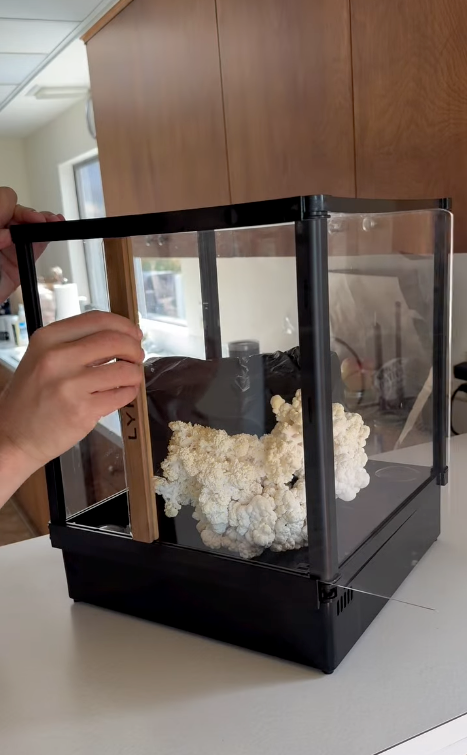
Smarte Pilzzuchtkammer
Plug-and-play smarte Kammer mit individuell eingestellter Luftfeuchtigkeit, Beleuchtung und Luftzirkulation für jede Pilzart. Anfänger ernten ihre erste Ernte in wenigen Tagen, nicht erst nach Monaten.
In den Warenkorb legen: 299 $- Auswahl des Tellers für passende Serviergeschirr für Einzelportionen
- Platzierung der Garnitur für eine strategische Anordnung von Kräutern, Saucen und dekorativen Elementen
- Farbkoordination für eine ausgewogene Optik und einen stärkeren Appetit
- Portionsgrößen für angemessene Mengen in verschiedenen Essenssituationen
- Serviertemperatur für optimale Genussbedingungen
Buffet- und Partypräsentationen:
- Plattenarrangements für ansprechende Präsentationen beim Servieren in Gruppen
- Höhenvariation für optische Abwechslung und bessere Zugänglichkeit
- Strategien zum Warmhalten für die Beibehaltung der richtigen Temperaturen bei längerem Servieren
- Portionskontrolle für einfaches Servieren und angemessene Portionsgrößen
- Nachschubsysteme für eine kontinuierliche Verfügbarkeit bei Veranstaltungen
Anwendungen in der gehobenen Küche:
- Integration in den Menügang für die Einbindung in mehrgängige Menüs
- Saucenanwendungen mit passenden Saucen, die den Geschmack verfeinern, ohne ihn zu überlagern
- Mikrogrün-Garnituren für frische, zarte Akzente
- Saisonale Dekorationen für eine zeitgemäße Präsentation
- Überlegungen zur Weinbegleitung für die Auswahl passender Getränke
Passende Beilagen
Unterstützende Elemente für ein rundes kulinarisches Erlebnis:
Passende Saucen:
- Zitronen-Butter-Sauce als klassische Ergänzung, die sowohl den Geschmack von Krabben als auch Pilze verfeinert
- Hollandaise-Variationen als reichhaltige, cremige Saucen für luxuriöse Präsentationen
- Weinreduktionen als konzentrierte, geschmacksintensive Saucen für mehr Raffinesse
- Kräuteröle als leichte, aromatische Beilagen, die feine Geschmäcker nicht überlagern
- Zitrus-Vinaigrettes als frische, säuerliche Kontraste zu reichhaltigen Zutaten
Koordination der Beilagen:
- Passende Salate als leichte, frische Salate zu reichhaltigen Vorspeisen
- Gemüsebeilagen als saisonales Gemüse für farbliche und nährstoffliche Abrundung
- Brotvarianten als passende Brotsorten, die das Gericht ergänzen, statt mit ihm zu konkurrieren
- Suppen-Gänge als leichte Suppen, die den Gaumen auf reichhaltige Vorspeisen vorbereiten
- Getränkebegleitung mit Weinen, Cocktails und alkoholfreien Optionen zur Geschmacksverfeinerung
Beschaffung von Zutaten und Qualitätsmanagement
Auswahl hochwertiger Zutaten
Identifizierung und Beschaffung von Zutaten höchster Qualität:
Beschaffung von Krabbenfleisch:
- Lokale Lieferanten für zuverlässige Bezugsquellen mit besonders frischen Produkten
- Saisonale Aspekte für das Verständnis der Hochsaison verschiedener Krabbenarten
- Nachhaltigkeitsfaktoren für die Wahl umweltverträglicher Krabbenquellen
- Preis im Vergleich zur Qualität für die Abwägung von Kosten und Qualitätsanforderungen
- Lagerung und Handhabung zur Qualitätssicherung vom Kauf bis zur Zubereitung
Auswahl der Pilze:
- Frischeindikatoren zur Erkennung der frischesten Pilze für optimale Ergebnisse
- Einheitliche Größe für gleichmäßiges Garen und ansprechendes Anrichten
- Bio-Optionen für die Vorteile von Bio-Pilzen für Geschmack und Gesundheit
- Saisonale Verfügbarkeit für das Verständnis, wann verschiedene Sorten ihre Hochphase erreichen
- Lagertipps zur Erhaltung der Pilzqualität bis zur Zubereitung
Qualität der unterstützenden Zutaten:
- Käseauswahl für passende Käsesorten zu verschiedenen Zubereitungsarten
- Frische der Kräuter für die Verwendung frischer Kräuter gegenüber getrockneten für eine optimale Geschmacksintensität
- Qualität der Gewürze für die Auswahl hochwertiger Gewürze und Gewürzmischungen
- Auswahl von Öl und Fett für die Verwendung hochwertiger Öle und Fette zur Geschmacksverfeinerung
- Semmelbröselvarianten für die Herstellung frischer Semmelbrösel gegenüber kommerziellen Alternativen
Strategien zum Kostenmanagement
Abwägung von Qualität und Budget für verschiedene Anlässe:
Budgetfreundliche Ansätze:
- Alternativen zu Krabbenfleisch für die Verwendung verschiedener Güteklassen oder Sorten zur Kosteneinsparung
- Großeinkauf für den Kauf größerer Mengen, wenn die Lagerung dies zulässt
- Saisonale Planung für den Einkauf von Zutaten zu günstigen Preisen
- Strategien für Ersatzprodukte für die Verwendung ähnlicher Zutaten, wenn Premiumprodukte nicht verfügbar sind
- Portionsoptimierung für die Maximierung der Portionen bei gleichzeitiger Einhaltung der Qualitätsstandards
Investitionen für besondere Anlässe:
- Planung besonderer Veranstaltungen für die Investition in höchste Qualität zu wichtigen Anlässen
- Luxuriöse Zutaten für die Einbindung hochwertiger Elemente für unvergessliche Erlebnisse
- Optimierung der Präsentation für die Hinzufügung eleganter Akzente, die höhere Kosten rechtfertigen
- Wahrnehmung der Gäste für das Verständnis, wann höhere Kosten einen angemessenen Mehrwert bieten
- Skalierbarkeit von Rezepten für die Anpassung von Rezepten an verschiedene Gruppengrößen und Budgets
Richtlinien für Lagerung, Vorbereitung und Aufwärmen
Zeitplanung der Zubereitung
Optimierung der Zubereitungspläne für stressfreies Gastgeben:
Strategien für die Vorbereitung:
- Vorbereitung der einzelnen Komponenten für die separate Vorbereitung der einzelnen Elemente
- Zeitpunkt der Zusammenstellung für das optimale Timing zum Füllen der Pilze vor dem Garen
- Lagermethoden für die richtige Aufbewahrung vorbereiteter Komponenten
- Erhalt der Qualität für die Bewahrung von Frische und Geschmack während der Lagerung
- Abschließendes Garen für das Timing des finalen Garens für die optimale Serviertemperatur
Vorbereitung am Tag des Anlasses:
- Zeitplanung für die Organisation der Aufgaben für eine effiziente Durchführung am Tag des Anlasses
- Temperaturmanagement für die Beibehaltung der richtigen Temperaturen während der gesamten Zubereitung
- Letzte Ergänzungen für die Identifizierung von Elementen, die frisch hinzugefügt werden müssen
- Aufwärmprotokolle für Aufwärmmethoden, die die Qualität erhalten
- Koordination des Servierens für das Timing mehrerer Gerichte für das gleichzeitige Servieren
Lagerung und Verwaltung von Resten
Richtige Handhabung vorbereiteter Krabben-gefüllter Pilze:
Richtlinien für die Kühlung:
- Lagerdauer für sichere Aufbewahrungszeiten für vorbereitete Gerichte
- Auswahl des Behälters für die Wahl geeigneter Aufbewahrungsbehälter
- Temperaturüberwachung für die Beibehaltung der richtigen Kühltemperatur
- Qualitätsbeurteilung für die Erkennung, wann Reste entsorgt werden sollten
- Lebensmittelsicherheit für die Einhaltung sicherer Lebensmittelhandhabungsrichtlinien für Fischgerichte
Aufwärmtechniken:
- Aufwärmen im Ofen für die besten Methoden zur Erhaltung von Textur und Geschmack
- Hinweise zur Mikrowelle für schnelles Aufwärmen bei gleichzeitiger Erhaltung der Qualität
- Temperaturüberprüfung für die Sicherstellung der richtigen Kerntemperatur nach dem Aufwärmen
- Erhalt der Textur für die Beibehaltung der gewünschten Textureigenschaften
- Geschmackserhalt für Techniken zur Bewahrung der ursprünglichen Geschmacksprofile
Überlegungen zum Einfrieren:
- Bewertung der Eignung zum Einfrieren für das Verständnis, welche Zubereitungen sich gut einfrieren lassen
- Anpassungen der Zubereitung für bessere Ergebnisse beim Einfrieren
- Verpackungsmethoden für die richtige Aufbewahrung im Gefrierschrank
- Auftauprotokolle für sichere und effektive Auftauverfahren
- Qualitätserwartungen für realistische Erwartungen an gefrorene und aufgewärmte Gerichte
Nährwertvorteile und gesundheitliche Aspekte
Analyse des Nährstoffprofils
Verständnis der gesundheitlichen Vorteile von Krabben-gefüllten Pilzen:
Proteingehalt:
- Hochwertiges Protein für vollständige Aminosäureprofile aus Krabbenfleisch
- Unterstützung der Muskulatur für ausreichende Proteinzufuhr zur Erhaltung und zum Aufbau der Muskelmasse
- Vorteile für das Sättigungsgefühl für einen Proteingehalt, der ein Gefühl von Sättigung und Zufriedenheit fördert
- Unterstützung des Stoffwechsels für die Rolle von Protein bei der Erhaltung eines gesunden Stoffwechsels
- Erholungsnährstoffe für die Vorteile von Protein für die Regeneration nach dem Training
Mikronährstoffdichte:
- Reichtum an Selen für den wirksamen Schutz vor oxidativem Stress durch Krabben und Pilze
- B-Vitamin-Gehalt für die Unterstützung des Energiestoffwechsels und der Nervenfunktion
- Mineralstoffgehalt für Zink, Kupfer und andere für die Gesundheit essenzielle Spurenelemente
- Vitamin D für natürlich vorkommendes Vitamin D in Pilzen
- Omega-3-Fettsäuren für vorteilhafte Fette aus Krabbenfleisch zur Unterstützung der Herz- und Gehirngesundheit
Vorteile funktioneller Lebensmittel:
- Unterstützung des Immunsystems für Beta-Glucane aus Pilzen zur Unterstützung der Immunfunktion
- Schutz vor oxidativen Schäden für Verbindungen, die vor Zellschäden schützen
- Entzündungshemmende Wirkungen für Inhaltsstoffe, die möglicherweise helfen, Entzündungen zu reduzieren
- Herzgesundheit für Nährstoffe, die das Wohlbefinden des Herz-Kreislauf-Systems unterstützen
- Gehirnfunktion für Verbindungen, die möglicherweise die kognitive Gesundheit unterstützen
Strategien zur Anpassung an Ernährungsbedürfnisse
Anpassung von Rezepten an verschiedene Gesundheits- und Ernährungsbedürfnisse:
Herzgesunde Anpassungen:
- Reduzierung von Natrium für die Verwendung von Kräutern und Gewürzen anstelle von übermäßigem Salz
- Integration gesunder Fette für die Verwendung vorteilhafter Öle und die Reduzierung gesättigter Fette
- Überlegungen zum Cholesterin für das Verständnis des Cholesteringehalts und seiner Auswirkungen
- Portionskontrolle für angemessene Portionsgrößen zur Unterstützung der Herz-Kreislauf-Gesundheit
- Nährstoffanreicherung für die Zugabe herzgesunder Zutaten wie Omega-3-Fettsäuren
Anwendungen zur Gewichtskontrolle:
- Kalorienkontrolle für das Verständnis des Kaloriengehalts und der Auswirkungen von Portionsgrößen
- Optimierung des Sättigungsgefühls für die Verwendung von Zutaten, die ein Sättigungsgefühl fördern
- Nährstoffdichte für die Maximierung der Nährstoffe pro verbrauchter Kalorie
- Bewusstsein für Portionsgrößen für angemessene Portionsgrößen zur Unterstützung von Gewichtsmanagementzielen
- Gesunde Alternativen für die Reduzierung von Kalorien bei gleichzeitiger Erhaltung der Zufriedenheit
Fazit: Die Kunst der Krabben-gefüllten Pilze meistern
Mit Krabben gefüllte Pilze sind die perfekte Kombination aus luxuriösen Zutaten und unkomplizierten Zubereitungsmethoden. Sie ergeben raffinierte Vorspeisen, die stets beeindruckende Ergebnisse liefern und dennoch für Hobbyköche aller Erfahrungsstufen gut machbar sind. Die Kombination aus süßem, zartem Krabbenfleisch und erdigen, vollmundigen Pilzen bietet eine Grundlage für unendliche Kreativität und Variationen und sorgt dafür, dass diese eleganten Gerichte nie zur Routine werden oder vorhersehbar sind.
Die Vielseitigkeit von mit Krabben gefüllten Pilzen reicht über die einfache Zubereitung hinaus und umfasst internationale Geschmacksanpassungen, Ernährungsbedürfnisse und Präsentationsmöglichkeiten, die sie für alles geeignet machen – von ungezwungenen Familientreffen bis hin zu den formellsten Anlässen. Wer die grundlegenden Techniken versteht und zugleich kreative Variationen ausprobiert, kann eigene Spezialitäten entwickeln, die den persönlichen Geschmack und kulturelle Einflüsse widerspiegeln.
Der Erfolg von mit Krabben gefüllten Pilzen hängt letztendlich von hochwertigen Zutaten, der richtigen Technik und einer durchdachten Präsentation ab. Dank der verzeihenden Grundzubereitung können jedoch selbst Kochanfänger mit sorgfältiger Liebe zum Detail Ergebnisse in Restaurantqualität erzielen. Die beeindruckende Optik und der außergewöhnliche Geschmack perfekt zubereiteter Pilze mit Krabbenfüllung sorgen dafür, dass sie weiterhin einen festen Platz als eine der beliebtesten und wirkungsvollsten Vorspeisen im kulinarischen Repertoire einnehmen werden.
Ob für intime Dinnerpartys, große Feiern oder einfach, um alltägliche Mahlzeiten mit einem Hauch von Luxus aufzuwerten – mit Pilzen mit Krabbenfüllung meistern Kochprofis ein zuverlässiges, beeindruckendes Gericht, das die besten Aspekte der Land- und Meeresküche zelebriert und zugleich unvergessliche kulinarische Erlebnisse schafft, nach denen die Gäste immer wieder verlangen werden.

Häufig gestellte Fragen
Welche Krabbenart eignet sich am besten für Pilze mit Krabbenfüllung?
Für das beste Ergebnis eignen sich Lump oder Jumbo Lump: süßes, großes Fleisch in Stücken, das Gäste sofort erkennen, wenn sie die Vorspeise aufnehmen. Backfin (eine etwas weniger hochwertige Sorte) und Krabbenklauschinken aus der Dose funktionieren ebenfalls, aber achten Sie darauf, sie gut abtropfen zu lassen und nach Schalenresten zu durchsuchen.
Kann ich Pilze mit Krabbenfüllung vorbereiten?
Ja. Füllen Sie die Pilze und stellen Sie sie bis zu 24 Stunden vorher abgedeckt im Kühlschrank auf. Backen Sie sie direkt aus dem Kühlschrank und verlängern Sie die Backzeit um 3 bis 5 Minuten. Die Füllung kann ebenfalls zwei Tage vorher zubereitet und eine Stunde vor dem Backen in die Pilze gefüllt werden.
Wie verhindere ich, dass Pilze mit Krabbenfüllung wässrig werden?
Vorbacken Sie die leeren Pilzköpfe fünf Minuten lang bei 400 Grad, um die erste Flüssigkeit abzugeben, und lassen Sie die Köpfe anschließend abtropfen, bevor Sie sie füllen. Ein Esslöffel Panko oder geriebener Parmesan in der Füllung absorbiert ebenfalls überschüssige Feuchtigkeit.
Welche Pilzgröße eignet sich am besten?
Cremini oder weiße Champignons mit einem Durchmesser von 1,5 bis 2 Zoll sind ideal: klein genug für ein oder zwei Bissen, groß genug für einen großzügigen Löffel Füllung. Bewahren Sie die Stiele auf, hacken Sie sie und geben Sie sie zur Füllung, damit nichts verschwendet wird.
Was serviere ich zu Pilzen mit Krabbenfüllung?
Eine Beilage aus Zitronenaioli oder Remoulade, ein spritziger Weißwein wie gekühlter Sauvignon Blanc und ein einfacher Rucolasalat gleichen die reichhaltige Füllung aus. Sie passen auch wunderbar auf eine Charcuterie- oder eine festliche Vorspeisenplatte.
Füllen Sie die frischesten Cremini oder Champignons
Je frischer die Pilzköpfe sind, desto mehr Füllung halten sie, ohne Flüssigkeit abzugeben. Die Lykyn Smart Chamber und ein 5-Pfund-Pilz-Anzuchtset sorgen dafür, dass Sie stets eine frische Auswahl auf Ihrer Küchenzeile haben.



Aktie:
Gefüllte Portobello-Pilze: Ein Gourmet-Erlebnis für zu Hause
Stinkmorchel: Ein faszinierender, einzigartiger Pilz