


Morcheln haben den Ruf, unkooperativ zu sein. Wildsammler verfolgen jahrelang Schneeschmelze, Bodentemperatur und Brandnarben, bevor sie sie konstant finden, und Hobbygärtner haben Jahrzehnte damit verbracht, diese Magie in einem kontrollierten Raum zu reproduzieren. Der schrittweise Anbau von Morcheln ist nicht unmöglich, aber es ist nichts Vergleichbares zum Anbau von Austern- oder Löwenmähnenpilzen. Es erfordert Geduld, ein Outdoor-Beet und die Bereitschaft, ein ganzes Jahr zu warten, bevor man einen einzigen Pilz sieht.
Hier ist die ehrliche, wissenschaftlich fundierte Anleitung, wie Morcheln zu Hause angebaut werden, was funktioniert, was nicht und wo die meisten Anfänger scheitern.

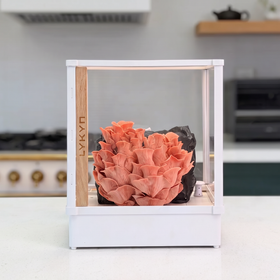
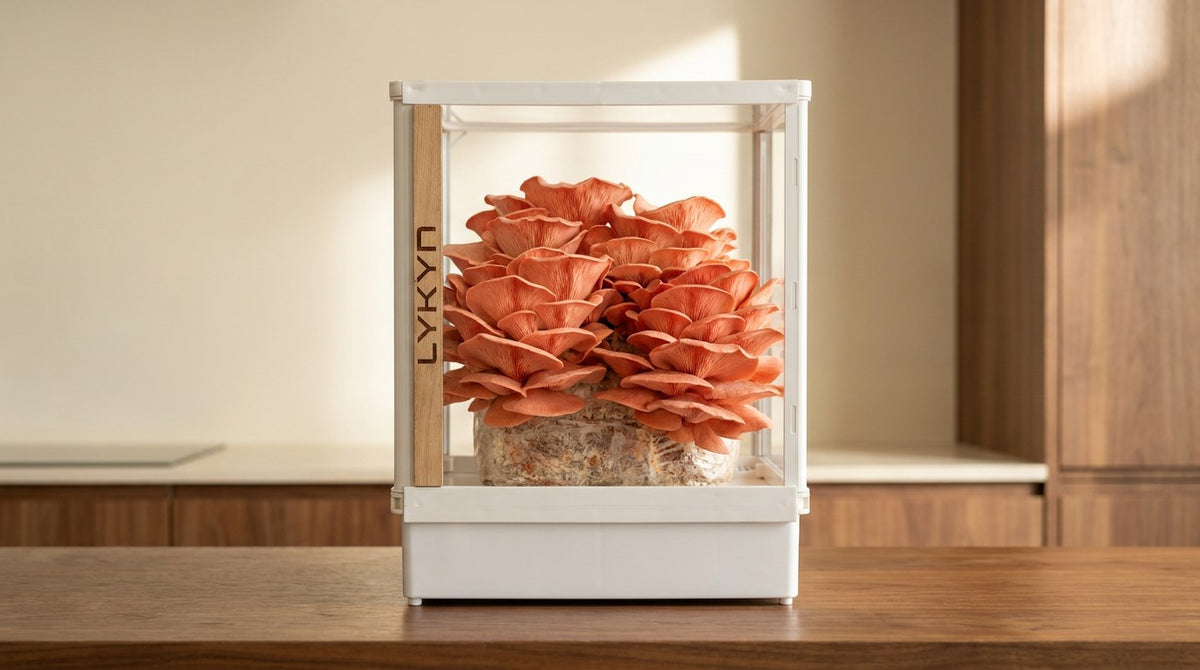
Smart Chamber. Bone White Single
- 2,8 L Tank, 90 % automatische Luftfeuchtigkeit
- App-gesteuert, Plug-and-Play
- 6 lb Block Deckenplatte, auf Lager

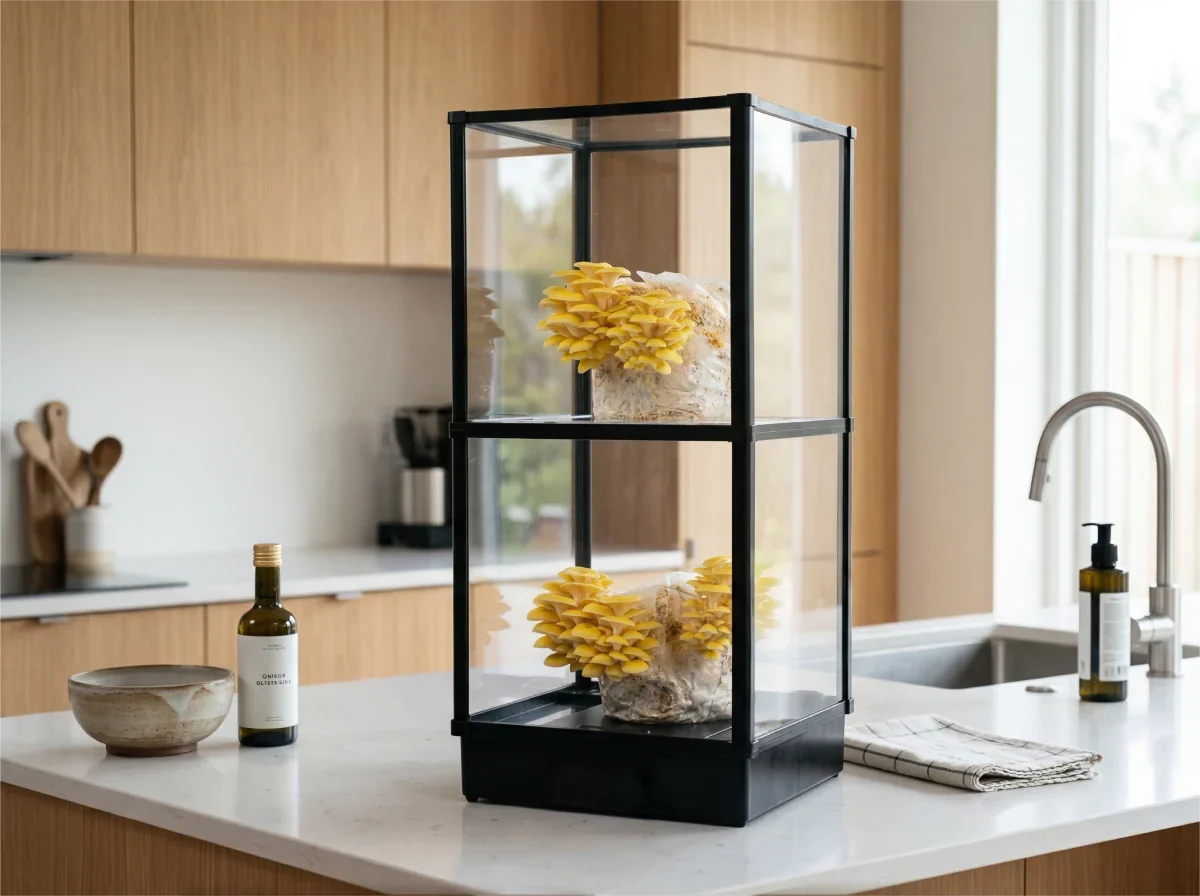
Smart Chamber. Obsidian Black Single
- Gleiche Hardware wie Bone White
- Mattes schwarzes Premium-Finish
- Passt zu jeder Küchenpalette

Black Oyster Grow Kit
- Auf Lager
- Pin in 3–5 Tagen
- Ersetzt 1 Kammerzyklus
Warum Morcheln anders sind
Die meisten kultivierten Pilze (Champignons, Austernpilze, Shiitake, Löwenmähne) sind Saprophyten, die totes Holz oder Stroh zersetzen. Morcheln sind fakultativ mykorrhizische Pilze, was bedeutet, dass sie komplexe Beziehungen zu Baumwurzeln, Bodenmikroben und saisonalen Wetterreizen eingehen. Sie fruchten nicht auf Abruf, wie Austernpilze, und können nicht drinnen in einem Glas oder Beutel angebaut werden.
Die beiden Arten, die tatsächlich zu Hause kultivierbar sind, sind Morchella rufobrunnea und Morchella importuna, manchmal auch als Landschaftsmorchel und schwarze Morchel bezeichnet. Es gibt andere Arten, aber nur diese beiden wurden zuverlässig in Gartenbeeten produziert.
Schritt 1: Den richtigen Standort wählen
Morcheln benötigen Halbschatten, gut durchlässigen Boden und ein stabiles Mikroklima. Der ideale Standort ist die Nord- oder Ostseite eines Gebäudes, der Rand einer Baumreihe oder unter einem Laubdach, das im Frühjahr ausschlägt. Vermeiden Sie volle Sonne, tiefe Stellen, in denen sich Wasser sammelt, und Bereiche, in denen Haustiere oder Kinder das Beet zertrampeln.
Der Boden sollte leicht alkalisch sein, mit einem pH-Wert zwischen 7,0 und 7,8. Wenn Ihr Boden sauer ist, arbeiten Sie mehrere Wochen vor der Pflanzung landwirtschaftlichen Kalk ein. Sandiger Lehm ist immer besser als schwerer Ton, da Morcheln Sauerstoff im Wurzelbereich benötigen.
Schritt 2: Das Beet vorbereiten
Ein 4 mal 4 Fuß großes Beet ist die kleinste praktikable Größe, und größer ist besser. Graben Sie 6 bis 8 Zoll tief, entfernen Sie Steine und Wurzeln und verbessern Sie den Boden mit der folgenden Mischung pro 16 Quadratfuß:
- 2 Tassen Hartholzasche (Apfel, Eiche oder Ahorn, kein Kiefer)
- 1 Tasse Gips
- 2 Tassen Torfmoos oder Kokosfasern
- 4 Tassen teilweise zersetzte Hartholzspäne
Mischen Sie die Zusätze in die oberen 4 Zoll des Bodens ein. Das Ziel ist eine lockere, leicht alkalische, organisch reiche Schicht, die den Boden unter einem kürzlich abgebrannten Hartholzbestand nachahmt. Viele wilde Morcheln fruchten nach Waldbränden reichlich, und die Aschechemie ist einer der Gründe.
Schritt 3: Mit Substrat impfen
Kaufen Sie frische Morchel-Körnerbrut von einem seriösen Anbieter. Die Brut sollte aktiv, weiß mit sichtbarem Myzel sein und innerhalb weniger Wochen nach dem Kauf verwendet werden. Ein Liter Brut bedeckt etwa 10 bis 15 Quadratfuß.
Verteilen Sie die Brut gleichmäßig über das vorbereitete Beet und harken Sie sie dann vorsichtig in die oberen ein bis zwei Zoll des Bodens. Wässern Sie das Beet tiefgründig, so dass der Boden vollständig feucht, aber nicht durchnässt ist. Bedecken Sie es mit einer 1 Zoll dicken Schicht Hartholzspäne, um den Feuchtigkeitsverlust zu verlangsamen.
Die Pflanzung im Frühjahr (April oder Mai, wenn die Bodentemperaturen 50 Grad Fahrenheit erreichen) ist traditionell, aber auch die Herbstpflanzung funktioniert in milderen Klimazonen. Das Myzel benötigt Monate, um sich zu etablieren, bevor die Fruchtungsbedingungen eintreten.
Schritt 4: Wartung im ersten Jahr
Dies ist der schwierigste Teil. Nach der Inokulation verbringt das Morchelmyzel etwa 10 bis 14 Monate damit, das Beet zu besiedeln, bevor es fruchten kann. Während dieses Jahres werden Sie fast nichts tun, außer das Beet leicht feucht zu halten (denken Sie an feuchtes Laubstreu, niemals durchnässt) und es vor Tritt zu schützen.

Treibe deine Pilzreise an
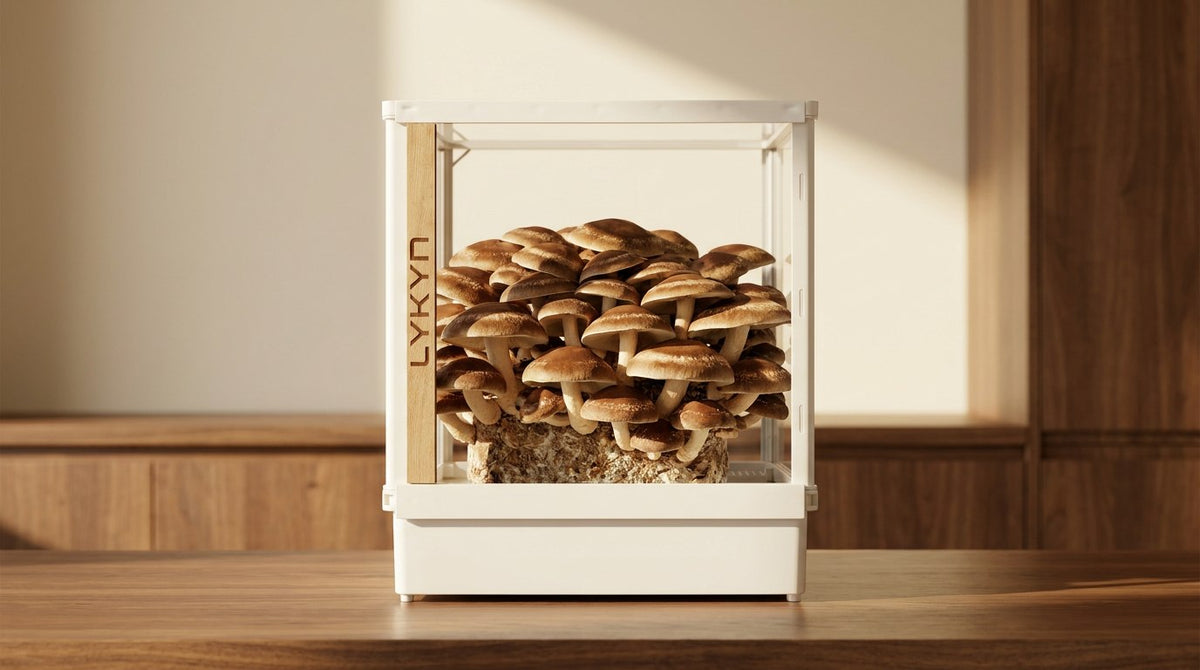
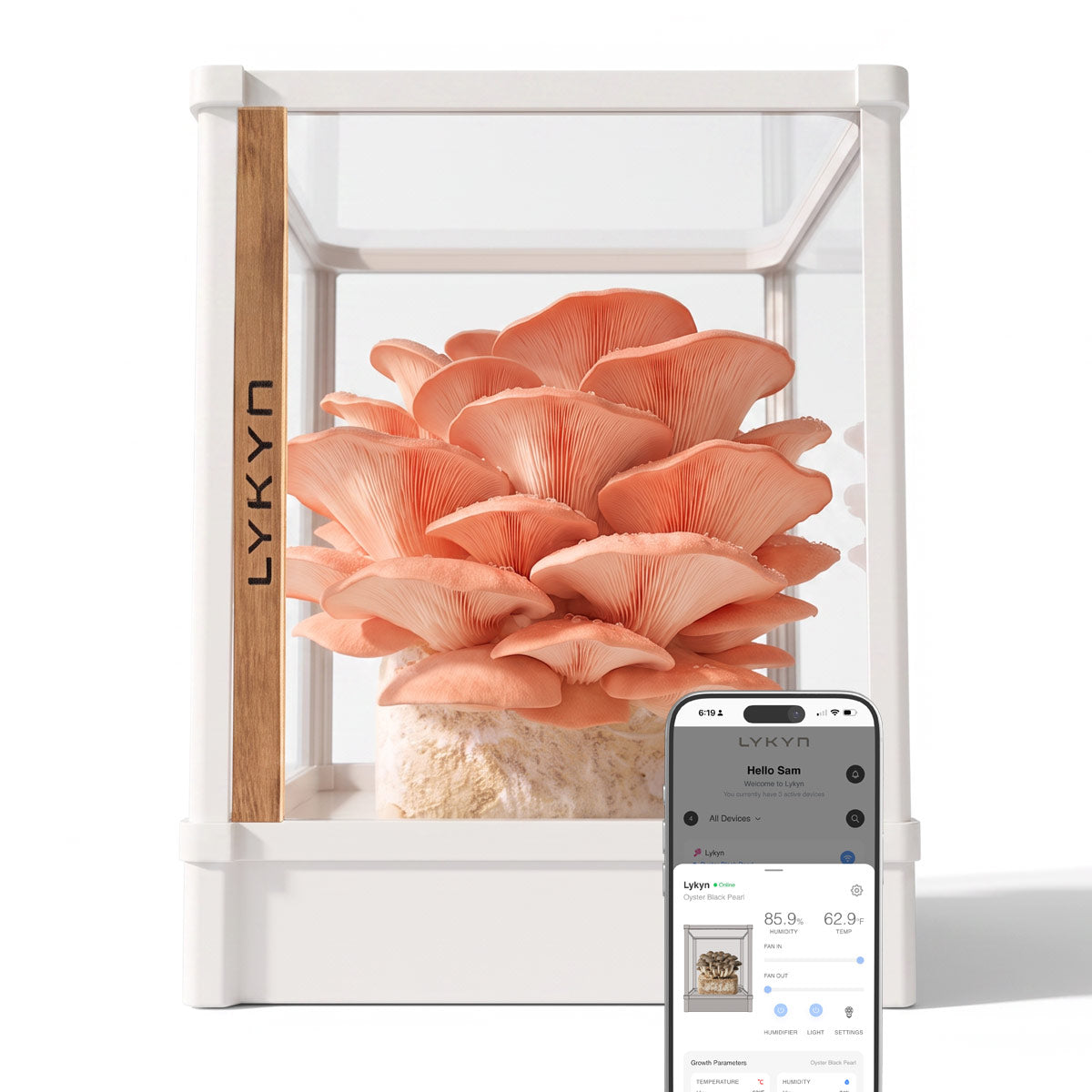
Smarte Pilzzuchtkammer
Plug-and-Play-Smart-Kammer mit Feuchtigkeit, Licht und Luftstrom, die für jede Art eingestellt sind. Anfänger ernten ihre erste Ernte in Tagen, nicht Monaten.
In den Warenkorb $299Mulchen Sie im Herbst mit Blättern oder Holzspänen, um das Beet vor Frost-Tau-Zyklen zu isolieren. Düngen Sie nicht, graben Sie nicht um und pflanzen Sie nichts auf dem Beet an. Morchelmyzel ist empfindlich und langsam, und eine Störung des Beetes wirft Sie Monate zurück.
Einige Züchter fügen im Spätwinter eine frische Schicht Hartholzasche hinzu, um den Wachstumsschub nach einem Brand nachzuahmen. Es gibt anekdotische Hinweise darauf, dass dies hilft, obwohl es keine Garantie ist.
Schritt 5: Die Fruchtbildung auslösen
Morcheln fruchten, wenn die Bodentemperaturen tagsüber etwa 50 bis 60 Grad Fahrenheit erreichen und die Nachttemperaturen über 40 Grad bleiben. In den meisten Teilen der USA öffnet sich dieses Fenster zwischen Ende März und Mitte Mai, je nach Breitengrad und Höhe.
Zwei Wochen bevor Sie fruchtendes Wetter erwarten, wässern Sie das Beet zweimal pro Woche tiefgründig. Das Myzel benötigt eine gesättigte Periode, gefolgt von sich erwärmendem Boden, um Sklerotien zu bilden, die kleinen Speicherstrukturen, die schließlich zu Pilzen werden. Nach der Kalt-Nass-Phase reduzieren Sie die Bewässerung und lassen das Beet auf natürliche Weise erwärmen.
Wenn die Bedingungen stimmen, erscheinen innerhalb von 7 bis 14 Tagen Primordien (winzige, nadelartige Morcheln). Sie wachsen schnell, sobald sie auftauchen, und verdoppeln ihre Größe jeden Tag oder jeden zweiten Tag.
Schritt 6: Vorsichtig ernten
Pflücken Sie Morcheln, wenn die Hüte vollständig ausgebildet sind, aber bevor die Rippen austrocknen oder aufreißen. Verwenden Sie ein scharfes Messer oder eine Schere und schneiden Sie sie an der Basis ab, wobei der unterirdische Teil des Stiels intakt bleibt, damit das Myzel weiter kolonisieren kann. Bürsten Sie den Schmutz ab und lagern Sie geerntete Morcheln in einer Papiertüte im Kühlschrank für bis zu einer Woche.
Essen Sie niemals eine wild aussehende Morchel, die Sie nicht eindeutig identifiziert haben. Falsche Morcheln (Gattung Gyromitra) enthalten Monomethylhydrazin, das wirklich giftig ist. Echte Morcheln sind beim Längsschnitt vom Hut bis zum Stiel völlig hohl. Wenn sie nicht hohl ist, essen Sie sie nicht.
Was zu erwarten ist und was schief gehen könnte
Ein gut etabliertes Morchelbeet produziert in seiner ersten Fruchtsaison zwischen null und 50 Pilzen. Die Erträge sind unvorhersehbar, und ein Beet, das im ersten Jahr nichts produzierte, könnte im zweiten Jahr explodieren. Das ist normal. Selbst erfahrene Züchter berichten von einer Erfolgsquote von etwa 50 Prozent pro Beet.
Häufige Fehlerquellen sind unzureichende Feuchtigkeit während der Etablierung, zu viel Schatten (oder zu wenig), falscher Boden-pH-Wert und Schädlinge wie Schnecken, Wühlmäuse und Vögel. Schneckenköder am Beetrand und eine feine Netzabdeckung zur Fruchtzeit lösen die meisten Schädlingsprobleme.
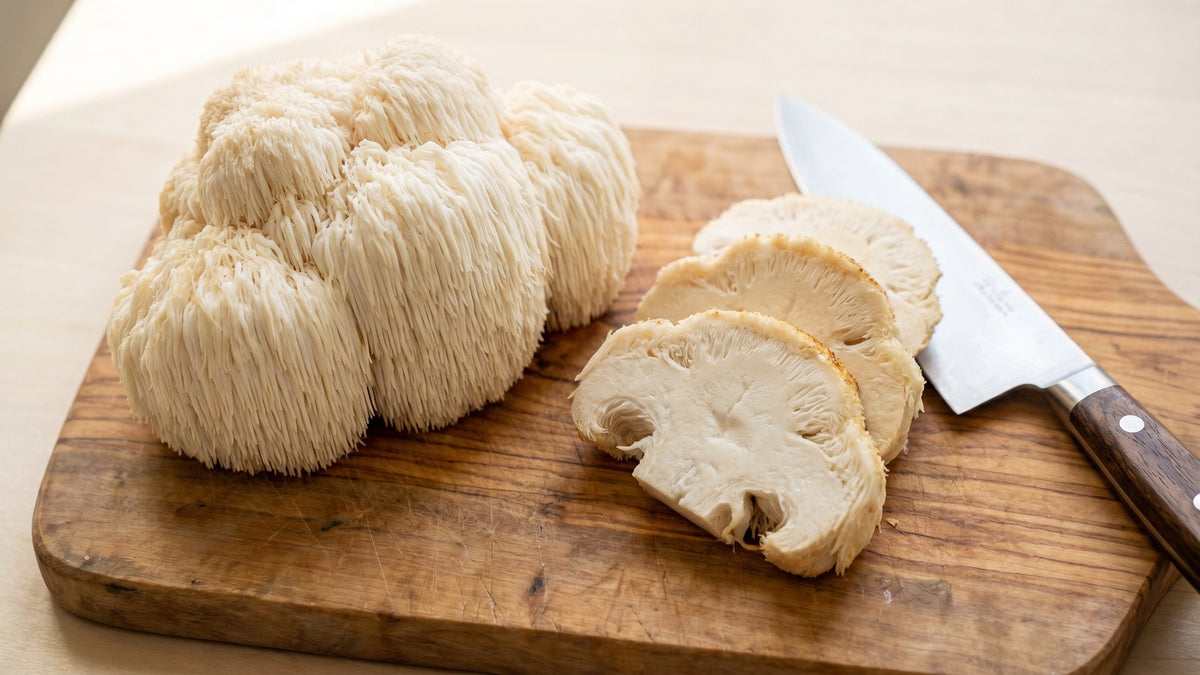
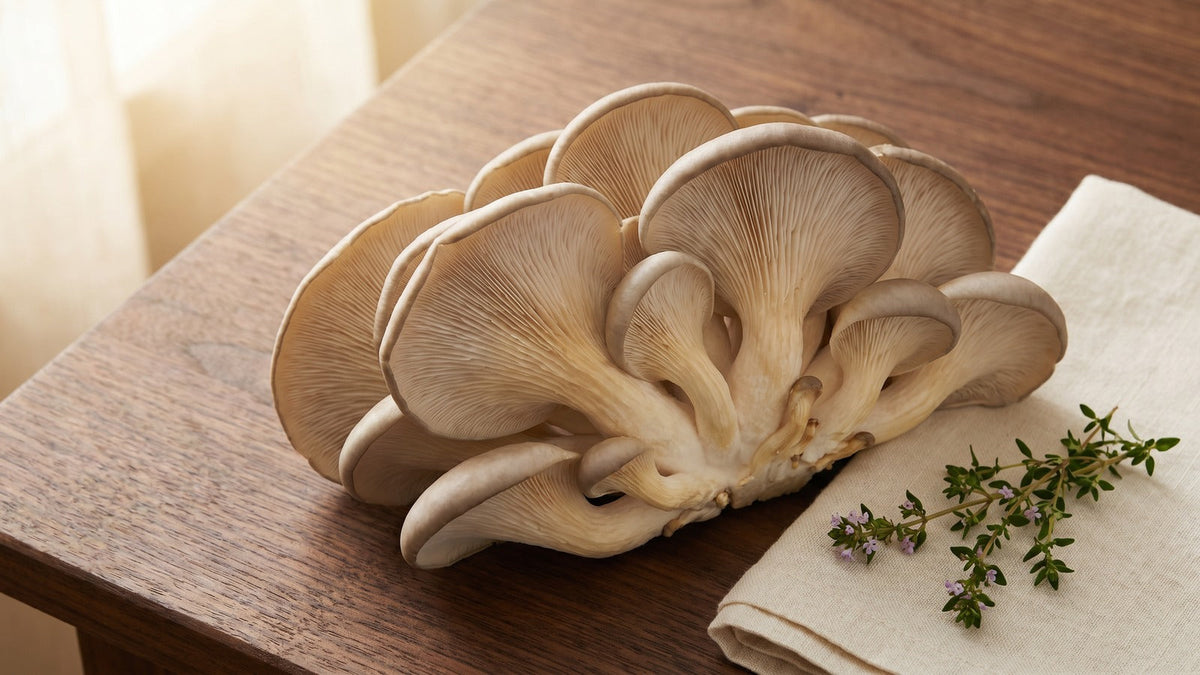
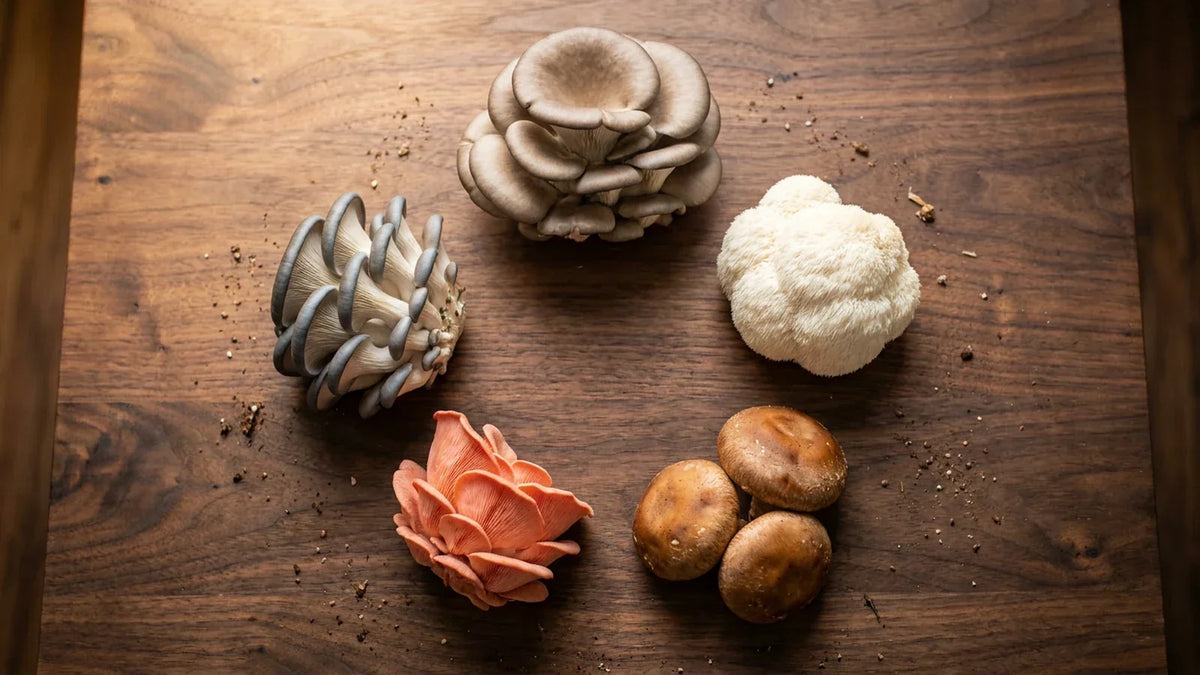
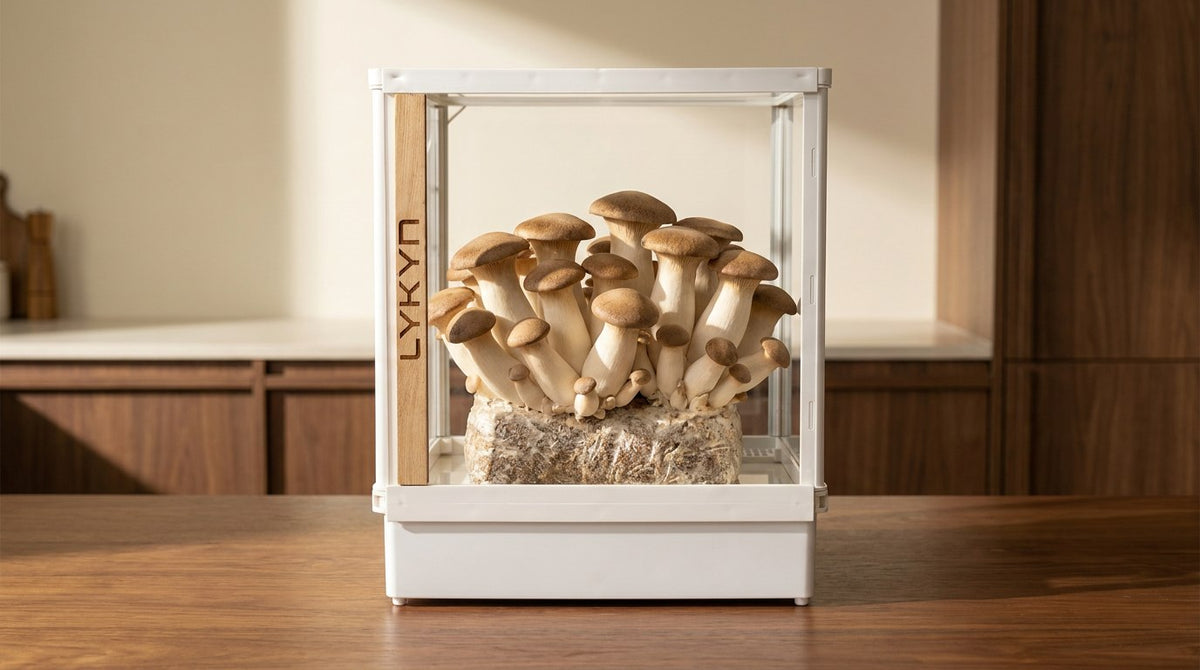
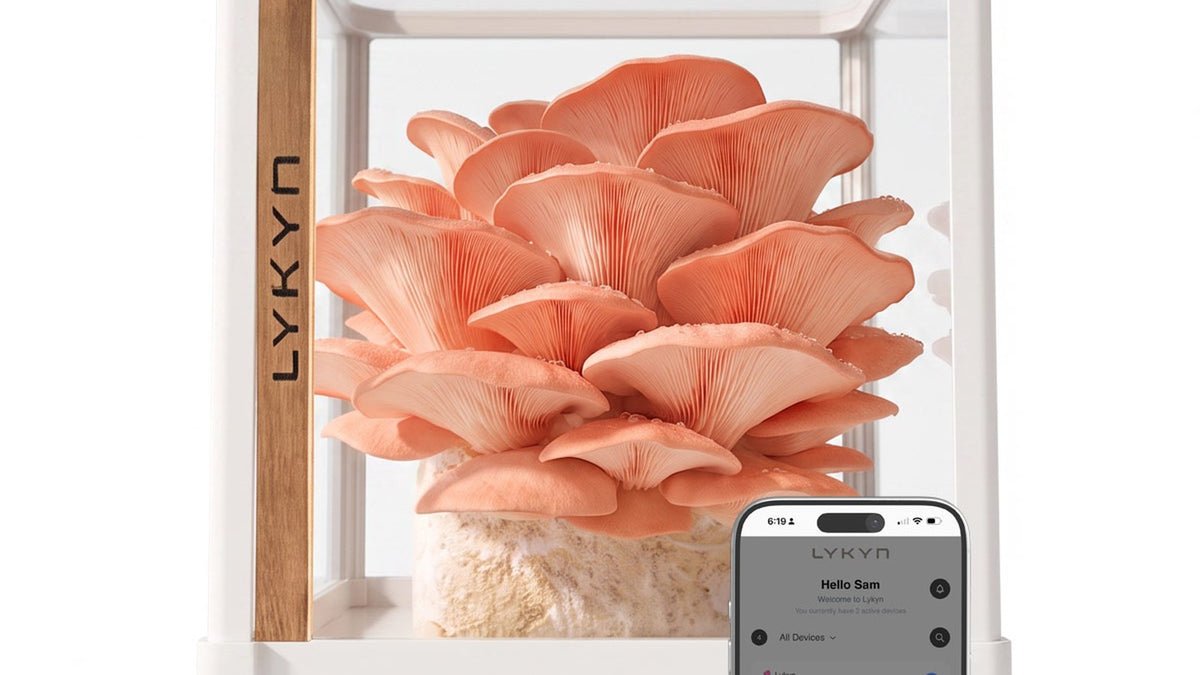
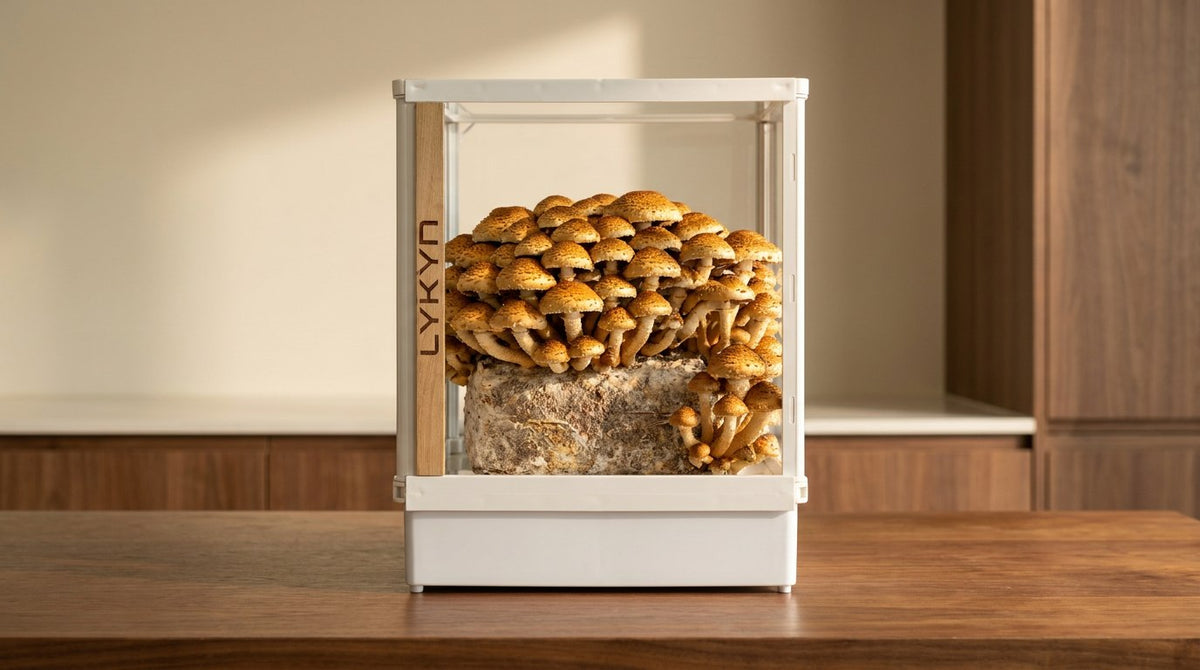
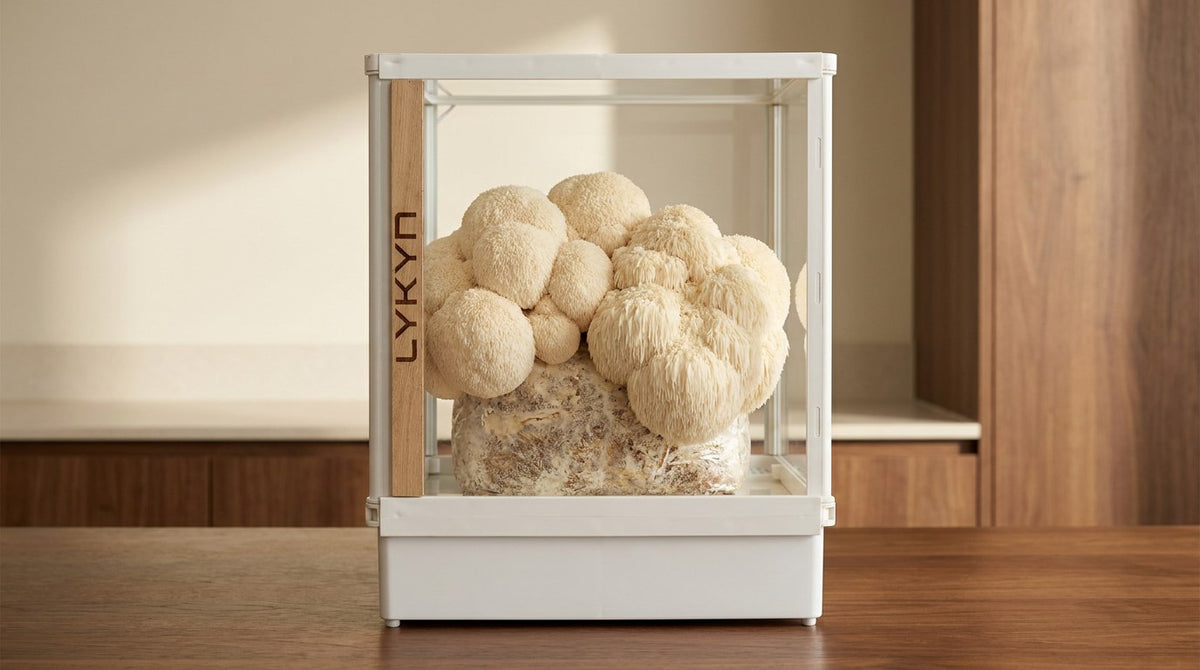
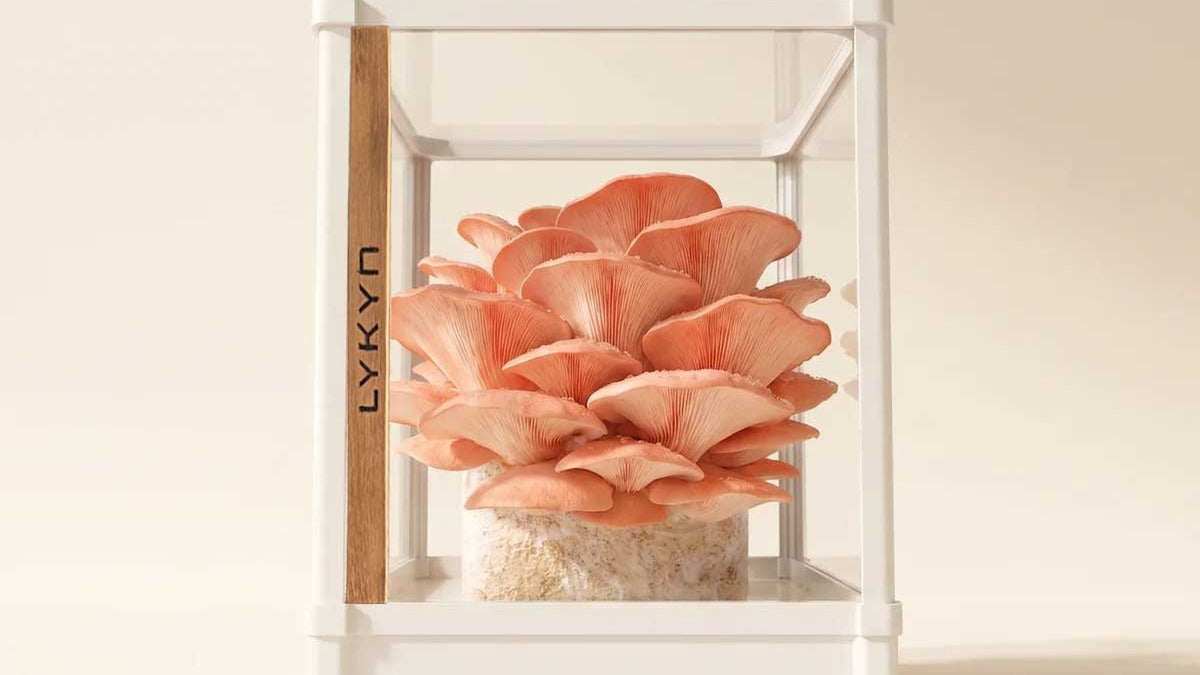
Wenn der Morchelanbau im Freien zu unsicher erscheint, bieten Indoor-Anzuchtsets für Arten wie Löwenmähne und Austernpilze schnellere, vorhersehbarere Ergebnisse. Ein Tischset von Lykyns Pilz-Anzuchtsets kann Ernten in 5 bis 7 Tagen ohne Erde oder saisonales Warten produzieren.
Der schrittweise Prozess des Morchelanbaus belohnt Geduld mehr als Technik. Richten Sie das Beet richtig ein, lassen Sie es ein Jahr lang in Ruhe und vertrauen Sie der Biologie. Wenn die erste Saison enttäuscht, geben Sie ihr eine weitere Chance. Morchelbeete produzieren oft 3 bis 5 Jahre lang, sobald sie etabliert sind.
Aktie:
Das beste Morchel-Zuchtset auswählen: Käuferkriterien
Das beste Morchel-Zuchtset auswählen: Käuferkriterien