


Growing your own mushrooms at home has never been easier or more rewarding. Whether you're a busy urban dweller dreaming of fresh produce or a DIY enthusiast ready for your next project, a mushroom grow kit opens the door to cultivating gourmet fungi right on your kitchen counter. In this comprehensive guide, we'll walk you through everything you need to know about indoor mushroom cultivation, from choosing the right equipment to harvesting your first delicious crop.

Why Choose a Mushroom Grow Kit for Home Cultivation?
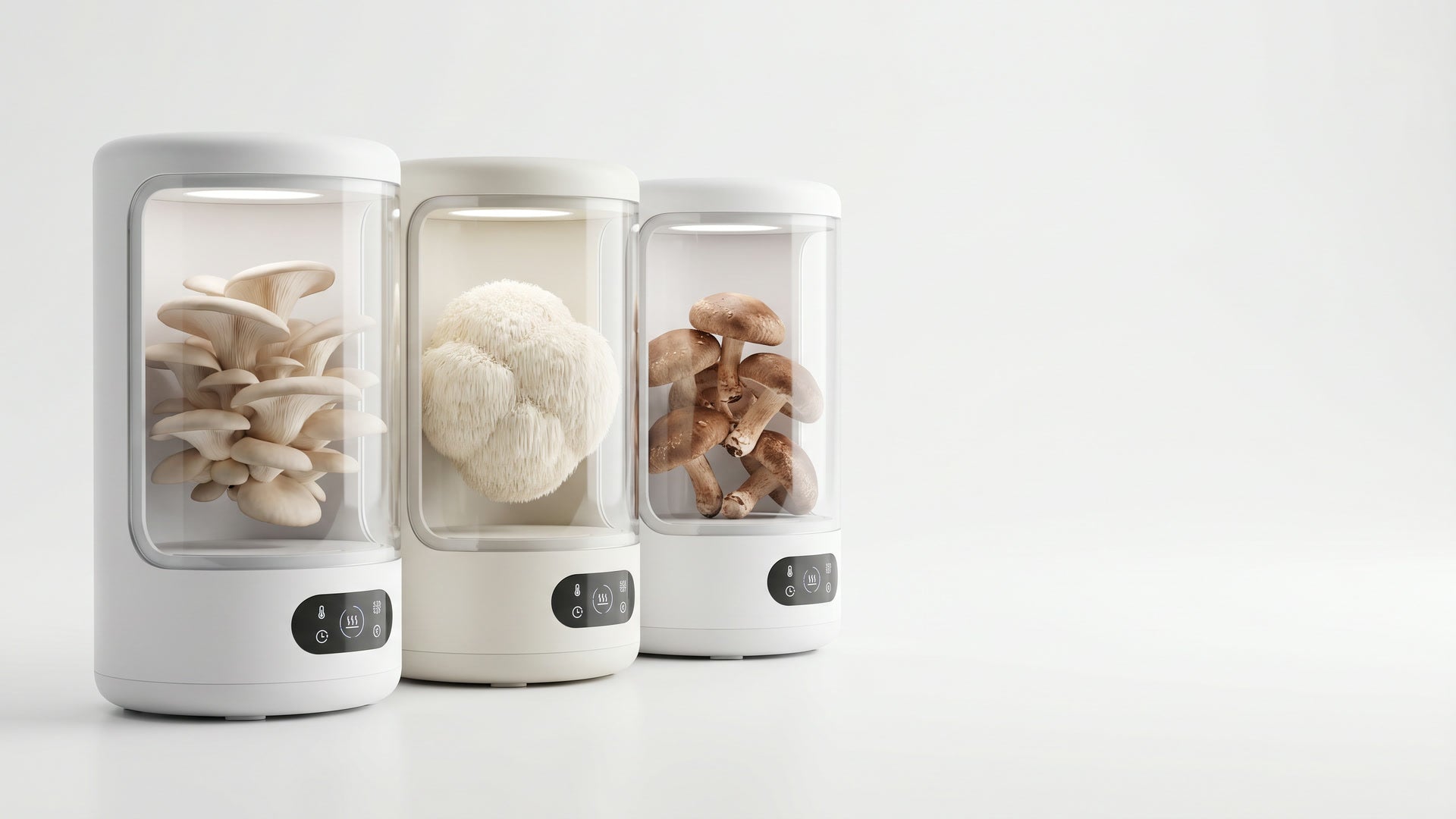
Starting your mushroom growing journey with a quality grow kit eliminates the guesswork and technical challenges that often discourage beginners. Modern Smart Mushroom Grow Kit systems have revolutionized home cultivation by automating the precise environmental controls that mushrooms need to thrive.
Unlike traditional gardening, mushroom cultivation requires specific humidity levels (typically 80-95%), controlled airflow, and consistent temperatures. A well-designed grow kit handles these variables automatically, letting you focus on the exciting parts: watching your mushrooms develop and planning your harvest meals.
The benefits of using a mushroom grow kit include:
-
Consistent results: Automated systems maintain optimal growing conditions 24/7
-
Beginner-friendly: No prior experience needed to achieve successful harvests
-
Space-efficient: Perfect for apartments, condos, and small homes
-
Year-round growing: Climate-controlled environment means seasonal limitations don't apply
-
Cost-effective: One kit can produce multiple harvests over several months
Essential Components of a Quality Mushroom Growing Setup
Advanced Growing Chambers
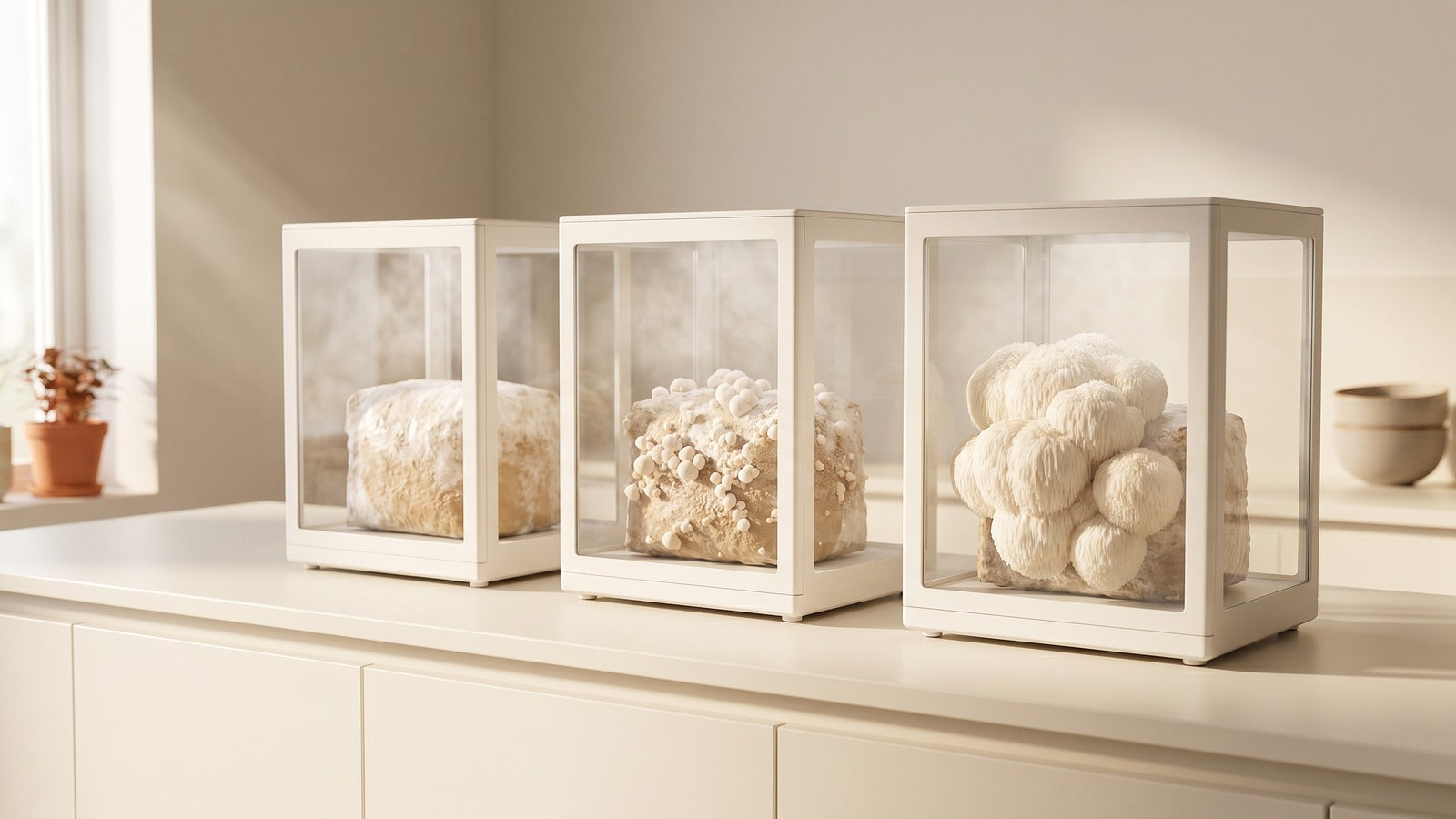
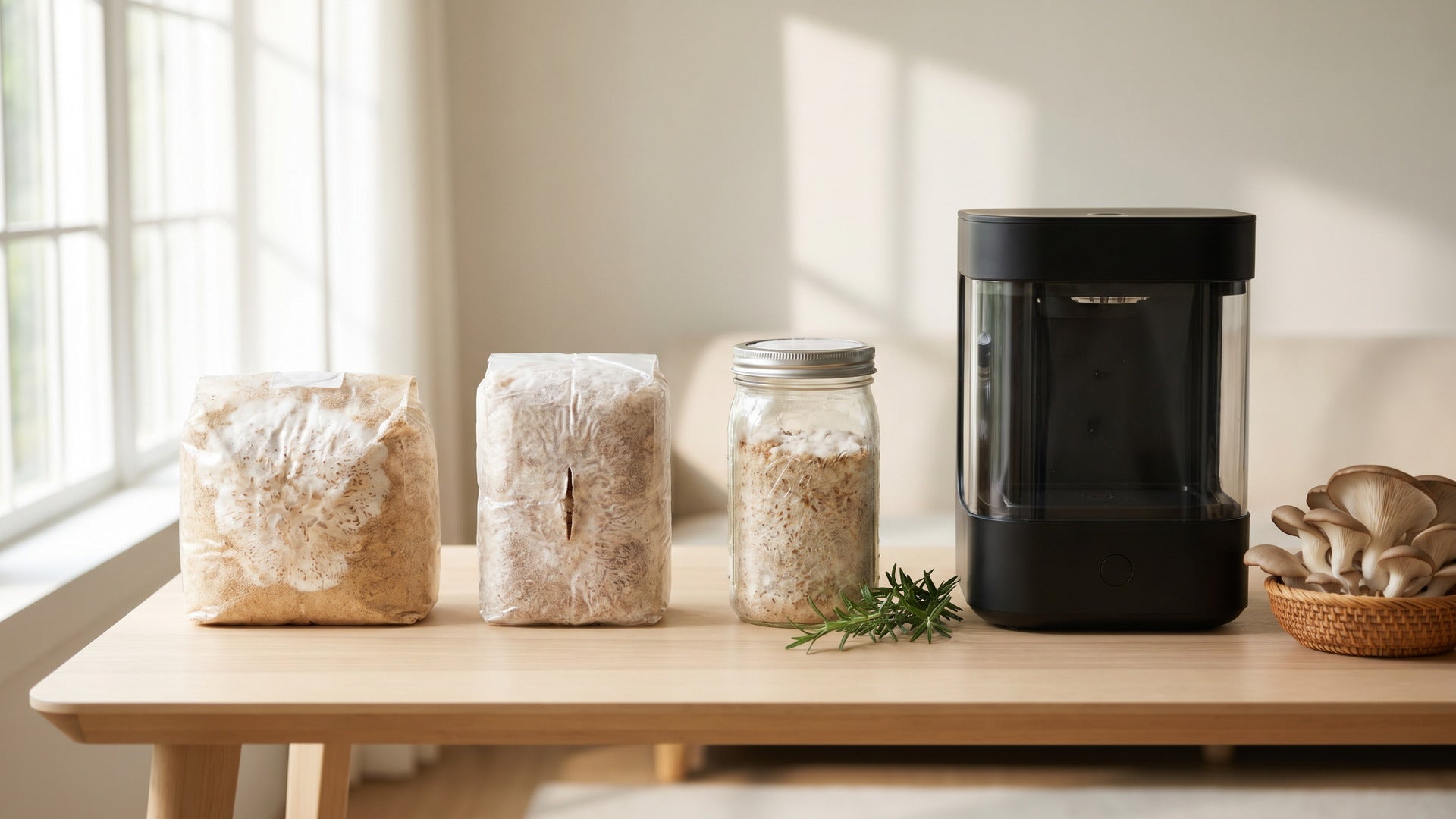
The heart of any successful home mushroom operation is a reliable growing chamber. Modern mushroom grow kit systems feature sophisticated environmental controls that would have been impossible for home growers just a few years ago.
Look for these critical features in your growing chamber:
Smart Environmental Monitoring: Premium systems include sensors that track temperature, humidity, and air quality in real-time. These sensors feed data to microprocessors that automatically adjust conditions based on your specific mushroom variety.
Automated Humidity Control: Ultrasonic humidifiers connected to large water reservoirs (2+ liters) provide hands-free operation for extended periods. The best systems adjust humidity levels automatically based on your selected mushroom type.
Fresh Air Exchange Systems: Variable-speed fans with built-in filtration ensure clean air circulation while maintaining optimal CO2 levels. Proper air exchange prevents the stringy, elongated growth patterns that result from excessive carbon dioxide buildup.
Whisper-Quiet Operation: Quality chambers operate silently enough for kitchen counter placement without disturbing your daily routine.
Essential Accessories and Supplies
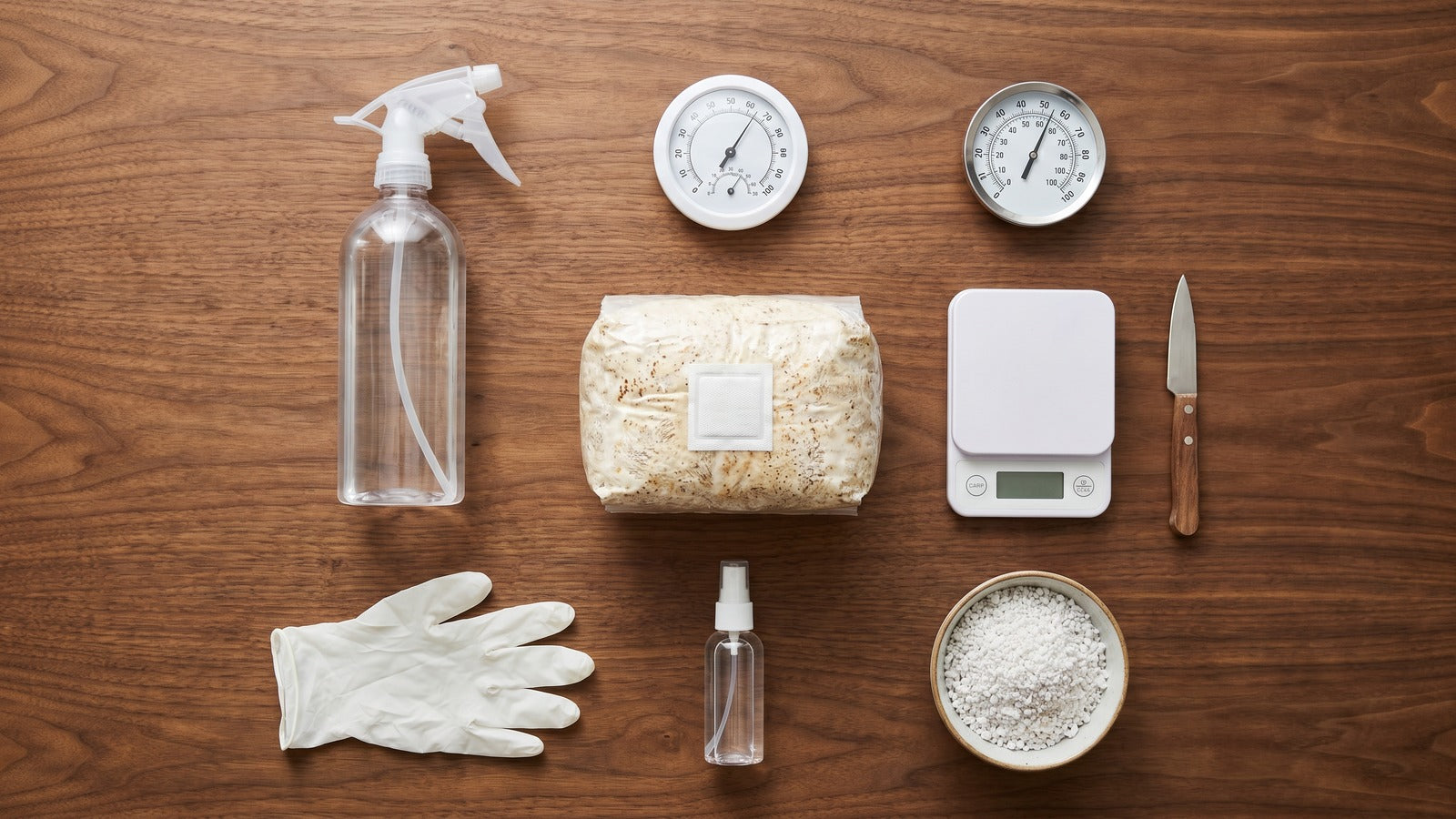
Beyond the main growing chamber, successful mushroom cultivation requires several additional items:
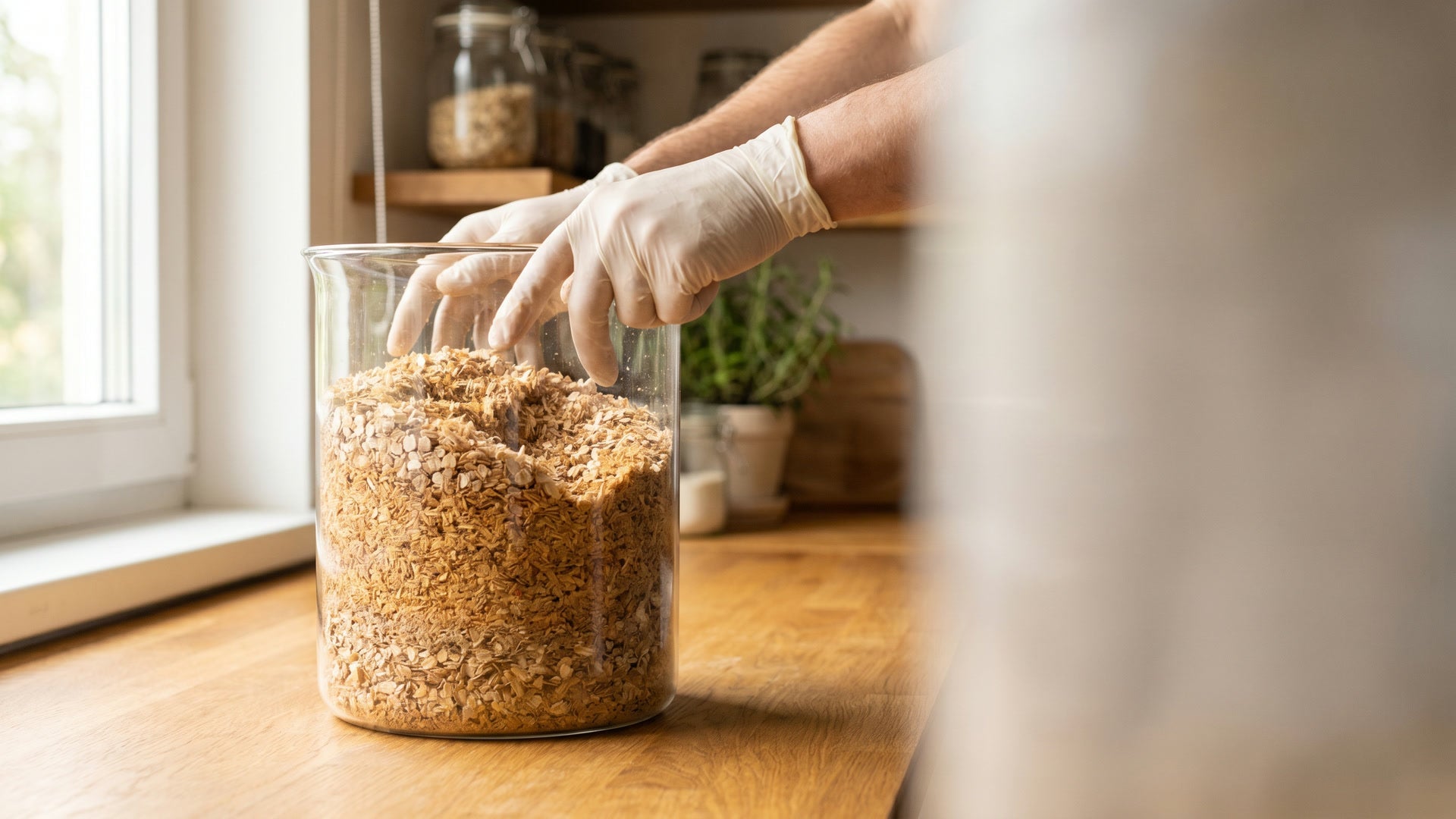
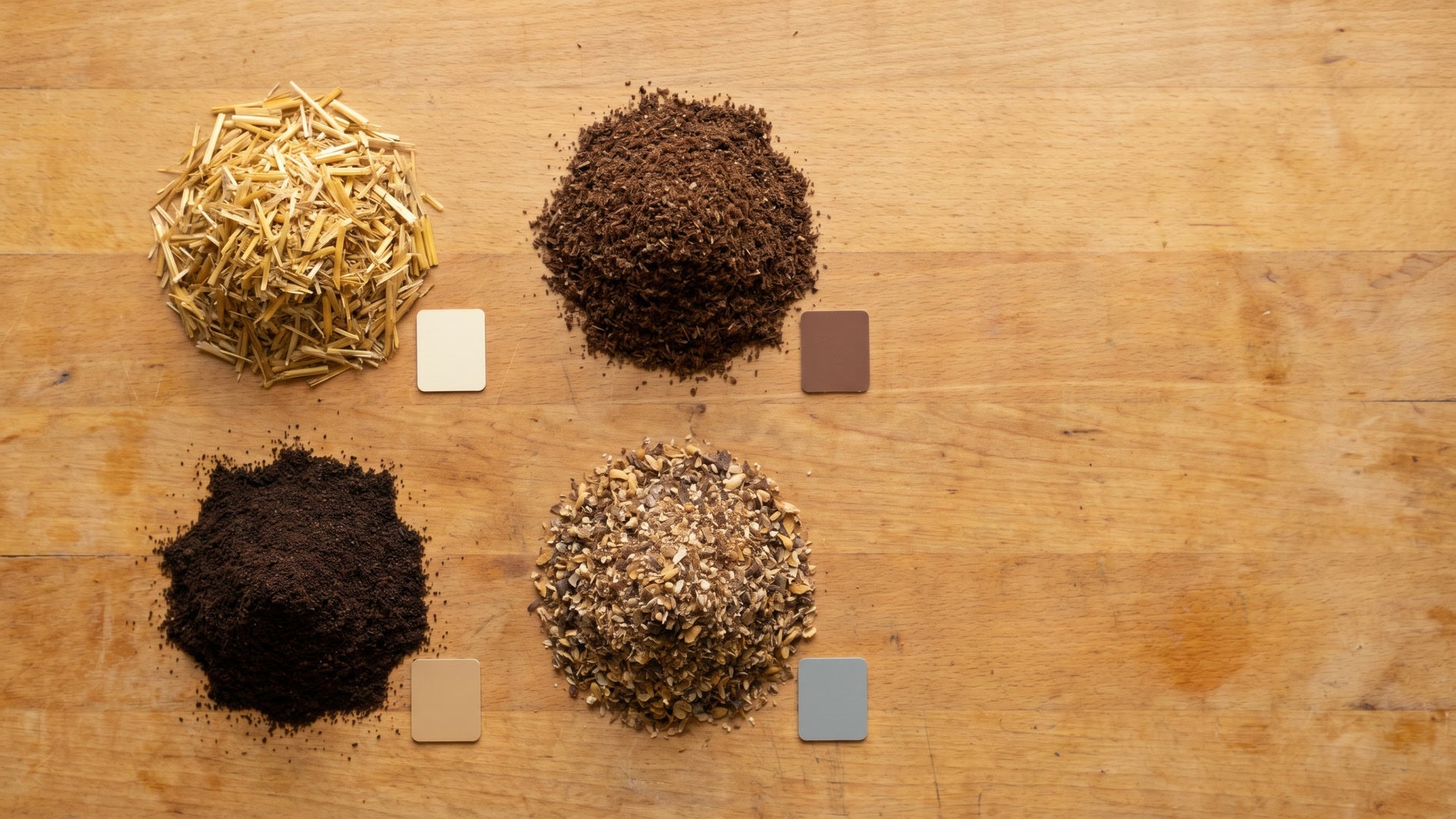
Substrate Materials: Different mushroom varieties prefer different growing mediums. Hardwood pellets work excellently for oyster mushrooms and lion's mane, while shiitake mushrooms often prefer supplemented sawdust mixtures.
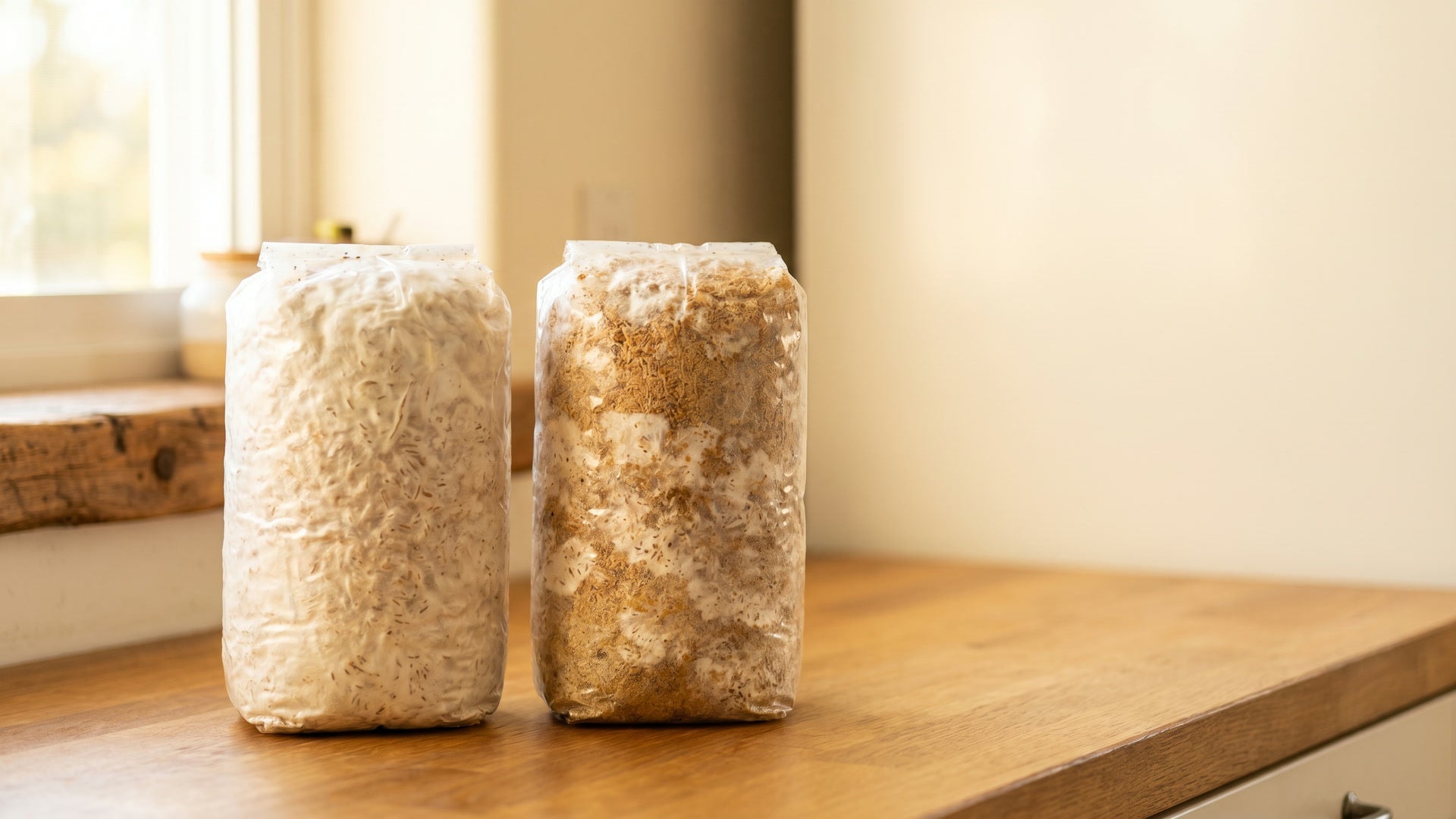
Inoculation Supplies: Pre-prepared spawn or liquid cultures provide the mushroom genetics for your grows. Beginner-friendly options include pre-inoculated growing blocks that are ready for immediate fruiting.
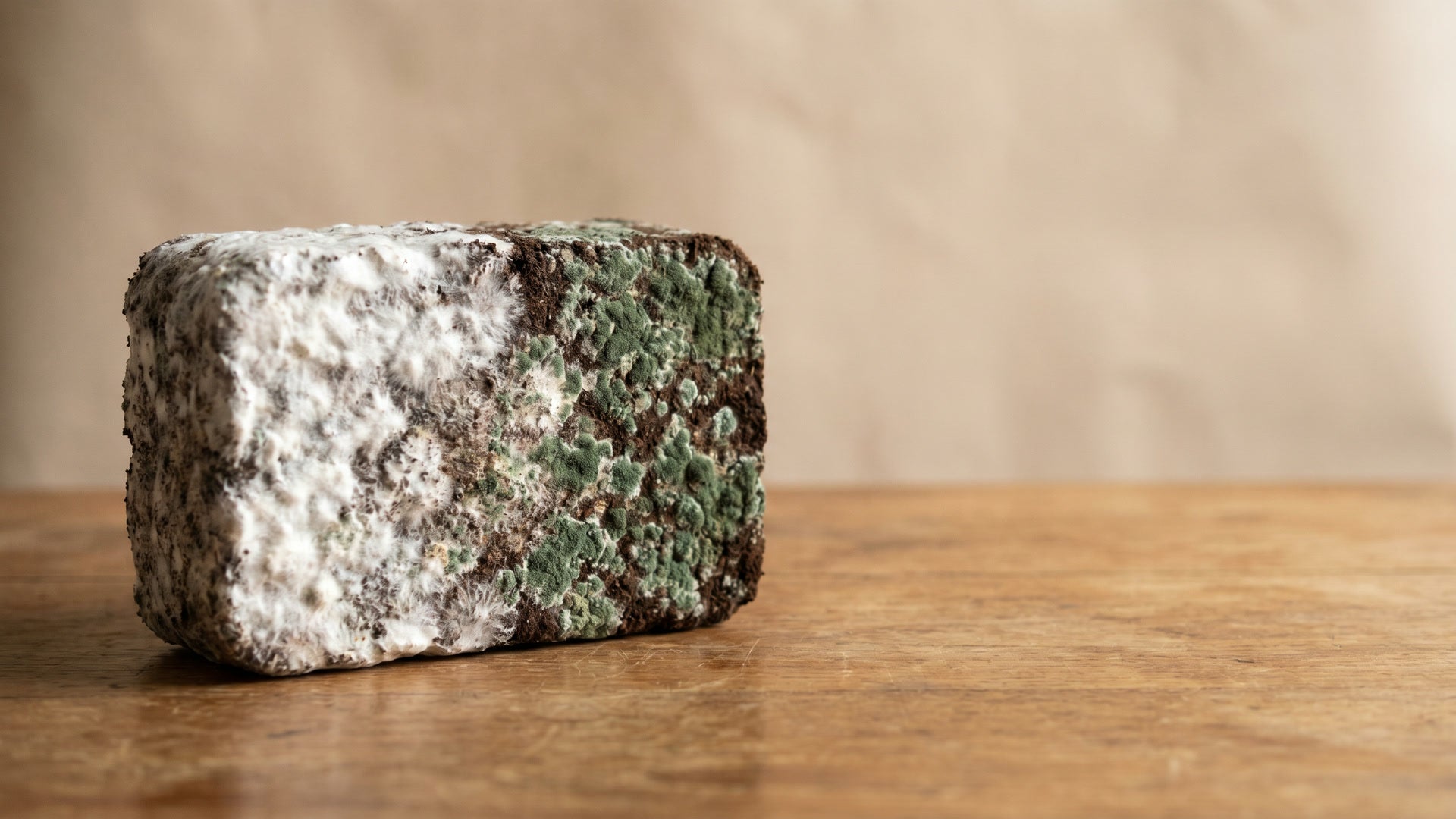
Sterilization Equipment: Maintaining clean conditions prevents contamination that can ruin entire grows. Basic supplies include isopropyl alcohol, nitrile gloves, and clean containers.
Harvesting Tools: Sharp, clean knives or scissors ensure clean cuts that don't damage the remaining mushroom clusters.
Best Mushroom Varieties for Beginners
Not all mushrooms are equally suitable for home cultivation. Some species are more forgiving of environmental fluctuations and grow more reliably in home settings.
Oyster Mushrooms (Pleurotus Species)
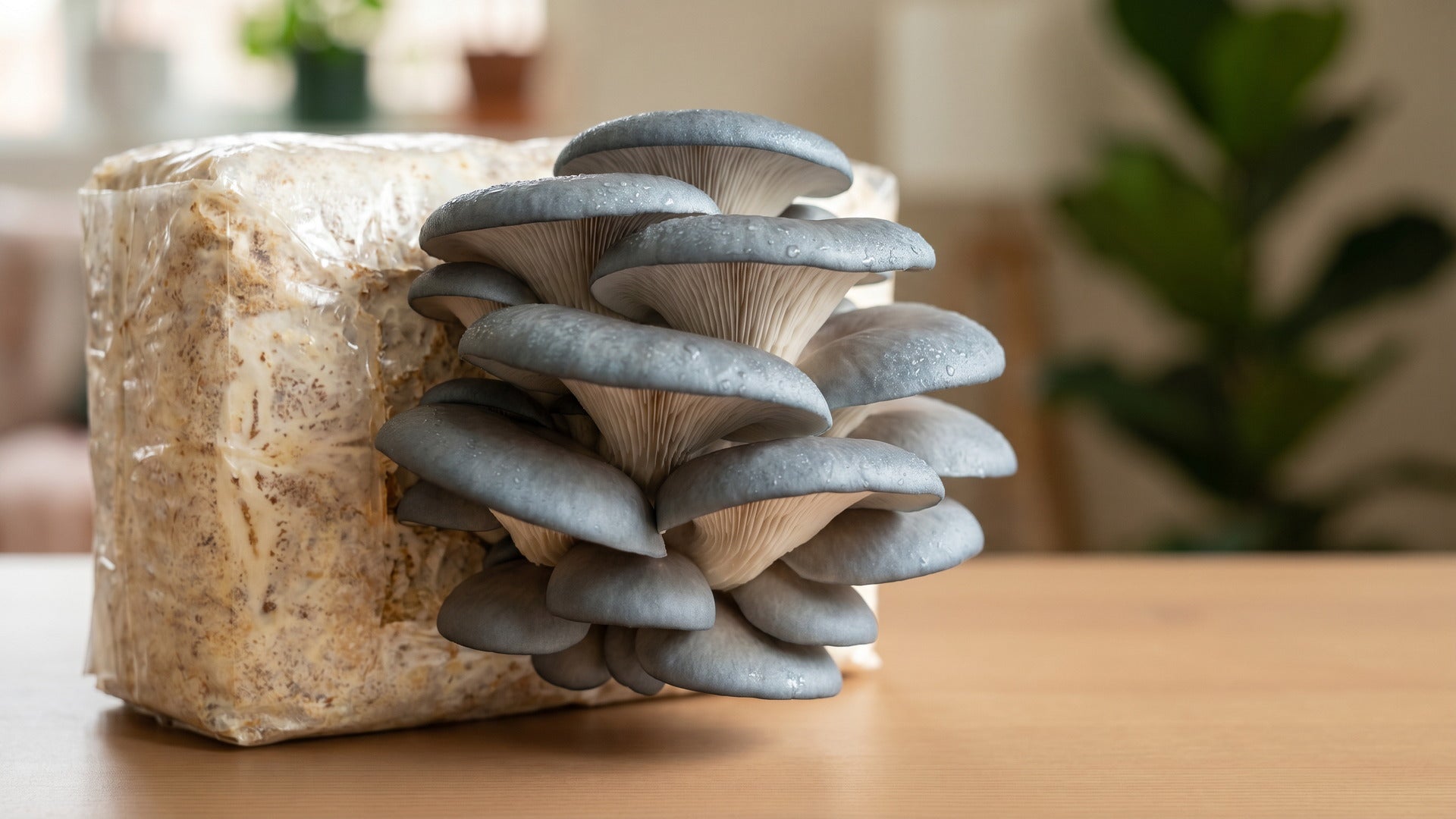
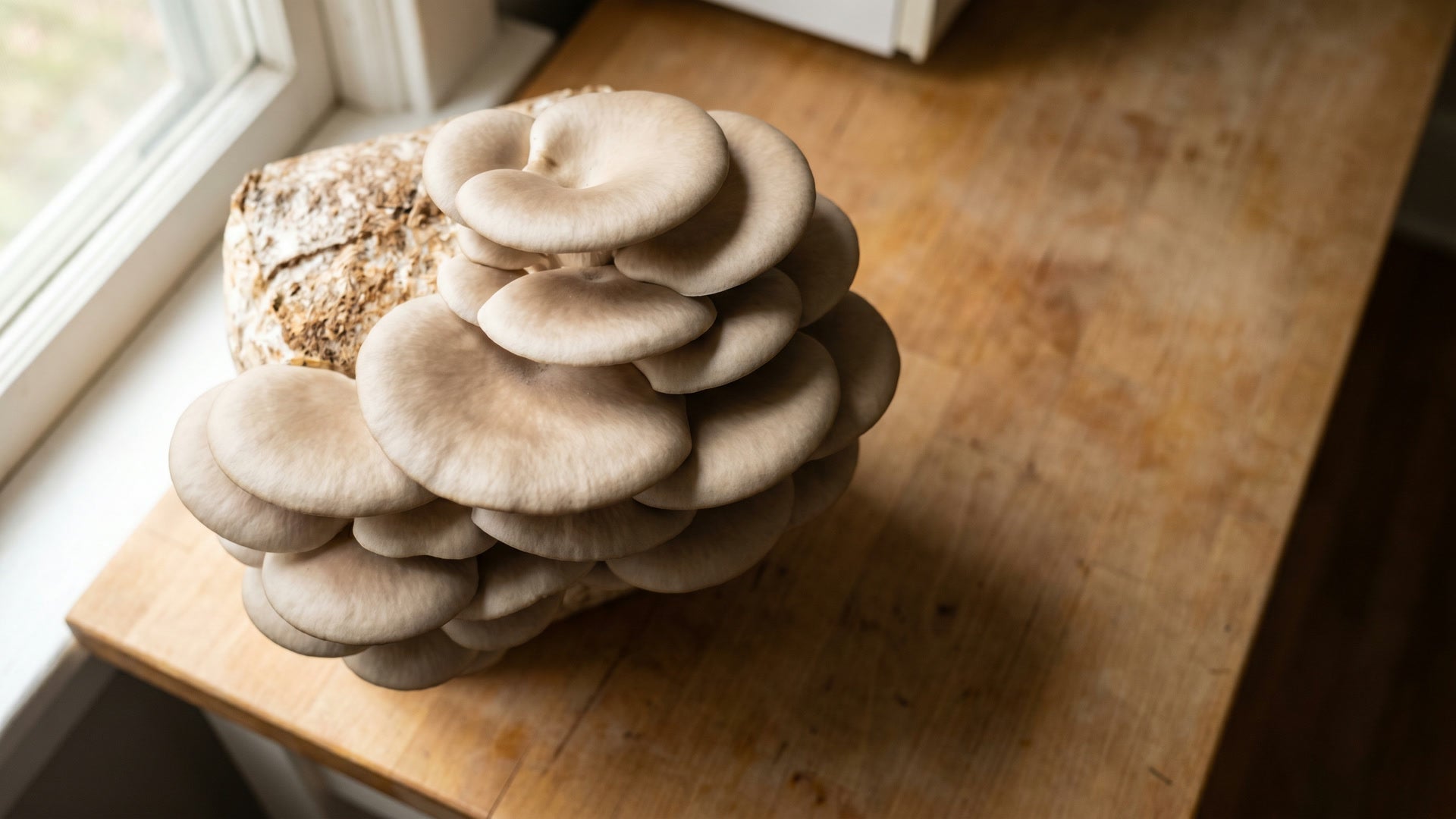
Oyster mushrooms represent the perfect starting point for new growers. These robust fungi tolerate a wide range of conditions and grow quickly, often producing harvestable mushrooms within 1-2 weeks of setup. They're also incredibly productive, with single growing blocks often yielding multiple flushes over several months.
Popular oyster varieties include:
-
Blue oysters: Fast-growing with beautiful coloration
-
Golden oysters: Heat-tolerant and visually striking
-
Pink oysters: Vibrant color with excellent flavor
Lion's Mane (Hericium erinaceus)
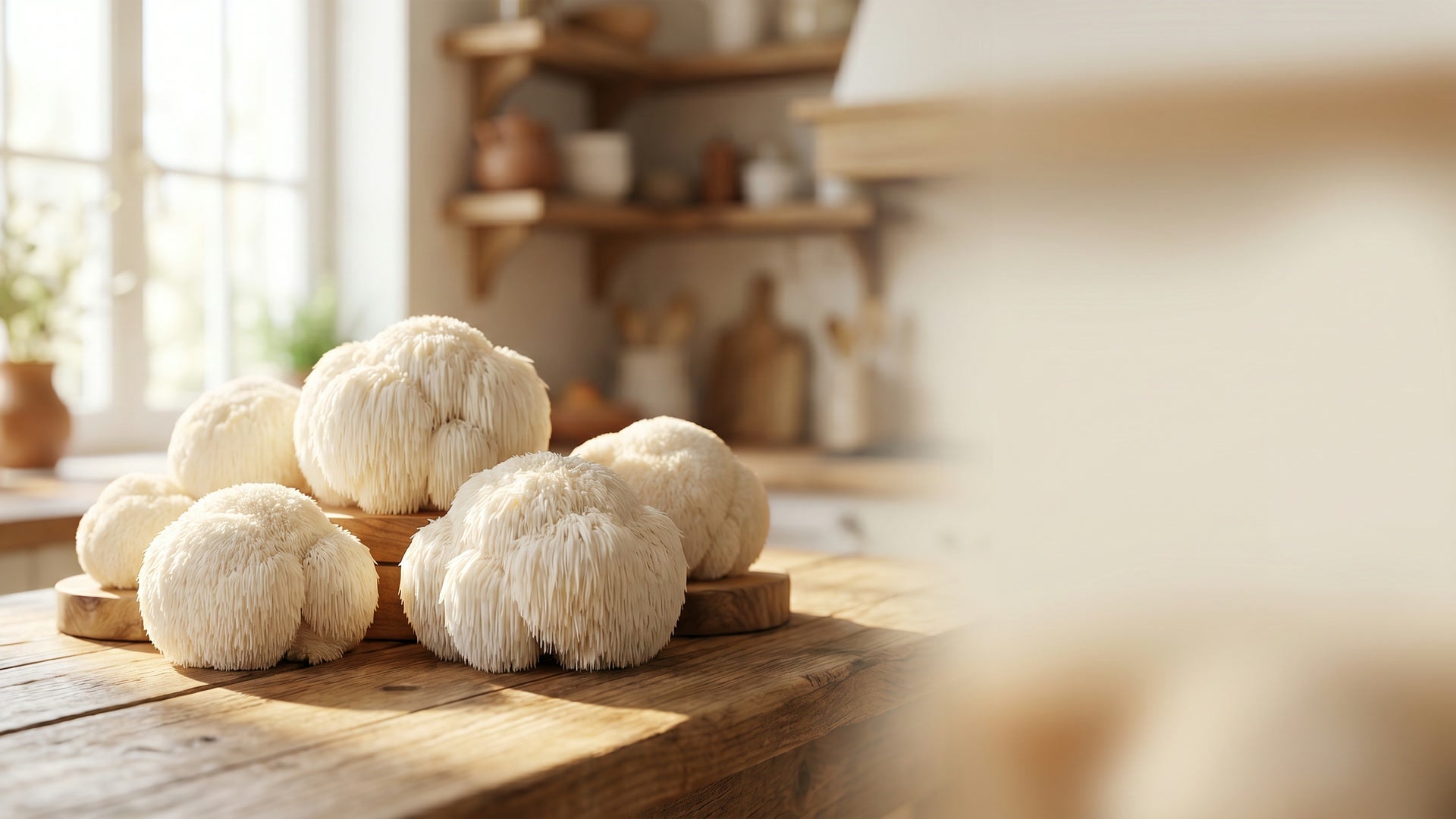
Lion's mane mushrooms have gained significant attention for their unique appearance and potential cognitive benefits. These white, shaggy mushrooms resemble seafood in texture and are prized by both health enthusiasts and gourmet cooks.
Lion's mane grows well in controlled environments but requires consistent conditions. They're particularly sensitive to CO2 levels, making automated growing systems especially valuable for this variety.
Shiitake (Lentinula edodes)
Shiitake mushrooms offer exceptional flavor and are among the most nutritionally dense varieties you can grow at home. While they take longer to colonize than oyster mushrooms (typically 3-6 weeks), the wait is worthwhile for their superior taste and shelf life.
Setting Up Your Indoor Mushroom Growing Space
Choosing the Perfect Location
Successful mushroom cultivation starts with selecting an appropriate location in your home. The ideal spot combines accessibility with stable environmental conditions.
Temperature Considerations: Most gourmet mushrooms fruit best between 60-75°F (15-24°C). Avoid locations near heating vents, direct sunlight, or drafty areas that experience significant temperature swings.
Accessibility: Place your growing setup where you can easily monitor progress and perform maintenance tasks. Kitchen counters, dedicated shelving units, or spare rooms all work well.
Ventilation: While your growing chamber handles internal air circulation, the surrounding room should have adequate ventilation to prevent humidity buildup that could damage walls or furniture.
Creating Optimal Environmental Conditions
Even with an automated growing system, understanding the environmental factors that influence mushroom development helps you troubleshoot issues and optimize your results.
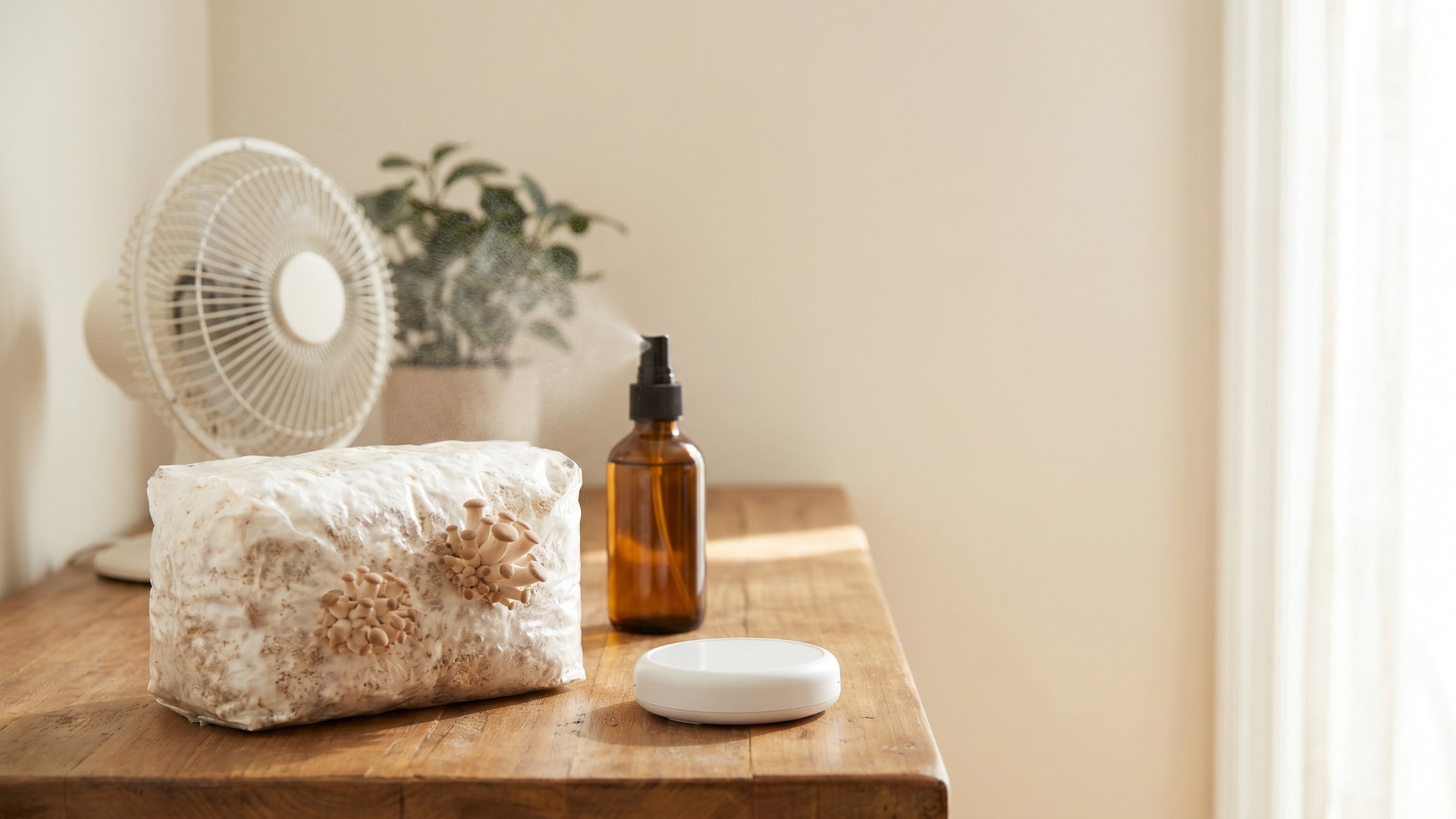
Humidity Management: Mushrooms require high humidity during fruiting (80-95% relative humidity). Smart grow chambers maintain these levels automatically, but monitoring the room's overall humidity prevents condensation issues.
Light Requirements: Most edible mushrooms don't require intense lighting for growth, but they do need some light to develop properly. LED grow lights or even ambient room lighting typically provide sufficient illumination.
Air Quality: Fresh air exchange removes excess CO2 and provides oxygen necessary for healthy mushroom development. Automated systems handle this precisely, but ensuring your room has good air circulation supports overall growing success.
Frequently Asked Questions
How to prepare a mushroom house?
Preparing a mushroom growing space requires attention to cleanliness, environmental control, and accessibility. Start by selecting a location with stable temperatures between 60-75°F and minimal direct sunlight. Clean the area thoroughly with a mild disinfectant to reduce contamination risk. Install your growing chamber on a stable, level surface with easy access to power outlets and water for refilling humidification systems. Ensure adequate room ventilation while avoiding drafts that could destabilize your growing environment. Consider using plastic sheeting or dedicated growing furniture to protect surrounding surfaces from humidity.
Does mushroom need air to grow?
Yes, mushrooms absolutely require fresh air to grow properly. During the vegetative growth phase (colonization), mushrooms need minimal air exchange, but during fruiting, they require significant fresh air circulation. Inadequate air exchange leads to excessive CO2 buildup, causing mushrooms to develop elongated, stringy growth patterns instead of the compact, desirable forms. Quality growing systems automatically manage fresh air exchange rates, typically providing 4-6 complete air changes per hour during fruiting. This controlled ventilation removes CO2 while maintaining optimal humidity levels.
How to prepare a room for mushroom growing?
Room preparation for mushroom cultivation focuses on creating stable environmental conditions and preventing contamination. Maintain room temperatures between 60-75°F using heating or cooling as needed. Ensure adequate ventilation without creating drafts near your growing setup. Clean all surfaces with isopropyl alcohol or mild bleach solution to reduce airborne contaminants. Consider using air purifiers with built-in filters to further improve air quality. Install adequate lighting if using a windowless space, as mushrooms need some light for proper development. Finally, organize your space to allow easy access for daily monitoring and maintenance tasks.
What's the difference between growing blocks and substrate preparation?
Growing blocks are pre-prepared, sterilized substrate materials that have been inoculated with mushroom spawn and are ready for immediate fruiting. They're perfect for beginners because they eliminate the need for sterilization equipment and reduce contamination risk. Substrate preparation involves creating your own growing medium from raw materials like hardwood pellets, sawdust, or straw, then sterilizing and inoculating it yourself. While substrate preparation offers more control and lower costs for experienced growers, growing blocks provide guaranteed results and faster time to harvest for newcomers to the hobby.
How long does it take to harvest mushrooms from a grow kit?
Harvest timing varies by mushroom species and environmental conditions, but most gourmet varieties produce harvestable mushrooms within 1-3 weeks of setup. Oyster mushrooms typically fruit fastest, often showing pin formation within 5-7 days and reaching harvest size in 10-14 days. Lion's mane mushrooms develop more slowly, usually requiring 2-3 weeks from setup to harvest. Shiitake mushrooms take the longest, sometimes requiring 4-6 weeks for full development. Automated growing systems with precise environmental control typically achieve faster, more consistent results than manual methods.
Summary
Growing fresh mushrooms at home using a quality mushroom grow kit provides an accessible, rewarding way to produce gourmet fungi year-round. Modern automated systems eliminate the technical challenges that previously limited home cultivation, making it possible for anyone to achieve professional-quality results. With proper setup and the right equipment, you can expect to harvest fresh, organic mushrooms within 2-3 weeks of starting your first grow.
Start Your Mushroom Growing Journey Today
Ready to experience the satisfaction of growing your own gourmet mushrooms? The key to success lies in choosing quality equipment that automates the complex environmental controls mushrooms require. Whether you're interested in fast-growing oyster mushrooms or the unique flavors of lion's mane, starting with a reliable growing system sets you up for immediate success and long-term growing enjoyment.
Don't let another season pass without experiencing the joy of harvesting fresh, organic mushrooms from your own home. Your kitchen counter can become a productive growing space that supplies gourmet fungi for months to come. Take the first step toward fresh, homegrown mushrooms today – your taste buds and your health will thank you.
Share:
Mushroom Grow Bag Yield: The Complete Beginner's Guide to Home Mushroom Growing
How to Prepare Chaga Mushrooms: The Complete Guide to Processing and Using Nature's Superfood