


If you've ever enjoyed authentic Asian cuisine, chances are you've tasted straw mushrooms, even if you didn't realize it. These small, delicate fungi with their distinctive egg-like appearance and mild, earthy flavor are the third-most-consumed mushroom variety worldwide, beloved throughout East and Southeast Asia for centuries. But what makes straw mushrooms so special, and why are they gaining popularity among home growers and health enthusiasts?
Straw mushrooms (scientifically known as Volvariella volvacea) offer an impressive combination of nutritional benefits, culinary versatility, and surprisingly simple cultivation requirements. Whether you're interested in growing your own supply at home, exploring their remarkable health benefits, or simply learning how to cook with them, this comprehensive guide covers everything you need to know about these fascinating fungi.
From their ancient roots in Chinese Buddhist temples to modern home cultivation techniques, straw mushrooms represent a unique opportunity to connect with traditional Asian food culture while embracing sustainable, nutritious eating. Let's dive into the world of straw mushrooms and discover why they deserve a place in your kitchen, and maybe even your growing space.
What Are Straw Mushrooms? Understanding This Asian Delicacy
Straw mushrooms (Volvariella volvacea), also called paddy straw mushrooms or Chinese mushrooms, are edible fungi native to China that have been cultivated for thousands of years. The earliest documented cultivation dates back to the 18th century, when Buddhist monks at the Nanhua Temple in China grew them on paddy straw for their exceptional nutritional properties and medicinal benefits.

Physical Characteristics That Set Them Apart
Straw mushrooms have a unique appearance that changes dramatically as they mature:
Young "Unpeeled" Stage:
- Oval, egg-like shape with protective skin
- Dark brown cap enclosed in thin membrane
- Short stalk creating compact structure
- Most prized for flavor and nutrition
Mature "Peeled" Stage:
- Expanded, convex caps (5-12 cm diameter)
- Lighter grey or brown coloration
- Elongated stems (4-14 cm)
- Crowded gills ranging from white to pink
The smooth, velvety texture and mild, musky flavor make straw mushrooms incredibly versatile in cooking. Unlike button mushrooms, they maintain their tender texture even after cooking, adding a pleasant bite to dishes.
For those interested in cultivating similar easy-growing varieties, our oyster mushroom identification guide explores related species that share comparable growing requirements.
8 Impressive Straw Mushroom Health Benefits Backed by Science
Straw mushrooms aren't just delicious, they're nutritional powerhouses packed with essential vitamins, minerals, and bioactive compounds that support overall health and wellness.
1. Exceptional Antioxidant Protection
Straw mushrooms contain ergothioneine, a powerful antioxidant that effectively protects your body from free radicals, oxidative stress, and cellular damage. This master antioxidant helps reduce fungal infections, fight microbes, and may even help heal ulcers and wounds.
The selenium content in straw mushrooms further amplifies their antioxidant capabilities, working synergistically to combat oxidative damage throughout your body.
2. Impressive Anti-Cancer Properties
Research suggests that straw mushrooms may help prevent the growth of cancer cells, particularly in breast and prostate cancer. The fungi contain beta-glucans and conjugated linoleic acid with carcinogenic-fighting effects.
How straw mushrooms fight cancer:
- Linoleic acid helps lower excess estrogen hormones (linked to breast cancer risk)
- Beta-glucans inhibit prostate cancer cell growth
- Selenium effectively reduces cancer cell proliferation
- Antioxidants protect against cellular mutations
3. Strengthens Bones and Teeth
Straw mushrooms rank as the second-highest food source of vitamin D after cod liver oil, making them exceptional for bone health. Combined with their high calcium content, these mushrooms provide the perfect combination of nutrients for:
- Strong bone growth and maintenance
- Prevention of osteoporosis
- Healthy teeth development
- Calcium absorption optimization
4. Prevents Anemia and Supports Blood Health
The impressive iron content in straw mushrooms helps prevent anemia by supporting red blood cell production. Iron is crucial for creating hemoglobin, the protein in blood that carries oxygen throughout your body.
Regular consumption of straw mushrooms can help maintain healthy blood levels and prevent iron-deficiency anemia, especially important for women, children, and vegetarians.
5. Promotes Heart Health and Cardiovascular Function
Straw mushrooms support your cardiovascular system through multiple mechanisms:
- High potassium content maintains optimal blood vessel function
- Copper provides anti-bacterial properties protecting internal organs
- Low sodium helps regulate blood pressure
- Cholesterol-lowering protein aids cardiovascular health
The combination of these minerals creates a heart-healthy food that actively protects against cardiovascular disease.
6. Boosts Immune System Function
The vitamin profile in straw mushrooms, particularly vitamins A, B complex, and C, works together to strengthen your immune system. These essential nutrients help your body:
- Fight off infections and diseases
- Maintain healthy immune cell function
- Reduce inflammation throughout the body
- Protect against seasonal illnesses
For more information about growing immune-supporting mushrooms at home, explore our golden oyster mushrooms guide, which covers another variety with exceptional health benefits.
7. Supports Digestive Health and Weight Management
Straw mushrooms excel as a weight-management food due to their unique nutritional composition:
- High protein content (19-35% of dry mass)
- No unhealthy fats
- Low carbohydrate content
- Rich in dietary fiber
- Helpful enzymes for digestion
The high protein helps burn cholesterol in your digestive system, while fiber promotes healthy gut function and keeps you feeling satisfied longer.
8. Provides Essential Vitamins and Minerals
One serving (182 grams) of straw mushrooms delivers impressive amounts of:
- Protein: 6.97g (14% of daily value)
- Dietary Fiber: 4.5g (12% DV)
- Iron: 2.6mg (33% DV)
- Copper: 0.242mg (27% DV)
- Folate (B9): 69μg (17% DV)
- Phosphorus: 111mg (16% DV)
- Pantothenic Acid (B5): 0.75mg (15% DV)
- Vitamins B, C, and D
- Zinc, potassium, and amino acids
Growing Straw Mushrooms at Home: A Beginner-Friendly Guide
One of the most exciting aspects of straw mushrooms is how accessible they are for home cultivation. Unlike many exotic varieties, straw mushrooms adapt well to simple growing setups and produce impressive yields.
Why Grow Straw Mushrooms at Home?
- Fast growth cycle: Mature in just 4-5 days
- High yield potential: Can produce harvests equaling 100% of substrate weight
- Beginner-friendly: Relatively easy compared to other varieties
- Cost-effective: Grow on agricultural waste like rice or wheat straw
- Fresh supply: Enjoy the superior taste of freshly harvested mushrooms
Optimal Growing Conditions
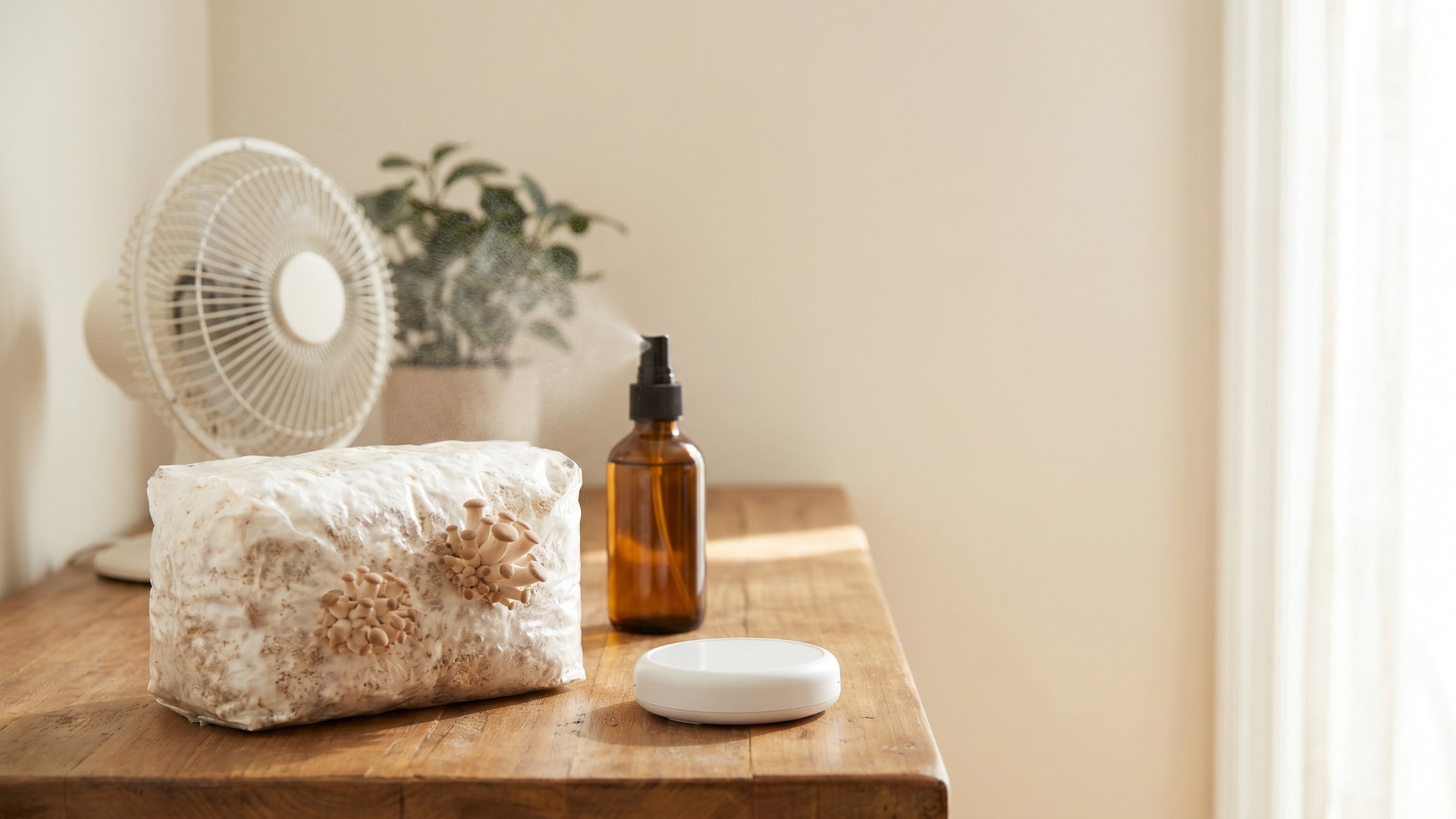
Straw mushrooms thrive in warm, subtropical conditions:
- Temperature: 25-30°C (77-86°F) is ideal
- Humidity: 80% or higher
- Light: Ambient light helps trigger fruiting (no direct sunlight needed)
- Airflow: Moderate circulation prevents contamination
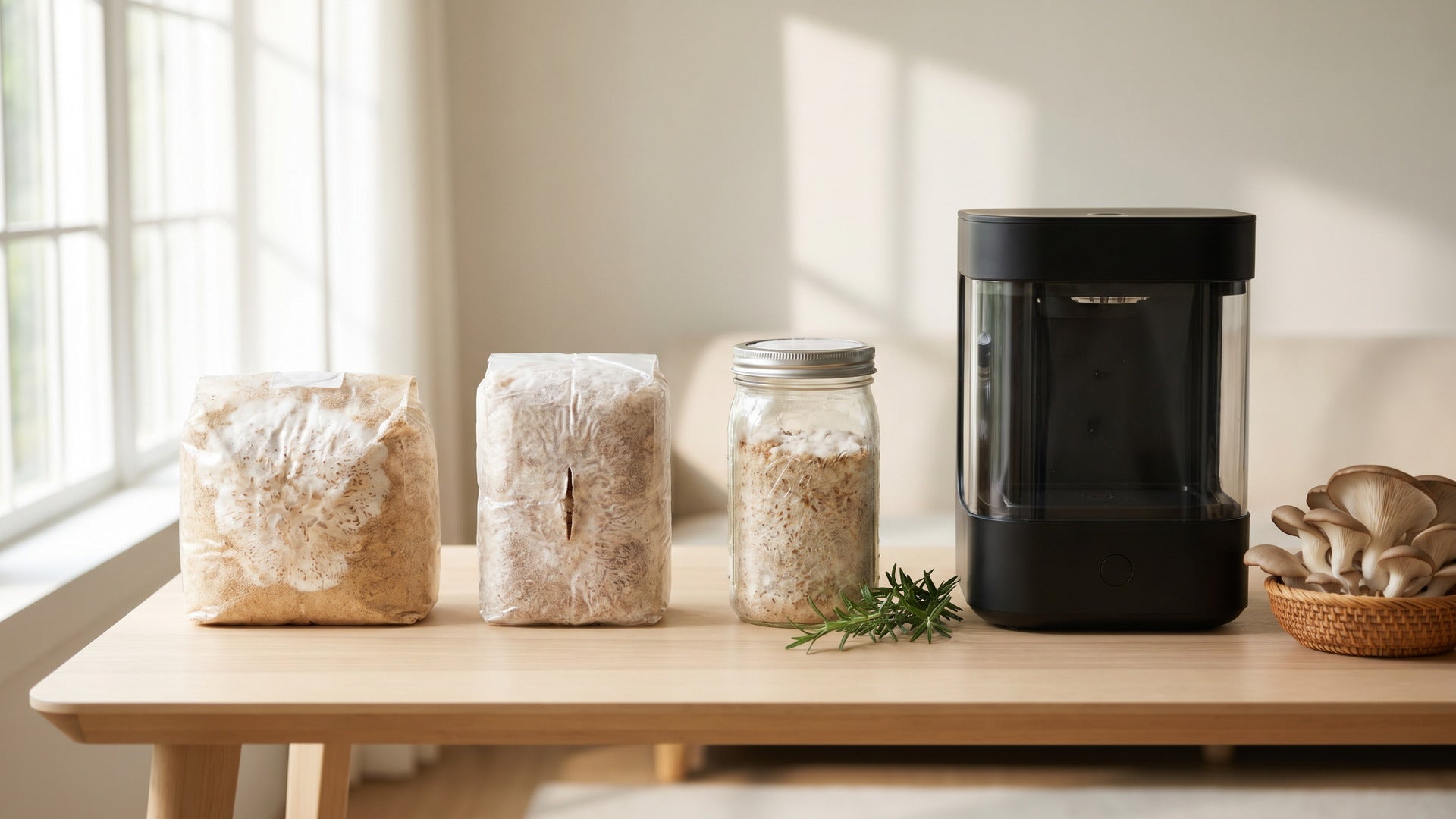
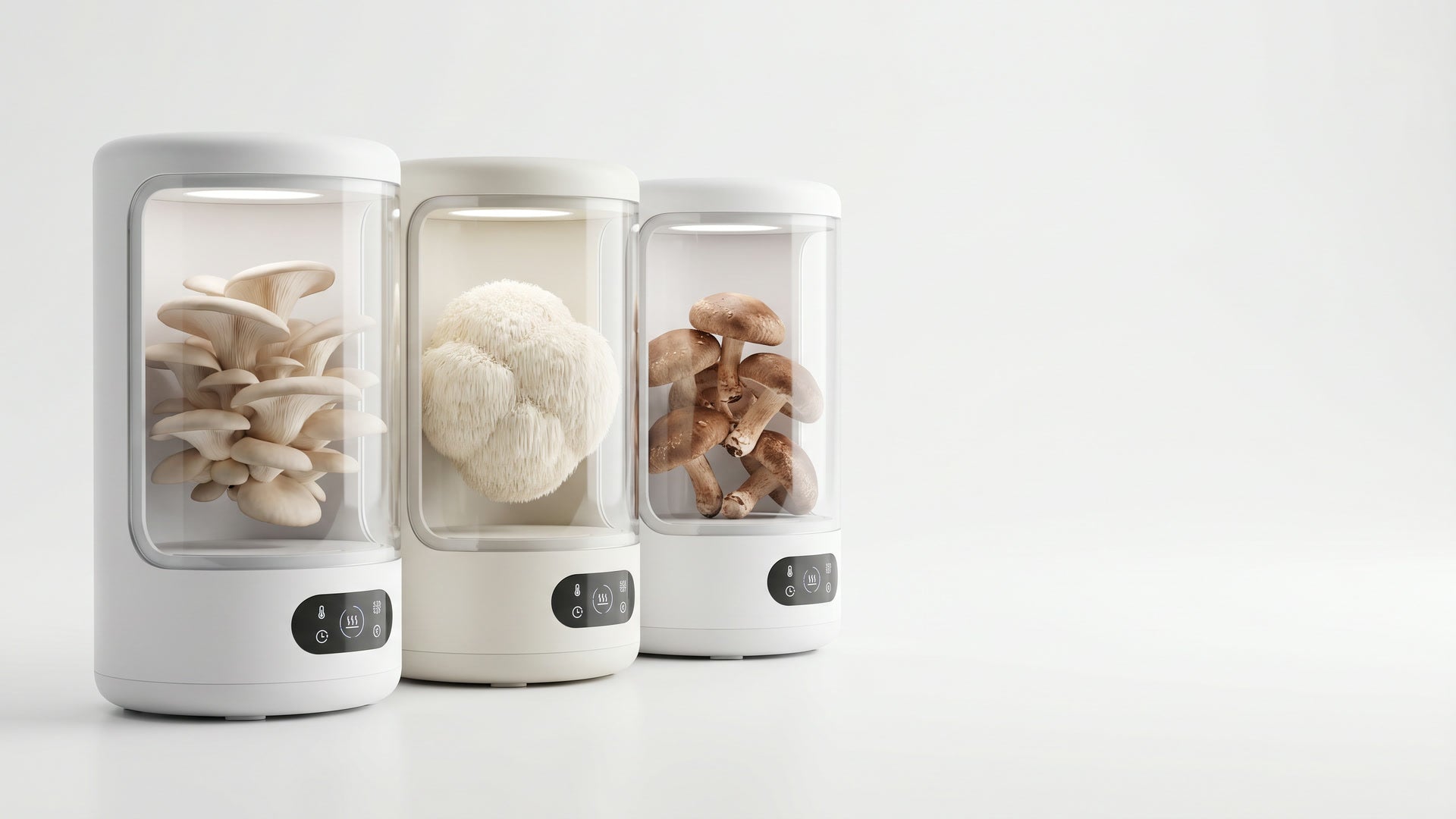
The Lykyn Smart Mushroom Grow Kit provides automated environmental control that can be adapted for straw mushroom cultivation, automatically maintaining optimal humidity and airflow conditions.
Step-by-Step Growing Process
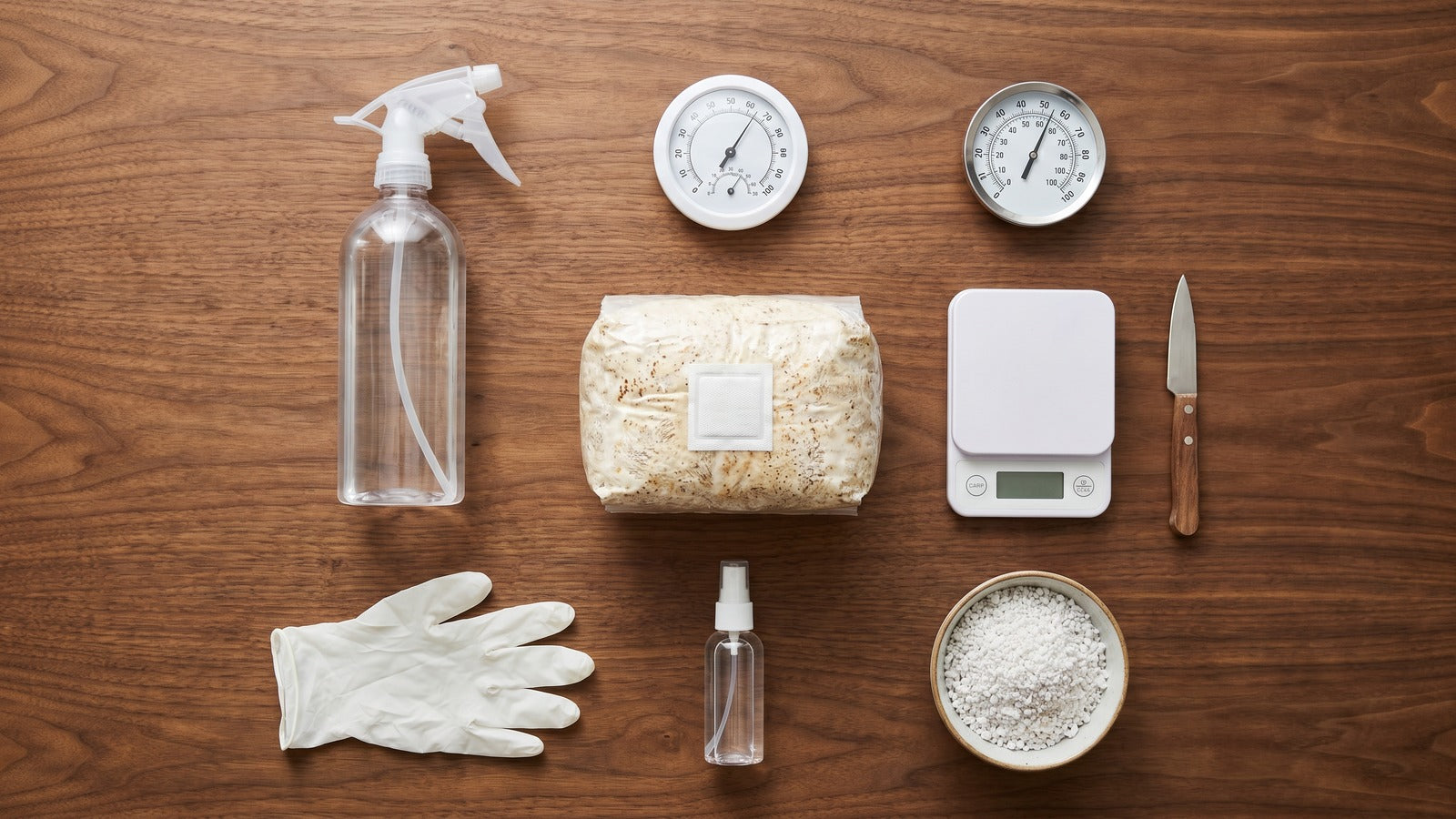
1. Prepare Your Substrate
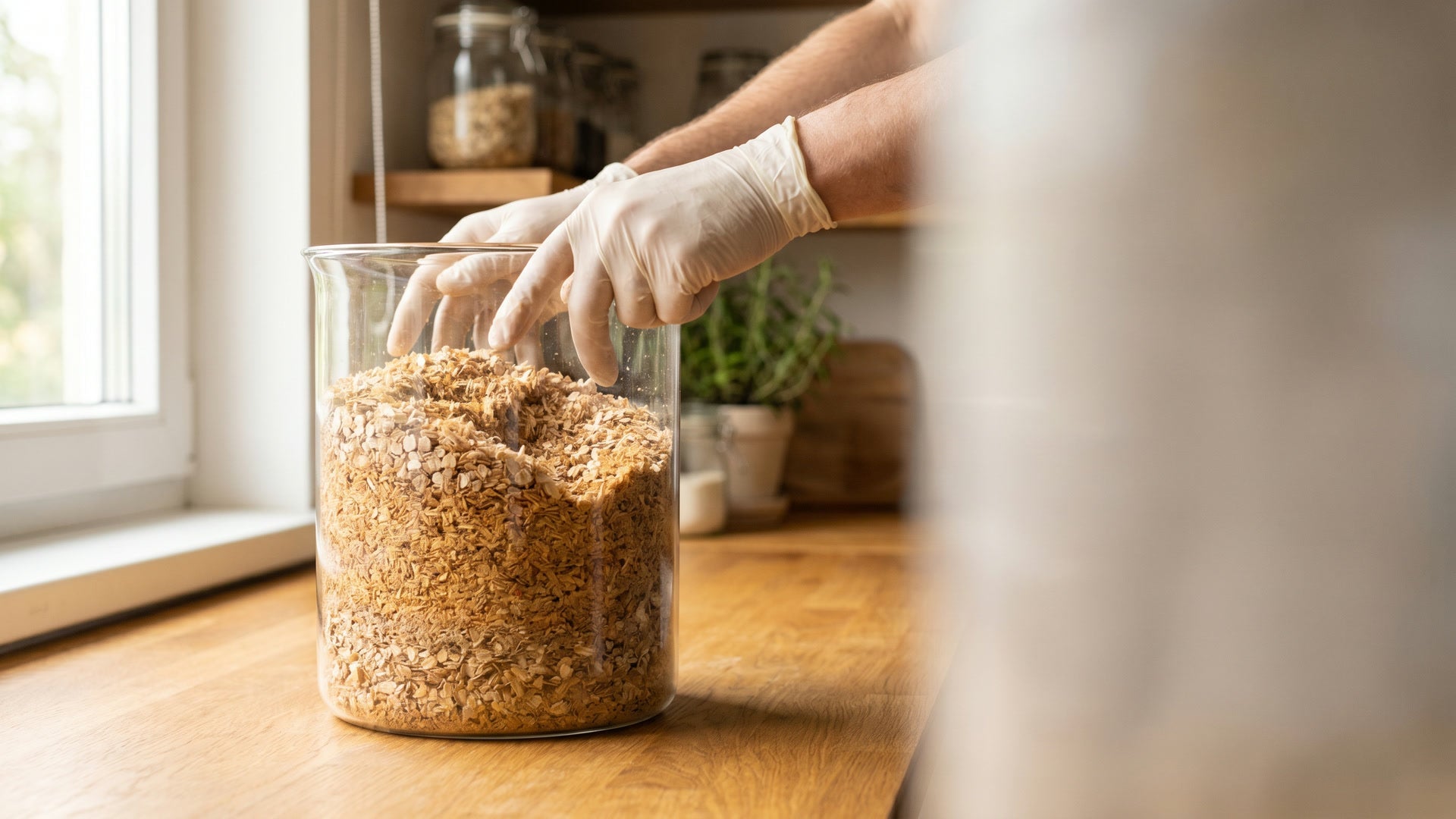
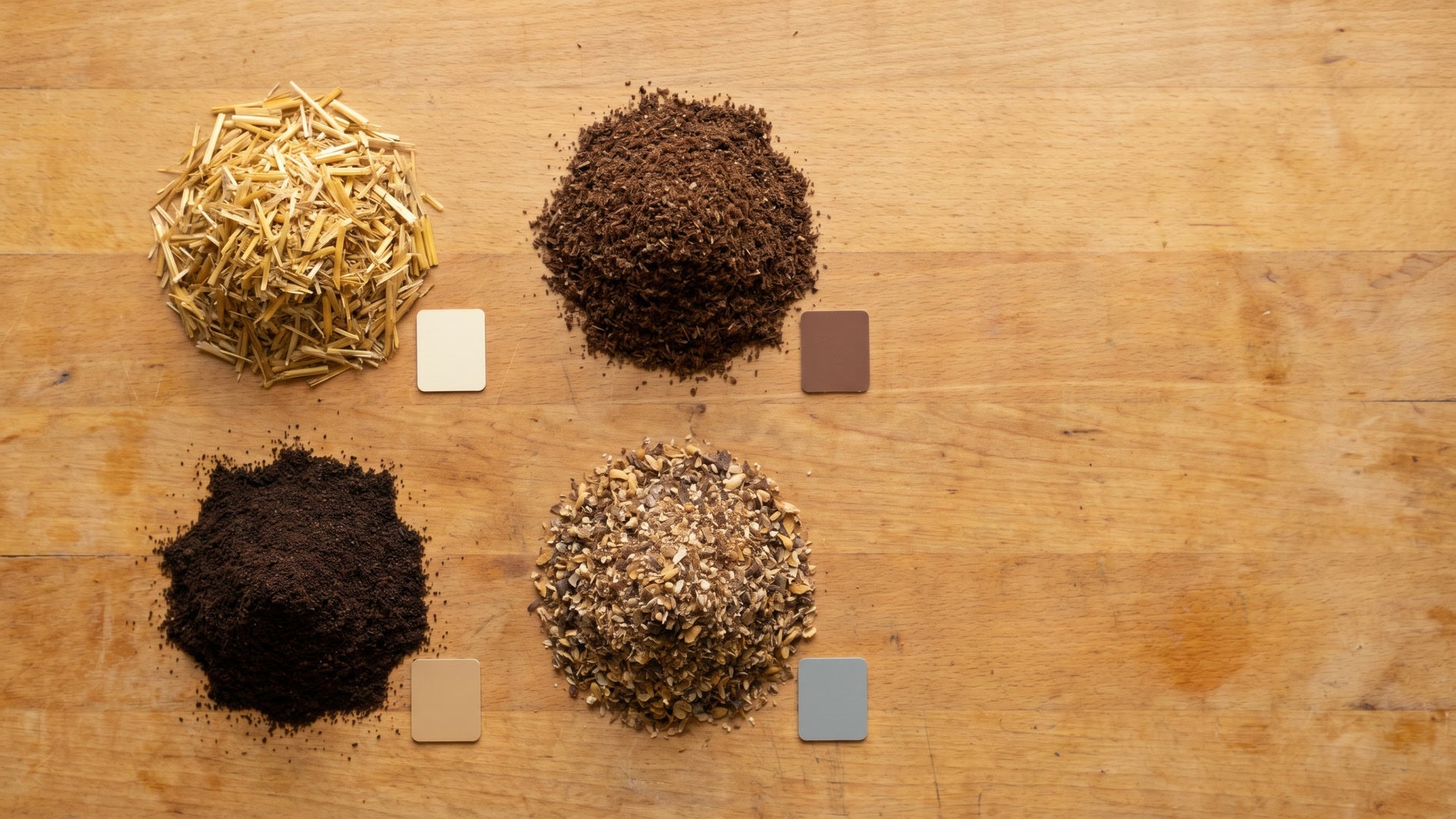
Rice straw or wheat straw work best. Here's how to prepare it:
- Chop straw into 3-5 cm (1-2 inch) pieces
- Soak in lukewarm water (30°C/86°F) for 24-48 hours
- Add hydrated lime (50g per liter of water) to create alkaline environment
- Drain thoroughly, straw should be damp, not dripping
2. Pasteurize for Success
Pasteurization eliminates competing organisms while preserving beneficial bacteria. Two methods work well:
Heat Method: Submerge straw in hot water (70-80°C) for 50-60 minutes
Lime Soak Method: The lime-water soak serves dual purposes, hydration and pasteurization through pH adjustment
3. Inoculate with Spawn
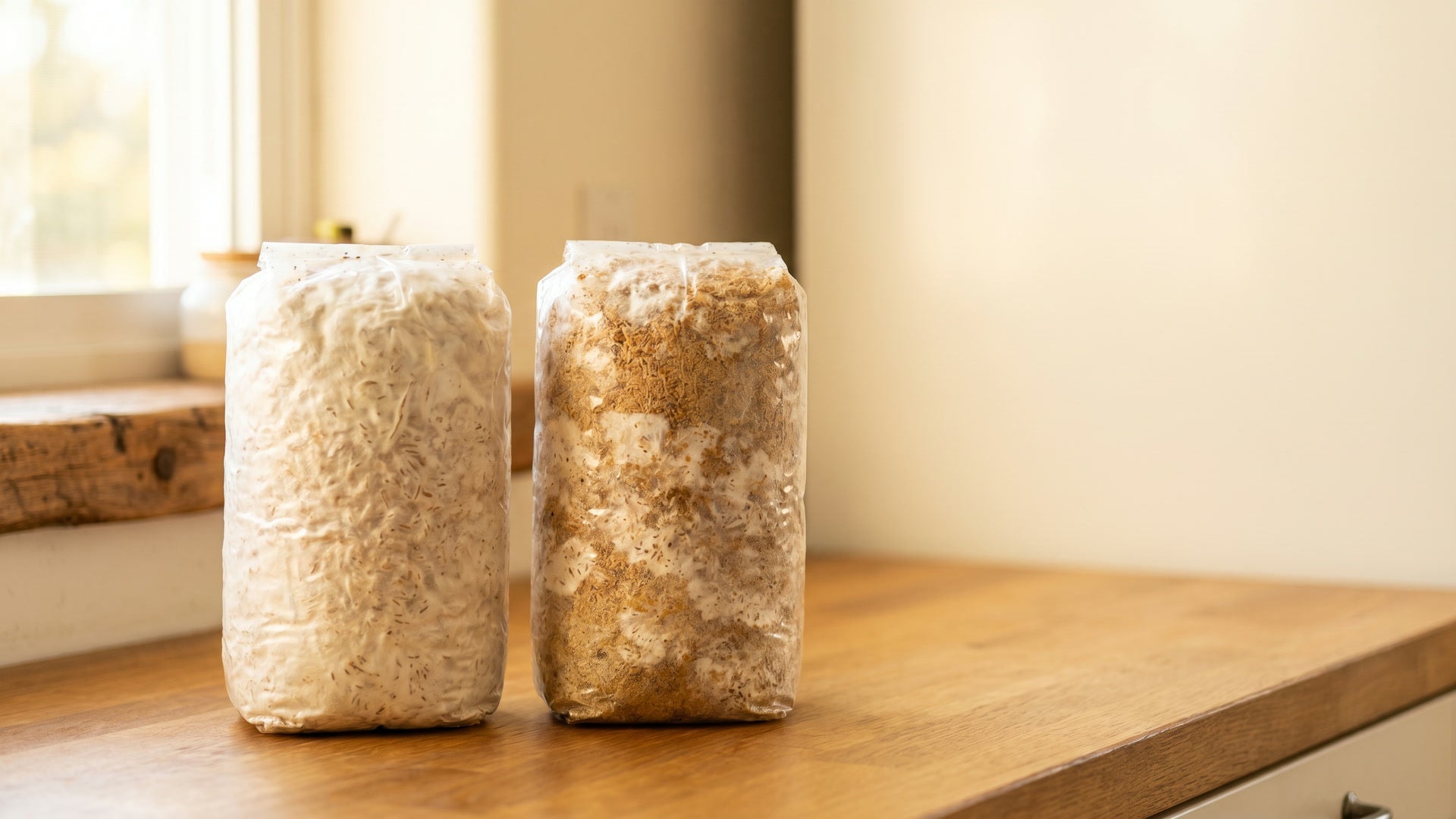
Once cooled, mix high-quality Volvariella volvacea spawn throughout your prepared straw. Grain spawn colonizes slightly faster than sawdust spawn due to readily available nutrients.
4. Incubation and Fruiting
Pack inoculated straw into containers with drainage holes. Maintain warm temperatures and high humidity. Within 10-14 days, you should see pinning (baby mushrooms forming). Harvest when buttons reach desired size.
For additional cultivation techniques, our comprehensive best mushroom grow kit for beginners guide offers excellent insights into creating optimal growing conditions.
Cooking with Straw Mushrooms: Techniques and Recipe Ideas
Straw mushrooms' delicate texture and mild, earthy flavor make them incredibly versatile in the kitchen. They're particularly popular in Asian cuisine, where their neutral taste absorbs surrounding flavors beautifully.
Important Cooking Note
Never eat straw mushrooms raw. Always cook them thoroughly to ensure safety and digestibility. Cooking also enhances their flavor and texture.
Best Cooking Methods
Stir-Frying: Add to vegetable or meat stir-fries during the last few minutes of cooking. Their texture holds up beautifully to high heat.
Soups and Stews: Perfect for tom yum soup, hot and sour soup, or any Asian-inspired broth. Add during the final 5-10 minutes of cooking.
Sautéing: Quick sauté with garlic, ginger, and soy sauce creates a delicious side dish in minutes.
Curries: Excellent in Thai, Indian, or Malaysian curries where they absorb the aromatic spices.
Noodle Dishes: Classic addition to chow mein, pad thai, or ramen bowls.
Flavor Pairings
Straw mushrooms pair exceptionally well with:
- Spices: Turmeric, garam masala, cumin, ginger, garlic
- Aromatics: Lemongrass, Thai basil, cilantro, scallions
- Proteins: Fish, shrimp, crab, chicken, tofu, beef
- Vegetables: Snow peas, bamboo shoots, bell peppers, bok choy, carrots
- Sauces: Soy sauce, oyster sauce, coconut milk, fish sauce
For more mushroom cooking inspiration, check out our detailed black pearl mushroom recipes guide, which features similar umami-rich preparation techniques.
Critical Safety Warning: Identifying Straw Mushrooms vs. Death Caps
This is extremely important: In their button stage, straw mushrooms closely resemble the highly toxic death cap mushroom (Amanita phalloides), which is lethal when consumed. This similarity has led to fatal poisonings, particularly among immigrants from Southeast Asia who mistake death caps for straw mushrooms when foraging.
How to Distinguish Straw Mushrooms from Death Caps
Spore Print Test (Most Reliable):
- Straw mushrooms: Pink spore print
- Death caps: White spore print
Distribution Differences:
- Death caps generally don't grow where straw mushrooms are native
- However, death caps have been introduced to California and Australia where immigrants have been poisoned
Safety Recommendations
- Never forage wild mushrooms unless you're an expert or working with a trained mycologist
- Purchase from reliable sources like Asian markets or reputable suppliers
- When in doubt, don't eat it, the risk isn't worth it
- Grow your own using verified spawn from reputable mushroom suppliers
Growing your own straw mushrooms using the Lykyn Smart Mushroom Grow Kit eliminates identification concerns entirely while providing fresh, safe mushrooms year-round.
Storing Fresh and Canned Straw Mushrooms
Fresh Straw Mushrooms
Fresh straw mushrooms are delicate with a short shelf life:
- Store in paper bags or porous containers (allows air circulation)
- Refrigerate immediately at 32-35°F
- Use within 2-3 days for best quality
- Avoid plastic bags that trap moisture and cause spoilage
Canned Straw Mushrooms
Outside Asia, canned straw mushrooms are more common:
- Excellent shelf life when unopened
- Once opened, transfer to airtight container
- Refrigerate and use within 3-4 days
- Rinse before using to reduce sodium
Dried Straw Mushrooms
- Store in airtight containers in cool, dark place
- Rehydrate in warm water for 20-30 minutes before use
- Use soaking liquid in recipes for added flavor
For more preservation tips, our guide on when to harvest oyster mushrooms includes storage techniques applicable to multiple mushroom varieties.
Frequently Asked Questions About Straw Mushrooms
What do straw mushrooms taste like?
Straw mushrooms have a mild, earthy, and slightly musky flavor with a smooth, velvety, and tender texture. They're more subtle than shiitake or portobello mushrooms, making them perfect for absorbing other flavors in dishes while adding pleasant texture.
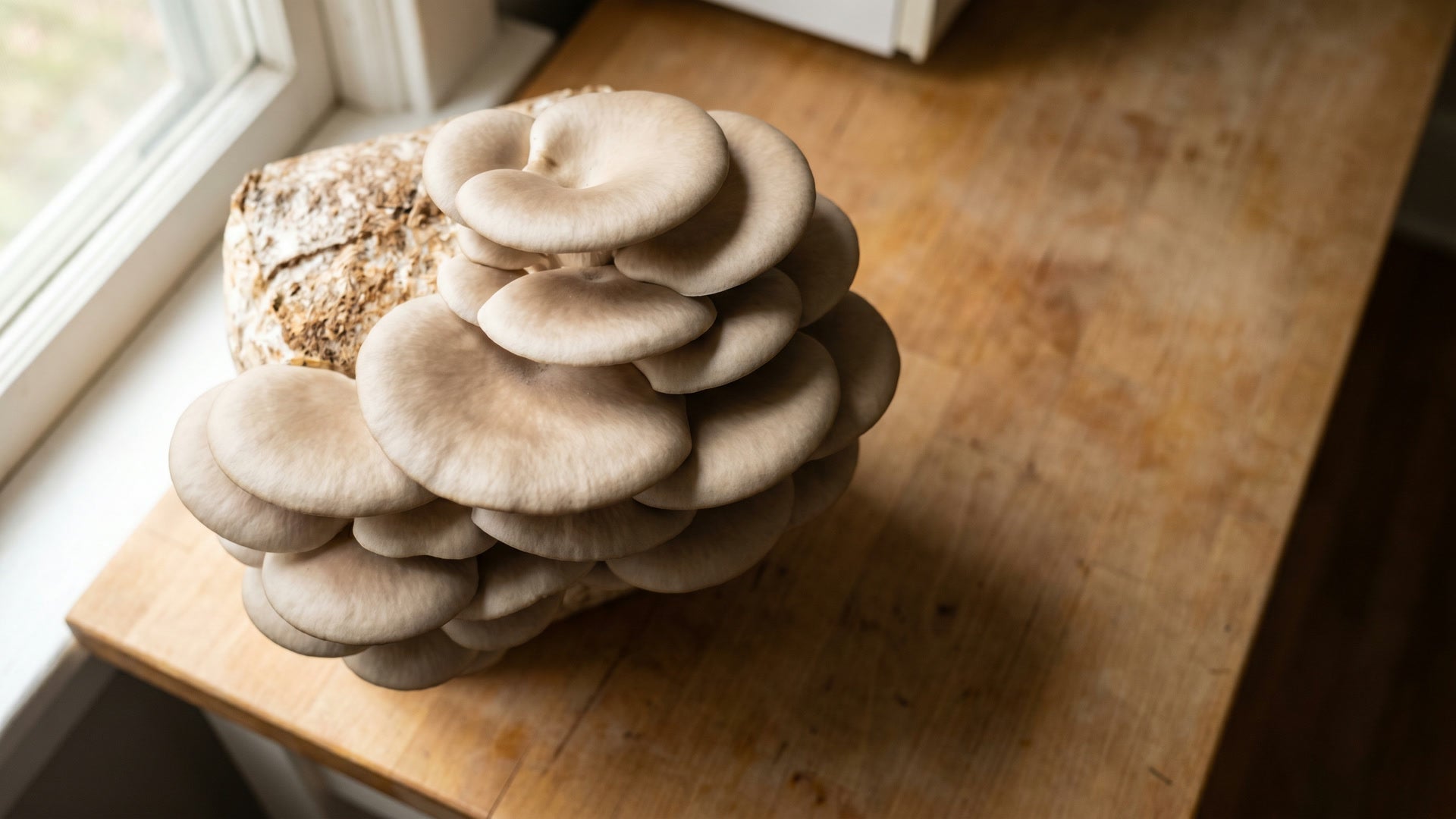
Are straw mushrooms the same as oyster mushrooms?
No, straw mushrooms (Volvariella volvacea) are a completely different species from oyster mushrooms (Pleurotus species). However, they share some similarities in cultivation methods and both belong to the broader category of easy-to-grow gourmet mushrooms. Our trumpet mushrooms guide explores oyster mushroom relatives if you're interested in related varieties.
Can you eat straw mushrooms raw?
No, you should never eat straw mushrooms raw. Always cook them thoroughly to ensure safety and digestibility. Cooking also enhances their flavor and makes their nutrients more bioavailable.
Why are straw mushrooms hard to find fresh in Western countries?
Fresh straw mushrooms have an extremely short shelf life (2-3 days) and are very delicate, making them difficult to transport long distances. They're primarily available fresh in regions where they're cultivated. Western markets typically carry canned or dried versions, which is why home cultivation is becoming increasingly popular.
How long do straw mushrooms take to grow?
Straw mushrooms are incredibly fast-growing, maturing in just 4-5 days once fruiting conditions are met. From inoculation to harvest, the entire process typically takes 10-21 days, making them one of the quickest mushroom crops you can grow.
What's the difference between peeled and unpeeled straw mushrooms?
"Unpeeled" straw mushrooms are young, button-stage mushrooms with their protective membrane intact, they're considered more flavorful and nutritious. "Peeled" mushrooms are mature specimens with expanded caps. Both are edible, but unpeeled mushrooms command higher prices in Asian markets.
Can I grow straw mushrooms in temperate climates?
Straw mushrooms prefer warm, subtropical conditions (77-86°F), which can be challenging in temperate regions. However, with climate control equipment like heated grow spaces or the Lykyn Smart Mushroom Grow Kit with temperature management, you can successfully cultivate them anywhere indoors.
Featured Snippet Summary
Straw mushrooms (Volvariella volvacea) are edible Asian fungi that rank as the world's third-most-consumed mushroom. They offer impressive health benefits including cancer prevention, immune support, bone strengthening, and heart health. Rich in vitamins B, C, and D, iron, copper, and antioxidants, they're low in calories yet high in protein and fiber. Straw mushrooms grow quickly (4-5 days to maturity) on pasteurized rice or wheat straw in warm (77-86°F), humid conditions, making them perfect for beginner home cultivators seeking fast-growing, nutritious crops.
Start Your Straw Mushroom Journey Today
Straw mushrooms represent an exciting opportunity to explore traditional Asian cuisine, enjoy remarkable health benefits, and potentially start your own sustainable home cultivation project. Their fast growth cycle, impressive nutritional profile, and culinary versatility make them an excellent choice for anyone interested in functional foods and mushroom growing.
Whether you're drawn to their cancer-fighting properties, interested in their cultural significance, or simply want to experiment with a new gourmet ingredient, straw mushrooms offer something special. While fresh specimens can be challenging to source in Western markets, growing your own ensures a steady supply of these nutritious fungi at peak freshness.
Ready to grow your own mushrooms at home? The Lykyn Smart Mushroom Grow Kit makes cultivation effortless with automated humidity and airflow control that adapts to various mushroom species. Start with beginner-friendly varieties and expand your growing repertoire as your confidence builds.
For more mushroom cultivation guides and delicious recipes, explore our complete collection of mushroom growing resources and join the growing community of home mushroom cultivators discovering the joy of homegrown fungi. Your first harvest of fresh straw mushrooms could be just weeks away!
Share:
King Trumpet Mushroom Benefits: 7 Powerful Reasons to Add Them to Your Diet
Best Mushroom Growing Kits 2026: Top 5 Reviewed and Tested