


Quick Answer: The rarest mushroom in the world is widely considered to be yartsa gunbu (Ophiocordyceps sinensis), a parasitic fungus found only above 10,000 feet in the Himalayas. It sells for up to $50,000 per pound and has never been commercially cultivated. Other contenders include the devil's cigar mushroom, which exists in only two locations on Earth, and the European white truffle, which resists all cultivation attempts.
The Rarest Mushroom in the World: 12 Extraordinary Fungi You Need to Know
Some mushrooms are so rare that most mycologists will never see them in person. We are not talking about hard-to-find chanterelles or seasonal morels - we are talking about fungi that grow in only two countries, cost more than gold, or glow in the dark like something from a science fiction movie.

Smart Chamber. Bone White Single
- 2.8L tank, 90% humidity automatic
- App-controlled, plug-and-play
- 6 lb block ceiling, in stock

Smart Chamber. Obsidian Black Single
- Same hardware as Bone White
- Matte black premium finish
- Pairs with any kitchen palette

The world of rare mushrooms sits at the intersection of extreme ecology, culinary luxury, and genuine scientific mystery. Some of these species have been found fewer than a hundred times in recorded history. Others are disappearing so quickly that they may not exist in the wild within a decade.
Whether you are a mycology enthusiast, a curious foodie, or someone who just wants to know what the most expensive mushroom on Earth actually looks like, this guide covers the 12 rarest mushroom species ever documented - with real prices, real locations, and the science behind their scarcity.

What Makes a Mushroom Rare?
Before diving into the list, it helps to understand why certain mushrooms are rare in the first place. Rarity in fungi comes from several factors:
- Mycorrhizal dependency. Many rare mushrooms form obligate relationships with specific tree species. They cannot grow without their host - and when the host disappears, so does the mushroom.
- Extreme habitat requirements. Some species only fruit above 10,000 feet, inside specific soil pH ranges, or after very particular weather sequences.
- Resistance to cultivation. The most expensive mushrooms in the world share one trait: humans have never figured out how to farm them at scale.
- Habitat destruction. Deforestation, climate change, and urban development are shrinking the already limited ranges of many rare fungi.
- Brief fruiting windows. Some species fruit for just days per year, making them nearly impossible to find even when you know where to look.
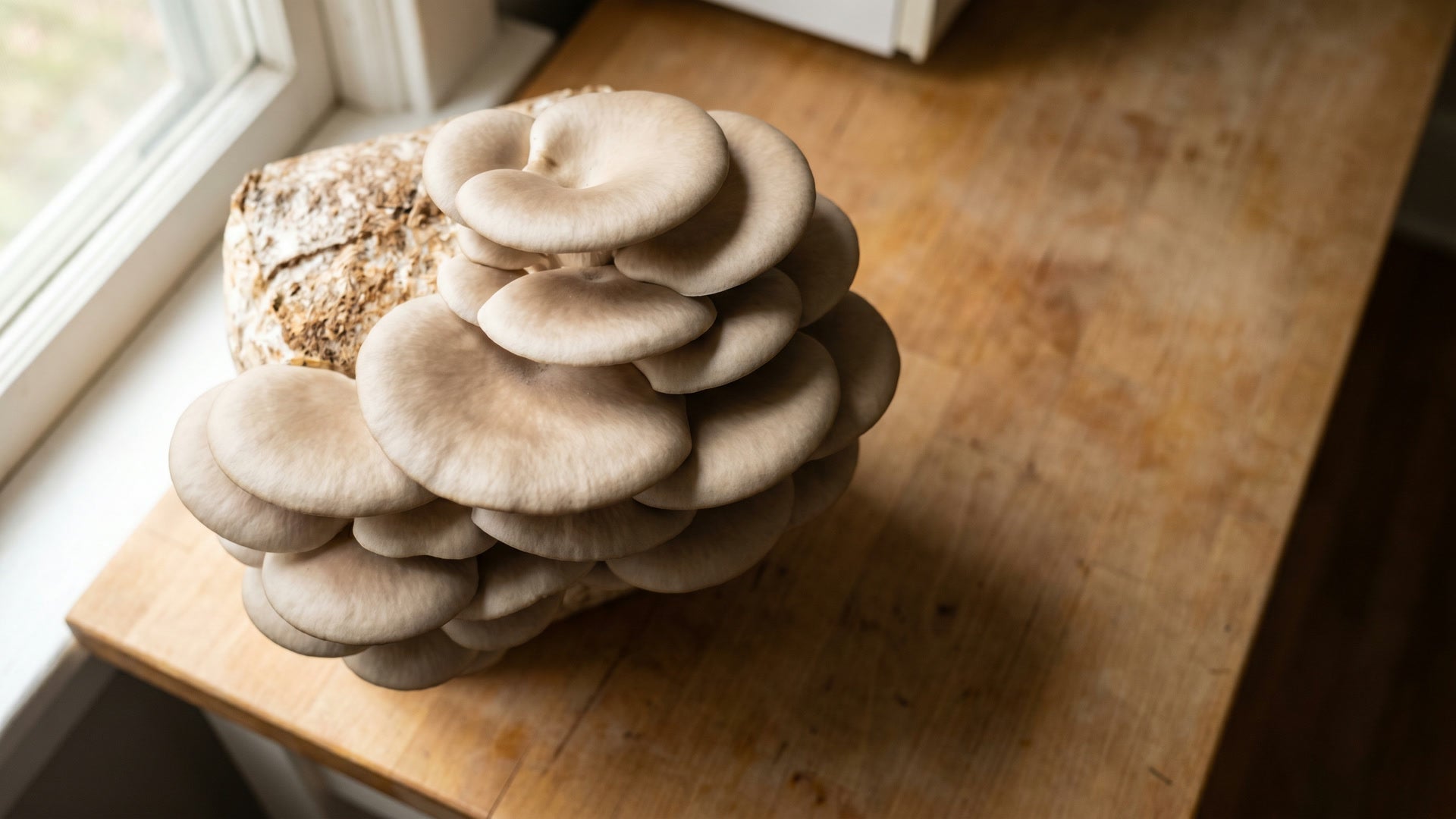
Understanding these factors changes how you think about mushroom growing in general. Even common species like oyster or shiitake mushrooms require precise environmental conditions - the difference is that we have mastered those conditions for cultivatable species. If you are curious about what controlled cultivation looks like, our mushroom grow kits demonstrate how temperature, humidity, and substrate work together.
The 12 Rarest Mushrooms in the World
1. Yartsa Gunbu (Ophiocordyceps sinensis) - $50,000/lb
The undisputed king of rare mushrooms. Yartsa gunbu - Tibetan for "summer grass, winter worm" - is a parasitic fungus that infects ghost moth caterpillars buried in Himalayan soil. The fungus consumes the caterpillar from the inside, then sprouts a thin brown stalk from the caterpillar's head.
- Location: Tibetan Plateau, Nepal, Bhutan - only above 3,000"5,000 meters elevation
- Price: $50,000 per pound ($2,000 per ounce)
- Why so rare: Has never been commercially cultivated. Wild populations are declining 30% per decade due to overharvesting and climate change. Collection season lasts just 4"6 weeks per year.
- Used for: Traditional Chinese medicine (energy, libido, lung health). Scientific research into anti-tumor and immunomodulatory compounds.
2. European White Truffle (Tuber magnatum) - $4,000"$10,000/lb
The most expensive edible mushroom that people actually eat. White truffles from Alba, Italy are the crown jewel of fine dining.
- Location: Piedmont region of Italy, parts of Croatia and Slovenia
- Price: $4,000"$10,000 per pound. The largest specimen ever sold went for $330,000 at auction.
- Why so rare: Grows exclusively underground in symbiosis with oak, hazel, and poplar roots. Every serious cultivation attempt has failed. Must be hunted with trained dogs (pigs were banned in Italy). Season lasts only October"December.
3. Matsutake (Tricholoma matsutake) - $1,000"$4,000/lb
Once abundant in Japan, matsutake production has dropped 95% over the past 70 years. The cause: pine wilt disease and nematode infestations destroying the red pine forests that matsutake depends on.
- Location: Japan (increasingly rare), Korea, Pacific Northwest USA, parts of Scandinavia
- Price: $1,000"$4,000/lb for Japanese grade 1 specimens
- Why so rare: Obligate mycorrhizal with pine trees. Cannot be cultivated. The specific old-growth forest conditions it requires are vanishing globally.
4. Devil's Cigar (Chorioactis geaster)
One of the rarest mushrooms on Earth by geographic distribution - it exists in only two locations: central Texas, USA and a small area in Nara, Japan. These locations are separated by 11,000 kilometers with no known populations between them.
- Location: Texas (USA) and Nara Prefecture (Japan) - nowhere else on Earth
- Price: Not commercially traded (too rare and protected)
- Why so rare: Scientists cannot explain why it grows in only two locations on opposite sides of the Pacific. DNA analysis suggests the Texas and Japan populations diverged 19 million years ago. The mushroom is shaped like a dark brown cigar that splits open into a star shape, releasing a distinctive hissing sound and a smoky spore cloud.
5. Ghost Mushroom (Omphalotus nidiformis)
This bioluminescent fungus glows an eerie green in total darkness - one of the few mushrooms you can literally see at night.
- Location: Southern Australia and Tasmania
- Price: Not commercially traded (toxic to humans)
- Why so rare: Limited to specific eucalyptus forest habitats in southern Australia. Bioluminescence is only visible in total darkness during peak fruiting. The glow is produced by an enzyme called luciferase reacting with luciferin - the same chemical system used by fireflies.
- Warning: Despite its beauty, the ghost mushroom is poisonous and causes severe cramps and vomiting if consumed.
6. Bleeding Tooth Fungus (Hydnellum peckii)
One of the most visually striking fungi on Earth. Young specimens exude thick, blood-red droplets on a white surface - a process called guttation that makes it look like the mushroom is bleeding.
- Location: North America, Europe, Iran, Korea - in coniferous forests with sandy soil
- Price: Not commercially traded
- Why so rare: Requires very specific undisturbed coniferous forests with low nitrogen levels. As nitrogen pollution increases from agriculture and industry, suitable habitats are shrinking. Classified as endangered or threatened in several European countries.

7. Veiled Lady Mushroom (Phallus indusiatus)
This extraordinary mushroom unfurls a delicate lace-like "skirt" or veil that cascades from beneath its cap - earning it names like "bridal veil stinkhorn" and "queen of mushrooms" in Chinese cuisine.
- Location: Tropical forests across southern Asia, Africa, Americas, and Australia
- Price: $20"$50/oz for dried culinary specimens; wild specimens are far rarer
- Why so rare: While the species has a broad range, finding one at peak display (veil fully extended) is extremely rare. The veil unfurls over just 4"6 hours before collapsing. Cultivated forms exist in China but lack the quality of wild specimens.
8. Lion's Mane (Hericium erinaceus) - Wild Specimens
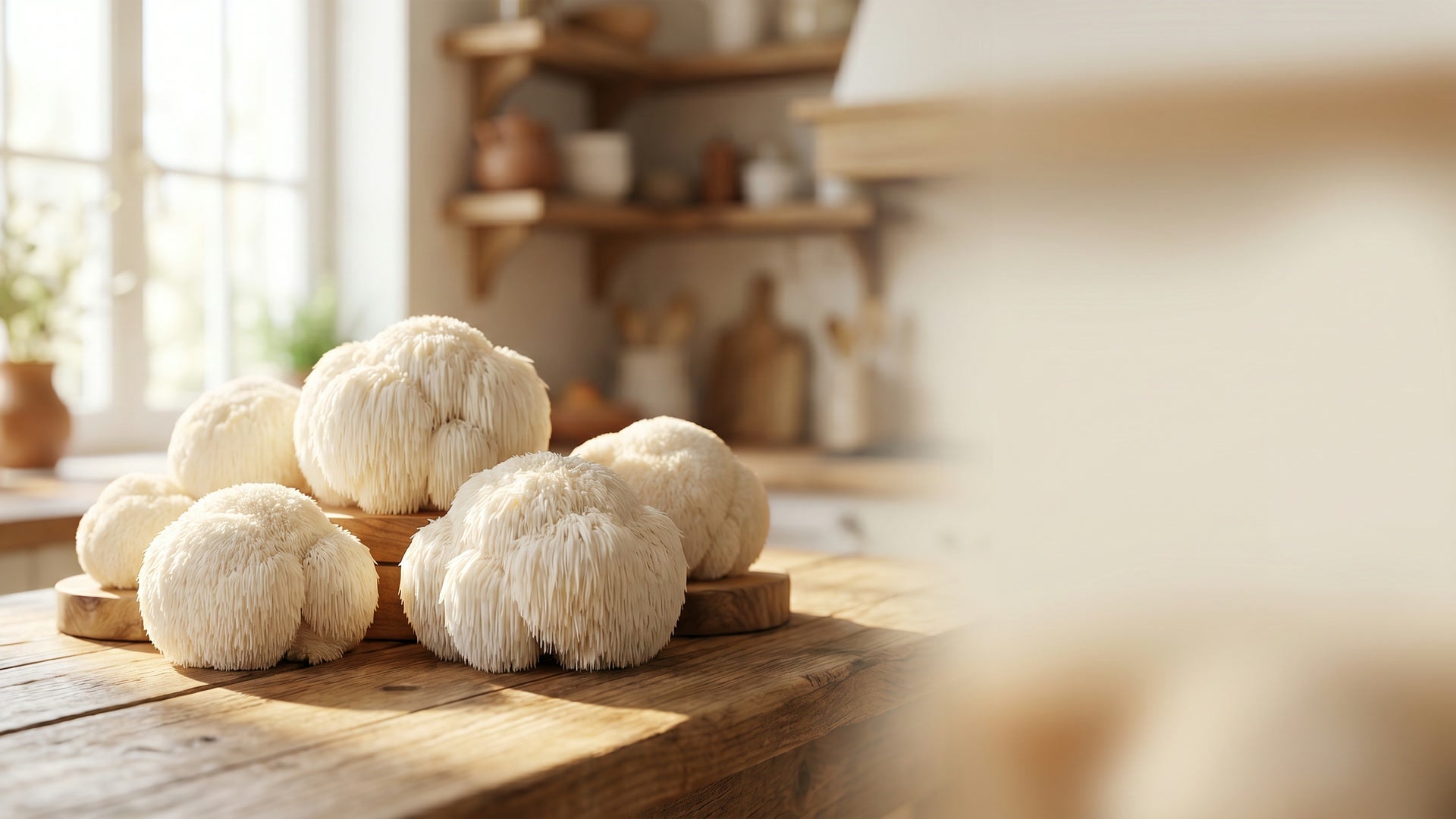
Cultivated lion's mane is increasingly common, but wild lion's mane is classified as endangered in multiple European countries and rare across its natural range.
- Location: Hardwood forests across North America, Europe, and Asia
- Price: Wild: difficult to obtain legally in protected regions. Cultivated: $8"$15/lb
- Why wild is rare: Requires large, mature hardwood trees (particularly beech and oak) with specific wound patterns. Old-growth forest loss has devastated wild populations. In the UK, it is protected under Schedule 8 of the Wildlife and Countryside Act.
- Good news: Lion's mane is one of the few "rare in the wild" mushrooms that cultivates beautifully. Our mushroom liquid cultures include lion's mane varieties that you can grow at home.
9. Amanita caesarea (Caesar's Mushroom)
Named after the Roman emperors who prized it, this bright orange mushroom with a yellow stem was considered the finest edible mushroom in ancient Rome.
- Location: Southern Europe (Italy, Spain, Portugal), parts of North Africa
- Price: $50"$100/lb in season at European markets
- Why so rare: Only fruits in mature oak forests in Mediterranean climates during narrow autumn windows. Climate change is shifting its range and reducing fruiting reliability. Often confused with the deadly Amanita muscaria (fly agaric) - a dangerous lookalike that deters casual foragers.
10. Blue Pinkgill (Entoloma hochstetteri)
A mushroom so vivid and unnaturally blue that it appears painted. The blue pinkgill is iconic enough to be featured on New Zealand's $50 banknote.
- Location: New Zealand and parts of India - temperate podocarp forests
- Price: Not commercially traded (toxic)
- Why so rare: Extremely limited habitat range. Found only in undisturbed native podocarp and broadleaf forests, which are declining. The stunning blue color comes from azulene pigments - the same compounds found in some essential oils.
11. Spongiforma squarepantsii
Yes, this is a real species. Discovered in 2011 in Borneo and named after SpongeBob SquarePants because it looks like a sea sponge.
- Location: Lambir Hills National Park, Sarawak, Malaysian Borneo
- Price: Not commercially traded (too rare for collection)
- Why so rare: Known from only a single location in Borneo. Smells faintly fruity. The sponge-like body is rubbery and springs back when squeezed - unlike any other known mushroom. Scientists have found only a handful of specimens since its discovery.
12. Rhodotus palmatus (Wrinkled Peach)
A beautiful pink-orange mushroom with a wrinkled, brain-like cap surface. Once widespread across the Northern Hemisphere, it is now critically rare.
Fuel Your Mushroom Journey
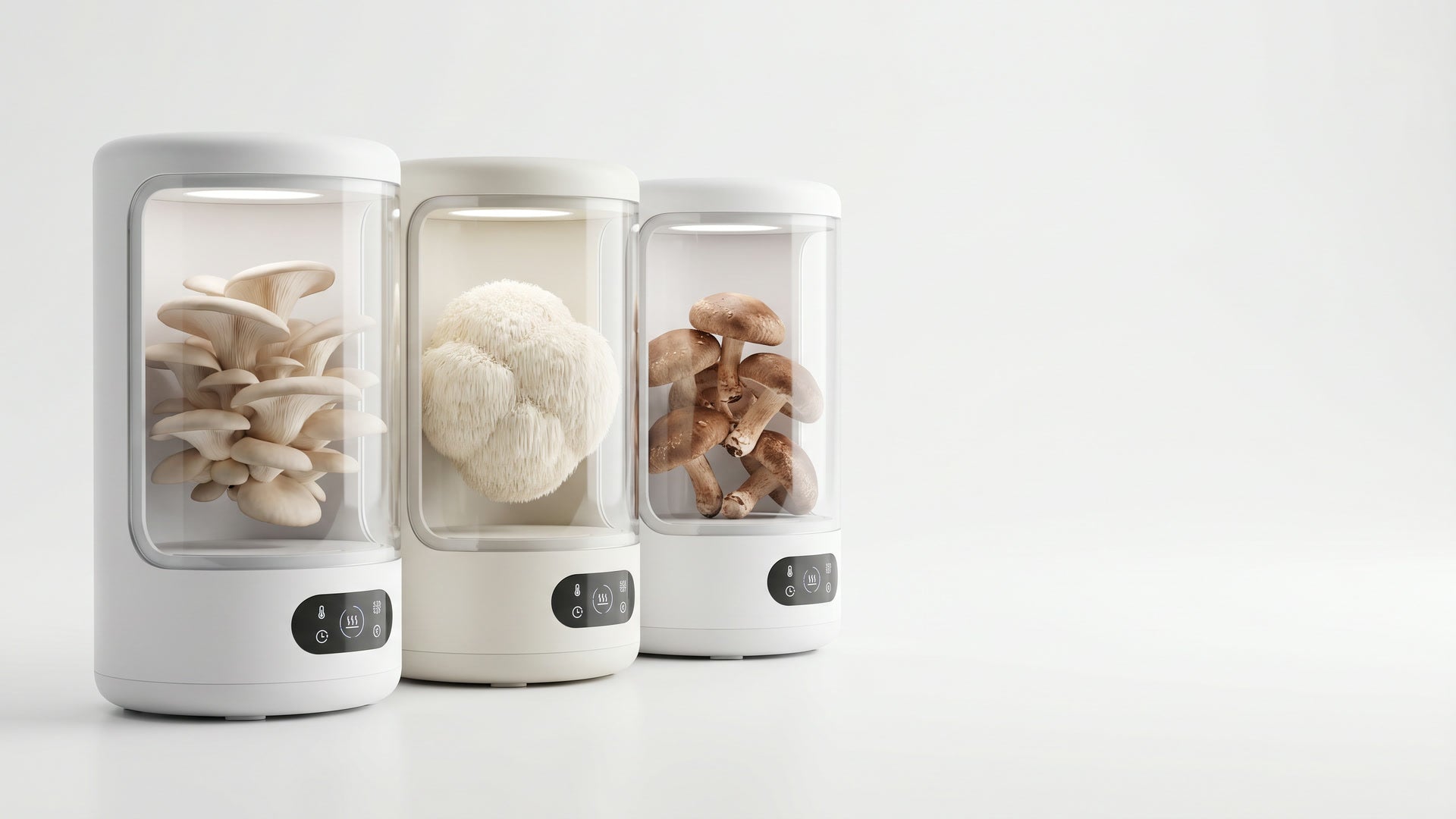
Smart Mushroom Grow Chamber
Plug-and-play smart chamber with humidity, light, and airflow dialed in for every species. Beginners harvest their first flush in days, not months.
Add to cart $299- Location: Eastern North America, parts of Europe - on decaying elm wood
- Price: Not commercially traded
- Why so rare: Almost entirely dependent on dead elm trees. Dutch elm disease has destroyed the vast majority of elm populations across North America and Europe since the 1960s, taking this mushroom's habitat with it. Now classified as endangered in several countries.
Rarest Mushrooms Price Comparison
| Mushroom | Price per Pound | Cultivation Possible? | Primary Location |
|---|---|---|---|
| Yartsa Gunbu | $50,000 | No | Himalayas |
| European White Truffle | $4,000"$10,000 | No | Italy (Piedmont) |
| Matsutake | $1,000"$4,000 | No | Japan, Pacific NW |
| Caesar's Mushroom | $50"$100 | Limited | Southern Europe |
| Veiled Lady | $20"$50/oz (dried) | Limited (China) | Tropical forests |
| Lion's Mane (wild) | Protected | Yes (cultivated) | Hardwood forests |
| Devil's Cigar | Not traded | No | Texas + Japan only |
| Ghost Mushroom | Not traded | No | Southern Australia |
Why Rare Mushrooms Matter Beyond Their Price Tag
Rare mushrooms are not just curiosities for collectors or luxury ingredients for chefs. They serve critical ecological functions and hold enormous potential for medicine and science.
Ecological indicators. Many rare mushrooms are the first species to disappear when an ecosystem degrades. The bleeding tooth fungus, for example, is a sentinel species for nitrogen pollution in European forests. When it vanishes, something is wrong with the soil chemistry.
Medicinal research. Yartsa gunbu contains cordycepin, a compound under active investigation for anti-cancer, anti-inflammatory, and neuroprotective properties. Lion's mane produces hericenones and erinacines that stimulate nerve growth factor (NGF) - a discovery that has sparked major research into Alzheimer's disease treatment.
Genetic diversity. Every mushroom species that goes extinct takes with it a unique genetic library - enzymes, compounds, and metabolic pathways that evolved over millions of years. The devil's cigar's 19-million-year divergence between its Texas and Japan populations makes it invaluable for studying fungal biogeography.
Growing mushrooms at home, even common cultivated species, builds a practical understanding of fungal biology that connects directly to conservation awareness. The LYKYN Automated Mushroom Fruiting Chamber lets you observe the full mycelium-to-fruiting lifecycle - the same fundamental process that drives even the rarest species on this list.
How to See Rare Mushrooms (Responsibly)
If you want to encounter rare mushrooms in the wild, here are some responsible guidelines:
- Never pick protected species. Many rare mushrooms are legally protected. In the UK, picking wild lion's mane can result in prosecution.
- Photograph, don't harvest. A photograph documents the species without reducing the population.
- Join local mycological societies. Guided forays led by experts are the safest and most effective way to find rare species.
- Report sightings. Platforms like iNaturalist allow you to log rare mushroom finds, contributing to global biodiversity databases.
- Support habitat conservation. Rare mushrooms need old-growth forests, undisturbed soils, and healthy ecosystems. Supporting conservation organizations directly helps.
For a deeper look at how mushrooms exist within broader ecological systems, check out our guide on whether mushrooms are producers or decomposers - understanding their role in nature adds context to why these rare species matter so much.
Frequently Asked Questions
What is the rarest mushroom in the world?
The rarest mushroom is widely considered to be yartsa gunbu (Ophiocordyceps sinensis), a parasitic fungus found only in the Himalayas above 10,000 feet. It has never been commercially cultivated and sells for up to $50,000 per pound. By geographic rarity, the devil's cigar mushroom exists in only two locations on Earth - Texas and Japan.
What is the most expensive mushroom you can buy?
Yartsa gunbu is the most expensive at $50,000 per pound. For culinary use, European white truffles from Alba, Italy command $4,000"$10,000 per pound, with record specimens selling for over $300,000 at auction. Japanese matsutake mushrooms cost $1,000"$4,000 per pound for top grade.
What is the rarest edible mushroom?
The rarest edible mushroom is the European white truffle (Tuber magnatum). It grows exclusively underground in symbiosis with specific tree roots in a limited Mediterranean region. Every attempt to commercially cultivate white truffles has failed, making them entirely dependent on wild harvest by trained dogs.
Can you grow rare mushrooms at home?
Most of the rarest mushrooms cannot be cultivated because they depend on specific wild tree hosts (mycorrhizal species) or extreme environmental conditions. However, some formerly wild-only species like lion's mane and king trumpet are now successfully cultivated at home using grow kits and fruiting chambers.
Why are some mushrooms impossible to cultivate?
Mushrooms that form obligate mycorrhizal relationships with living trees cannot survive without their host. The fungal mycelium wraps around tree roots and exchanges nutrients in a symbiosis that scientists have not been able to replicate artificially. This is why truffles, matsutake, and chanterelles remain wild-harvested.
Are any rare mushrooms going extinct?
Yes. Several rare mushroom species are classified as endangered or critically rare. Japanese matsutake production has dropped 95% in 70 years. The bleeding tooth fungus is threatened across Europe due to nitrogen pollution. Wild lion's mane is legally protected in the UK. Habitat loss from deforestation and climate change continues to shrink the ranges of rare fungi worldwide.
What is the weirdest rare mushroom?
The devil's cigar (Chorioactis geaster) is arguably the weirdest. It is shaped like a dark brown cigar that splits open into a star shape while making a hissing sound and releasing a visible spore cloud. It exists in only two locations on Earth separated by 11,000 km, and scientists cannot explain why.
Conclusion
The world's rarest mushrooms remind us that fungi operate on a completely different scale from the rest of the natural world. A mushroom that exists in only two countries, costs more than gold, or glows in total darkness is not an anomaly - it is a product of millions of years of evolution in some of the most demanding environments on the planet.
Here are the key takeaways:
- Yartsa gunbu ($50,000/lb) is the rarest and most expensive mushroom, found only in the Himalayas
- The devil's cigar exists in just two locations on Earth - Texas and Japan - 11,000 km apart
- Many rare mushrooms are impossible to cultivate due to obligate mycorrhizal relationships
- Habitat destruction and climate change are pushing several species toward extinction
- Wild lion's mane is legally protected, but cultivated varieties thrive at home
If learning about these extraordinary fungi makes you want to get hands-on with mushroom growing, start with species you can actually cultivate. Explore our mushroom grow kits - including lion's mane, one of the rarest mushrooms in the wild that grows beautifully in controlled conditions.

Share:
Little Mushroom Growing Guide: From Tiny Pins to Harvest-Ready Fungi
Top Mushroom Growing Kits Compared: What Actually Works in 2026