


The best mushroom growing kit in 2026 depends on your experience level and goals. Basic spray-and-grow kits cost $20-$35 and produce 1-2 harvests with daily misting. Automated mushroom grow boxes like the Lykyn Fruiting Chamber ($299-$389) handle humidity, airflow, and lighting automatically. Delivering bigger yields with zero manual work across 28+ species.
Growing mushrooms at home is one of the fastest-growing indoor gardening trends of 2026. According to the National Gardening Association, over 18 million American households experimented with some form of indoor food growing last year. And mushroom cultivation kits lead the pack.
But here is the problem: not all mushroom growing kits are created equal. Some produce a single flush of tiny oyster mushrooms and end up in the trash. Others give you consistent, restaurant-quality harvests for months. The difference comes down to how well the kit controls three things. Humidity, airflow, and contamination.
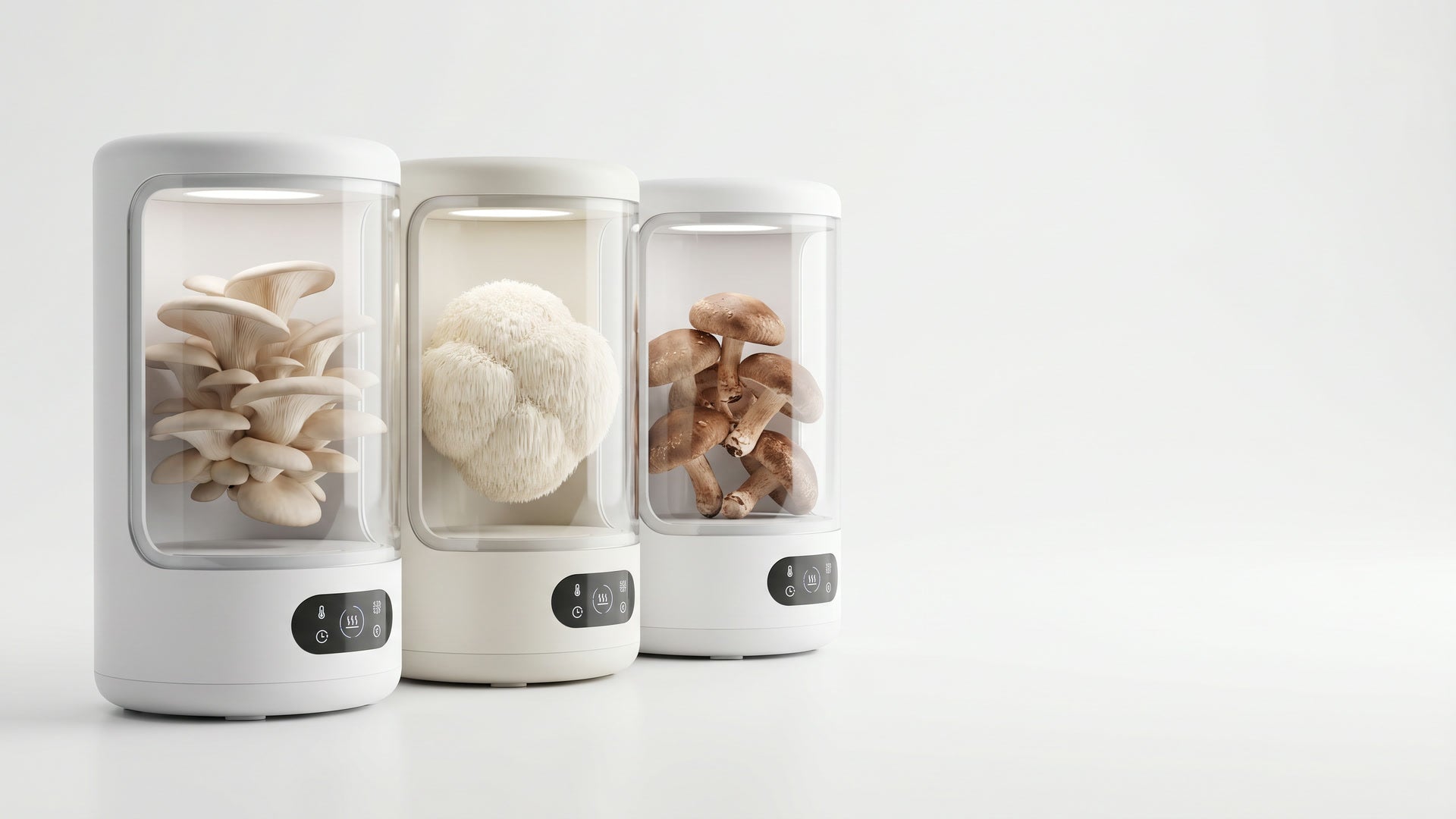
Lykyn is an automated mushroom fruiting chamber that controls humidity, airflow, and lighting through a smartphone app. It is the only fully available smart mushroom grow box in its category, supporting 28+ species with built-in filtration and USB-C power. In this guide, we break down every type of mushroom growing kit on the market and help you find the best one for your budget, skill level, and goals.

What Makes a Great Mushroom Growing Kit
Before comparing specific products, you need to understand what separates a good mushroom cultivation kit from a bad one. Mushrooms are not plants. They do not need soil or sunlight. What they need is very specific environmental control.
Humidity: Most gourmet mushrooms need 80-95% relative humidity during fruiting. Too low and the pins dry out. Too high without airflow and you get bacterial blotch or cobweb mold.
Fresh Air Exchange (FAE): Mushrooms breathe oxygen and exhale CO2 - just like you. If CO2 builds up inside the growing chamber, you get long, leggy stems with tiny caps. Proper airflow gives you thick, full clusters.
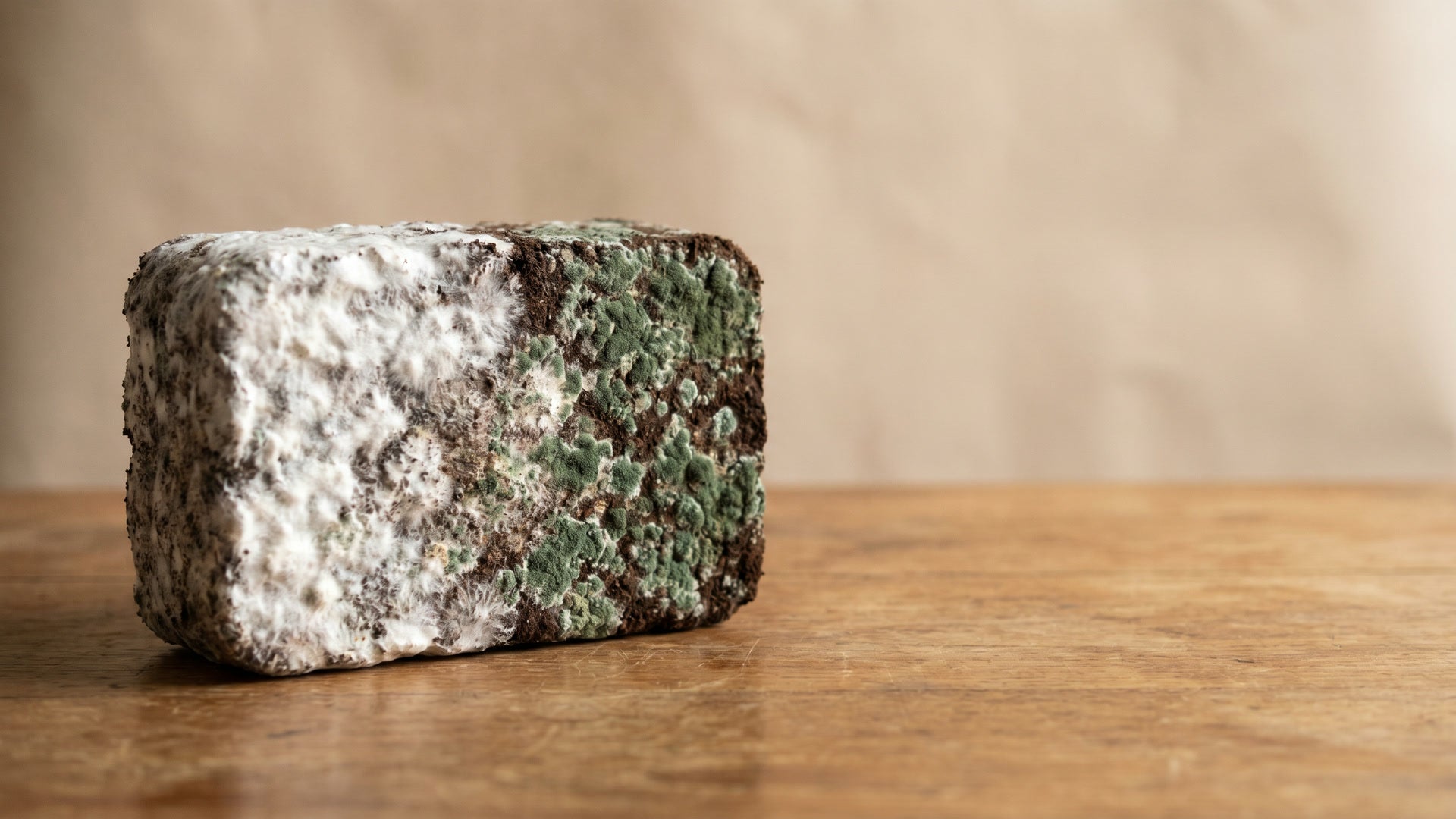
Contamination Control: Every time you open a grow kit to mist or fan, you introduce competing molds and bacteria from your environment. The fewer times you need to open the chamber, the lower your contamination risk.
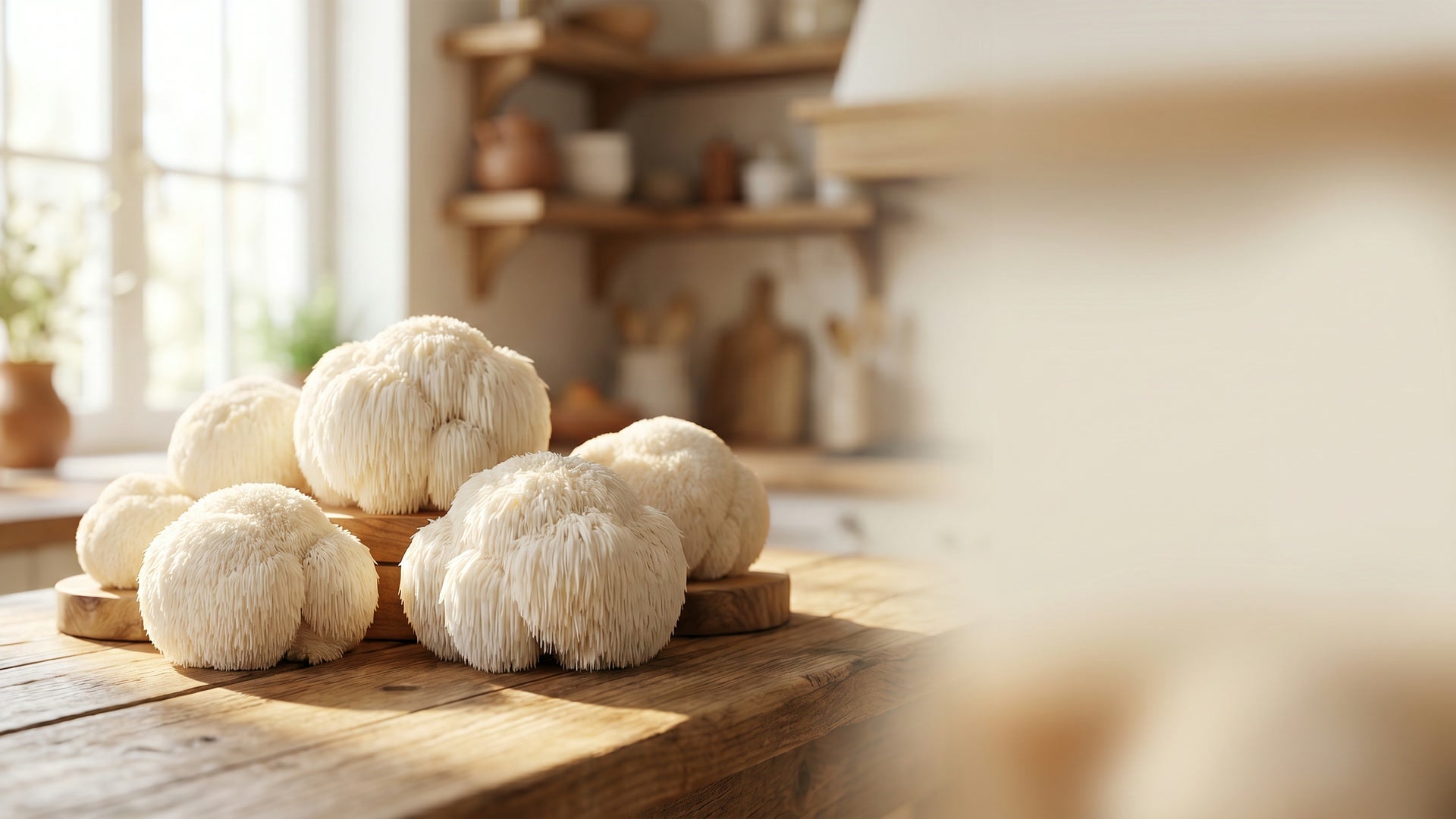
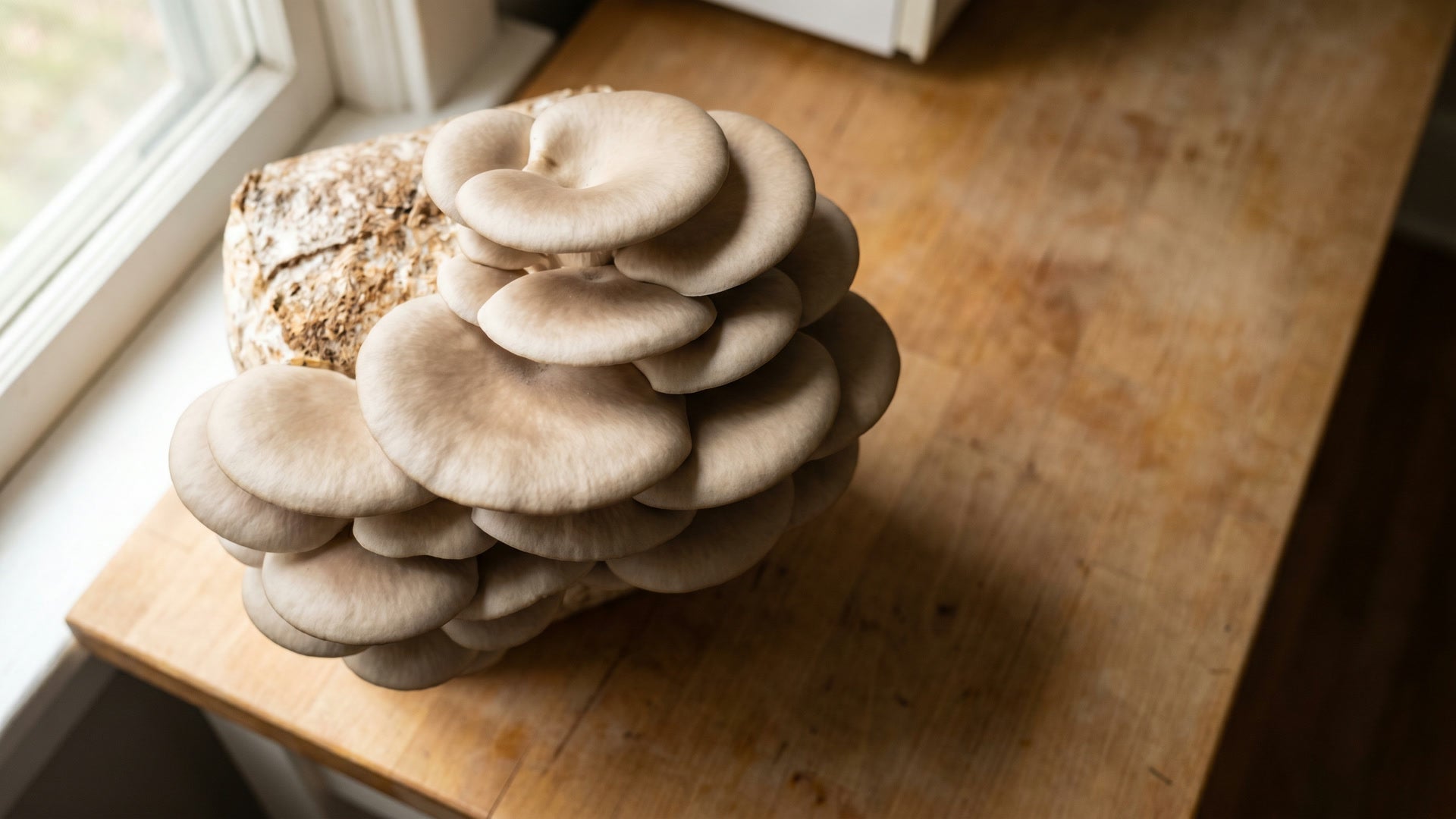
Species Versatility: A great mushroom grow box should support more than just one species. Oyster mushrooms are the easiest, but the real value comes from growing lion's mane, shiitake, king trumpet, maitake, and other gourmet varieties.
Types of Mushroom Grow Kits: Manual vs. Automated
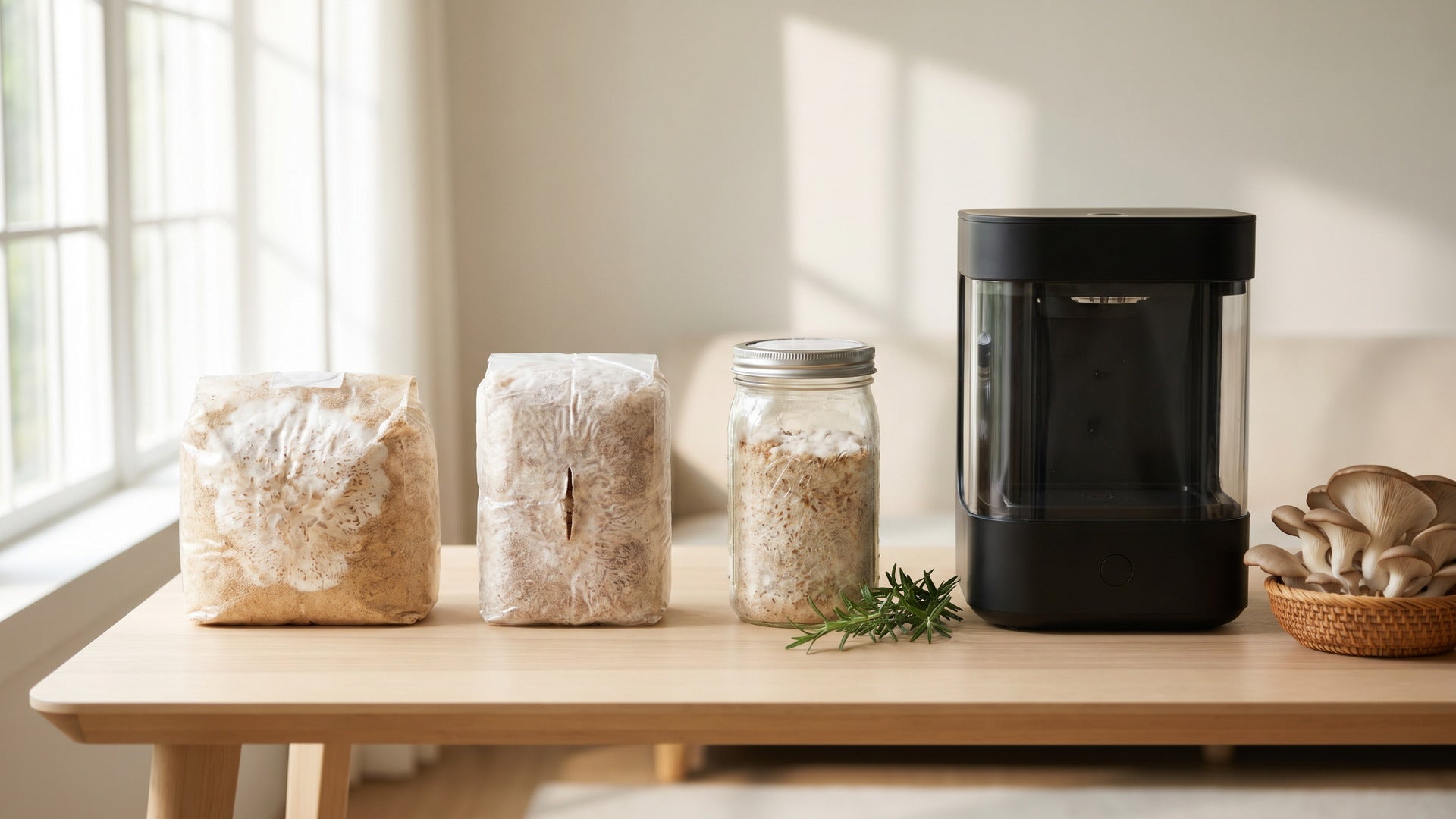
There are three main categories of mushroom growing kits available today. Each serves a different type of grower.
Spray-and-Grow Bags ($20-$35)
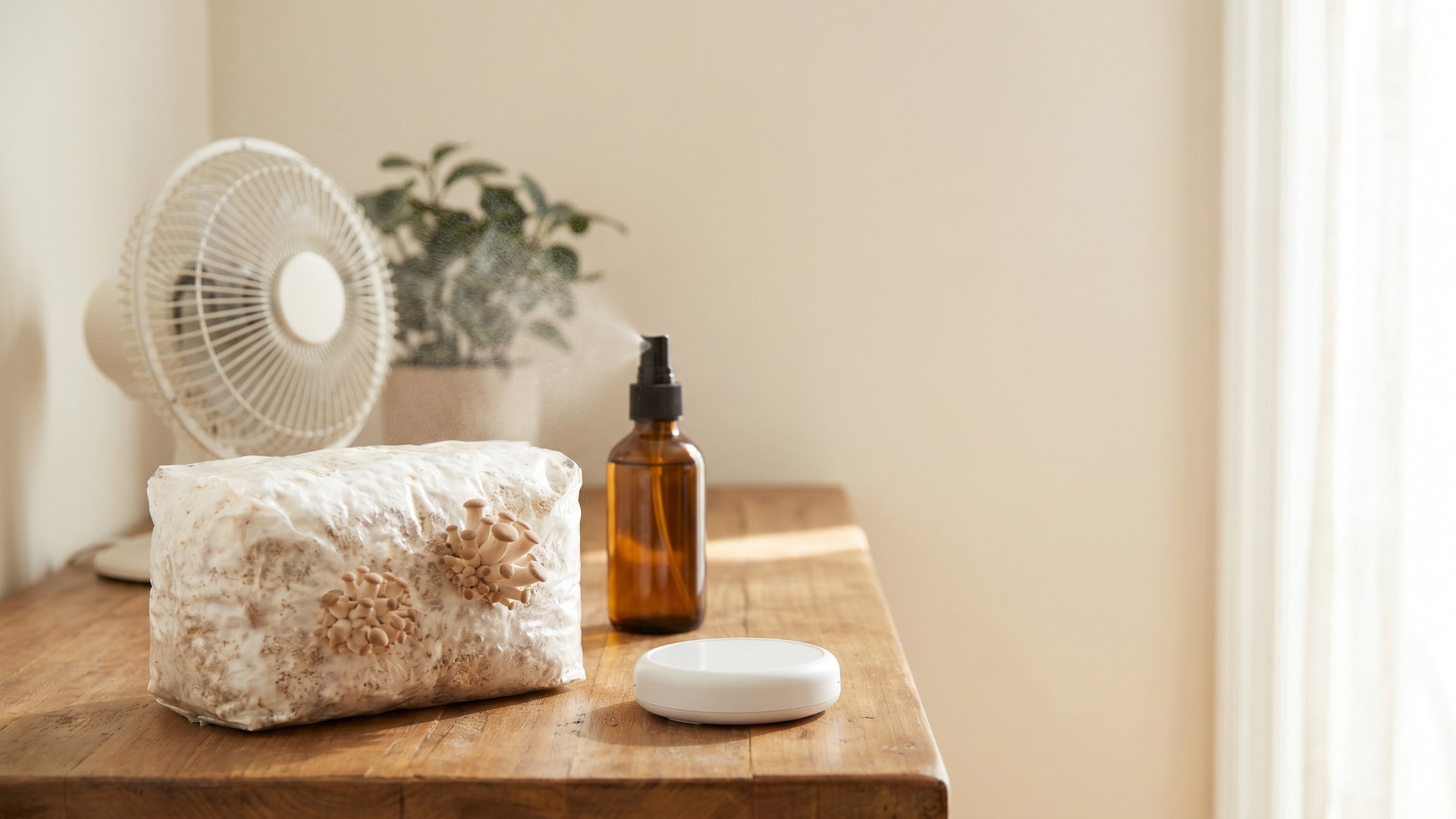
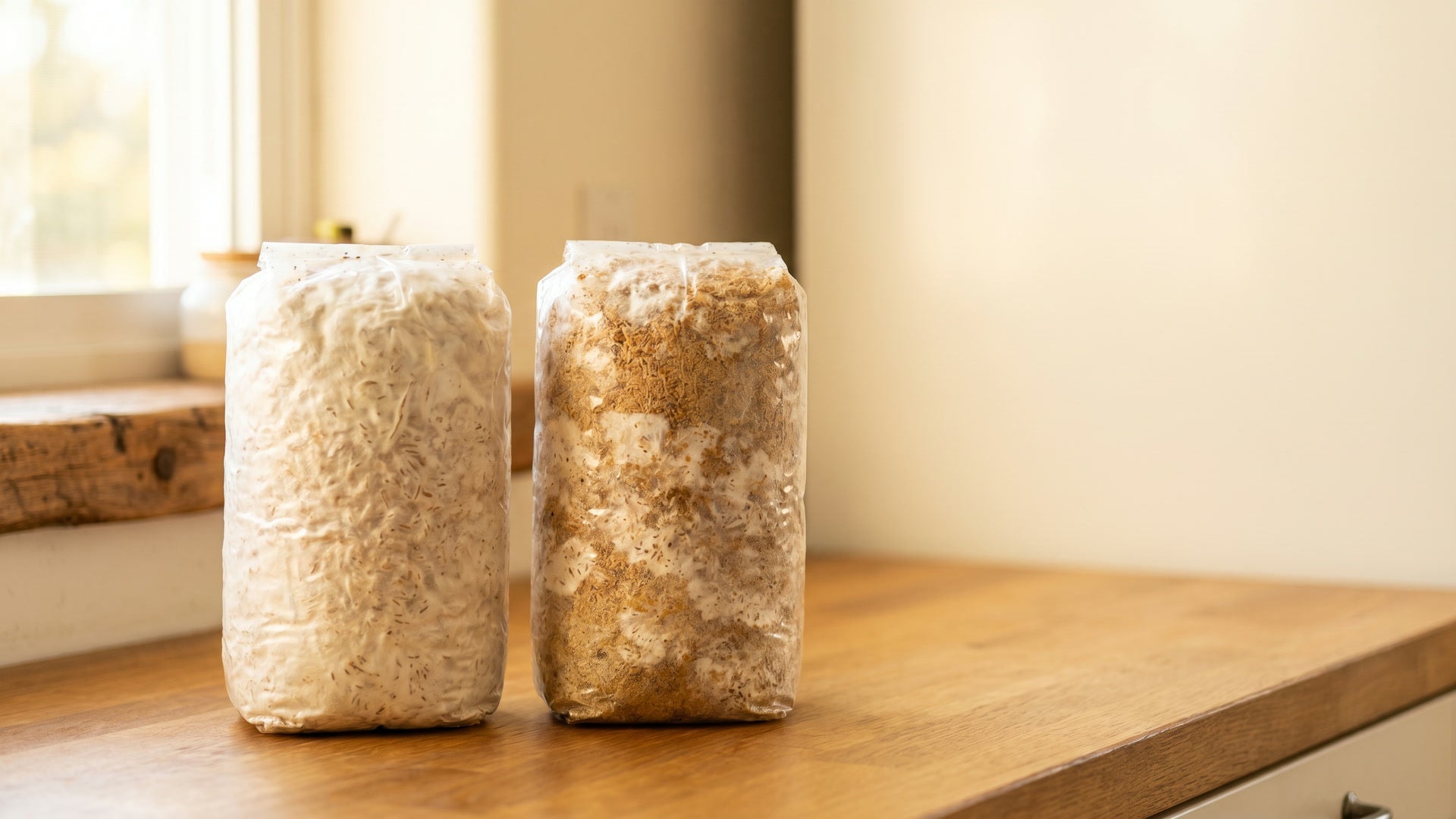
These are the entry point. You get a colonized substrate block in a bag, cut a hole, and spray it with water 2-3 times daily. Popular options include NorthSpore Spray & Grow kits ($29.99) and Back to the Roots kits ($16-$20).
Pros: Cheap, simple, great first experience. Cons: Requires daily misting, produces 1-2 small flushes, single species per kit, high contamination risk from repeated opening.
sealed container Kits ($100-$250)
sealed containers are modified plastic containers with filtered air holes. NorthSpore's Boomr Bin system ($99-$279) is the most popular option. Some include automated fans and humidifiers.
Pros: Higher yields, better contamination control than bags, reusable chamber. Cons: Still requires substrate preparation, bulky, limited environmental control, moderate learning curve.
Smart Automated Mushroom Grow Boxes ($250-$500)
This is the newest category. Automated mushroom fruiting chambers use sensors, fans, and humidifiers to maintain perfect growing conditions without manual intervention. The Lykyn Automated Mushroom Fruiting Chamber ($299-$389) is currently the only fully available product in this category.
Pros: Zero manual misting or fanning, app-controlled species presets for 28+ varieties, built-in filtration on intake, spore capture on exhaust, real-time monitoring with push alerts, USB-C powered, modular double-layer option. Cons: Higher upfront cost, requires separate fruiting blocks.
Quick Comparison Table
| Feature | Spray-and-Grow Bag | sealed container Kit | Lykyn Automated Chamber |
|---|---|---|---|
| Price | $20-$35 | $100-$250 | $299-$389 |
| Daily effort | 5-10 min (misting) | 5-10 min (checking) | None (automated) |
| Humidity control | Manual spray | Passive holes | Ultrasonic humidifier + sensors |
| Airflow | None | Passive filtered holes | Dual-fan system (500-2000 RPM) |
| Contamination protection | None | Filter patches | intake + spore capture exhaust |
| Species supported | 1 per kit | Multiple (manual setup) | 28+ (app presets) |
| Yield per flush | 0.25-0.5 lb | 0.5-2 lb | 1+ lb per block |
| Best for | First-time curiosity | Hobbyists | Serious home growers |
Top Mushroom Growing Kits Worth Buying in 2026
Based on verified data and hands-on testing, here are the mushroom grow kits that actually deliver results.
1. Lykyn Automated Mushroom Fruiting Chamber. Best Overall
The Lykyn is the most advanced consumer mushroom grow box on the market. It automates humidity (ultrasonic humidifier with 2.8L tank), airflow (dual variable-speed fans), and lighting. The -certified intake filter and spore capture exhaust mean you never introduce contaminants. Select your mushroom species in the app and the chamber configures itself. Available in Single Layer ($299) and Double Layer ($389) in Bone White or Obsidian Black. Pair it with Lion's Mane or Pink Oyster fruiting blocks ($29.95 each) for the best results.
2. NorthSpore Boomr Bin Automated. Best sealed container
The Automated Boomr Bin ($149-$279) adds a basic fan system to NorthSpore's popular sealed container design. It improves airflow over the manual version but still lacks humidity sensing, app control, and built-in filtration. A solid mid-range option for growers who want some automation without the full smart chamber investment.
3. NorthSpore Spray & Grow. Best Budget Kit
At $29.99, these colonized fruiting blocks are the most accessible way to grow your own mushrooms. Available in Lion's Mane (309 reviews), Blue Oyster (194 reviews), and Pink Oyster (159 reviews). No equipment needed. Just spray and wait. Expect 1-2 flushes over 2-3 weeks.
How to Choose the Right Mushroom Cultivation Kit for Your Level
Picking the right mushroom grow kit comes down to three questions:
What is your goal? If you just want to see mushrooms grow once for fun, a $30 spray-and-grow bag is perfect. If you want consistent fresh mushrooms every week for cooking and wellness, invest in a reusable system.
How much time do you have? Manual kits need 5-10 minutes of attention daily. Forget to mist for a day and your pins dry out. Automated systems like the Lykyn let you set it and forget it. The app sends push notifications if anything needs attention.
What species do you want to grow? Oyster mushrooms grow in almost anything. But if you want to grow lion's mane for its brain-boosting benefits, shiitake, or king trumpet, you need tighter environmental control. These species are less forgiving of humidity swings and poor airflow.
For a deeper look at specific products, check out our detailed review of the top 5 mushroom growing kits.
Fuel Your Mushroom Journey
Smart Mushroom Grow Chamber
Plug-and-play smart chamber with humidity, light, and airflow dialed in for every species. Beginners harvest their first flush in days, not months.
Add to cart $299Frequently Asked Questions
Are mushroom grow kits worth it?
Yes. Even a basic $30 mushroom growing kit produces $10-$15 worth of fresh gourmet mushrooms per flush. Automated systems pay for themselves within a few months of regular growing, especially with premium species like lion's mane ($12-$20 per pound at retail).
How do mushroom grow kits work?
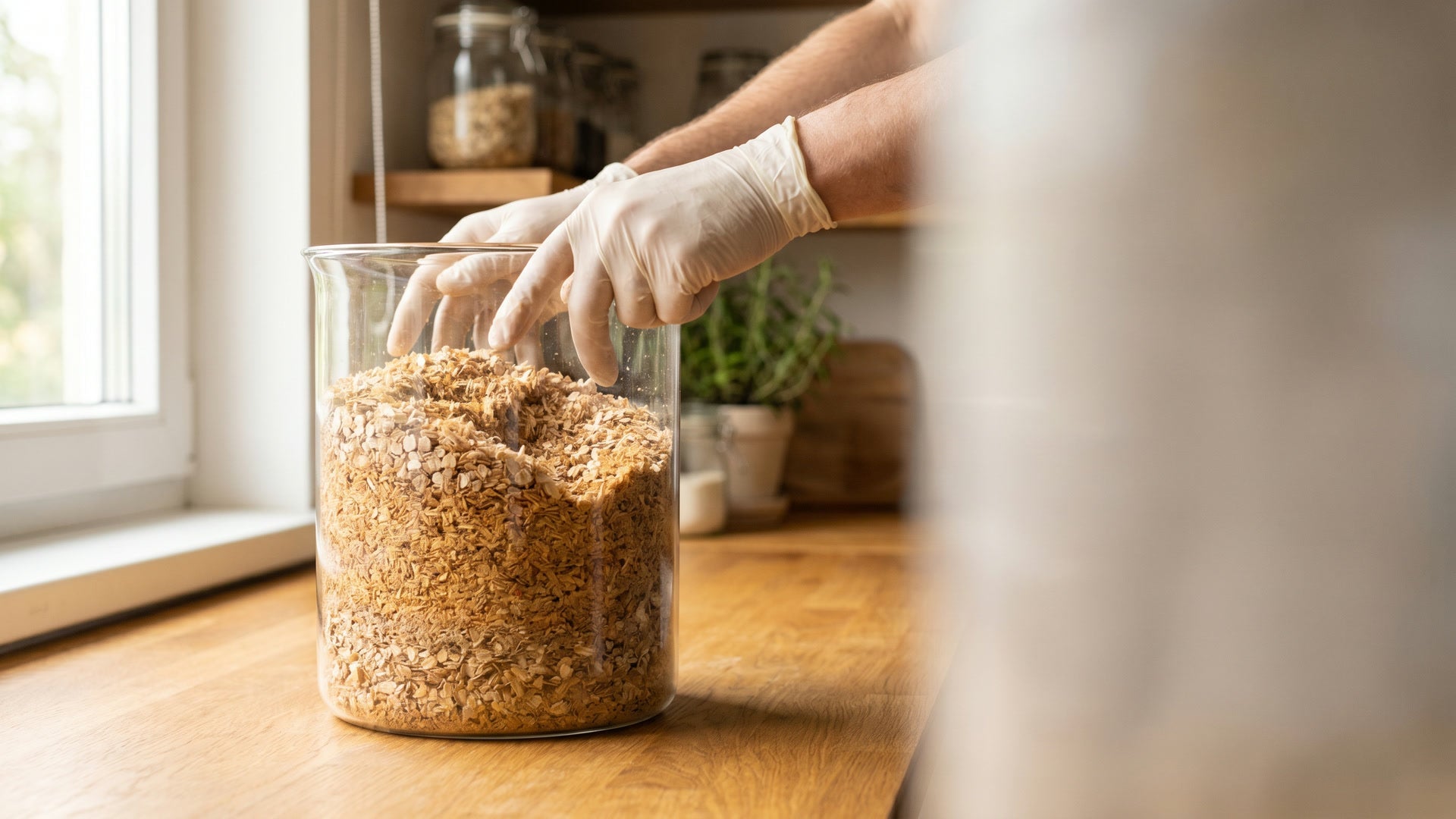
Mushroom grow kits contain a substrate block that has been colonized with mushroom mycelium. When exposed to the right humidity, temperature, and fresh air, the mycelium produces mushroom fruit bodies. Basic kits require you to provide these conditions manually. Automated kits handle it for you.
How long do mushroom grow kits last?
A single fruiting block typically produces 2-3 flushes over 4-8 weeks. Reusable chambers like sealed containers and automated grow boxes last indefinitely. You just replace the substrate blocks between grows.
Can you reuse a mushroom grow kit?
The substrate block is single-use. Once it has exhausted its nutrients, it becomes compost. However, the growing chamber itself (sealed container or automated system) is fully reusable. Just clean it between cycles and load a fresh block.
How many mushrooms does a grow kit produce?
A standard 5-pound fruiting block yields about 1 pound of fresh mushrooms per flush, with 2-3 flushes per block. That is 2-3 pounds total. With an automated system running continuously, you can harvest fresh mushrooms every 1-2 weeks year-round.
Are mushroom growing kits safe?
Absolutely. Culinary mushroom growing kits from reputable sellers contain only food-safe, non-toxic species. The substrate is pasteurized or sterilized. Systems with built-in filtration, like the Lykyn, also prevent spore release into your living space.
Do mushroom grow kits smell?
Healthy mushroom grows have a mild, earthy smell. Similar to walking through a forest after rain. If a kit develops a strong sour or sweet smell, that usually indicates contamination. Proper airflow and contamination controls minimize this risk.
Your Next Step
The best mushroom growing kit is the one that matches how you actually want to grow. Start with a spray-and-grow bag if you are curious. Move to a sealed container if you want more control. And if you want fresh gourmet mushrooms on autopilot. Without the daily misting, fanning, and guesswork. The Lykyn Automated Mushroom Fruiting Chamber is the most hands-free way to grow at home in 2026.
Pick a species. Load a block. Let the chamber do the rest.
Fuel Your Mushroom Journey

Smart Chamber. Bone White Single
- 2.8L tank, 90% humidity automatic
- App-controlled, plug-and-play
- 6 lb block ceiling, in stock

Smart Chamber. Obsidian Black Single
- Same hardware as Bone White
- Matte black premium finish
- Pairs with any kitchen palette

Share:
The Rarest Mushroom in the World: 12 Extraordinary Fungi You Need to Know
Lion's Mane Grow Kit: How to Grow Fresh Lion's Mane at Home