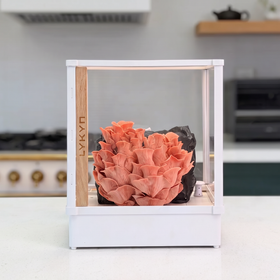



Shiitake mushrooms are denser than oyster varieties, with a savory umami bite that deepens in ramen broths, stir-fries, and grilled preparations. The flavor payoff is why experienced cooks buy them at $18-28 per pound. Growing them at home eliminates that cost, but shiitake demands more from a grower than oyster varieties do. They need cold shock to fruit, narrower humidity windows (85-90%), and 12-18 days longer from block colonization to flush. Beginners often succeed with oyster first, then graduate to shiitake. This guide ranks the top five shiitake grow kits for 2026, breaks down what makes them different from oyster systems, and pairs kit choice to your budget and space.
What Makes Shiitake Different from Oyster

If you've grown oyster mushrooms or read beginner guides, you've heard they're forgiving. Oyster fruit at 55-75°F, tolerate humidity swings, and produce in 7-10 days once a flush begins. Shiitake flips that script.
Cold shock is mandatory. Oyster mushrooms fruit from humidity and fresh air exchange alone. Shiitake blocks must experience a temperature drop: a soak in cold water or a week in a 50-60°F environment to trigger fruiting. Without it, the block colonizes but does not pin. This isn't optional; it's biochemistry. The cold shock signals the mycelium to invest energy in reproduction rather than spreading through substrate.
Timeline stretches significantly. An oyster block can produce a first flush in 10-14 days from inoculation to harvest. Shiitake takes 3-4 weeks minimum, and often 5-6 weeks from fresh block to first mushroom. If you inoculate in June, the first harvest arrives in July or August. Plan accordingly.
Humidity tolerance is tighter. Oyster thrives at 60-90% relative humidity and still produces if dipped into the 50s or 90s for a day. Shiitake demands 85-90% during pinning and early fruiting; below 80%, caps crack and abort. This matters if you're using an open shelf or spray-and-hope method. An enclosed chamber maintains humidity passively and makes shiitake far more reliable.
Contamination pressure increases slightly. Oyster mycelium is competitive; it fights off mold and bacteria well. Shiitake mycelium is robust but slower to colonize, leaving a longer window for competitors. Cleanliness in storage and handling reduces risk, but contamination rates on shiitake kits run 5-10% higher than oyster in home setups.
Top 5 Shiitake Grow Kits Ranked

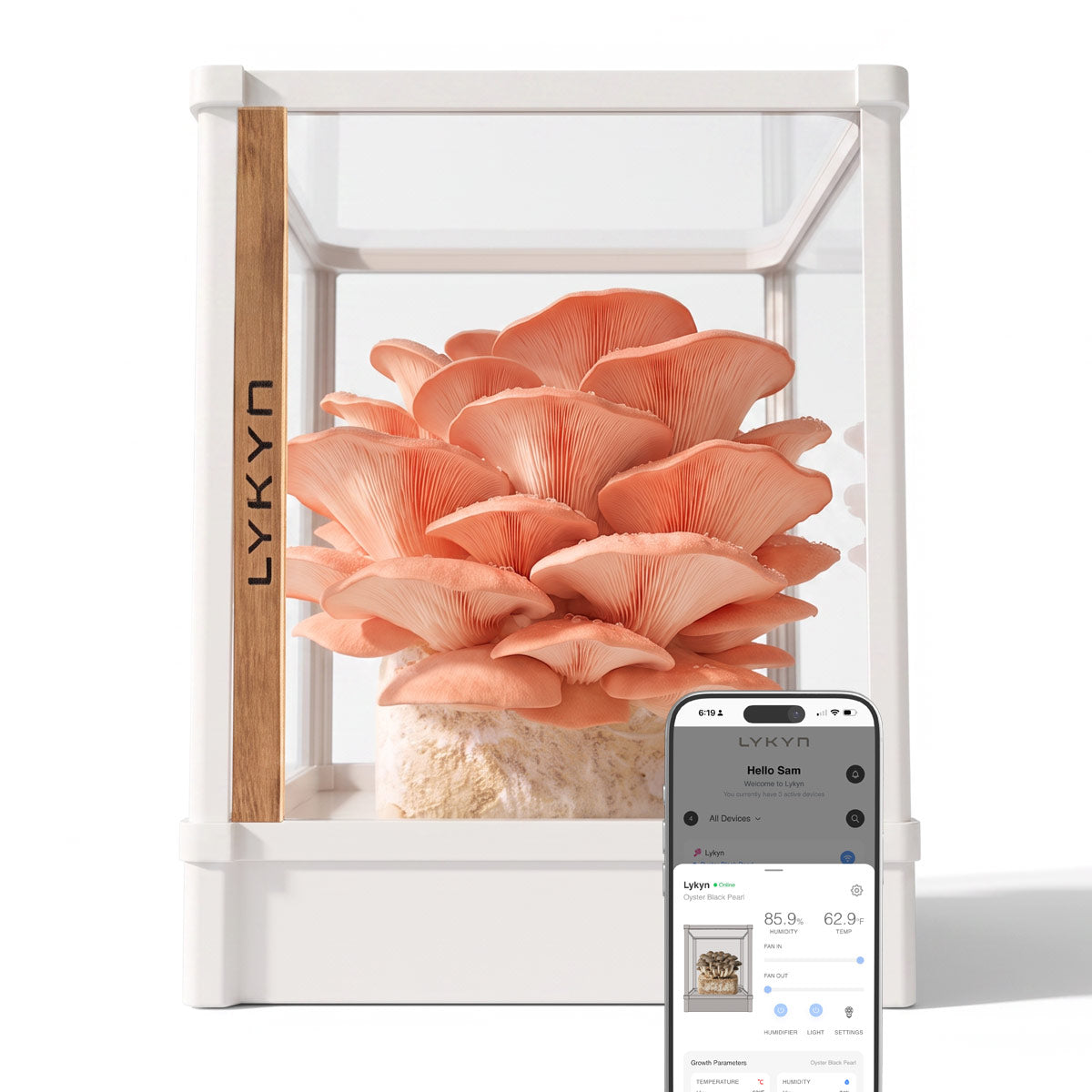
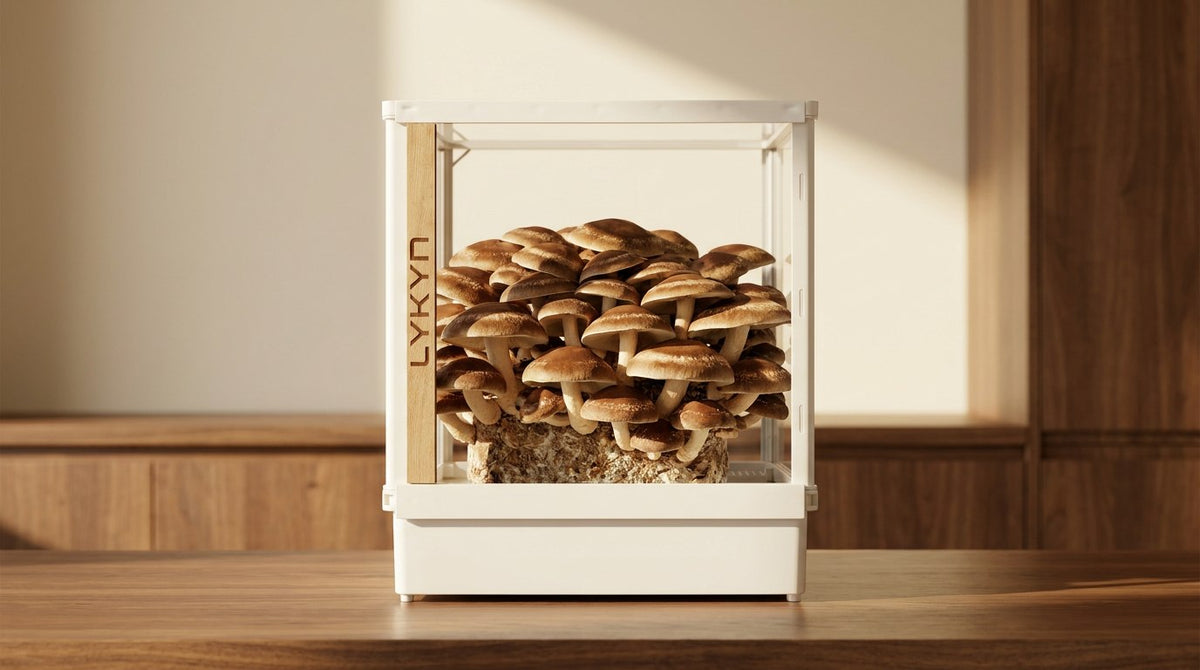
1. Lykyn Smart Mushroom Grow Box + Shiitake Block ($299 + $29.95)
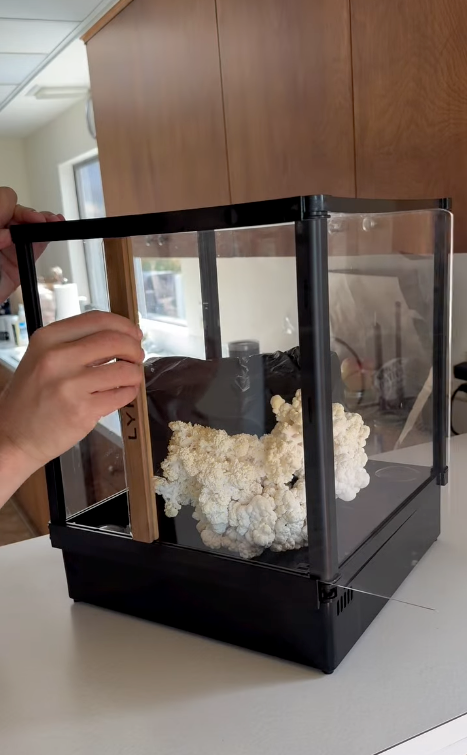
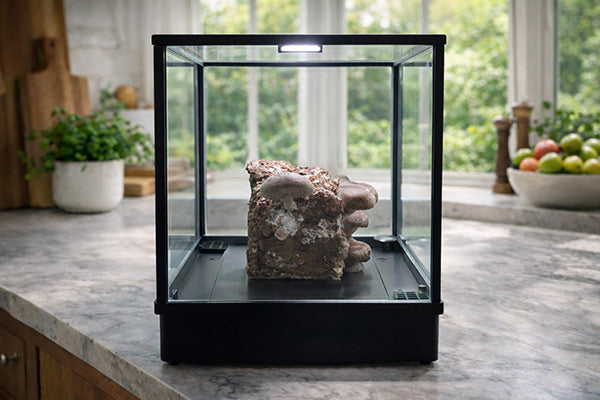
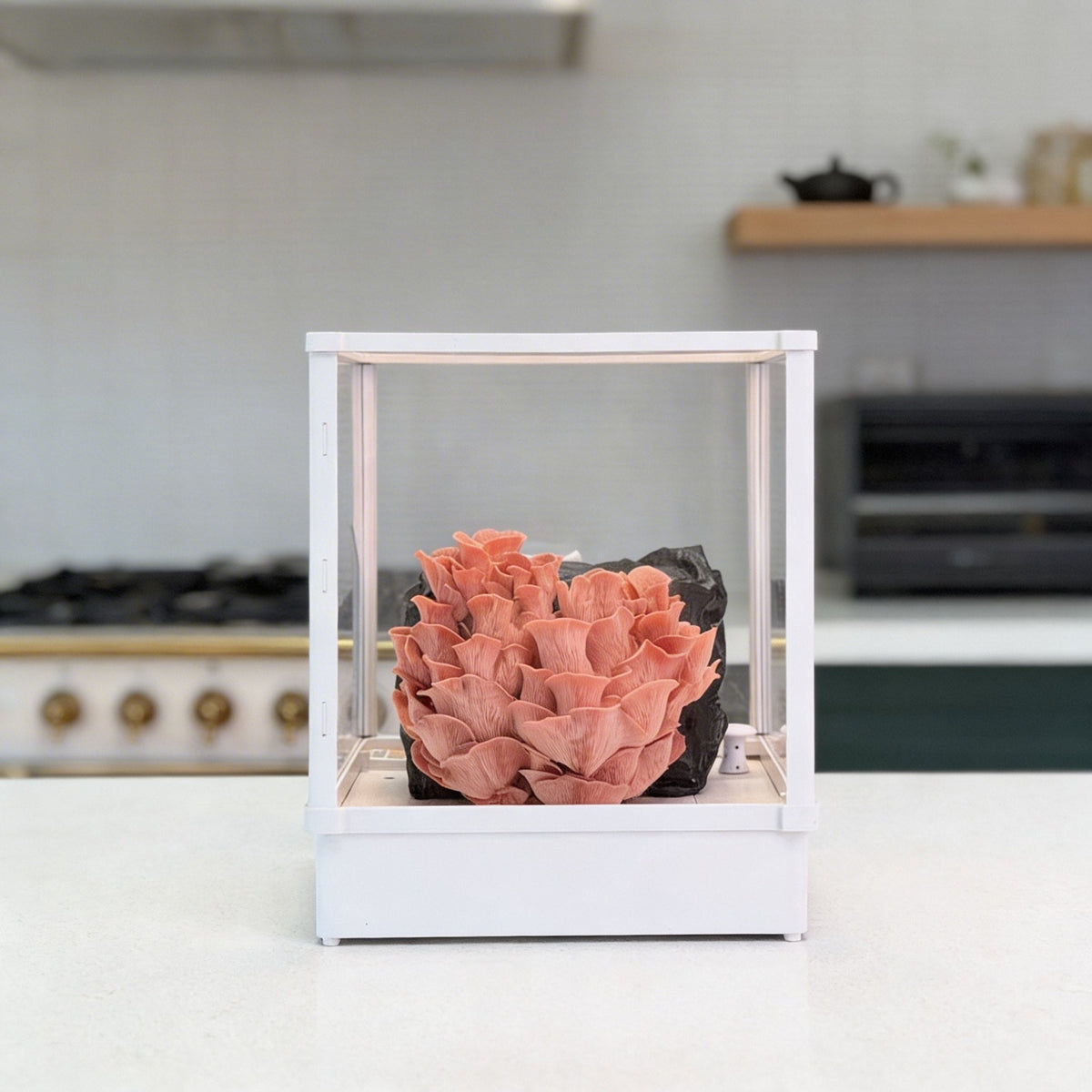
Best for: Hands-off beginners and multi-flush harvests. Why it ranks first: Automated humidity (85-90%) and 8-hour light cycles eliminate the two largest failure points in home shiitake. The chamber holds two 5-lb blocks simultaneously; cold shock happens in a standard refrigerator, pinning and fruiting happen inside the box. You load the block, set a target humidity, and return to harvest 14-18 days later. No daily spraying, no guesswork. The Shiitake block costs $29.95 and is inoculated at Lykyn's facility, cutting your colonization wait to 5-7 days. Blocks are available on a monthly subscription ($29.95) or one-off purchase. Setup: 10 minutes. First flush: 2-3 weeks from arrival (cold soak included in timing). Yield per 5-lb block: a substantial cluster across two flushes. Cons: Upfront cost ($299) is higher than bag kits, though the per-flush cost drops below competitors after four cycles. Fan noise is audible but not disruptive in a bedroom or office.
2. North Spore Shiitake Spray & Grow Kit ($39.99)
Best for: Budget-conscious learners and small spaces. Why it ranks second: North Spore is an established kit company with a sealed shiitake bag (not a bulk block). You spray it daily, maintain humidity manually, and harvest in 2-3 weeks. No chamber needed. The bag is pre-colonized and ready to fruit, cutting your wait to inoculation-free setup. Cons: Success depends on spray discipline; miss three days and abort risk climbs. Yields are modest but consistent when the bag is misted on schedule. Humidity swings in dry climates (< 50% ambient) are challenging. Bag lifespan after first flush is 5-7 days; second flushes are common but weaker. Cost per ounce of mushroom is 2.5× the Lykyn chamber after two full cycles. Good for testing commitment before investing in a chamber.
3. Back to the Roots Shiitake Kit ($49.99)
Best for: Gifts and casual single harvests. Why it ranks third: Designed for aesthetics and ease, not yield or multiple cycles. The kit includes a small growing box, a pre-colonized shiitake block, and printed instructions. Fruiting takes 10-14 days indoors on a shelf. The block is smaller (2 lbs, not 5 lbs), so yield is lower but still enough for a dinner or two. Pros: Beautiful packaging, no infrastructure needed, suitable for kids or non-expert adults. Cons: Single-use pricing (no second flushes marketed), higher effective cost per harvest given the smaller block, and minimal humidity control means success rates vary. Great as a one-time experience; not cost-effective for regular growing.
4. Hardwood Log Kits (Multiple Suppliers, $40-120)
Best for: Outdoor and patio growers, traditional Japanese cultivation. Why it ranks fourth: Inoculated hardwood logs (oak or birch, 3-6 inches diameter, 2-3 feet long) are the historical method for shiitake in Japan and are still popular for outdoor cultivation. You stake them in a shady garden bed, water during dry spells, and shiitake fruit in spring and fall for 3-5 years per log. Pros: Extremely long production window, natural flavor and firm texture from outdoor growing, lowest cost per mushroom over the log's lifetime ($80 log producing 20+ lb total = $4/lb at harvest). Cons: Slow first production (6-12 months), requires outdoor space, dependent on seasonal temperature swings (shiitake prefer 50-65°F for fruiting), and logs need shade and consistent moisture. Not suitable for apartments. Log quality varies greatly; buy from suppliers with verifiable reviews.
5. Amazon Private-Label Shiitake Blocks ($15-35)
Best for: Ultra-budget trials and bulk sourcing. Why it ranks fifth: Unbranded blocks sold directly on Amazon (often shipped from overseas suppliers) are the cheapest entry point. Most are pre-colonized and ready to fruit. Pros: Low cost, variety of sizes. Cons: Quality control is inconsistent; contamination rates are noticeably higher than branded kits; some blocks arrive partially colonized or with visible mold; customer support is often absent. Humidity and cold-shock instructions are sometimes unclear or missing. Worthwhile if you're running an experiment and can absorb failures, but frustrating if this is your first shiitake block.
Comparison Table: Shiitake Kits at a Glance
Best Shiitake Kit for Absolute Beginners
If you have never grown mushrooms, start with oyster (if available at your supplier), not shiitake. Oyster teaches you basic humidity, pinning behavior, and harvest timing in 2-3 weeks with high forgiveness for beginner mistakes. Then move to shiitake in month two. If you skip oyster and want shiitake as your first grow: buy the North Spore Spray & Grow kit ($40) or a small Amazon block ($20-25). These are forgiving enough for a first attempt and low-cost if they fail. Expect one flush, a modest cluster of mushrooms, and a learning curve on humidity and cold shock. After one successful cycle, invest in the Lykyn chamber if you want reliable multi-flushes and less daily labor. The automation removes the two variables that kill beginner shiitake crops: humidity drift and inconsistent cold shock timing.
Best for Umami-Focused Cooks

If your goal is flavor, not economics, the Lykyn chamber or hardwood logs deliver the best product. Chamber-grown shiitake (indoors, 70°F) have a thinner, more delicate cap than outdoor log shiitake, with a mild umami edge. Hardwood logs produce firmer caps, richer dashi stock, and deeper umami from slower outdoor maturation; they're the choice for ramen broth or high-end sautéing. If you have outdoor space and patience, logs are unbeatable. If you want consistent indoor supply, the chamber keeps you in fresh shiitake year-round for seasonal dishes. Bag kits and small kits produce adequate flavor but smaller, less impressive caps; they're fine for soups or mixed dishes where individual cap appearance doesn't matter.
Best for Outdoor & Patio Growers

Hardwood logs are your only practical choice for outdoor growing. They require shade (60-80% light blockage), consistent moisture during dry spells, and 3-5 years of space per log to justify the wait. In Mediterranean and temperate climates (USDA zones 6-9), logs produce heavily in spring and fall. In cold zones (5 and below), spring production is delayed; fall harvest is often cut short by frost. In hot, dry zones (10+), logs struggle; you'll need frequent watering and shade cloth. Space logs 12 inches apart on a shaded side of your yard or patio, water during dry weeks, and harvest mushrooms as they fruit. No chamber, no electricity, no spray routine. Set-and-forget growing at its simplest, with the tradeoff of a 6-12 month wait for the first flush.
The Bottom Line
Shiitake's flavor and income potential (fresh shiitake retail $18-28/lb) make them worth the extra care. For pure convenience and multi-flush yield, the Lykyn Smart Box removes the two hardest variables: humidity and cold-shock timing, leaving you with just block loading and harvest cycles. For budget and simplicity, hardwood logs and small bag kits get you to a first harvest under $50, though success is less certain. Whatever kit you choose, plan on your first cycle being an experiment. Shiitake rewards attention to cold shock timing and humidity range; small deviations abort the flush. Master those two controls, and shiitake transitions from a puzzle to a reliable winter and spring crop that justifies the care.
FAQ
Which is the best shiitake mushroom grow kit for beginners?
Start with North Spore or a small Amazon pre-colonized block ($20-40) if you want to test the basics cheaply. Graduate to the Lykyn Smart Box ($299 one-time) after one successful cycle if you want automation and multi-flushes. The chamber removes the two failure points. humidity consistency and cold-shock timing. that trip up most beginners on their second shiitake try.
How long does shiitake take to grow at home?
From a pre-colonized block, 14-21 days to first harvest. From a freshly inoculated block or log, 4-8 weeks for colonization, then 2-3 weeks to fruiting, totaling 6-11 weeks. Hardwood logs take 6-12 months before any fruit appears, then 3-5 years of annual production. The Lykyn block arrives pre-colonized, cutting your wait to 2-3 weeks from arrival to harvest.
Do shiitake grow kits need cold shock?
Yes. Shiitake biology requires a cold-trigger signal to fruit; without 7-14 days below 60°F or a soaking in 50°F water, the block colonizes but does not pin. This is true for all commercial shiitake blocks, whether from Lykyn, North Spore, or other suppliers. Oyster mushrooms do not need cold shock; shiitake always does.
Can you grow shiitake indoors without a chamber?
Yes, with manual spray-and-monitor methods on a shelf or in a tent. Success drops noticeably without a humidity controller, and you'll spend 10-15 minutes daily misting. A chamber boosts success to 90%+ and cuts daily labor to 2-3 minutes at harvest. If you don't have a chamber, buy a small humidity-control meter ($15-20) and aim for 85-90% during pinning and early fruiting.
Are shiitake grow kits worth it?
At retail prices ($18-28/lb), homegrown shiitake save money after 3-4 flushes from a $299 chamber or one log harvest from a $100 outdoor log kit. The payoff is flavor and freshness, not raw economics. If you value umami-rich mushrooms for cooking and tolerate the setup learning curve, yes. If you want mushrooms exclusively as a cost-saving measure compared to store-bought, hardwood logs and annual outdoor harvests deliver the best lifetime ROI.
Related Reading on Lykyn
- Lykyn Smart Mushroom Grow Box , the automated chamber referenced throughout this guide.
- How to Grow Mushrooms at Home: Complete Beginner Guide
- Is a Home Mushroom Growing Kit Worth It? Cost, Yield, ROI Analysis



Share:
Can You Grow Mushrooms in an Apartment? Complete Small-Space Guide
Where to Buy Lion's Mane Fruiting Block Online in the US 2026