


If you've ever caught your cat sniffing at the mushroom risotto on your plate, you've probably wondered: can cats eat mushrooms safely? The short answer is yes, cats can eat plain, cooked, store-bought culinary mushrooms in tiny amounts, but they should never eat wild mushrooms from the yard, and most home mushroom dishes contain ingredients that are far more dangerous to cats than the mushrooms themselves.
Cats are obligate carnivores, which means their bodies are built to digest meat first and everything else second. They don't need mushrooms nutritionally, but plain white button, cremini, or portobello mushrooms aren't toxic to them. Wild mushrooms are an entirely different story, and so is anything cooked with garlic, onion, butter, or salt.
The Short Answer: Store-Bought Mushrooms Are Generally Safe in Small Amounts
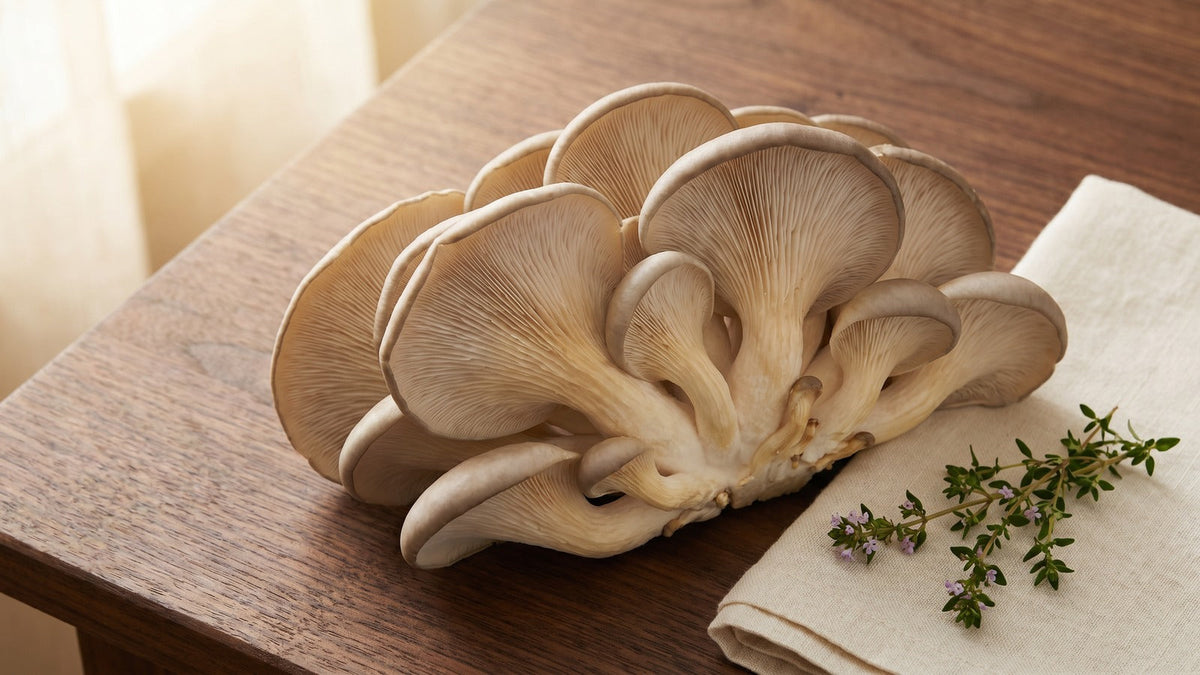
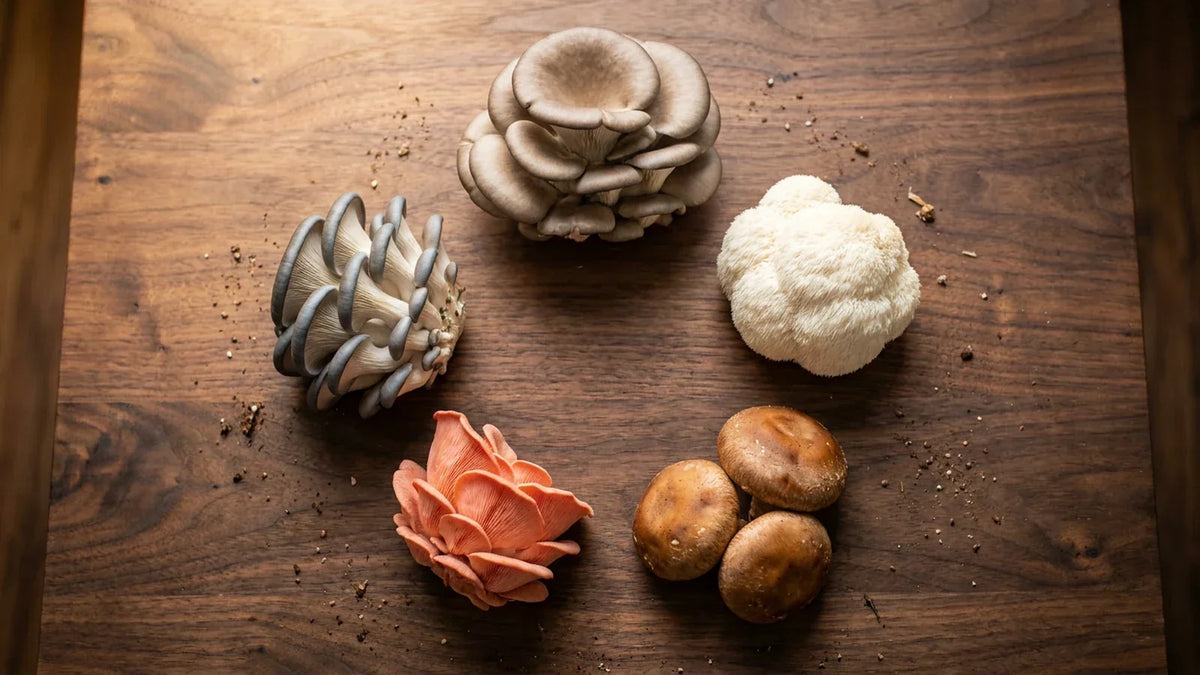
Common culinary mushrooms sold at the grocery store, including white button, cremini, baby bella, portobello, shiitake, and oyster mushrooms, are not toxic to cats when served plain. A small piece, roughly the size of a pea, given as a one-off treat is unlikely to cause any problem in a healthy adult cat.
That said, "not toxic" is not the same as "good for your cat." Cats lack the digestive enzymes to break down plant material efficiently, and mushrooms are mostly water and fiber. Even safe mushrooms can cause stomach upset, vomiting, or loose stool if your cat eats more than a tiny amount.

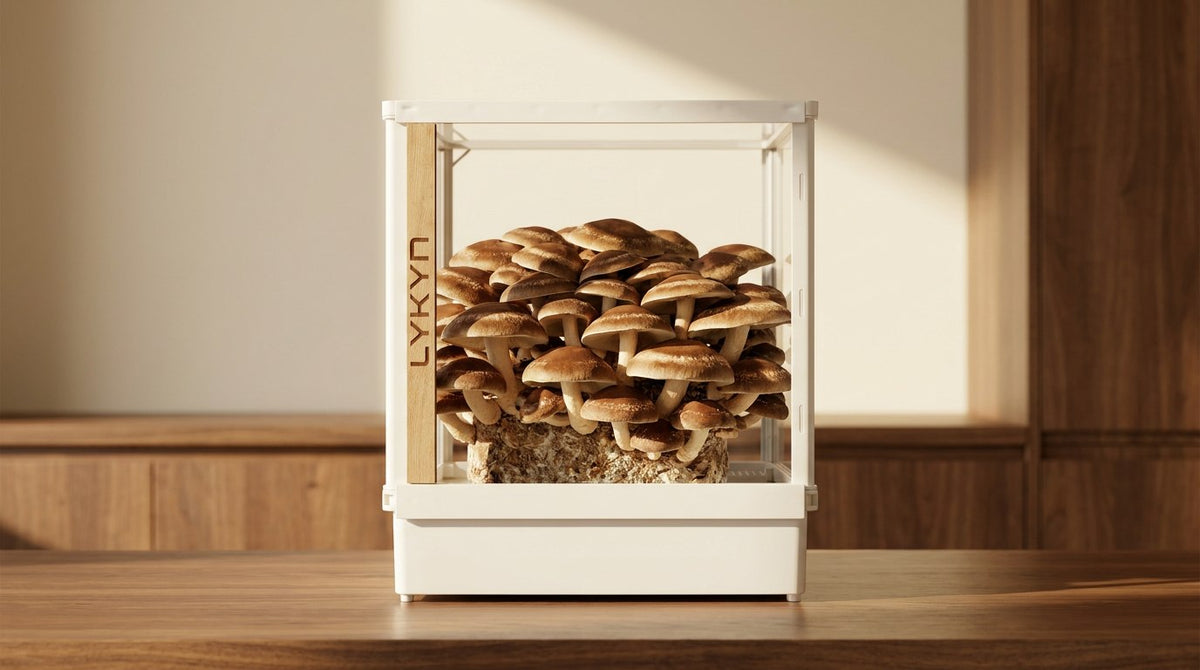
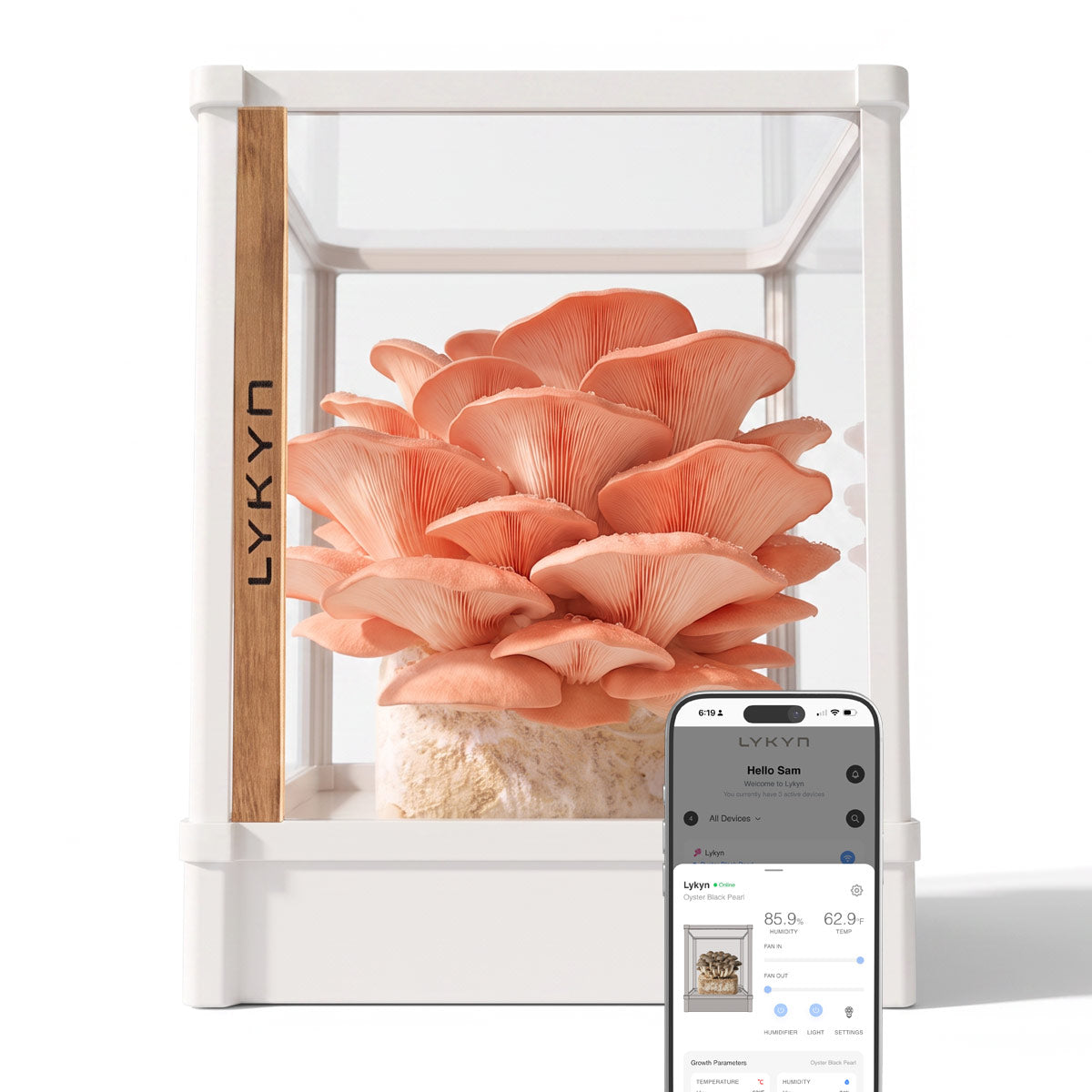
Smart Chamber. Bone White Single
- 2.8L tank, 90% humidity automatic
- App-controlled, plug-and-play
- 6 lb block ceiling, in stock

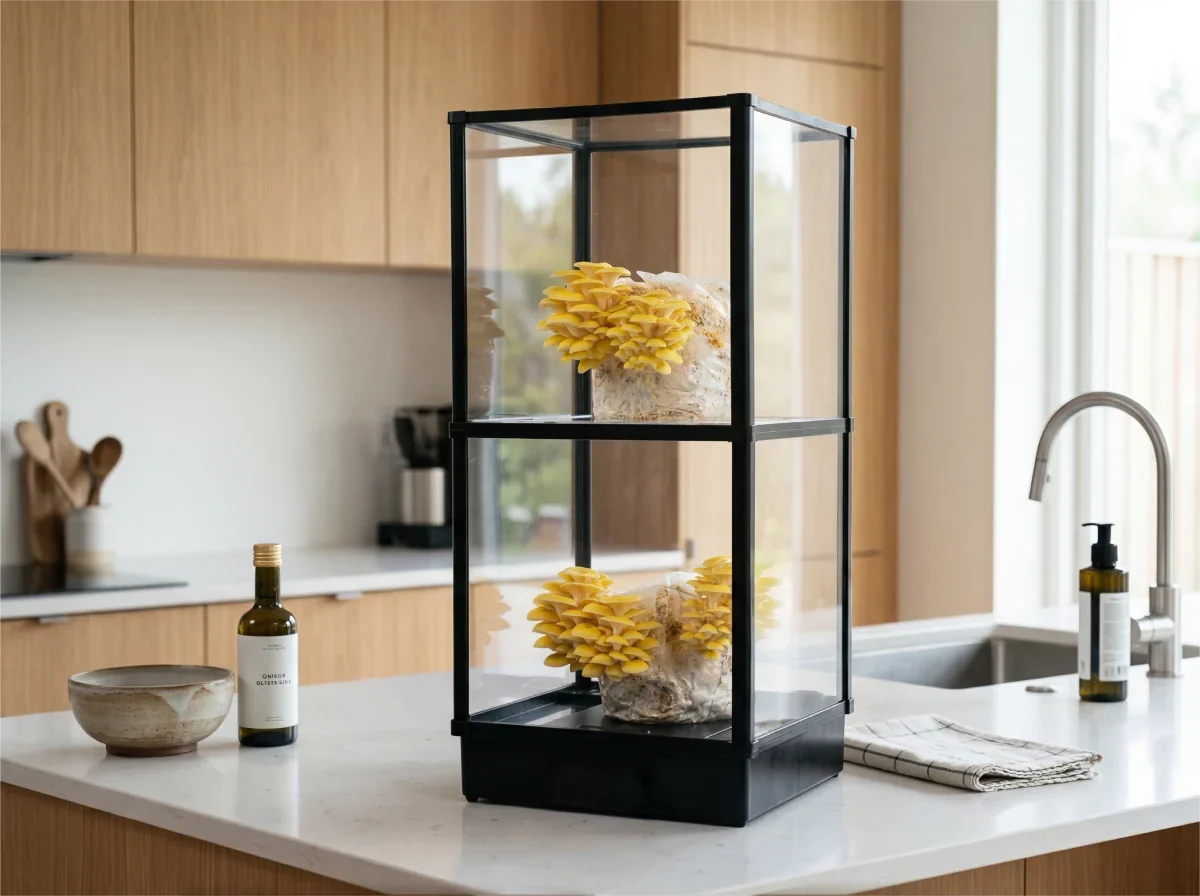
Smart Chamber. Obsidian Black Single
- 2.8L tank, 90% humidity automatic
- App-controlled, plug-and-play
- Matte obsidian finish, in stock

Black Oyster Fruiting Block
- 5 lb colonized hardwood block
- 1-3 day cycle, easy first flush
- Lab-tested strain, in stock
Wild Mushrooms Are a Real Emergency
This is the part you need to take seriously. If your cat eats a wild mushroom from the lawn, a park, or a houseplant pot, treat it as a potential poisoning until proven otherwise. Several species of wild mushrooms contain toxins that cause liver failure, kidney damage, or neurological symptoms within hours. The deadliest, including Amanita phalloides (death cap) and Galerina marginata, can be fatal even in small doses.
The problem with wild mushrooms is identification. Many toxic species look almost identical to edible ones, and even experienced foragers misidentify them. If your cat eats anything you didn't buy at the store, call your vet or an animal poison control hotline immediately. In the United States, the ASPCA Animal Poison Control Center (888-426-4435) and Pet Poison Helpline (855-764-7661) are both available 24 hours.
If possible, photograph the mushroom or save a sample in a paper bag before you head to the vet. Identification matters enormously for treatment.
Signs of Wild Mushroom Poisoning in Cats
- Vomiting and diarrhea, often within 30 minutes to 6 hours
- Drooling, lethargy, or weakness
- Tremors, seizures, or loss of coordination
- Yellowing of the gums or whites of the eyes (a sign of liver damage)
- Reduced urination or unusual thirst
Some toxins have a deceptive lag. Your cat might seem fine for 12 to 24 hours, then crash hard. Don't wait for symptoms if you saw your cat eat something. Get to the vet.

Fuel Your Mushroom Journey
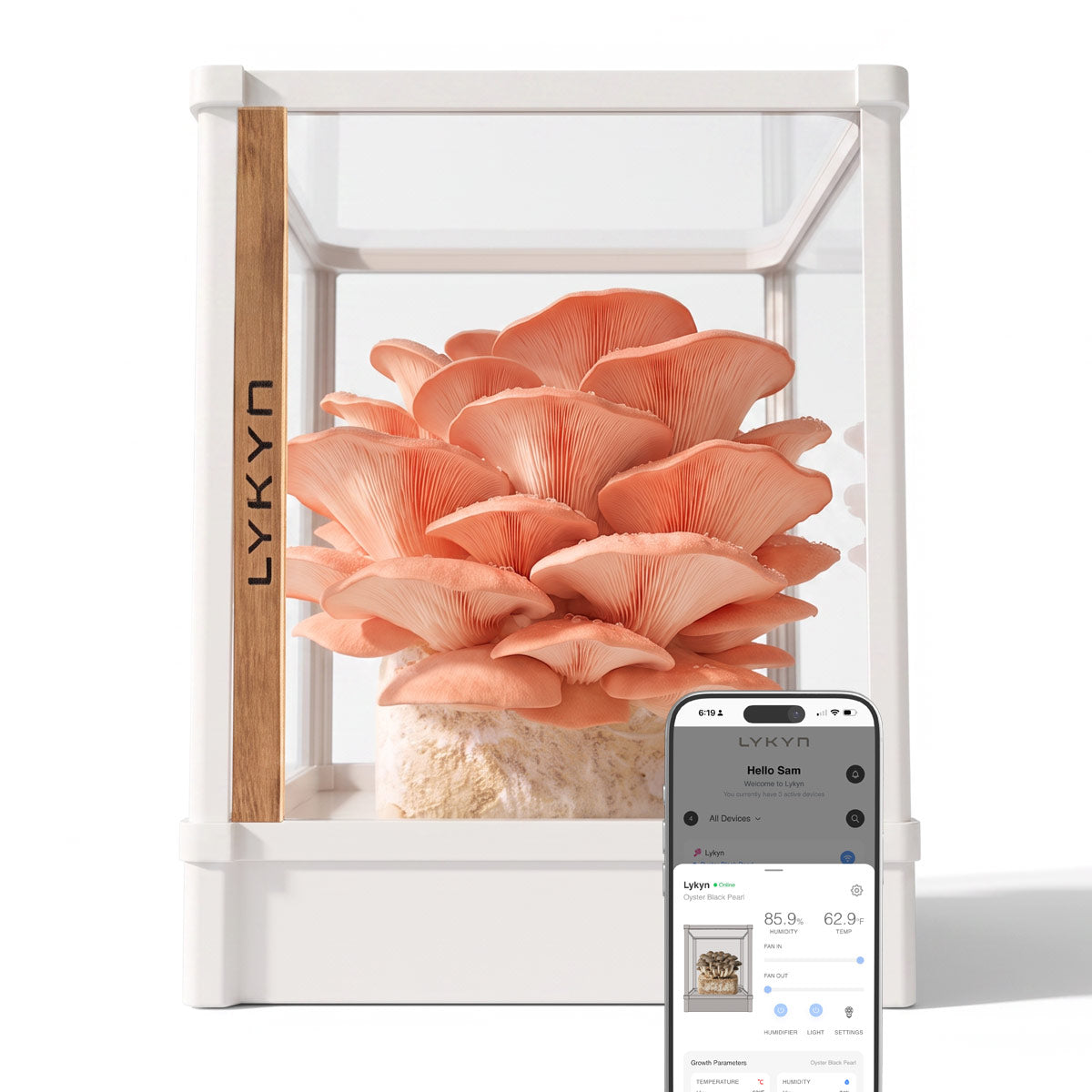
Smart Mushroom Grow Chamber
Plug-and-play smart chamber with humidity, light, and airflow dialed in for every species. Beginners harvest their first flush in days, not months.
Add to cart $299The Bigger Problem: What's Cooked With the Mushrooms
Most mushroom dishes humans eat contain ingredients that are actively toxic to cats. Garlic and onions, even in small amounts, damage feline red blood cells and can cause anemia. Butter and heavy cream may trigger diarrhea or pancreatitis in sensitive cats. Salt, soy sauce, and many seasonings exceed safe sodium levels for a small animal.
If you want to give your cat a tiny taste of a culinary mushroom, cook it plain in water or a pet-safe broth, let it cool, and offer a pea-sized piece. Skip the dish that's actually on your plate.
What About Functional Mushrooms Like Reishi, Lion's Mane, or Turkey Tail?
Functional mushrooms have gotten popular in human supplements, and some pet companies now market them for cats too. The science here is still early. Turkey tail extract has been studied in dogs with certain cancers, but cat-specific research is thin. Lion's mane and reishi are sometimes used in feline supplements aimed at cognitive support or immune function.
If you're considering a functional mushroom supplement for a cat with a specific health issue, talk to your vet first. Dosing, extraction quality, and individual sensitivity all matter, and a supplement that's safe for a 70-pound dog is not automatically safe for an 8-pound cat. Functional mushroom products designed for humans should never be given to a cat without veterinary input.
How to Cat-Proof Your Mushroom Habit
If you grow mushrooms at home or keep them stocked in the kitchen, a few habits keep your cat safe:
- Store fresh mushrooms in the fridge, not on the counter, where a curious cat can swipe them.
- Keep grow kits in a closed room or on a high shelf. Cats are climbers, so high alone isn't enough.
- Don't compost mushrooms in an open bin your cat can reach. Decomposing fungi can grow secondary molds that are also toxic.
- Walk your yard before letting your cat outside. Wild mushrooms pop up fast after rain, especially in shaded areas under trees.
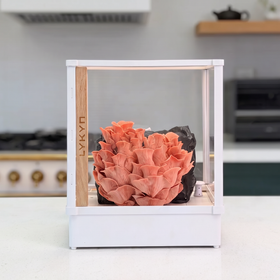
- If you grow culinary mushrooms at home, keep the chamber out of feline reach and supervise harvests. A Lykyn home grow kit is sealed inside a glass dome, which helps, but a determined cat will still investigate a fresh harvest left on the counter.
If Your Cat Already Ate a Mushroom: What to Do
For a known store-bought, plain mushroom in a small amount: watch your cat for 24 hours. Mild stomach upset is the worst you should expect. Offer water, hold off on rich foods, and call your vet if you see vomiting, diarrhea, or unusual behavior.
For an unknown wild mushroom: call the vet or poison control line immediately, even if your cat seems fine. Bring a sample or photo. Don't try to induce vomiting at home unless a professional walks you through it, as some toxins do more damage on the way back up than they did going down.
The Bottom Line
Cats don't need mushrooms in their diet, and feeding them isn't recommended as a regular practice. But a small taste of a plain, cooked, store-bought culinary mushroom is unlikely to hurt a healthy cat. Wild mushrooms, on the other hand, are a serious risk that deserves a same-day vet visit. And the seasonings, oils, and aromatics you cook mushrooms with for yourself are usually more dangerous to your cat than the mushroom itself.
When in doubt, keep mushrooms (and your dinner) on your own plate, and reserve the meat treats for your cat. That's what their bodies are built for.



Share:
Asian Mushrooms: A Field Guide to Varieties and Cooking
Asian Mushrooms: A Field Guide to Varieties and Cooking