


Can I freeze mushrooms? Yes, but the way most people try to do it ruins the texture. Mushrooms are about 90 percent water, and that water expands when it freezes, rupturing cell walls and turning the thawed mushroom into a soft, slightly slimy version of its former self. There's a workaround, and it produces frozen mushrooms that are nearly as good as fresh for almost every cooked application.
The short answer: don't freeze raw mushrooms. Saute or steam them first, cool quickly, then freeze in portioned bags. Here's the full guide with timing, methods, and how to use frozen mushrooms once they're in your freezer.
Why Raw Mushrooms Freeze Poorly
When the water inside mushroom cells freezes, it forms sharp ice crystals that puncture the cell walls. After thawing, the structural integrity is gone, and the mushroom releases liquid uncontrollably in the pan. Raw-frozen mushrooms taste fine but behave like wet sponges, producing soupy stir-fries and mushy sauces.
Cooking before freezing solves the problem in two ways. First, heat partially breaks down cell walls in a controlled way, so the texture damage is already done before freezing. Second, cooking drives off most of the mushroom's water content, leaving a denser, more concentrated product that survives the freezer-thaw cycle with much less change.

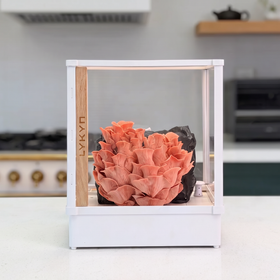
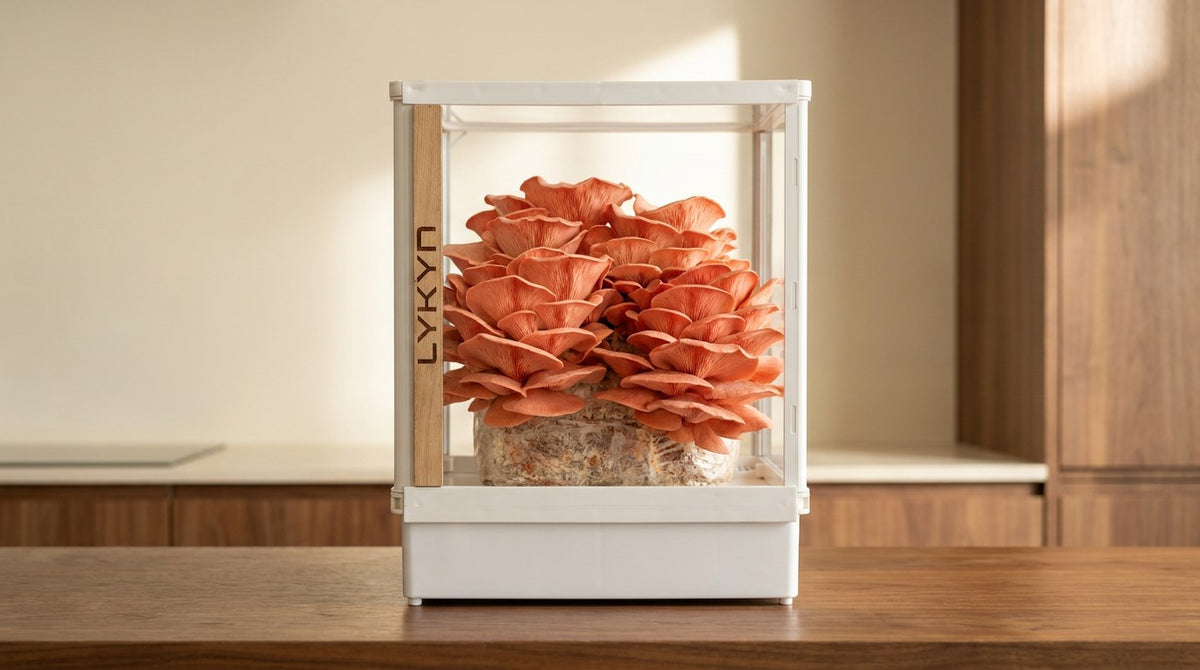
Smart Chamber. Bone White Single
- 2.8L tank, 90% humidity automatic
- App-controlled, plug-and-play
- 6 lb block ceiling, in stock

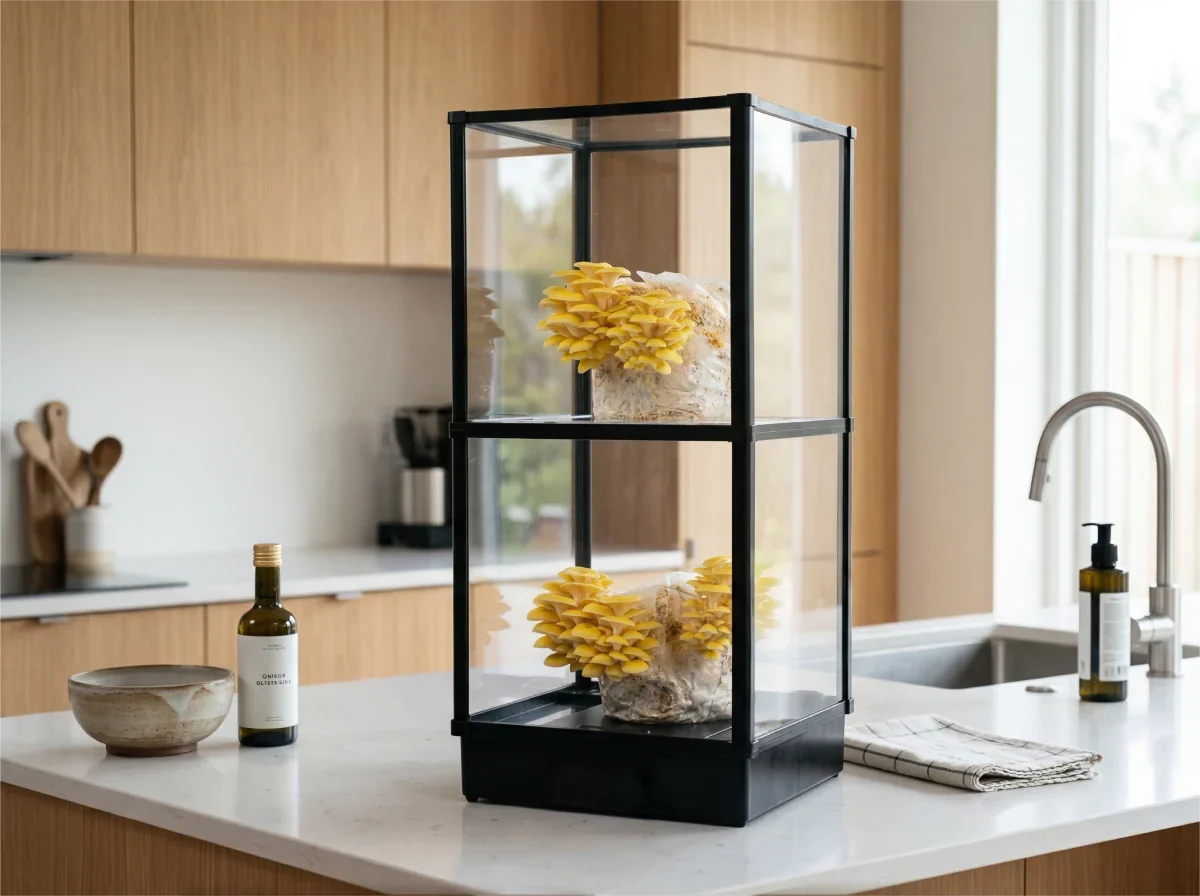
Smart Chamber. Obsidian Black Single
- 2.8L tank, 90% humidity automatic
- App-controlled, plug-and-play
- Matte obsidian finish, in stock

Black Oyster Fruiting Block
- 5 lb colonized hardwood block
- 1-3 day cycle, easy first flush
- Lab-tested strain, in stock
Method 1: Saute Then Freeze (Best Texture)
This is the method professional kitchens use to keep mushroom inventory on hand. Total prep time is about 20 minutes for a few pounds.
- Clean the mushrooms with a damp cloth or quick rinse. Slice or quarter as desired.
- Heat a large dry skillet over medium-high. Add mushrooms in a single layer without oil.
- Cook 5 to 7 minutes, letting the mushrooms release water and start to brown.
- Add 1 to 2 tablespoons of butter or oil and a pinch of salt. Cook another 2 minutes.
- Transfer to a sheet pan and spread in a single layer to cool quickly.
- Once cool, portion into freezer bags. Press out air. Freeze flat.
Frozen sauteed mushrooms keep for 6 to 9 months. They thaw in 5 minutes at room temperature or 90 seconds in a hot pan. Use them directly in sauces, soups, pasta, omelets, pizza, or grain bowls without any extra prep.
Method 2: Steam Then Freeze (Best for Future Cooking Flexibility)
If you want frozen mushrooms that haven't been pre-seasoned and can go in any direction once thawed, steam-blanching is the better method. The mushrooms stay neutral in flavor and can be used in dishes where sauteed flavor would be wrong (delicate cream soups, custards, terrines).
- Slice or quarter the mushrooms.
- Bring a pot of water to a boil. Set a steamer basket above the water.
- Steam mushrooms in batches for 3 to 5 minutes depending on size.
- Immediately transfer to an ice-water bath to stop cooking.
- Drain thoroughly and pat dry with towels.
- Spread on a sheet pan and freeze until firm (about 2 hours).
- Transfer to labeled freezer bags. Press out air.
Steam-frozen mushrooms keep for 9 to 12 months. They retain more flavor than blanched-in-water mushrooms because they don't leach as many compounds into liquid.
Method 3: Roast Then Freeze (Best for Deep Flavor)
For pizza toppings, grain bowls, and dishes where concentrated mushroom flavor is the point, roast first.
- Heat the oven to 425 degrees F.
- Toss sliced mushrooms with a small amount of oil, salt, and pepper.
- Spread in a single layer on a sheet pan.
- Roast 20 to 25 minutes, stirring halfway, until deeply browned and shrunken.
- Cool fully on the pan.
- Transfer to freezer bags or vacuum-seal portions.
Roasted-frozen mushrooms keep for 6 to 9 months. They're particularly good in winter pasta dishes, savory tarts, and as a quick addition to scrambled eggs.

Fuel Your Mushroom Journey
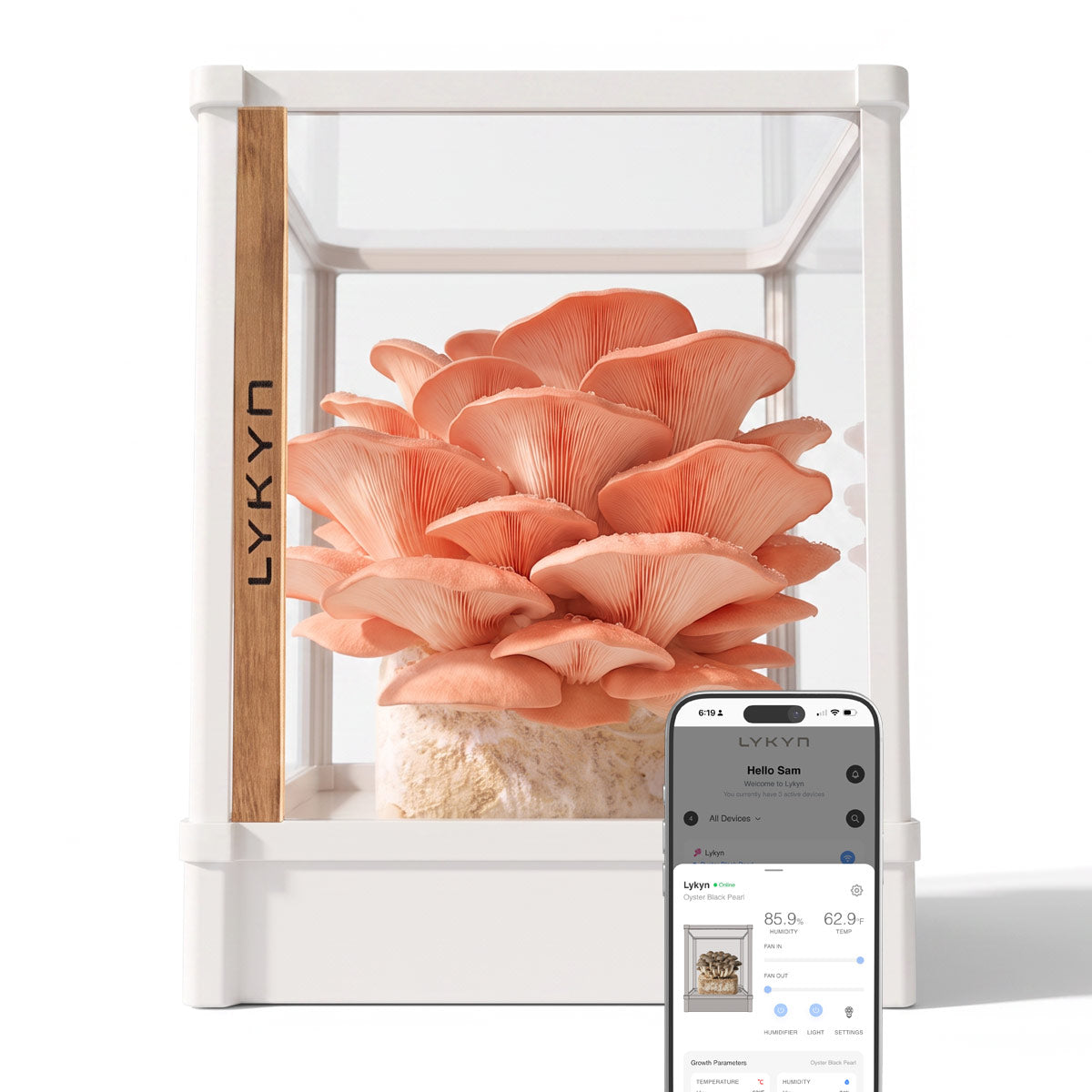
Smart Mushroom Grow Chamber
Plug-and-play smart chamber with humidity, light, and airflow dialed in for every species. Beginners harvest their first flush in days, not months.
Add to cart $299What About Whole Raw Mushrooms in the Freezer?
If you absolutely must freeze raw mushrooms (no time to cook, the bag was on sale, etc.), here's the harm-reduction version:
- Don't wash them. Surface moisture worsens ice damage. Brush off dirt with a dry cloth.
- Spread on a sheet pan in a single layer and freeze until firm.
- Transfer to a freezer bag. Press out as much air as possible.
- Use within 3 months for best quality.
Raw-frozen mushrooms only work in dishes where texture doesn't matter: blended cream soups, sauces, gravy, stock. Don't try to saute them later. They'll release a flood of liquid and end up tough.
Freezing Specific Mushroom Varieties
Different mushrooms hold up to freezing in different ways.
- Button and cremini: forgiving, freeze well after sauteing. Use within 6 to 8 months.
- Portobello: best sliced and sauteed before freezing. Whole caps freeze poorly.
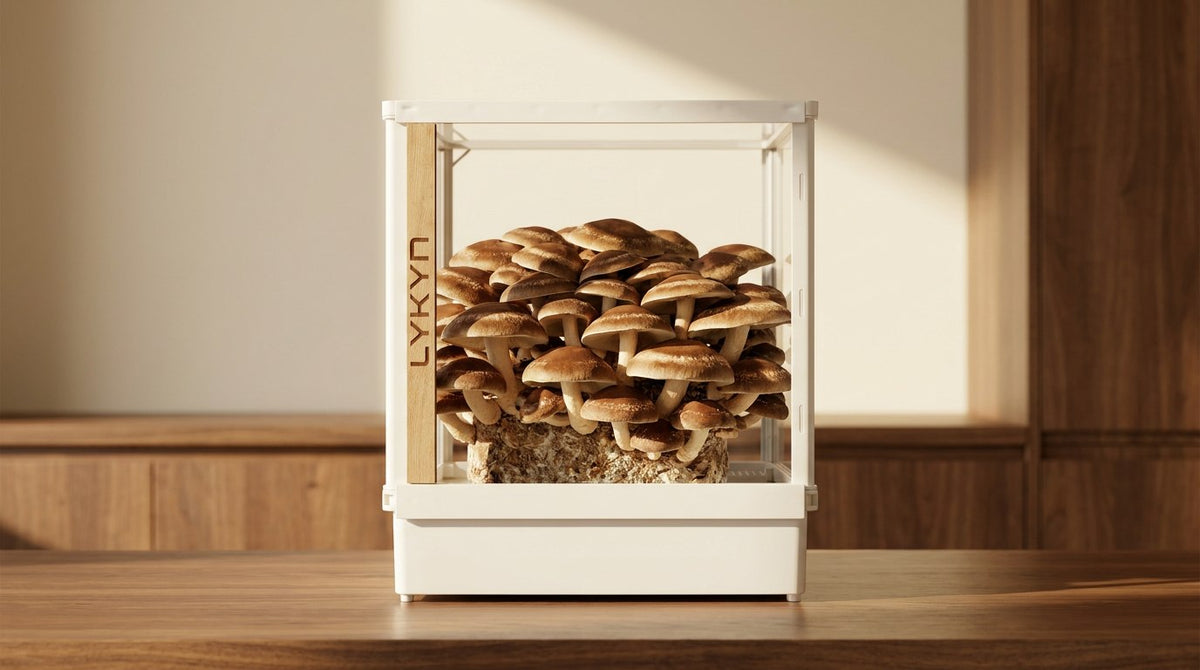
- Shiitake: tolerate freezing better than most. Saute or roast first.
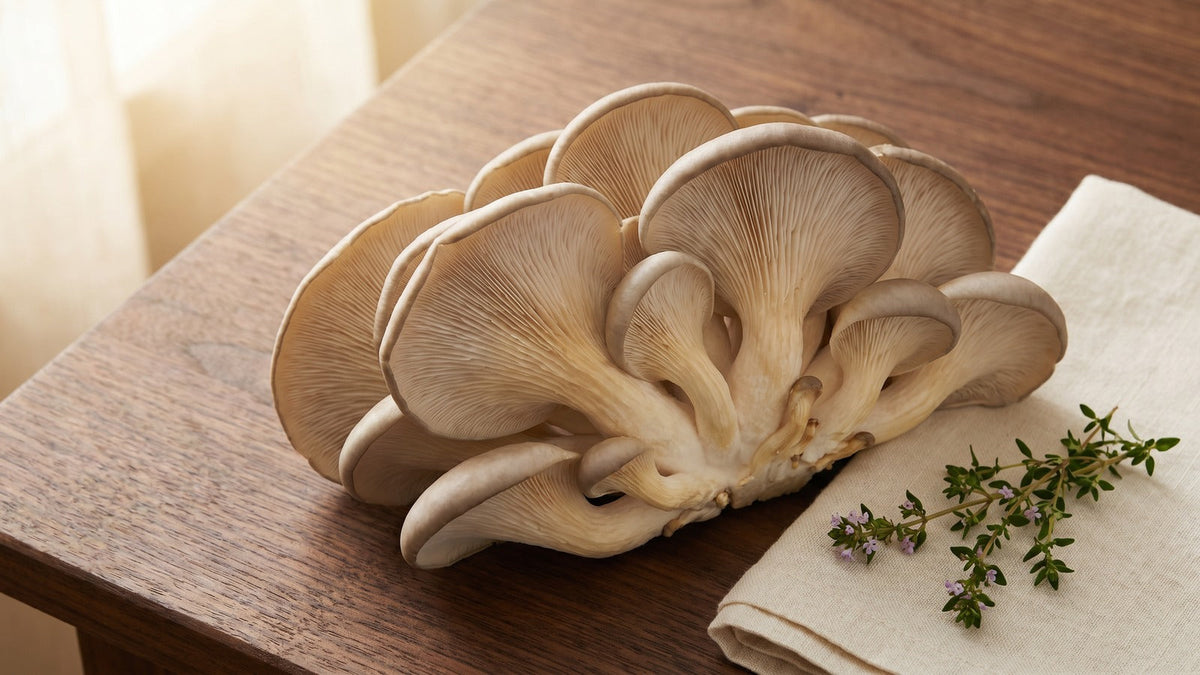
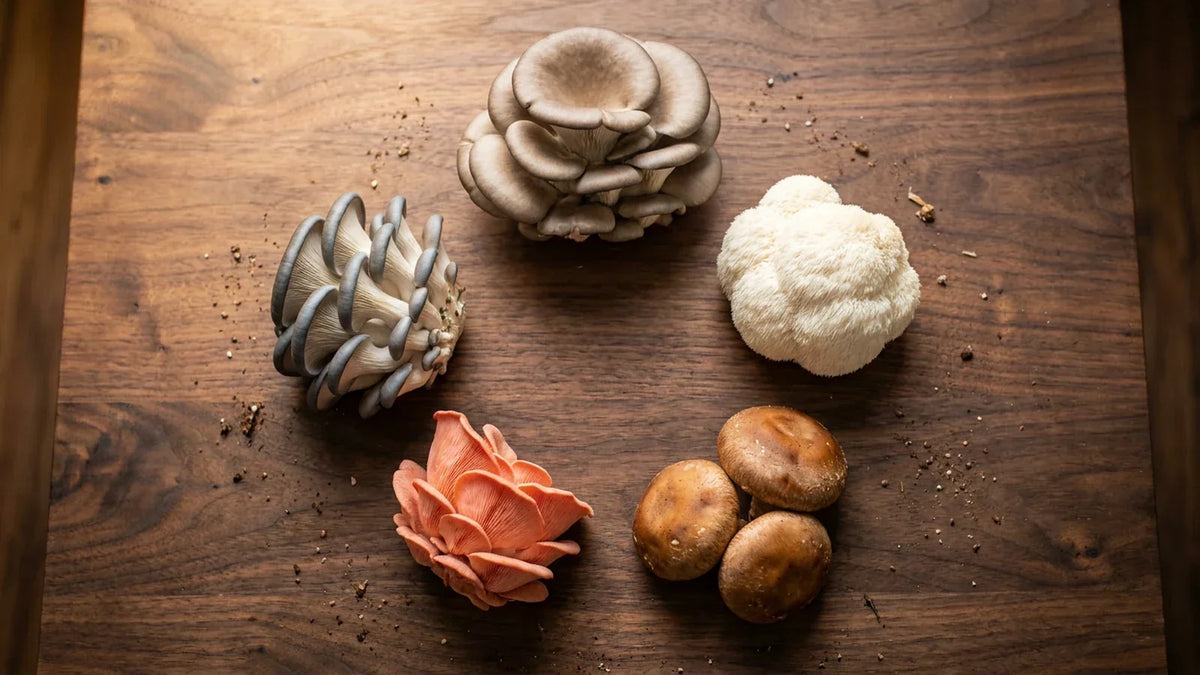
- Oyster mushrooms: very delicate. Saute briefly before freezing. Use within 4 to 6 months.
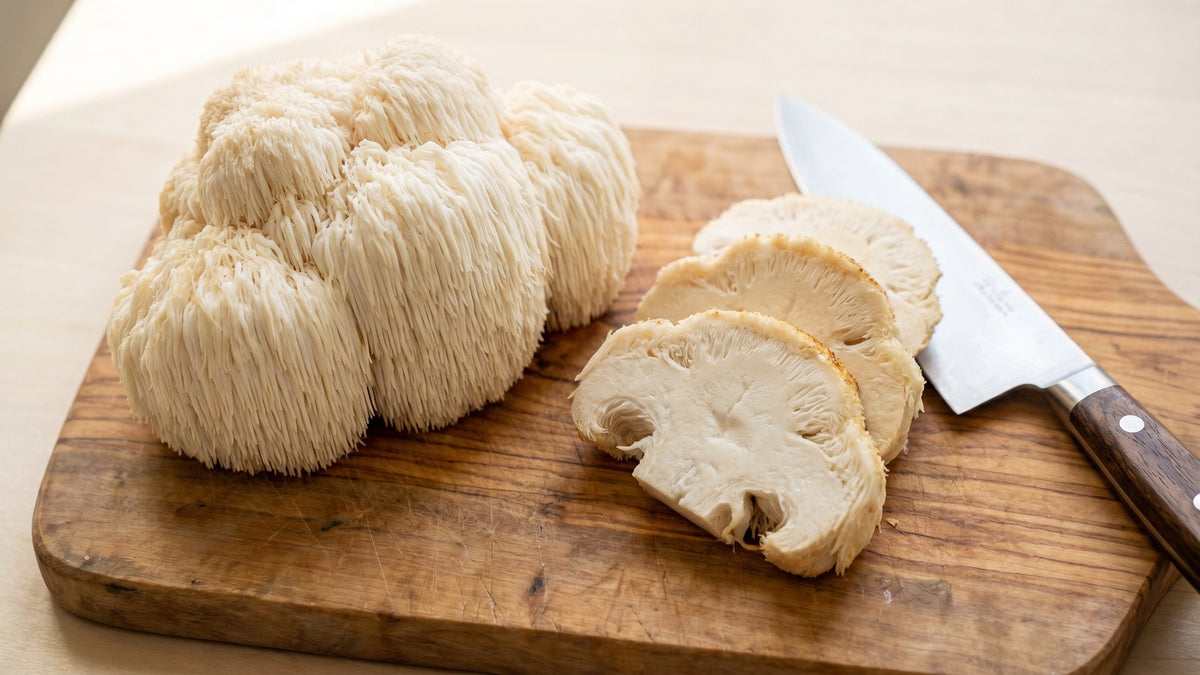
- Lion's mane: tears into pieces; saute first and freeze flat. Use within 6 months.
- Enoki and beech mushrooms: do not freeze well. Their thin strands fall apart.
- Morels: should be sauteed quickly before freezing. Excellent freezer survival.
- Wild foraged mushrooms: always cook before freezing.
Thawing and Using Frozen Mushrooms
For most uses, you don't need to thaw frozen cooked mushrooms at all. Toss them into a hot pan, soup, or sauce directly from the freezer. They'll thaw in 60 to 90 seconds.
If you need them at room temperature first, thaw in the refrigerator overnight or in a covered bowl on the counter for 30 minutes. Don't thaw in the microwave; it cooks them unevenly and accelerates moisture loss.
The Freezer Inventory Sweet Spot
A practical home freezer can hold 5 to 10 pounds of cooked mushrooms in portioned bags without taking up much space. That's enough for several months of mushroom-containing dinners. Freezing in 1/2 pound or 1 cup portions makes it easy to grab exactly what you need.
Label every bag with the variety and the date frozen. Mushrooms in good freezer condition look the same after 6 months, but flavor declines after 8 to 12 months even when texture is fine.
Why Fresh Beats Frozen When You Can Manage It
Even the best freezing technique sacrifices some texture and aromatic complexity. For recipes where mushrooms are the star (a simple sauteed-mushroom side, a delicate cream of mushroom soup, a roasted oyster mushroom dish), fresh is genuinely better.
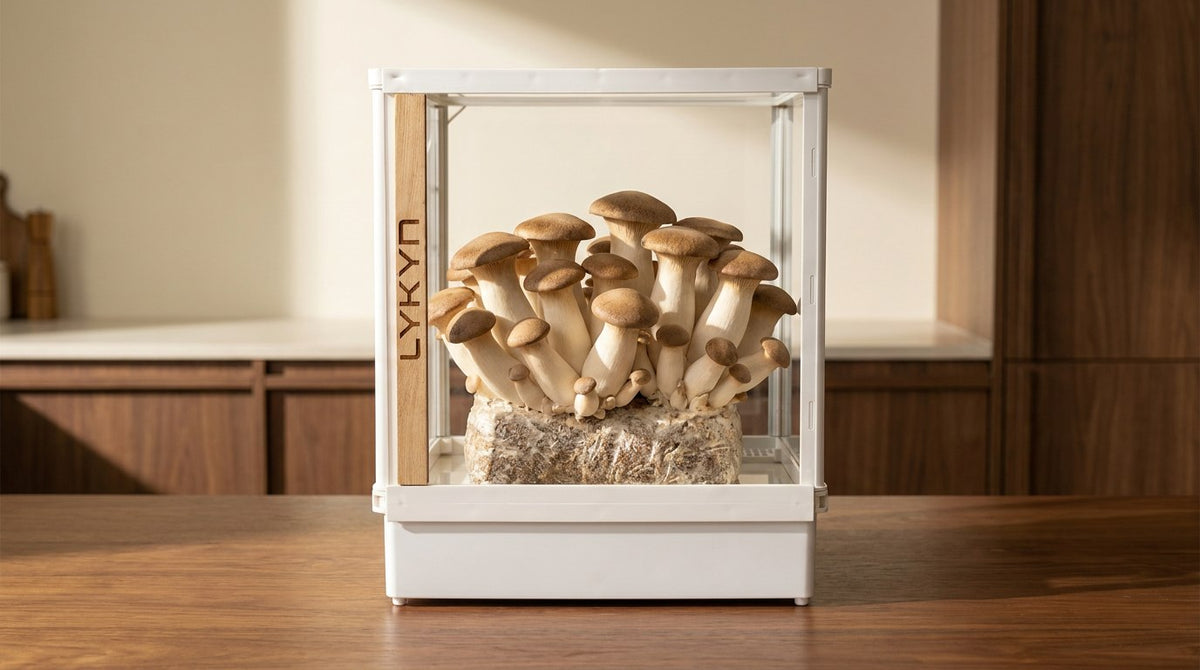
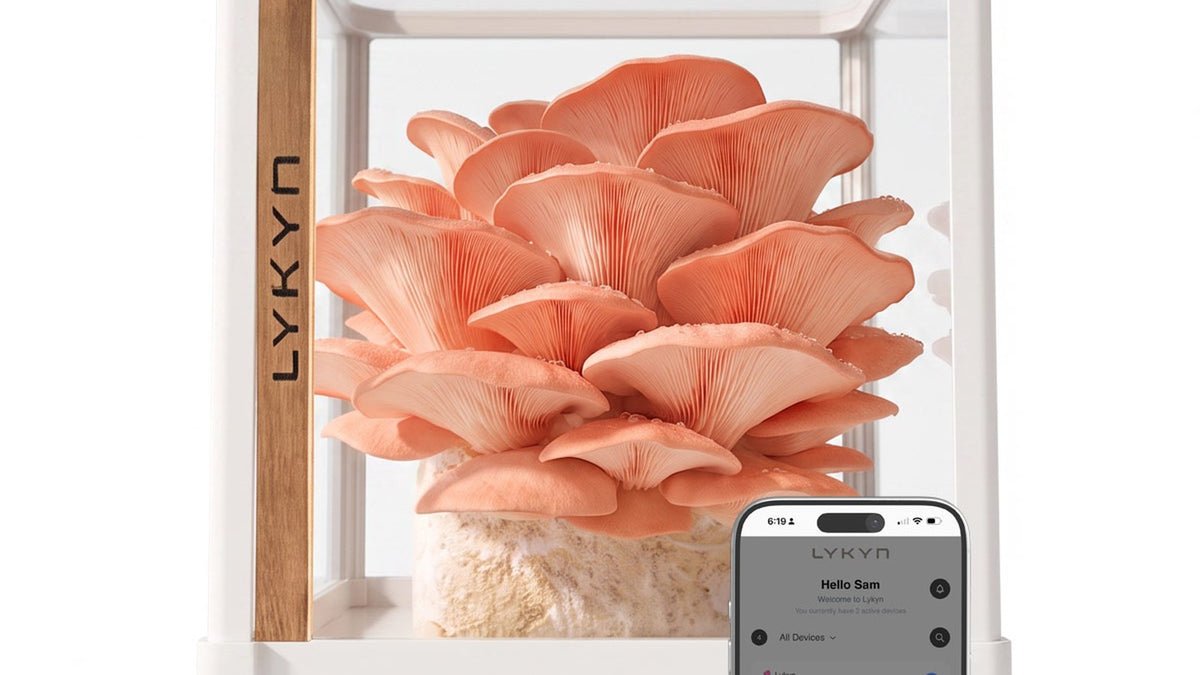
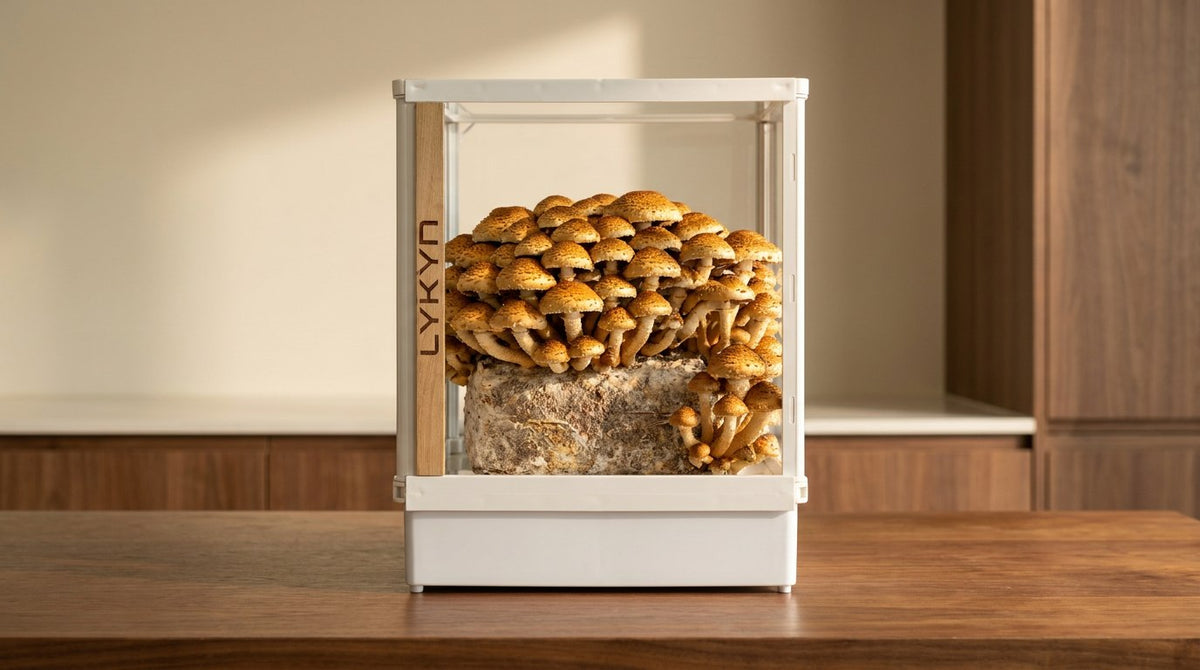
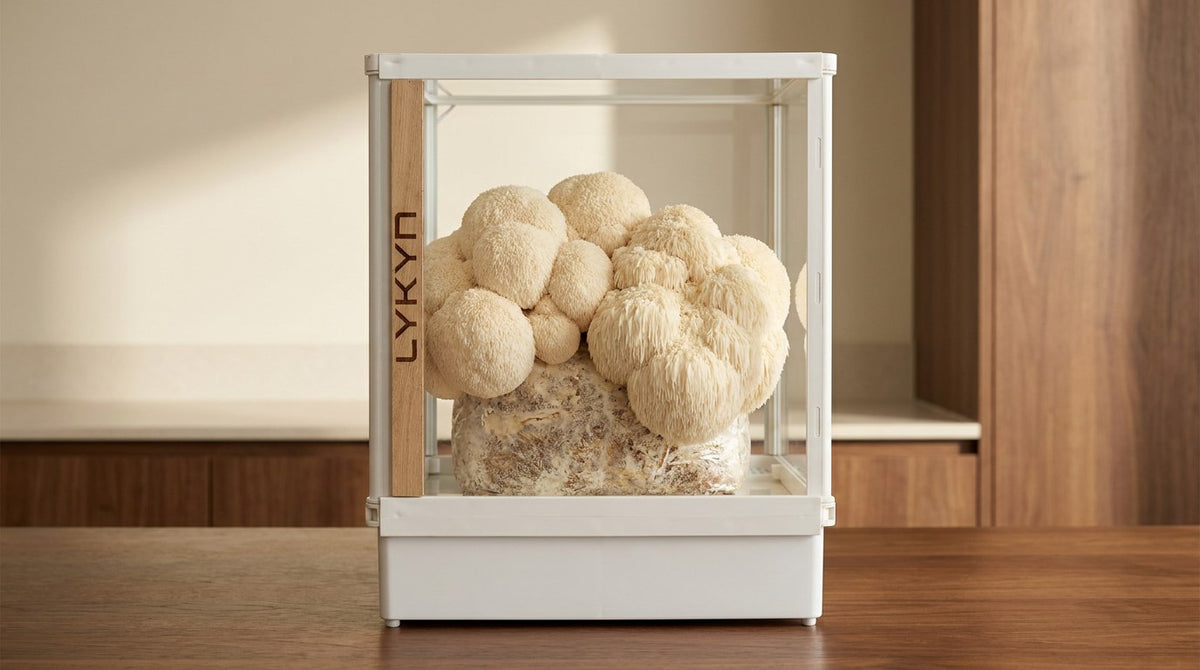
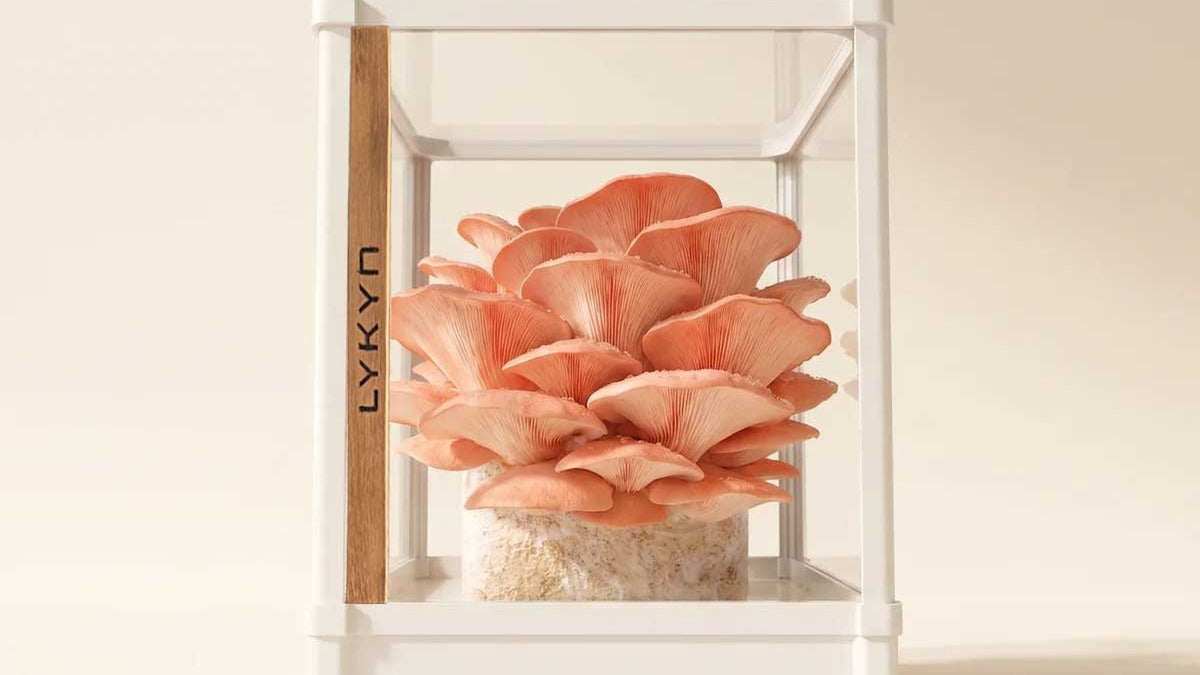
Growing your own mushrooms is the easiest way to keep fresh inventory available year-round. A countertop kit from Lykyn's mushroom grow kits produces a pound or more of fresh mushrooms in about a week, on demand. Pair a small home grow with a stocked freezer of pre-cooked mushrooms and you've effectively eliminated mushroom-runs to the grocery store.
Can I freeze mushrooms? Yes, with one rule: cook first, freeze second. The 15 extra minutes of sauteing before bagging is the difference between mushrooms that taste like you just bought them and mushrooms that taste like wet cardboard.
Share:
Canned Mushrooms: When to Use Them and When to Skip
Canned Mushrooms: When to Use Them and When to Skip