


Canned mushrooms have a complicated reputation. The hardcore home cooks dismiss them as bland and rubbery, the meal-prep crowd swears by them, and most people fall somewhere in the middle, keeping a few cans in the pantry for emergencies. The truth is more nuanced. Canned mushrooms work brilliantly in certain dishes, fall flat in others, and the right choice depends entirely on what you're cooking.
This is the practical guide to canned mushrooms: how they're made, when to use them, when to skip them in favor of fresh or frozen, and which products are worth the shelf space.
How Canned Mushrooms Are Made
Most canned mushrooms in U.S. supermarkets are the same species you buy fresh: Agaricus bisporus, sold as button mushrooms or, when harvested slightly older, as cremini. Processing happens shortly after harvest. The mushrooms are washed, trimmed, blanched in hot water to inactivate enzymes, packed into cans with a mild brine, and pressure-cooked to commercial sterility at temperatures around 250 degrees Fahrenheit.
That pressure-cooking step is what changes the texture. Fresh mushrooms cook at home for 5 to 10 minutes; canned mushrooms have effectively been cooking for hours. The result is a softer, denser mushroom with most of its volatile aromatics driven off, but with concentrated umami flavor still intact.

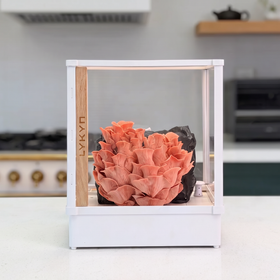
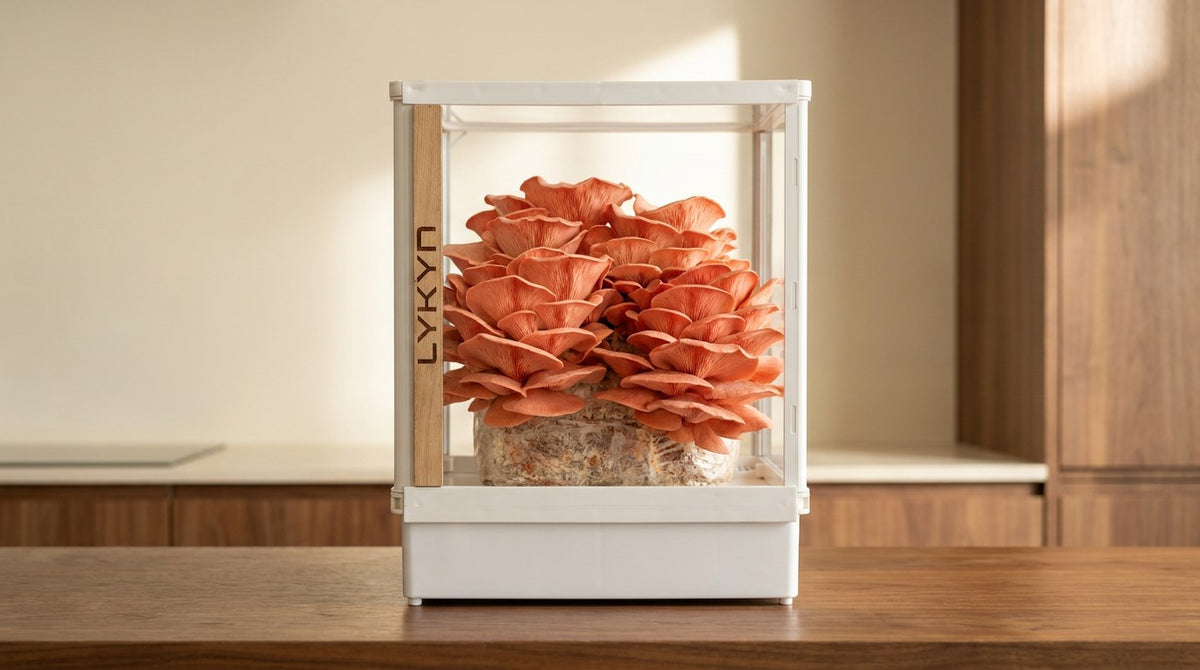
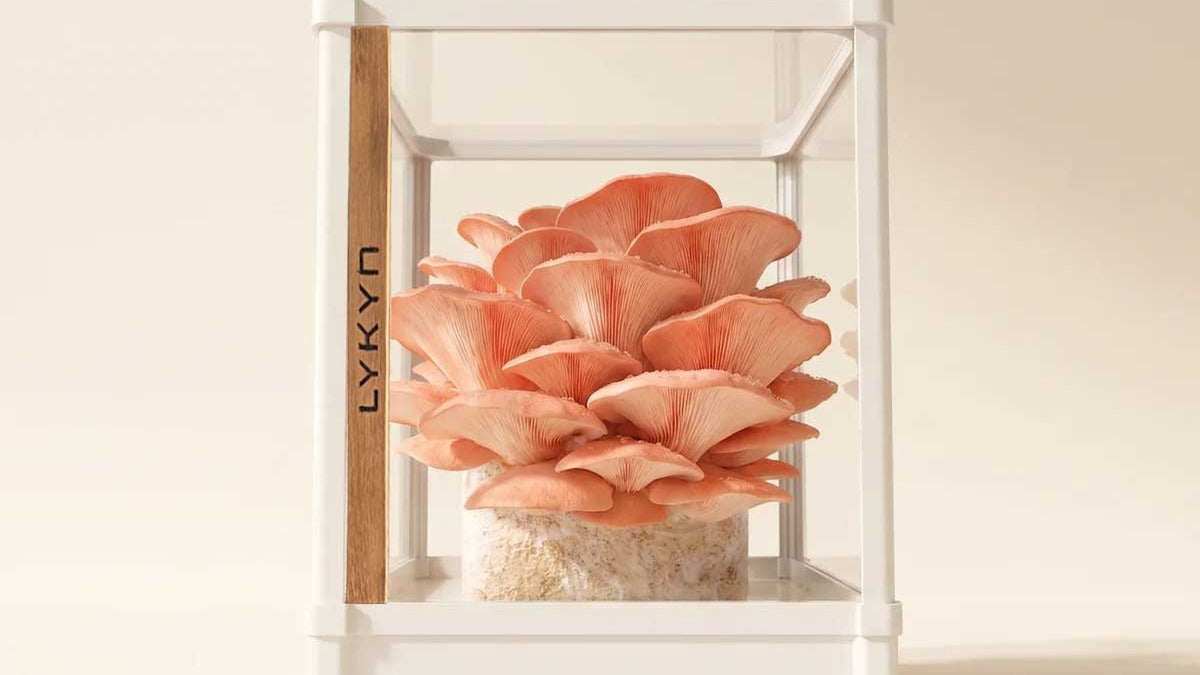
Smart Chamber. Bone White Single
- 2.8L tank, 90% humidity automatic
- App-controlled, plug-and-play
- 6 lb block ceiling, in stock

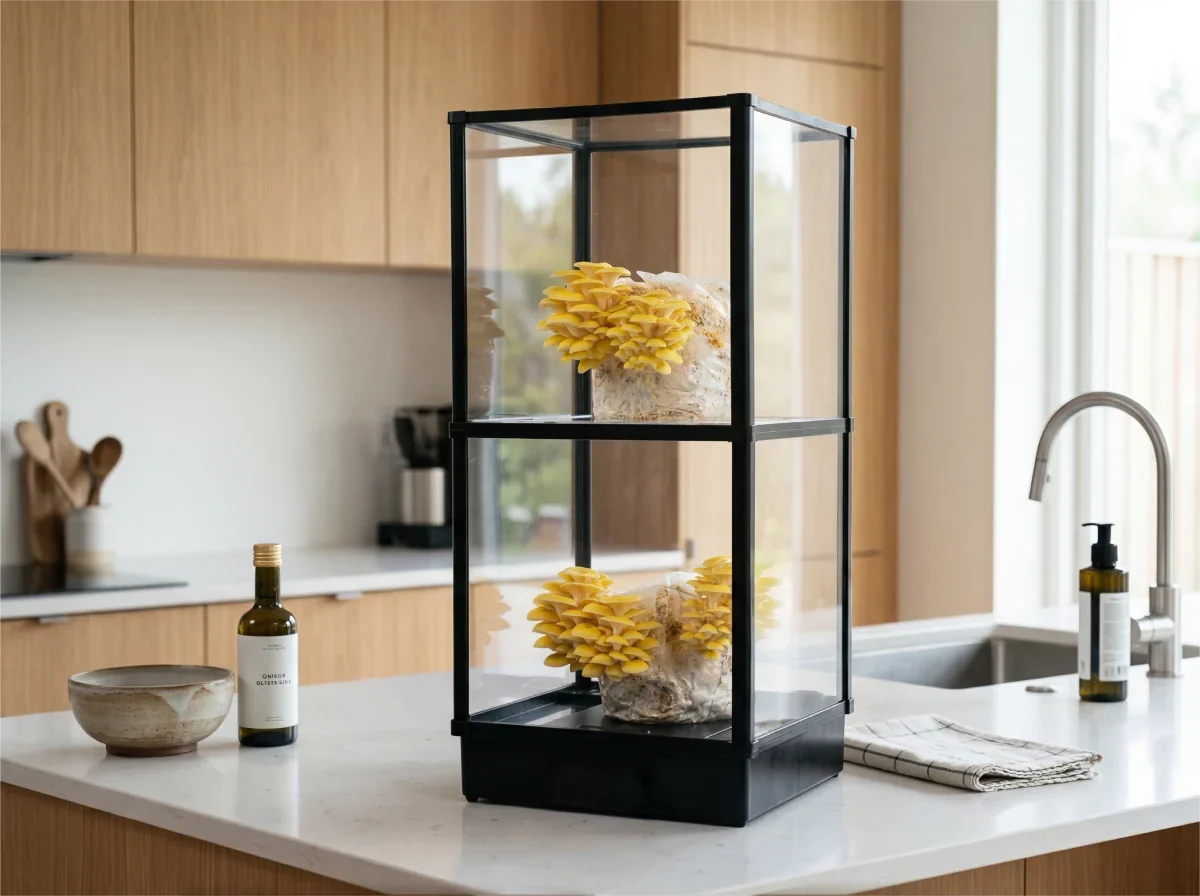
Smart Chamber. Obsidian Black Single
- 2.8L tank, 90% humidity automatic
- App-controlled, plug-and-play
- Matte obsidian finish, in stock

Black Oyster Fruiting Block
- 5 lb colonized hardwood block
- 1-3 day cycle, easy first flush
- Lab-tested strain, in stock
What Canned Mushrooms Do Well
Canned mushrooms shine in cooked dishes where they're not the star ingredient. The intense processing has already broken down their cell structure, which means they release flavor quickly and don't need additional cooking time to soften.
Good applications include:
- Pizza topping: drain thoroughly, scatter on the pie before baking. They won't release excess water and ruin the crust the way wet fresh mushrooms can.
- Casseroles: green bean casserole is the iconic example. The canned texture matches the long-bake casserole format perfectly.
- Long-simmered soups and stews: beef stew, chicken cacciatore, and similar dishes where mushrooms cook for an hour or more give the fresh texture advantage away anyway.
- Slow-cooker recipes: same logic. Slow cookers turn even firm fresh mushrooms soft after 6 to 8 hours.
- Pasta sauces: marinara, bolognese, or any tomato-based sauce that simmers for 30 minutes or more.
- Quick weekday omelets: drain, scatter into the pan, no chopping needed.
What Canned Mushrooms Don't Do Well
The applications where you should reach for fresh or frozen instead:
- Sauteed mushroom sides: the texture is wrong and the lack of browning is obvious.
- Risotto and finishing dishes: when mushrooms are the visual centerpiece, canned looks and feels off.
- Stuffed mushroom appetizers: caps don't hold their shape.
- Stir-fries with high-heat technique: canned mushrooms add water to the wok and prevent proper browning.
- Salads or raw applications: pre-cooked texture is too soft.
- Recipes where mushrooms account for more than half the volume: the bland texture overwhelms the dish.
How to Improve Canned Mushrooms in 2 Minutes
One reason canned mushrooms get a bad reputation is that most home cooks use them straight from the can without any prep. A quick two-step process makes a noticeable difference.
- Drain in a colander. Press gently to remove brine.
- Rinse with cold water briefly to wash off canning salts. Drain again.
- Pat dry with paper towels.
- Saute for 2 to 3 minutes in a hot dry pan with a small amount of butter and garlic. They'll brown lightly and shed any residual canning aroma.
That's it. The same can of mushrooms that tasted forgettable straight out of the can tastes like a respectable side dish after this treatment.

Fuel Your Mushroom Journey
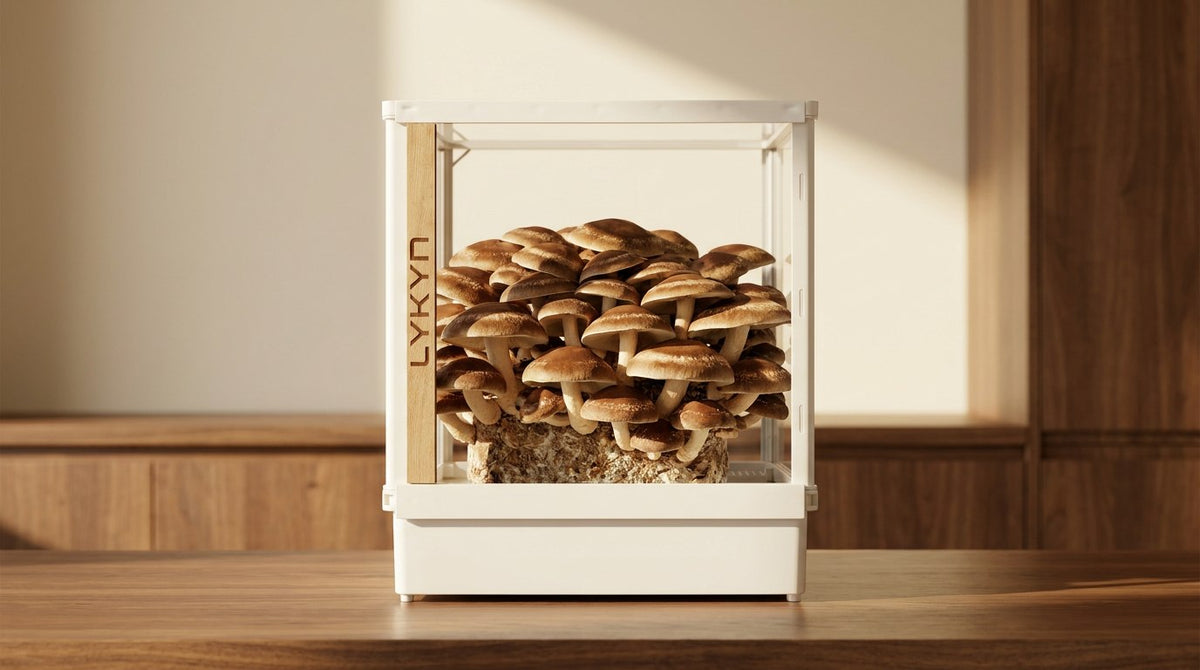
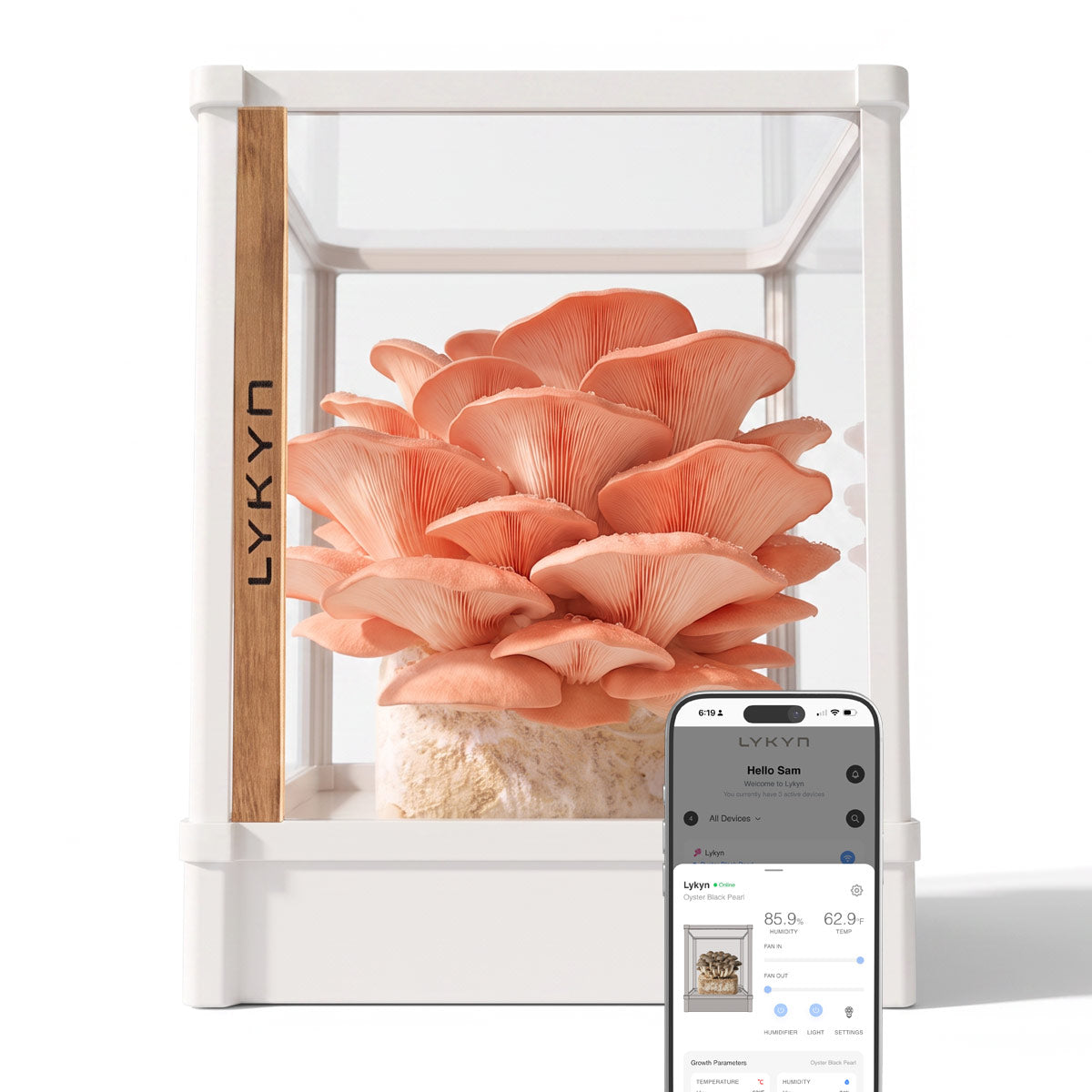
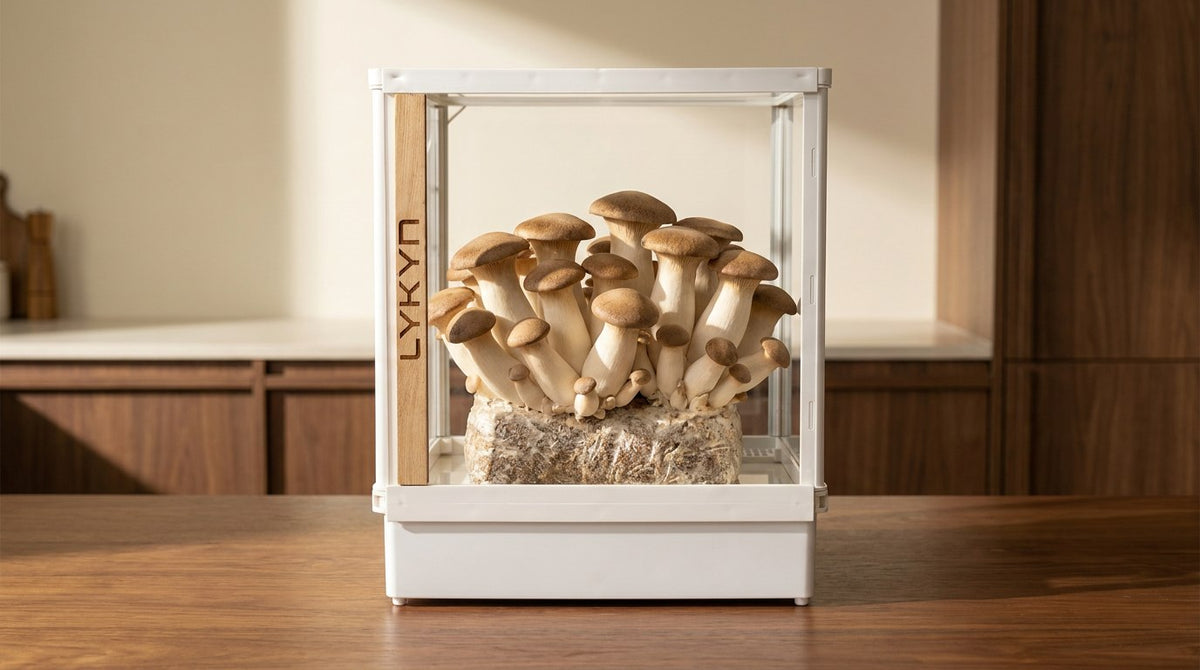
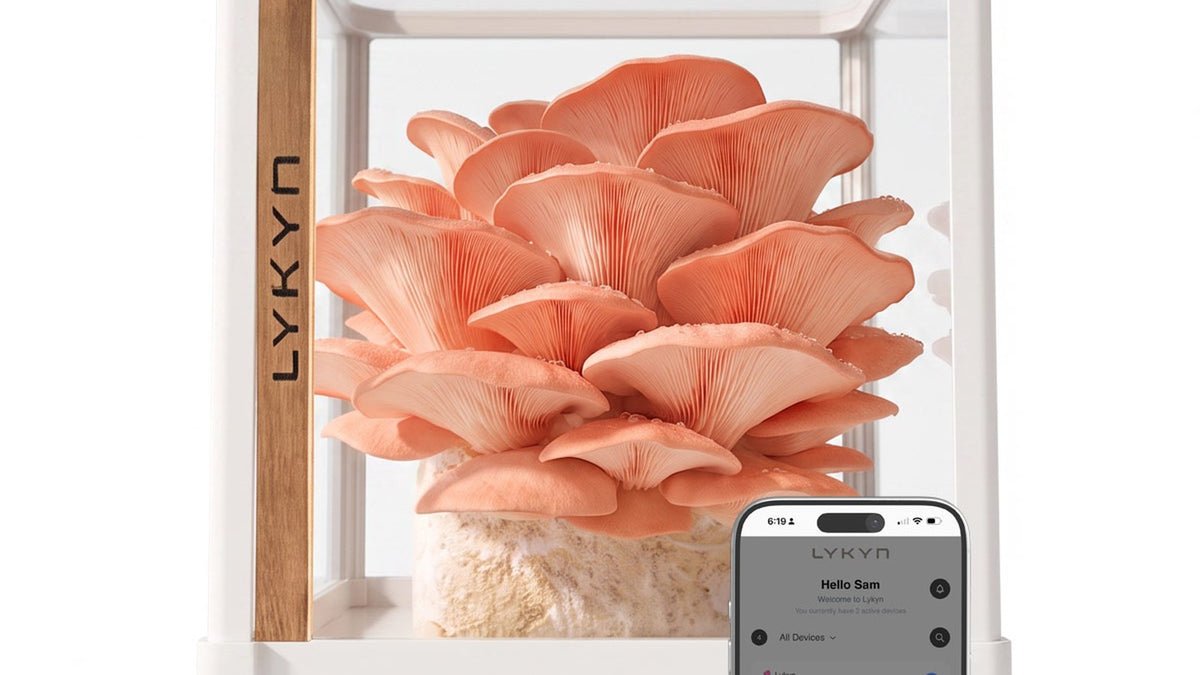
Smart Mushroom Grow Chamber
Plug-and-play smart chamber with humidity, light, and airflow dialed in for every species. Beginners harvest their first flush in days, not months.
Add to cart $299Reading the Label
Not all canned mushrooms are equal. A few things to check before buying:
- Pieces and stems vs. whole vs. sliced: pieces and stems is the cheapest grade, suitable for sauces and casseroles. Sliced mushrooms keep more of their shape and look better in finished dishes. Whole mushrooms are the most expensive grade and best for appetizers or salads if you really must use canned.
- Sodium content: canned mushrooms can carry 250 to 500 mg of sodium per half-cup serving, mostly from the canning brine. Rinsing cuts that by 30 to 40 percent. Low-sodium versions are available and worth the small price difference.
- Ingredients list: it should be mushrooms, water, salt, and maybe ascorbic acid (vitamin C as a color stabilizer). Anything else is a flag.
- Country of origin: U.S. supermarket canned mushrooms come from several countries. Quality varies, and freshness at packing time matters more than the country itself.
Specialty Canned Varieties
Beyond basic buttons, a few specialty canned mushrooms turn up in international or larger grocery stores:
- Straw mushrooms: small, egg-shaped, often used in Thai and Chinese cooking. Drain and use in stir-fries, curries, or hot and sour soup.
- Wood ear (cloud ear fungus): gelatinous and crunchy. Available canned in liquid in Asian groceries.
- Truffles (whole or sliced): expensive, but a small can adds dramatic flavor to a risotto or pasta. Drain and use sparingly.
- Porcini: more often sold dried than canned, but canned versions exist in Italian markets.
Nutrition Comparison: Canned vs. Fresh
The nutritional differences are smaller than you might expect. Canning preserves most B vitamins, minerals, and beta-glucans because mushrooms don't lose much during the brief blanching step. Vitamin C content drops, but mushrooms aren't a meaningful source to begin with. Protein, fiber, and selenium hold steady.
The two things to watch:
- Sodium: noticeably higher in canned, even after rinsing. People on sodium-restricted diets should choose low-sodium canned mushrooms or stick with fresh.
- Potassium: lower in canned because the brine leaches some during processing. Roughly 200 mg per half cup compared to 300 mg in fresh.
For people without specific dietary restrictions, canned mushrooms remain a perfectly reasonable nutritional choice. The lower freshness doesn't translate to meaningful nutrient loss.
Storage After Opening
Once a can is opened, the contents need to behave like fresh food. Transfer leftover canned mushrooms to a covered container, refrigerate, and use within 3 to 4 days. Don't store them in the open can; the metal can leach metallic flavors into the brine after exposure to air.
You can also freeze opened-can leftovers. Drain, pat dry, spread on a sheet pan, freeze until firm, then transfer to a freezer bag. They keep for 2 to 3 months in the freezer.
When Fresh Is Worth the Effort
For any recipe where mushrooms are the focus, fresh wins. The flavor is more nuanced, the texture is firmer, and the visual impact is much better. The challenge is that fresh mushrooms have a short refrigerator life (5 to 7 days at best) and tend to get bought, forgotten, and tossed.
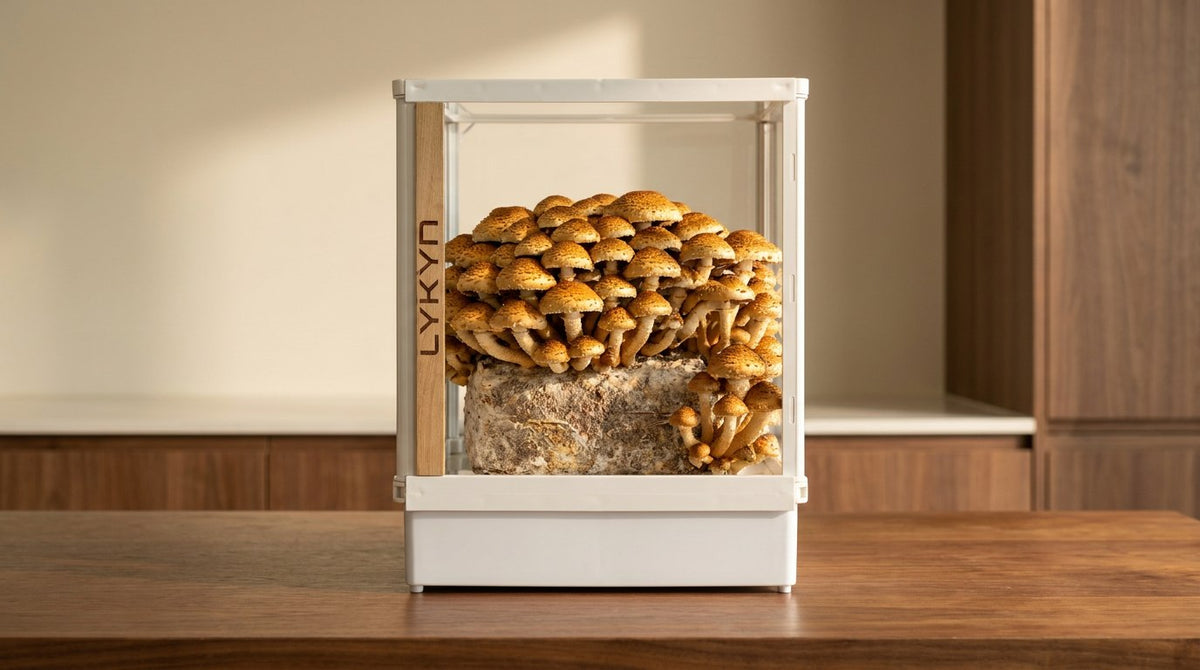
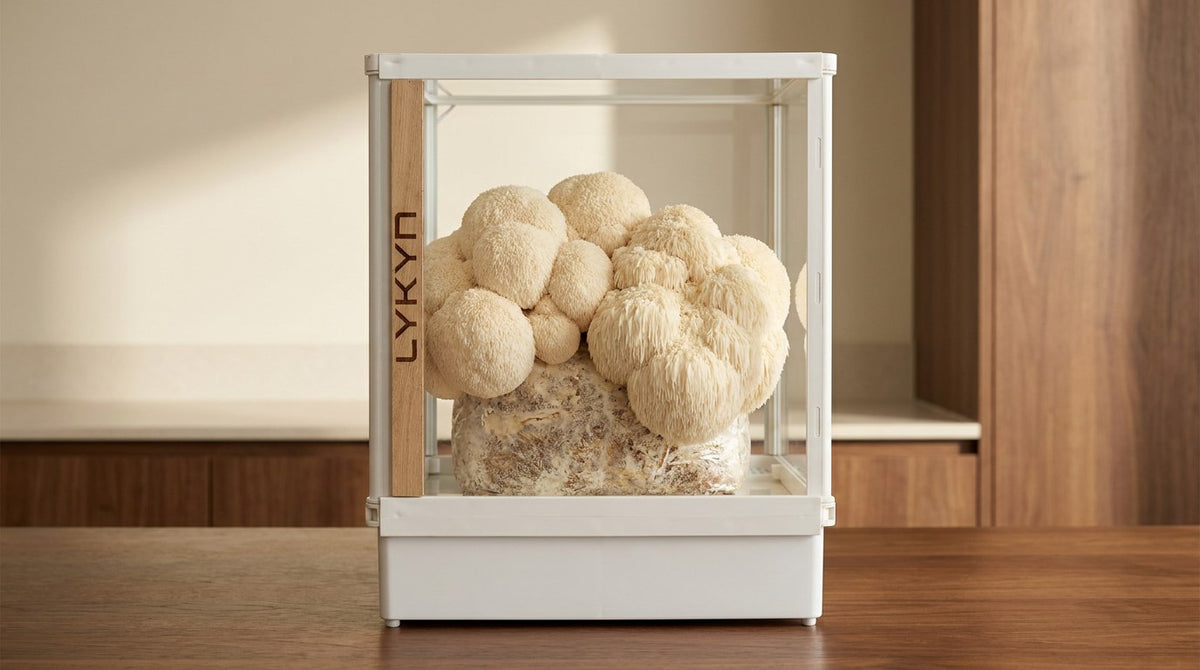
Growing your own solves the supply-on-demand problem. A countertop kit from Lykyn's mushroom grow kits produces fresh mushrooms in 5 to 7 days, with harvest timing under your control. Pair an active grow with a few cans of buttons in the pantry as backup, and you've got every mushroom application covered.
Canned mushrooms aren't a fresh-mushroom replacement; they're a different ingredient. Use them where the long-cook format makes texture irrelevant, prep them with a 2-minute saute, and they'll quietly improve a lot of weeknight meals without anyone noticing they came from a can.
Share:
Can I Freeze Mushrooms? Yes, Here's How To Do It Right
Can I Freeze Mushrooms? Yes, Here's How To Do It Right