


The short answer is yes, mushrooms can grow on living animals, but the cases where it actually happens are rare, specific, and biologically fascinating. Most fungi that infect living animals never form a mushroom we would recognize. The few that do tend to be parasitic, kill or paralyze their host first, and then sprout fruiting bodies from the corpse. The famous zombie-ant fungus is the textbook example.
For mammals, including humans and pets, the situation is different. Mushrooms in the classic sense (visible fruiting bodies with caps and stems) almost never grow on living mammals. Fungal infections in mammals are caused by yeasts and molds that stay microscopic. The visual idea of mushrooms popping out of skin is more horror movie than biology.
The science of parasitic fungi
Some fungal species evolved to infect insects and arthropods specifically. The genus Cordyceps and its close relative Ophiocordyceps are the most documented. These fungi spread spores that land on an insect, germinate, and grow mycelium throughout the host's body. Eventually the fungus produces a fruiting body that pushes out through the insect's exoskeleton.
The host is alive during much of this process. In the case of Ophiocordyceps unilateralis, the fungus that infects carpenter ants in tropical rainforests, the fungus chemically manipulates the ant to climb to an elevated leaf, bite down, and stay still until the mushroom emerges from its head. Then the mushroom releases spores that fall onto more ants below.

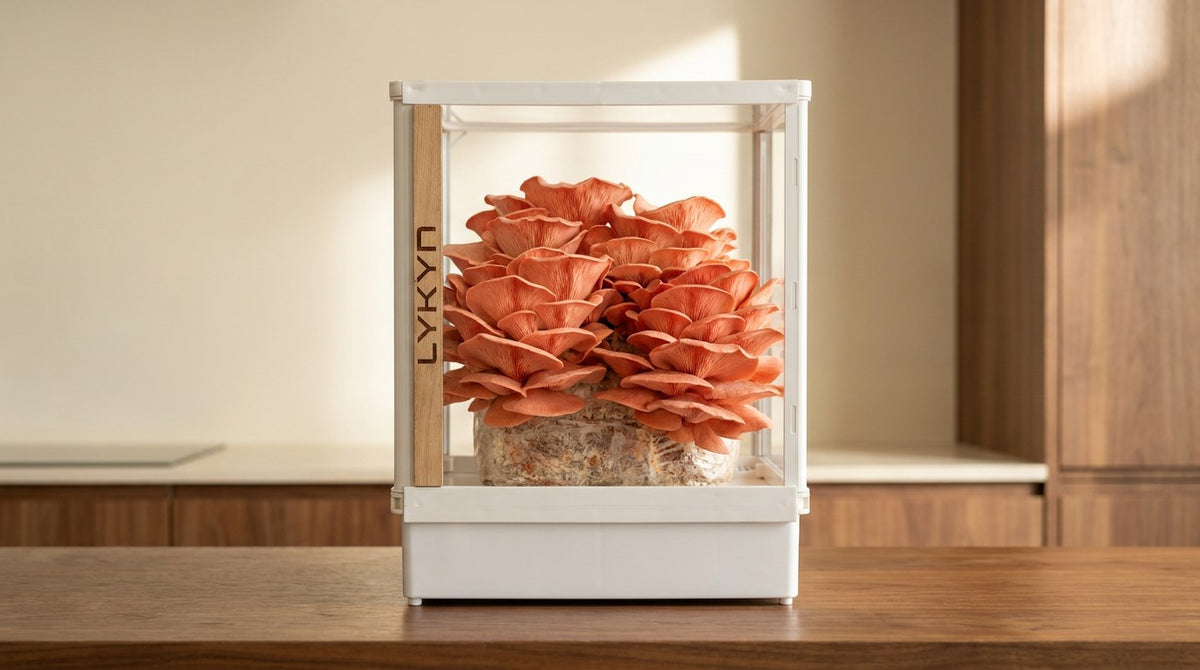
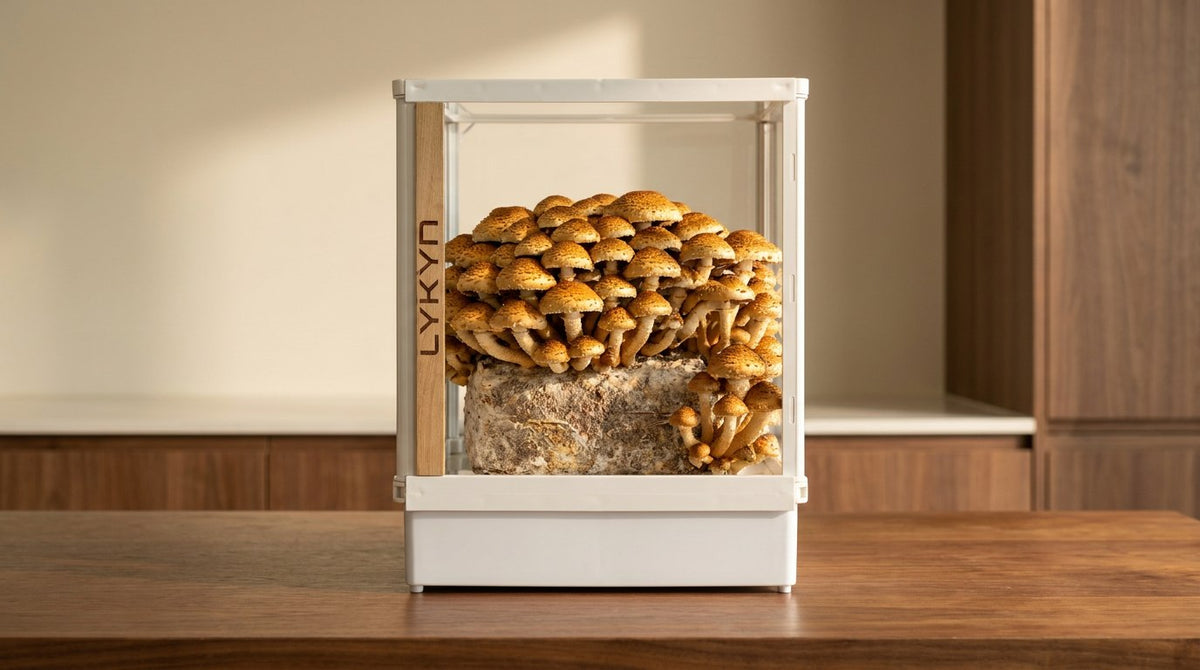
Smart Chamber. Bone White Single
- 2.8L tank, 90% humidity automatic
- App-controlled, plug-and-play
- 6 lb block ceiling, in stock

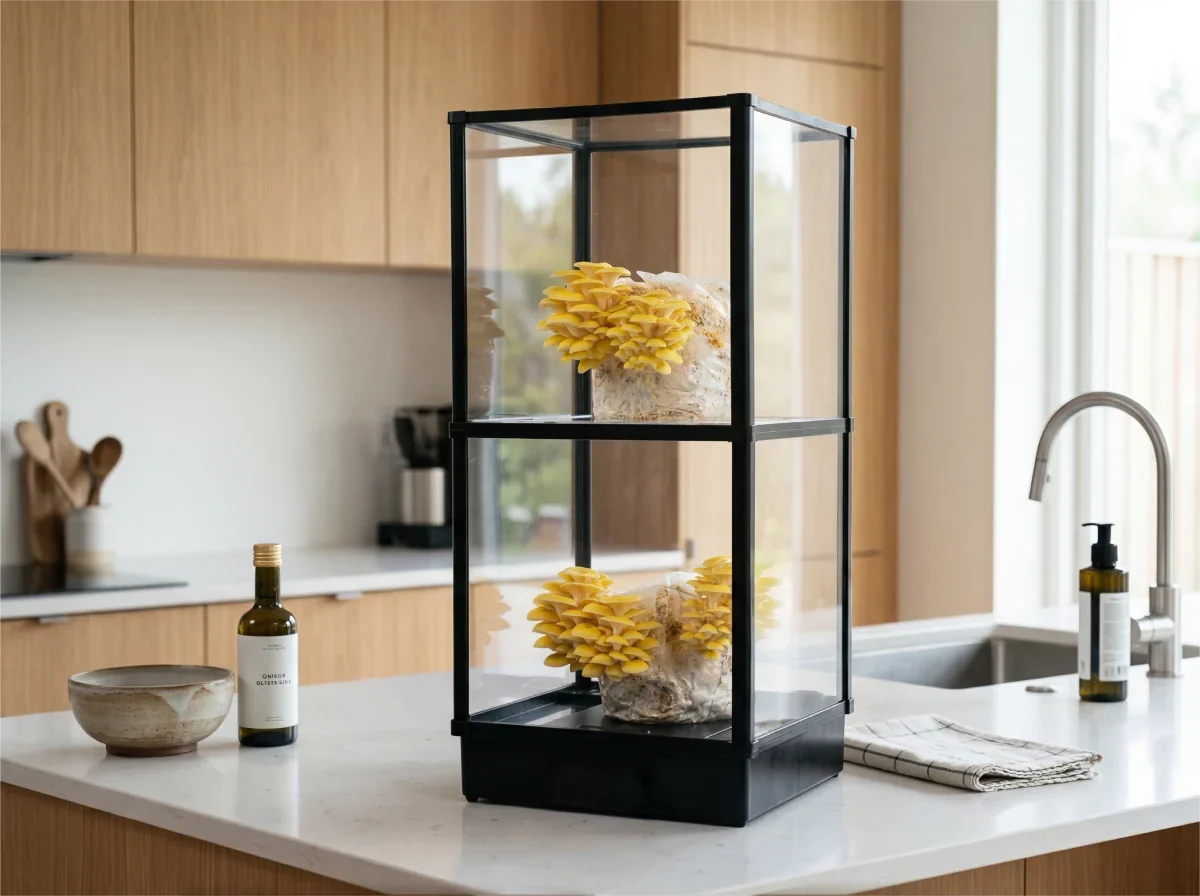
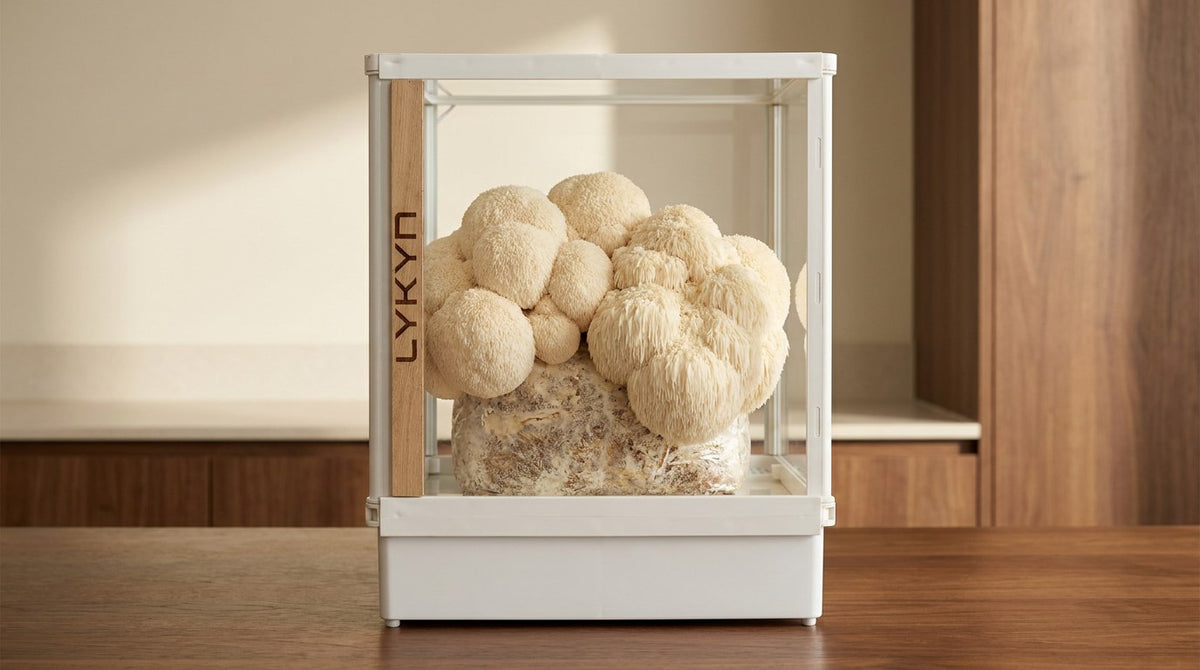
Smart Chamber. Obsidian Black Single
- Same hardware as Bone White
- Matte black premium finish
- Pairs with any kitchen palette

Why mammals are mostly safe from this
Mammals run hot. Body temperatures of 37 degrees Celsius (98.6 degrees Fahrenheit) and higher are above the comfort zone of nearly all fungi. The combination of body temperature, immune system pressure, and skin barrier makes the inside of a mammal a hostile environment for almost every mushroom-forming fungus.
Insects, by contrast, are cold-blooded, often live in humid environments, and have thinner cuticles. The conditions inside an ant or a beetle are much closer to the conditions inside a rotting log, which is the natural habitat of most parasitic fungi.
Documented cases on living mammals
Mushroom-forming fungi on living mammals are exceedingly rare. There are scattered medical case reports of fungi like Aspergillus or rare zygomycetes growing in immunocompromised patients, but these grow as microscopic colonies, not as visible fruiting mushrooms. The fungus most likely to be visible on a living mammal is a dermatophyte (ringworm), and it produces only microscopic structures, no recognizable cap or stem.
The rare exception is when a chronic wound, cast, or skin fold creates a permanently moist, low-oxygen environment that drops in temperature enough to support superficial fungal growth. Even then, the result is a fuzzy mat of mycelium, not a fruiting body.

Fuel Your Mushroom Journey
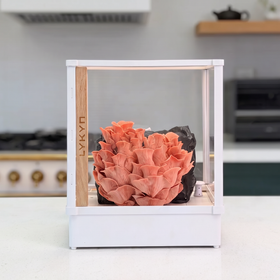
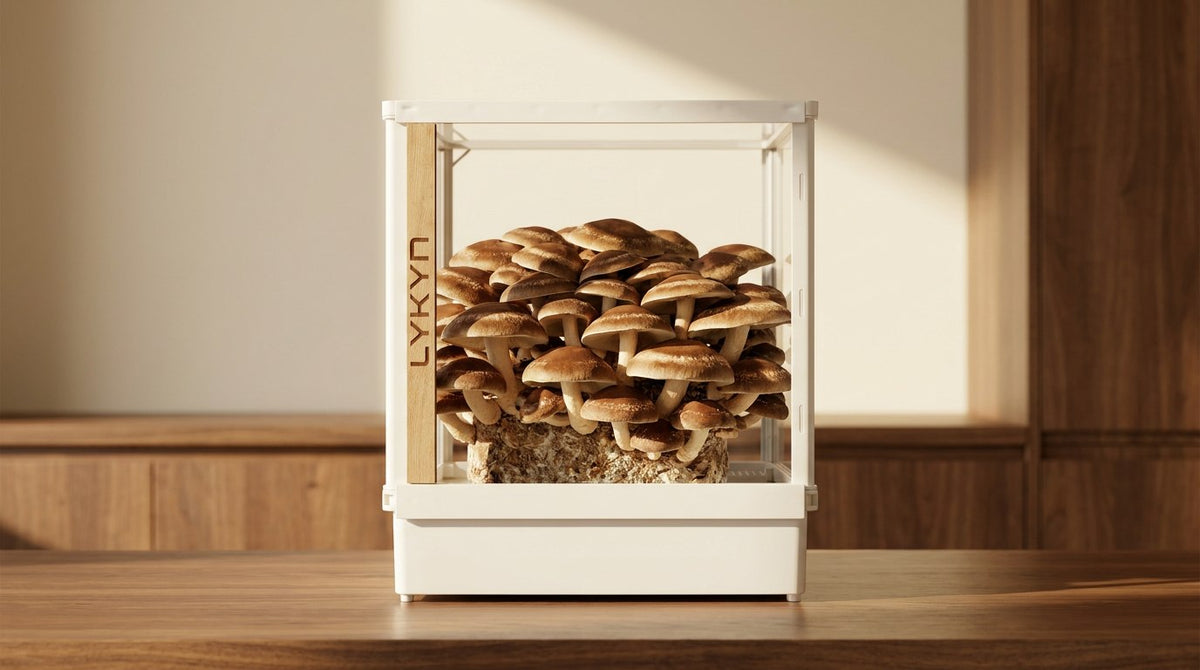
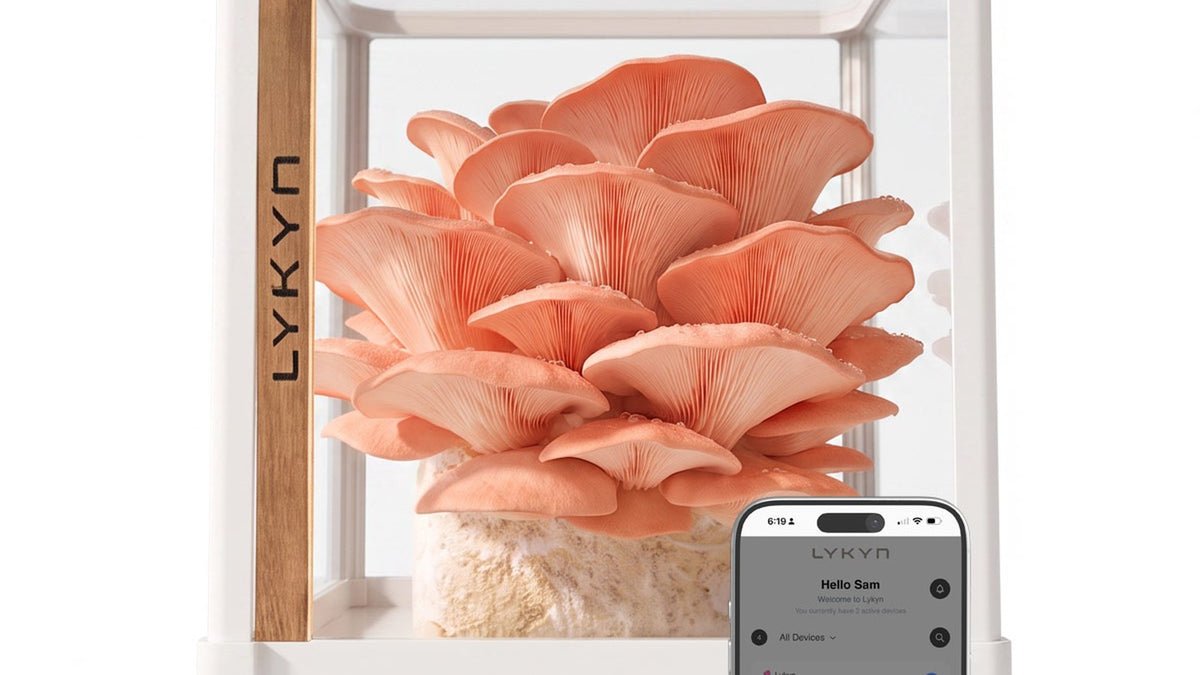
Smart Mushroom Grow Chamber
Plug-and-play smart chamber with humidity, light, and airflow dialed in for every species. Beginners harvest their first flush in days, not months.
Add to cart $299Famous parasitic mushrooms by host
Some of the well-documented parasitic mushrooms and their hosts:
- Ophiocordyceps unilateralis: tropical carpenter ants, the original zombie ant fungus
- Cordyceps sinensis (now Ophiocordyceps sinensis): caterpillars of ghost moths in the Himalayas, harvested for traditional medicine
- Beauveria bassiana: a wide range of insects including grasshoppers and ticks, used commercially as a biopesticide
- Massospora cicadina: 13 and 17 year cicadas, which the fungus turns into flying spore dispensers
- Entomophthora muscae: houseflies, which the fungus kills in a characteristic upward-facing posture
Each of these has evolved a tightly specialized lifecycle locked to its host. None of them affect humans or pet mammals.
What about fungal infections in pets and humans?
Common fungal infections in pets and people are caused by yeasts (Candida, Malassezia) and molds (Aspergillus, dermatophytes), not by mushroom-forming species. These can cause skin rashes, ear infections, sinus issues, and serious systemic disease in rare cases, but they never produce a visible mushroom on the body. Their growth stops at the microscopic mat stage.
If you see something that looks like a small mushroom growing on a pet's skin, it is almost certainly a tumor, a wart, a tick, or a foreign object embedded in the fur. Show it to a veterinarian rather than assuming it is a fungus.
The misconception about mushrooms growing in humans
Internet posts occasionally claim that mushrooms grow in human lungs, sinuses, or skin. These claims usually mix up microscopic fungal infections with macroscopic mushroom growth. A serious Aspergillus infection in the lungs can form a fungus ball (aspergilloma), but that is a tangled mass of microscopic hyphae, not a mushroom with a cap. No reliable medical case has documented a true fruiting mushroom growing from living human tissue.
The closest real situation is when post-mortem decomposition allows molds and occasionally mushroom-forming fungi to colonize a corpse. By that point, the host is no longer living, and the case is no longer relevant to the question.
Why this question matters for mushroom growers
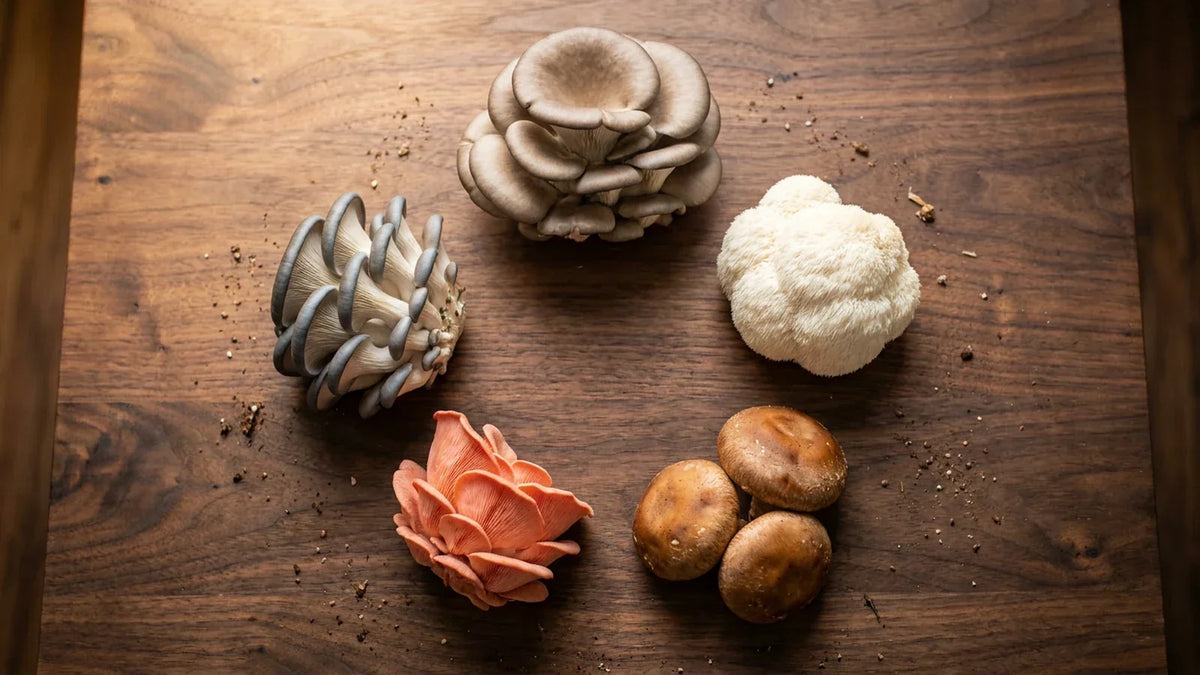
Home mushroom growers occasionally worry about whether spores from their grow kit could infect them or their pets. The honest answer is no for any standard culinary species. Oyster, shiitake, lion's mane, and similar mushrooms cannot grow on living mammals because they cannot survive mammalian body temperature or immune defenses. Heavy spore inhalation can cause respiratory irritation in sensitive people, but that is a pollen-style reaction, not an infection.
The species most worth keeping spore loads low for are the heavily sporulating ones like oyster mushrooms, especially for asthmatic growers. Harvest at the right stage, ventilate the room, and the issue rarely comes up.
Bottom line
Mushrooms can grow on living animals, but in practice they only do so on insects and a few other invertebrates, never on mammals in any meaningful sense. The zombie-ant fungus is real biology, but it is not a model for what happens to humans, dogs, or cats. Worry about ticks, parasites, and bacterial skin infections long before worrying about mushrooms.

Share:
Can You Eat Mushrooms Raw? Safety and Nutrition Guide
Can You Eat Mushrooms Raw? Safety and Nutrition Guide