


You can technically eat many mushrooms raw, but the better question is whether you should. The honest answer for almost every species sold at a grocery store or grown at home is no, you should not. Raw mushrooms are hard to digest, often contain trace amounts of compounds that disappear with heat, and cooking unlocks far more of their nutritional value. A few species in particular need cooking for safety reasons, and a few are actually fine raw in small amounts.
This guide walks through which mushrooms are safe raw, which ones to always cook, and the real science behind the recommendation.
Why mushroom cell walls matter
Unlike plants, mushroom cell walls are made of chitin, the same compound that makes up insect exoskeletons. Human digestive enzymes do not break down chitin efficiently. When you eat a raw mushroom, much of its nutritional content stays locked inside the cell wall, passes through the gut, and exits with very little absorbed.
Cooking softens chitin, ruptures the cell walls, and releases the protein, B-vitamins, antioxidants, and beta-glucans inside. A study comparing raw versus cooked white button mushrooms found that cooking significantly increased the bioavailability of ergothioneine, a powerful antioxidant that mushrooms are uniquely rich in.

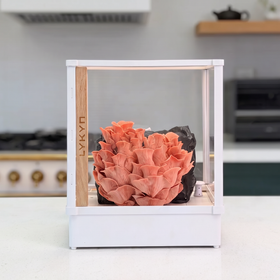
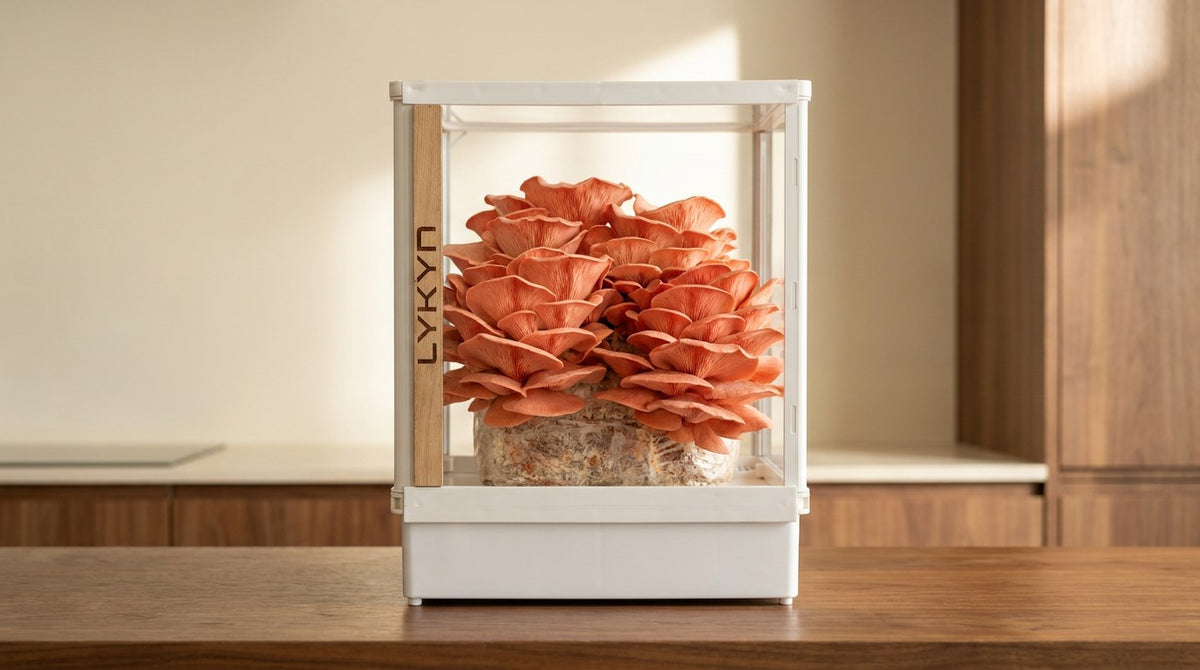
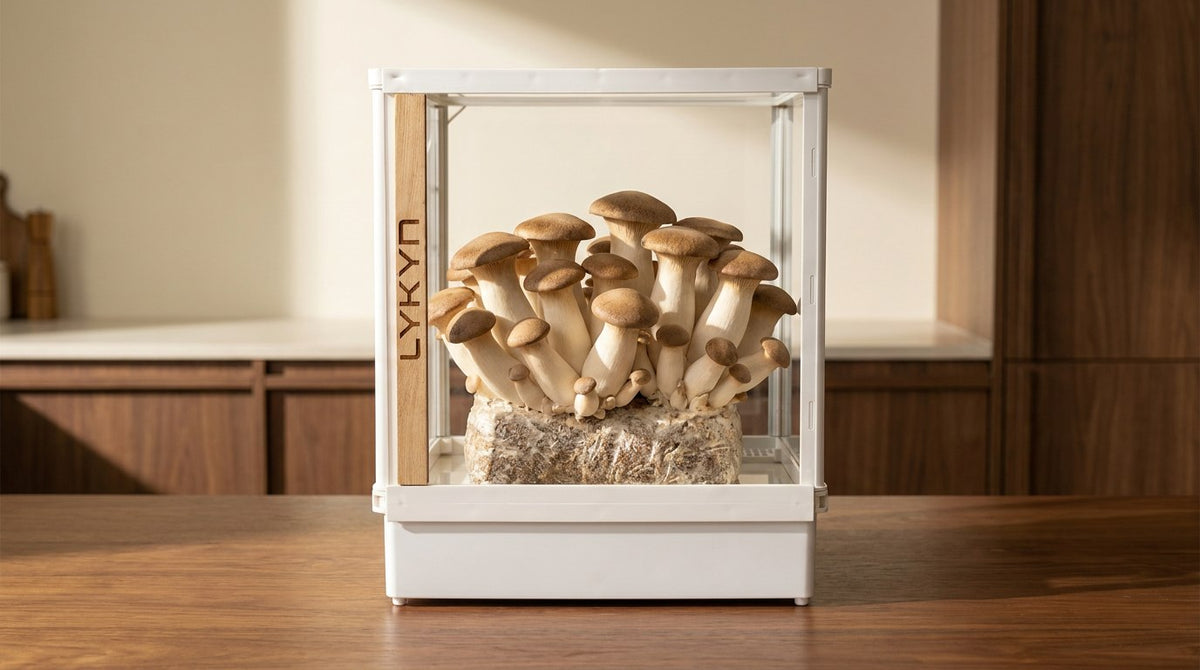
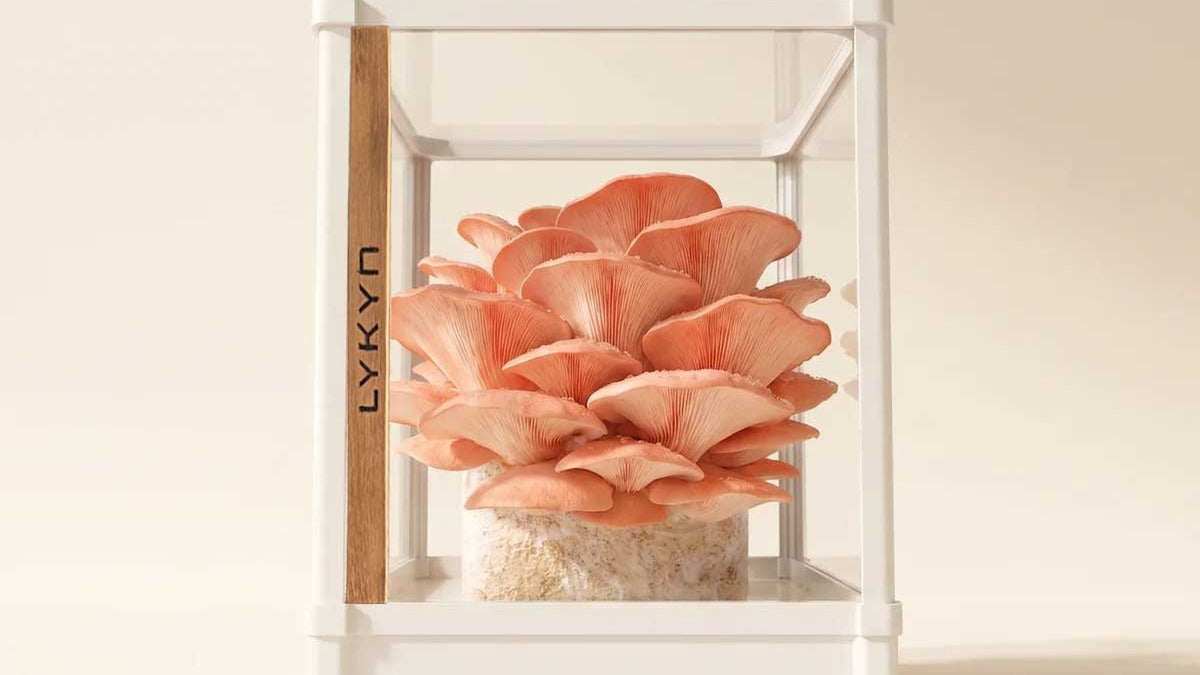
Smart Chamber. Bone White Single
- 2.8L tank, 90% humidity automatic
- App-controlled, plug-and-play
- 6 lb block ceiling, in stock

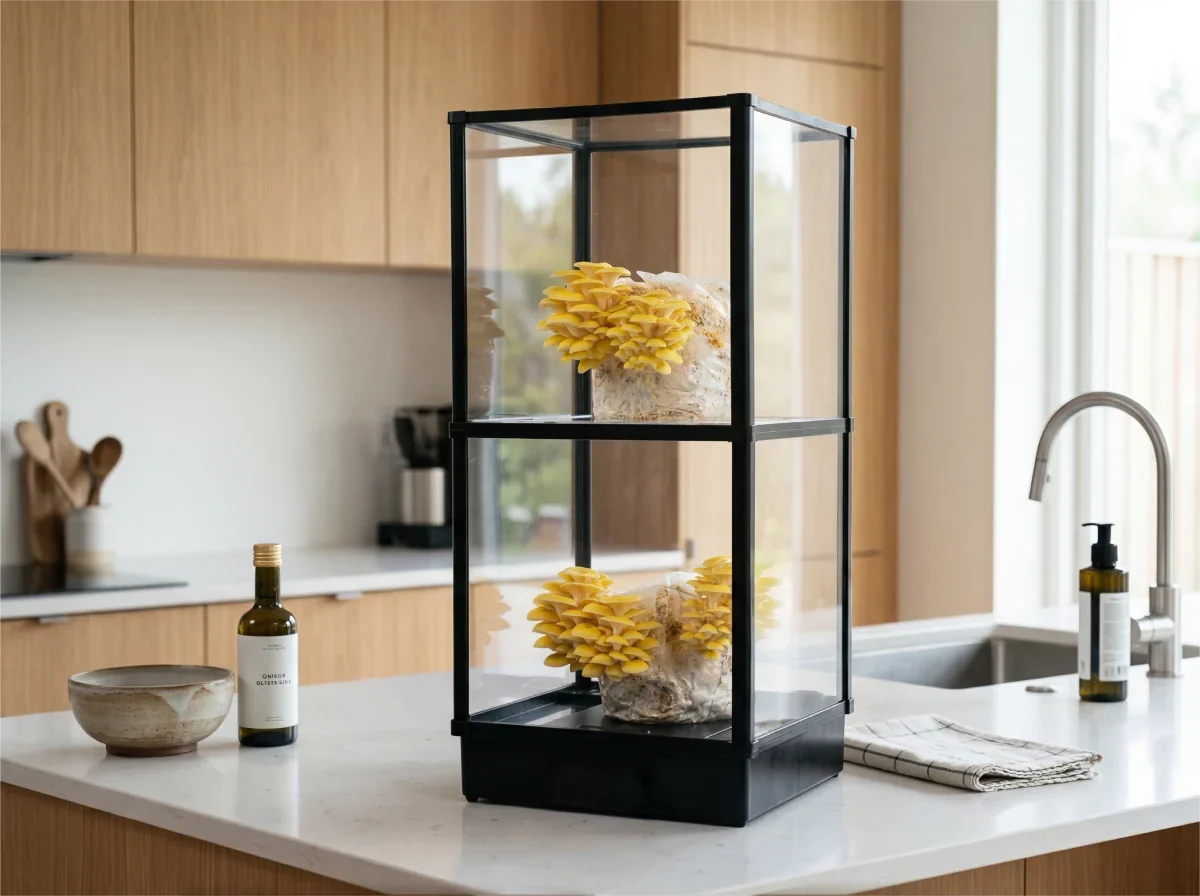
Smart Chamber. Obsidian Black Single
- Same hardware as Bone White
- Matte black premium finish
- Pairs with any kitchen palette

Compounds that cooking removes
Several mushroom species contain small amounts of compounds that cause problems raw but break down under heat:
- Agaritine in white button, cremini, and portabella mushrooms: a hydrazine compound that has shown genotoxic effects in lab studies. Cooking reduces it by 25% to 50% or more.
- Hemolytic proteins in some Lactarius and Russula species: damage red blood cells when raw, deactivated by heat.
- Heat-sensitive toxins in shiitake: cause shiitake dermatitis, a temporary itchy rash, in some people who eat the mushroom undercooked.
- Hydrazines in morels: morels are toxic raw, and cause severe gastrointestinal distress. They must be cooked thoroughly before eating.
None of these compounds are at lethal levels in store-bought species, but they are enough reason to skip raw consumption for most mushrooms.
Mushrooms that are actually safe raw
A small group of mushrooms are fine raw in small to moderate amounts:
- White button (Agaricus bisporus): small amounts sliced into salads are common worldwide. The agaritine content is a long-running debate, but the practical risk from a few slices is very low.
- Cremini (Agaricus bisporus, immature form): same as white button.
- Enoki (Flammulina velutipes): often used raw in salads and noodle dishes, particularly in Japan and Korea, when fresh and from a reliable source.
- Truffles: typically shaved raw onto finished dishes to preserve aromatics.
Even with these, fresh quality matters. Mushrooms that smell off or look slimy should be cooked or discarded, not eaten raw.

Fuel Your Mushroom Journey
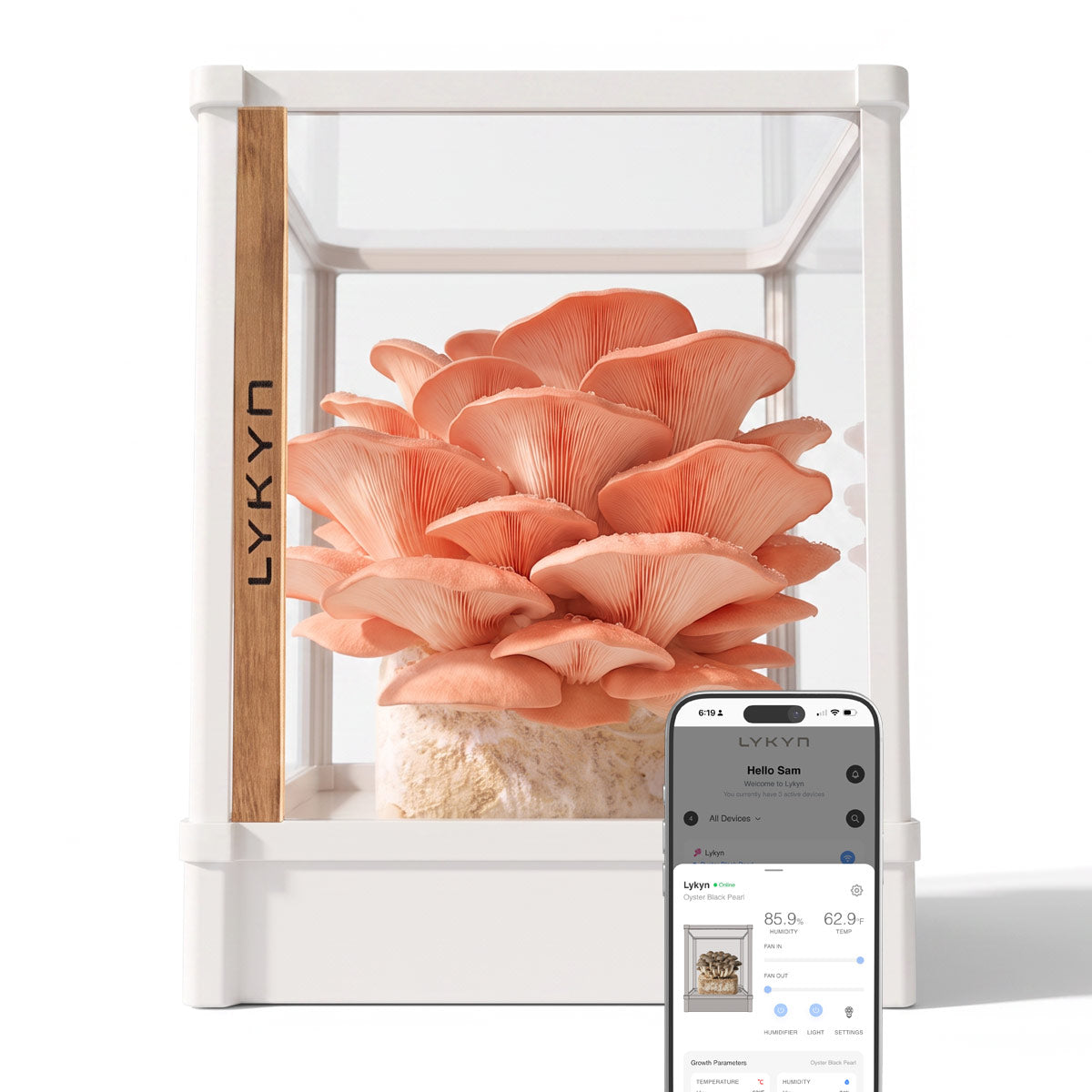
Smart Mushroom Grow Chamber
Plug-and-play smart chamber with humidity, light, and airflow dialed in for every species. Beginners harvest their first flush in days, not months.
Add to cart $299Mushrooms that always need cooking
Some species are unsafe or unpleasant raw and should always be cooked thoroughly:
- Morel mushrooms: contain hydrazines that are removed only by cooking.
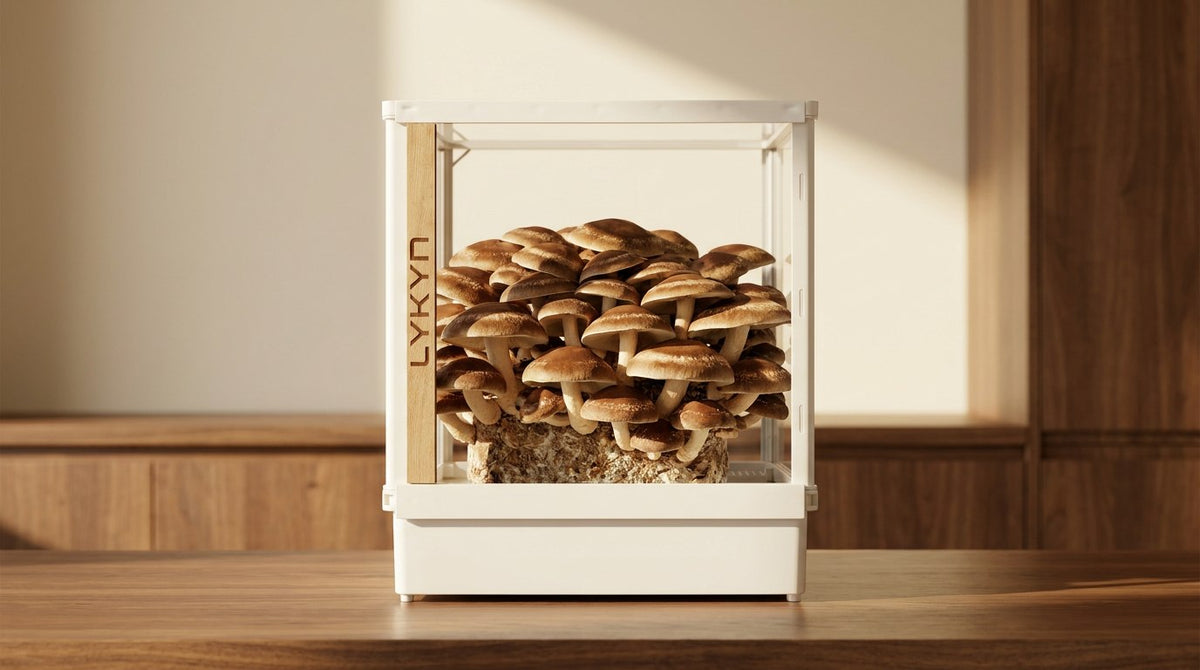
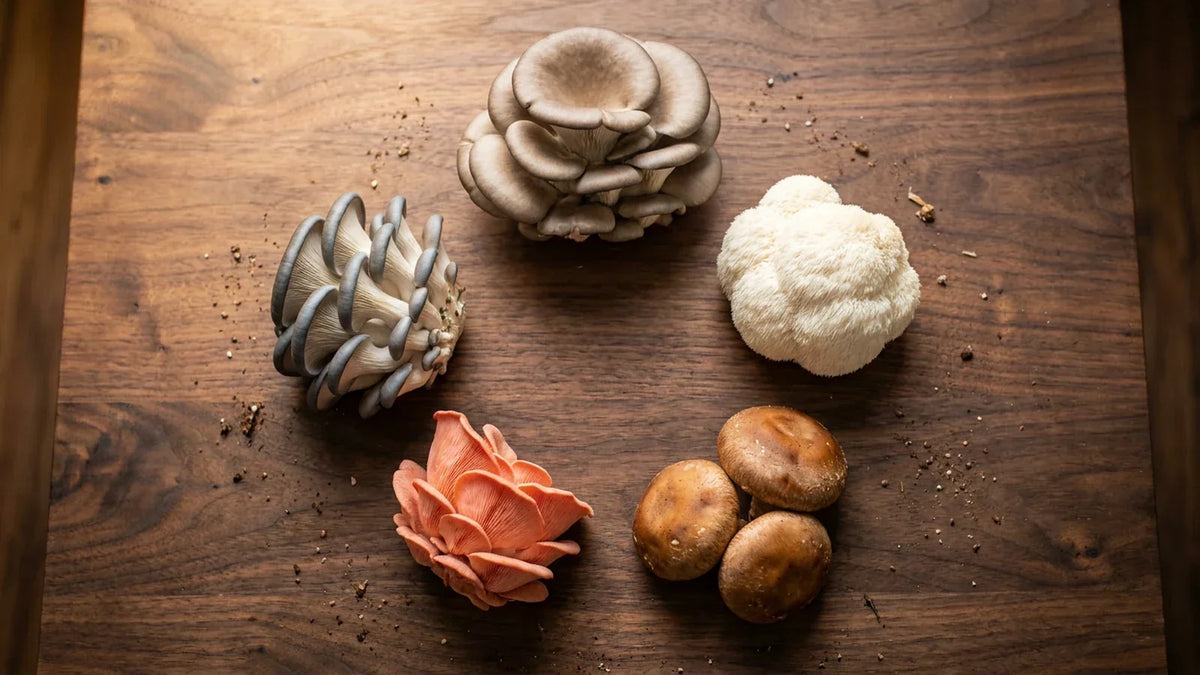
- Shiitake: undercooked shiitake can trigger shiitake dermatitis, a rash that lasts a few weeks.
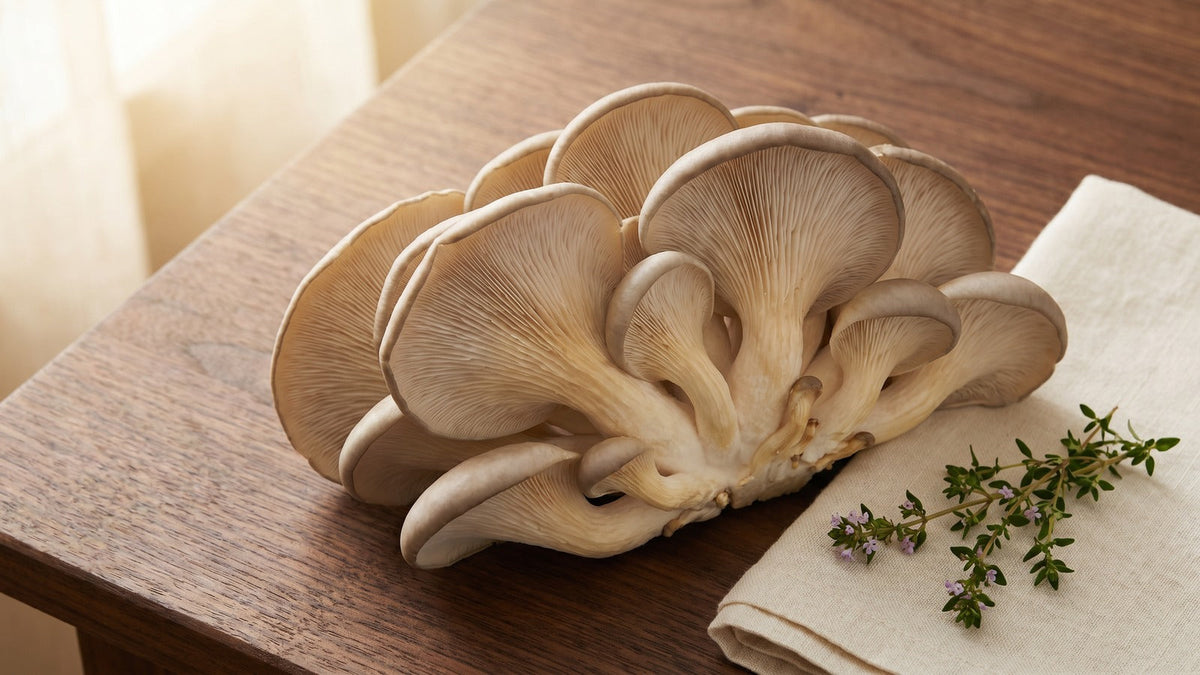
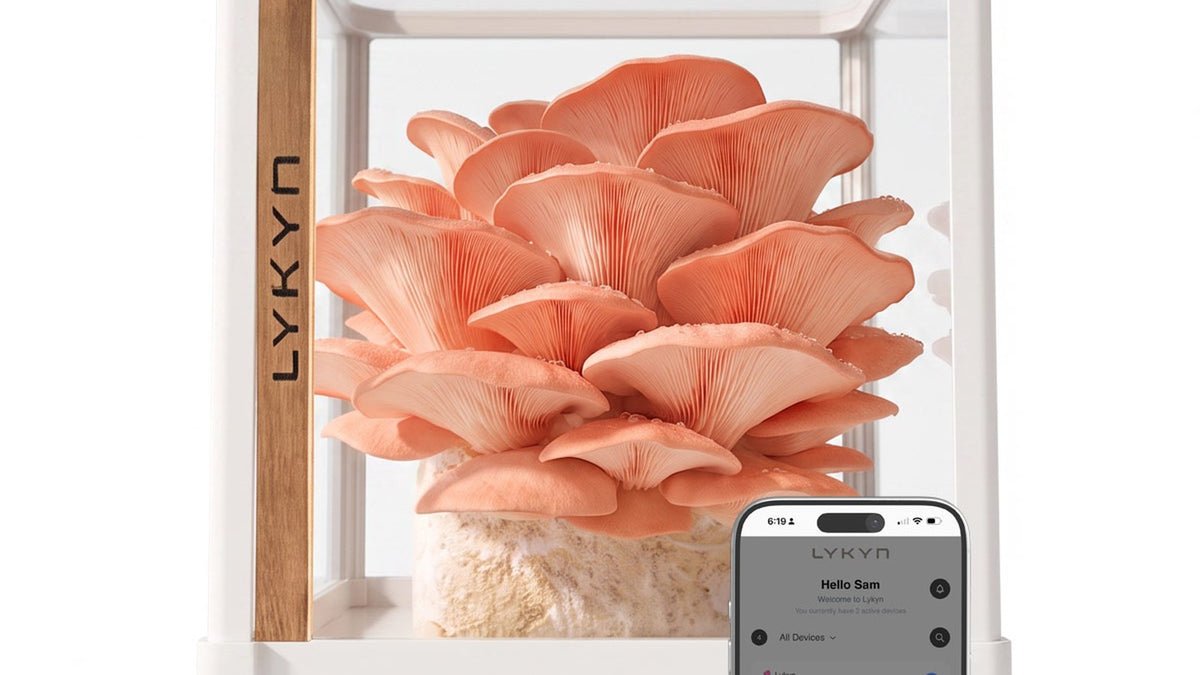
- Oyster mushrooms: the cell walls are particularly tough raw and they are nearly indigestible.
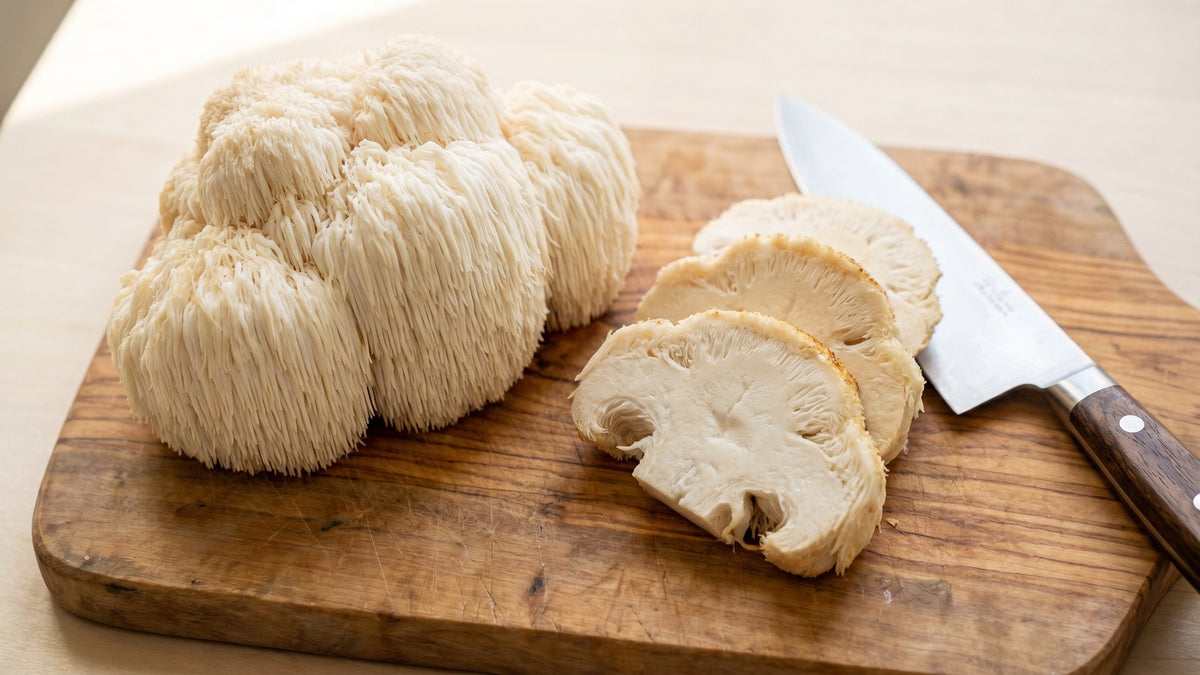
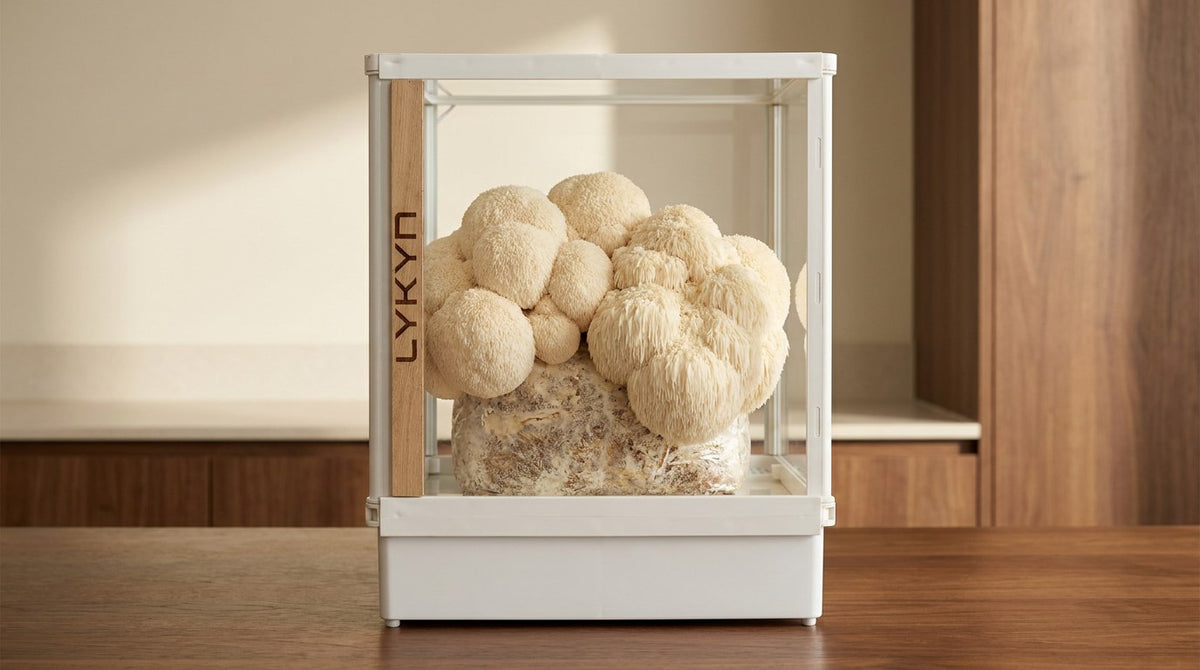
- Lion's mane: cooking unlocks the bitter compounds and releases the seafood-like umami flavor it is known for.
- Maitake (hen of the woods): contains heat-sensitive substances and is much better tolerated cooked.
- Chanterelles, porcini, and most foraged species: cook them, always.
- Wood ear and other Auricularia species: must be rehydrated and cooked, never eaten dry or raw.
If you grow your own mushrooms at home, the same rules apply. Even the species marketed as gourmet are designed to be cooked. You can start growing your own mushrooms at home and cook the harvest within hours, which gives a flavor and texture you cannot match with store-bought.
Digestive issues from raw mushrooms
The most common complaint from people who eat raw mushrooms regularly is gastrointestinal discomfort: bloating, gas, and loose stools. The chitin cell walls survive the upper digestive tract and ferment in the lower gut, which is what causes the symptoms. Cooking solves this completely for most people.
If you have eaten raw mushrooms for years with no issue, you are not in danger from a few slices in a salad. But if you have unexplained bloating, removing raw mushrooms is one of the easiest experiments to run.
The myth of raw mushroom superiority
You will sometimes see claims online that raw mushrooms preserve enzymes or nutrients that cooking destroys. This is largely backwards. Mushrooms are not lettuce. Their most useful nutrients (beta-glucans, B-vitamins, ergothioneine, and the bioavailable protein) are released only when the cell walls break down. Cooked mushrooms also have a denser nutritional profile per gram because cooking removes water.
The one heat-sensitive compound worth knowing is vitamin C, but mushrooms are not a meaningful source of vitamin C in either form. Nothing of nutritional importance is lost by cooking them.
How to cook mushrooms for best results
Cooking method matters less than time and temperature. The goal is to drive off water, soften the cell walls, and start a Maillard reaction on the surface. Five minutes in a hot dry skillet on medium-high heat with a small amount of oil added at the end is enough for most species. Slicing thin speeds it up. Crowding the pan steams them instead of searing.
For tougher species like maitake or oyster, longer cooking times (10 to 15 minutes) and finishing with butter or fat improves texture and flavor. Boiling and steaming work for soups and stews, but skillet methods are best for standalone preparations.
Bottom line
You can eat some mushrooms raw, but you will get more flavor, more nutrition, and less digestive discomfort by cooking them. Treat raw mushrooms as a garnish technique rather than a main course. For any species not on the short safe-raw list, cook first and ask questions later.
Share:
Can Mushrooms Grow on Living Animals? The Real Biology
Can Mushrooms Grow on Living Animals? The Real Biology