


The deer mushroom is Pluteus cervinus, a common wood-decomposing mushroom found across temperate forests in North America, Europe, and Asia. The name "deer" comes from the cap's color (brown, often the shade of a deer's coat) and the soft, fawn-colored gills underneath that fade to pink as the spores mature. The scientific name continues the metaphor: cervinus is Latin for "of or related to deer."
It's edible, technically. It's also one of those mushrooms that almost no experienced forager bothers to eat, which tells you most of what you need to know about its culinary appeal. Below is a clear look at identification, edibility, and why it deserves its modest reputation.
Identification at a glance

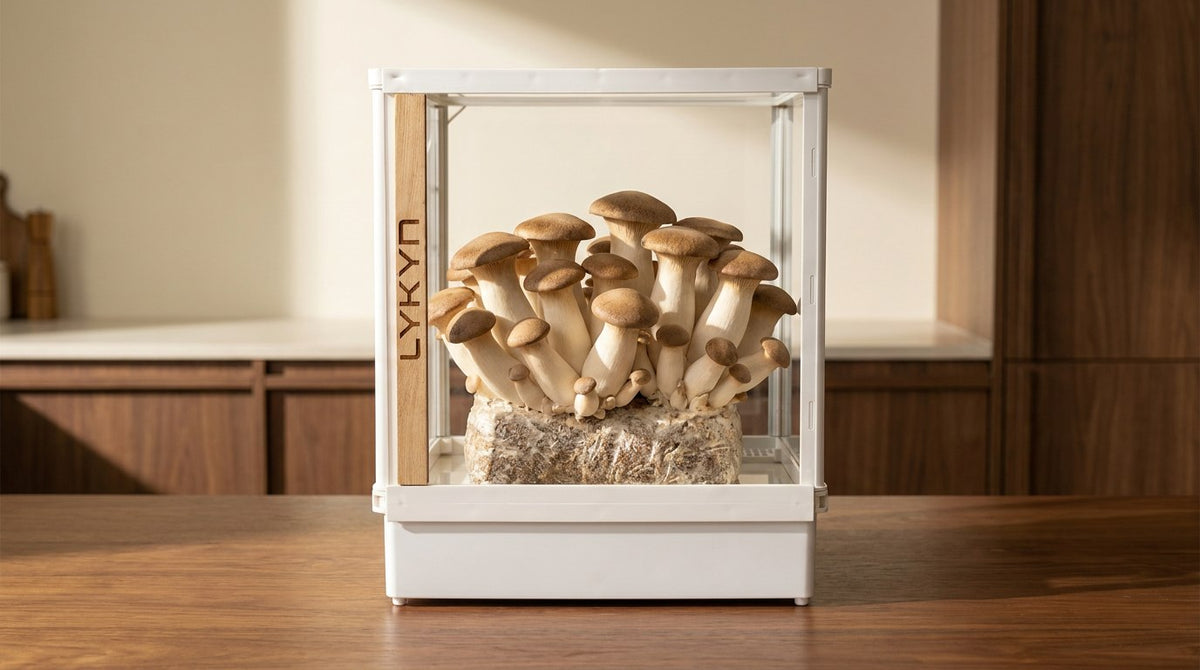
Smart Chamber. Bone White Single
- 2.8L tank, 90% humidity automatic
- App-controlled, plug-and-play
- 6 lb block ceiling, in stock

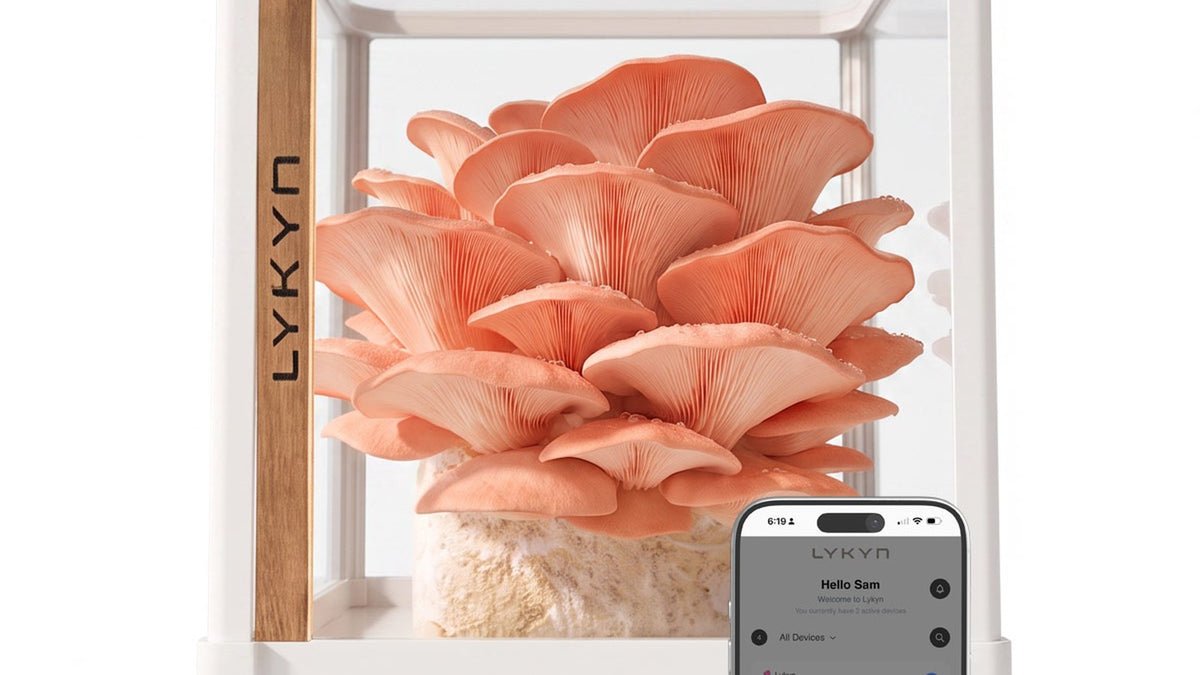
Smart Chamber. Obsidian Black Single
- Same hardware as Bone White
- Matte black premium finish
- Pairs with any kitchen palette

Look for a smooth to slightly fibrous brown cap, typically two to five inches across, often with a small bump (umbo) in the center. The cap surface can range from dark chestnut brown to lighter tan, sometimes with radial fibers running outward.
The stem is white to pale gray, sometimes streaked with darker fibers, and usually three to five inches tall. The stem is solid and tapers slightly toward the top. There's no ring (annulus) and no cup (volva) at the base.
The gills are the key feature. In young deer mushrooms, the gills are white. As the spores mature, the gills turn a distinctive pink (sometimes salmon-pink or flesh-pink). This pink gill color is a defining trait of the Pluteus genus and one of the more useful identification cues.
Deer mushrooms grow directly on decaying hardwood: fallen logs, stumps, buried wood debris, even sawdust piles. They're not mycorrhizal (they don't form partnerships with living tree roots); they're saprobic, meaning they decompose dead wood.
The spore print test
If you want to be confident in identification, do a spore print. Place a fresh cap gill-side down on white paper, cover with a glass, and wait six to twelve hours. Deer mushrooms produce a salmon-pink to pink-brown spore print, which distinguishes them from most other brown-capped mushrooms.
This is important because there are dangerous look-alikes that can be confused with deer mushrooms by inexperienced foragers, particularly young Cortinarius species (which have rust-brown spore prints) and some young Inocybe species (with brown spore prints). A pink spore print rules those out.
Is it edible
Yes. Pluteus cervinus is considered edible, and there are no reported toxic effects from normal culinary preparations. It's not poisonous, not psychoactive, not problematic in any documented way.
But edible is not the same as worth eating. The flavor is widely described as mild to bland, slightly mushroomy without much depth, and the texture can be soft when fully mature. Younger specimens (caps still tight and not yet fully expanded) are firmer and have somewhat better flavor.
Most field guides describe deer mushrooms as "edible but not recommended" or "edible, poor quality." Compared to the prized wild edibles in the same forests (chanterelles, hedgehogs, morels, porcini), deer mushrooms are an afterthought.
Why foragers usually pass on them
Three reasons. First, the flavor is forgettable. A pan of deer mushrooms cooked the same way you'd cook a chanterelle is a noticeably less interesting dish.
Second, the texture goes soft fast. Even when picked young, deer mushrooms don't hold up to high-heat cooking as well as denser species like King Trumpet, Lion's Mane, or chanterelles. They tend toward mushy.

Fuel Your Mushroom Journey
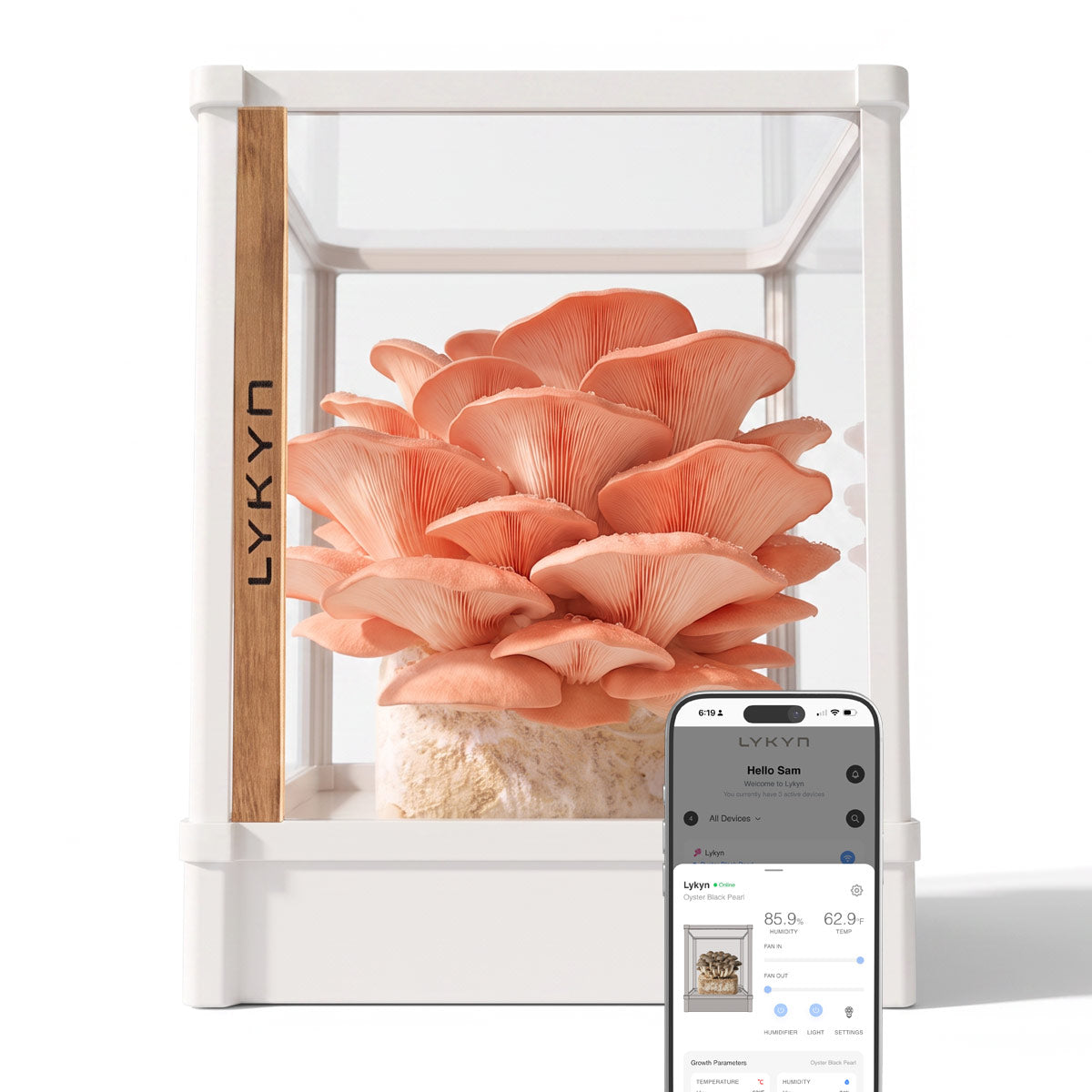
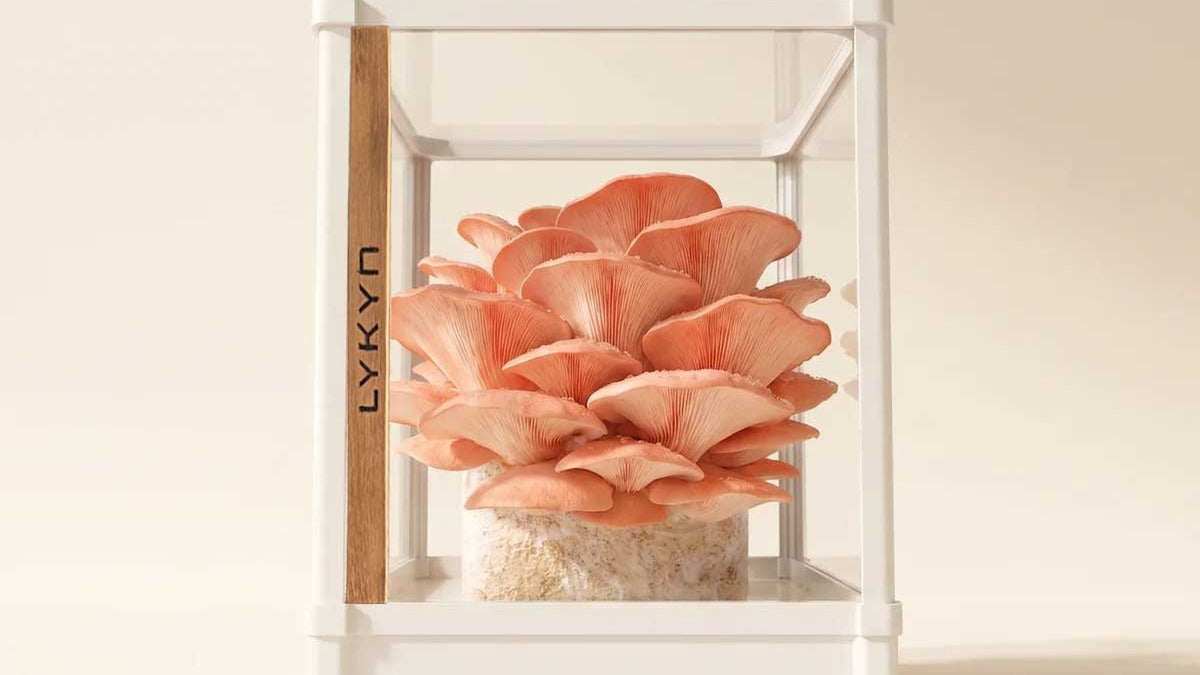
Smart Mushroom Grow Chamber
Plug-and-play smart chamber with humidity, light, and airflow dialed in for every species. Beginners harvest their first flush in days, not months.
Add to cart $299Third, they're abundant precisely because most foragers don't bother with them. That abundance is a clue. When a mushroom is genuinely delicious, foraging pressure tends to clear it out quickly. Deer mushrooms remain plentiful because the demand is low.
When deer mushrooms are useful
They're a good "training" species for beginner foragers. The pink spore print, the lack of a ring or volva, and the consistent habitat (decaying hardwood) make them relatively safe to identify and a useful baseline for learning to read a mushroom.
They're also a fine option if you're hungry, you have no better mushrooms available, and you want to cook a wild ingredient. Sliced thin, dried, and rehydrated in stock can concentrate their flavor enough to be useful as a background ingredient in soups or sauces.
Some foragers blend deer mushrooms into mixed wild mushroom dishes, where the more distinctive species carry the flavor and the deer mushrooms contribute bulk and texture without dominating. It's a way to use what's plentiful in the forest without making any single dish forgettable.
How to cook them if you do
Younger specimens benefit from quick, hot cooking. Slice them thin, sear in butter over medium-high heat for two minutes per side, salt at the end. Treat them more like a button mushroom than a chanterelle. They don't have the moisture or aromatic complexity that rewards slow cooking.
Don't bother with delicate preparations (cream sauces, simple sautés on their own). The mushroom won't carry the dish. Use them in stews, braises, or as a textural component in a stir-fry where they're not the star.
Other mushrooms in the Pluteus genus
Pluteus cervinus is the most common member of a genus that includes several other species. Pluteus salicinus is similar but slightly more delicate and grows on willow. Pluteus aurantiorugosus has a distinctive orange-red cap and is much rarer.
A note on Pluteus salicinus specifically: some sources list it as containing trace amounts of psilocybin. This is not relevant to deer mushroom (Pluteus cervinus), which is not psychoactive, but worth knowing as a fact about the genus. Don't conflate the two species.
Why we don't grow them
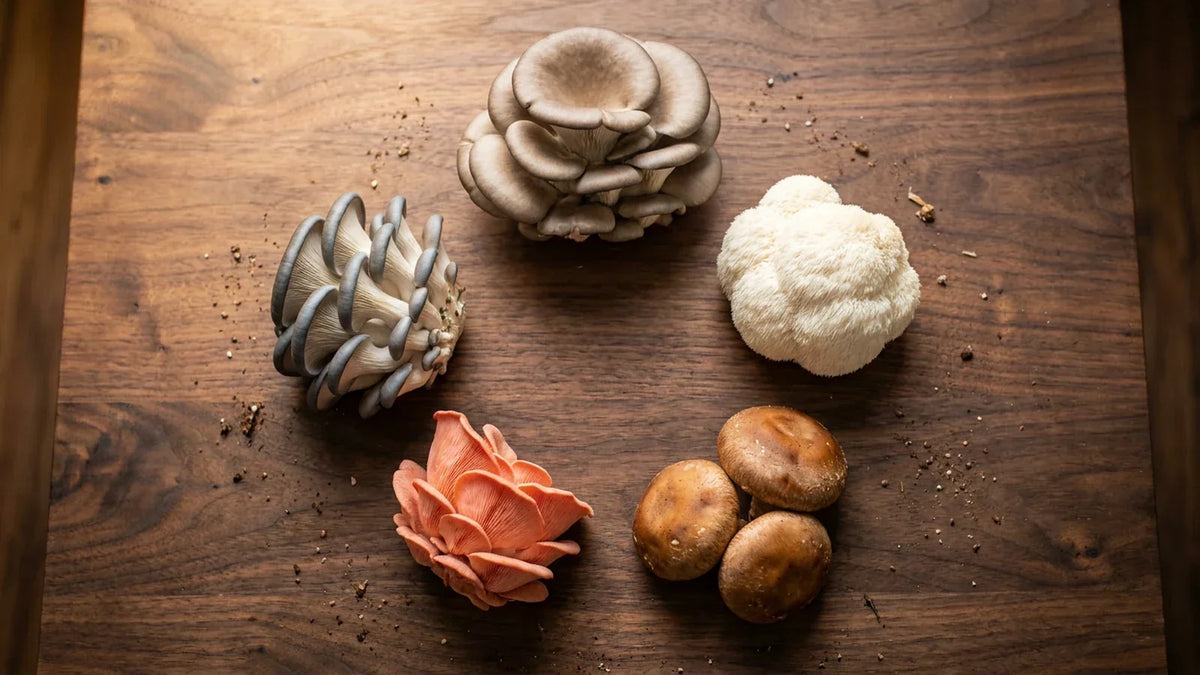
Deer mushrooms are not cultivated commercially. There's no demand and no culinary reason to develop the cultivation. Wood-decomposing fungi with deeper flavor (Lion's Mane, King Trumpet, oysters, shiitake) are the species that get the cultivation effort. Those are the mushrooms in our mushroom grow kits, because they actually reward the time you spend growing them.
If you're foraging and you spot a deer mushroom in the wild, take note of it as a useful identification reference. If you're hungry, harvest the young, firm specimens and cook them simply. But if your goal is a great mushroom dish, walk past the deer mushrooms and look for the chanterelles, hedgehogs, and oysters that share the same forest.
Safety reminder
Even though deer mushrooms are edible and relatively easy to identify, never eat a wild mushroom based on online photos alone. Get positive identification from an experienced forager or a local mycological society. The pink spore print test is essential for any Pluteus identification. And start small: even safe edible species can produce digestive upset in some people, so try a small portion the first time you eat any new wild mushroom.
Foraging is a rewarding skill, but the learning curve has real consequences. Build the foundation slowly, with mentors and verified references, and the woods will keep being interesting for the rest of your life.
Share:
Do Mushrooms Expire? Signs of Spoilage and Storage Tips
Do Mushrooms Expire? Signs of Spoilage and Storage Tips