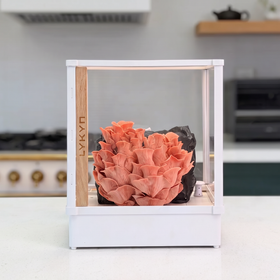



Do mushrooms expire? Yes, and faster than most produce in your fridge. Fresh mushrooms are usually at their best for three to five days after purchase, edible for up to seven to ten days if stored well, and unsafe to eat once they've gone slimy, dark, or developed a sour or fishy smell.
The reason mushrooms spoil quickly is that they're roughly 90 percent water, they continue to respire (breathe) after harvest, and their cell walls break down without the protective barriers fruits and vegetables have. Knowing how to tell when they've turned (and how to extend their shelf life) saves food, money, and the occasional stomachache.
How long fresh mushrooms last

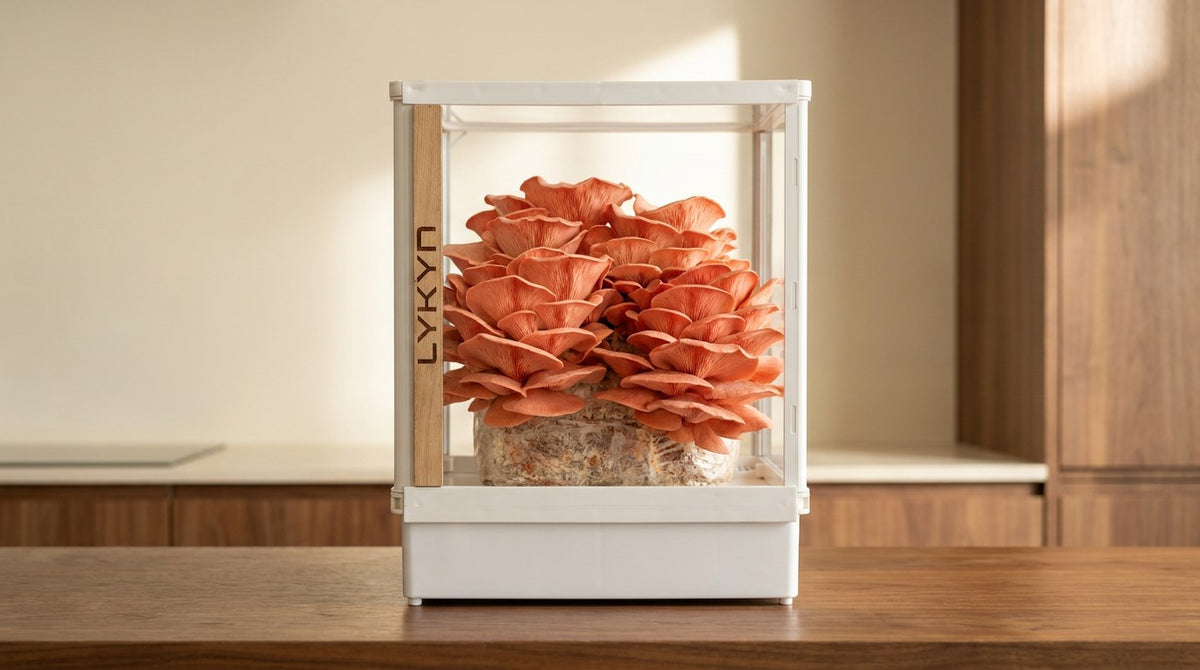
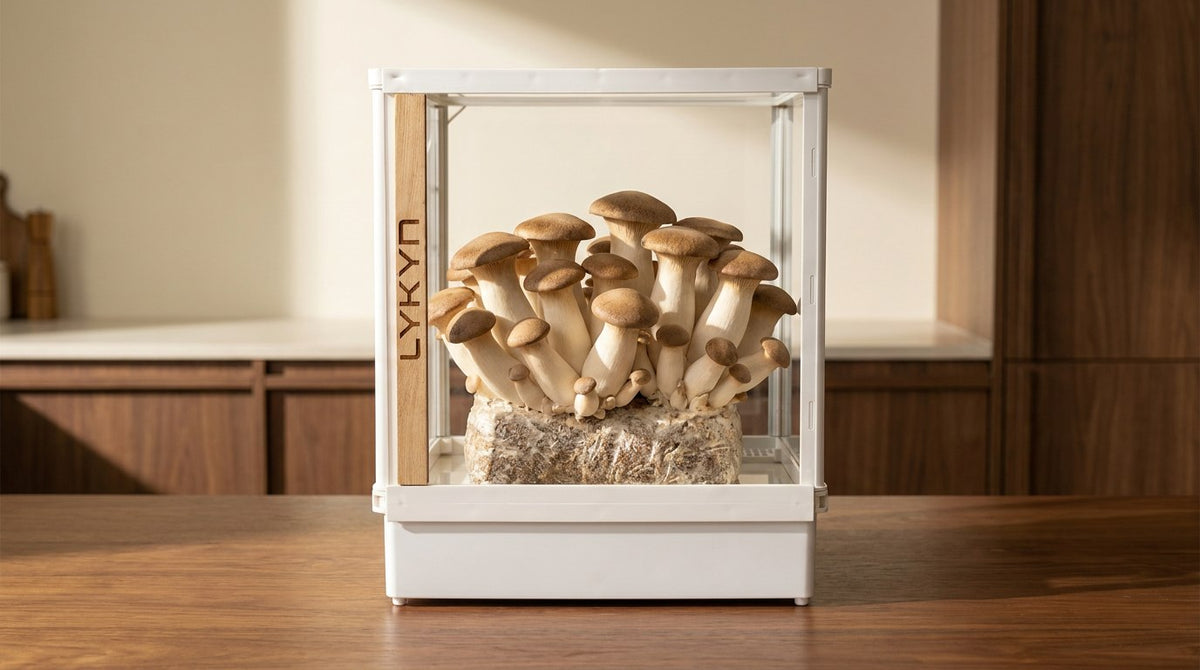
Smart Chamber. Bone White Single
- 2.8L tank, 90% humidity automatic
- App-controlled, plug-and-play
- 6 lb block ceiling, in stock

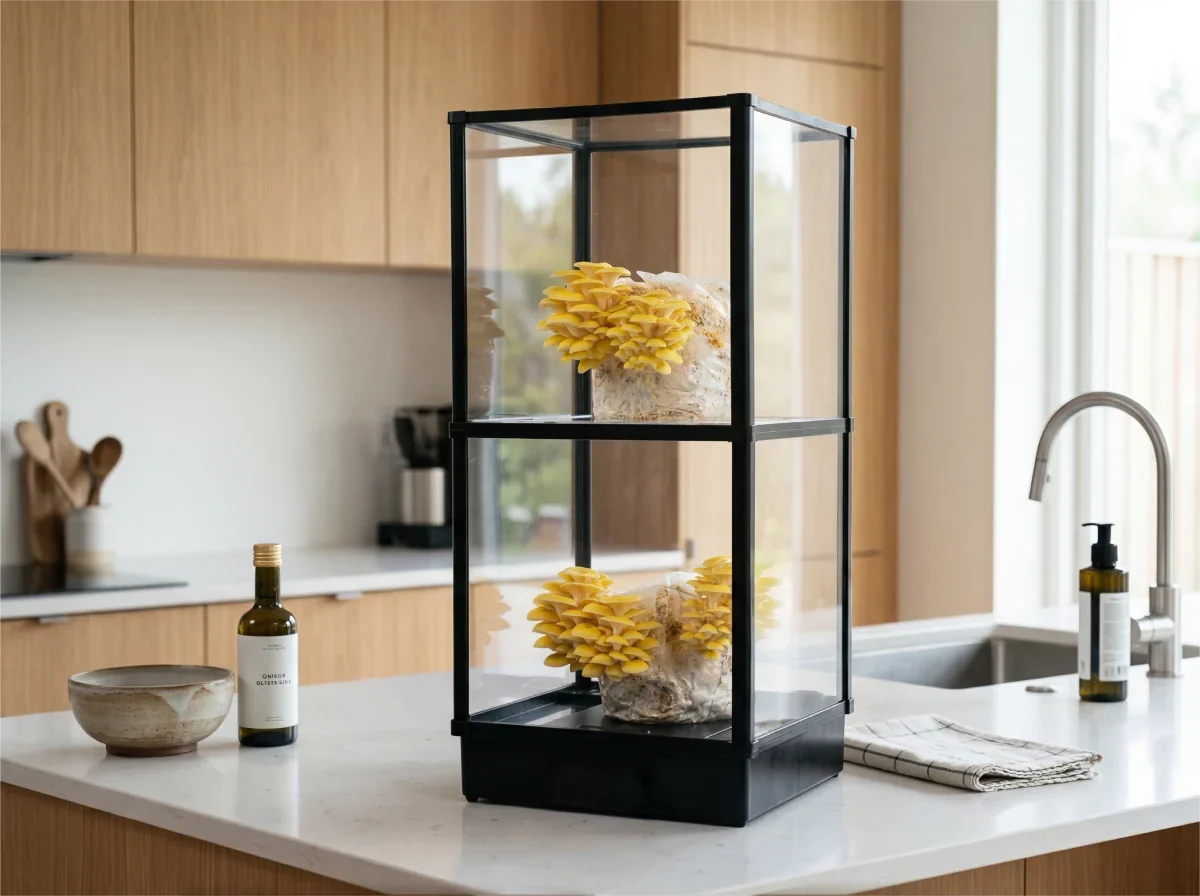
Smart Chamber. Obsidian Black Single
- Same hardware as Bone White
- Matte black premium finish
- Pairs with any kitchen palette

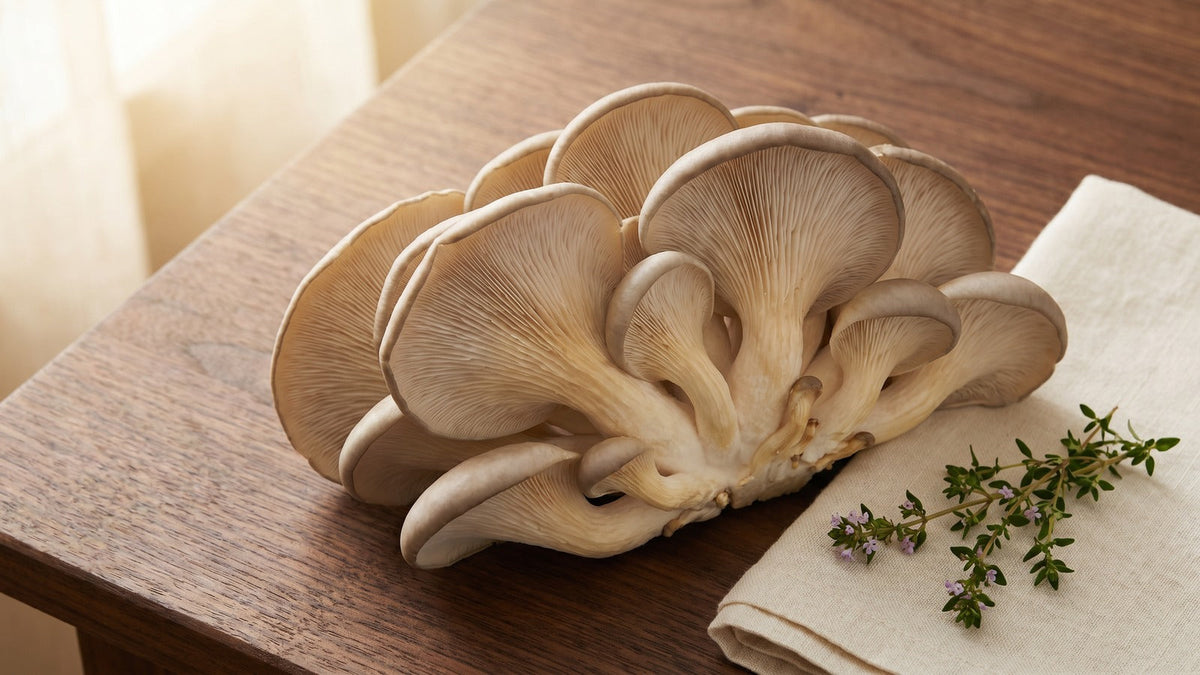
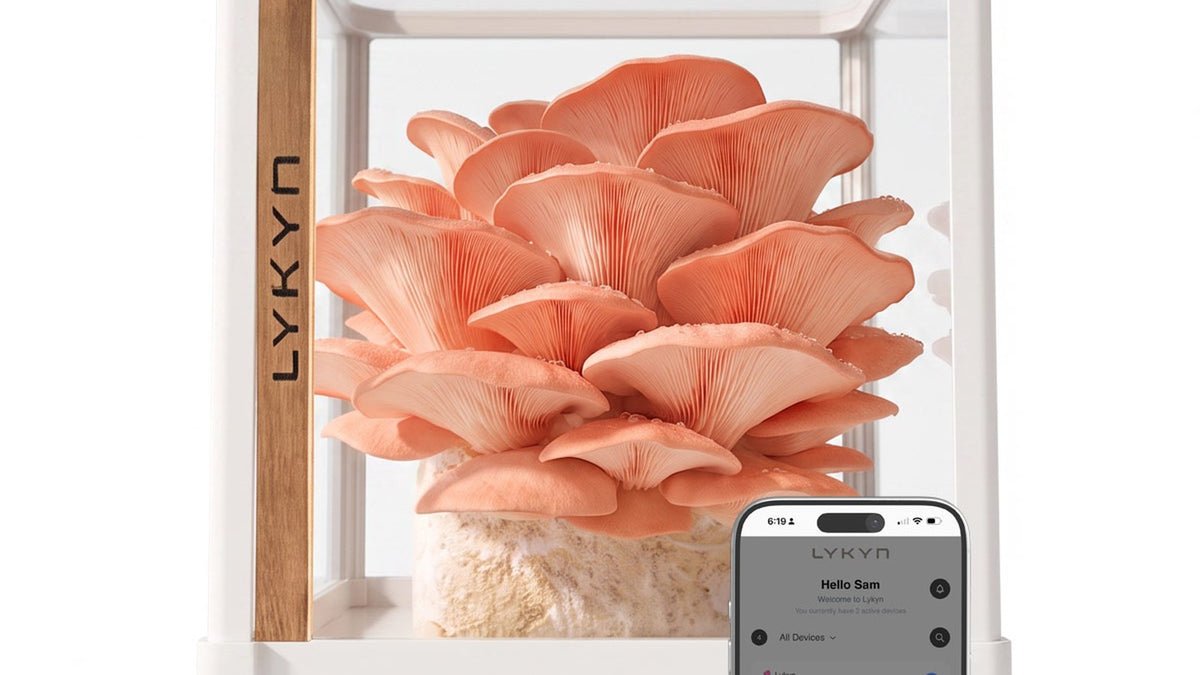
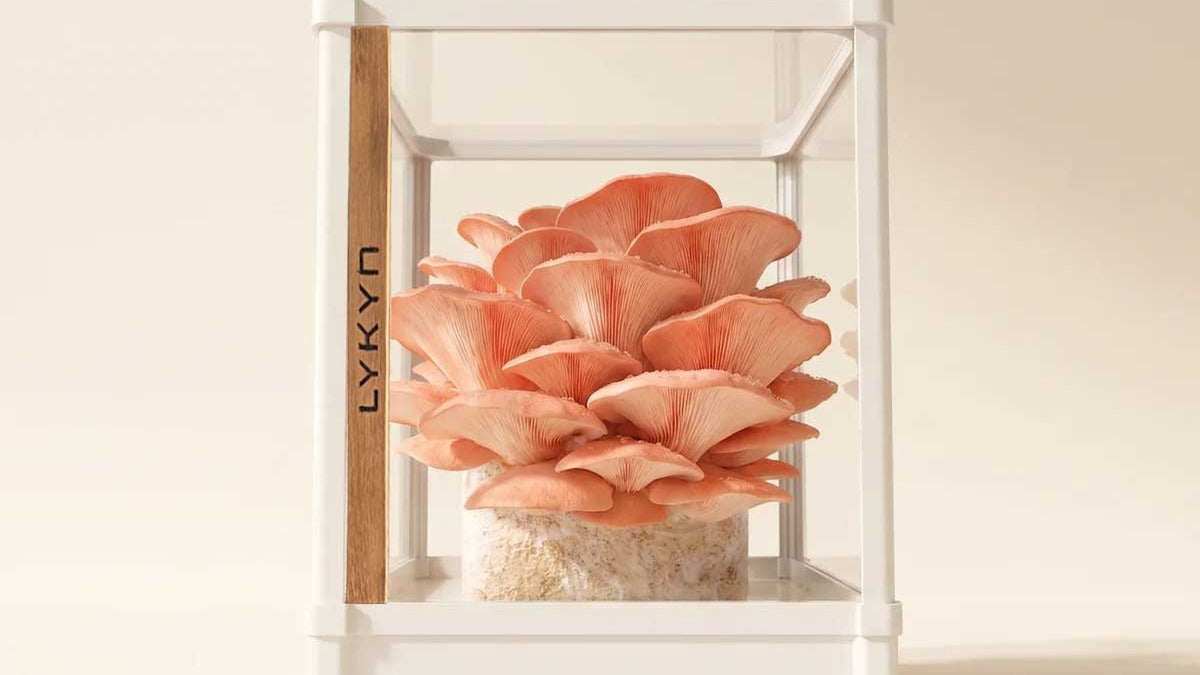
Refrigerated mushrooms in a paper bag, not plastic, generally hold their quality for five to seven days. Some species hold longer (King Trumpet can last ten days because of its dense flesh). Others spoil faster (oyster mushrooms get past their prime in three to four days, especially the colorful Pink Oyster variety).
The first sign of decline is usually a darker color where the cap meets the stem, slight wrinkling of the cap surface, and a softer texture when you press the cap. At this stage, the mushroom is still safe to eat but won't be at its best. Cook it that day.
Signs that mushrooms have expired
The clearest signs that mushrooms have actually expired and should not be eaten:
Slimy or sticky surface. Healthy mushrooms feel slightly dry and firm. A slimy coating means bacterial growth has started, and the mushroom should go in the compost.
Sour, fishy, or ammonia-like smell. Fresh mushrooms have a mild, earthy aroma. A sharp or off-putting smell is a clear signal of spoilage.
Visible mold. White cottony patches that weren't there when you bought them, or dark green/black mold spots, mean the mushroom is contaminated. The whole batch should be tossed (mold spores spread quickly between adjacent mushrooms).
Soft, mushy, or collapsed structure. Mushrooms should hold their shape when you pick them up. Squishy or collapsed pieces have broken down internally.
Dark brown to black discoloration that spreads. Some browning is normal aging. Wide, dark, soft patches are spoilage.
Wrinkled, leathery dehydration is different from spoilage. Wrinkled mushrooms that still smell normal can be rehydrated in a sauce or soup, but they're less appealing fresh.
Why mushrooms spoil so fast
Three biological reasons. First, the high water content (around 90 percent) creates a perfect environment for bacterial and fungal growth. Second, mushrooms don't have a waxy outer cuticle the way fruits do, so they lose moisture and absorb contaminants easily. Third, mushrooms continue to respire after harvest, producing carbon dioxide and water vapor that, if trapped in plastic packaging, accelerate spoilage.
The other factor is enzyme activity. Mushrooms contain enzymes that begin to break down their own cell walls after harvest. This is what makes older mushrooms turn soft and dark even without contamination. Refrigeration slows this process but doesn't stop it.
The right way to store fresh mushrooms
The single biggest improvement you can make: take mushrooms out of plastic packaging immediately. Plastic traps the moisture they release, and trapped moisture is what creates the slime.
Transfer them to a paper bag (or wrap them loosely in a paper towel inside a partially open container). The paper absorbs moisture without drying the mushrooms out.
Store them in the main compartment of your fridge, not the crisper drawer. The crisper is designed to retain humidity for vegetables that benefit from it. Mushrooms benefit from slightly drier air with good circulation.
Keep them away from strongly aromatic foods. Mushrooms absorb odors from onions, garlic, and other strong neighbors.

Fuel Your Mushroom Journey
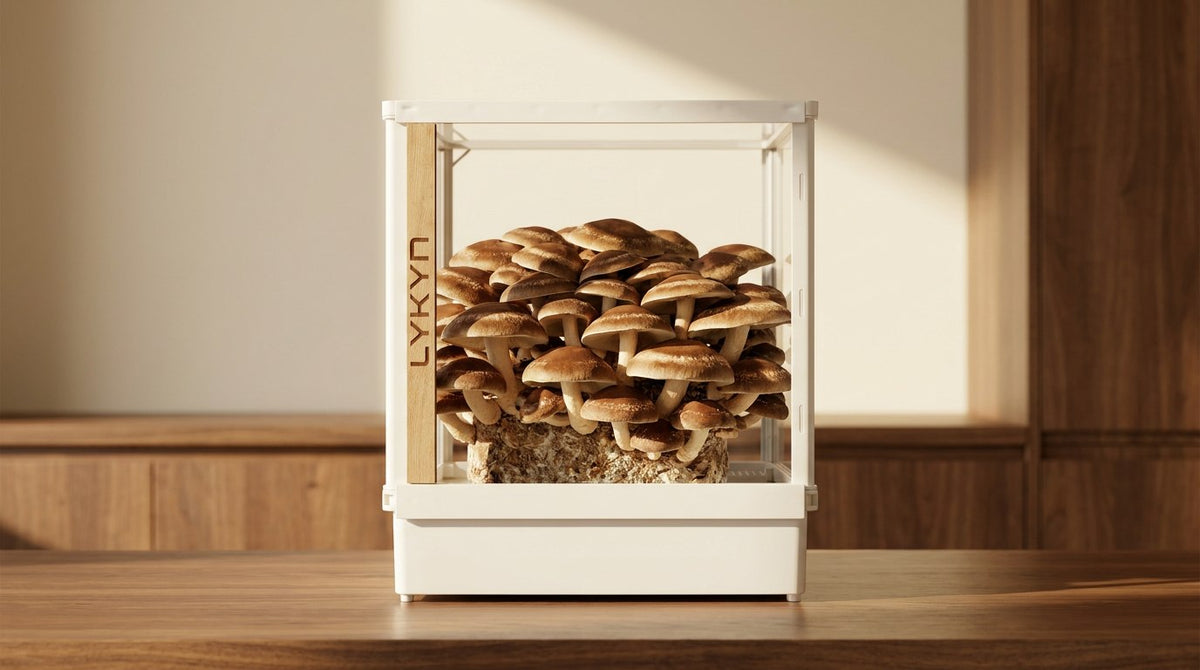
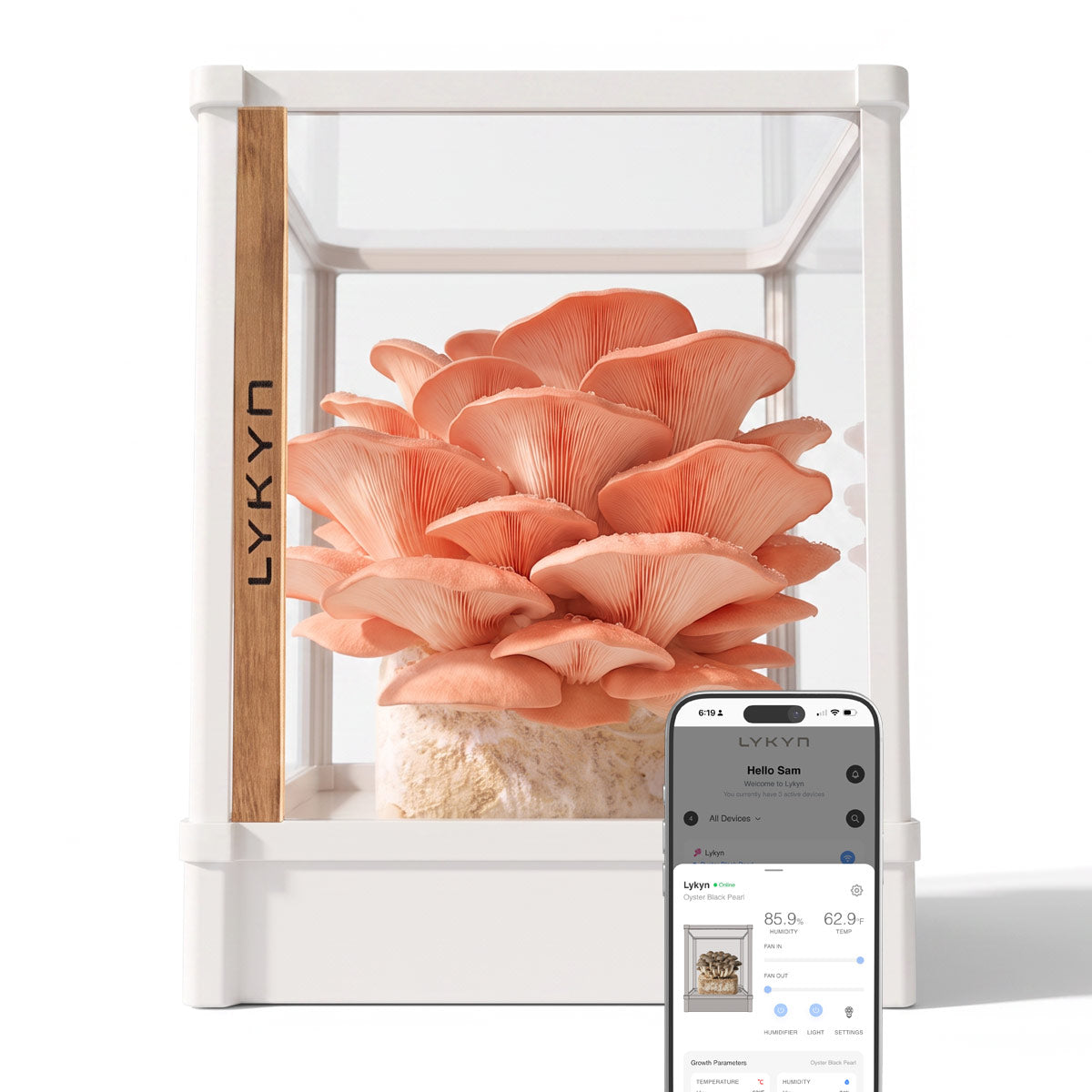
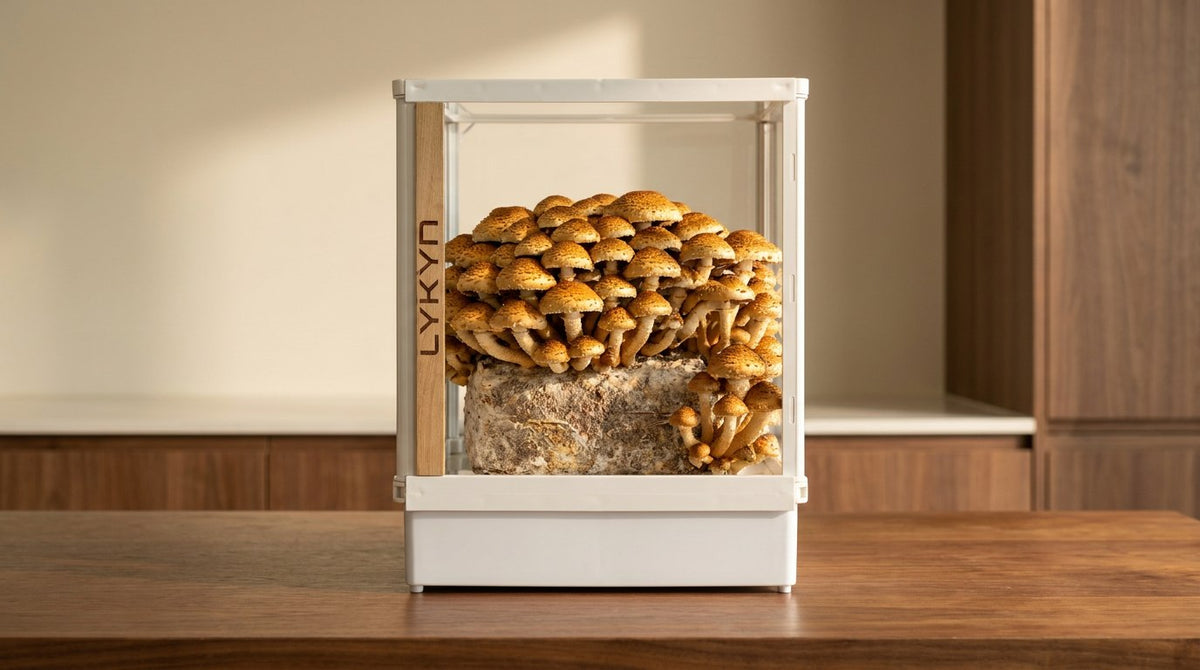
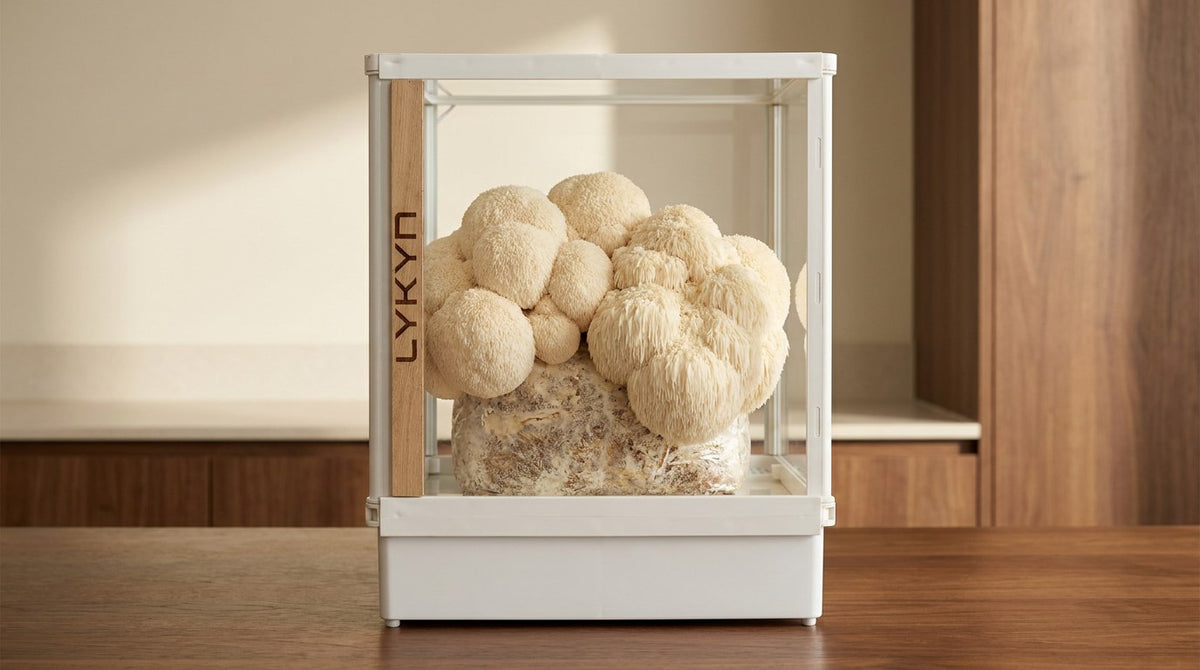
Smart Mushroom Grow Chamber
Plug-and-play smart chamber with humidity, light, and airflow dialed in for every species. Beginners harvest their first flush in days, not months.
Add to cart $299Don't wash mushrooms until you're ready to cook them. Surface moisture is the start of spoilage.
Can you freeze mushrooms
Yes, but with a caveat. Raw mushrooms don't freeze well. The high water content turns them into soggy, gray pieces when thawed.
To freeze mushrooms successfully, cook them first. Slice, sauté in butter or oil until they're browned and have released their moisture, let them cool completely, then portion into airtight bags or containers. Cooked mushrooms freeze well for two to three months. Thawed, they work in soups, stews, sauces, omelets, or pasta.
Another option is to dry them. Sliced mushrooms can be dehydrated in a dehydrator, low oven, or on a wire rack in a dry, warm spot. Dried mushrooms keep for six to twelve months in airtight containers and rehydrate beautifully in warm water or stock.
Cooked mushrooms in the fridge
Cooked mushrooms (in a dish, sauce, or as leftovers) keep three to four days in the fridge in an airtight container. Reheat them thoroughly before serving. The texture changes after cooking, so they're slightly softer than fresh, but the flavor often improves the next day, particularly in soups and braises.
Some cooked dishes with mushrooms (mushroom risotto, mushroom stroganoff, mushroom soup) actually taste better on day two. That's not the mushrooms expiring, that's the flavors integrating.
What about dried mushrooms
Dried mushrooms have a much longer shelf life. Stored in an airtight container in a cool, dry place, dried shiitake, porcini, morels, and others can last one to two years without significant quality loss.
Signs that dried mushrooms have gone bad include musty smell (different from earthy), visible mold, or insect activity inside the container. If they smell off, toss them.
Rehydrate dried mushrooms in warm water (or warm stock for extra flavor) for 20 to 30 minutes before cooking. Strain the soaking liquid through a coffee filter to remove any grit, and use it as a flavorful base for soups, sauces, and risotto.
Can you eat mushrooms past their "best by" date
Often yes, depending on what you see. Best-by dates are quality estimates, not safety deadlines. Mushrooms that still look firm, smell normal, and have no slime or mold are usually fine to cook even a day or two past the printed date.
The reliable test is your senses. Look (firm, dry surface, no dark patches). Smell (mild, earthy aroma). Touch (slight give without sliminess). If all three pass, you're good.
When in doubt, throw it out. The cost of a pound of mushrooms is much less than the cost of food poisoning.
The freshest mushrooms are the ones you grow
Even with perfect storage, store-bought mushrooms are at least a few days past harvest by the time you get them home. The fresher they are when you cook them, the better they taste and the longer they last in your fridge.
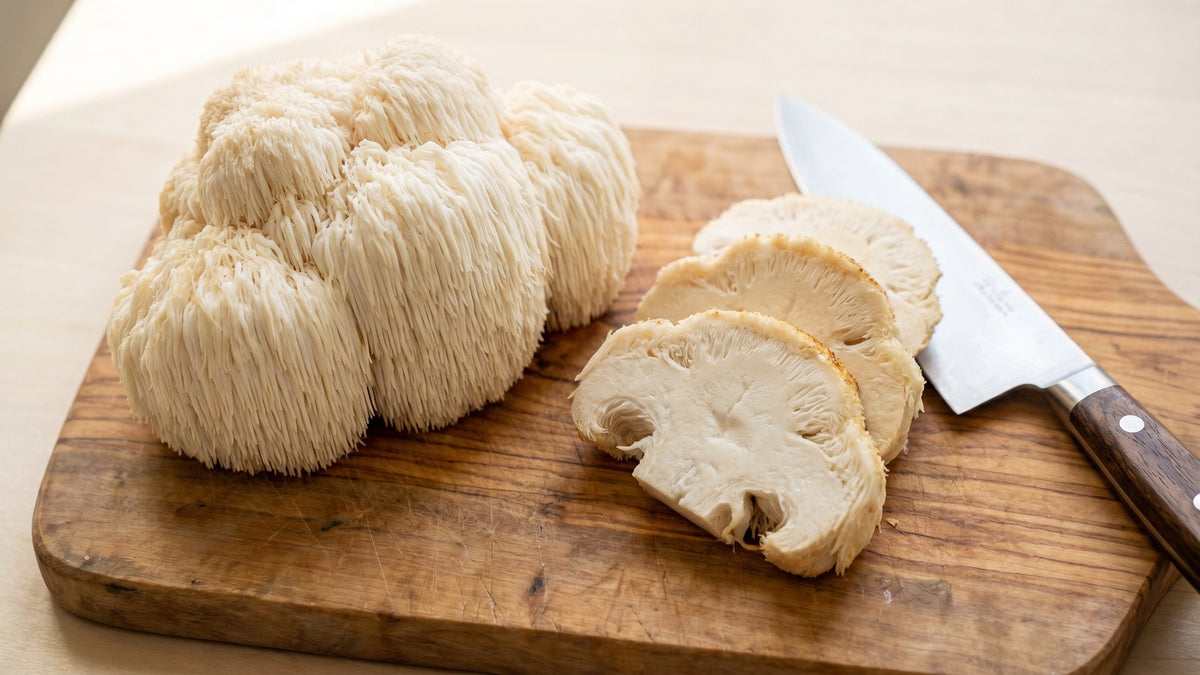
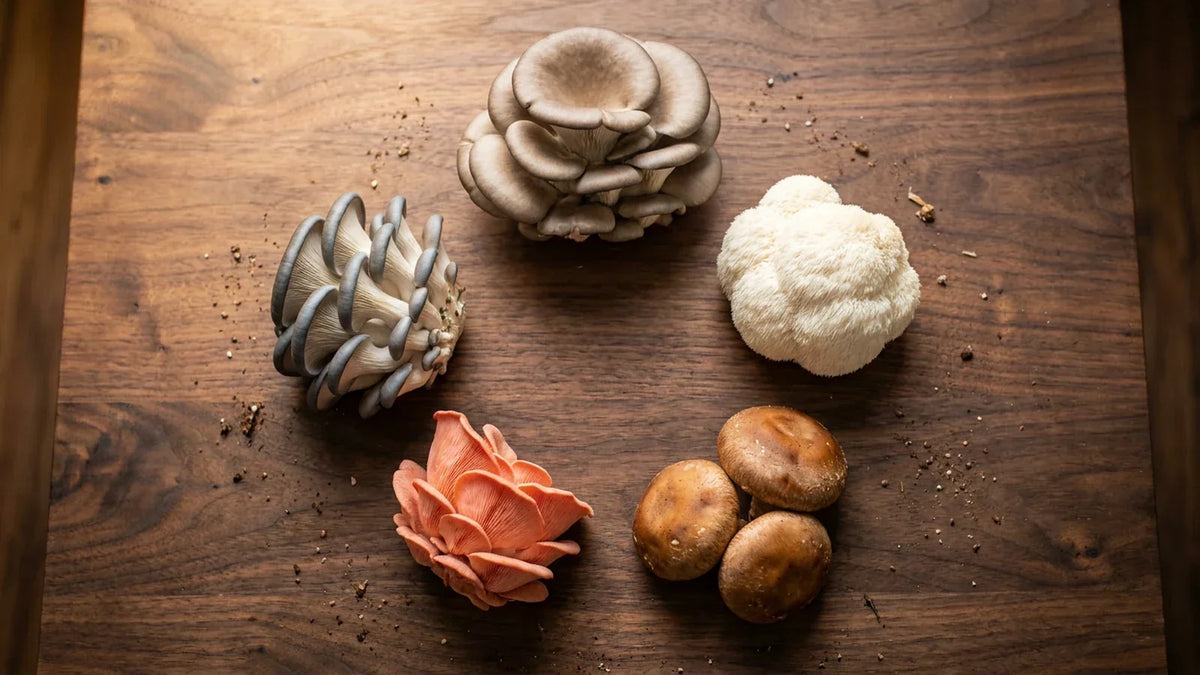
Home cultivation eliminates that delay entirely. A mushroom grow kit on your countertop produces fresh Lion's Mane, oyster, or King Trumpet mushrooms within hours of when you cook them. The texture is firmer, the flavor is brighter, and the shelf life of whatever you don't use immediately is several days longer than the same species from a grocery store.
You also know exactly how the mushrooms were grown, what substrate they came from, and when they were harvested. For people who care about food quality (and especially anyone who's been disappointed by old grocery-store mushrooms), growing at home is the answer to "do mushrooms expire so fast?" The answer is: they do, but yours don't have to.
Share:
Deer Mushroom: Identification, Edibility, and Flavor
Deer Mushroom: Identification, Edibility, and Flavor