


Dose mushroom coffee has become one of the most recognized names in the functional coffee category. If you have wandered down the wellness aisle of a grocery store or seen the brand show up in a social feed, you have probably wondered what makes Dose different from a regular bag of coffee, whether the mushrooms actually do anything, and how it stacks up to alternatives. This is an honest look at the product, the category, and what the experience is like in practice.
Dose mushroom coffee is a blended ground coffee that pairs Arabica beans with extracts from functional mushrooms, typically lion's mane, chaga, and reishi. It is brewed the same way as regular coffee (drip, pour-over, French press, espresso), and it tastes like coffee with a slightly earthy undertone rather than like a mushroom drink in any obvious sense. The pitch is calmer energy, less jitter, and the small daily nudge of bioactive compounds that the mushrooms provide.
What Is Actually in the Bag
Most mushroom coffee brands, including Dose, share a similar formula. The blend is mostly Arabica coffee with mushroom extracts added at a relatively low percentage by weight, usually somewhere between 5 and 15 percent. The specific mushrooms vary by formulation, but three appear in almost every premium blend.
- Lion's mane (Hericium erinaceus): the cognitive mushroom. Contains hericenones and erinacines, compounds studied for nerve growth factor activity. It has a mild, neutral flavor that disappears into coffee.
- Chaga (Inonotus obliquus): a birch-tree fungus rich in antioxidants. Brews dark, blends well with coffee, and adds a subtle vanilla-earthy depth.
- Reishi (Ganoderma lucidum): the calming mushroom. Bitter on its own but used in small amounts to round out the energetic effect of caffeine.
The exact ratio is part of every brand's secret sauce. What separates a good mushroom coffee from a mediocre one is the quality of the mushroom extracts, not the quantity. A fruiting body extract dual-extracted in water and alcohol is dramatically different from a mycelium-on-grain powder, and the difference shows up in both the cup and the cumulative effects over weeks.

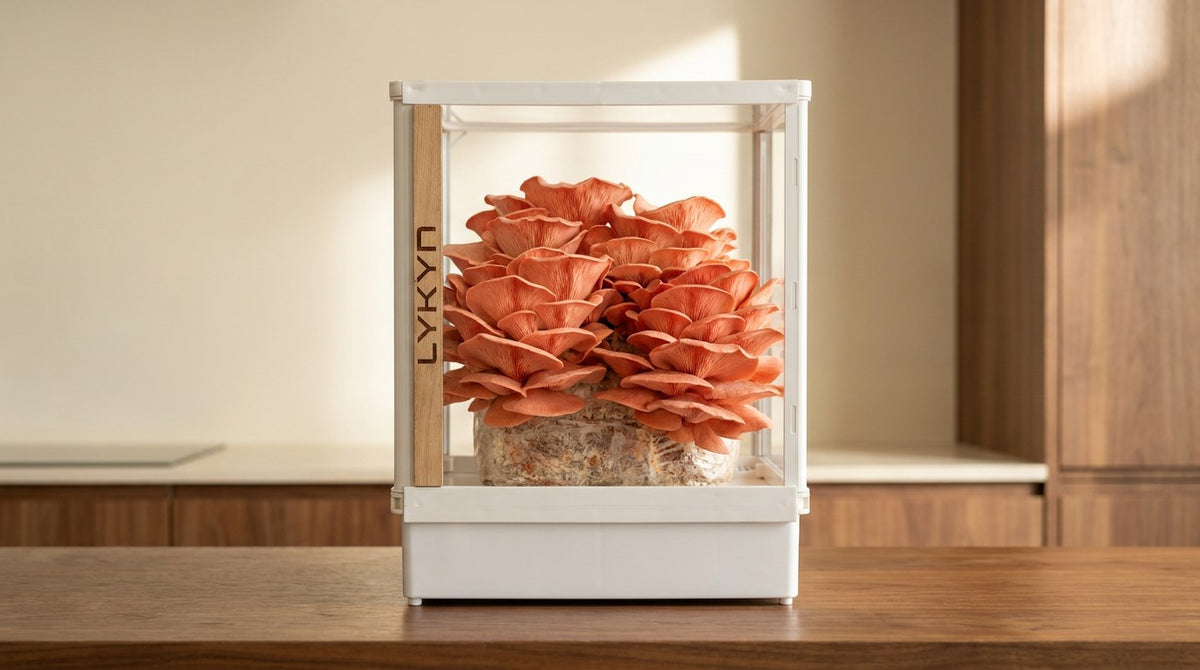
Smart Chamber. Bone White Single
- 2.8L tank, 90% humidity automatic
- App-controlled, plug-and-play
- 6 lb block ceiling, in stock

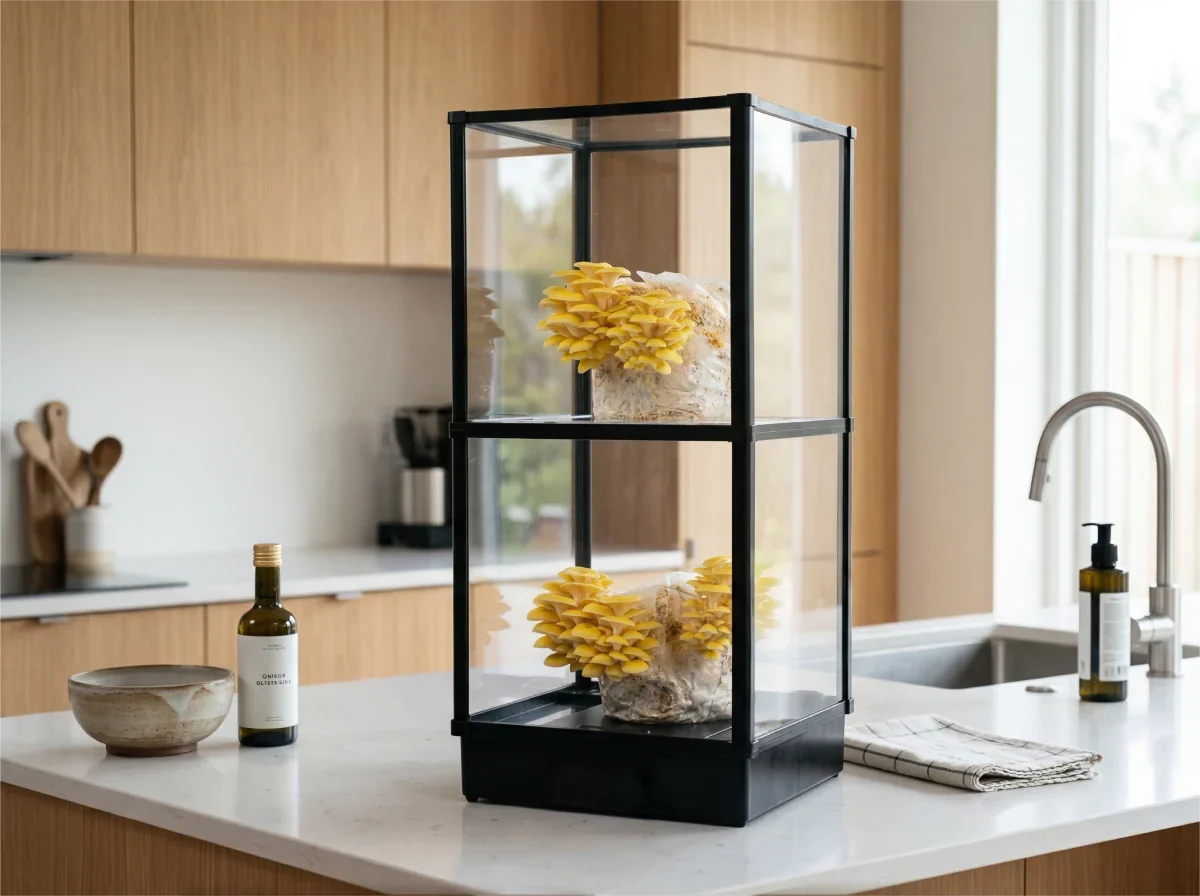
Smart Chamber. Obsidian Black Single
- 2.8L tank, 90% humidity automatic
- App-controlled, plug-and-play
- Matte obsidian finish, in stock

Black Oyster Fruiting Block
- 5 lb colonized hardwood block
- 1-3 day cycle, easy first flush
- Lab-tested strain, in stock
How It Compares to Regular Coffee
The most noticeable difference is the caffeine. Most mushroom coffees, including the major brands in this space, contain roughly half the caffeine of a standard cup. A typical 8-ounce serving lands around 50 to 65 mg of caffeine compared to 95 to 120 mg for a standard brewed coffee. That is intentional. The mushroom extracts dilute the coffee, and many people who switch to mushroom coffee are looking to reduce caffeine without giving up the ritual.
The flavor profile shifts slightly. Mushroom coffee tends to taste smoother, less acidic, and slightly earthier than the same Arabica beans on their own. Some people describe it as tasting "rounder" or "softer." If you brew it side by side with a strong dark roast, the mushroom coffee will read as more mellow. If you are coming from a flavor-forward third-wave coffee experience, mushroom coffee can feel a little muted by comparison.
The biggest functional difference is the post-cup feeling. The lower caffeine combined with the adaptogenic mushrooms tends to produce a more even energy curve. People who report jitters or anxiety from regular coffee often find mushroom coffee easier on the nervous system, though this is highly individual.
What the Research Actually Supports
Here is the honest part. The clinical studies on individual mushroom species (lion's mane, reishi, chaga) typically use concentrated extracts at doses considerably higher than what you get in a single cup of mushroom coffee. A typical serving of mushroom coffee provides 250 to 1500 mg of mushroom extract, while many of the most cited cognitive and immune studies use 1000 to 3000 mg of a specific extract daily.
This does not mean mushroom coffee is useless. It does mean you should think of it as a small, consistent input rather than a clinical dose. The cumulative effect of daily lion's mane, chaga, and reishi from a quality blend over months may be meaningful. The acute effect of one cup compared to one cup of regular coffee is mostly going to come from the reduced caffeine and the broader nutrient profile, not a dramatic cognitive shift.
Brands that claim mushroom coffee will sharpen focus by lunchtime, fix sleep within a week, or eliminate brain fog are overstating what the underlying ingredients can do at typical serving sizes.

Fuel Your Mushroom Journey
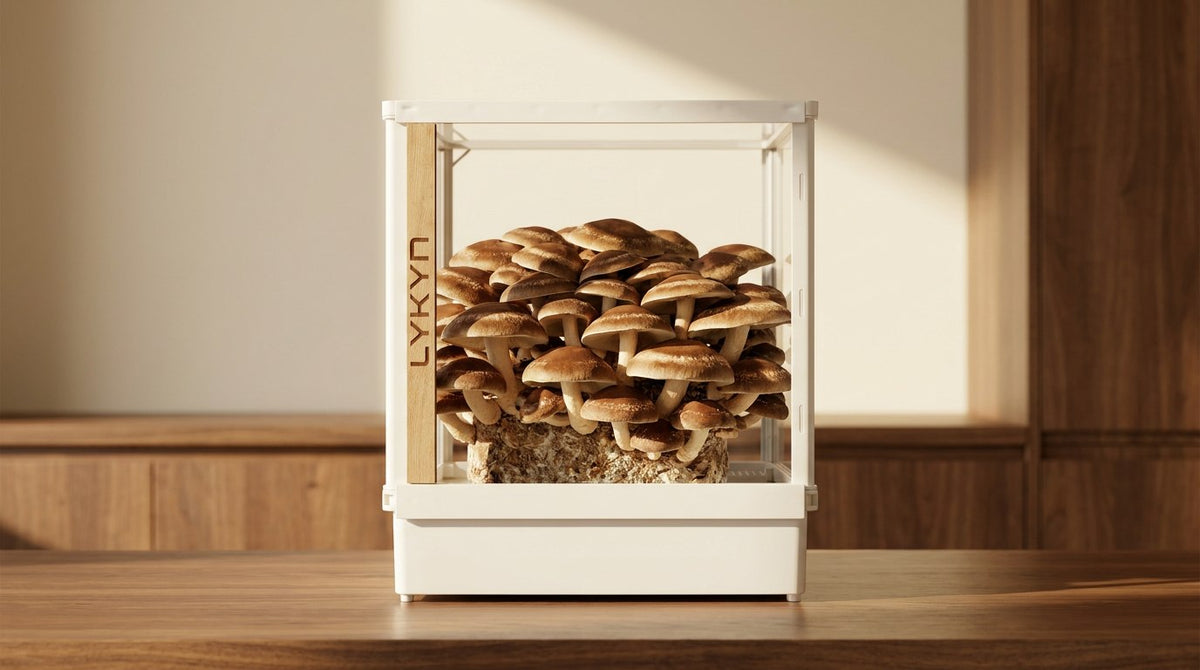
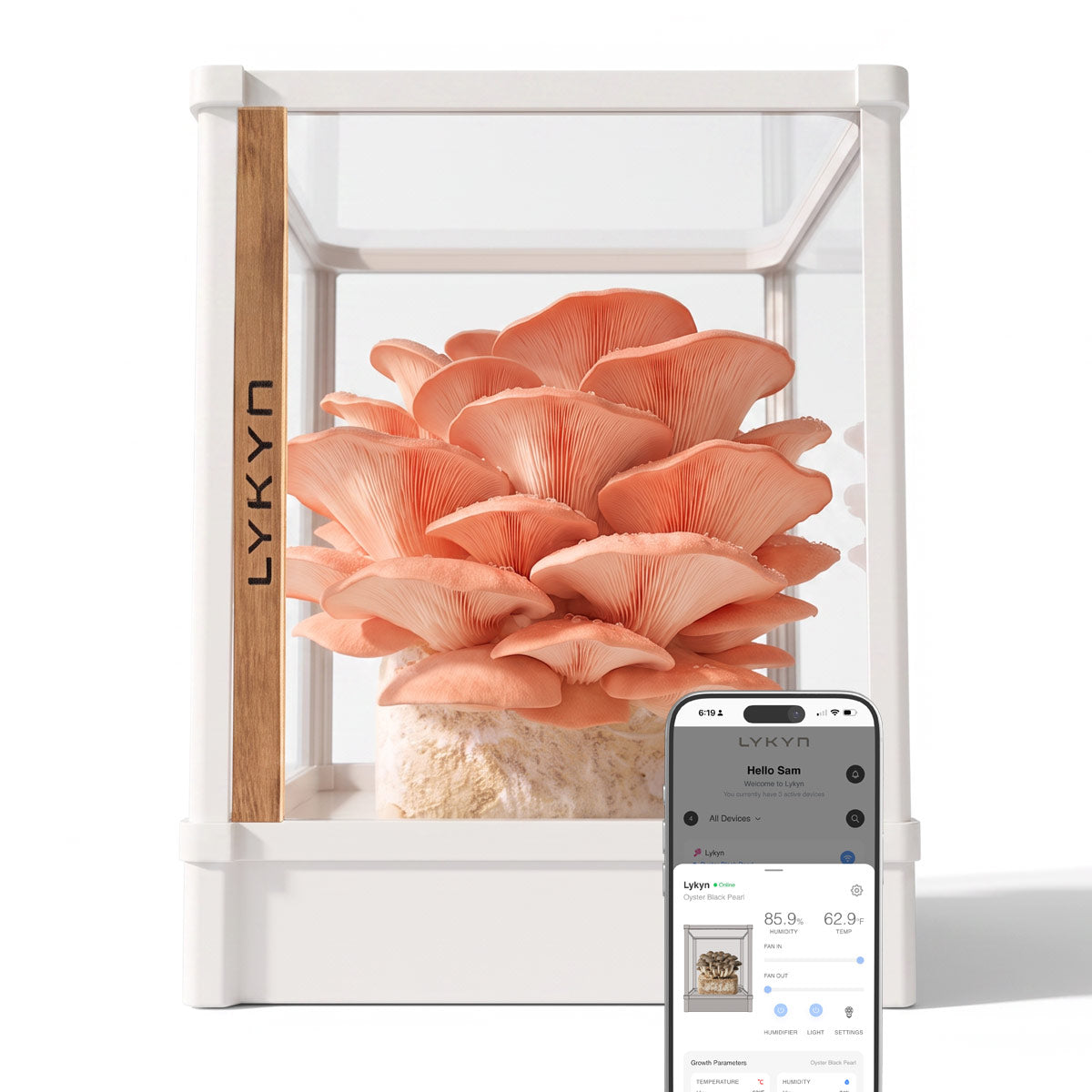
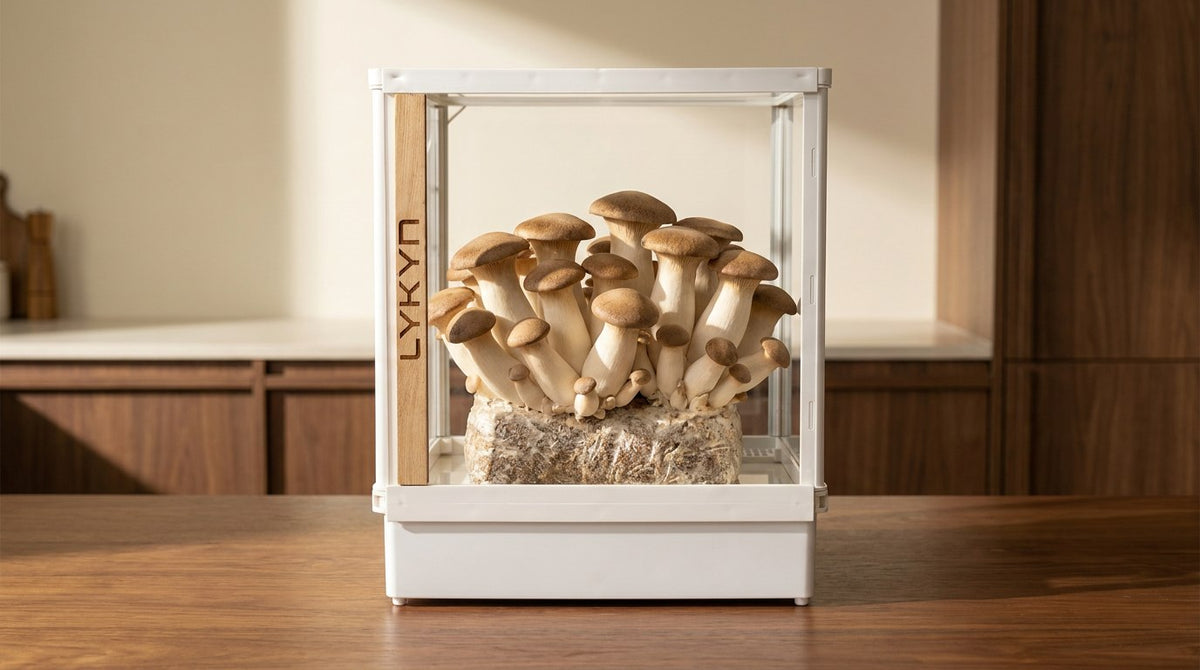
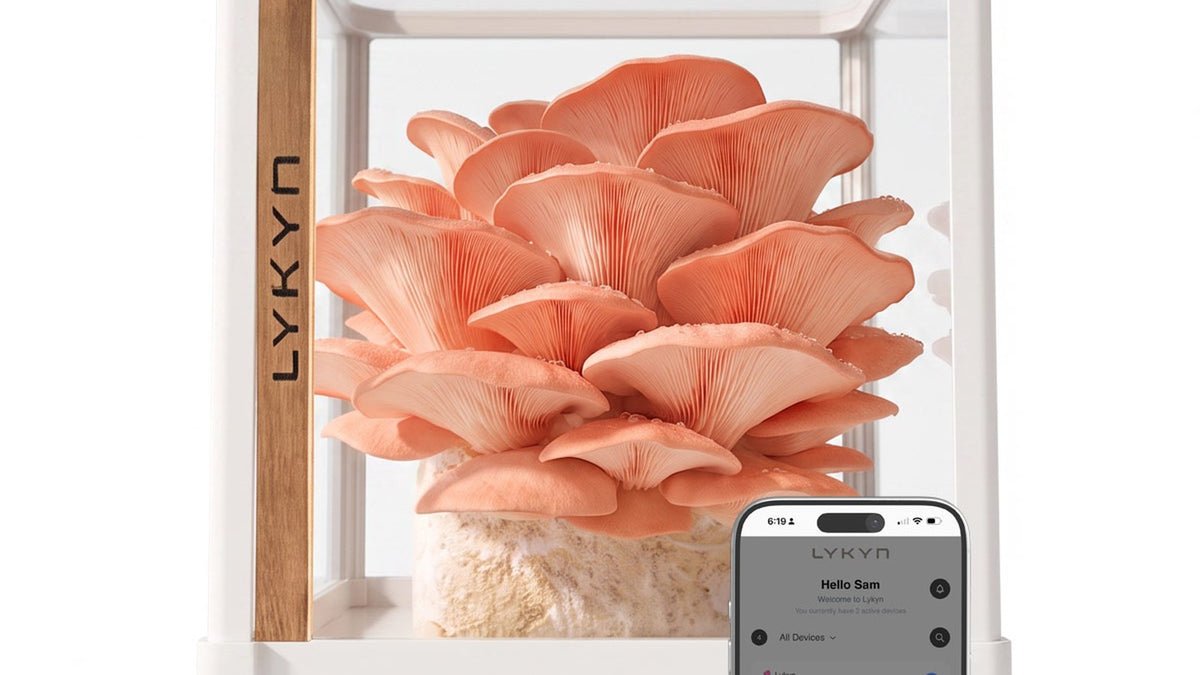
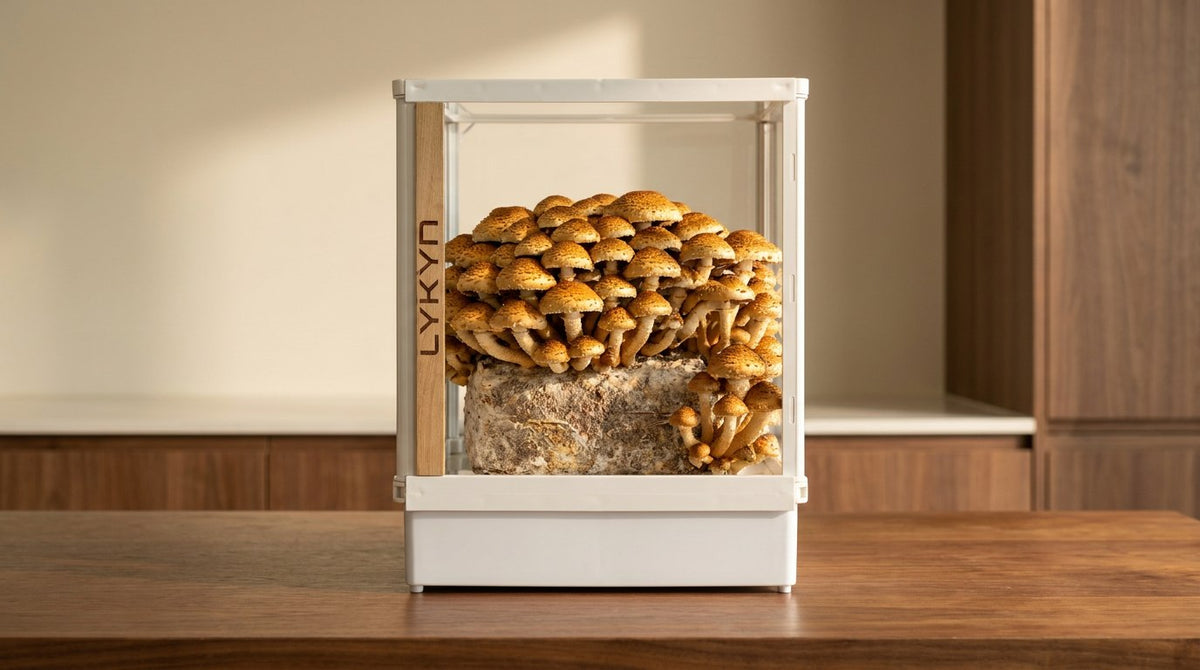
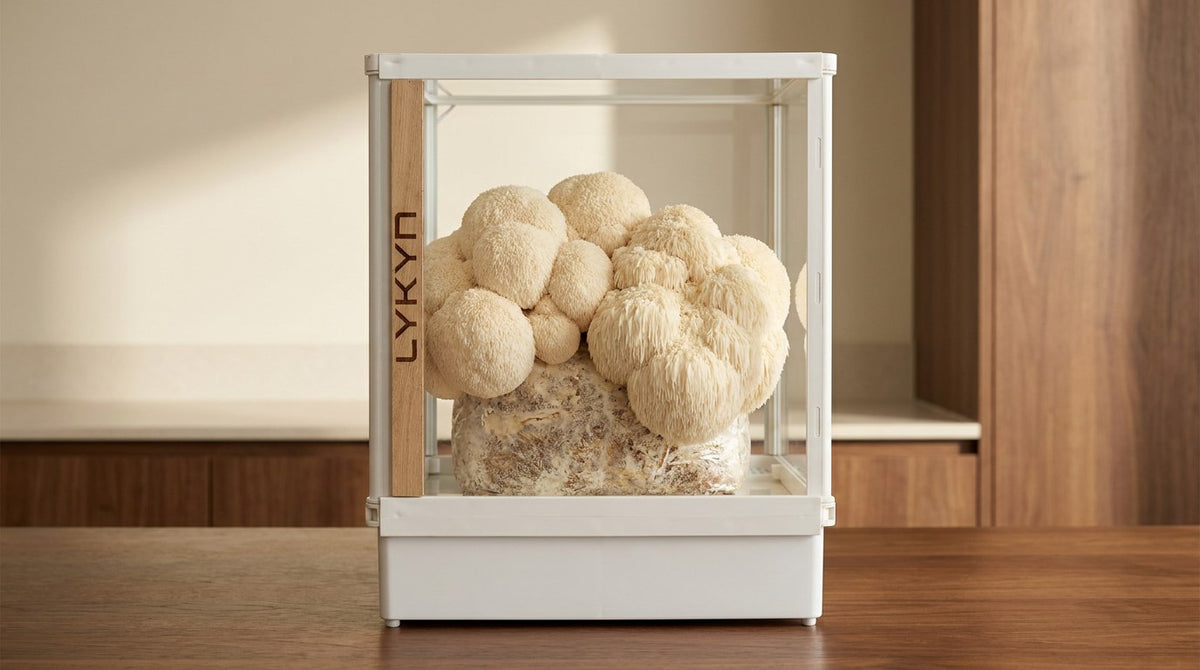
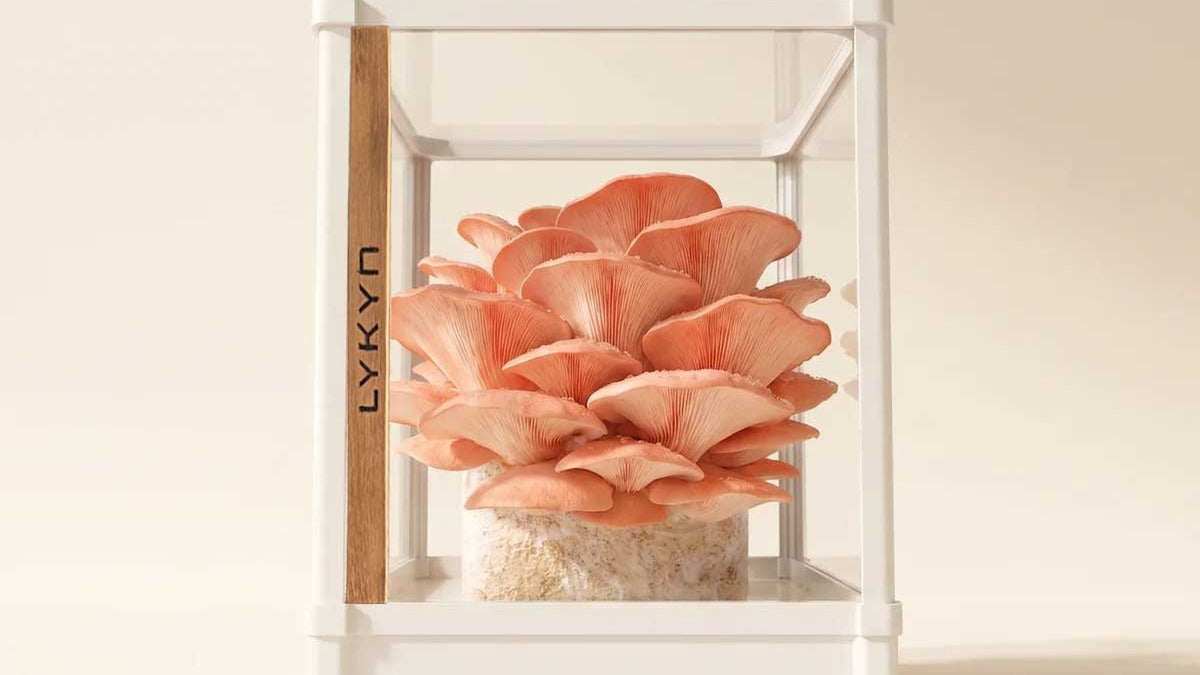
Smart Mushroom Grow Chamber
Plug-and-play smart chamber with humidity, light, and airflow dialed in for every species. Beginners harvest their first flush in days, not months.
Add to cart $299Possible Benefits
What you can reasonably expect from switching a daily cup of regular coffee to a quality mushroom blend:
- Less caffeine jitter and crash. The half-caffeine math is real and matters for sensitive drinkers.
- A small but steady source of beta-glucans and antioxidants. Mushroom polysaccharides and chaga's antioxidant content add up over time.
- Easier on the stomach. Mushroom blends are often less acidic than pure dark roast, which some people with reflux find helpful.
- A daily habit anchor for other functional ingredients. If you already drink coffee every morning, swapping in mushroom coffee is a low-effort way to add adaptogens without remembering a capsule.
What is unlikely to happen from mushroom coffee alone: dramatic cognitive transformation, immune-system overhaul, or measurable improvement in conditions that have nothing to do with caffeine or mild bioactives.
Brewing It Right
Mushroom coffee brews like regular coffee, with one small caveat. The mushroom extracts can sediment more than coffee grounds alone, so a paper filter or a finer mesh works better than a French press if you want a clean cup. A few practical tips:
- Use slightly hotter water (200°F to 205°F / 93°C to 96°C) than you would for a delicate single-origin coffee. The mushroom extracts release more fully at higher temperatures.
- Grind medium-fine for drip, medium for pour-over, coarse for French press. The grind size that works for your beans works for the blend.
- Brew slightly stronger than usual. Many drinkers compensate for the lower caffeine and milder flavor by using a tablespoon or two more grounds per cup.
- Cream and sweetener are fine. Mushroom coffee takes milk or oat milk well, and the earthy notes pair nicely with a touch of cinnamon or vanilla.
The Honest Tradeoff
Mushroom coffee, including Dose and every reputable competitor, is more expensive per cup than a comparable bag of single-origin Arabica. You are paying for the mushroom extracts and the processing, not just the beans. Whether the upcharge is worth it depends on whether you value the half-caffeine experience and the cumulative effect of daily adaptogens.
For someone who already takes lion's mane or reishi as a capsule, mushroom coffee can simplify the routine into a single morning step. For someone who has never used functional mushrooms, mushroom coffee is one of the gentler introductions because it does not require changing your habits or learning new preparations.
Where Fresh Mushrooms Fit In
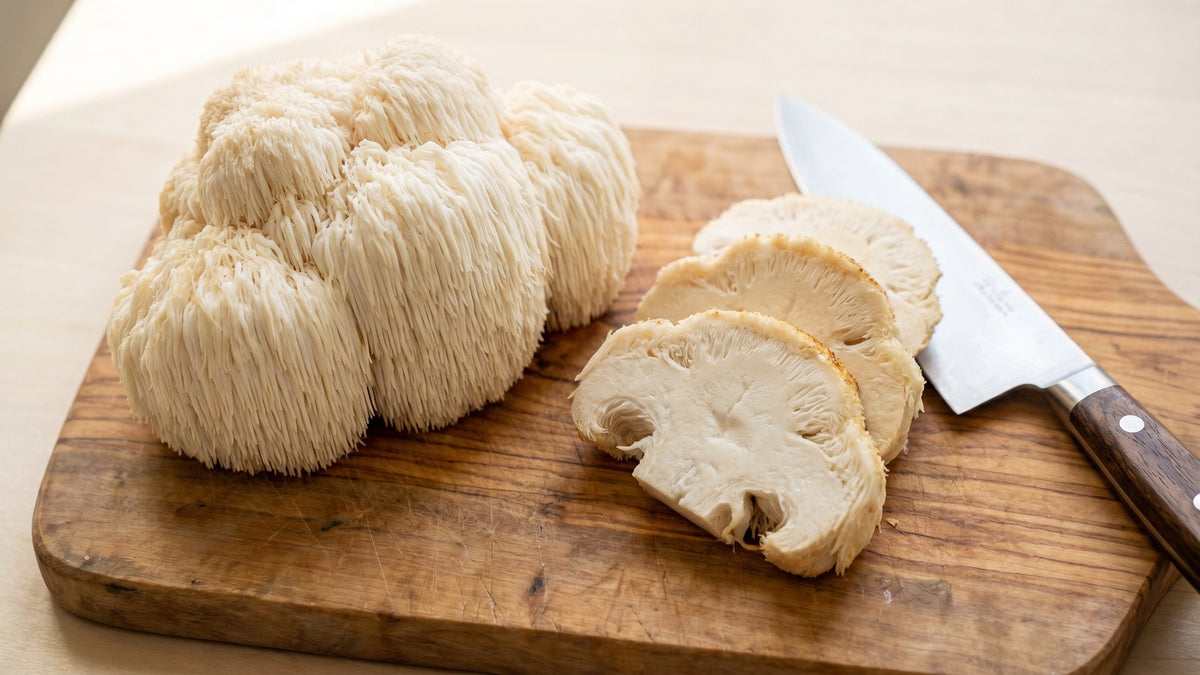
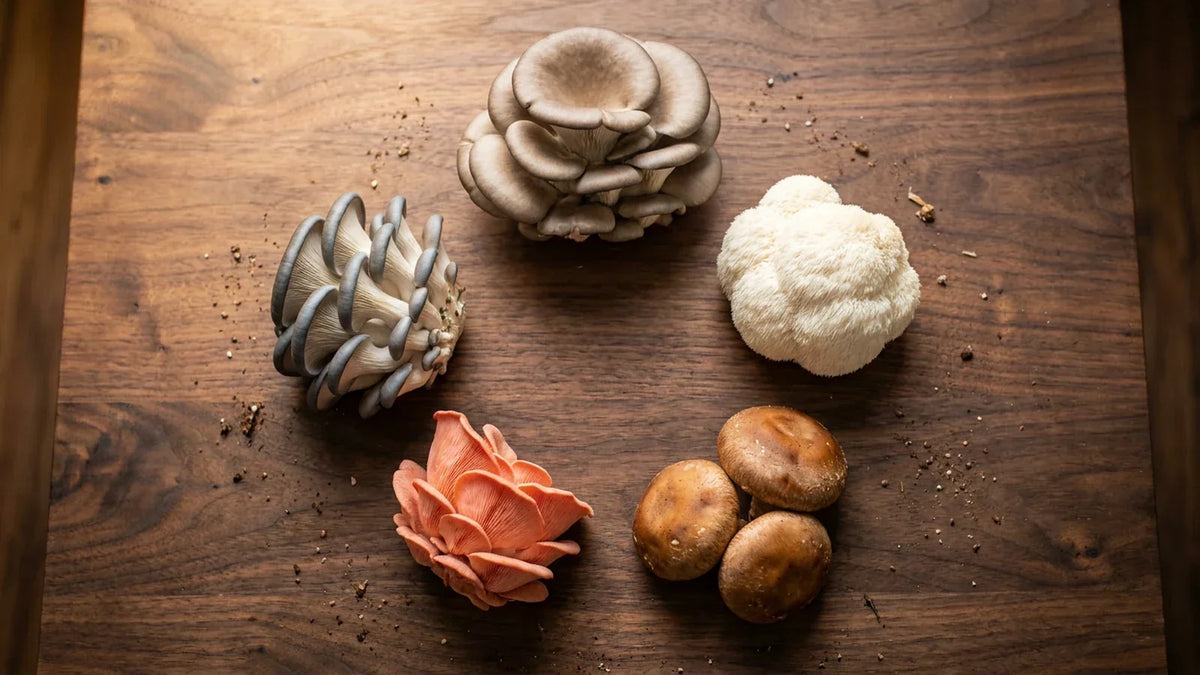
One thing mushroom coffee does not deliver is the experience of fresh, whole functional mushrooms. The extracts in a bag of coffee are concentrated, shelf-stable, and standardized, but they are not the same as a freshly harvested lion's mane sautéed in butter or a homemade shiitake broth. Both have a place. The coffee is the daily, low-effort delivery. The fresh mushrooms are the occasional, hands-on version that brings flavor and texture into the mix.
If you are curious about working with fresh functional mushrooms (lion's mane is by far the easiest to grow and the most versatile in the kitchen), a countertop grow kit can produce a full pound in under two weeks. Our mushroom grow kits are designed for first-time growers who want to add fresh mushrooms to a kitchen that already runs on mushroom coffee.
Dose mushroom coffee, and the broader category it represents, is a reasonable, well-made product that does roughly what it claims. It will not transform your life in a week. It will probably give you a calmer, slightly more sustained morning ritual, and it pairs well with a deeper interest in functional mushrooms if you want to take that direction further.
Share:
Fairy Ring Mushroom: Identification, Folklore, and Cooking
Fairy Ring Mushroom: Identification, Folklore, and Cooking