


If you've ever walked across a lawn and noticed a perfect circle of mushrooms or a ring of darker, taller grass, you've seen the work of a fairy ring fungus. The classic edible species behind the phenomenon is Marasmius oreades, the Scotch bonnet or true fairy ring mushroom: a small, tan-capped mushroom with a tough, wiry stem that fruits in arcs and rings across grasslands every summer and autumn. The flavor is sweet, nutty, and slightly almond-like, and the species is one of the few wild mushrooms with a global reputation as both an edible and a folkloric subject.
Fairy rings are also a textbook lesson in how a single fungus can grow underground for decades. The visible mushrooms are just the reproductive structures; the actual organism is a slowly expanding mycelial mat that pushes outward by a few inches to a foot every year, creating new fruiting at the outer edge. Some recorded rings in Europe are estimated at 700 years old.
How to identify a fairy ring mushroom
Five features identify Marasmius oreades. The cap is 1 to 2 inches across, dome-shaped or bell-shaped when young, flattening with age and often retaining a small raised bump (umbo) in the center. The color is tan to buff to pale orange-brown, darkening when wet and lightening as it dries. The gills are pale cream, well-spaced, and free or barely attached to the stem.
The stem is the most distinctive feature: 1 to 3 inches tall, slender (1 to 3 millimeters thick), and remarkably tough and fibrous. You can twist a fairy ring stem like a piece of string and it won't break. The texture is so wiry that most foragers cut the caps off and discard the stems entirely.
The dehydration test confirms the species. Pick a cap, leave it on a windowsill for a day, then rehydrate it with a few drops of water. Marasmius oreades will rehydrate to nearly its original shape and texture. This survival trait (called marcescence) is rare among lawn mushrooms.
Spore print is white. Smell is faintly almond-like or like fresh-cut hay.

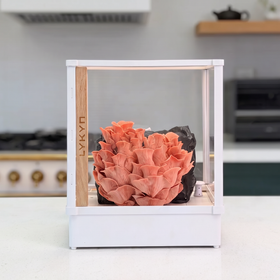
Smart Chamber. Bone White Single
- 2.8L tank, 90% humidity automatic
- App-controlled, plug-and-play
- 6 lb block ceiling, in stock

Smart Chamber. Obsidian Black Single
- 2.8L tank, 90% humidity automatic
- App-controlled, plug-and-play
- Matte obsidian finish, in stock

Black Oyster Fruiting Block
- 5 lb colonized hardwood block
- 1-3 day cycle, easy first flush
- Lab-tested strain, in stock
The dangerous look-alikes
Two lawn mushrooms cause serious problems if mistaken for fairy ring. Clitocybe dealbata (sweat-producing clitocybe, ivory funnel) grows in similar habitat, has a similar size, but its gills run down the stem (decurrent attachment) rather than being free, and the cap is whitish rather than tan. It contains muscarine and causes intense sweating, drooling, and digestive distress within 30 minutes. Clitocybe rivulosa has the same toxicity and looks very similar.
Two confusion-checks save you. Free gills and a wiry, twistable stem are Marasmius oreades. Decurrent gills (running down the stem) and a softer, snappable stem are Clitocybe. If your lawn ring has both species mixed together (which happens), pick only the specimens that pass both checks and discard anything that fails either one.
Other lawn mushrooms in the same general size class (Panaeolus, Conocybe, Lepiota) range from inedible to deadly. The wiry stem and free pale gills are your two-feature gate.
Where and when to find them
Fairy ring mushrooms fruit in grass: lawns, pastures, golf courses, parks, athletic fields, and the grassy verges of country roads. They prefer short, regularly mowed turf with good drainage and don't typically appear in deep wild meadow. The visible ring or arc usually shows in two ways: a circle of mushrooms, or a circle of darker, faster-growing grass (caused by the mycelium releasing nitrogen as it decomposes thatch). Some rings show both at once.
In North America, the season runs from late spring through autumn, with the biggest flushes in June, September, and October following rain. In Europe, May through November depending on climate. A single ring will fruit multiple times per season after each soaking rain.
Avoid lawns treated with herbicide, pesticide, or fungicide. Public parks and golf courses are unreliable for this reason. The cleanest harvests come from your own untreated lawn or from country fields where you can verify no chemicals have been applied.

Fuel Your Mushroom Journey
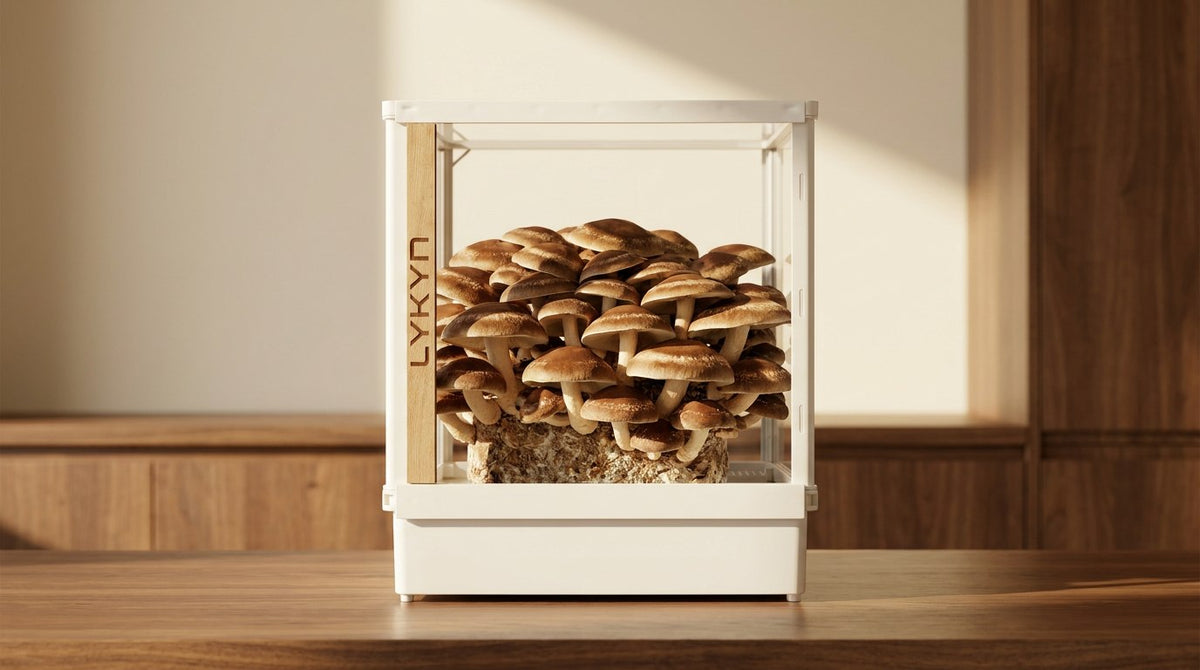
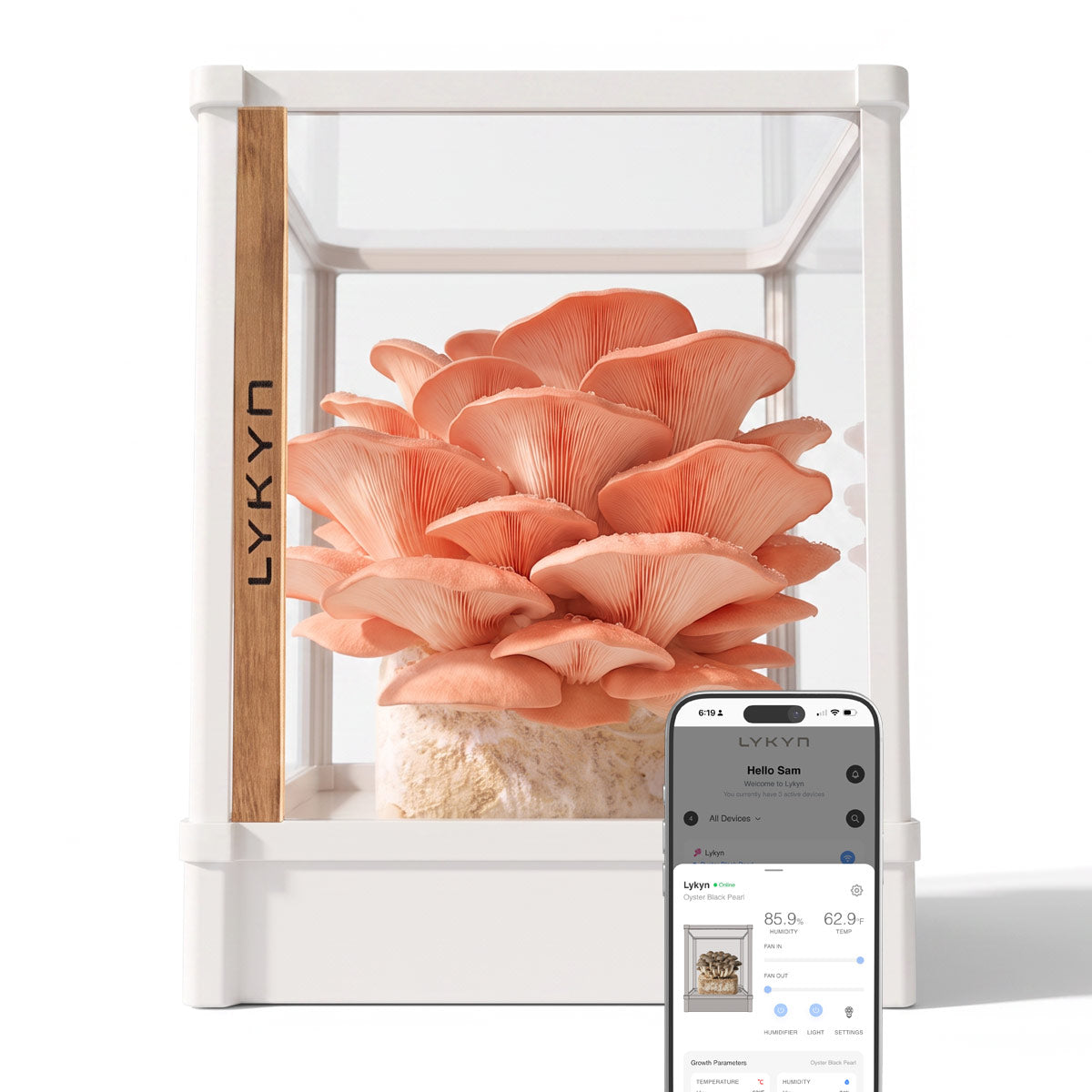
Smart Mushroom Grow Chamber
Plug-and-play smart chamber with humidity, light, and airflow dialed in for every species. Beginners harvest their first flush in days, not months.
Add to cart $299Taste and culinary uses
Fairy ring mushrooms have a sweet, slightly nutty, almond-like flavor that's much richer than the small size suggests. The caps stay firm under heat and develop a meaty texture that punches well above their weight class. The dried product is even more concentrated, with a flavor closer to dried porcini than to fresh white button.
The classic preparation is a simple sauté: trim off the stems, brush the caps clean, and cook in butter over medium heat for 4 to 5 minutes with a pinch of salt and a clove of crushed garlic. Serve on toast, over scrambled eggs, or folded into an omelet. The flavor is delicate enough to be overwhelmed by strong spices, so keep the pairings simple.
The species dries beautifully. Lay the caps on a wire rack or dehydrator tray at 95 to 110°F for 4 to 6 hours until snap-dry. Store in an airtight jar for up to 2 years. Rehydrate in hot water and use in soups, stews, sauces, or risotto. A handful of dried fairy ring caps will flavor a soup pot as well as a much larger handful of fresh.
Foraging tips for beginners
Four rules. Confirm habitat: mown grass, not woodland. Confirm size: caps 1 to 2 inches, never larger. Confirm stem: wiry, twistable, free gills above. Confirm spore print at home before cooking: white, not brown or pink. Apply all four and you'll exclude the Clitocybe look-alikes reliably.
Cut only the caps in the field. The stems are too tough to eat and they're heavy with grass debris. A pair of scissors or a small folding knife works better than tearing. Carry your finds in a paper bag or basket so spores can drop and help the ring expand outward.
Once you find a productive ring, mark it. Marasmius oreades rings persist for decades and will fruit repeatedly through every wet season. A single backyard ring can supply a season's worth of cooking for one household.
Can you grow fairy ring mushrooms at home?
Not in any practical, controlled-environment sense. Marasmius oreades is tied to outdoor grass ecosystems and has resisted commercial cultivation. If you want a wild population on your property, the closest thing to "cultivation" is to leave a corner of your lawn untreated, avoid mowing during the fruiting weeks, and let any existing ring expand naturally.
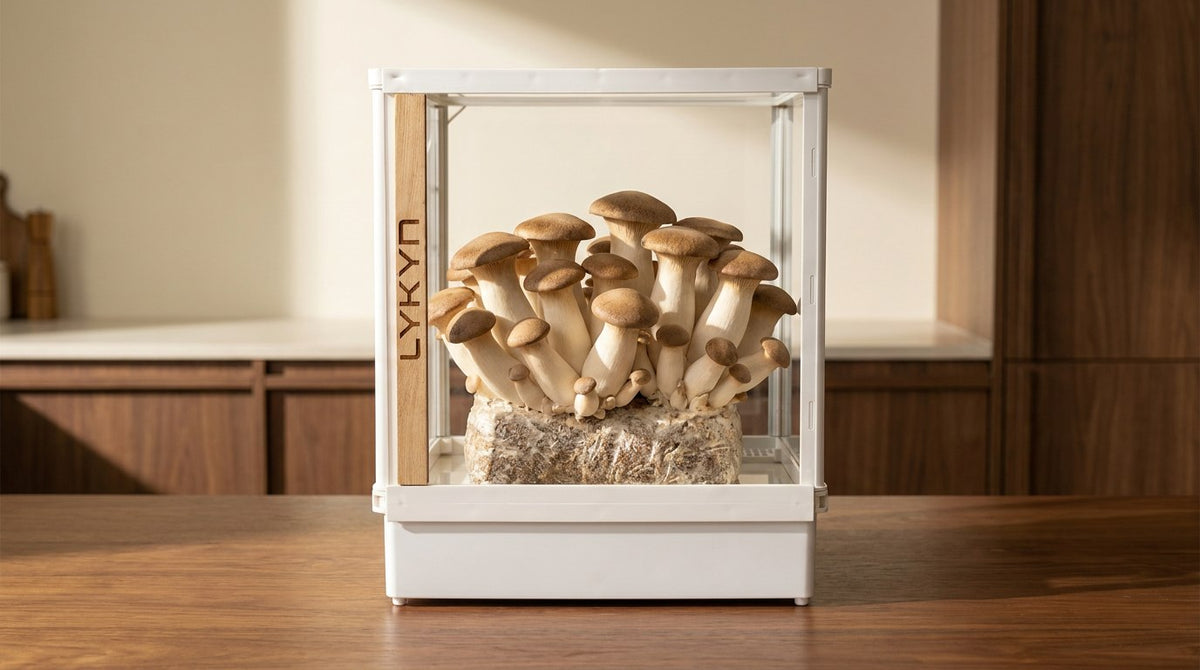
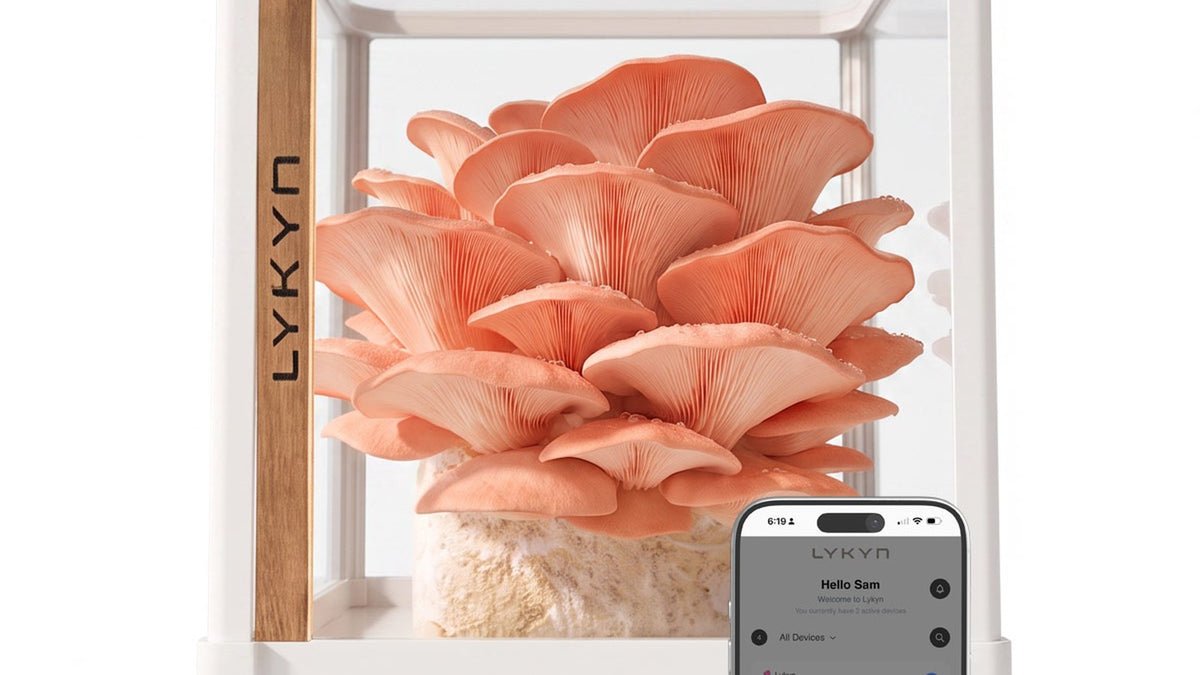
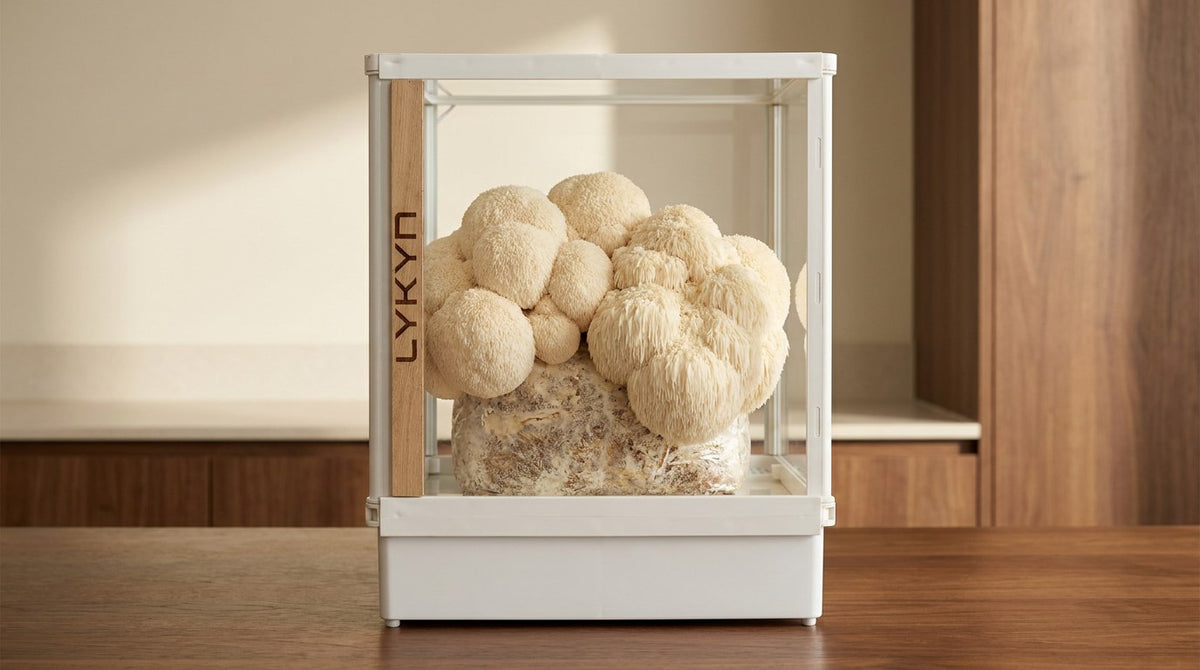
For predictable indoor harvests with documented yields, look at saprotrophic species that perform well on prepared substrate, like oyster, lion's mane, and king trumpet, available as ready-to-fruit mushroom grow kits. Fairy ring stays on the lawn-foraging list.
The bottom line on fairy rings
Fairy ring mushrooms are one of the most rewarding small wild edibles in the temperate world. The identification rules are straightforward, the habitat is accessible (your own lawn might already have a ring), and the flavor of a freshly sautéed handful of caps on toast is a benchmark summer meal. Get the look-alike checks right, dry the surplus for winter, and let the ring keep expanding outward at its own ancient pace.
Share:
Dose Mushroom Coffee: An Honest Review
Dose Mushroom Coffee: An Honest Review