


Mushrooms in the yard look alarming, but most of the time they're a sign of healthy soil rather than a problem to solve. They show up when buried organic matter (old tree roots, decomposing mulch, leaf litter) is being broken down by fungi underground, and the visible mushrooms are just the fruiting bodies. If you want them gone for aesthetic or pet-safety reasons, here's how to get rid of mushrooms in yard areas without destroying your turf or wasting money on products that don't work.
Short version: rake them up, reduce moisture and organic debris, accept that they'll likely return after the next wet stretch. Long version below, with the science of what actually works and what's marketing.
Why Mushrooms Appear in the First Place
Lawn mushrooms are saprotrophic fungi. They feed on dead plant material in the soil, especially decomposing tree roots from old stumps, buried construction debris, untreated mulch, thatch buildup, or animal waste. The mycelium (the fungus's underground body) can live in your soil for years without producing visible mushrooms. When temperature, moisture, and food align, it fruits.
The most common triggers in residential yards:
- Heavy rain followed by warm, humid weather
- Overwatering, especially in shaded areas
- Buried tree stumps or roots in newer construction
- Thick thatch layer (the brown mat between green grass and soil)
- Compacted soil with poor drainage
The fungus itself isn't damaging your lawn. In most cases it's improving the soil by recycling nutrients. The mushrooms are temporary, usually disappearing on their own within a week or two as conditions change.

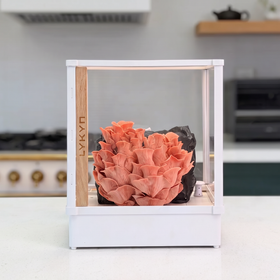
Smart Chamber. Bone White Single
- 2.8L tank, 90% humidity automatic
- App-controlled, plug-and-play
- 6 lb block ceiling, in stock

Smart Chamber. Obsidian Black Single
- 2.8L tank, 90% humidity automatic
- App-controlled, plug-and-play
- Matte obsidian finish, in stock

Black Oyster Fruiting Block
- 5 lb colonized hardwood block
- 1-3 day cycle, easy first flush
- Lab-tested strain, in stock
Step 1: Remove What's There Now
Pick or rake up visible mushrooms as soon as you see them. Pulling them before they release spores reduces the chance of new mushrooms forming nearby, and removes the safety risk for pets and small children. Wear gloves, drop them into a sealed bag, and put them in the trash, not the compost bin.
Don't try to identify them in the field. Some yard mushrooms are harmless, others are mildly toxic, and a few species are genuinely dangerous if eaten. Treat every yard mushroom as potentially toxic until proven otherwise, especially around dogs that explore with their mouths.
Step 2: Address the Moisture Layer
Mushrooms thrive in damp environments. If your lawn is consistently producing them, the soil is probably retaining too much water. A few simple changes usually solve the problem:
- Water deeply but less frequently. Most lawns need roughly 1 inch of water per week, delivered in one or two soakings, not daily light watering.
- Water in the morning, never at night. Evening watering keeps grass and soil wet through the cool overnight hours, which is exactly when fungi prefer to spread.
- Improve drainage in low spots. Add a thin layer of compost-amended soil to fill depressions where puddles form.
- Prune low tree branches to let more sun and air reach the lawn surface.
Reducing surface moisture is the single most effective long-term fix. Most homeowners who deal with persistent mushroom problems are simply watering too often.

Fuel Your Mushroom Journey
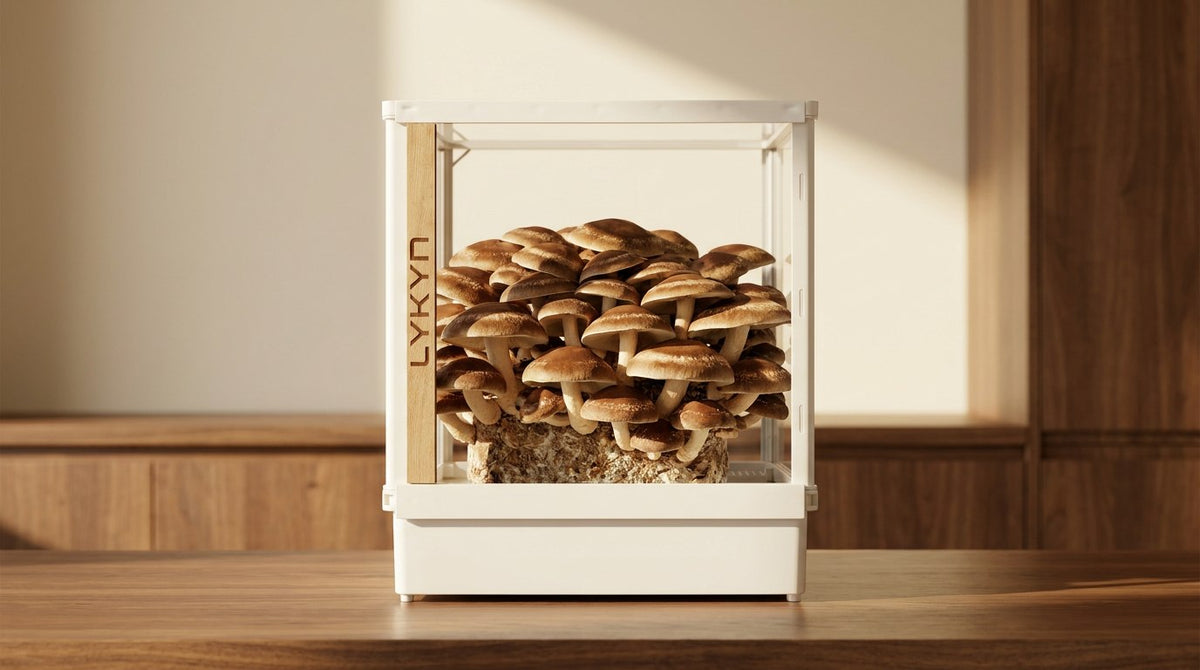
Smart Mushroom Grow Chamber
Plug-and-play smart chamber with humidity, light, and airflow dialed in for every species. Beginners harvest their first flush in days, not months.
Add to cart $299Step 3: Remove the Food Source
If mushrooms keep appearing in the same patch year after year, there's usually a buried organic carbon source feeding the fungi. Common culprits include:
- Old tree stumps: even if the stump was ground down, the root system continues to rot underground for 5 to 10 years. Mushrooms growing in a ring or arc often indicate a buried root.
- Construction debris: in newer subdivisions, contractors sometimes bury scrap lumber, drywall, and tree waste. Excavating and removing the debris solves the problem permanently.
- Mulch that wasn't aged: fresh hardwood mulch can introduce wood-decay fungi. Use composted or aged mulch and don't pile it against tree trunks.
- Pet waste: dog feces left on the lawn provides nitrogen-rich food for several fungi. Pick up daily.
If you can identify and remove the source, the mushrooms stop returning. If the source is too deep or impractical to dig out, you'll be managing fruiting for years. That's not a failure; it's how the underground ecosystem works.
Step 4: Dethatch and Aerate
Thatch is the layer of dead grass and roots that builds up between green growth and soil. A small amount (less than 1/2 inch) is helpful. More than that holds moisture against the soil surface, blocks air exchange, and creates ideal mushroom conditions.
If your thatch layer is thicker than 1/2 inch, dethatch with a vertical mower or thatch rake in early fall. Follow with core aeration to open up compacted soil and improve drainage. This combination dries out the surface zone and disrupts fungal mycelium in the top few inches of soil.
Step 5: What About Fungicides?
Lawn fungicides marketed for mushroom control don't really work the way most people expect. They target plant-pathogenic fungi like brown patch and dollar spot, not the deep-rooted saprotrophs that produce yard mushrooms. The mycelium feeding on a buried stump is below the reach of any sprayed product.
Vinegar, dish soap, baking soda, bleach, and other home remedies are even less effective. They might kill the visible mushroom, but the underground fungus is unaffected, and the same chemicals can damage your grass.
Save your money. Mechanical removal plus moisture management gets you 90 percent of the result, with no risk to pets, kids, or pollinators.
Fairy Rings: A Special Case
If your mushrooms form a circle or arc, that's a fairy ring. Fairy rings are caused by a specific group of soil fungi spreading outward from a central point, and the ring grows larger by a few inches to a foot per year. Some fairy rings cause green stimulation of the grass; others create dead zones inside the ring.
Fairy rings are notoriously hard to eliminate. Core aeration along the ring, soaking with a wetting agent to break the water-repellent layer the fungi create, and topdressing with compost can suppress them over time. Complete eradication usually requires excavating soil along the ring to a depth of 12 inches, which is more work than most homeowners want to do.
If You Can't Beat Them, Eat Them (No, Not the Yard Ones)
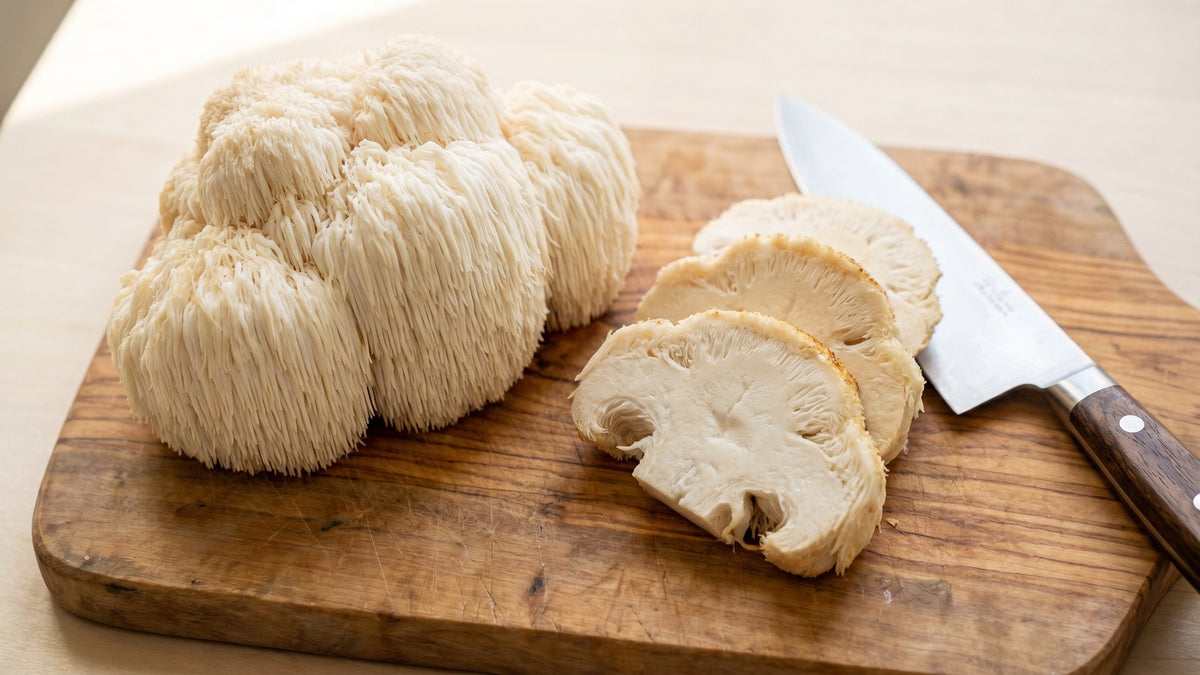
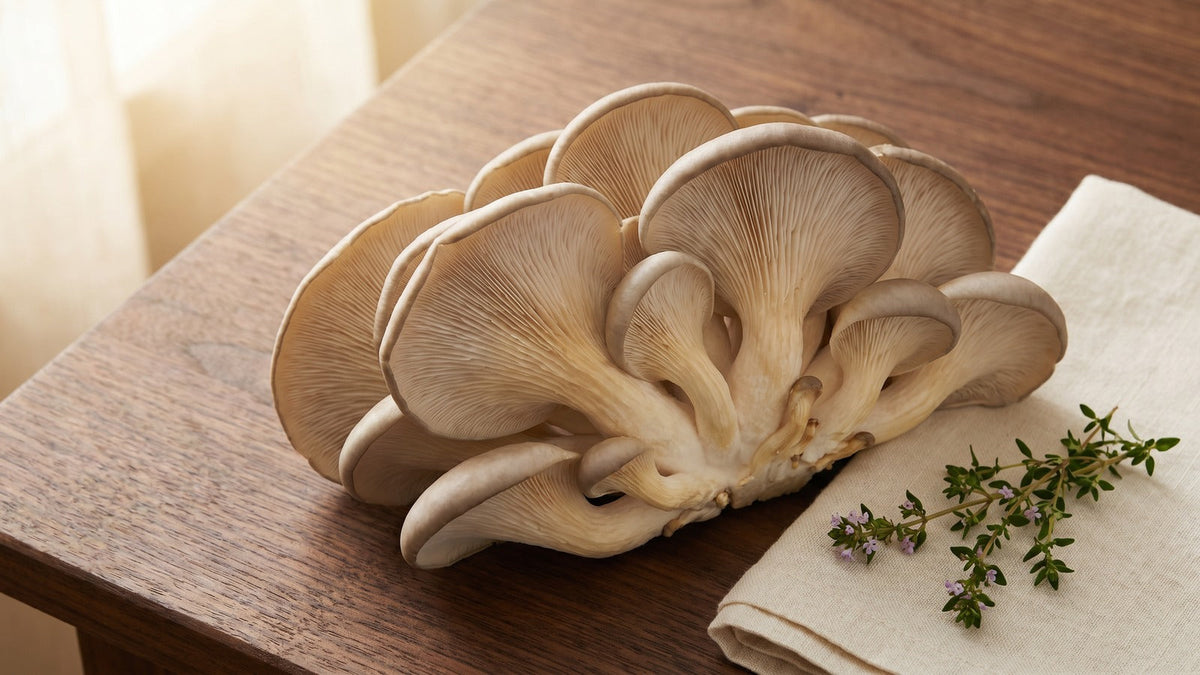
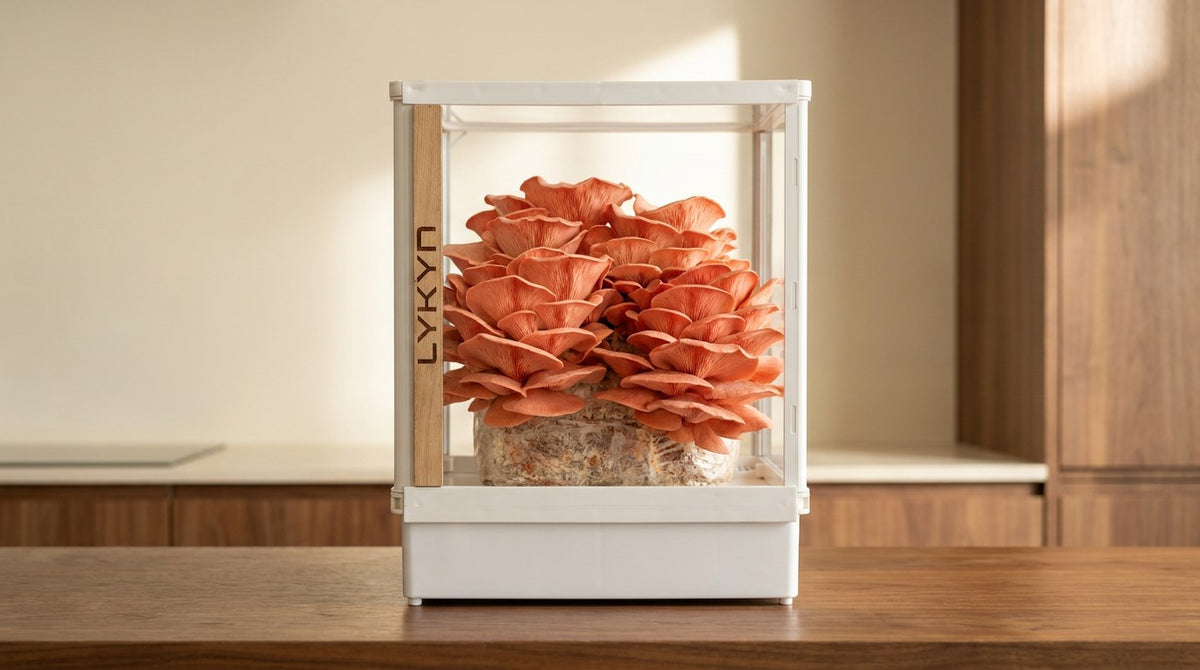
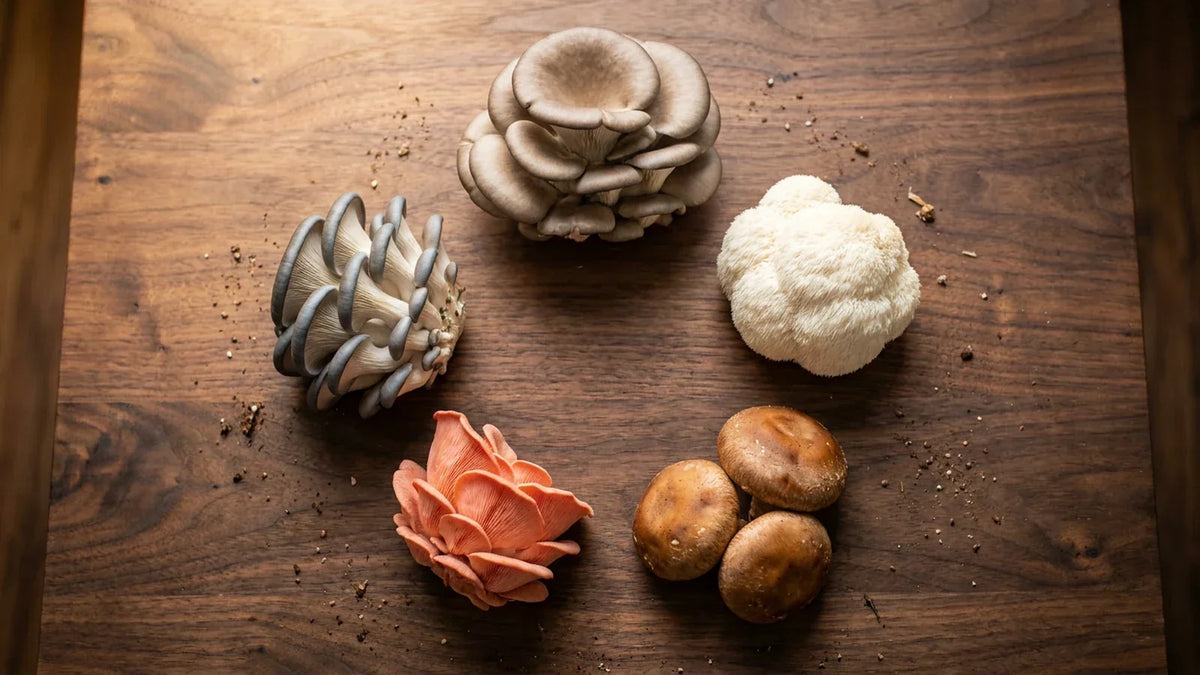
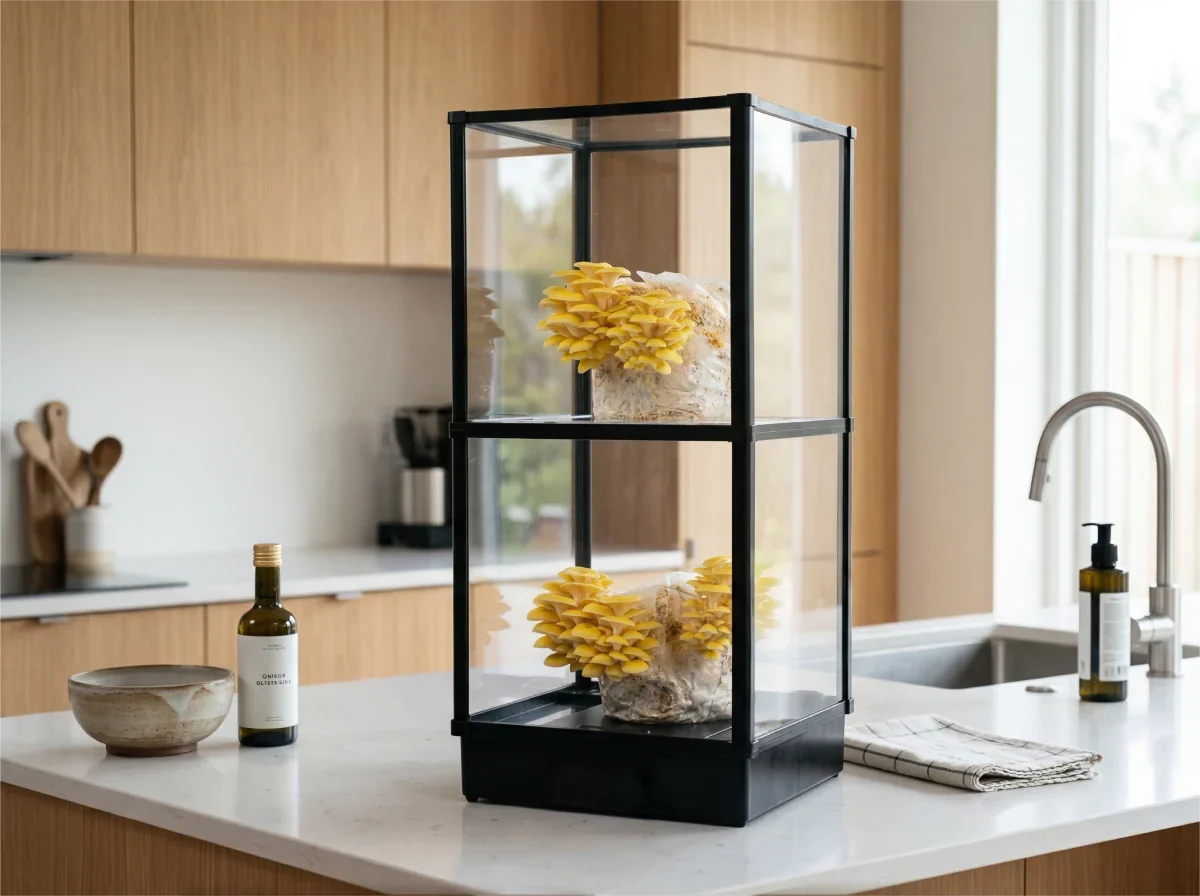
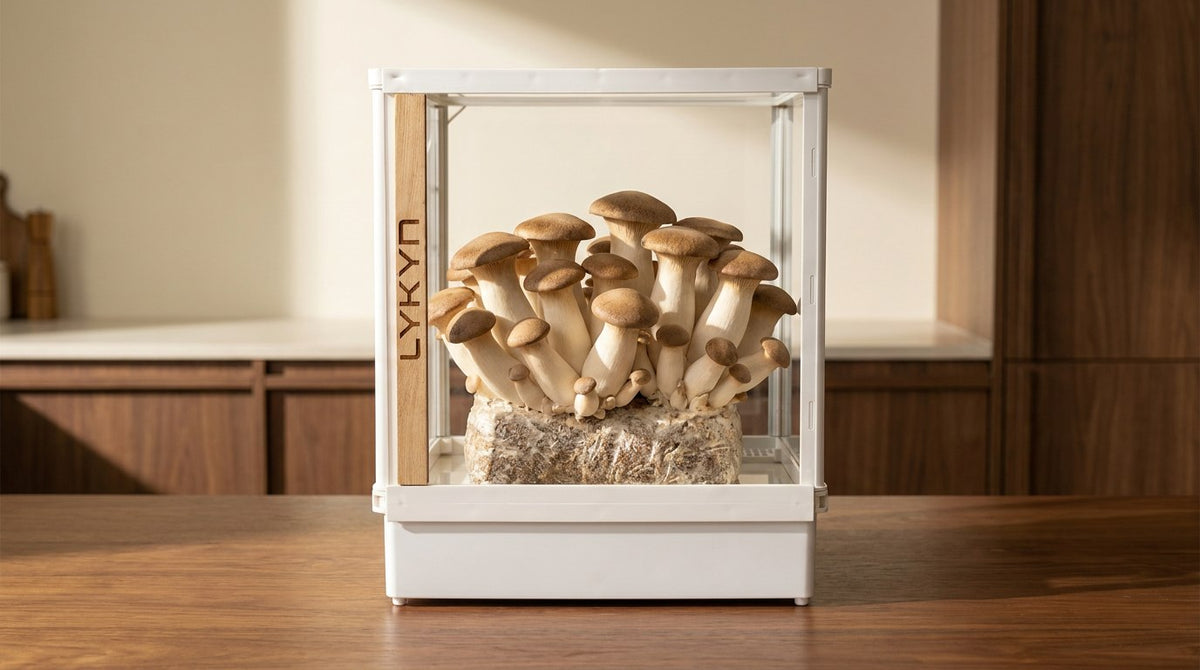
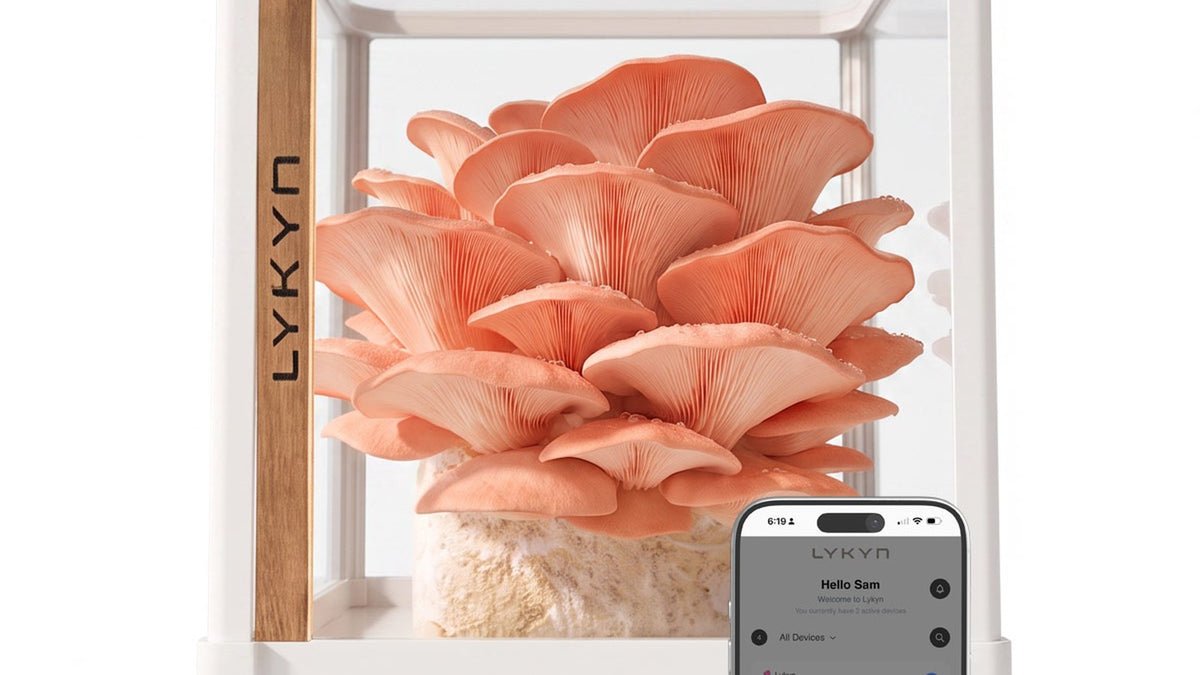
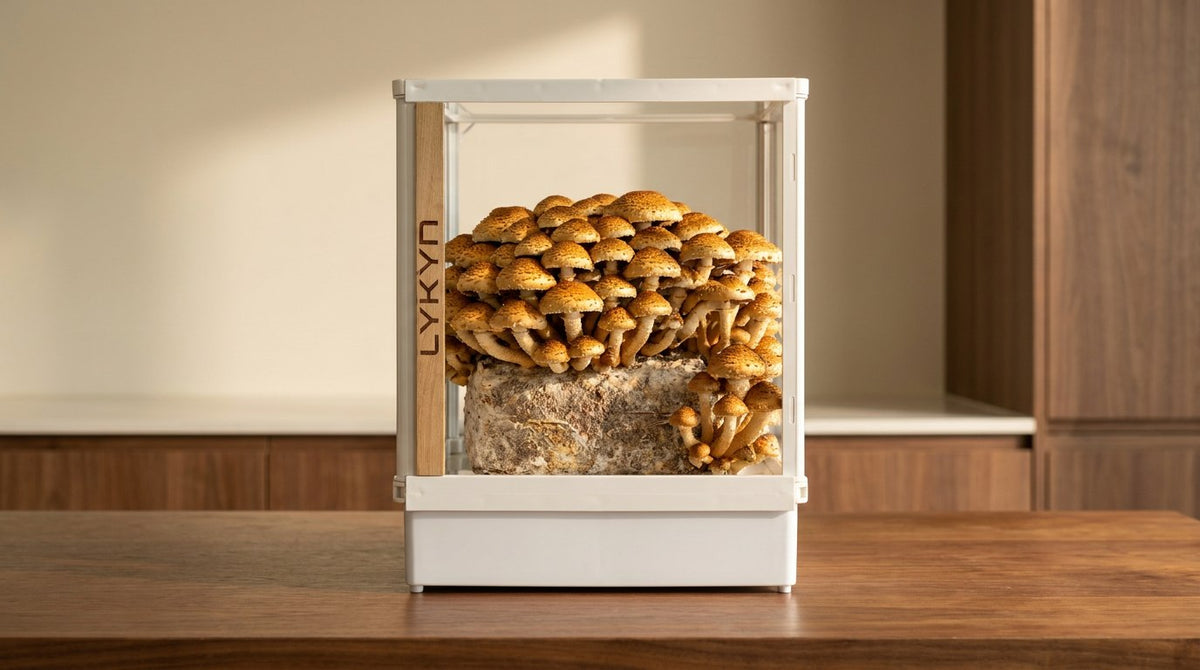
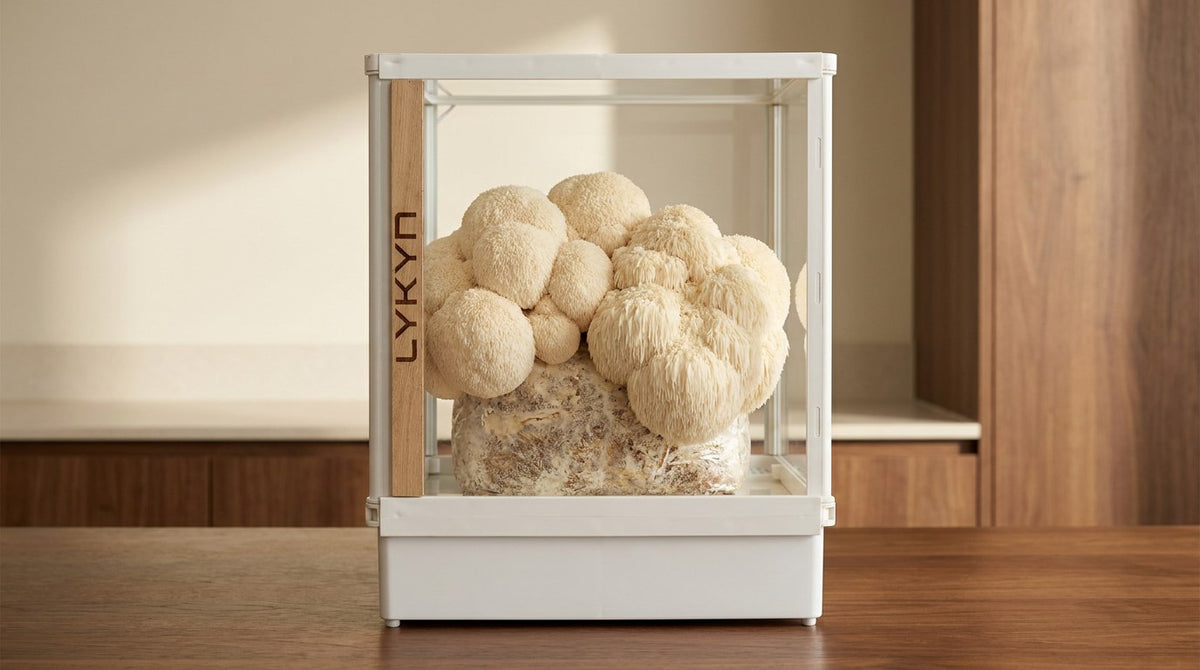
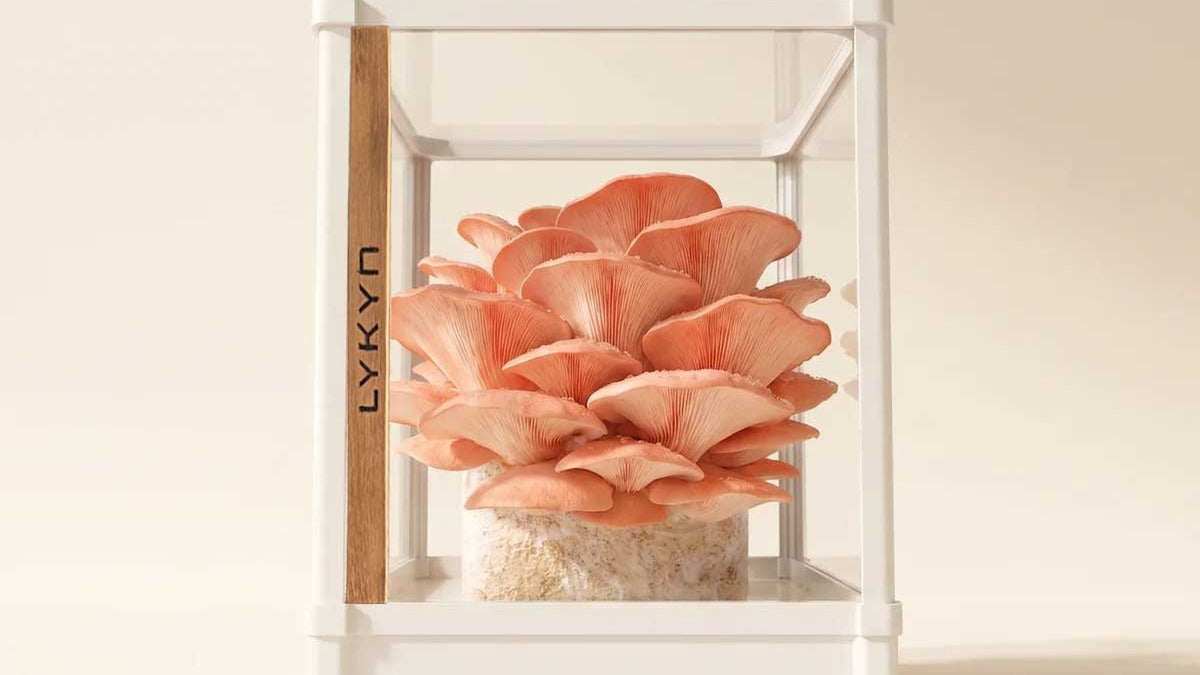
The fungal biology fascinating people about yard mushrooms is the same biology that makes home mushroom growing satisfying. Cultivated mushrooms like oyster, lion's mane, and shiitake are predictable, safe, and tasty. A countertop kit from Lykyn's mushroom grow kits produces edible mushrooms in 5 to 7 days, on a controlled substrate, with no identification risk.
Yard mushrooms come and go with the weather. Rake them, fix the moisture, and remove the food source where you can. If they keep coming back in the same spot, it's the soil telling you something is decomposing underneath. That's the soil's job, and the mushrooms are just the visible evidence.

Share:
Gluten Free Cream of Mushroom Soup From Scratch
Gluten Free Cream of Mushroom Soup From Scratch