


Kikurage mushroom is the dark, rubbery, slightly translucent mushroom you find floating in a bowl of ramen or hot and sour soup. The Japanese name kikurage literally translates to tree jellyfish, and the texture lives up to that: crunchy, slippery, and unlike any other ingredient on a plate. Outside Japan you may know it as wood ear mushroom, cloud ear, black fungus, or by its Chinese name mu er.
Despite the unfamiliar look, kikurage has been a kitchen staple in East Asia for more than 2,000 years. Modern Western interest is growing because of its low calorie count, high fiber content, and emerging research on cardiovascular and digestive benefits. This guide walks through what kikurage is, how to use it, and why it deserves a regular spot in your pantry.
What kikurage actually is
Kikurage refers to a few related species of jelly fungi in the genus Auricularia. The most common are Auricularia auricula-judae (cloud ear or wood ear) and Auricularia polytricha (black wood ear, the slightly thicker variant common in Chinese cooking). They all grow on decaying hardwood logs, especially elder, beech, and other broadleaf trees in temperate and subtropical climates.
Fresh kikurage looks like a soft, ear-shaped sheet of brown-black flesh growing on a log. Dried kikurage is what most stores carry: hard, twisted black flakes that resemble dehydrated leather. Soaked in cool water for 15 to 30 minutes, the dried form expands four to six times its original size into a soft, gelatinous, ready-to-cook ingredient.

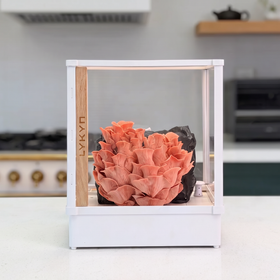
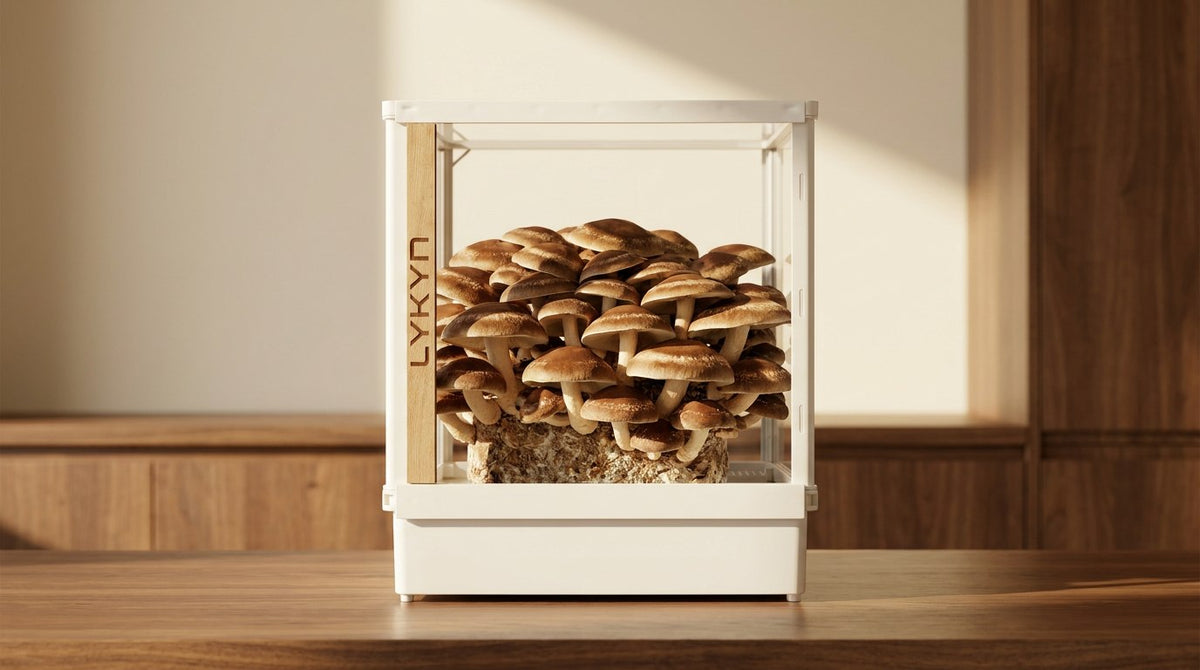
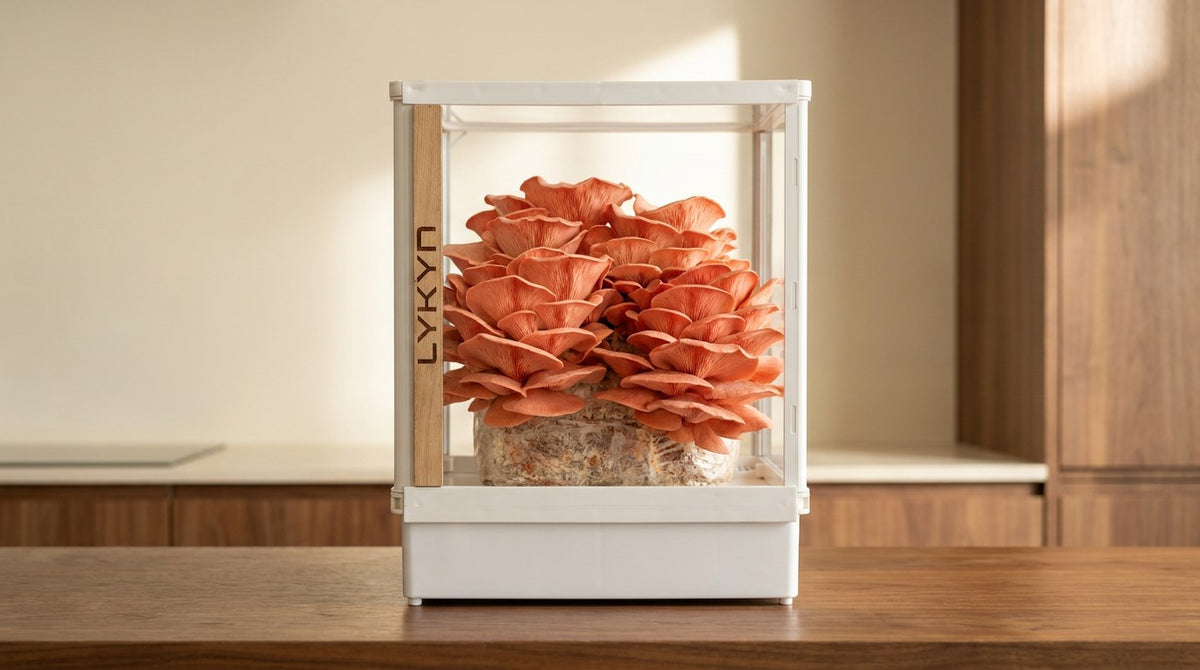
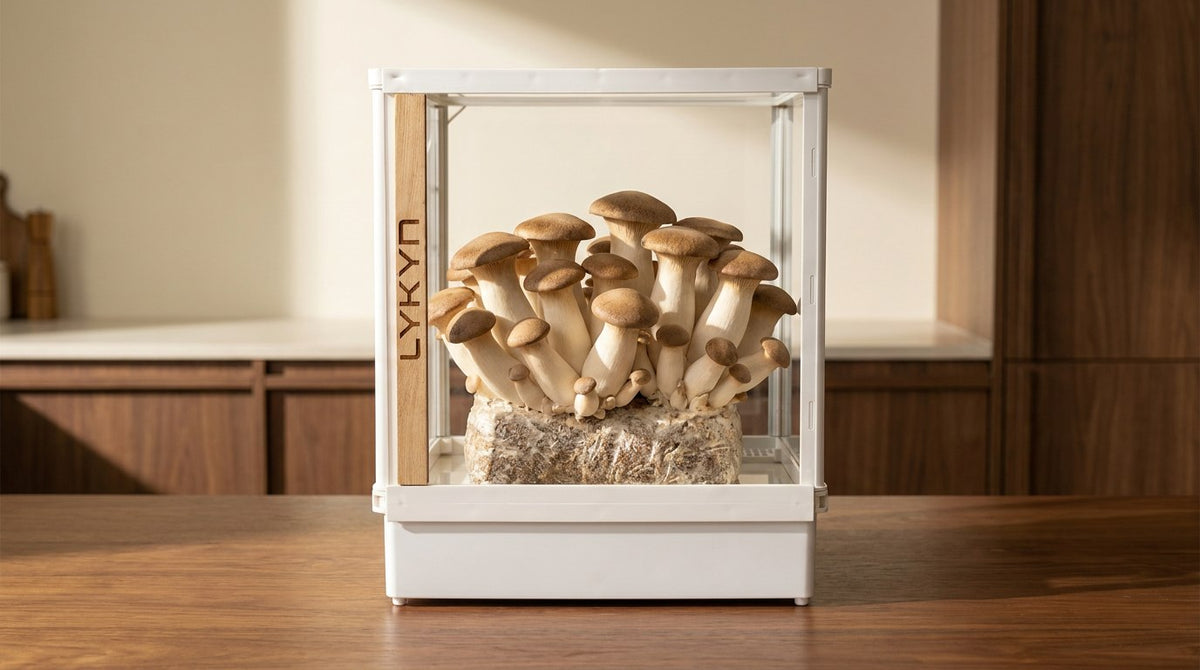
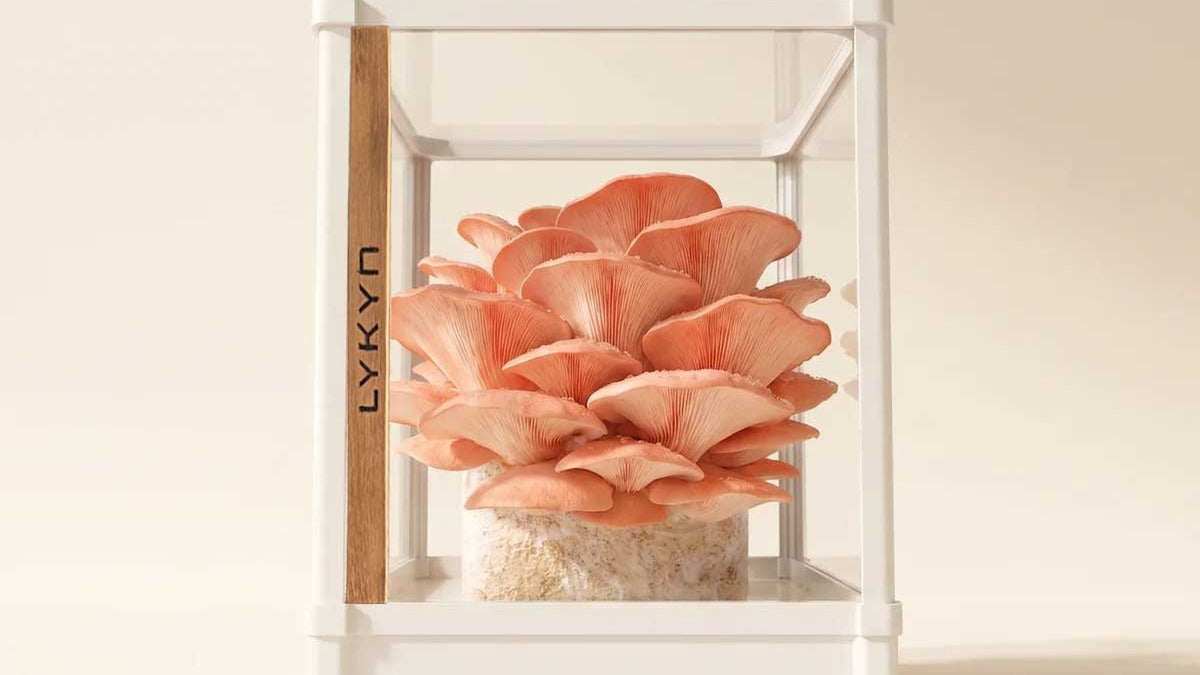
Smart Chamber. Bone White Single
- 2.8L tank, 90% humidity automatic
- App-controlled, plug-and-play
- 6 lb block ceiling, in stock

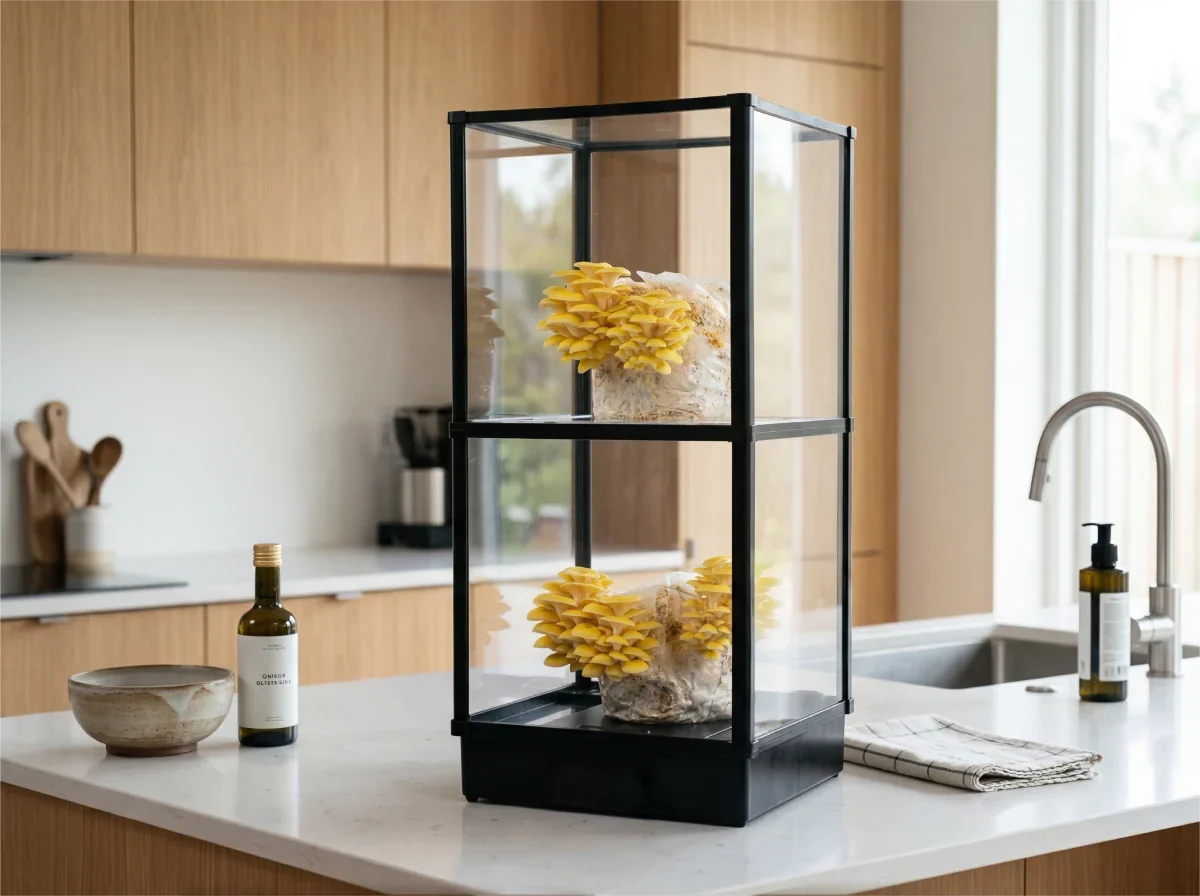
Smart Chamber. Obsidian Black Single
- Same hardware as Bone White
- Matte black premium finish
- Pairs with any kitchen palette

Why kikurage matters in East Asian cooking
Kikurage is rarely the star of a dish, but it earns its place by adding texture. In a bowl of tonkotsu ramen, a few shreds of kikurage provide a contrasting crunch against the soft noodles and rich broth. In Chinese hot and sour soup, it offsets the silky tofu and slippery mushroom strands. In Vietnamese spring rolls, it gives the filling a bite that none of the other ingredients can match.
The flavor of kikurage itself is mild and slightly earthy. It absorbs whatever sauce or broth surrounds it, which is why it shows up across so many regional cuisines without ever dominating.
Nutrition profile of kikurage
Kikurage is one of the most nutrient-dense low-calorie ingredients in the mushroom family. A 100-gram dried serving (which rehydrates to roughly 500 grams of cooked mushroom) provides:
- About 280 calories per 100 grams dried, but only 25 calories per 100 grams rehydrated
- Around 60 grams of dietary fiber per 100 grams dried, much of it soluble
- Significant iron content, roughly 5 to 7 mg per 100 grams dried
- Notable amounts of calcium, magnesium, and potassium
- B-vitamins, particularly riboflavin and pantothenic acid
The fiber content is the headline number. Kikurage is one of the few foods that delivers serious soluble fiber while staying nearly fat-free and protein-light, which makes it useful for digestive health and cholesterol management.

Fuel Your Mushroom Journey
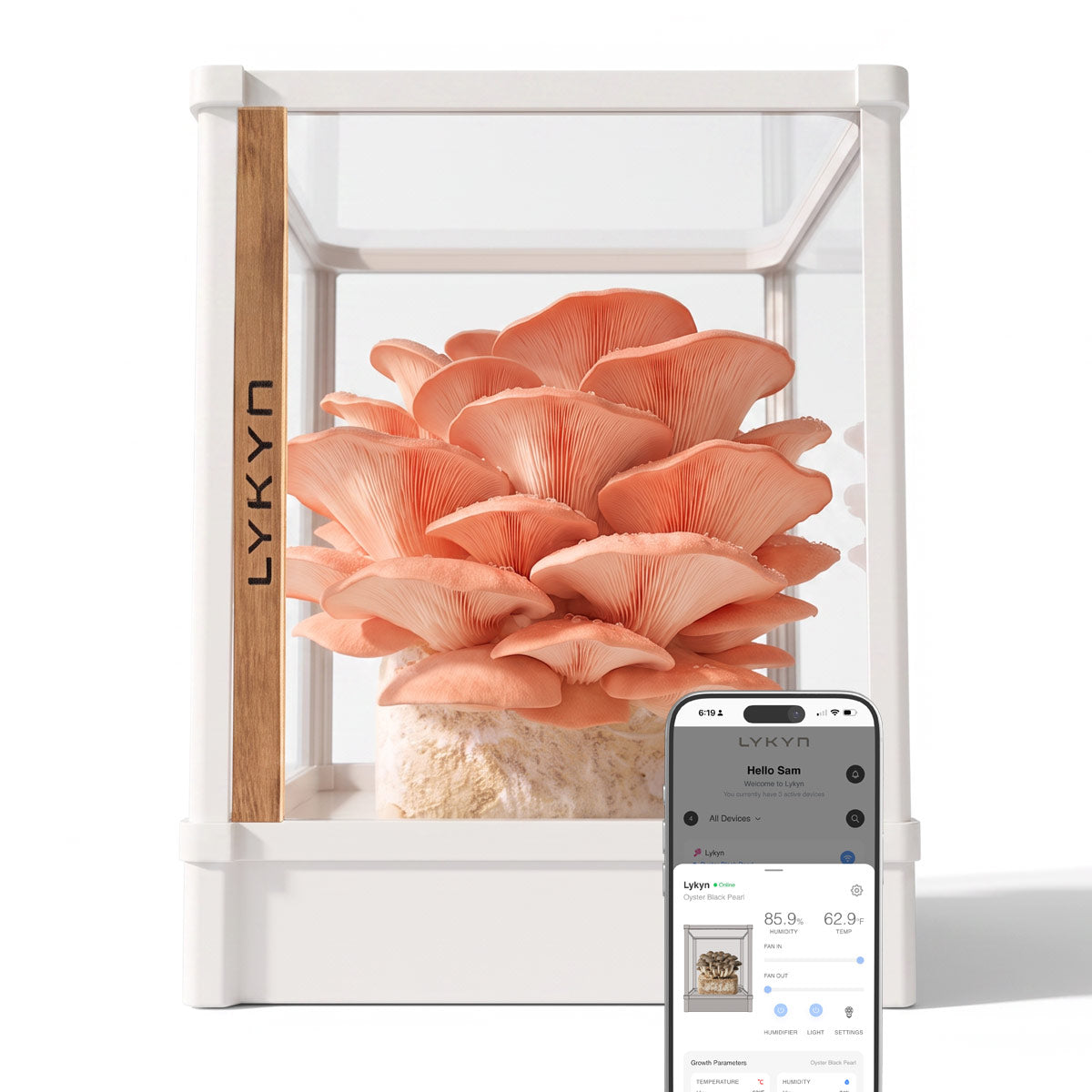
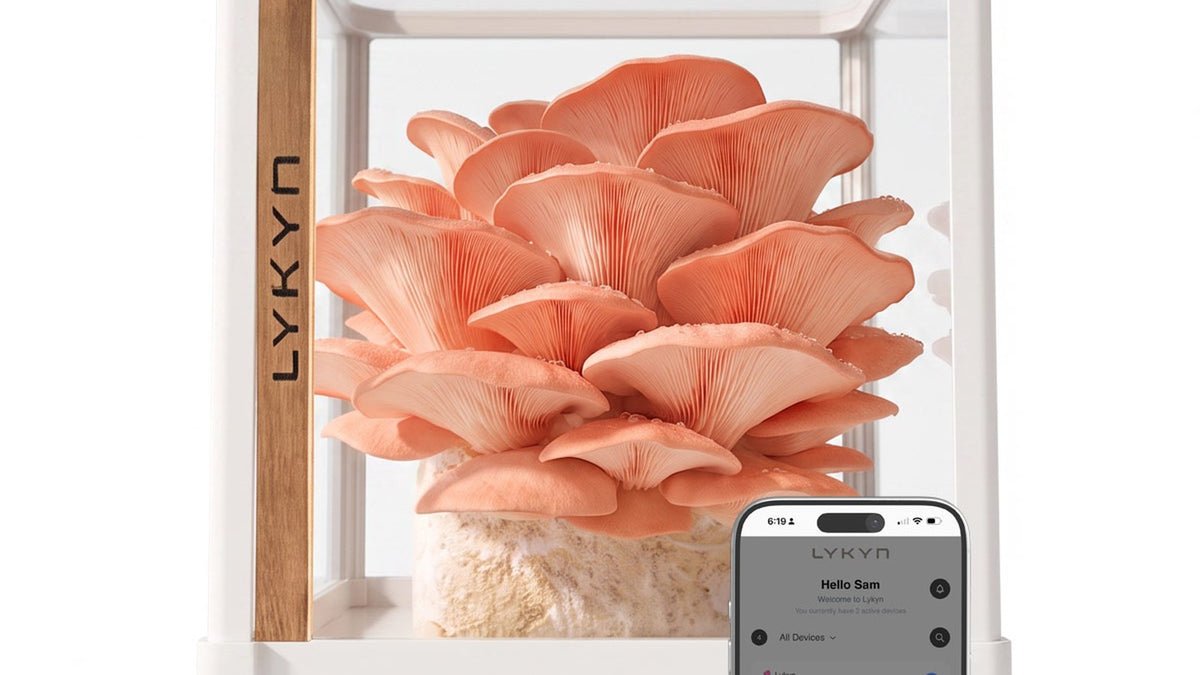
Smart Mushroom Grow Chamber
Plug-and-play smart chamber with humidity, light, and airflow dialed in for every species. Beginners harvest their first flush in days, not months.
Add to cart $299Health research on kikurage
Studies on Auricularia species have explored:
- Anticoagulant properties: kikurage contains compounds that mildly inhibit platelet aggregation, which is why some people on blood-thinning medication should consume large amounts only with medical guidance
- Cardiovascular support: regular consumption is associated with modest reductions in total cholesterol in animal studies
- Gut microbiome benefits: the soluble fiber feeds beneficial bacteria and acts as a prebiotic
- Antioxidant activity: phenolic compounds in kikurage show free-radical scavenging in lab assays
None of these findings make kikurage a medicine, but they do support the long-standing East Asian tradition of treating it as a health-supporting food, particularly for older adults.
How to cook with kikurage
The standard preparation is straightforward:
- Soak dried kikurage in cool water for 15 to 30 minutes until fully soft and expanded
- Drain and rinse to remove any grit caught in the folds
- Trim away any tough stem bases
- Slice into ribbons or smaller pieces depending on the dish
- Add to soups, stir-fries, or salads near the end of cooking so the texture stays crisp
Common dishes to start with: hot and sour soup, tofu and mushroom stir-fry, Vietnamese chicken and wood ear salad, Chinese chilled wood ear with vinegar and chili oil, Japanese ramen toppings, Korean japchae, and steamed chicken with wood ear and lily flowers.
Safety warning: never eat kikurage raw
Kikurage must be soaked and cooked. Eating it dry or improperly soaked has caused severe poisoning in rare cases due to a fungal contaminant called Burkholderia gladioli pathovar cocovenenans, which can grow on improperly stored kikurage and produce a toxin called bongkrek acid. The contamination is rare and country-specific, but the rule of always cooking kikurage and not soaking it longer than a few hours at room temperature is universal kitchen practice.
Buy kikurage from reputable suppliers, store it dry in a sealed container, and discard any rehydrated kikurage that smells off or has been left out overnight.
Fresh vs dried kikurage
Most kitchens use dried. The dried form keeps for years and rehydrates quickly. Fresh kikurage is more delicate, has a softer texture, and a slightly more pronounced flavor, but spoils within a few days of harvest and is rarely available outside specialty Asian markets.
If you want fresh kikurage on a regular basis, growing your own at home is one of the easiest options. Kikurage grows well on hardwood logs and small-format grow kits, and the texture of a fresh-picked kikurage on the same day is a different ingredient from the rehydrated dried version. You can explore home grow kits that include kikurage and other specialty species.
Where to buy kikurage
Asian grocery stores carry dried kikurage at low prices, usually in plastic bags labeled wood ear, black fungus, mu er, or kikurage. A few mainstream supermarkets stock it in the international aisle. Online retailers offer bulk options if you cook with it weekly.
When buying, look for pieces that are fully dried, free of dust or mold, and dark brown to black in color. Avoid bags with broken bits at the bottom, since those indicate rough handling that may have introduced contamination during storage.
The takeaway
Kikurage mushroom is a low-effort upgrade to soups, stir-fries, and salads. The texture is unique, the calorie count is negligible, the fiber content is excellent, and the price is low. Stock a bag of dried kikurage in your pantry alongside dried shiitake, and you have the foundation for most East Asian mushroom-forward dishes ready in minutes.
Share:
Japanese Mushroom Guide: Species, Flavor, and Cooking
Japanese Mushroom Guide: Species, Flavor, and Cooking