


Japanese mushroom is a category, not a single species. Japan is one of the world's mushroom capitals, both in cultivation and in culinary tradition, and the country grows and uses more than a dozen species that show up in supermarkets, ramen shops, and home kitchens. The most famous are shiitake, enoki, shimeji, maitake, and matsutake, each with a distinct flavor, texture, and role in Japanese cooking.
This guide walks through the main Japanese mushroom species, what each one tastes like, when to use it, and where they sit in Japanese nutrition and medicine.
Shiitake (Lentinula edodes)
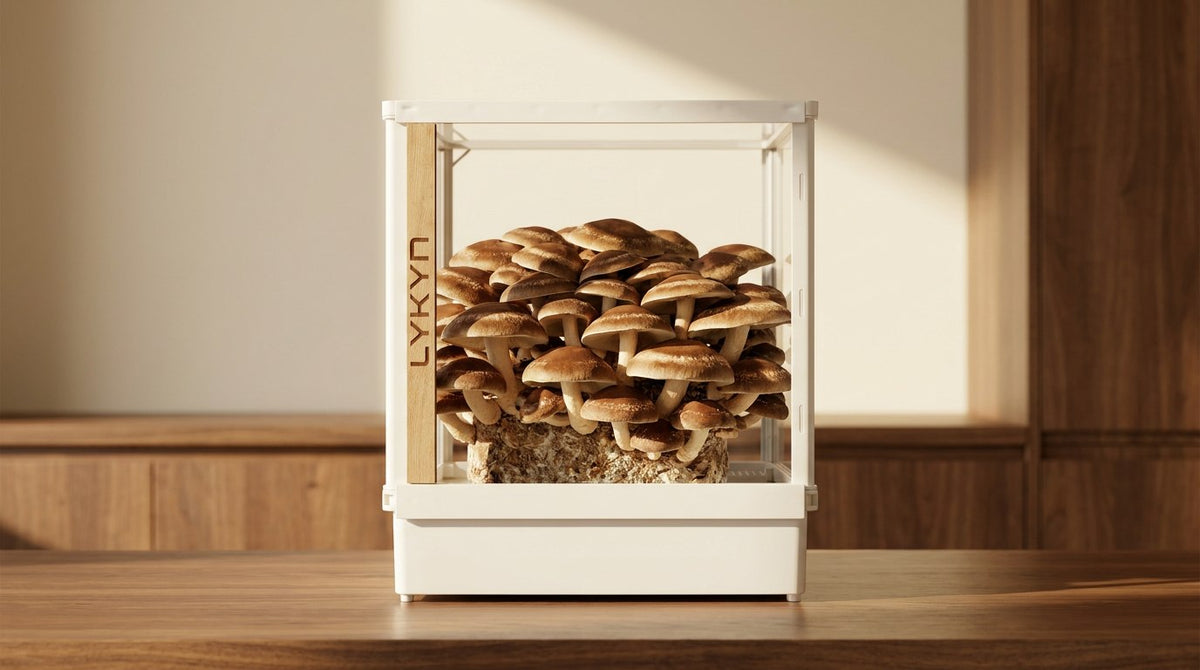
Shiitake is the most globally recognized Japanese mushroom. The name literally translates to mushroom (take) of the shii tree, an evergreen oak that shiitake naturally grow on. Cultivated shiitake comes in two forms: fresh, with plump light-brown caps, and dried (donko), where the cap has thickened and concentrated its umami flavor through slow drying.
Shiitake delivers deep savory notes from compounds like guanylate and lentinic acid, which is why it is one of the foundations of dashi broth alongside kombu seaweed. Nutritionally, it provides B-vitamins, copper, selenium, and beta-glucans. Always cook shiitake fully, since raw or undercooked shiitake can trigger shiitake dermatitis (a temporary itchy rash) in some people.

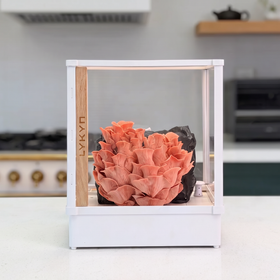
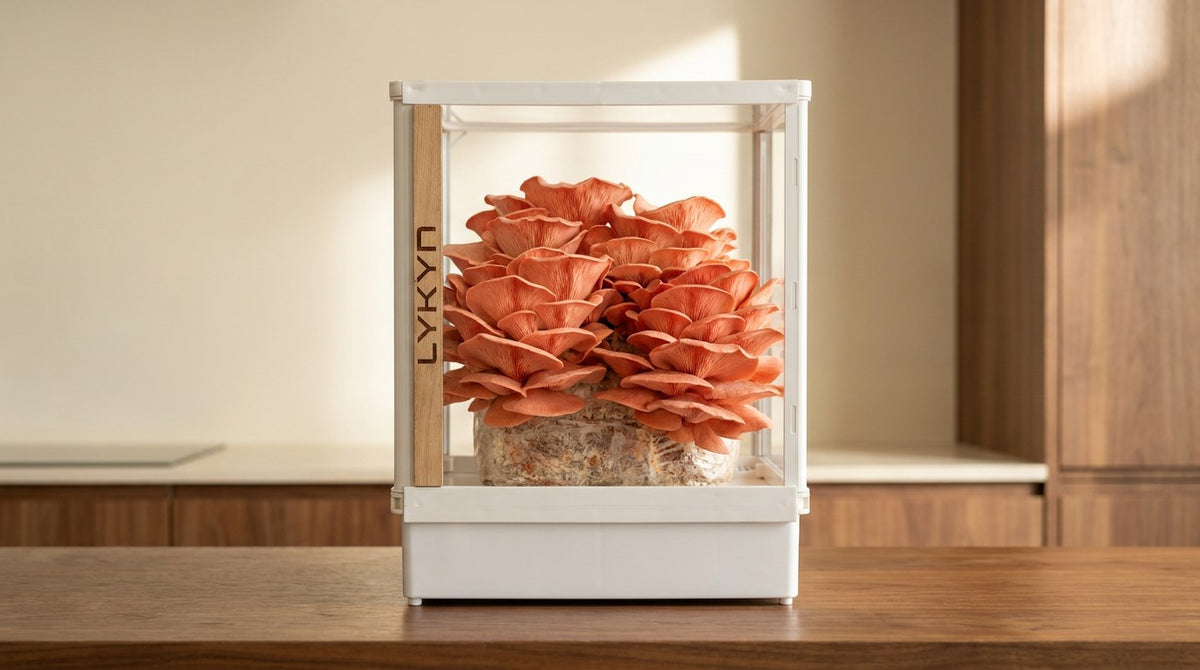
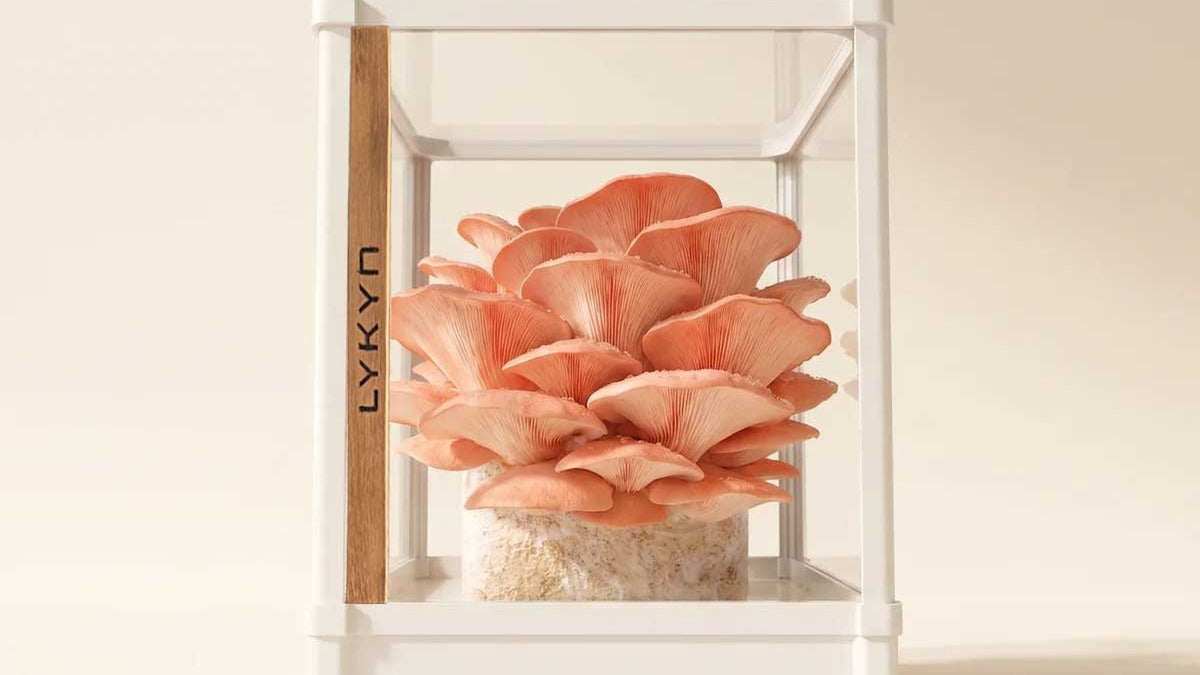
Smart Chamber. Bone White Single
- 2.8L tank, 90% humidity automatic
- App-controlled, plug-and-play
- 6 lb block ceiling, in stock

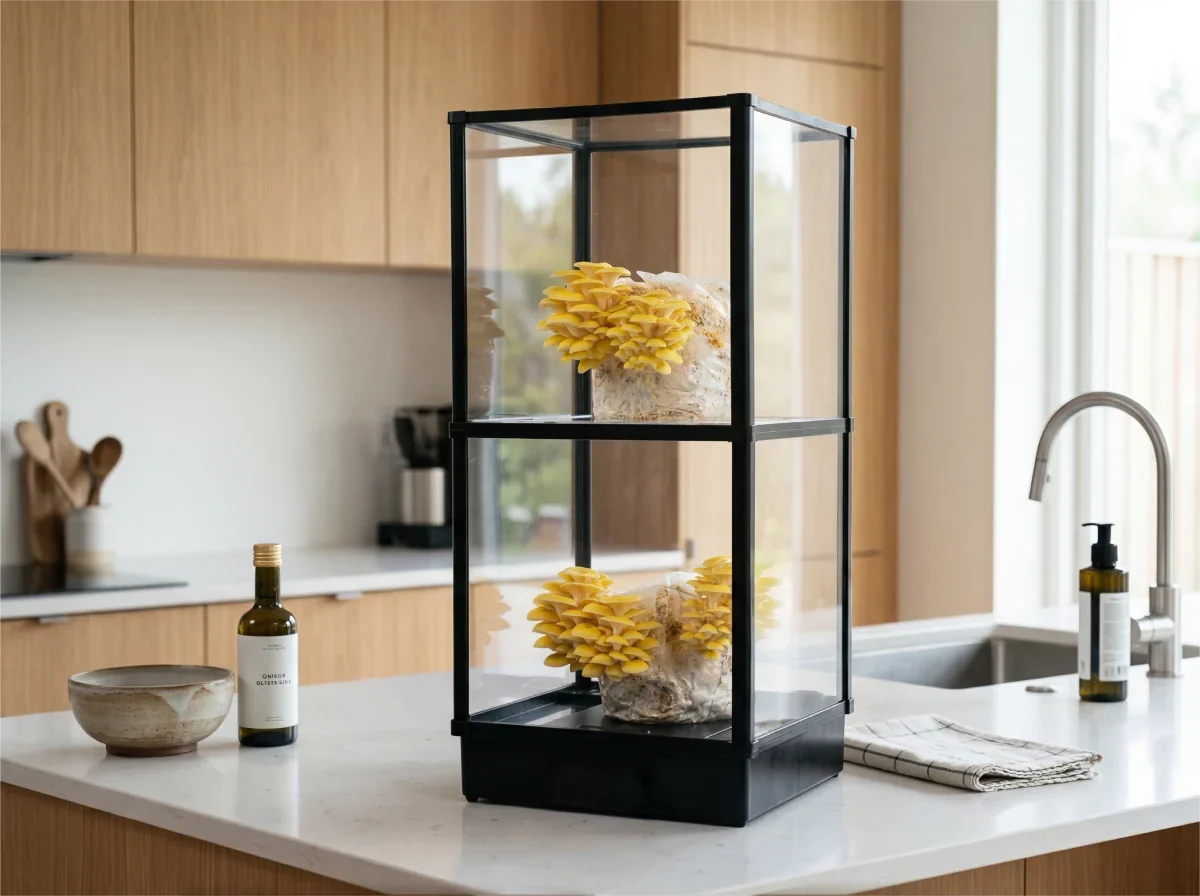
Smart Chamber. Obsidian Black Single
- Same hardware as Bone White
- Matte black premium finish
- Pairs with any kitchen palette

Enoki (Flammulina velutipes)
Enoki are the long, thin, white mushrooms with tiny caps that grow in tight clusters. The cultivated form looks dramatically different from the wild form, which has a brownish cap and shorter stems. Cultivators grow enoki in dark, cool, carbon-dioxide-rich conditions, which forces the mushroom to stretch into the pale long form people recognize.
Enoki are mild, slightly fruity, and have a satisfying crisp-noodle texture. They go into hot pot, ramen, soups, salads, and quick stir-fries. They cook in about a minute. The Japanese name (enokitake) comes from enoki, a Chinese hackberry tree where the wild form grows.
Shimeji (Hypsizygus marmoreus and others)
Shimeji is a small clustered mushroom with a firm white or brown cap and a slightly nutty taste. The two common cultivated varieties are bunashimeji (white-brown beech mushroom) and bunapi (the pure white variant). Shimeji must be cooked, because raw shimeji has a strongly bitter taste that disappears with heat.
The flavor is more pronounced than enoki and pairs especially well with butter, soy sauce, and miso. Shimeji holds its shape during cooking, which makes it useful in stir-fries, pasta dishes, and skewered preparations.
Maitake (Grifola frondosa)
Maitake means dancing mushroom in Japanese, reportedly because foragers used to dance with joy upon finding a wild cluster. The mushroom grows in large feathered clumps at the base of oak trees and is one of the most prized wild Japanese mushrooms, though it is now widely cultivated.
Maitake has a rich, slightly peppery flavor and a tender layered texture. It is one of the most studied medicinal mushrooms, with research interest around its beta-glucan compounds and immune-modulating effects. In cooking, it stars in tempura, mixed rice dishes (kayaku gohan), and clear soups. The Japanese also use it in modern pasta and pizza dishes.

Fuel Your Mushroom Journey
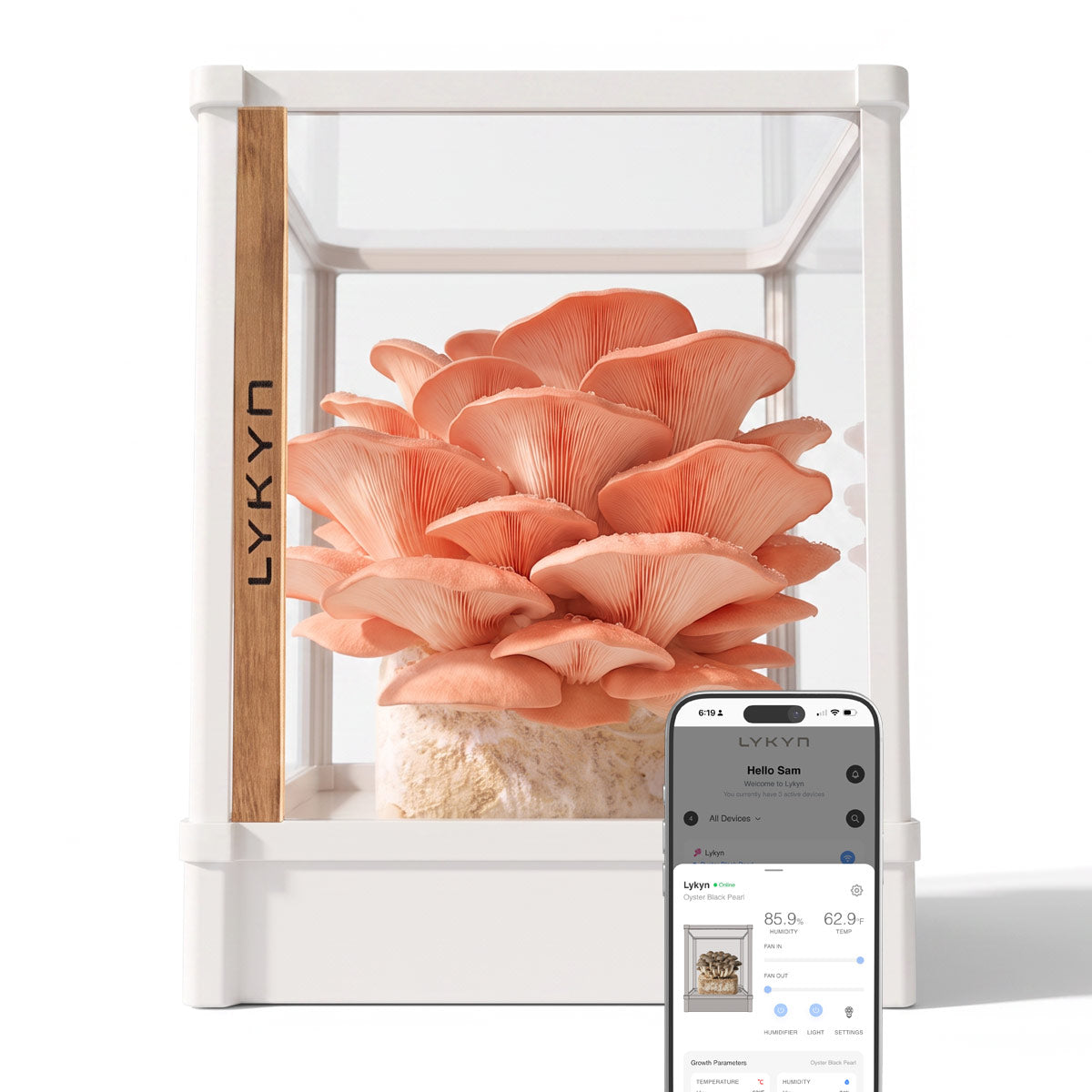
Smart Mushroom Grow Chamber
Plug-and-play smart chamber with humidity, light, and airflow dialed in for every species. Beginners harvest their first flush in days, not months.
Add to cart $299Matsutake (Tricholoma matsutake)
Matsutake is the rarest and most expensive Japanese mushroom. It grows in symbiosis with red pine roots in autumn, and despite decades of attempts, it has never been successfully cultivated. Wild matsutake harvests have declined sharply over the past 60 years due to forest changes, which is why prices regularly run into the hundreds of dollars per pound.
The flavor is unmistakable: a spicy, pine-like, almost cinnamon aroma that is so distinctive it has its own descriptor in Japanese culinary writing. Matsutake is featured in dobin mushi (a clay-pot soup), matsutake gohan (rice cooked with matsutake), and grilled preparations where minimal seasoning lets the aroma carry the dish.
Eringi (Pleurotus eryngii)
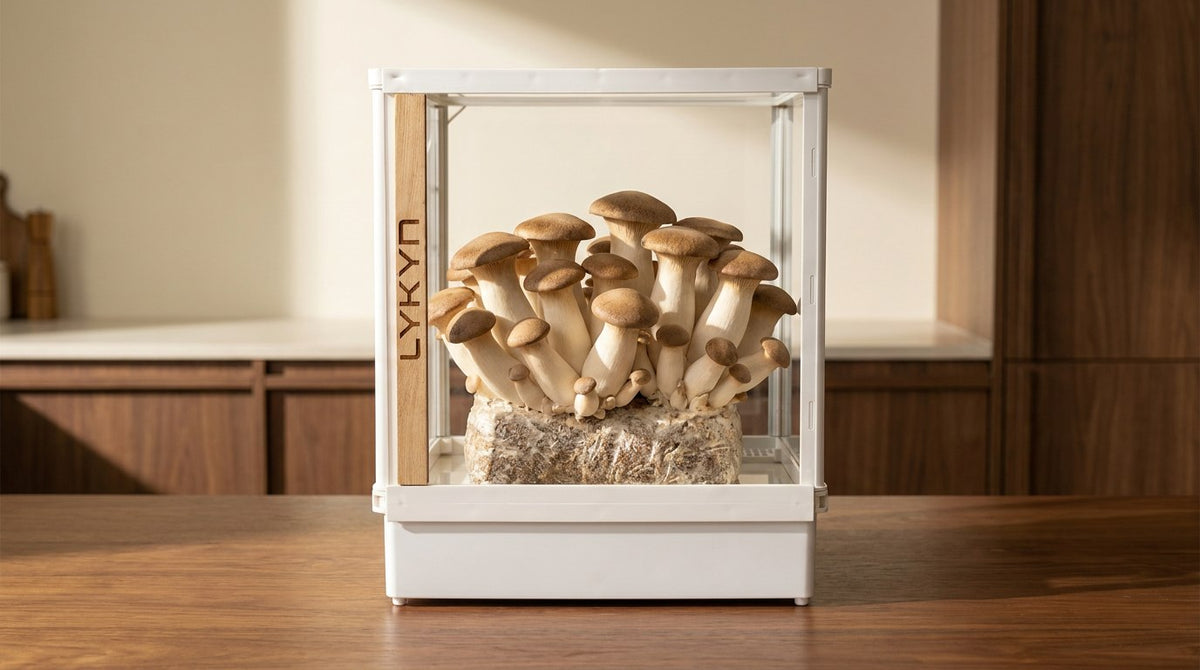
Also called king trumpet or king oyster, eringi has a thick white stem with a small brown cap. It is one of the meatiest cultivated mushrooms and is often described as a vegetarian substitute for scallops or abalone because of its dense texture and umami-savory flavor. Eringi takes well to grilling, searing, and slicing into rounds that mimic seafood.
Nameko (Pholiota microspora)
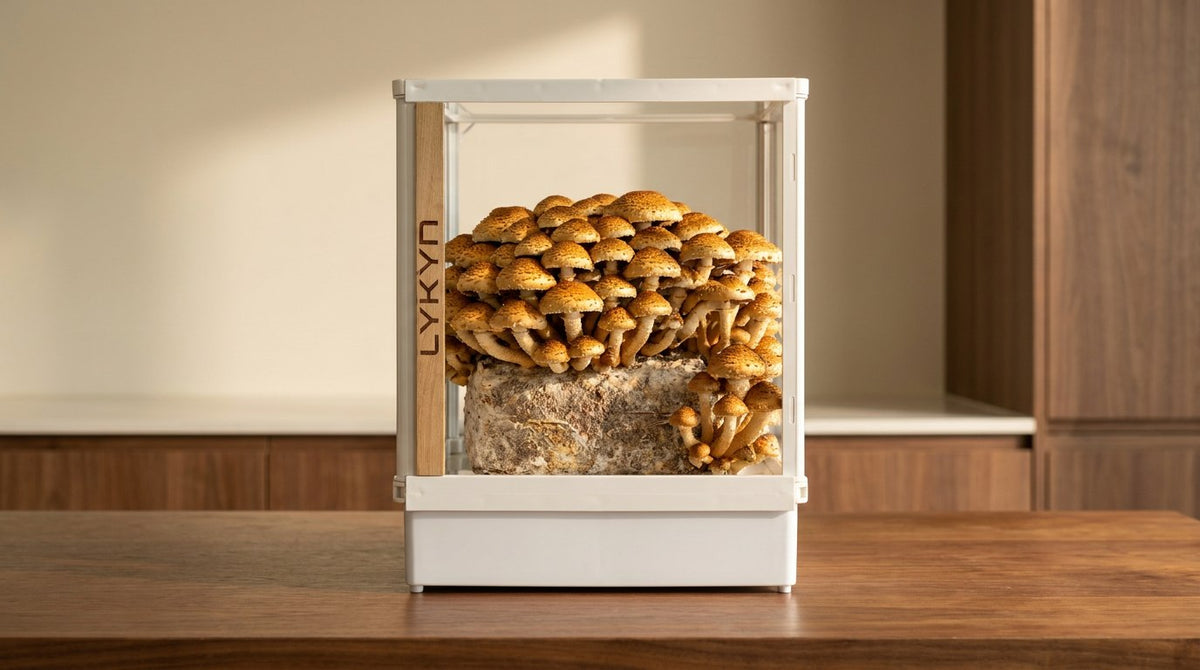
Nameko is a small orange-brown mushroom covered in a natural gelatinous coating. The coating dissolves into a silky texture when cooked, which is why nameko is most often used in miso soup and savory soba dishes. The flavor is nutty and slightly earthy.
Kikurage (Auricularia auricula-judae)
Kikurage, also called wood ear mushroom, is a black or brown gelatinous fungus that grows on dead hardwood. In Japanese cooking it usually appears in ramen, hot and sour soup, and Chinese-influenced stir-fries. Always cook kikurage fully and never eat it dry or raw.
Nutrition and medicinal use
Japanese culture has integrated mushrooms into food and medicine for over a thousand years. Modern research has confirmed several health-related properties:
- Beta-glucans in shiitake, maitake, and enoki support immune function in published studies
- Eritadenine in shiitake has been linked to lower blood cholesterol
- Polysaccharides in maitake (specifically the D-fraction) are an active research target for cancer-supportive care
- Mushrooms in general are low calorie, rich in B-vitamins, and a meaningful plant source of vitamin D when sun-exposed
The Japanese diet's regular inclusion of mushrooms is often cited in research on Okinawan longevity.
How to cook Japanese mushrooms
A few rules apply across the species:
- Cook everything except where a specific dish calls for a raw garnish
- Slice or tear by hand rather than washing, to preserve texture
- Use high heat and a small amount of oil to drive off water first, then add seasoning
- Pair with soy, miso, mirin, butter, or sesame to amplify umami
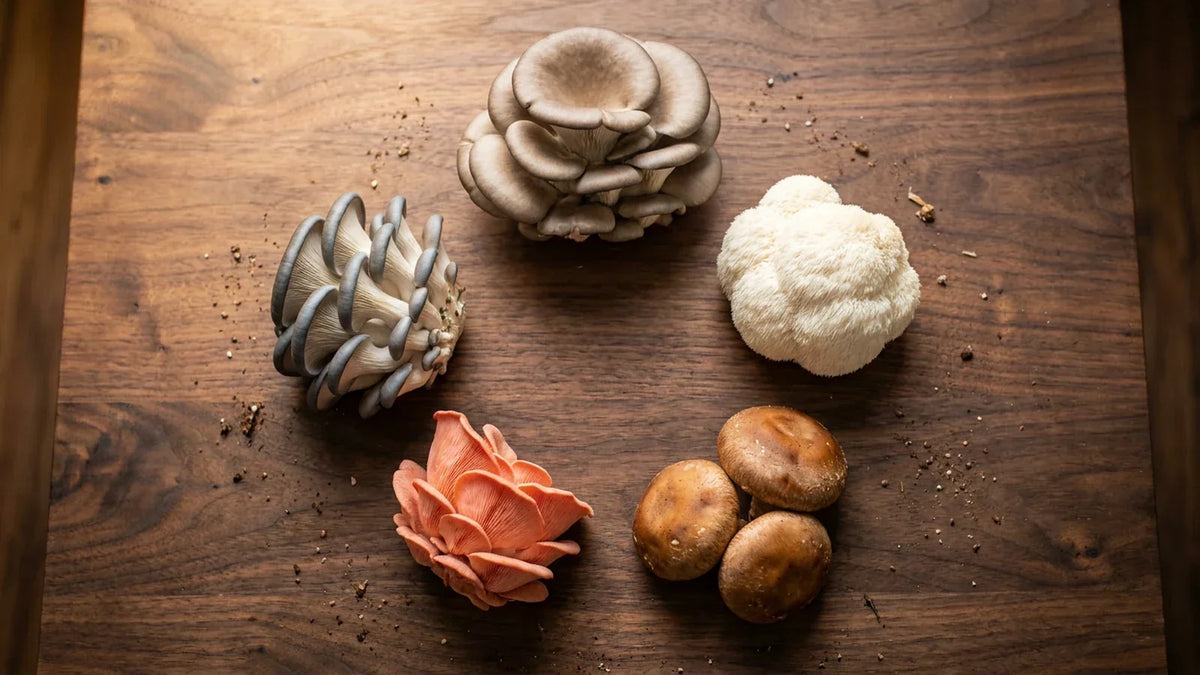
If you want consistent access to specialty mushrooms without a Japanese grocery nearby, growing your own at home is one of the best ways to get fresh shiitake, oyster, or lion's mane on demand. A countertop grow kit gives you control over freshness, and the harvest is ready in days rather than weeks. You can explore home grow kits that handle the substrate and environment for you.
Where to buy Japanese mushrooms
Asian groceries carry the broadest selection, often fresh enoki, shimeji, and shiitake year-round, with seasonal maitake and matsutake during fall. Mainstream supermarkets usually carry shiitake and sometimes enoki and maitake. For dried varieties, look online for specialty importers that sell donko shiitake from Japan or China.
Share:
Kikurage Mushroom: Wood Ear Uses, Nutrition, and Cooking
Kikurage Mushroom: Wood Ear Uses, Nutrition, and Cooking