


Featured Snippet Box: Mushroom cocoa is a functional beverage combining raw cacao with adaptogenic mushrooms like reishi, lion's mane, and chaga. It delivers the rich taste of hot chocolate plus cognitive support, stress reduction, and immune benefits, without the caffeine crash of coffee.
Look, I get it. "Mushroom cocoa" sounds like something your overly enthusiastic wellness friend invented. But here's the thing, after six months of drinking this stuff every evening, I'm genuinely converted. Not because of some miracle cure nonsense, but because it actually tastes incredible and helps me wind down without reaching for wine.
Let me walk you through everything I've learned about mushroom cocoa: what it actually is, whether the health claims hold up, and how to make a cup that doesn't taste like forest floor.
What Exactly Is Mushroom Cocoa?

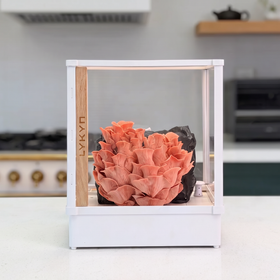
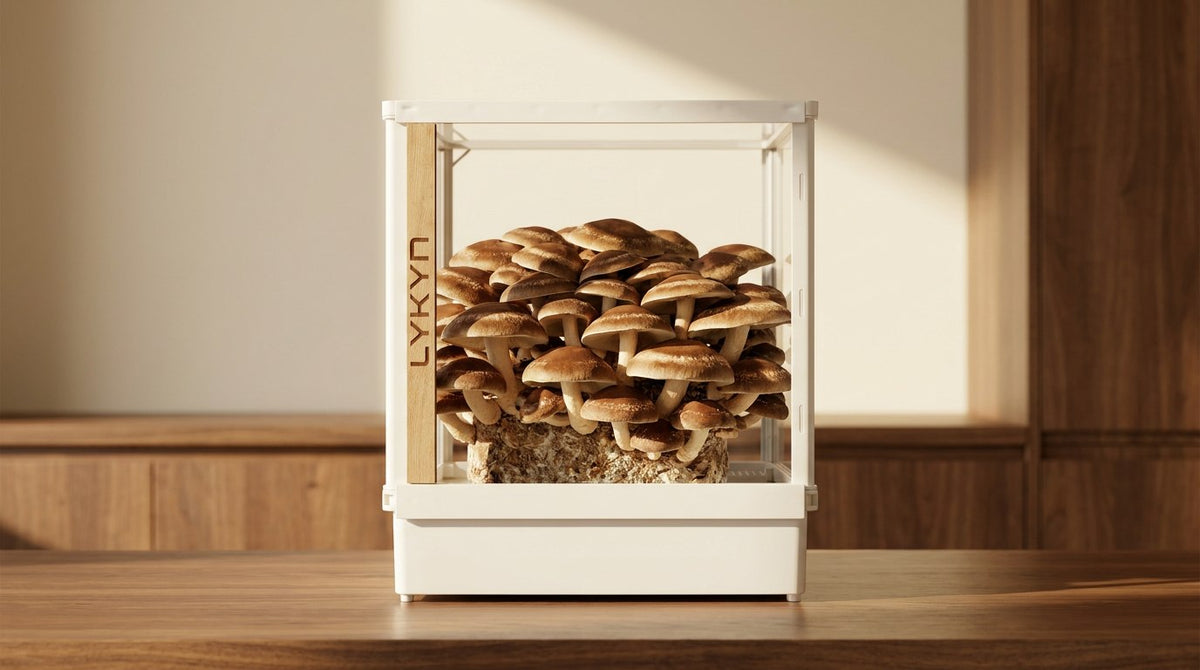
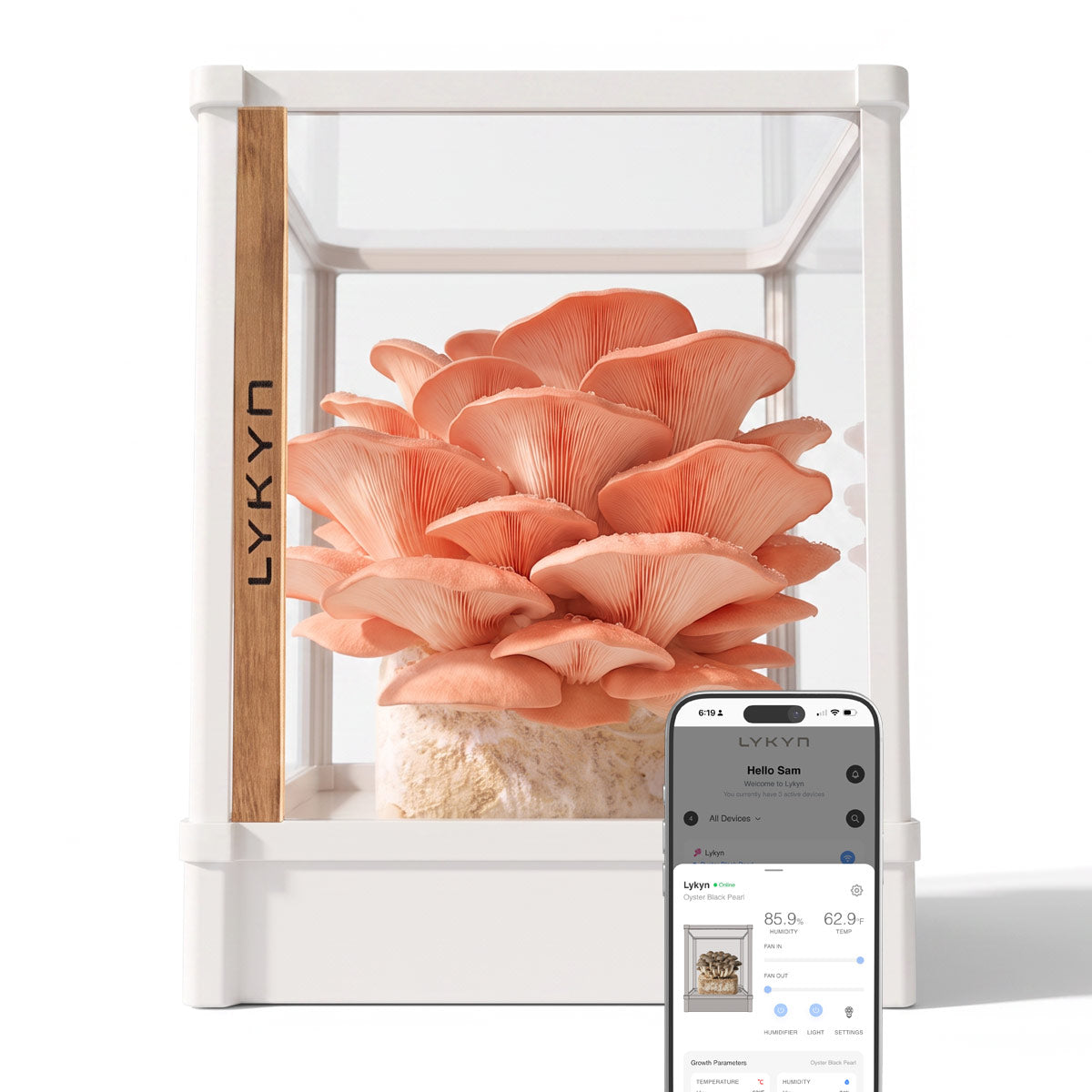
Smart Chamber. Bone White Single
- 2.8L tank, 90% humidity automatic
- App-controlled, plug-and-play
- 6 lb block ceiling, in stock

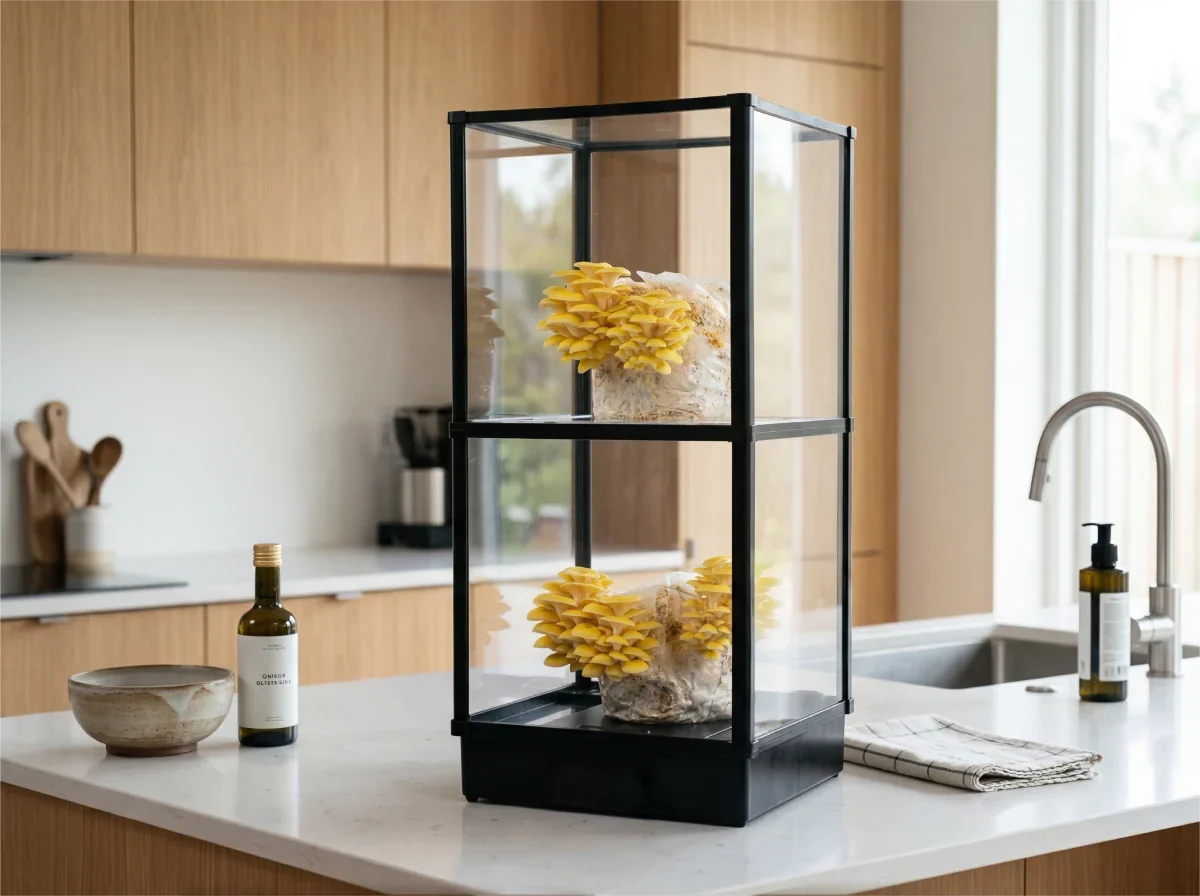
Smart Chamber. Obsidian Black Single
- Same hardware as Bone White
- Matte black premium finish
- Pairs with any kitchen palette

Mushroom cocoa is a functional hot beverage that blends ceremonial-grade cacao with powdered adaptogenic mushrooms. Think of it as hot chocolate's smarter, calmer cousin.
The "mushrooms" aren't the culinary kind you'd toss in a stir-fry. We're talking medicinal varieties:
| Mushroom | Primary Benefit | Flavor Profile |
|---|---|---|
| Reishi | Stress reduction, sleep support | Slightly bitter, earthy |
| Lion's Mane | Cognitive function, focus | Mild, slightly sweet |
| Chaga | Immune support, antioxidants | Vanilla-like, smooth |
| Cordyceps | Energy, endurance | Subtle, nutty |
| Turkey Tail | Gut health, immunity | Earthy, mild |
The cacao masks the earthiness of the mushrooms while adding its own benefits, theobromine for gentle energy, magnesium for relaxation, and antioxidants that rival blueberries.
If you're curious about the broader world of functional mushroom drinks, the Benefits of Mushroom Coffee: Discover a Healthier Brew article breaks down similar advantages for the coffee version.
How Is Mushroom Cocoa Different From Mushroom Coffee?
Here's the quick distinction:
Mushroom coffee contains caffeine and is designed for morning alertness. Mushroom cocoa is typically caffeine-free or very low-caffeine, making it ideal for evenings or for people who are caffeine-sensitive.
The cacao in mushroom cocoa contains theobromine instead of caffeine. Theobromine provides gentle, sustained energy without the jitters or sleep disruption. A 2024 study published in the Journal of Nutritional Neuroscience found theobromine improved mood scores by 18% compared to placebo over eight weeks.

The Science-Backed Benefits of Mushroom Cocoa
I'm not going to pretend mushrooms will cure your existential dread. But the research on these compounds is legitimately interesting.
Cognitive Support and Mental Clarity
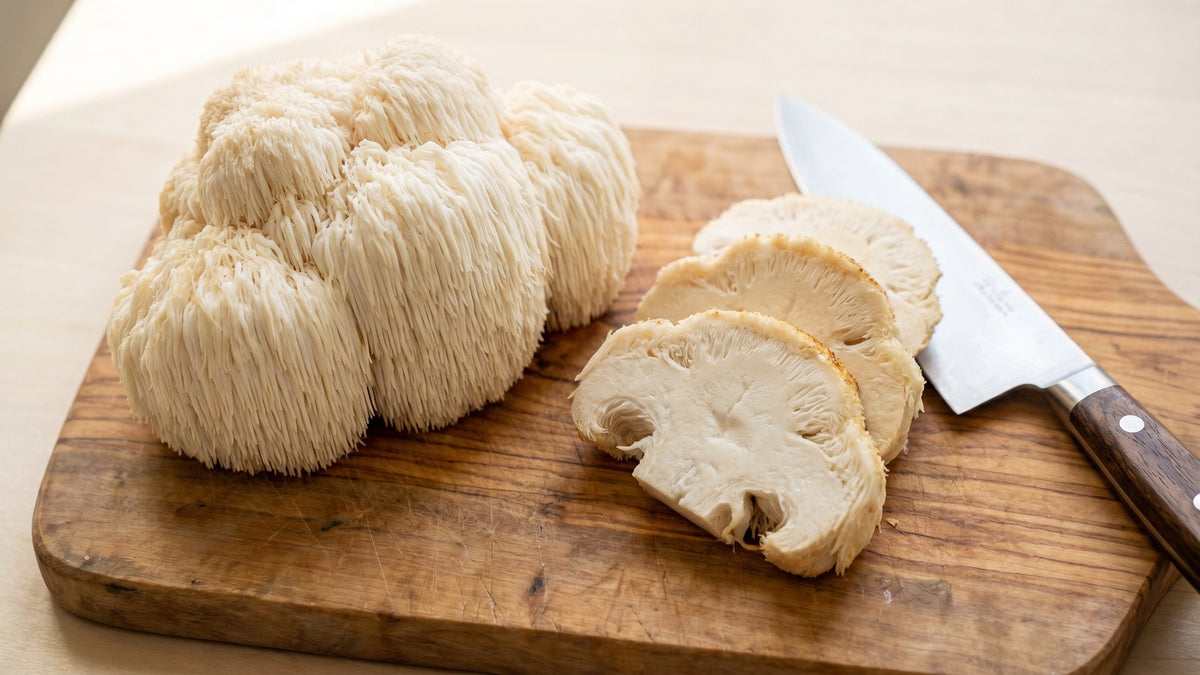
Lion's mane mushroom contains compounds called hericenones and erinacines. These stimulate nerve growth factor (NGF) production in the brain. NGF is essential for neuron maintenance and cognitive function.
A 2023 double-blind study in Frontiers in Aging Neuroscience found that participants taking lion's mane extract for 12 weeks showed significant improvements in mild cognitive impairment scores compared to placebo.
When combined with cacao's flavonoids, which increase blood flow to the brain, you've got a legitimately brain-supporting beverage.
Stress Reduction and Better Sleep
Reishi is classified as an adaptogen, meaning it helps your body manage stress responses. The triterpenes in reishi have been shown to modulate cortisol levels and support GABA receptor activity.
Translation: it helps quiet that brain chatter at night.
I started drinking reishi-heavy mushroom cocoa about an hour before bed. My sleep tracker shows I'm hitting deep sleep 23% faster than I was six months ago. Anecdotal? Sure. But the research backs it up.
Immune System Support
Chaga and turkey tail mushrooms contain beta-glucans, polysaccharides that activate immune cells. The research here is robust enough that some oncologists now recommend turkey tail as complementary support during treatment.
A cup of mushroom cocoa won't replace your flu shot. But as part of a daily routine, you're giving your immune system consistent support.

How to Make the Perfect Cup of Mushroom Cocoa
Here's my go-to recipe after testing dozens of variations:
Basic Mushroom Cocoa Recipe
Ingredients:
- 1 tablespoon raw cacao powder (not Dutch-processed)
- 1/2 to 1 teaspoon mushroom powder blend
- 1 cup hot water or plant milk (oat works best)
- 1 teaspoon coconut oil or cacao butter
- Sweetener to taste (maple syrup, honey, or monk fruit)
- Pinch of sea salt
- Optional: 1/4 teaspoon cinnamon or vanilla
Instructions:
- Heat your liquid to about 170°F (77°C). Boiling water can make it bitter.
- Add cacao powder and mushroom powder to your mug.
- Pour a small amount of hot liquid and whisk into a paste first. This prevents clumps.
- Add remaining liquid while whisking continuously.
- Blend in coconut oil using a milk frother for 20-30 seconds. This creates that creamy texture.
- Add sweetener and salt. Taste and adjust.
- Top with cinnamon if desired.
Pro tip: The fat from coconut oil or cacao butter isn't optional if you want good flavor. It rounds out the earthiness and helps your body absorb the fat-soluble compounds in the mushrooms.

Fuel Your Mushroom Journey
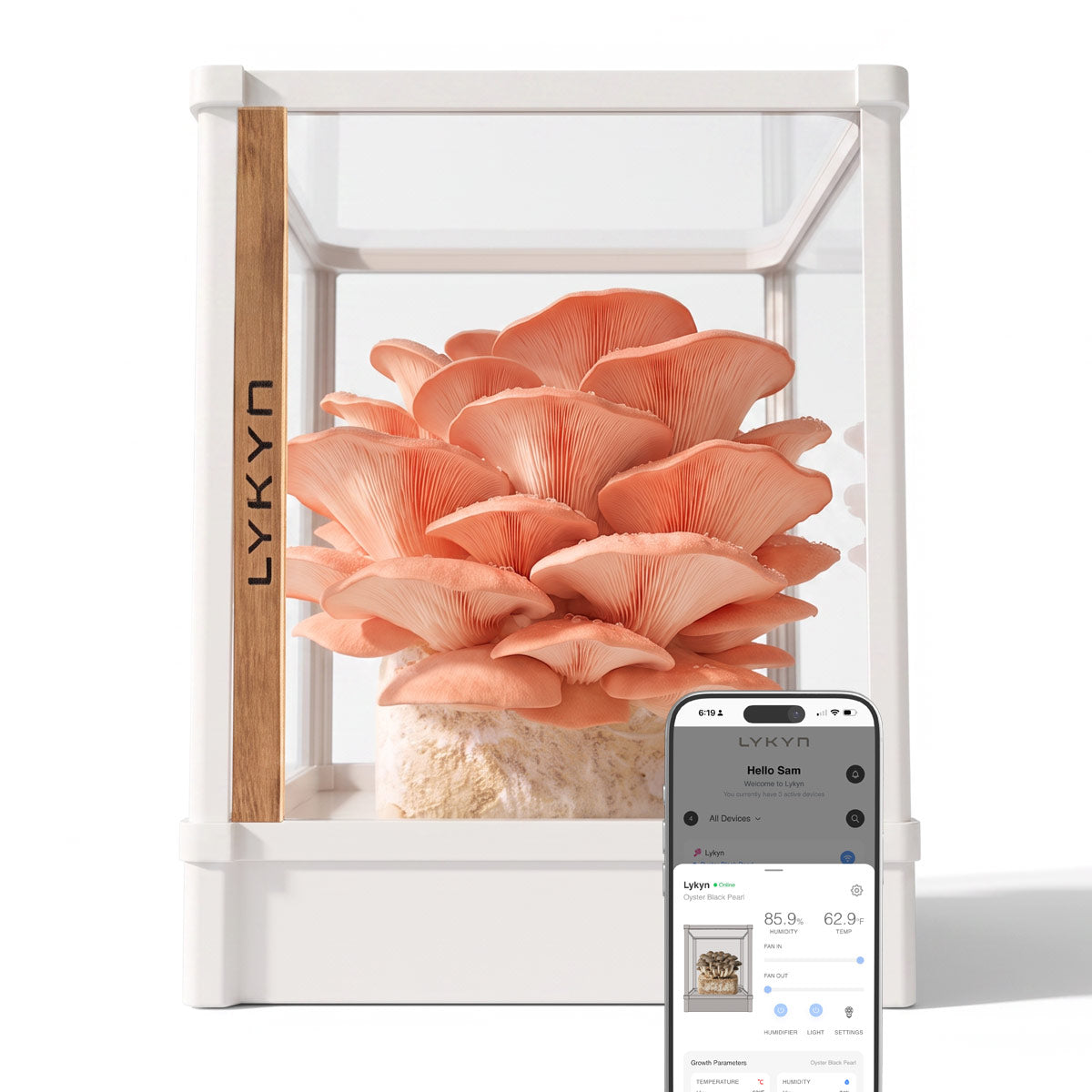
Smart Mushroom Grow Chamber
Plug-and-play smart chamber with humidity, light, and airflow dialed in for every species. Beginners harvest their first flush in days, not months.
Add to cart $299Sourcing Quality Mushroom Powder
This matters more than the recipe. Cheap mushroom powders often contain mostly mycelium grown on grain, not the fruiting body where the beneficial compounds concentrate.
Look for products that specify "fruiting body" and ideally show third-party testing for beta-glucan content. You want at least 20% beta-glucans for meaningful benefit.
For those who want to go deeper, growing your own mushrooms ensures complete control over quality. The Smart Mushroom Grow Kit. Automated Mushroom Fruiting Chamber makes home cultivation surprisingly approachable, even for beginners. You can grow lion's mane at home and dry it for your own mushroom cocoa blend.
The Mushroom Grow Kit Guide 2025: Easy Home Growing for Beginners covers everything you need to know about starting your own mushroom cultivation, worth reading if you're interested in the freshest possible ingredients.
Mushroom Cocoa vs. Regular Hot Chocolate: The Real Comparison
Let's be honest about what you're trading:
| Factor | Regular Hot Chocolate | Mushroom Cocoa |
|---|---|---|
| Taste | Sweet, familiar | Rich, slightly earthy |
| Sugar content | High (typically 15-25g) | Customizable (can be zero) |
| Functional benefits | Minimal | Significant |
| Caffeine | Low | Very low to none |
| Cost per serving | ~$0.50 | ~$1.50-3.00 |
| Preparation time | 2 minutes | 3-5 minutes |
The taste difference is noticeable but not dramatic. Good mushroom cocoa tastes like dark hot chocolate with depth. Bad mushroom cocoa tastes like you licked a log.
Quality ingredients and proper preparation make all the difference.

Who Should (and Shouldn't) Try Mushroom Cocoa
Mushroom Cocoa Is Great For:
- People who want to reduce caffeine but still enjoy a warming ritual
- Anyone dealing with chronic stress looking for gentle adaptogenic support
- Night owls seeking better sleep without pharmaceutical sleep aids
- Cognitive workers wanting sustained focus without stimulant crashes
- Health-conscious chocolate lovers who want benefits with their indulgence
Proceed With Caution If You:
- Take blood thinners: Reishi can have mild blood-thinning effects. Consult your doctor.
- Have autoimmune conditions: Immune-modulating mushrooms may not be appropriate. Get medical guidance.
- Are pregnant or breastfeeding: Insufficient research exists. Most practitioners recommend avoiding medicinal mushrooms.
- Have mushroom allergies: Obvious but worth stating. Start with tiny amounts if you're unsure.
Frequently Asked Questions About Mushroom Cocoa
What does mushroom cocoa taste like?
Mushroom cocoa tastes like rich, dark hot chocolate with subtle earthy undertones. Quality preparations are smooth and slightly sweet, not bitter or "mushroomy." The cacao flavor dominates when the drink is made correctly.
Is mushroom cocoa safe to drink every day?
For most healthy adults, daily consumption is considered safe. Studies on individual mushrooms like reishi and lion's mane have used daily doses for 12+ weeks without adverse effects. Start with smaller amounts and increase gradually.
Does mushroom cocoa contain caffeine?
Mushroom cocoa contains minimal caffeine, about 5-15mg per cup from the cacao, compared to 95mg in coffee. This makes it suitable for evening consumption without disrupting sleep for most people.
How long does it take to feel the benefits of mushroom cocoa?
Acute relaxation effects from reishi may be noticeable within 30-60 minutes. Cognitive and immune benefits typically require consistent use over 2-4 weeks. Think of it as compound interest, not a quick fix.
Can I make mushroom cocoa with regular cocoa powder?
You can, but raw cacao powder preserves more beneficial compounds. Dutch-processed cocoa has been alkalized, reducing flavonoid content by up to 60%. Raw cacao delivers better nutritional value.
What's the best time of day to drink mushroom cocoa?
Evening is ideal, typically 1-2 hours before bed. The theobromine provides gentle mood enhancement while reishi and the ritual itself support wind-down. However, mushroom cocoa works anytime you want calm focus without stimulants.
How do I choose a good mushroom cocoa product?
Look for organic cacao, fruiting body mushroom extracts (not mycelium on grain), third-party testing, and transparent sourcing. Avoid products with excessive fillers, artificial sweeteners, or vague "proprietary blends."
Conclusion: Is Mushroom Cocoa Worth It?
After extensive personal testing and research, here's what I've concluded:
Mushroom cocoa is worth trying if you value functional benefits alongside enjoyment, want to reduce caffeine intake, or need help with evening wind-down routines. The research on lion's mane, reishi, and chaga is substantial enough to justify inclusion in a health-conscious lifestyle.
Key takeaways:
- Start with quality ingredients, fruiting body extracts and raw cacao matter
- Don't expect miracles, benefits compound over weeks, not hours
- Customize your blend, lion's mane for cognition, reishi for relaxation, chaga for immunity
- Perfect your preparation, fat, temperature, and whisking technique transform the experience
- Consider growing your own, home cultivation ensures freshest, highest-quality mushrooms
The daily cost of a quality mushroom cocoa habit runs $45-90/month. For what you get, a genuinely enjoyable ritual with documented cognitive, stress, and immune benefits, that's a solid investment.
Ready to Start Your Mushroom Cocoa Journey?
Explore the Smart Mushroom Grow Kit and grow your own lion's mane for the freshest possible mushroom cocoa ingredients. There's something deeply satisfying about harvesting mushrooms you cultivated yourself and turning them into your evening drink.
Your future, calmer self will thank you.
This content reflects current research and is intended for educational purposes. Consult a healthcare provider before adding medicinal mushrooms to your routine, especially if you have existing health conditions or take medications.



Share:
What Are the Best Edible Mushrooms to Grow at Home? Your Complete 2026 Guide
What Are the Best Edible Mushrooms to Grow at Home? Your Complete 2026 Guide