


Mushroom drinks have moved from the wellness fringe to the morning routines of millions. Walk into any well-stocked grocery store and you will likely spot mushroom coffee on the shelf, mushroom matcha in the refrigerated aisle, and mushroom broth tucked between bone broths and miso pastes. The category is wide, occasionally confusing, and increasingly worth understanding.
In short: mushroom drinks are beverages that include functional mushrooms (typically lion's mane, reishi, chaga, cordyceps, turkey tail, or maitake) either as a primary ingredient or as a complement to coffee, tea, cocoa, or broth. The mushrooms are almost always dried and processed into a powder or extract, not used fresh. The reason people drink them is some mix of perceived cognitive benefits, immune support, stress modulation, and lower caffeine.
What Counts as a Mushroom Drink

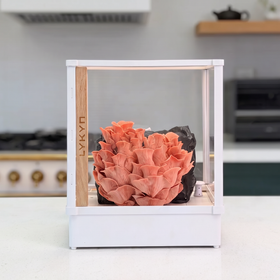
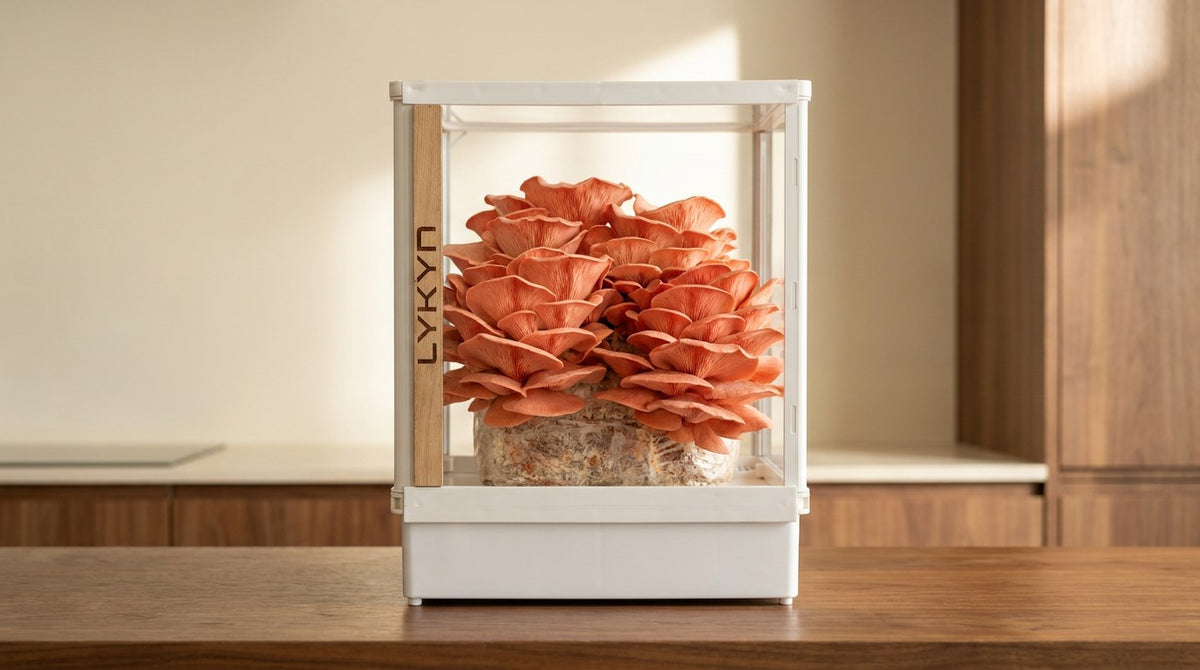
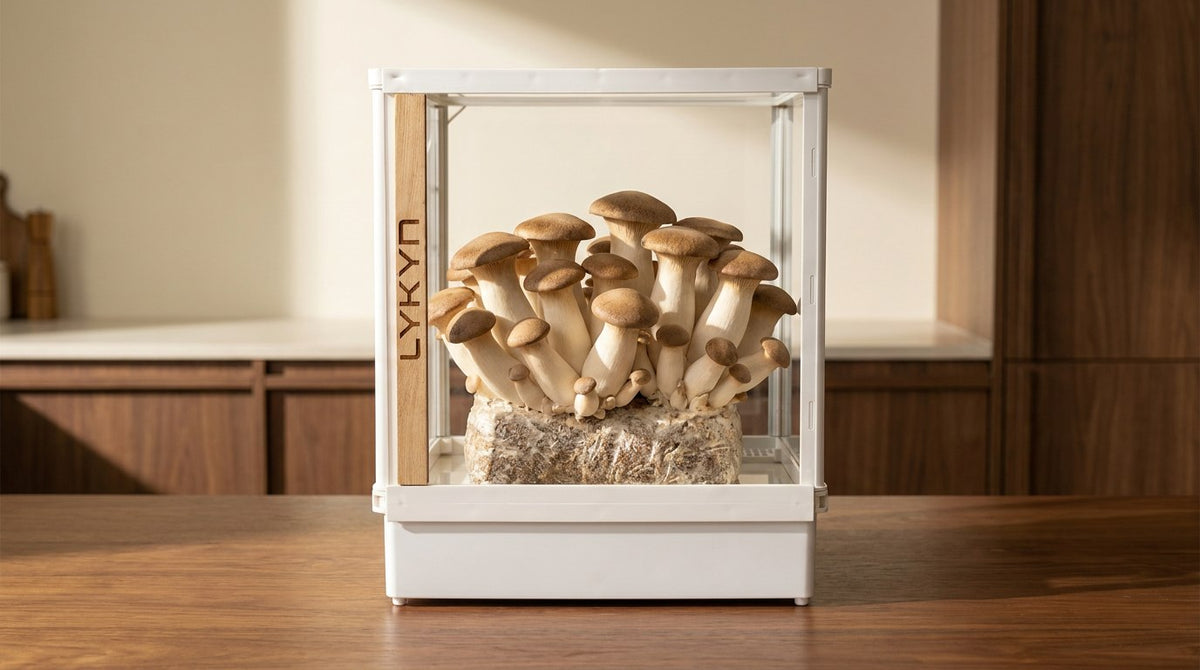
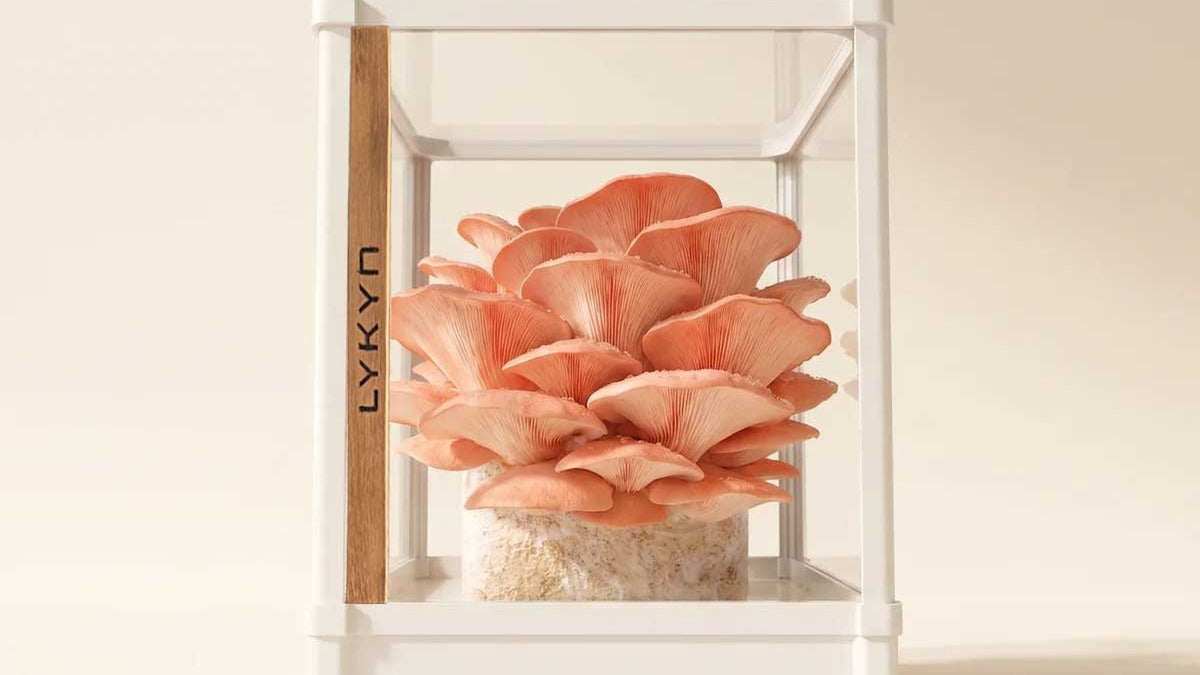
Smart Chamber. Bone White Single
- 2.8L tank, 90% humidity automatic
- App-controlled, plug-and-play
- 6 lb block ceiling, in stock

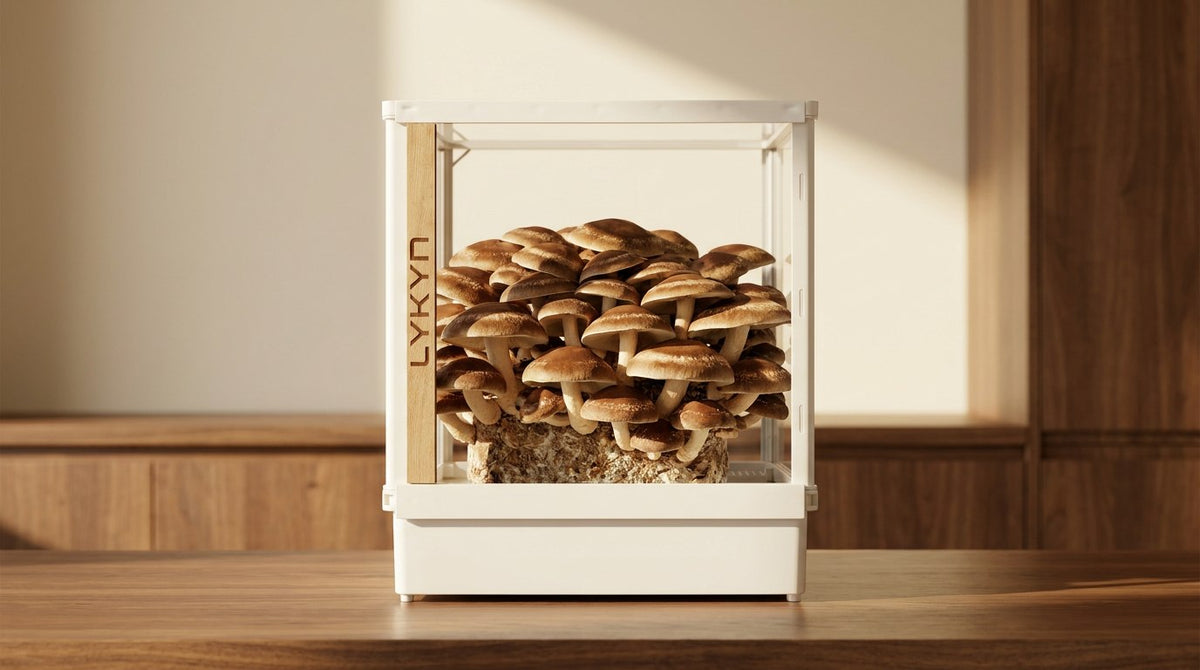
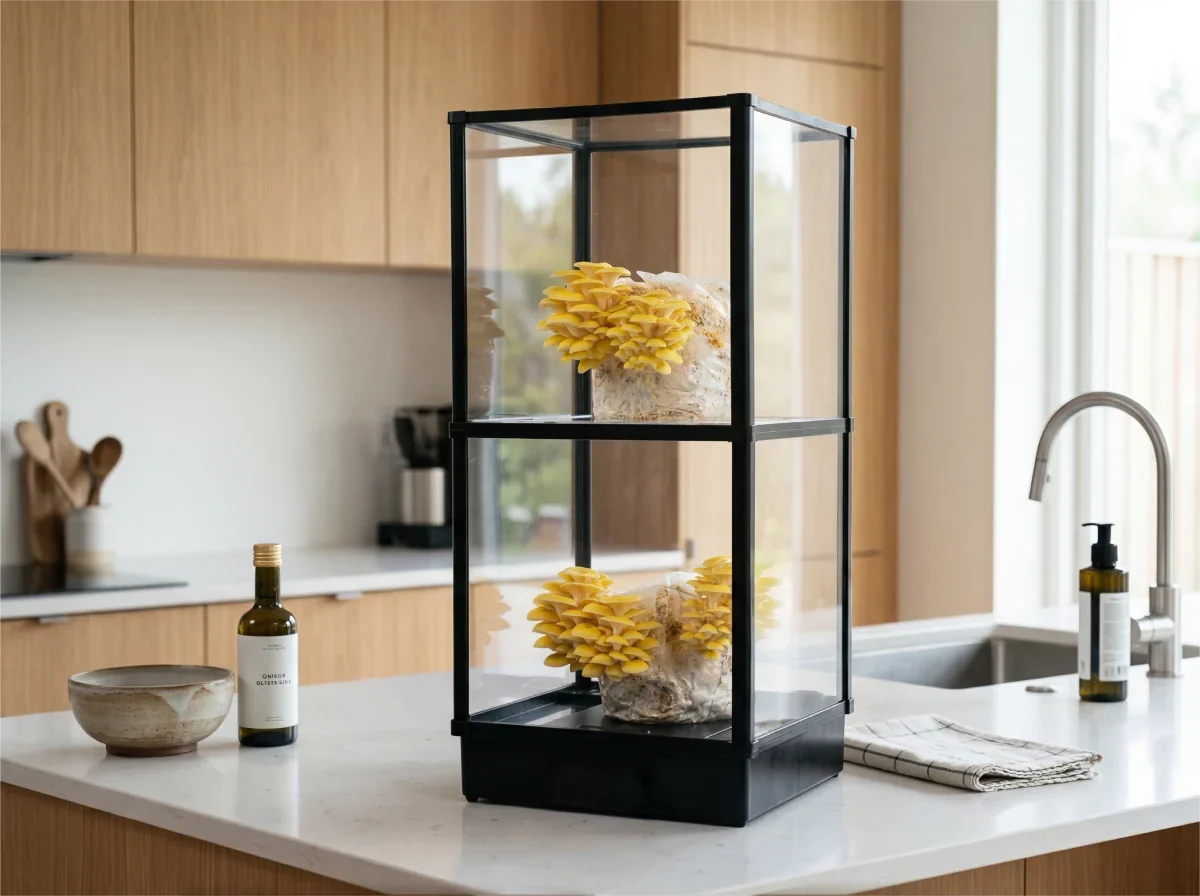
Smart Chamber. Obsidian Black Single
- Same hardware as Bone White
- Matte black premium finish
- Pairs with any kitchen palette

The category is broader than most newcomers expect. The most common formats you will see today include:
- Mushroom coffee: ground coffee blended with mushroom extract powders, usually lion's mane and chaga.
- Mushroom matcha: ceremonial or culinary matcha mixed with adaptogenic mushrooms.
- Mushroom tea: dried mushroom slices brewed like loose-leaf tea, or powdered varieties stirred into hot water.
- Mushroom cocoa or hot chocolate: cocoa-based drinks with reishi, lion's mane, or cordyceps added.
- Mushroom broth: savory drinks built around fresh or dried culinary mushrooms (shiitake, maitake, porcini) simmered with aromatics.
- Mushroom kombucha and sodas: fermented or sparkling drinks using fruiting body extracts.
- Mushroom elixirs and shots: small concentrated servings, often a dual-extract tincture mixed into hot water.
The label "mushroom drink" can mean a wellness elixir, a culinary broth, or a coffee swap. The species inside and how they were processed matter much more than the format on the front of the bottle.
The Most Common Functional Species
Six mushrooms appear again and again across the category. Each has a different reputation and a slightly different traditional use.
Lion's Mane (Hericium erinaceus)
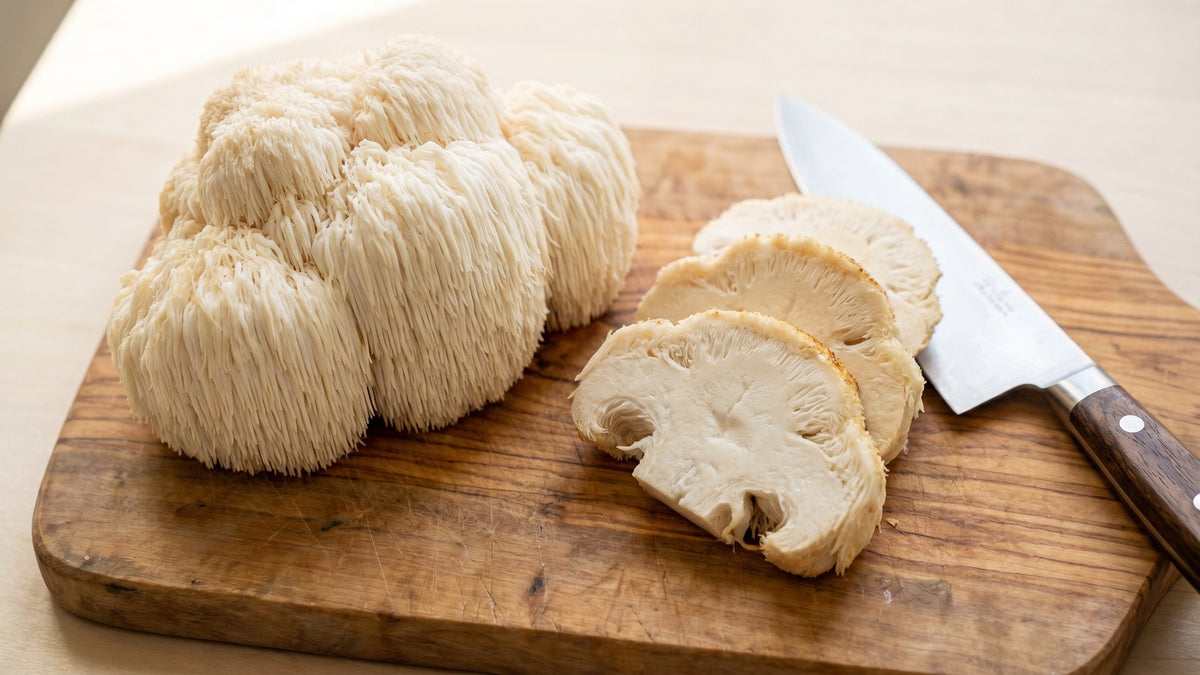
Mild, almost seafood-like in flavor when fresh and earthy when dried. Lion's mane contains compounds called hericenones and erinacines that have been studied for nerve growth factor activity. It is the most popular addition to coffee and matcha because of its cognitive reputation.
Reishi (Ganoderma lucidum)
Bitter, woody, distinct. Reishi has been used in East Asian herbal traditions for centuries, often called the "mushroom of immortality" in old texts. Modern interest centers on its triterpenes and polysaccharides. People typically reach for reishi in the evening because of its calming reputation.
Chaga (Inonotus obliquus)
A birch-tree conk with an earthy, slightly vanilla note. Chaga is loaded with antioxidants and is often the second mushroom in a coffee blend behind lion's mane. It brews into a dark, coffee-like liquid on its own.
Cordyceps (Cordyceps militaris)
Slightly sweet, almost meaty. Cordyceps is the energy and endurance mushroom in most blends, popular in pre-workout drinks and athletic recovery beverages.
Turkey Tail (Trametes versicolor)
Mild and slightly bitter. Turkey tail's polysaccharide-K (PSK) has been studied extensively for immune modulation. You will see it more often in tea blends than in coffee.
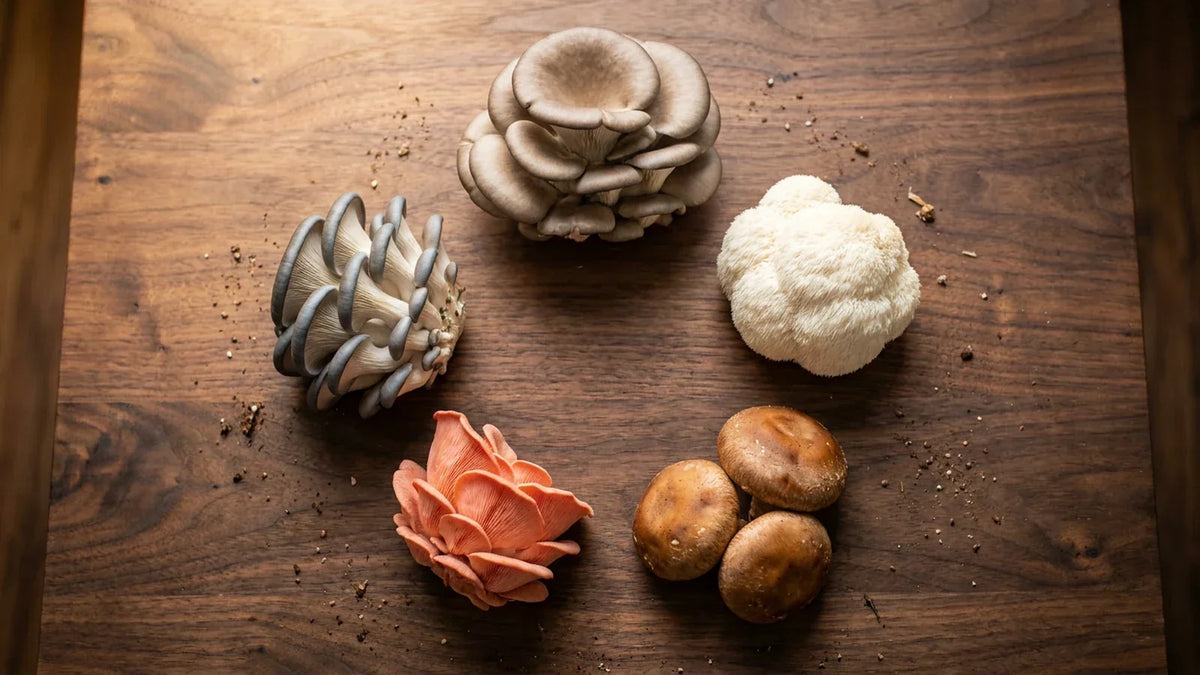
Maitake (Grifola frondosa) and Shiitake (Lentinula edodes)
Culinary mushrooms that occasionally show up in broths and savory mushroom drinks. Shiitake's lentinan and maitake's beta-glucans drive their appearance on functional menus.

Fuel Your Mushroom Journey
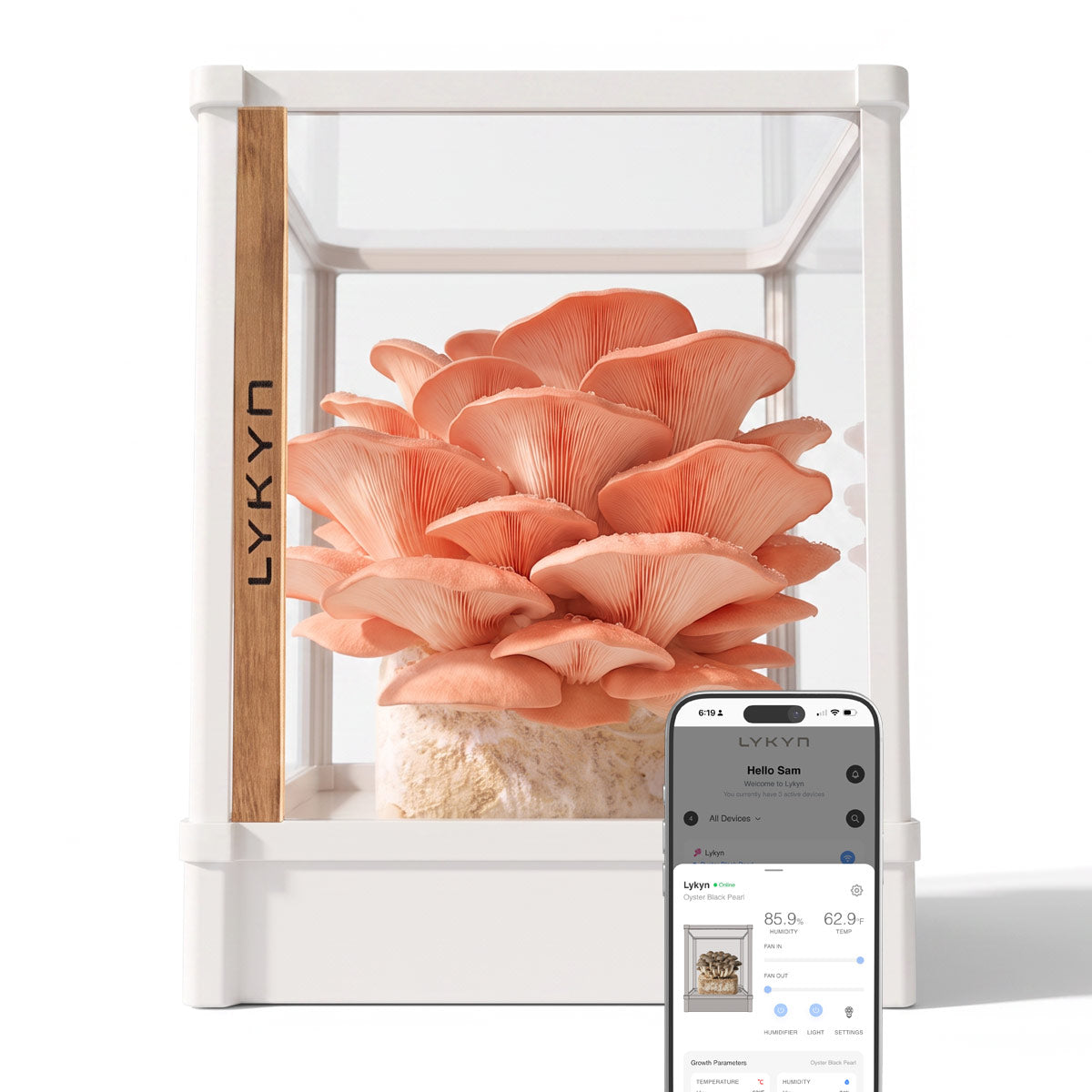
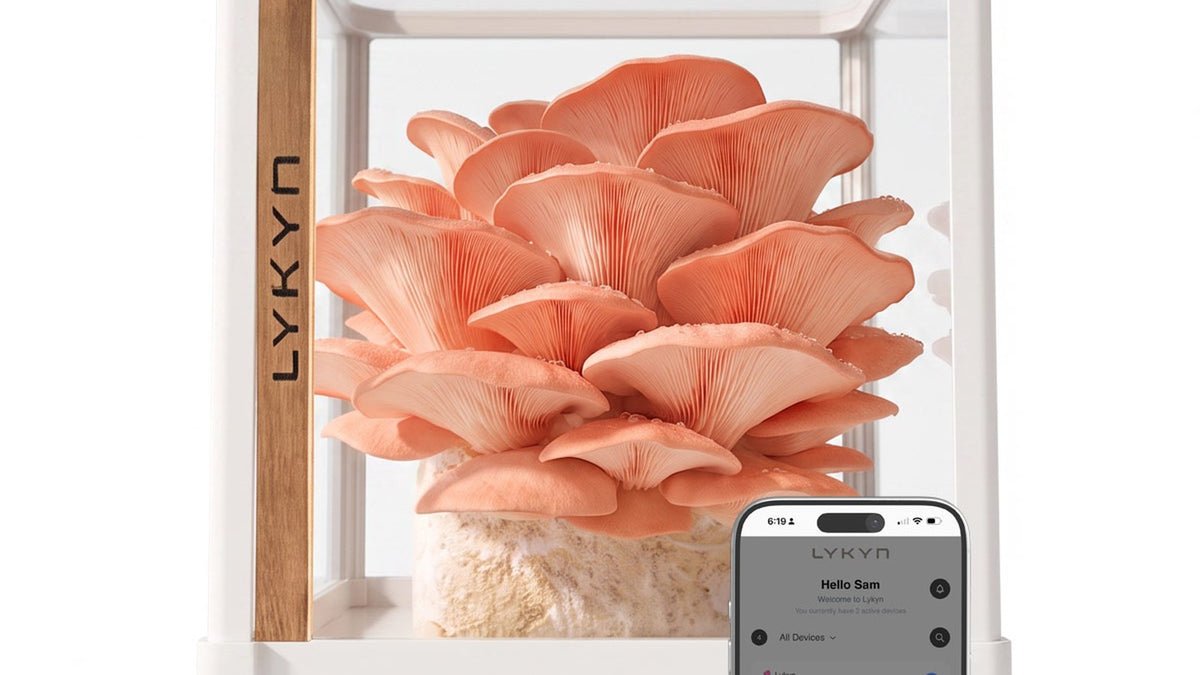
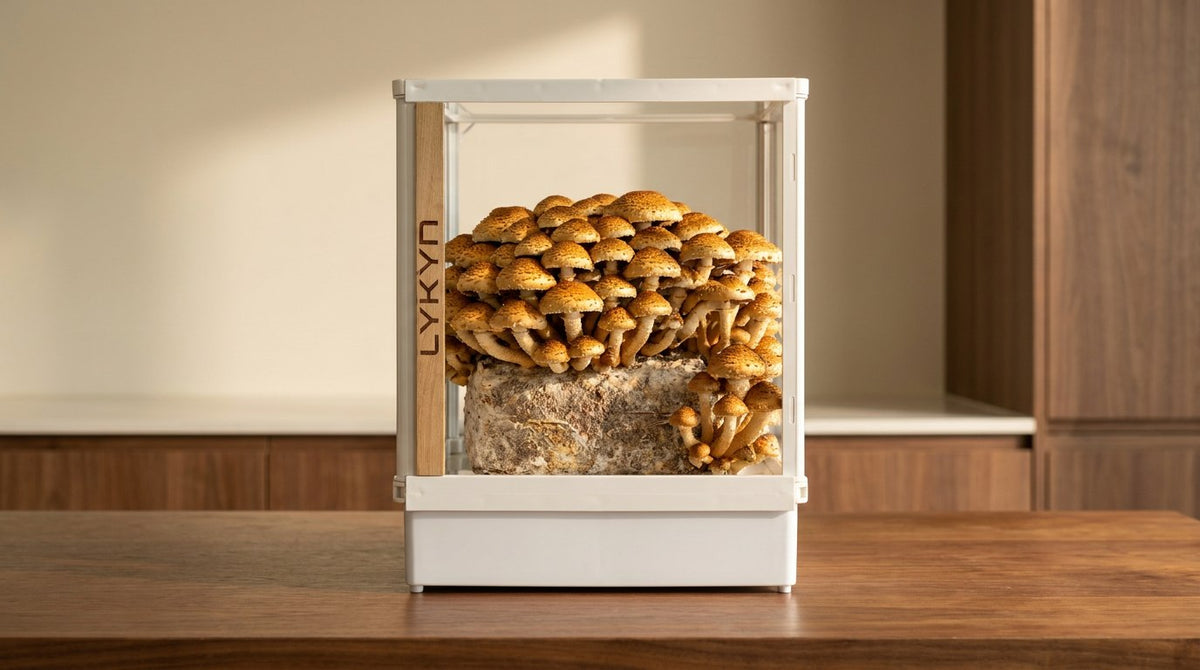
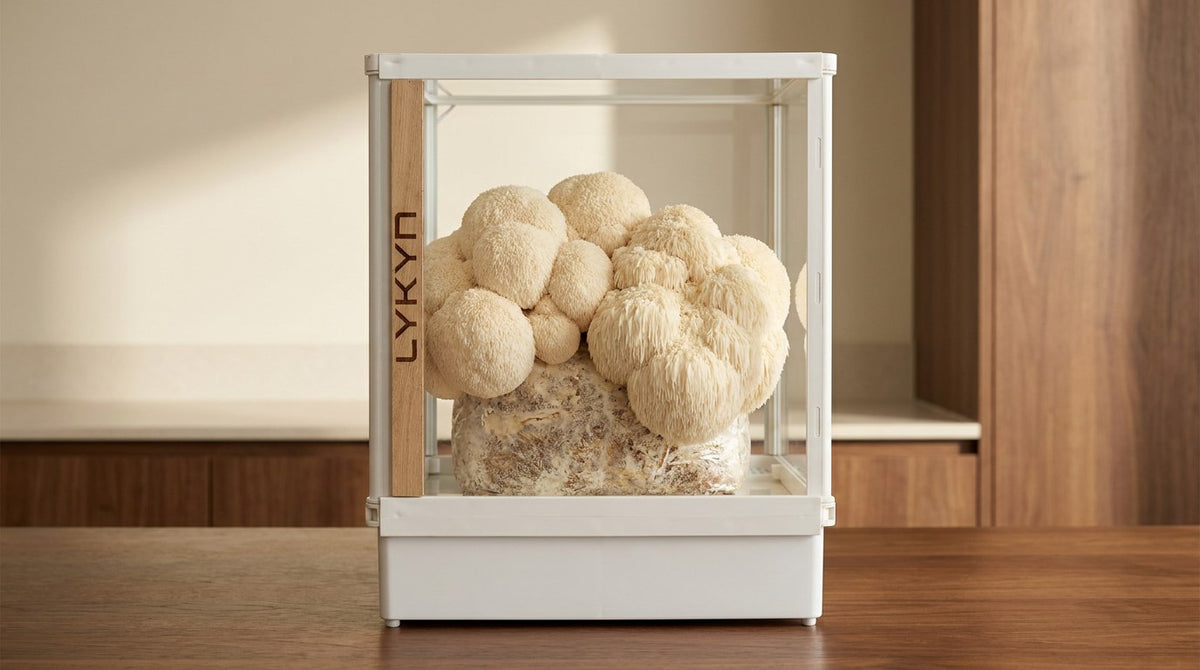
Smart Mushroom Grow Chamber
Plug-and-play smart chamber with humidity, light, and airflow dialed in for every species. Beginners harvest their first flush in days, not months.
Add to cart $299Why People Drink Them
The honest answer is that mushroom drinks fall into a few buckets of motivation. Some people drink them for a calmer caffeine experience, especially in mushroom coffee where the blend is often 50 percent less caffeinated than a standard cup. Some are after the beta-glucans, polysaccharides, and triterpenes that show up in lab studies. Some simply enjoy the earthy depth that a good mushroom blend adds to coffee or cocoa.
What the evidence actually supports is more modest than the marketing. Most clinical studies on functional mushrooms use concentrated extracts at doses higher than what you typically get in a single cup. That does not mean a daily mushroom drink is useless. It means you should treat it as a small, consistent nudge rather than a magic bullet.
What to Look For When Buying
The quality gap in mushroom drinks is enormous, and the labels do not always make it obvious. Three things matter most.
- Fruiting body vs. mycelium on grain. Many cheap mushroom powders are made from mycelium grown on grain (oats, rice, sorghum) and then ground up together. The finished product is mostly grain. Look for "100% fruiting body" or "fruiting body extract" on the label.
- Beta-glucan percentage, not polysaccharide percentage. Total polysaccharides include starches from any leftover grain. Beta-glucans are the bioactive fraction. A reputable brand will list beta-glucans specifically.
- Dual extraction. Many of the compounds in functional mushrooms are alcohol soluble (triterpenes) or water soluble (polysaccharides). A dual extraction uses both solvents and captures more of the spectrum.
Third-party testing for heavy metals is also worth a glance, especially with chaga and reishi, which can concentrate metals from their growing substrate.
How Mushroom Drinks Fit Into a Daily Routine
Most people start with one swap. Replace a second cup of coffee with mushroom coffee, or switch from a mid-afternoon energy drink to a cordyceps cocoa. From there, common patterns emerge: lion's mane in the morning, cordyceps before a workout, reishi or turkey tail in the evening, chaga as a year-round antioxidant base.
You do not need every species. Two or three you genuinely enjoy drinking will outperform a stack of ten you forget about.
Where Fresh Mushrooms Fit In
Most mushroom drinks rely on dried, extracted powders. That is unavoidable for shelf stability and concentration. But fresh mushrooms have their own role: a homemade broth from fresh shiitake or maitake has a depth that no powder can match, and a lion's mane tea made from fresh slices tastes nothing like the dehydrated version.
For anyone who wants to start with fresh mushrooms at home, growing your own is more approachable than it sounds. A countertop kit can produce a pound or more of fresh lion's mane in under two weeks, which is enough for broths, sautés, and a few cups of homemade tea. If that sounds appealing, our mushroom grow kits are designed for exactly that kind of small, hands-on supply.
A Realistic Take
Mushroom drinks are not a cure-all, and the category has its share of overpriced powders dressed up as miracle blends. But the underlying ingredients have centuries of traditional use and a growing body of research behind them. Treat them as a small, pleasant ritual that nudges your day in a useful direction, and you will probably enjoy them more (and be less disappointed) than if you expect overnight transformation. Start with one species, one format, one cup a day, and let the experience teach you what works for your body.
Share:
How to Set Up a Fruiting Tent (Step by Step)
How to Set Up a Fruiting Tent (Step by Step)