


Mushroom hunting (also called foraging or wildcrafting) has gone from a niche woodland hobby to a mainstream activity in less than a decade. Social media, popular cookbooks, and a growing food-system curiosity have pulled millions of new people into the forests every year. The opportunity is real: dozens of delicious edible species grow throughout North America, and many can be found within a short drive of major cities. The risk is also real: a few species are genuinely deadly, and identification mistakes can be catastrophic.
This is the responsible beginner's guide to mushroom hunting: how to start safely, which species offer the best entry points, the gear you actually need, and the habits that separate cautious foragers from the people who end up in emergency rooms.
The Three Rules That Keep You Safe
Before any species, terrain, or technique discussion, three foundational rules apply to every mushroom hunt without exception.
- Never eat a mushroom you cannot identify with 100 percent certainty. Not 95 percent. 100 percent. Multiple matching field marks, ideally confirmed by an experienced forager or expert. If anything about the identification feels uncertain, leave the mushroom in the field.
- Start with foolproof species that have no dangerous look-alikes. Chicken of the woods, lion's mane, giant puffball, and chaga are all relatively beginner-friendly because their identification features are obvious and unique.
- Cook everything you eat, the first time you eat it, and only eat a small amount. Even confirmed edible species can cause individual reactions. A pilot tasting of a few bites lets you check tolerance without exposing yourself to a full dose of an unknown reaction.
These rules sound restrictive because they are. The handful of fatal mushroom species in North America (Amanita phalloides, Amanita virosa, Galerina marginata, and a few others) have killed experienced foragers who got too confident. Beginner caution is the right caution.

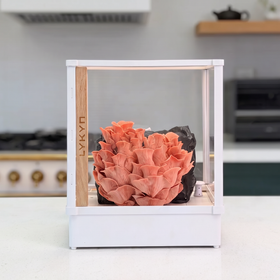
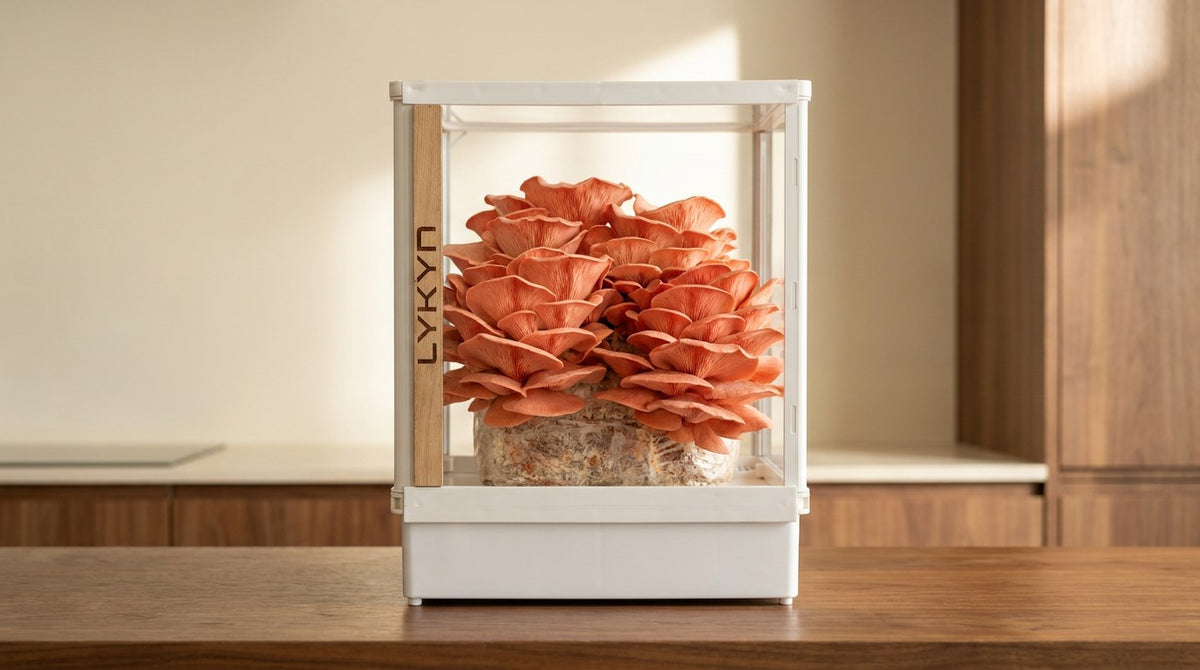
Smart Chamber. Bone White Single
- 2.8L tank, 90% humidity automatic
- App-controlled, plug-and-play
- 6 lb block ceiling, in stock

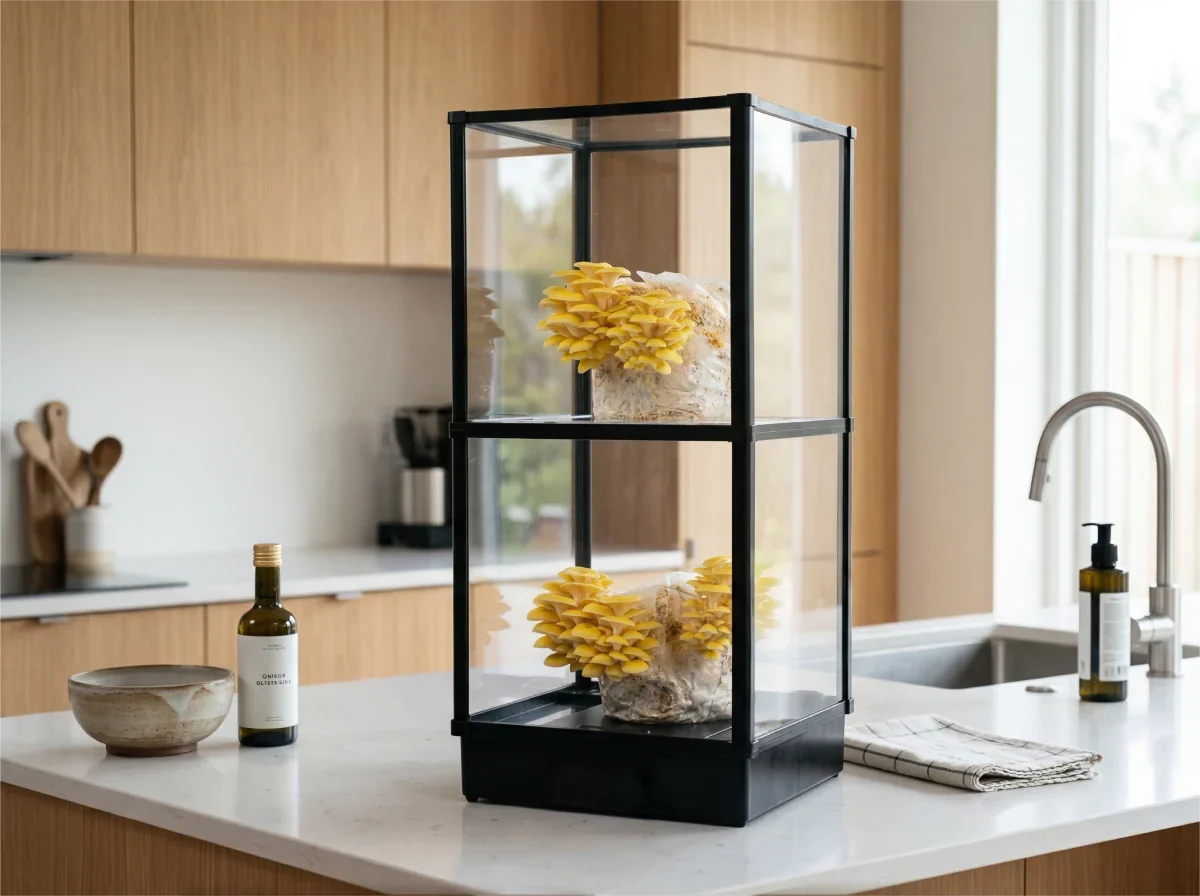
Smart Chamber. Obsidian Black Single
- Same hardware as Bone White
- Matte black premium finish
- Pairs with any kitchen palette

The Best Species to Start With
Some mushrooms are forgiving entry points because their identification features are distinctive and their look-alikes are obvious or absent.
- Chicken of the woods (Laetiporus sulphureus): bright orange and yellow shelves on dead or dying oak. No dangerous look-alikes when growing on hardwoods.
- Hen of the woods / maitake (Grifola frondosa): large feathery rosettes at the base of oaks in fall. Unique structure with no toxic mimics.
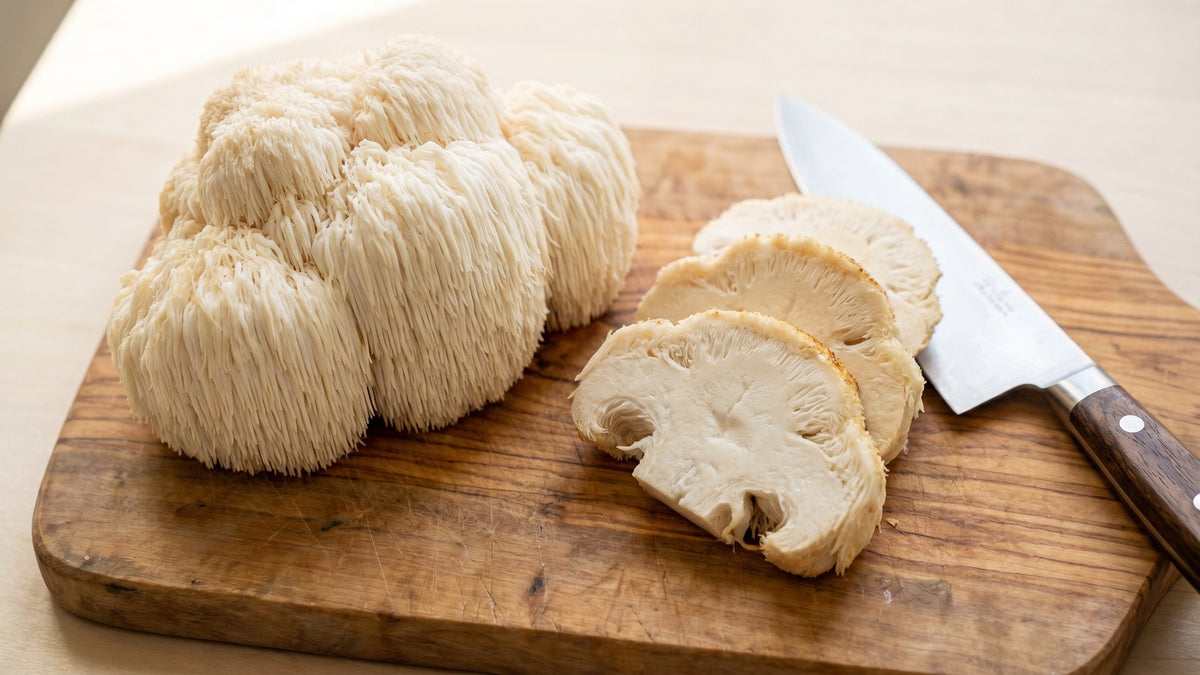
- Lion's mane (Hericium erinaceus): white, shaggy globe with dangling spines on dead hardwoods. Looks like nothing else.
- Giant puffball (Calvatia gigantea): solid white ball, sometimes basketball-sized. Slice open and confirm pure white interior with no developing cap shapes.
- Chaga (Inonotus obliquus): charcoal-like growth on living birch trees. Used as tea or supplement, not eaten directly.
- Black trumpet (Craterellus cornucopioides): trumpet-shaped fruiting bodies in moss and leaf litter under hardwoods. Hard to spot, but no dangerous look-alikes.
- Chanterelles (Cantharellus cibarius and related species): yellow to orange trumpet-shaped caps with false gills that run down the stem. A few look-alikes exist, including the toxic jack o'lantern, so beginners should confirm with experts.
Note that this list intentionally avoids the most popular and most photographed mushroom of all: morels. Morels are excellent, but the false morel (Gyromitra esculenta) is a serious toxic look-alike that has killed foragers. The hollow-stem check is reliable, but it's still worth learning the distinction from an experienced forager before solo-foraging morels.
Gear You Actually Need
You can mushroom hunt with almost nothing, but a few items make the process safer and more productive.
- Wicker or mesh basket: not a plastic bag. Plastic traps moisture and accelerates decay, plus it prevents spores from dispersing as you walk.
- Sharp knife: for cleanly cutting mushrooms at the base rather than tearing them.
- Brush: a soft natural-bristle brush for cleaning dirt off caps in the field.
- Field guide: regional, not national. Mushrooms vary by region, and a guide focused on your area is more useful than a continent-wide reference. Local mycological society publications are often the best.
- Phone with photo capability: for documenting finds, including underside, stem base, and habitat. Critical for expert consultation.
- Compass or GPS: forests are easy to get lost in. Mark your starting point.
- Long pants, long sleeves, sturdy boots: ticks, poison ivy, and uneven terrain are usually bigger immediate threats than mushrooms themselves.

Fuel Your Mushroom Journey
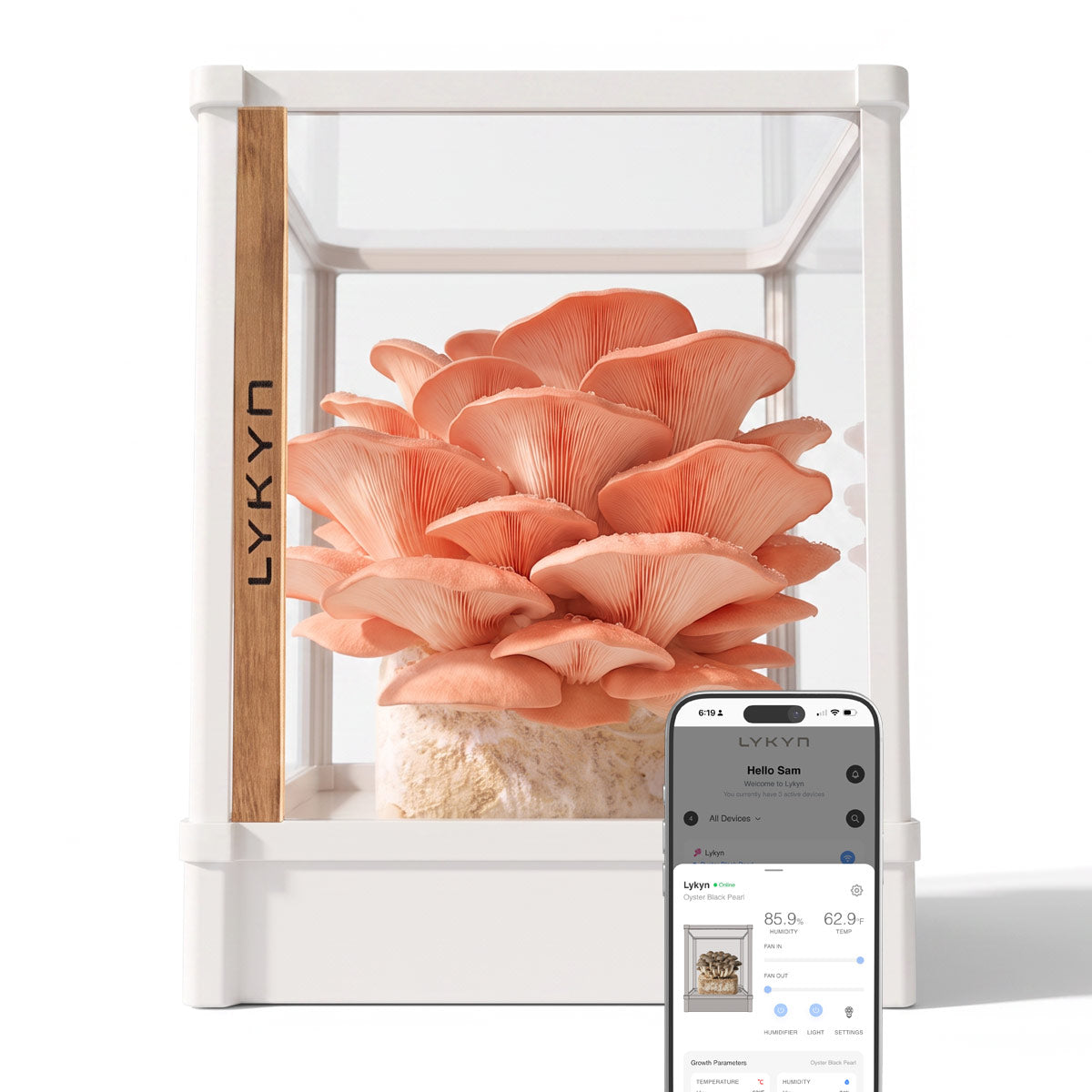
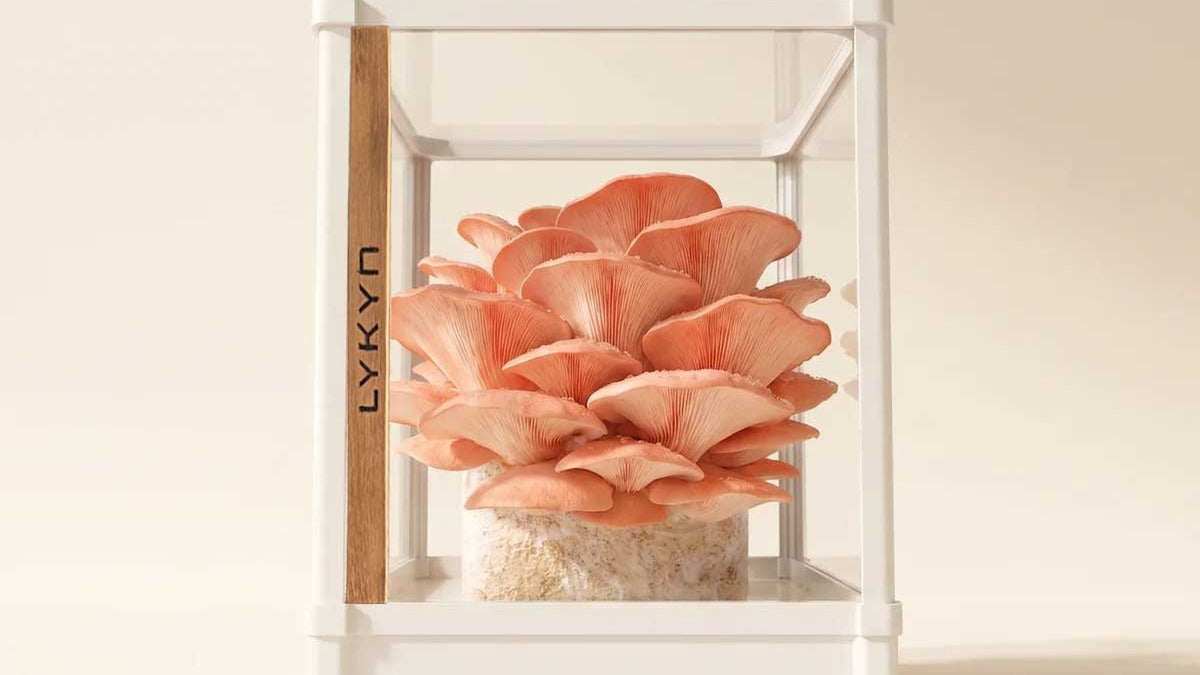
Smart Mushroom Grow Chamber
Plug-and-play smart chamber with humidity, light, and airflow dialed in for every species. Beginners harvest their first flush in days, not months.
Add to cart $299How to Read a Forest for Mushrooms
Mushroom hunting becomes faster and more productive as you learn to read landscape features. Five things to scan for:
- Tree species: many edible mushrooms are species-specific. Oaks for chicken of the woods and hen of the woods. Birch for chaga. Beech for some chanterelles. Pine for matsutake and certain boletes.
- Dead and dying trees: many edible species fruit on or near dead wood. Standing dead trees, recently fallen logs, and snags are productive zones.
- Slopes and aspect: south-facing slopes warm earlier in spring, north-facing slopes stay cool and moist into summer.
- Stream and creek edges: consistent moisture supports many fungal species. Walk the bank, not the water itself.
- Disturbed ground: trail edges, logging cuts, and storm-damaged forest patches often produce within 1 to 3 years of disturbance.
Take notes on what you find and where. Productive mushroom spots tend to produce again year after year as long as the underlying ecosystem stays intact.
Timing the Hunt
Different species fruit at different times. A rough seasonal map for the Eastern U.S.:
- Spring (March to May): morels, oyster mushrooms, some chanterelles
- Summer (June to August): chicken of the woods, chanterelles, boletes, lobster mushrooms
- Fall (September to November): hen of the woods, lion's mane, black trumpets, late chanterelles, honey mushrooms
- Winter (December to February): wood ear, oyster mushrooms in mild climates, chaga (year-round)
Fruiting depends on temperature and moisture more than calendar dates. After 1 to 2 inches of rain followed by 2 to 4 warm days is the universal best window in any season.
The Legal Layer
Most states and federal land agencies allow personal-use foraging on public lands, but with restrictions:
- National parks generally prohibit mushroom collection.
- National forests typically allow personal-use collection with small daily limits.
- State forests vary by state. Check each state's regulations.
- Private property always requires landowner permission.
- Commercial foraging usually requires permits.
Look up the rules before each new location. Penalties can be substantial in protected areas, and forager behavior reflects on the broader community.
When in Doubt, Get Help
Every state has a mycological society. Joining one connects you with experienced foragers, field walks, and expert identification. Most welcome new members and offer beginner-friendly programming. Annual dues are typically modest.
If you find something promising and aren't 100 percent sure, post photos in a regional foraging forum with clear images of the cap, gills or pores, stem base, and habitat. Add notes on what tree or substrate the mushroom is growing on. The community is generally responsive and patient with beginners.
The Indoor Alternative
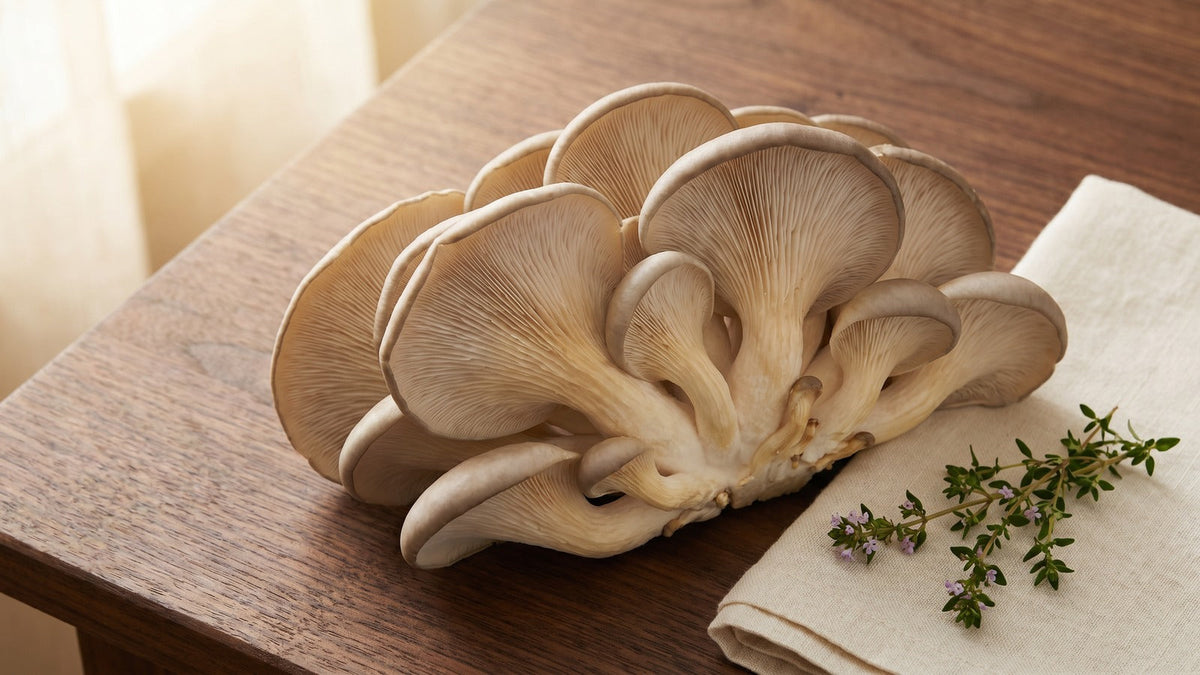
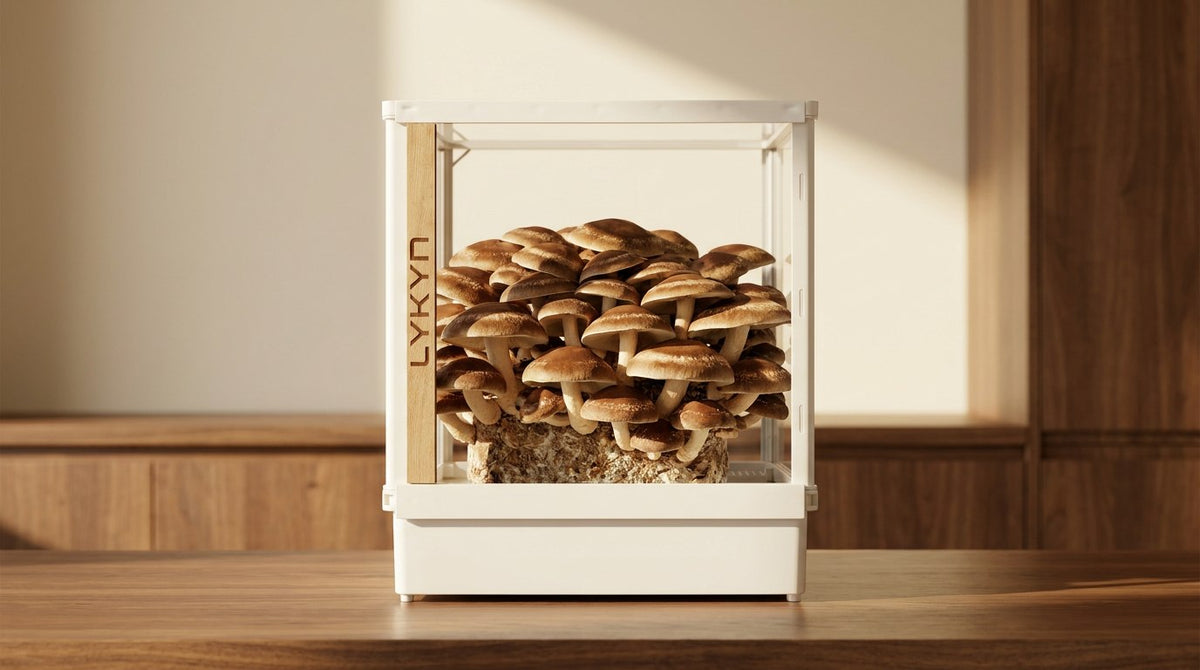
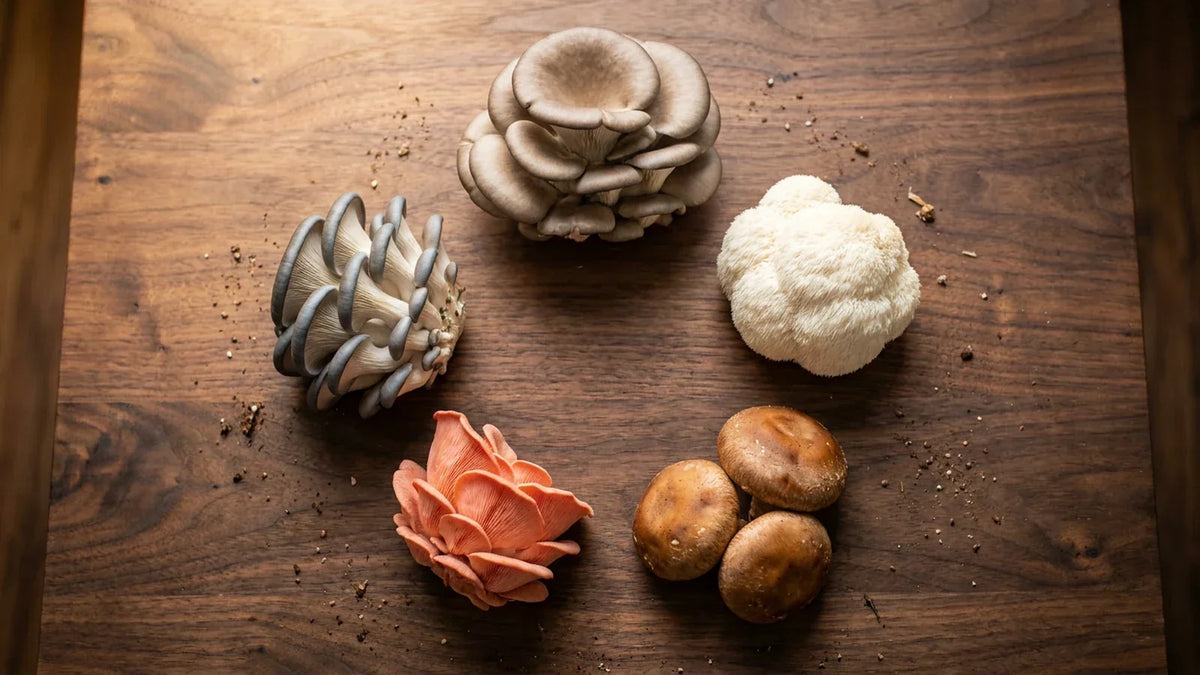
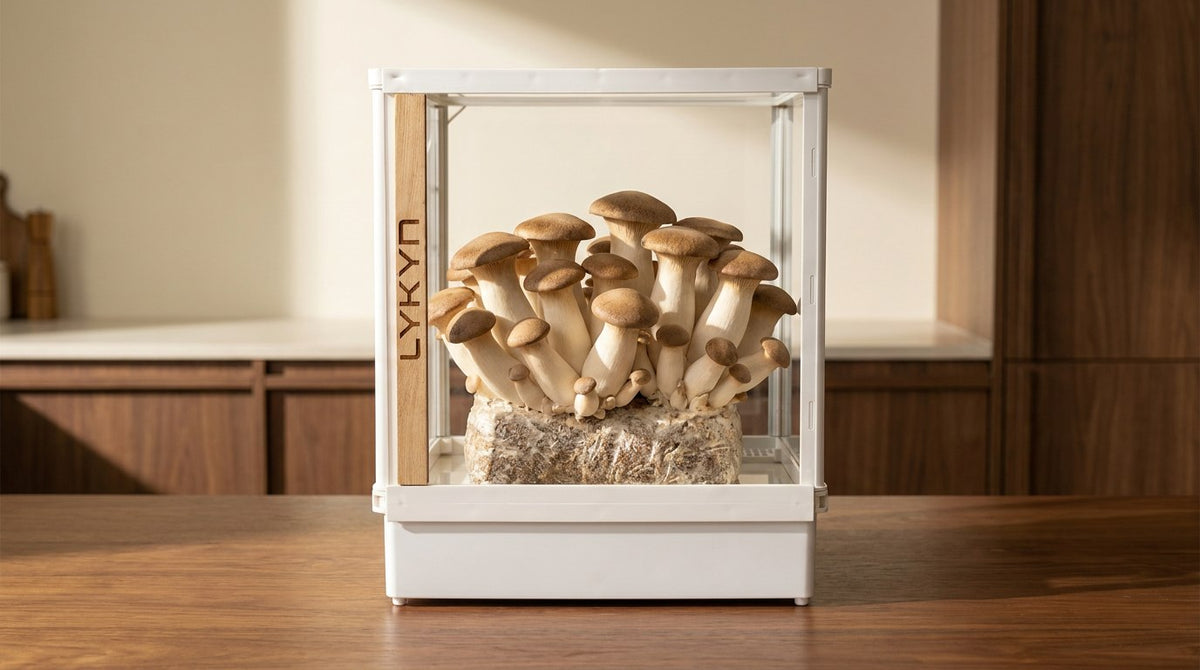
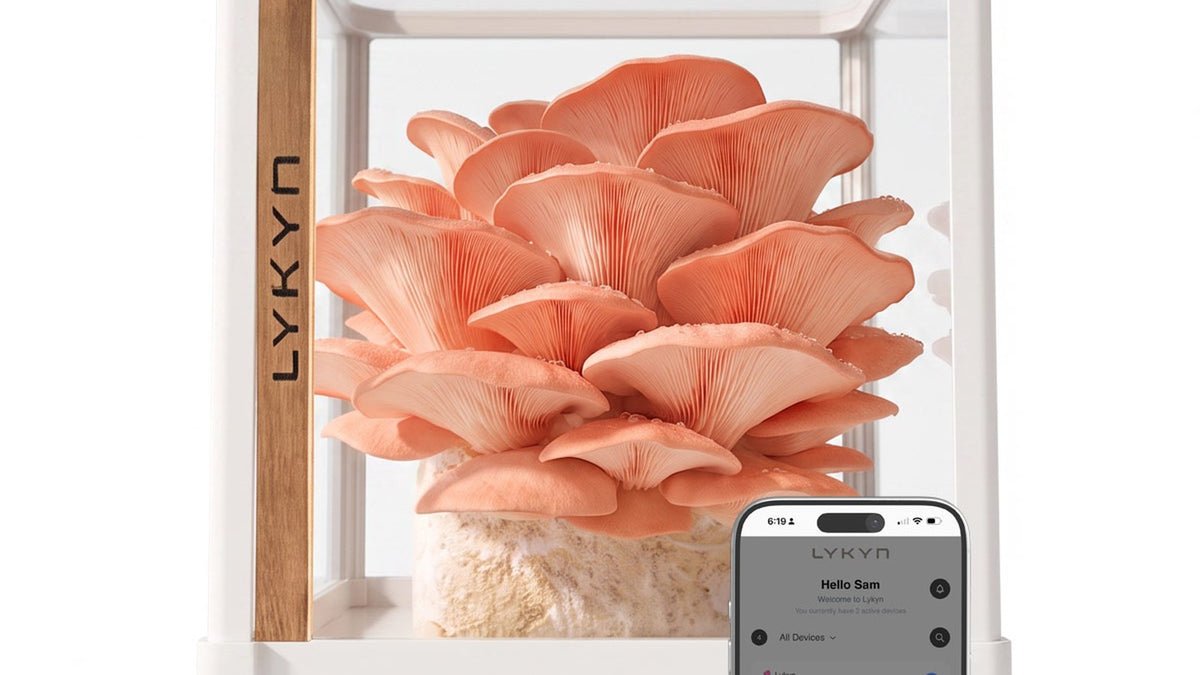
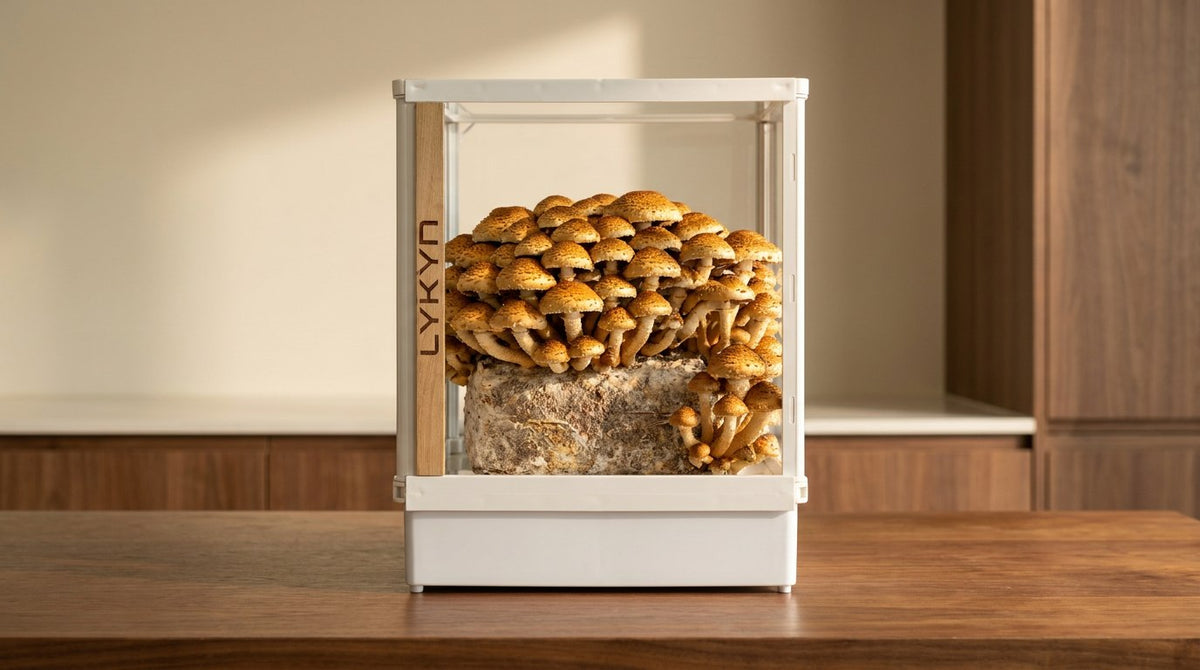
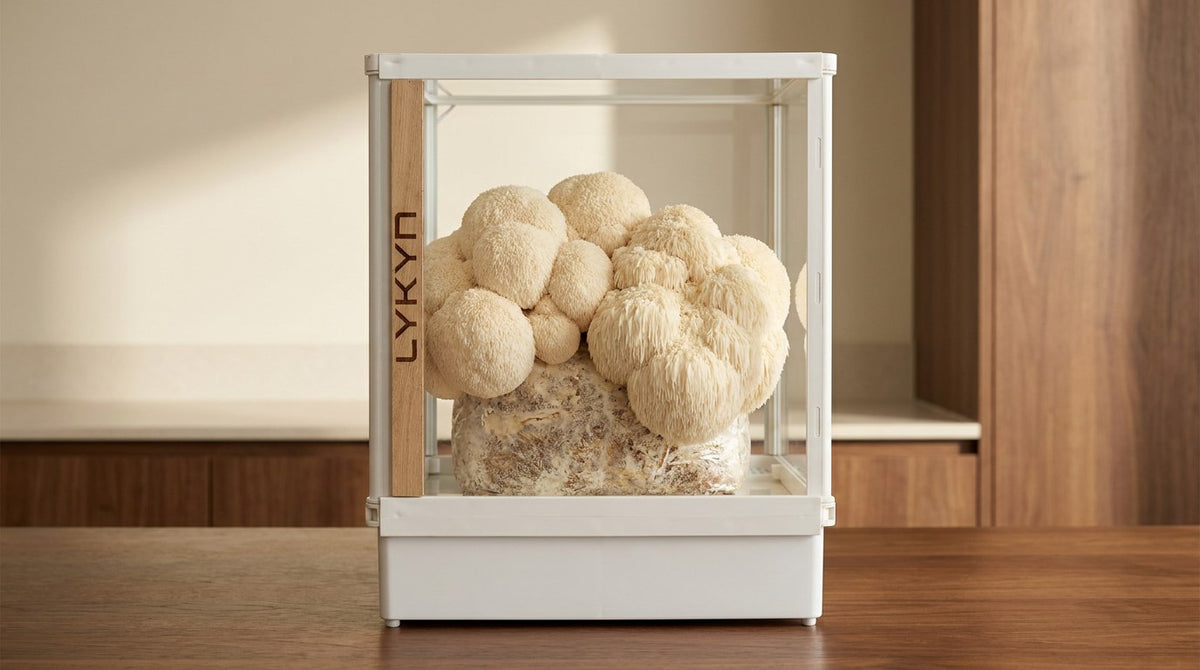
For people who love mushrooms but aren't ready to commit to learning identification, indoor cultivation offers most of the joy with none of the risk. Lion's mane, oyster, king trumpet, and shiitake all grow well at home, harvest in days rather than seasons, and arrive labeled by species with no identification guesswork. A countertop kit from Lykyn's mushroom grow kits produces fresh harvests in about a week, and many foragers maintain a small indoor grow as a complement to their wild hunting.
Mushroom hunting is one of the most engaging ways to learn an ecosystem. Walk slow, look down, learn one species really well before moving to the next, and never compromise on identification certainty. The mushrooms have been there for centuries. They'll wait while you build the skills to find them safely.
Share:
Mushroom in Tea: Reishi, Chaga, Turkey Tail, and Lion's Mane
Mushroom in Tea: Reishi, Chaga, Turkey Tail, and Lion's Mane