


Mushroom in tea is one of the oldest functional drinks in human history. Long before mushroom coffee, mushroom matcha, or mushroom hot chocolate, people across East Asia, Siberia, and Northern Europe were brewing dried mushroom slices into warm decoctions for daily wellness. The category has quietly come back into mainstream attention, and the modern version is simpler than the lineage suggests.
Mushroom tea is a beverage made by steeping or simmering dried mushroom slices or powdered mushroom extract in hot water. The most common species used in tea form are reishi, chaga, turkey tail, and lion's mane, each with distinct flavors and traditional uses. Unlike coffee blends, mushroom tea typically features one mushroom at a time, brewed long enough to extract the bioactive compounds. The flavor ranges from mild and slightly sweet (lion's mane) to dark, earthy, and slightly bitter (chaga and reishi).
Why Tea Is the Original Mushroom Drink
Tea is the most traditional way to consume functional mushrooms because most of the compounds people care about (beta-glucans, polysaccharides, triterpenes) are water-soluble or partially water-soluble. A long, slow simmer in hot water extracts those compounds far better than chewing on dried mushroom slices.
Reishi tea has been documented in Chinese herbal medicine for over 2000 years. Chaga tea was a staple across Russia and Eastern Europe for centuries, sometimes called "the gift of the gods" by indigenous Siberian groups. Turkey tail decoctions appear in both Chinese and Japanese traditional medicine. Lion's mane tea is more recent in Western use but has a long history in Buddhist monastic kitchens in Asia.
What modern tea drinkers add to this tradition is convenience: pre-cut dried slices, powdered extracts in tea bags, and dual-extracted powders that brew faster than raw mushroom pieces. The principle is unchanged. Water plus heat plus time equals extraction.

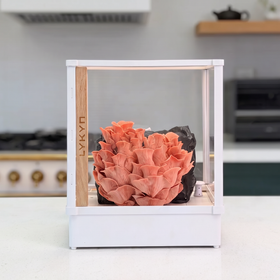
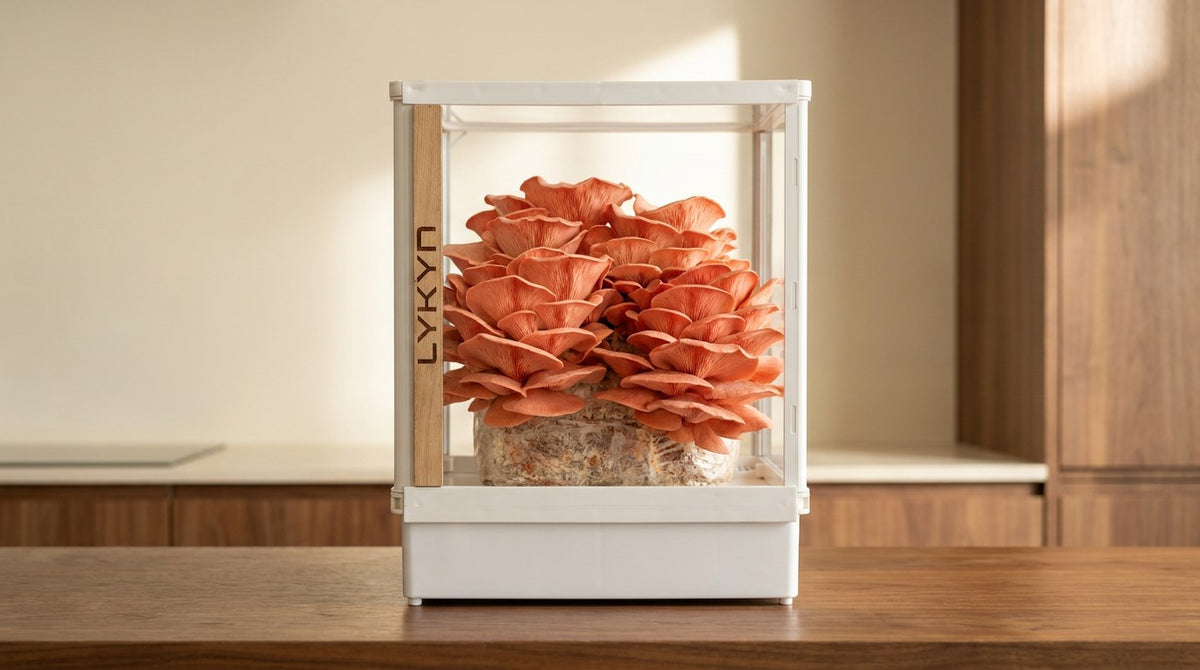
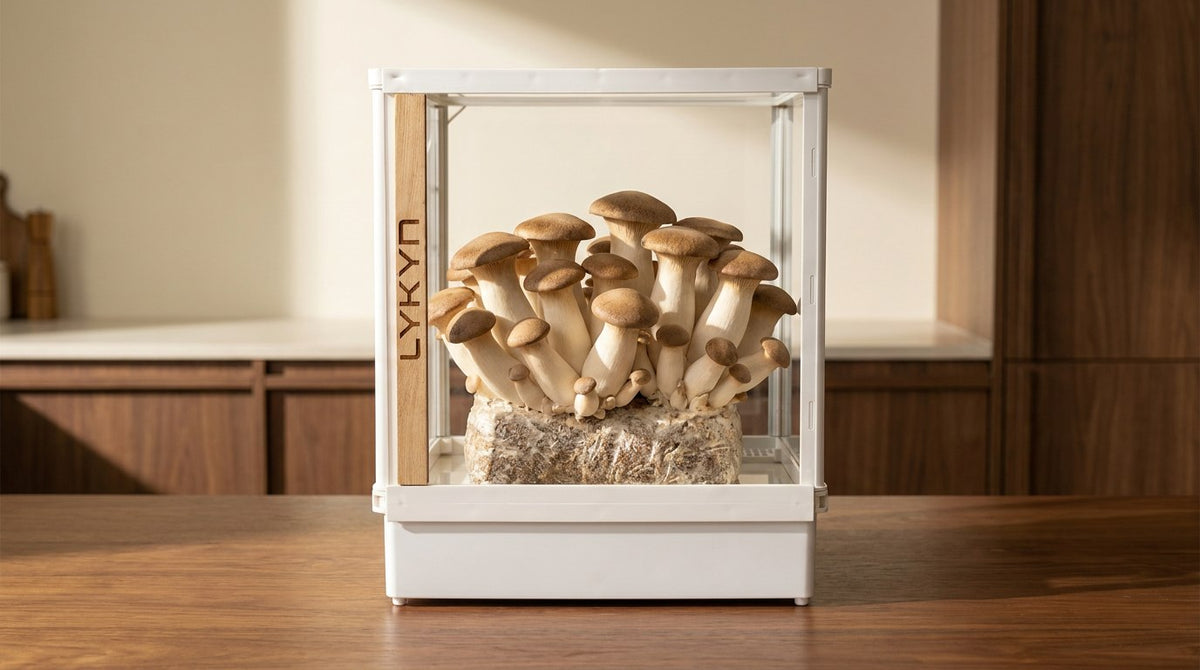
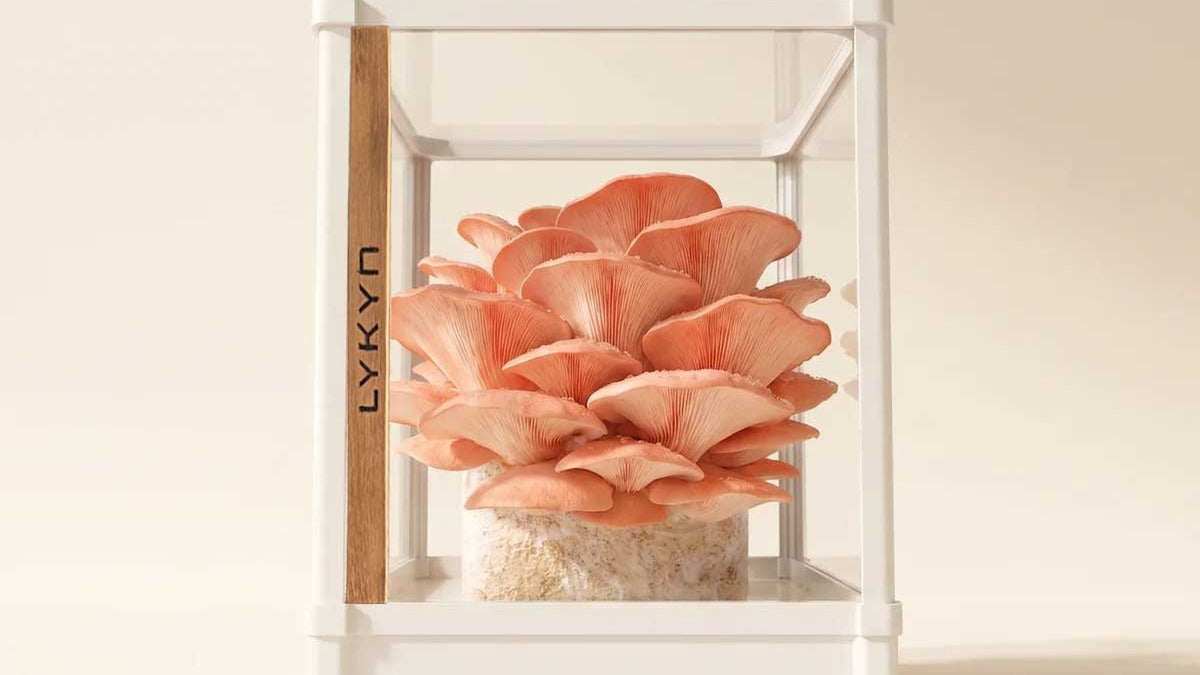
Smart Chamber. Bone White Single
- 2.8L tank, 90% humidity automatic
- App-controlled, plug-and-play
- 6 lb block ceiling, in stock

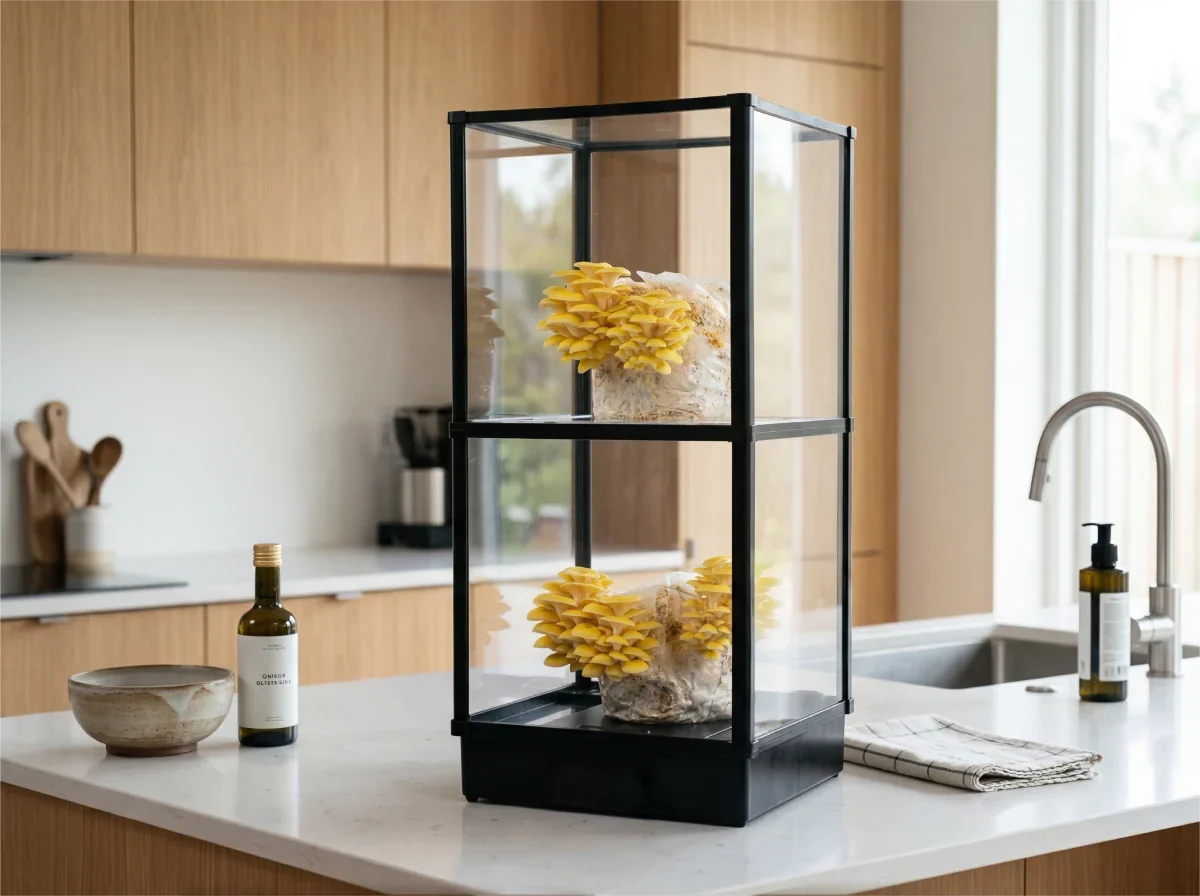
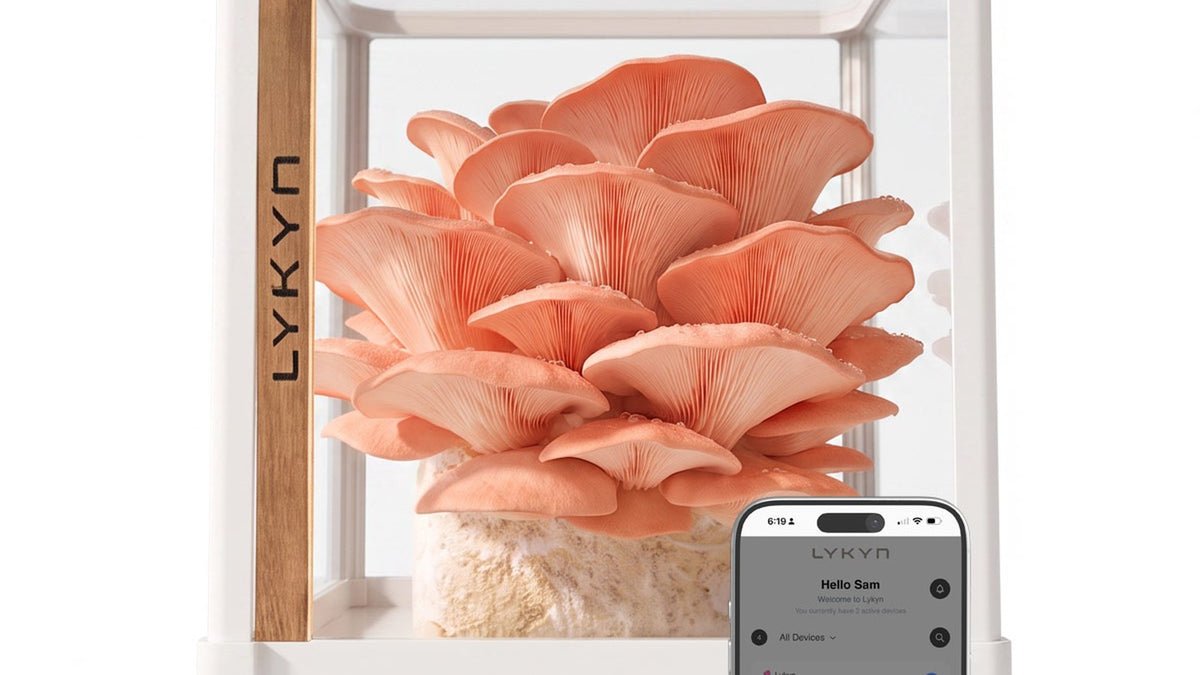
Smart Chamber. Obsidian Black Single
- Same hardware as Bone White
- Matte black premium finish
- Pairs with any kitchen palette

The Four Most Common Tea Mushrooms
Reishi (Ganoderma lucidum)
Reishi tea is dark amber to deep red, bitter, woody, and distinctly earthy. It is not a mild tea. Most newcomers are surprised by how strong the bitterness is on the first cup, which is why reishi is often sweetened with honey or paired with a stronger flavor like ginger or licorice root.
Traditionally used for: stress, sleep support, immune modulation. Reishi is the evening mushroom; almost no one drinks it as a morning beverage.
Bioactive compounds: triterpenes (ganoderic acids) and polysaccharides. The triterpenes are responsible for the bitterness and are alcohol-soluble as well as water-soluble. A long simmer (45 to 90 minutes) extracts the polysaccharides; a follow-up alcohol soak gets the triterpenes. Tea alone captures part of the spectrum.
Chaga (Inonotus obliquus)
Chaga tea is dark brown to nearly black, with a flavor that lands somewhere between dark coffee, earthy mushroom, and a faint hint of vanilla. It is the most coffee-like of the mushroom teas and is often used as a coffee substitute by people cutting back on caffeine.
Traditionally used for: antioxidant support, energy, immune support, gut health. Chaga has one of the highest measured antioxidant capacities of any food, sometimes cited as 30 to 50 times higher than wild blueberries by ORAC value.
Bioactive compounds: melanin, betulinic acid, polysaccharides, sterols. Chaga is harder to extract than other mushroom teas because it is a dense, woody fungal mass. A long simmer (1 to 2 hours) at low temperature works best.
Turkey Tail (Trametes versicolor)
Turkey tail tea is lighter in color than reishi or chaga, with a mild, slightly earthy, slightly woody flavor. It is the most drinkable of the medicinal teas on its own, and many people add it to other tea blends.
Traditionally used for: immune support, gut microbiome support. Turkey tail's polysaccharide-K (PSK) and polysaccharide-peptide (PSP) are among the most studied immune compounds in fungal medicine.
Bioactive compounds: beta-glucans (especially the PSK and PSP fractions). Turkey tail is easier to extract than chaga or reishi because the fungal structure is thinner; a 30 to 45 minute simmer is usually enough.
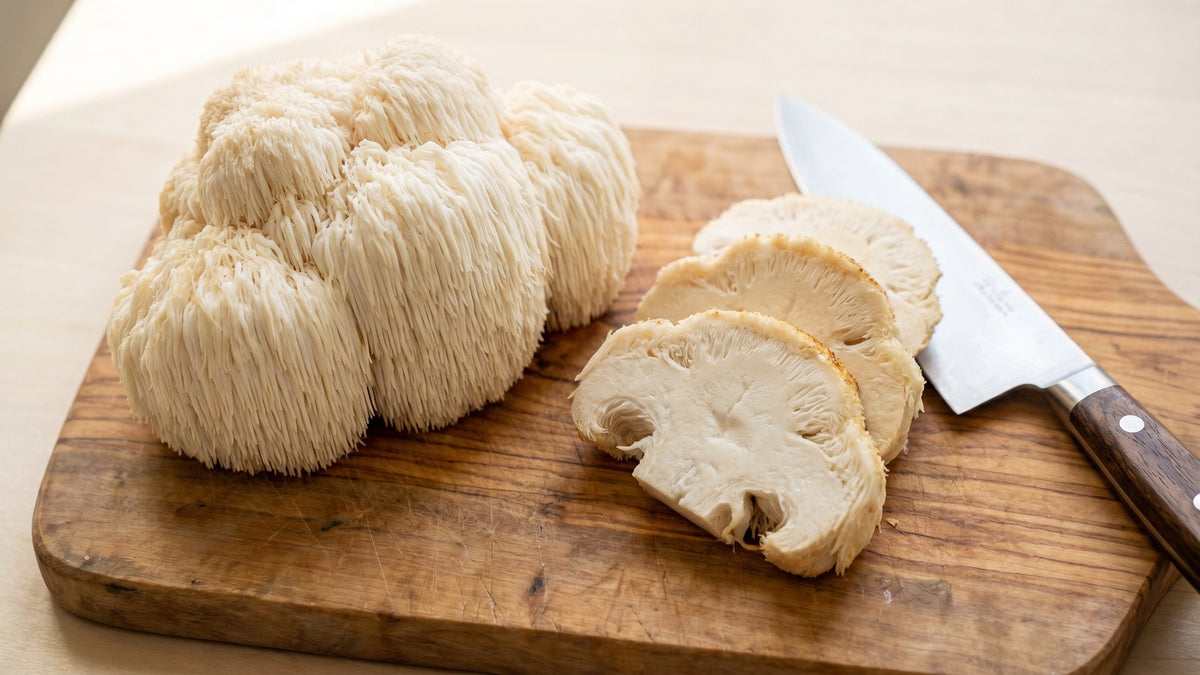
Lion's Mane (Hericium erinaceus)
Lion's mane tea is pale gold to amber, with a mild, slightly sweet, almost seafood-adjacent flavor when made from fresh dried fruit body. It is the easiest mushroom tea for newcomers and the one most likely to be enjoyed plain.
Traditionally used for: cognitive support, nerve health, gut support. Hericenones and erinacines are the bioactive compounds of interest, though their concentrations in water-only tea are lower than in dual-extracted tinctures.
Bioactive compounds: hericenones (water-soluble), erinacines (alcohol-soluble), beta-glucans. Lion's mane tea captures the hericenones and beta-glucans; an alcohol tincture is needed to capture the erinacines fully.

Fuel Your Mushroom Journey
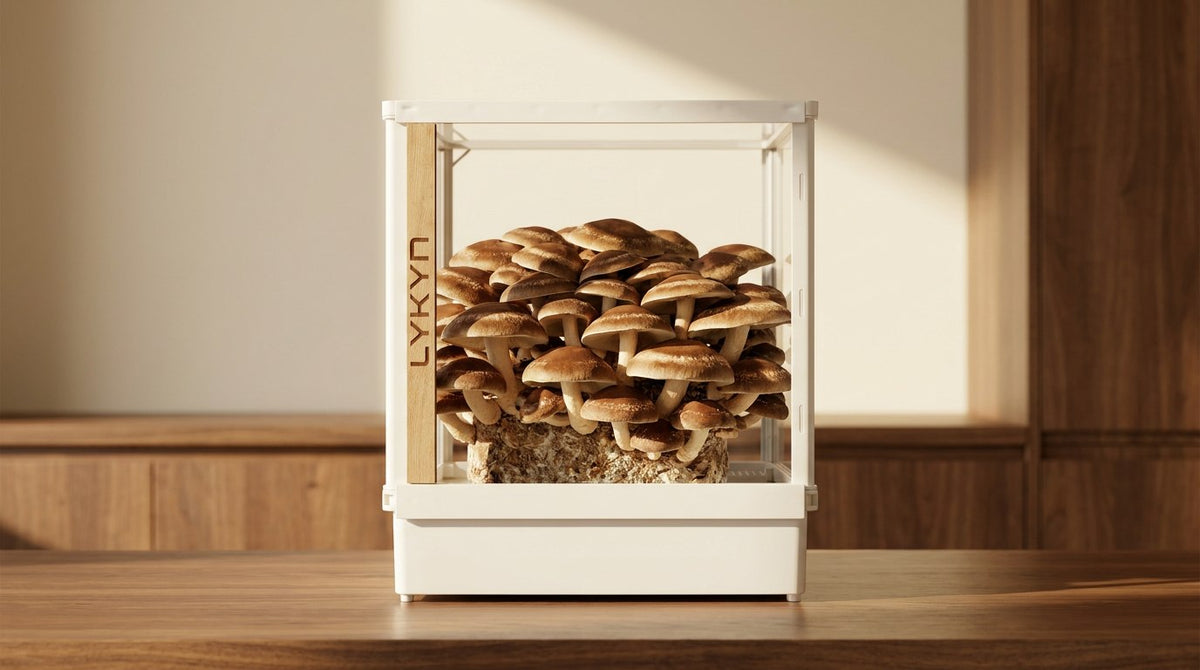
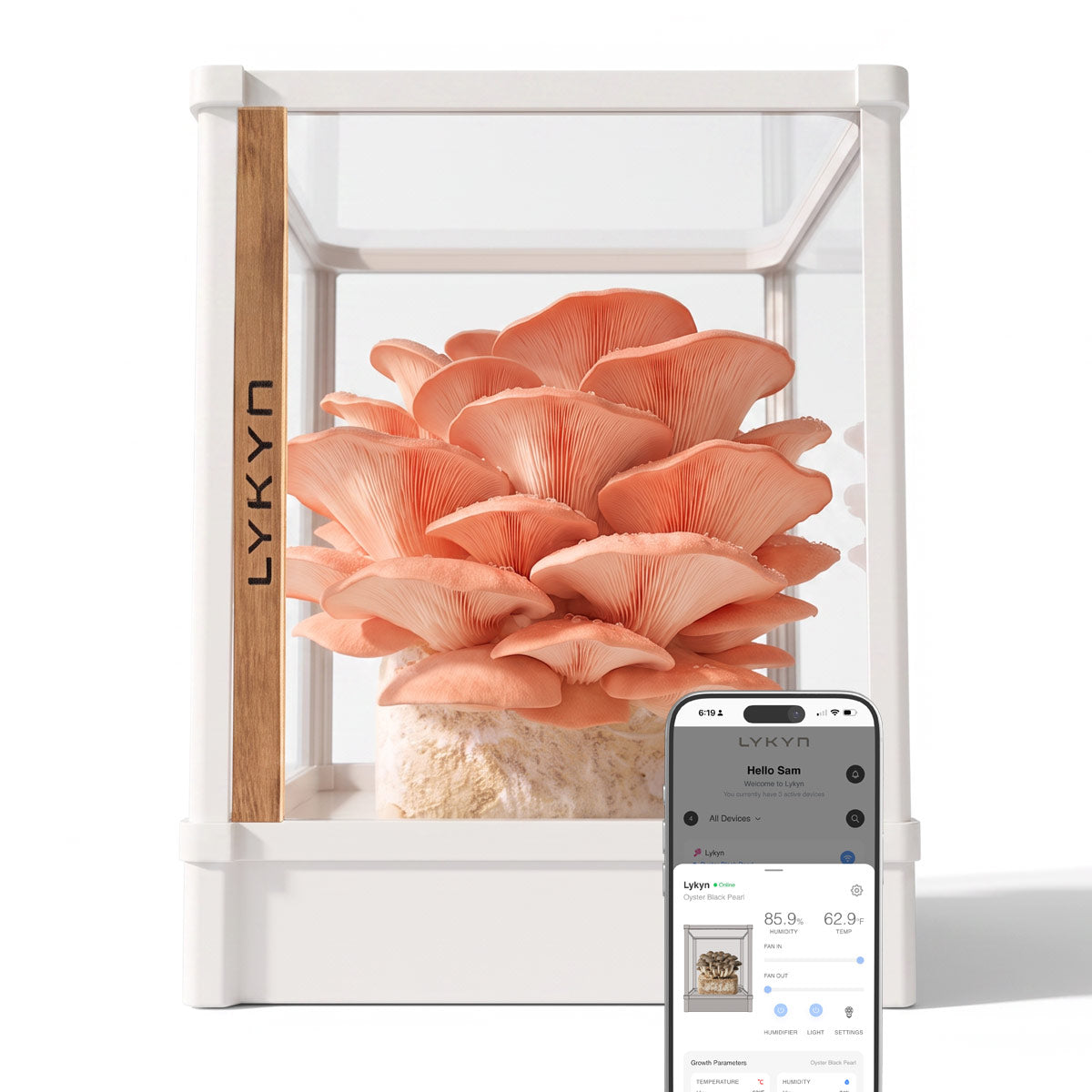
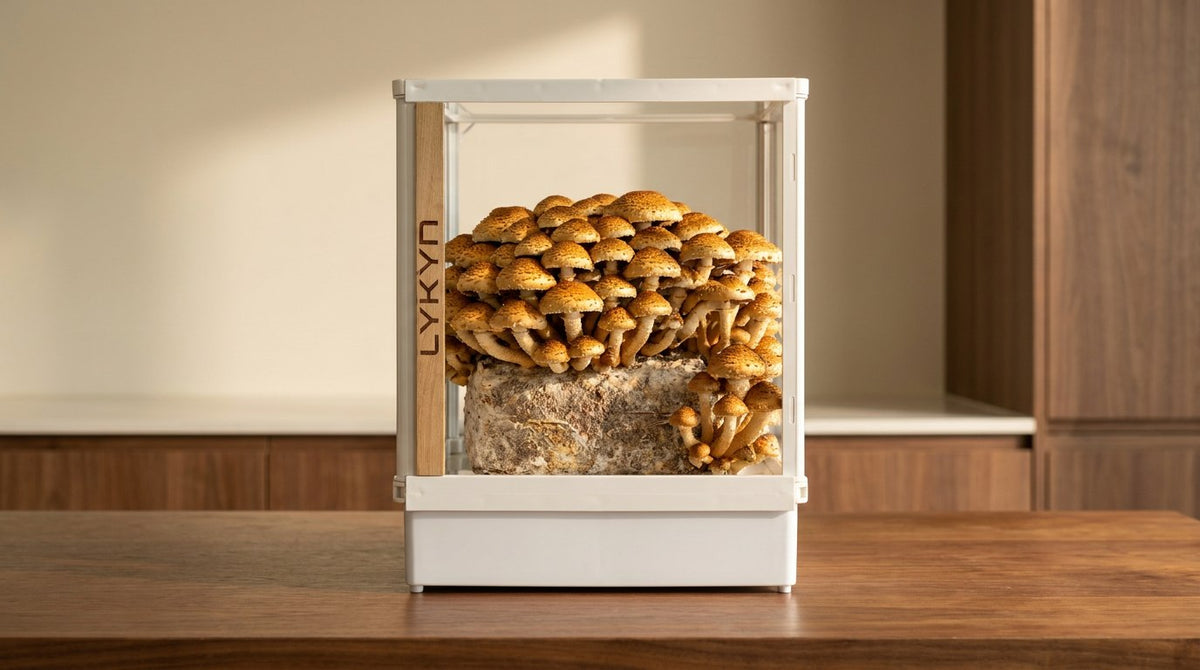
Smart Mushroom Grow Chamber
Plug-and-play smart chamber with humidity, light, and airflow dialed in for every species. Beginners harvest their first flush in days, not months.
Add to cart $299Other Mushrooms Used in Tea
Beyond the big four, a handful of other species appear in mushroom tea blends.
- Cordyceps: mild, slightly sweet flavor. Often blended with green tea or matcha for an energy-focused drink.
- Maitake: earthy and slightly nutty. More common in broths than teas but workable as a tea.
- Shiitake: deeply umami, almost meaty. Generally too savory for sweet tea but excellent as a base for clear broths.
- Tremella (snow fungus): very mild, slightly sweet. Used in Asian dessert soups and increasingly in functional teas for skin health.
How Each Species Tastes Side by Side
If you tried four cups in a row, here is the rough order from mildest to strongest.
- Lion's mane: mild, slightly sweet, easy.
- Turkey tail: mild and woody, very drinkable.
- Chaga: rich, dark, slightly bitter, coffee-adjacent.
- Reishi: deeply bitter, woody, polarizing on first try.
Most people who get into mushroom tea start with lion's mane or chaga and add reishi later, often blended with honey, licorice, or schisanrda berry to soften the bitterness.
Two Brewing Methods to Know
Mushroom tea comes in two preparation styles, and the choice matters more than the species.
Decoction (Long Simmer)
The traditional method. Dried mushroom slices are added to cold water, brought to a low simmer, and held there for 30 minutes to 2 hours. The long, slow extraction pulls out polysaccharides and beta-glucans from the dense fungal cell walls. Decoction is the right method for whole, dried mushrooms, especially chaga and reishi.
Infusion (Steep)
The faster method. Powdered mushroom extract or pre-cut tea bags are steeped in hot (not boiling) water for 5 to 15 minutes. Infusion works well when the mushroom has already been pre-extracted into a fine powder. It does not work well for whole dried slices because the extraction time is too short to break down the cell walls.
Most commercial mushroom tea bags use pre-extracted powders, so a short infusion gives a reasonable cup. Whole-mushroom tea (which tastes better in our opinion) requires the decoction approach.
Benefits People Look For
Different species attract different drinkers.
- Reishi tea: evening drinkers looking for calm, sleep support, and stress modulation.
- Chaga tea: people swapping out morning coffee, antioxidant-focused drinkers, gut health.
- Turkey tail tea: immune support, gut microbiome support, mild daily drinkers.
- Lion's mane tea: cognitive focus, nerve health, morning ritual people who do not want caffeine.
None of these effects are dramatic in a single cup. The traditional use is daily, sustained, often over months or years. Modern research generally confirms that the polysaccharides and beta-glucans in these mushrooms are bioavailable and biologically active, with the strongest evidence for immune modulation across the category.
What to Look For When Buying
The same quality rules apply to mushroom tea as to other mushroom drinks.
- Fruiting body, not mycelium on grain. Especially important for chaga (which should be wild-harvested birch chaga, not grown mycelium) and reishi (red reishi fruit body, not mycelium).
- Visible mushroom pieces or genuine extract powder. Avoid tea bags that contain mostly grain filler with a token mushroom mention.
- Country of origin and harvest method. Wild chaga from Northern boreal forests is generally considered superior to lab-grown chaga. Cultivated reishi and lion's mane are excellent and more sustainable.
- Heavy metal testing. Chaga and reishi can accumulate heavy metals from their substrate, so third-party tested teas are worth the small upcharge.
The Easy Way In
If you have never tried a mushroom tea, lion's mane or turkey tail is the easiest entry point. Both are mild, drinkable plain, and well-tolerated. From there, chaga is a natural next step if you like darker, coffee-adjacent flavors. Reishi is the most acquired taste and is best approached with a sweetener and patience.
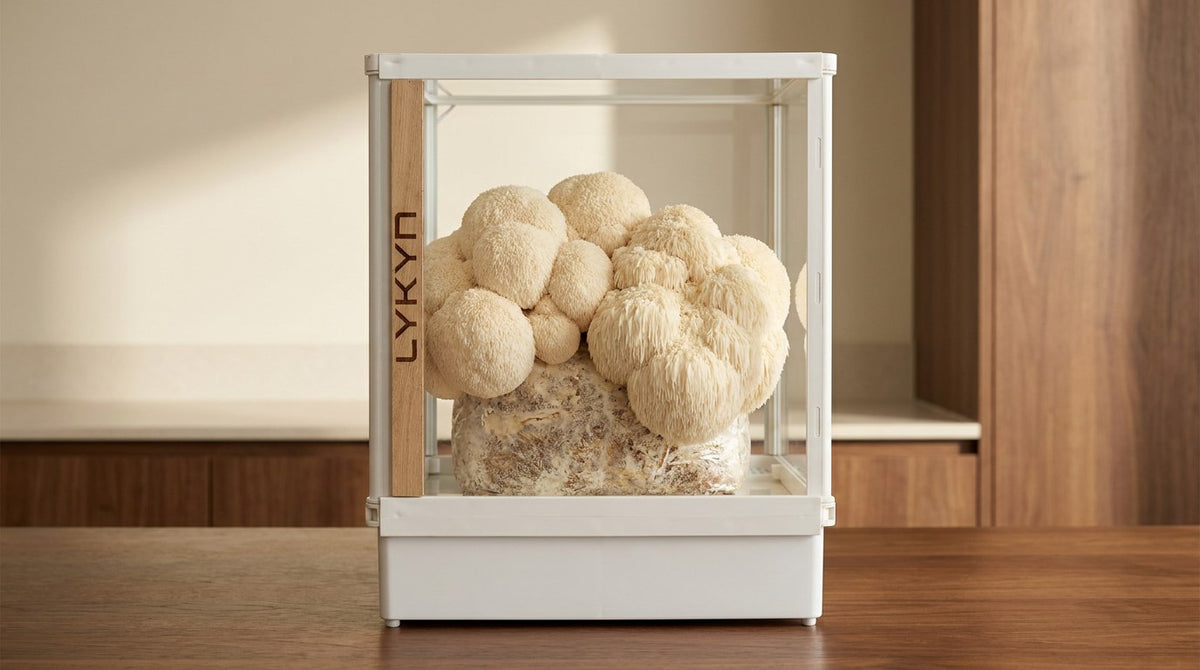
And if the mushroom tea ritual makes you curious about working with fresh whole mushrooms, lion's mane is a particularly fun species to grow at home. A pound of fresh lion's mane can be dehydrated into many cups of tea, plus enough fresh material for sautéing and broths. Our mushroom grow kits make that experience accessible without a complicated setup. The next cup of mushroom tea you brew, especially if you grew the mushroom yourself, will be a more grounded ritual than any pre-packaged tea bag can deliver.
Share:
Mushroom Hunting: A Beginner's Guide to Safe Foraging
Mushroom Hunting: A Beginner's Guide to Safe Foraging