


Mushrooms growing in your yard is one of those backyard mysteries that can feel alarming the first time you see it. The truth is, mushrooms appearing on a lawn are almost always a sign of healthy soil biology at work. They show up after rain, signal that decomposers are breaking down organic matter underground, and usually disappear on their own within a week. The only real concerns are species that are toxic to pets and children, and fairy ring formations that can leave brown patches in the grass.
This guide explains why mushrooms appear in yards, the most common species you will see, how to identify dangerous ones, and what to do about them when they show up.
Why mushrooms appear in yards

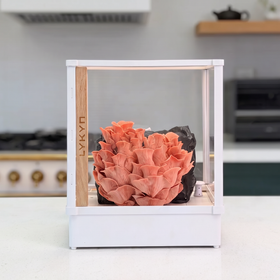
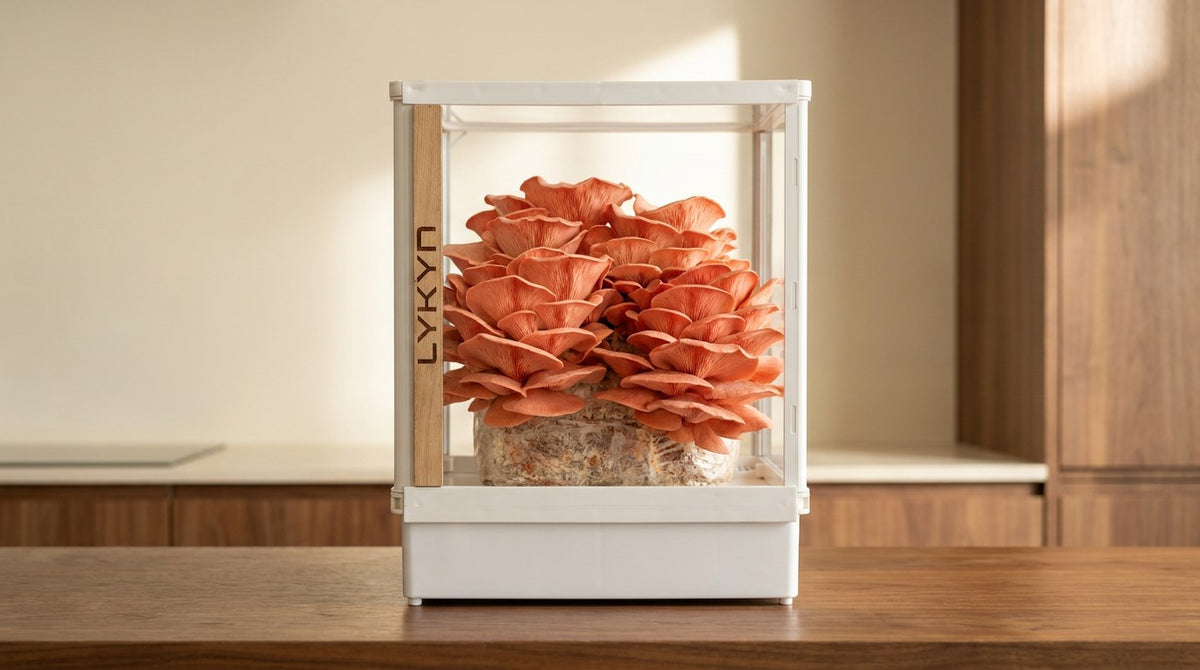
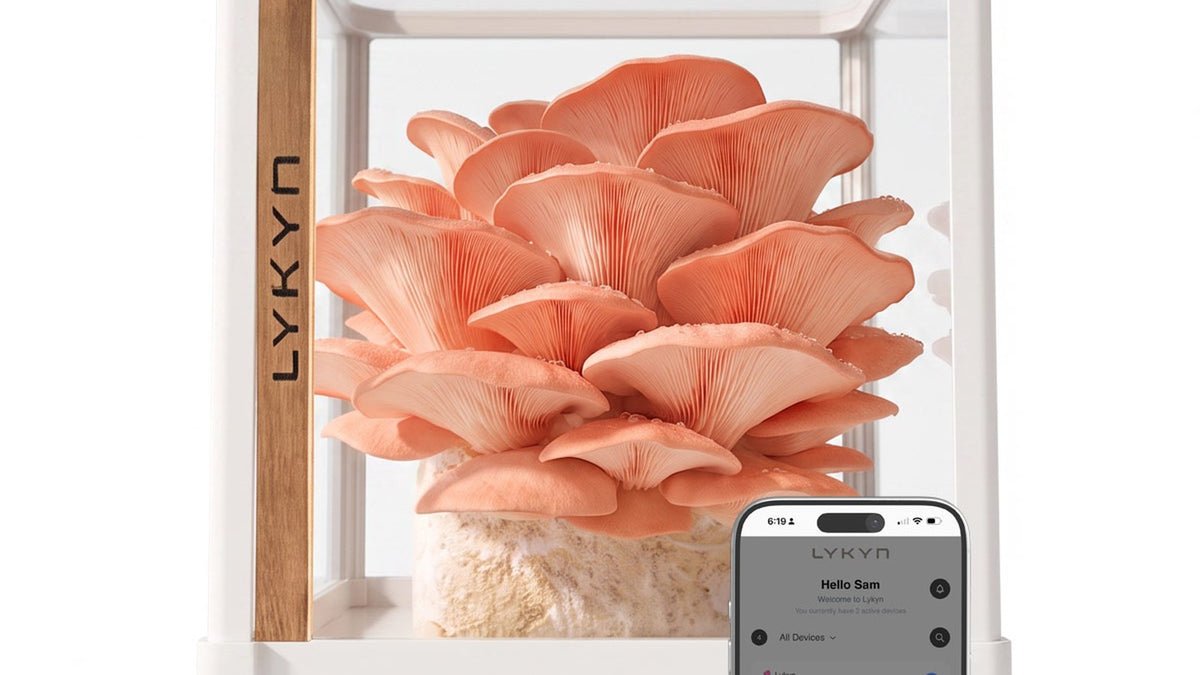
Smart Chamber. Bone White Single
- 2.8L tank, 90% humidity automatic
- App-controlled, plug-and-play
- 6 lb block ceiling, in stock

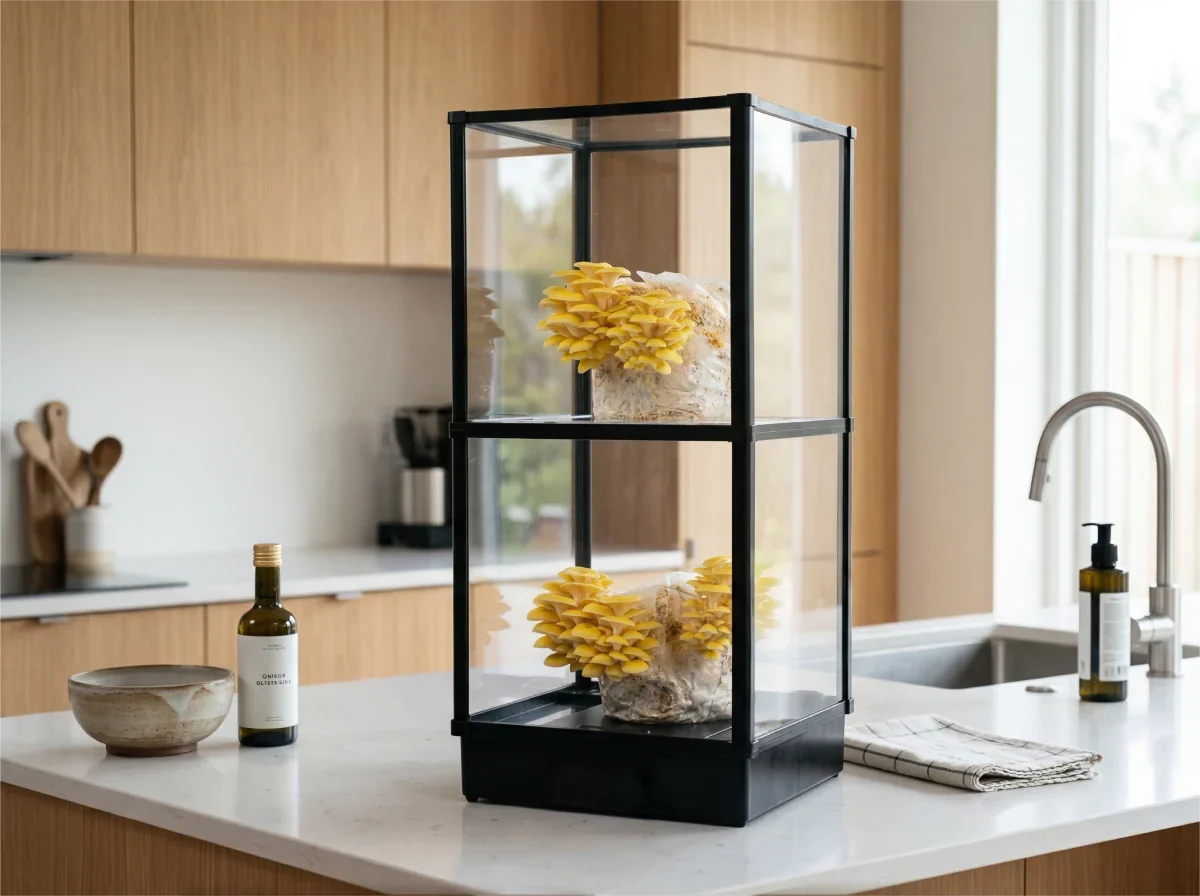
Smart Chamber. Obsidian Black Single
- Same hardware as Bone White
- Matte black premium finish
- Pairs with any kitchen palette

Every mushroom you see above ground is the temporary fruiting body of a much larger underground organism called mycelium. This mycelium can spread across many square feet of soil and live for years, doing its work invisibly. When the right combination of moisture, warmth, and food appears, the mycelium pushes up fruiting bodies to release spores.
The conditions that bring mushrooms to a yard:
- Recent rain or heavy watering
- Warm but not hot temperatures, typically 50 to 80 degrees Fahrenheit
- Decaying organic matter in the soil, such as buried wood, old roots, mulch, or thatch
- Shade or partially shaded areas that hold moisture
If you see mushrooms appear after a stretch of rain, the underlying organism has probably been in your soil for years. The mushrooms are not new arrivals, just newly visible.
Common yard mushroom species
Across most of the United States and similar temperate climates, these are the species most likely to show up:
- Fairy ring mushrooms (Marasmius oreades): tan caps appearing in circles or arcs
- Green-spored parasol (Chlorophyllum molybdites): large white caps, the leading cause of mushroom poisoning calls in North America
- Common puffballs (Lycoperdon perlatum): round white balls with no stem
- Inky caps (Coprinus species): tall thin caps that liquify into black goo as they age
- Field mushrooms (Agaricus campestris): edible cousin of the button mushroom, easily confused with toxic species
- Shaggy mane (Coprinus comatus): cylindrical caps that self-digest into black ink
- Yellow stainer (Agaricus xanthodermus): toxic Agaricus that turns yellow at the base when cut
Most yards see two or three of these per year, with regional variation. A yard near oak trees may see Amanita species, while a yard with lots of mulch may see inky caps or Stropharia.
Are yard mushrooms dangerous to pets?
Some species are toxic to dogs, cats, and small children. The most dangerous ones in residential yards include:
- Death cap (Amanita phalloides): the species responsible for the majority of fatal mushroom poisonings worldwide
- Death angel (Amanita bisporigera): equally lethal, often found in lawns near oaks
- Green-spored parasol (Chlorophyllum molybdites): causes severe vomiting and diarrhea, rarely fatal but very unpleasant
- Galerina species: small brown lawn mushrooms with deadly liver toxins
If a dog or child eats a mushroom from the yard, bag a sample, take photos, and call the Pet Poison Helpline (855-764-7661), the ASPCA Animal Poison Control (888-426-4435), or your local Poison Control Center (1-800-222-1222 in the US). Do not wait for symptoms. Many mushroom toxins cause damage hours before symptoms appear.
Will mushrooms hurt my lawn?
For the most part, no. Mushrooms feed on dead organic matter, not living grass. The fungi that produce lawn mushrooms are decomposers, breaking down old roots, thatch, and buried debris into nutrients the grass can use.

Fuel Your Mushroom Journey
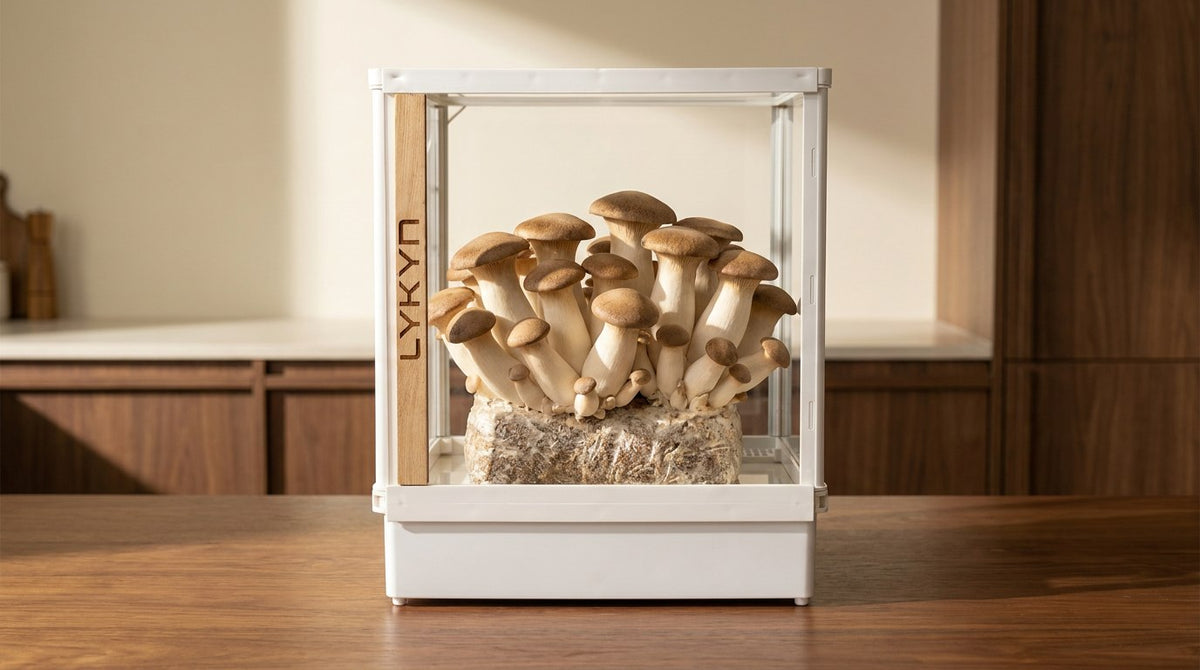
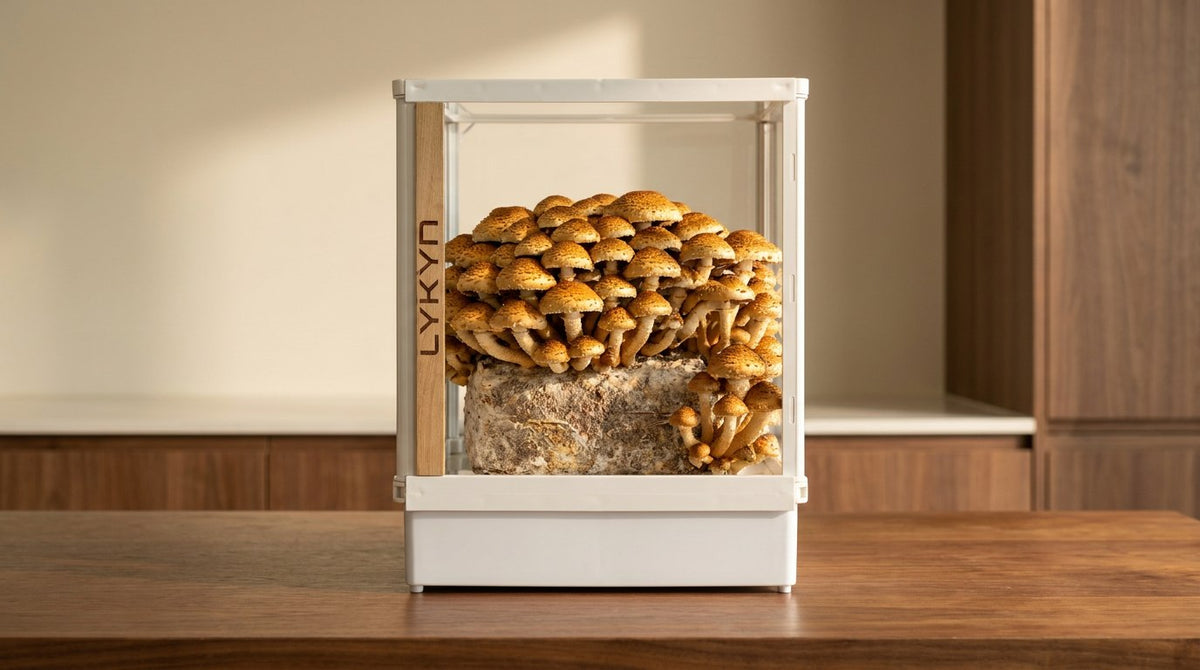
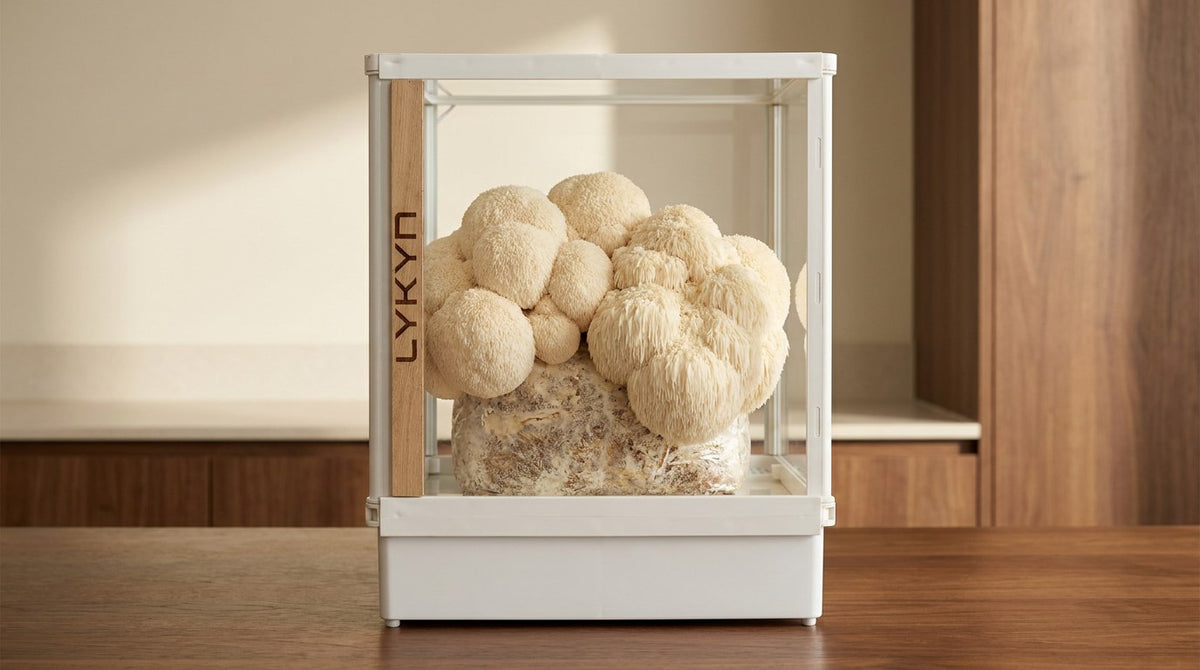
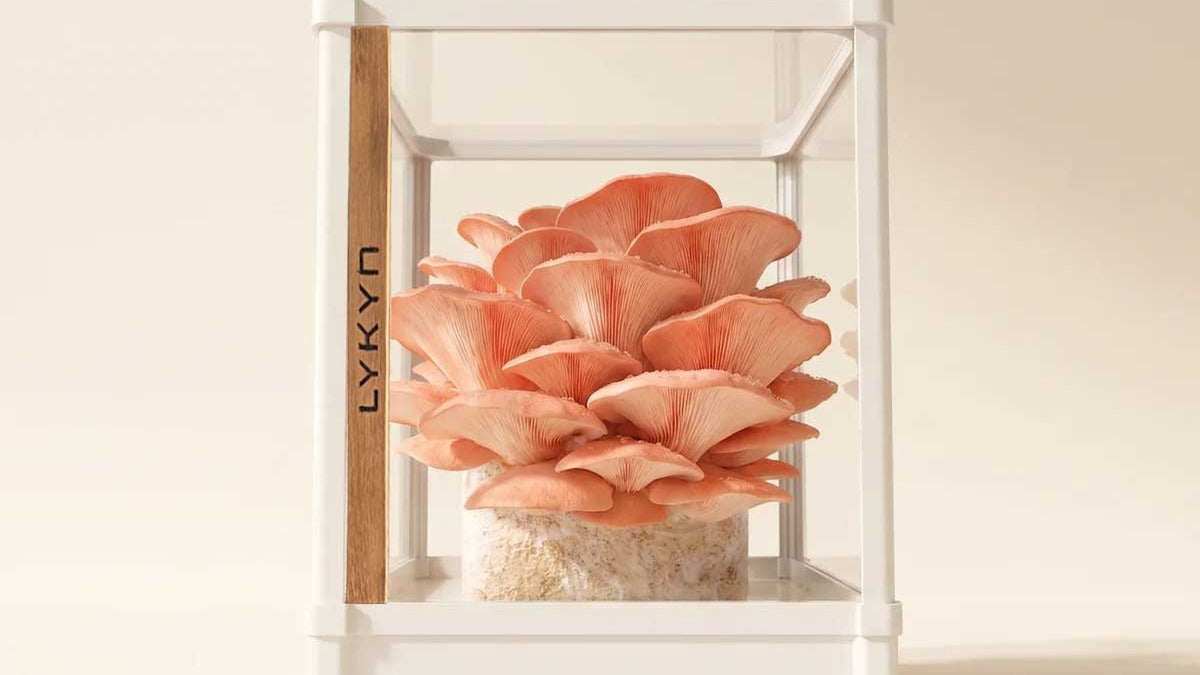
Smart Mushroom Grow Chamber
Plug-and-play smart chamber with humidity, light, and airflow dialed in for every species. Beginners harvest their first flush in days, not months.
Add to cart $299The exception is fairy ring fungus, which can develop a dense underground mat that repels water. When this happens, you may see rings of dark green grass (from the nitrogen the fungus releases) bordered by dead patches (where the soil has become hydrophobic). Treating fairy ring takes consistent deep watering, aeration to break up the mat, and time. Sometimes years.
How to remove yard mushrooms
The most effective combination of methods:
- Pull or rake mushrooms as soon as you see them, before they release spores
- Bag the mushrooms for trash, not compost, especially toxic species
- Reduce moisture: aerate compacted soil, fix drainage, and avoid overwatering
- Locate and remove buried wood, old stumps, or excess mulch
- Dethatch the lawn once or twice a year
- Increase sunlight if possible by trimming overhanging branches
Fungicides are sold for lawn mushrooms, but they rarely solve the problem because the underground mycelium is rarely affected by surface treatments. The mushrooms come back the next time conditions are right.
When to leave them alone
If your yard has pets and kids who do not put mushrooms in their mouths, and the species you see is not on the dangerous list, you can simply leave the mushrooms to disappear on their own. They typically wilt and decompose within three to seven days. The underground network keeps doing its job, which is breaking down old debris and feeding your soil.
Some lawn-care experts argue that a yard producing occasional mushrooms is a yard with better soil biology than one that never does. The visible mushrooms are a sign of active decomposition and healthy fungal activity, both of which support the soil structure your grass depends on.
What about fairy rings specifically?
Fairy rings are circles or arcs of mushrooms (or just dark green grass) caused by the mycelium of certain species spreading outward from a central starting point. The ring expands a few inches to a few feet per year. Three things tend to happen:
- A dark green ring of fast-growing grass, caused by nitrogen released by the fungus
- A ring of mushrooms appearing after rain
- A dead ring or patch inside the dark green, where the underground mycelium has become so dense it repels water
Treating an active fairy ring takes consistent intervention: aerate the affected area deeply, apply a soil wetting agent, water deeply for several weeks, and overseed the dead area. There is no quick fix.
Channeling the interest into edible mushrooms
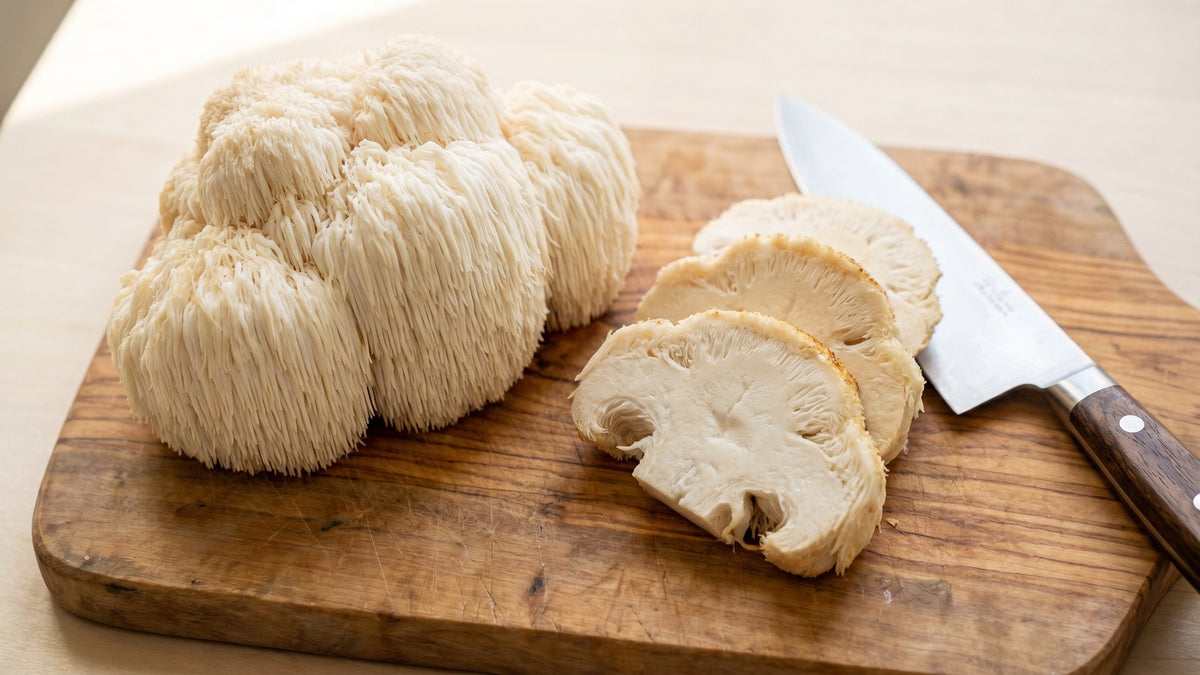
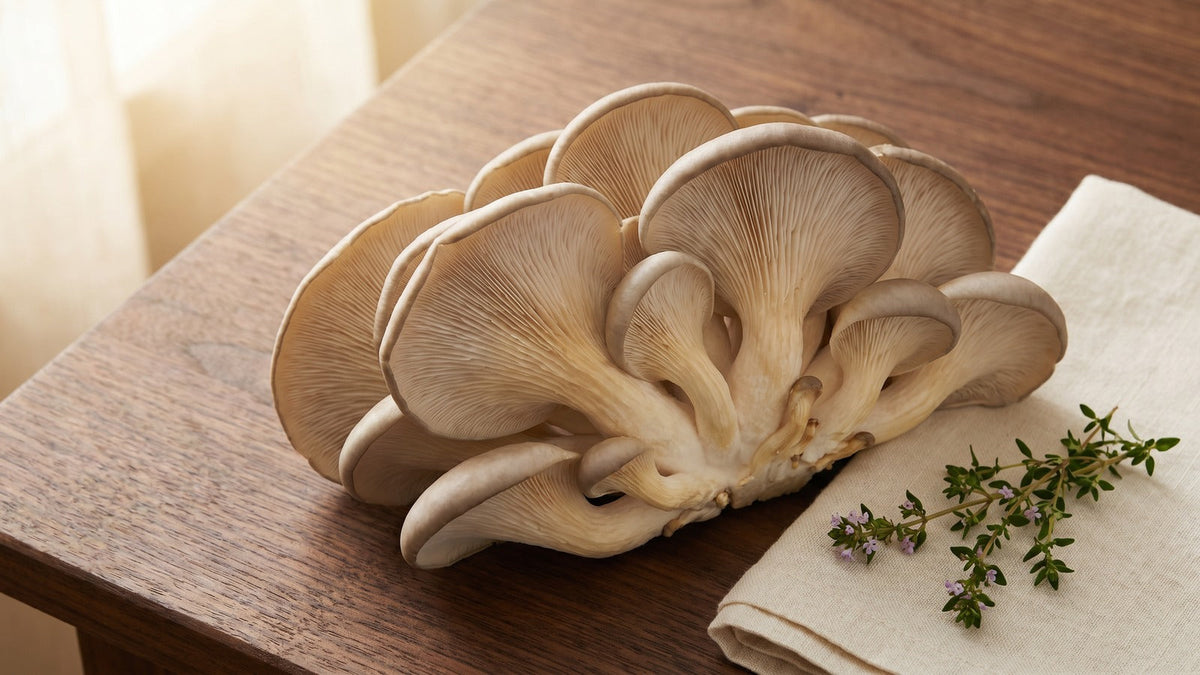
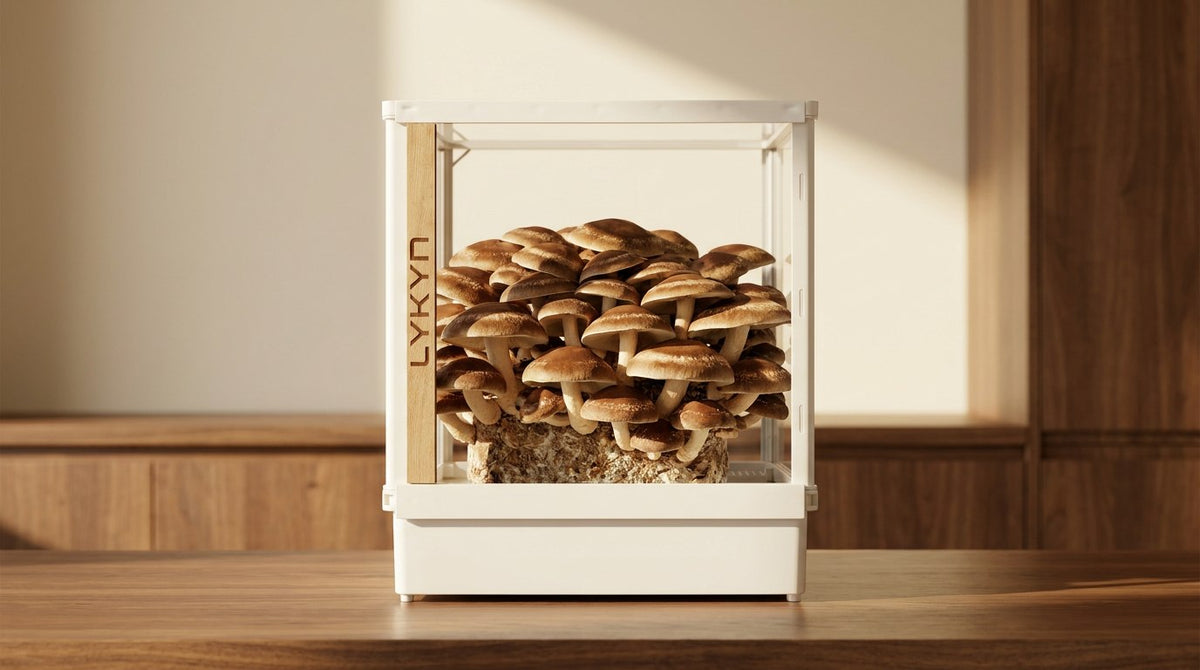
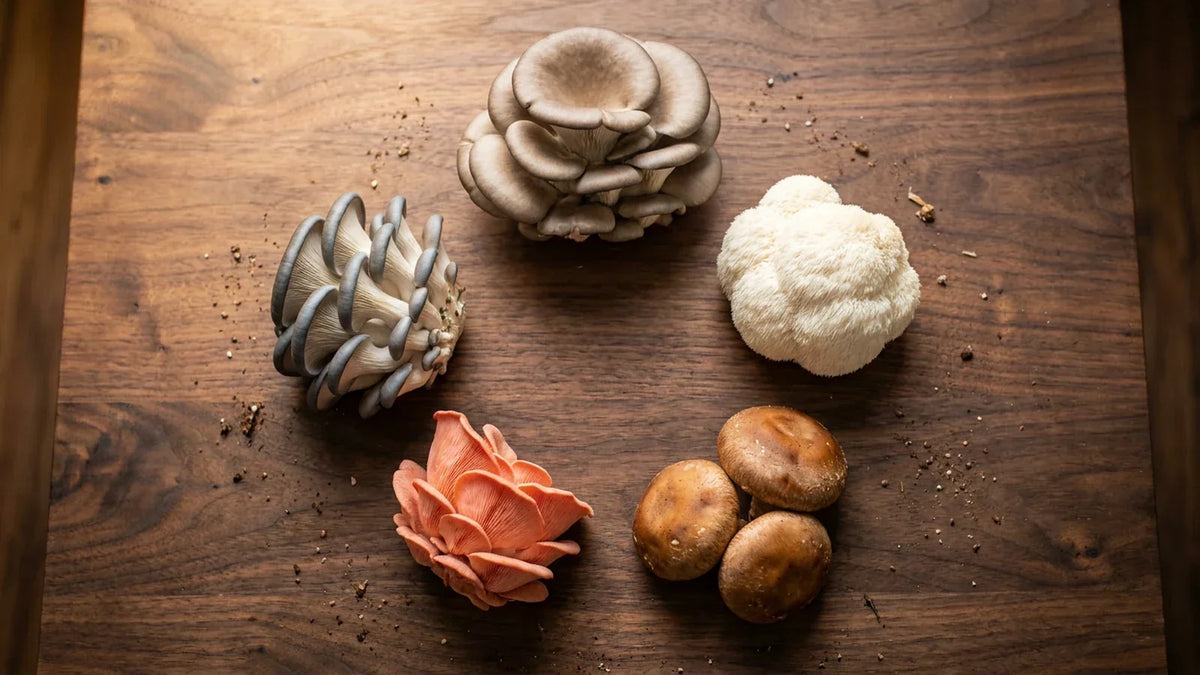
If yard mushrooms have sparked your curiosity but you do not want to risk eating wild species, growing edible mushrooms at home is a satisfying next step. A countertop grow kit produces consistent harvests of species like oyster, lion's mane, or shiitake in a controlled environment where the species and safety are guaranteed. You can explore home mushroom grow kits for a reliable supply.
The bottom line
Mushrooms growing in your yard are almost always harmless to your grass and a normal feature of healthy soil. The only real concern is species toxic to pets and small children, so identify what you have, remove dangerous species promptly, and let the harmless ones run their short life cycle. The underground fungal network is part of why your lawn grows well in the first place.

Share:
Replace Cream of Mushroom Soup: 5 Alternatives That Work Better
Replace Cream of Mushroom Soup: 5 Alternatives That Work Better