


The Spanish word for mushrooms is setas (wild or cultivated edible mushrooms) or hongos (fungi in the broader scientific sense, also used as a general food term in Latin America). Spain and Mexico both have rich mushroom traditions, but they don't always use the same vocabulary, so the right word depends on where you are and what you're describing.
If you're ordering at a restaurant in Madrid, ask for setas a la plancha. If you're at a market in Oaxaca, you'll see hongos silvestres labeled in baskets. Both are correct. Below is a clear, useful guide to the words, the regional differences, and how to pronounce them naturally.
Setas vs. hongos: what's the actual difference?

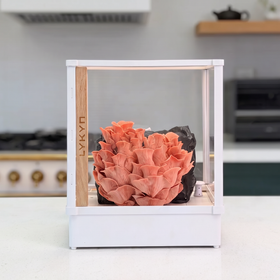
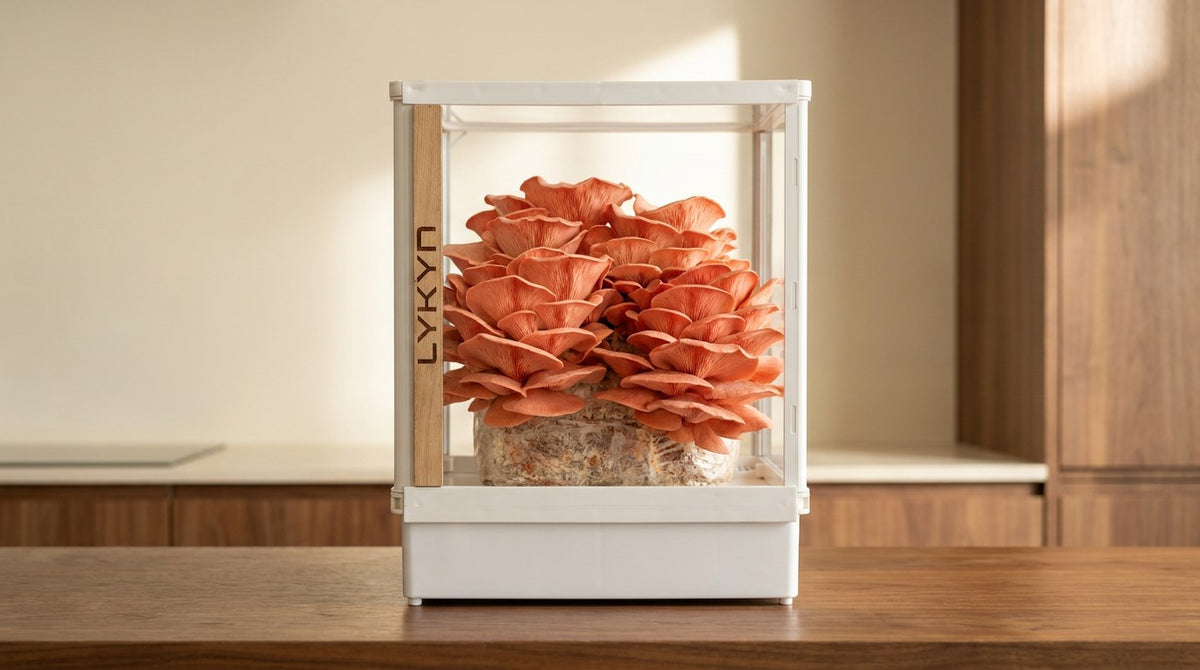
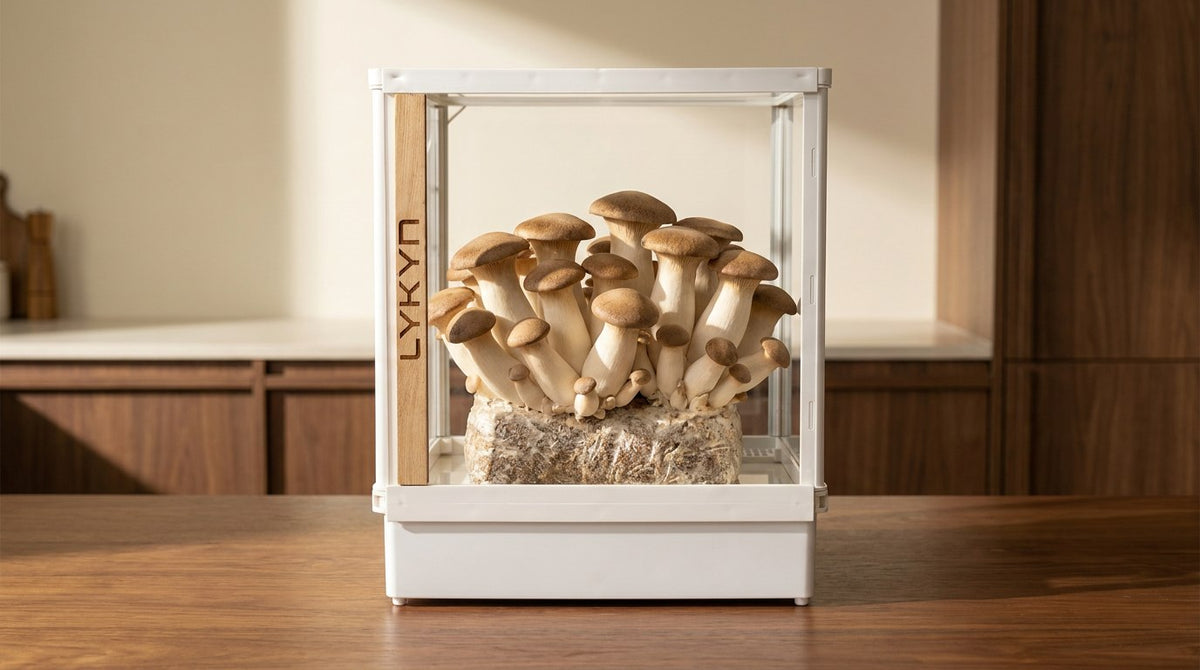
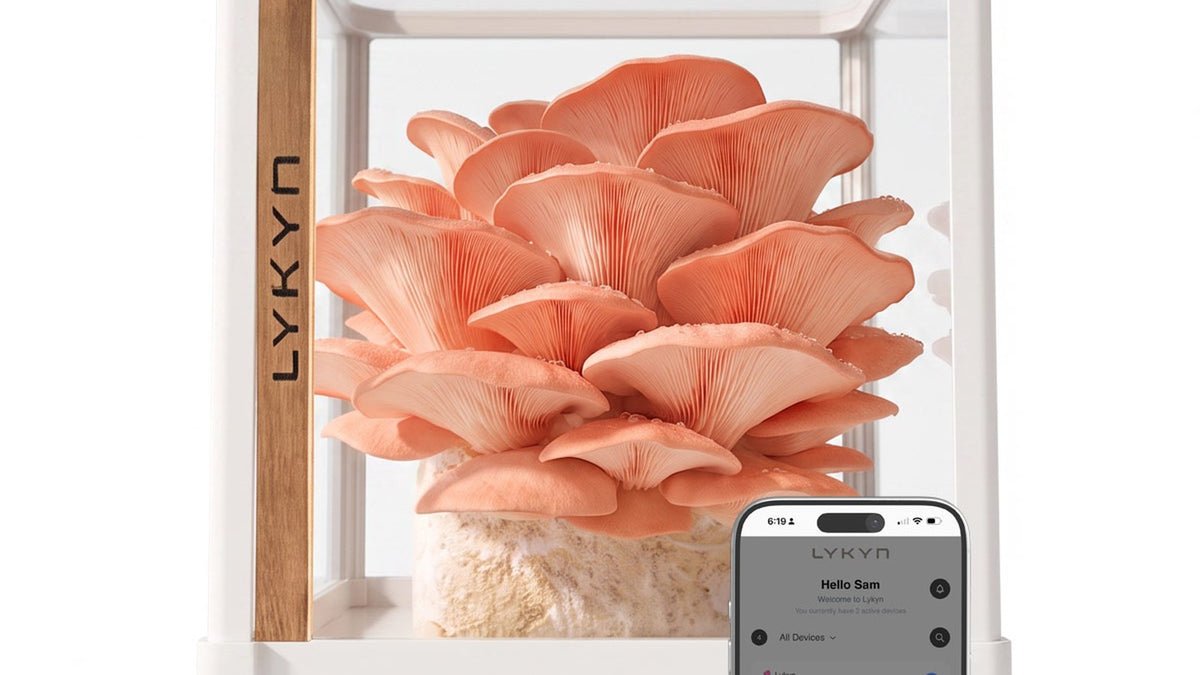
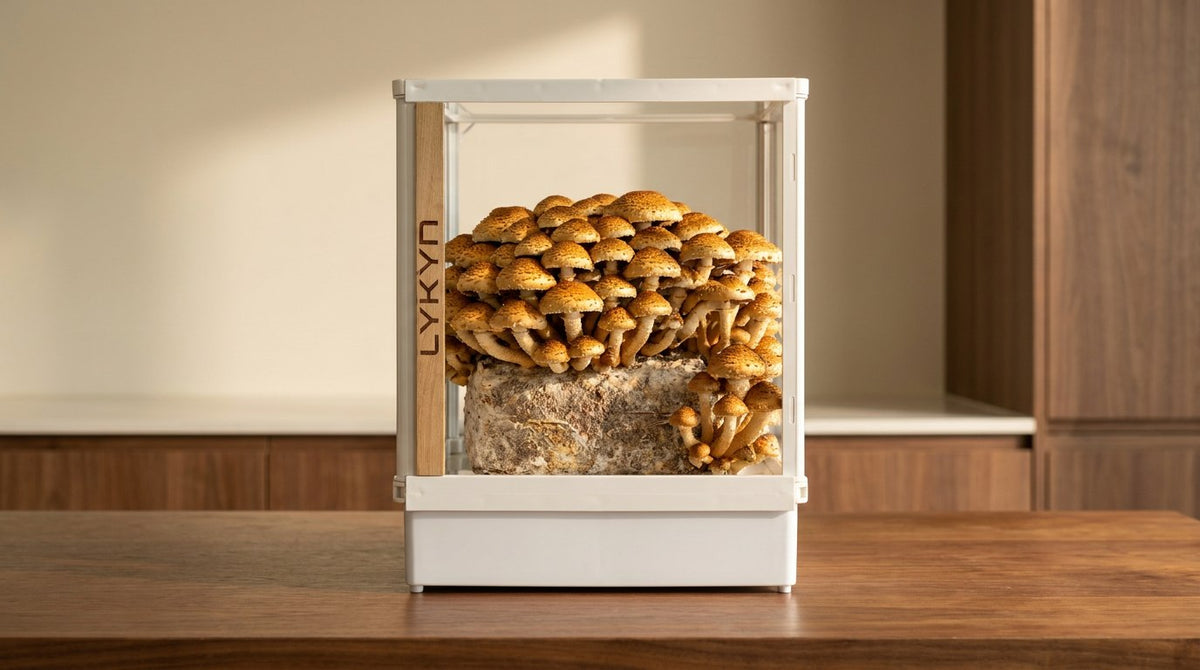
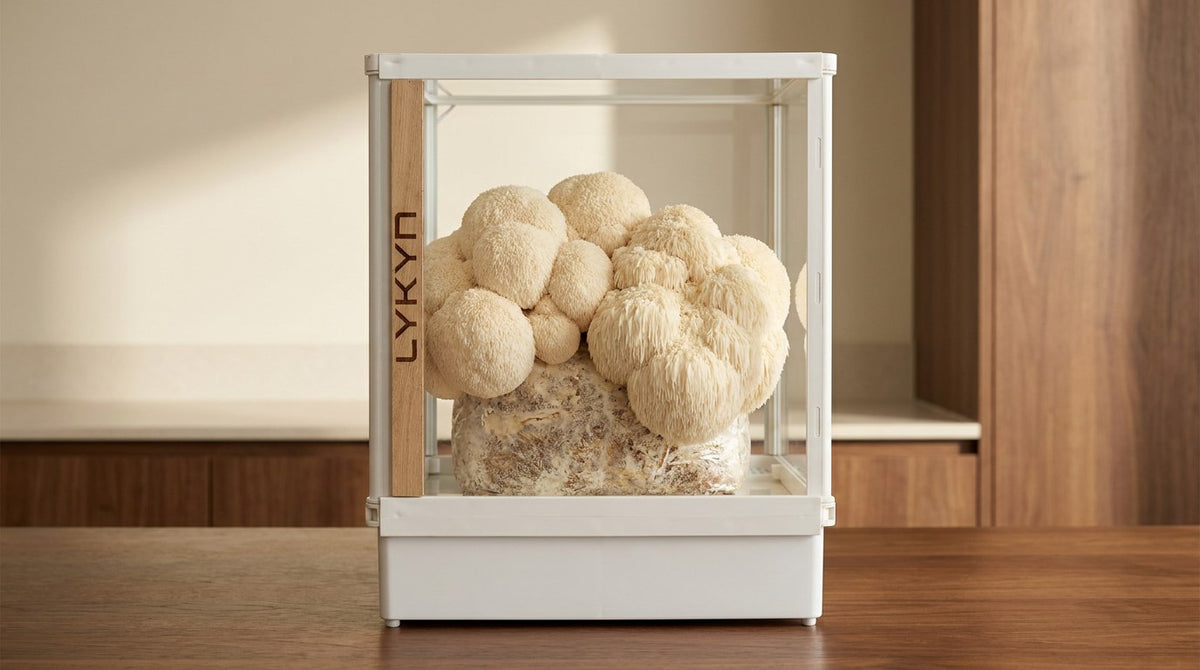
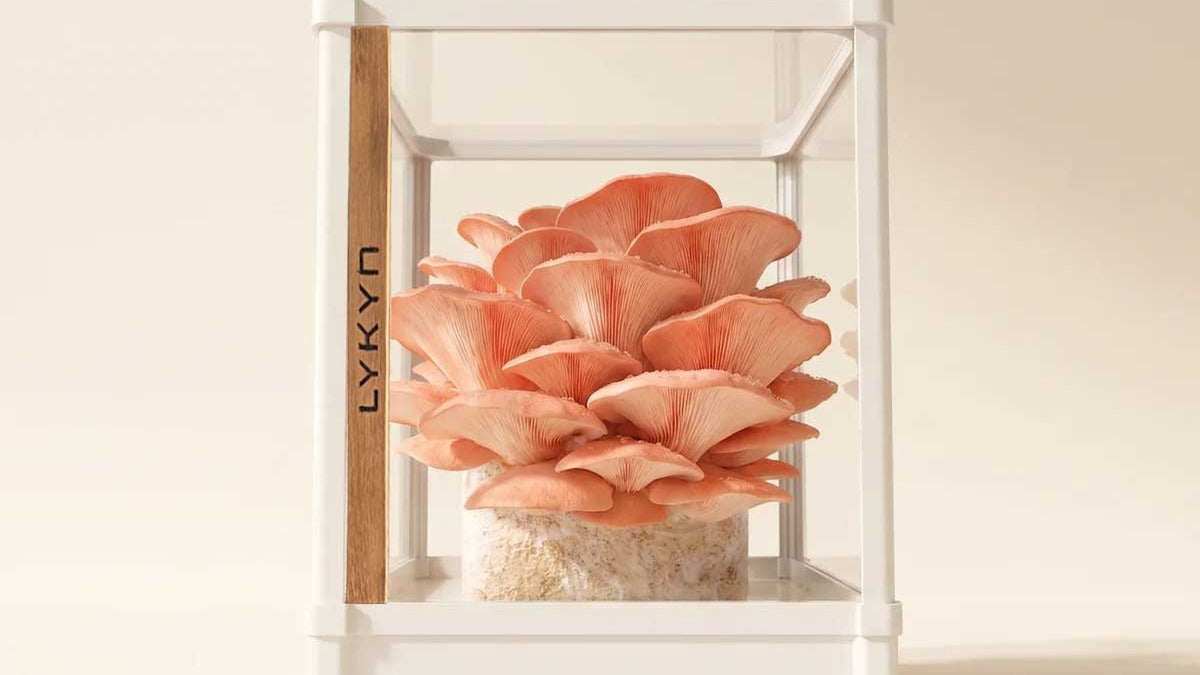
Smart Chamber. Bone White Single
- 2.8L tank, 90% humidity automatic
- App-controlled, plug-and-play
- 6 lb block ceiling, in stock

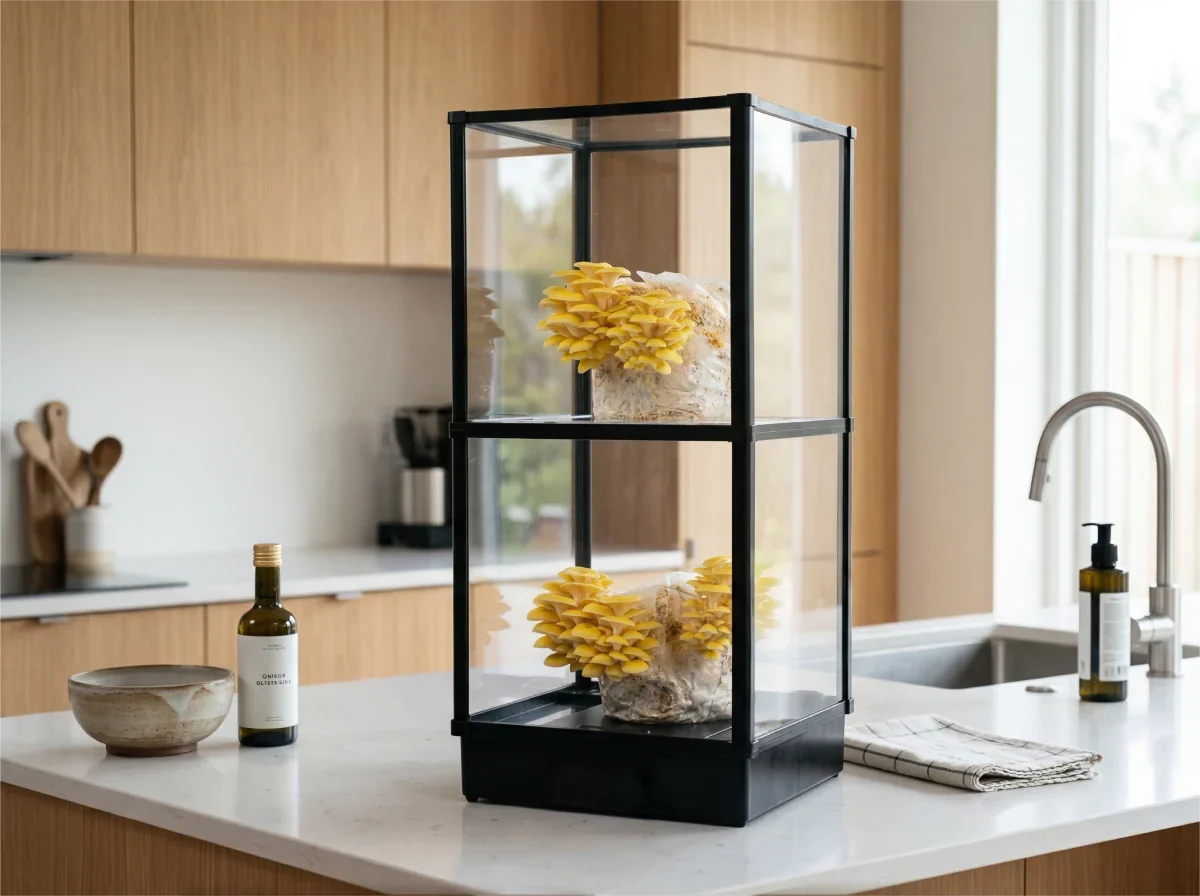
Smart Chamber. Obsidian Black Single
- Same hardware as Bone White
- Matte black premium finish
- Pairs with any kitchen palette

In standard Castilian Spanish, setas refers specifically to edible mushrooms with a visible cap and stem, the kind you eat. Hongos is the broader biological term, covering all fungi, including molds, yeasts, and mushrooms. Think of it this way: every seta is a hongo, but not every hongo is a seta.
In Mexico, Argentina, Colombia, and most of Latin America, the common word for edible mushrooms is hongos. You'll hear "voy a comprar hongos" (I'm going to buy mushrooms) far more often than "voy a comprar setas." In Spain, you'll hear the opposite. Both are understood in either region, but using the local word makes you sound natural rather than textbook-correct.
There's also champiñón, which specifically means the white button mushroom (Agaricus bisporus). It comes from the French champignon and is the default supermarket mushroom across the Spanish-speaking world. If you see champiñones rellenos on a menu, that's stuffed button mushrooms.
How to pronounce setas, hongos, and champiñones
Pronunciation matters because Spanish vowels are crisp and consistent, unlike English vowels which slide around.
- Setas: SEH-tahs. Two syllables, soft S at the start and end.
- Hongos: OHN-gohs. The H is silent in Spanish. Don't pronounce it.
- Champiñones: cham-pee-NYOH-nays. The ñ is a "ny" sound, like the start of "canyon."
- Boletus: boh-LEH-toos. Used for porcini-type mushrooms in Spain.
- Níscalo: NEES-kah-loh. The saffron milk cap, a prized wild mushroom in Catalan and Spanish cuisine.
If you're learning Spanish for cooking or travel, these five words cover most situations you'll encounter.
Mushroom names by variety in Spanish
Different species have their own names, and a lot of them don't translate one-to-one with English. Here are the most common ones you'll see on menus, in markets, or in recipes.
- Champiñón: white button mushroom
- Portobello or portobelo: same name as in English, a mature crimini
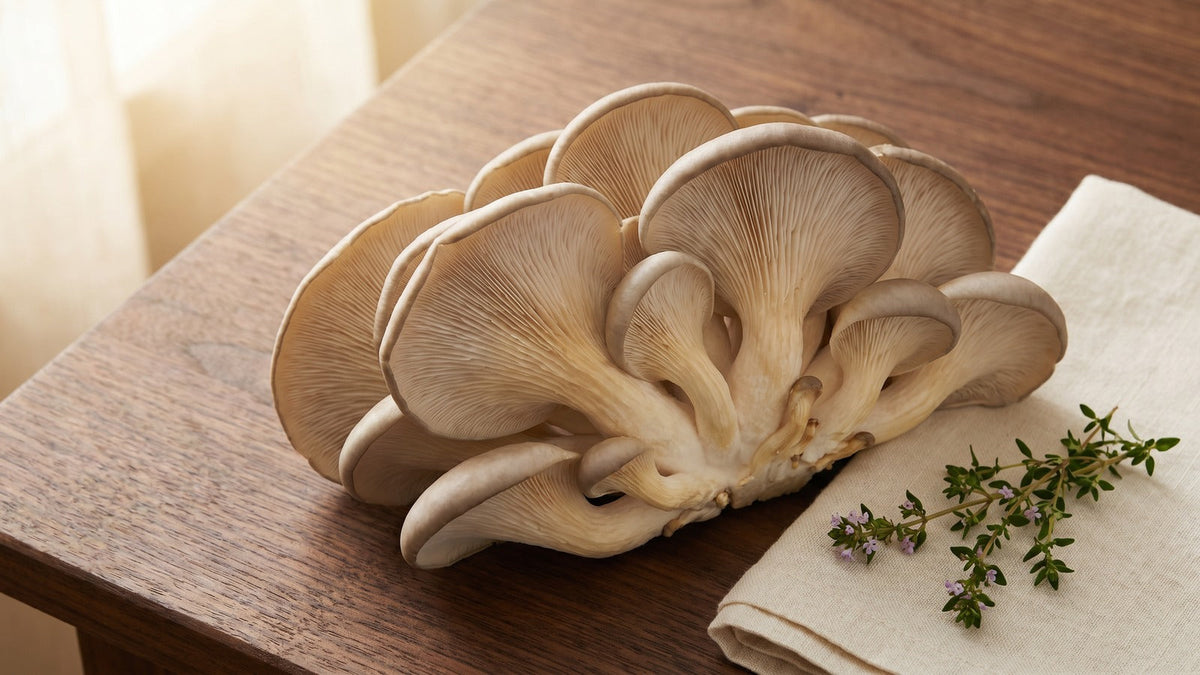
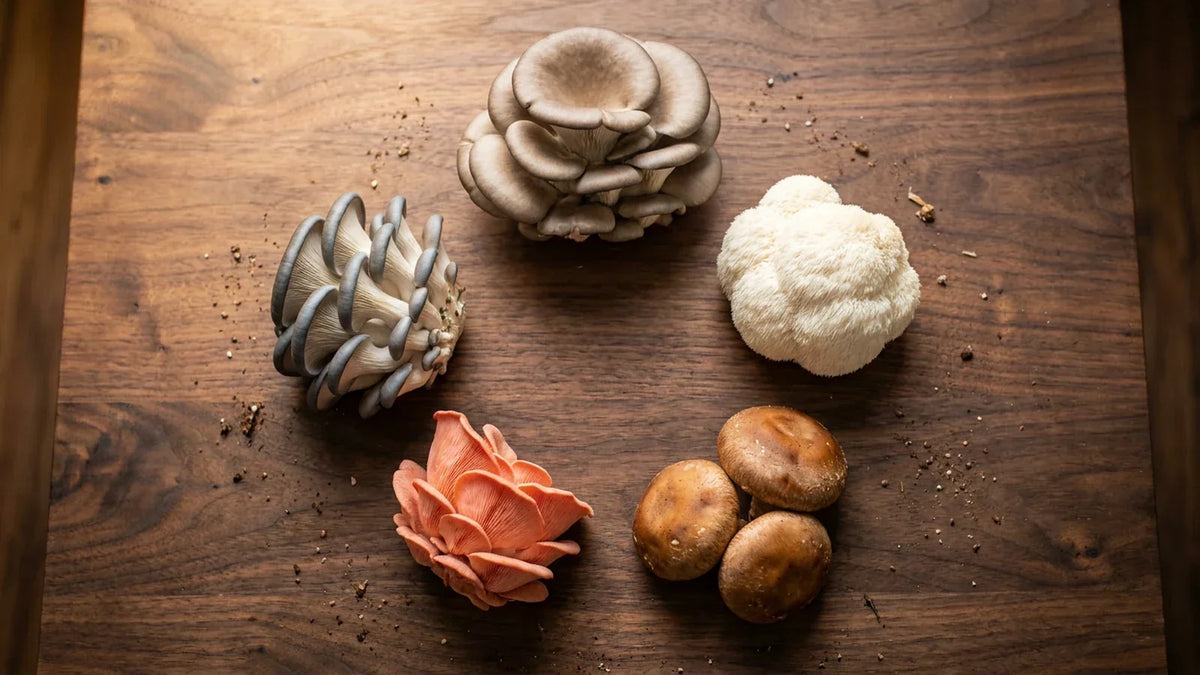
- Seta de ostra or gírgola: oyster mushroom (gírgola is more common in Argentina and Uruguay)
- Seta de cardo: king trumpet mushroom (Pleurotus eryngii), popular in Spanish cuisine
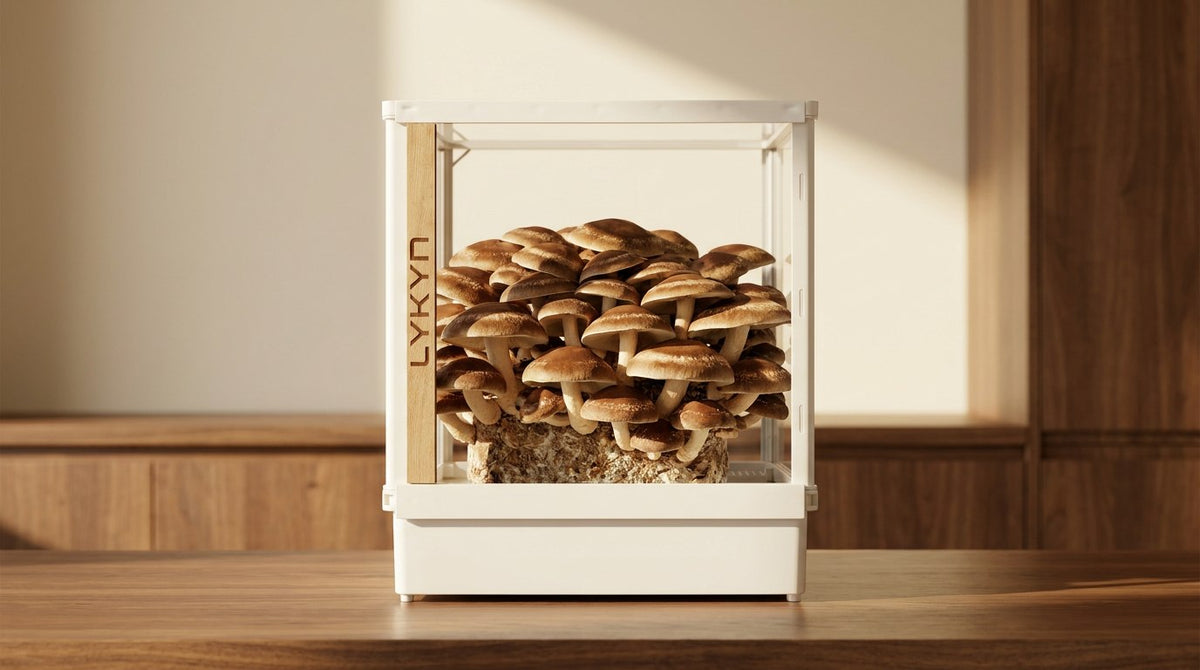
- Shiitake: stays the same in Spanish
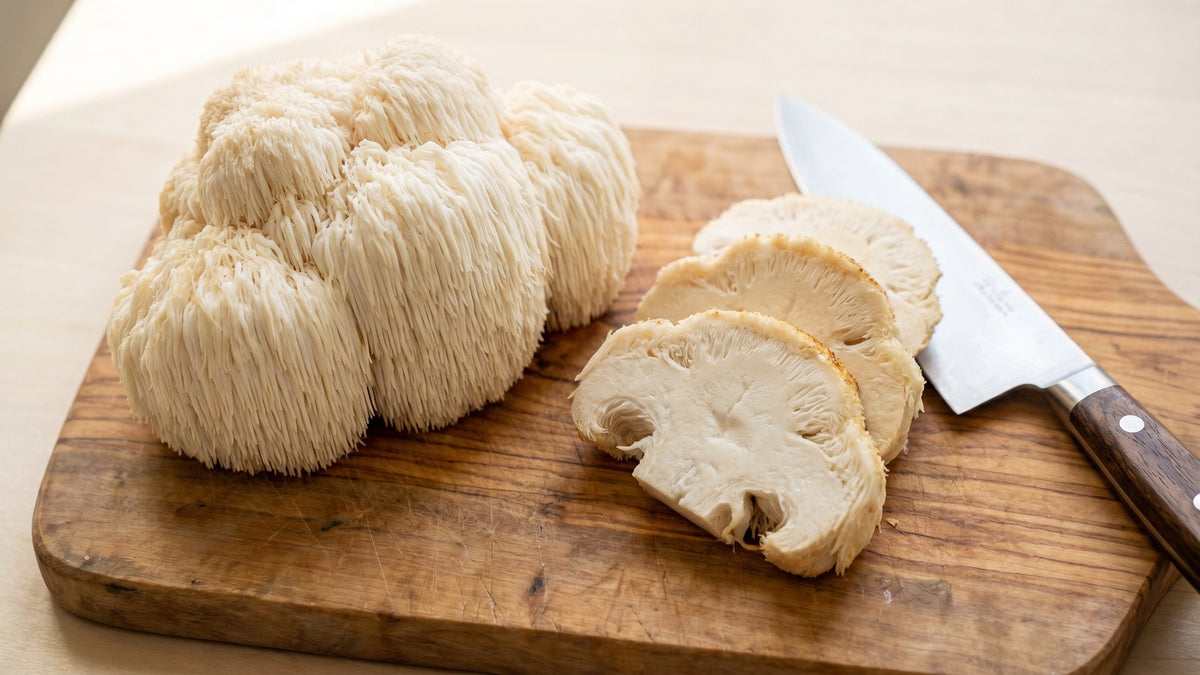
- Melena de león: lion's mane (Hericium erinaceus), literally "lion's mane" word-for-word
- Boletus or cep: porcini (Boletus edulis)
- Níscalo or rovellón (Catalan): saffron milk cap
- Trompeta de la muerte: black trumpet, literally "trumpet of death" despite being edible and delicious
- Colmenilla or morilla: morel
- Rebozuelo: chanterelle
- Trufa: truffle (the underground gourmet fungus, not the chocolate)
Notice how some names are descriptive (melena de león = lion's mane), some are direct loanwords (shiitake), and some are regional (rovellón is the Catalan word for what Castilian speakers call níscalo).
Mushrooms on Spanish menus: useful phrases
If you're traveling and want to order or ask about mushrooms in a restaurant, these phrases will get you through almost any conversation.
- ¿Tienen setas? (Do you have mushrooms?)
- Setas a la plancha (grilled mushrooms)
- Setas al ajillo (mushrooms in garlic, a classic tapa)
- Champiñones rellenos (stuffed mushrooms)
- Revuelto de setas (scrambled eggs with mushrooms)
- Risotto de hongos (mushroom risotto, more common phrasing in Latin America)
- ¿Son setas silvestres o cultivadas? (Are they wild or cultivated mushrooms?)
In autumn, look for menús de setas (mushroom menus) in northern Spain, particularly in the Basque Country, Catalonia, and La Rioja. These are seasonal tasting menus built around foraged wild mushrooms, and they're a highlight of Spanish food culture.

Fuel Your Mushroom Journey
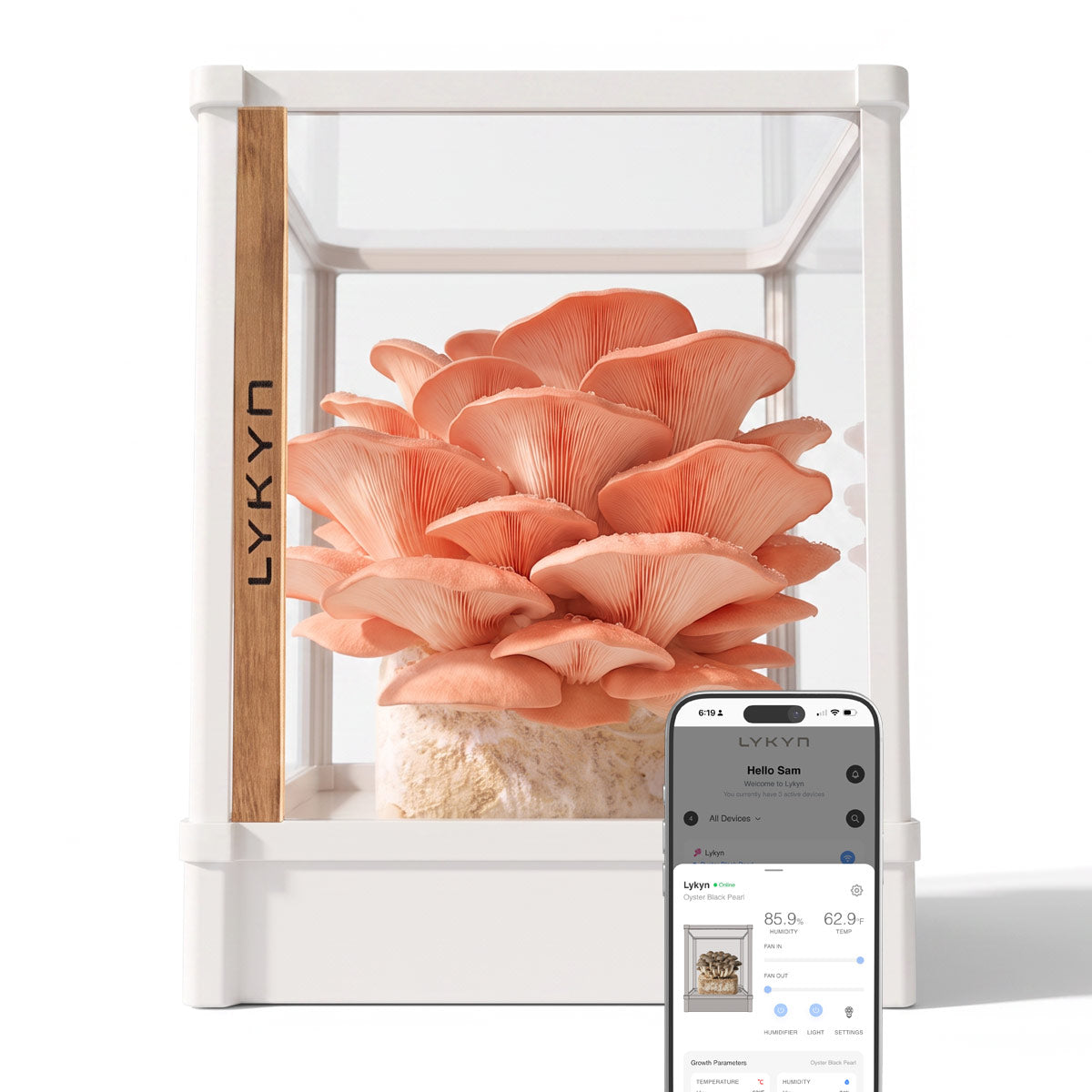
Smart Mushroom Grow Chamber
Plug-and-play smart chamber with humidity, light, and airflow dialed in for every species. Beginners harvest their first flush in days, not months.
Add to cart $299Mushrooms in Spanish cooking traditions
Spanish cuisine treats mushrooms as a star ingredient, not just a garnish. In Castile and the Basque Country, setas al ajillo (mushrooms sautéed with garlic, olive oil, and parsley) is a staple tapa. In Catalonia, rovellons are grilled over charcoal with coarse salt during autumn mushroom season.
Mexican cuisine has its own mushroom traditions that pre-date Spanish colonization. Hongos en escabeche (pickled mushrooms), quesadillas de huitlacoche (corn fungus quesadillas, technically a different fungus but worth mentioning), and various wild mushroom dishes from Oaxaca and Puebla showcase native varieties you won't find in Spain.
If you want to grow your own gourmet mushrooms at home rather than rely on what's available at the market, our home mushroom grow kits let you harvest fresh oyster, lion's mane, and other gourmet varieties in your kitchen, no Spanish required.
A note on huitlacoche and other "non-mushroom" fungi
One quirk worth knowing: not every fungus you'll see in Spanish-speaking cuisine is technically a mushroom. Huitlacoche (sometimes spelled cuitlacoche) is a corn smut fungus that grows on maize kernels. It's a delicacy in Mexico, often called "Mexican truffle," but it's biologically distinct from the mushrooms you'd call setas. The Spanish term covers it under the broader umbrella of hongos.
Similarly, levaduras (yeasts) and mohos (molds) are fungi but not mushrooms. If you're talking about brewing, baking, or fermentation, those are the words you want.
Quick reference: which word do I use?
To make it simple:
- Talking about edible mushrooms in Spain? Use setas.
- Talking about edible mushrooms in Latin America? Use hongos.
- Specifically white button mushrooms? Use champiñones.
- Naming a specific variety? Use the variety name (shiitake, boletus, melena de león).
- Talking about fungi in a scientific or general sense? Use hongos.
That covers about 95 percent of conversations. The remaining 5 percent are regional specialties and dialect quirks you'll pick up as you go.
Why Spanish has so many mushroom words
Spain and Latin America together cover a huge range of climates, from Mediterranean oak forests to Andean cloud forests to tropical jungles. Each region has its own native mushroom species, its own foraging traditions, and often its own indigenous languages contributing words to the Spanish vocabulary. Catalan, Basque, Galician, Nahuatl, and Quechua have all left their mark on how Spanish speakers talk about mushrooms.
That's why you'll see rovellón in Barcelona, níscalo in Madrid, callampa in Chile (a general word for mushroom borrowed from Quechua), and nanacate in some Mexican regions (from Nahuatl). All of these refer to mushrooms, but they tell you something about where the speaker is from and which culinary tradition they're working within.
If you're learning Spanish, you don't need to memorize all of them. Start with setas, hongos, and champiñones, and the rest will come naturally as you encounter them.
Share:
Mushrooms in Yard: What They Mean and What to Do
Mushrooms in Yard: What They Mean and What to Do