


If you've noticed mushrooms in your yard popping up overnight, you're seeing the visible tip of something much larger. The mushroom is the fruiting body of a fungus whose main network, called mycelium, has been quietly working through your soil and decaying organic matter for weeks or months. Their sudden appearance usually means three things are lined up: moisture, food, and the right temperature.
Here's the short answer most homeowners want first. Mushrooms in your yard are almost always a sign of healthy, biologically active soil. They aren't damaging your lawn. They can, however, be unsafe to touch or eat without expert identification, especially if you have curious pets or small children.
Why mushrooms suddenly appear in a yard

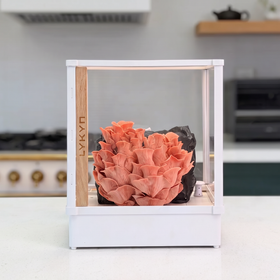
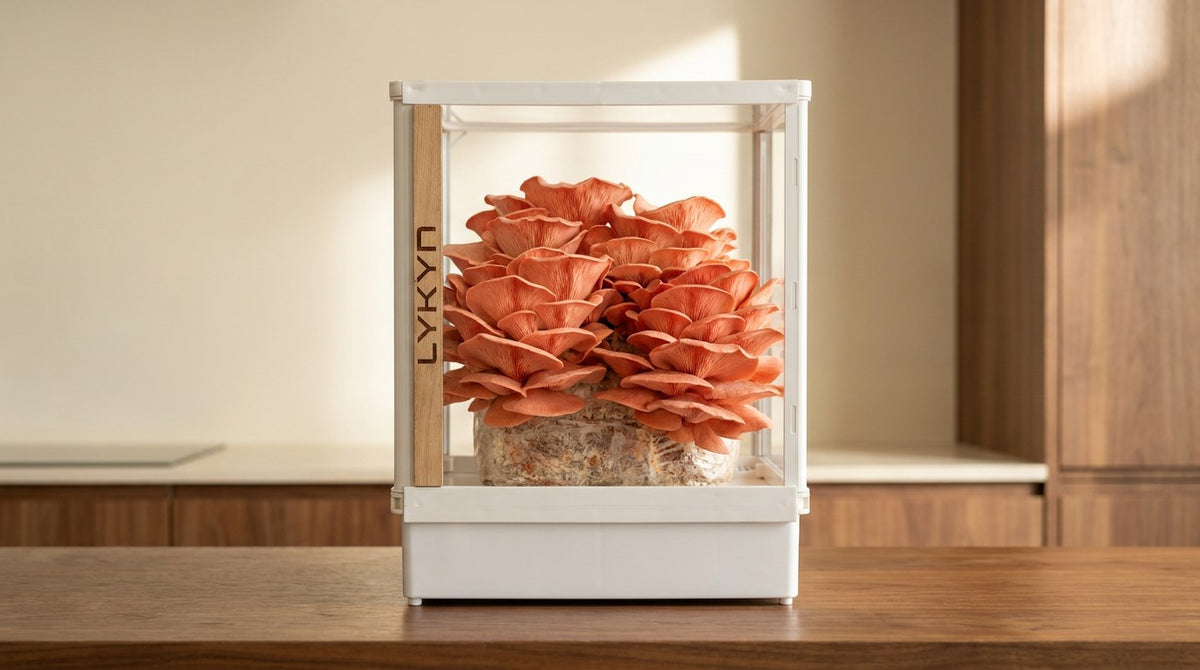
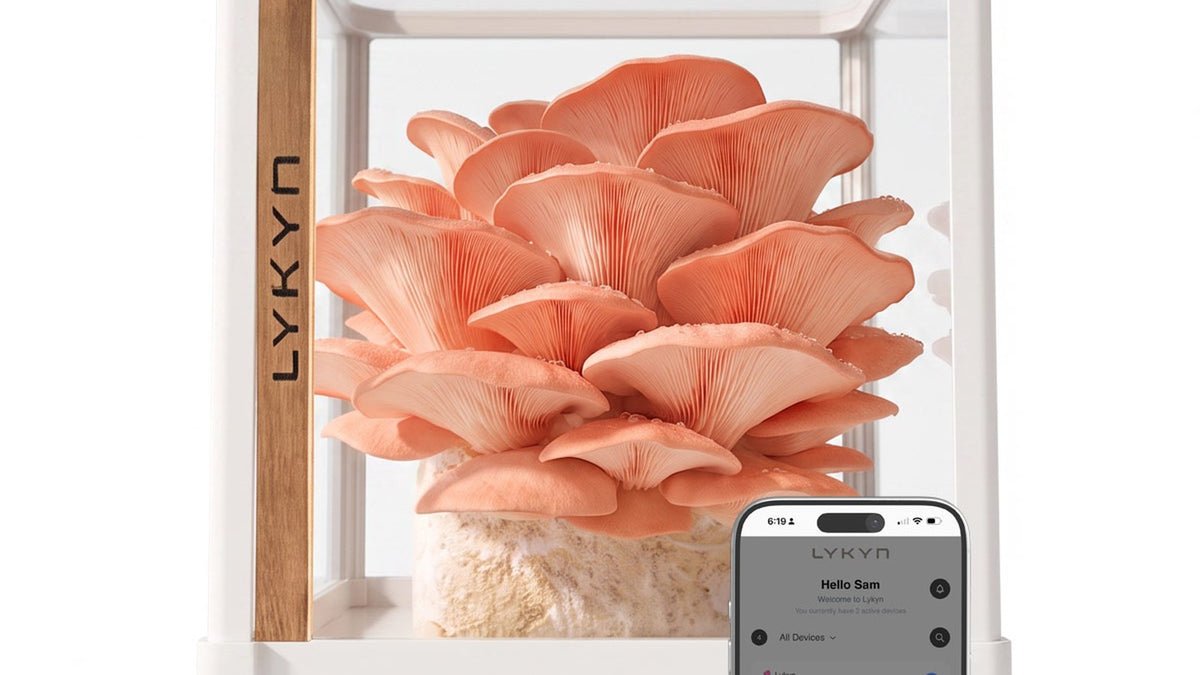
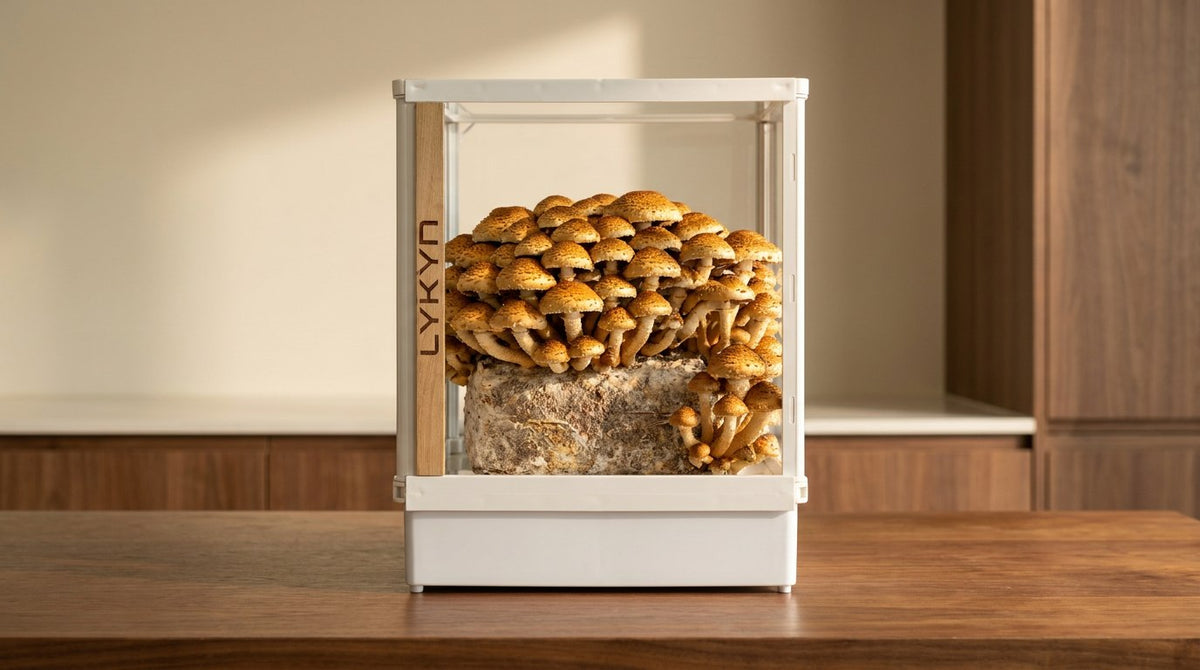
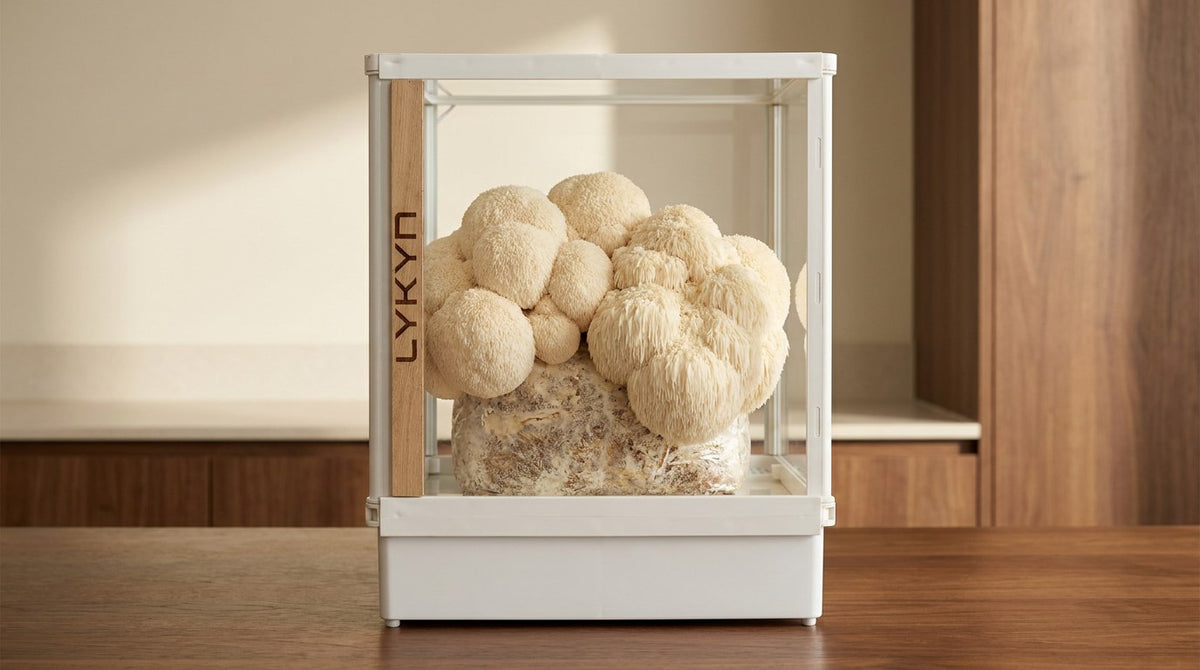
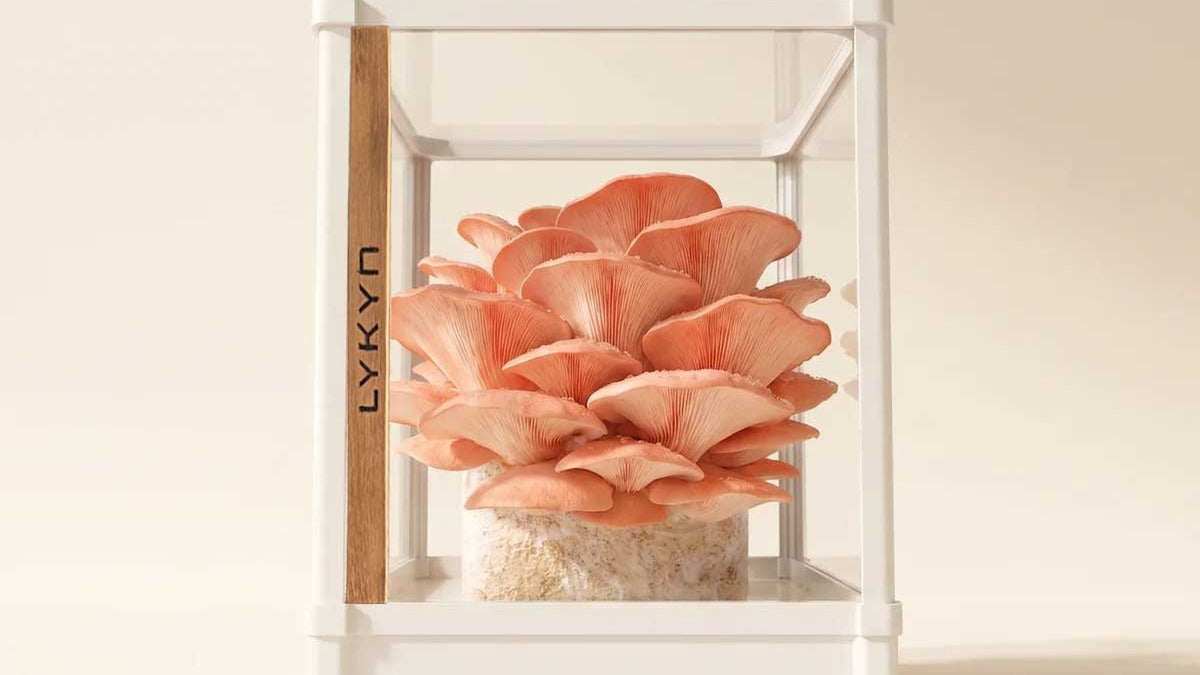
Smart Chamber. Bone White Single
- 2.8L tank, 90% humidity automatic
- App-controlled, plug-and-play
- 6 lb block ceiling, in stock

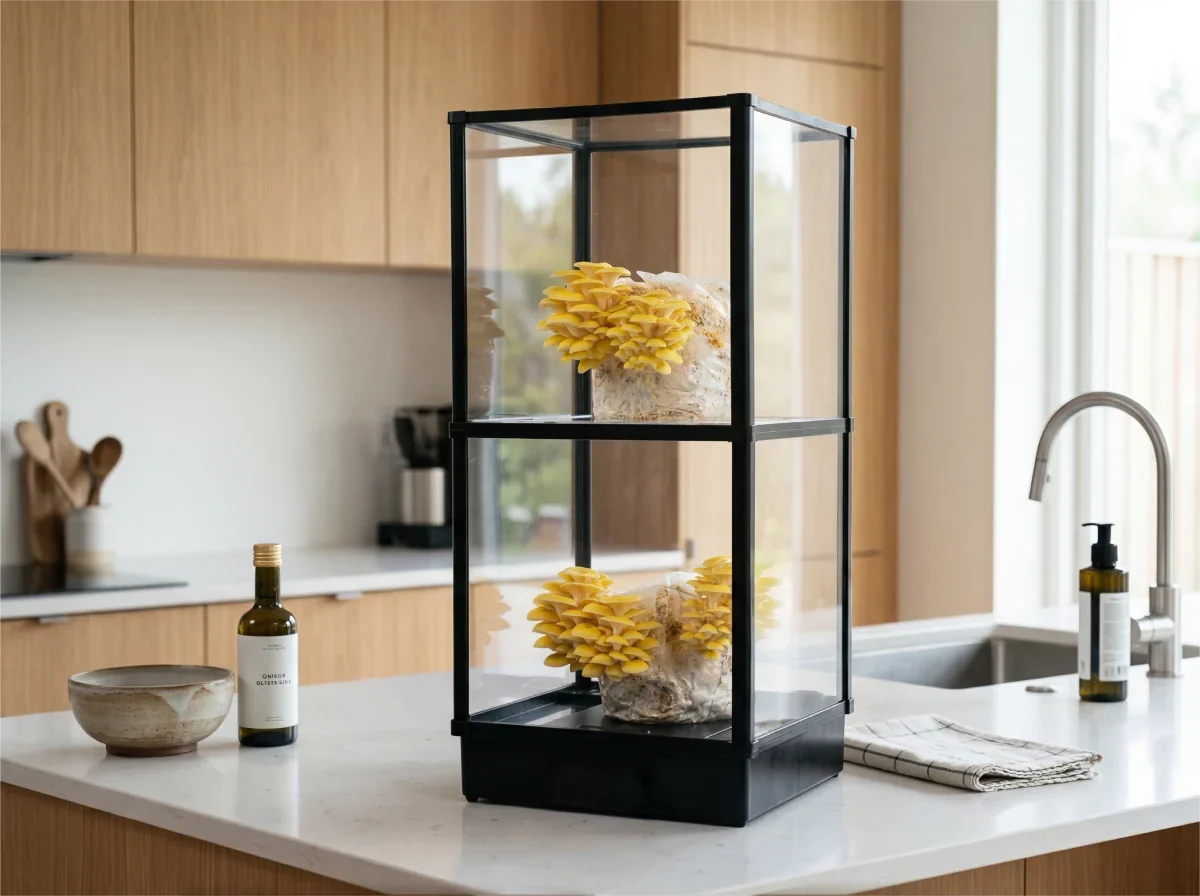
Smart Chamber. Obsidian Black Single
- Same hardware as Bone White
- Matte black premium finish
- Pairs with any kitchen palette

Fungi are decomposers. When rainfall, irrigation runoff, or humidity reaches the soil where fungal networks live, the network responds by sending up fruiting bodies (the mushrooms) to release spores. You'll typically see them after a stretch of rain, a deep soaking, or in shaded, cool corners of a lawn where moisture lingers.
Common triggers include buried wood (old roots, stumps, mulch, construction debris), heavy thatch buildup in turf, compacted areas that hold water, and trees that share nutrients with soil fungi. None of these are problems you created. They reflect what your soil is digesting.
The most common mushrooms found in lawns
You'll likely run into a handful of species again and again. Quick visual notes only, not an ID guide.
- Fairy ring mushrooms (Marasmius oreades): appear in circles or arcs, tan to buff caps, often with a slightly browner center.
- Inky caps (Coprinus species): tall, narrow, often white or gray, dissolve into black liquid as they age.
- Puffballs: rounded, smooth, white when young, release a brown dust cloud of spores when mature.
- Green-spored parasol (Chlorophyllum molybdites): large white mushroom with brownish scales, the most common cause of mushroom poisoning calls in the US.
- Amanita species: distinctive cap with white "warts," sometimes a skirt-like ring on the stem, includes several deadly species.
If you can't be highly confident about identification, treat any yard mushroom as inedible.
Are yard mushrooms dangerous to pets and kids?
This is where caution matters most. According to the North American Mycological Association, the green-spored parasol and several Amanita species account for a significant share of pet poisoning cases each year. Dogs are especially vulnerable because they sample things with their mouths.
Watch for these signs in the hours after a pet may have eaten a mushroom: vomiting, diarrhea, drooling, lethargy, weakness, or tremors. Call your vet or the ASPCA Animal Poison Control Center (888-426-4435) immediately if you suspect ingestion. Take a photo of the mushroom and, if safe to do so, bag a sample with a paper towel so a vet can attempt identification.
For households with toddlers, the practical move is to remove any mushroom you find before someone curious finds it first. Wear gloves, pick the whole mushroom including the base, and bag it for the trash.
What yard mushrooms tell you about your soil
Mushrooms are biological indicators. A yard that fruits regularly usually has:

Fuel Your Mushroom Journey
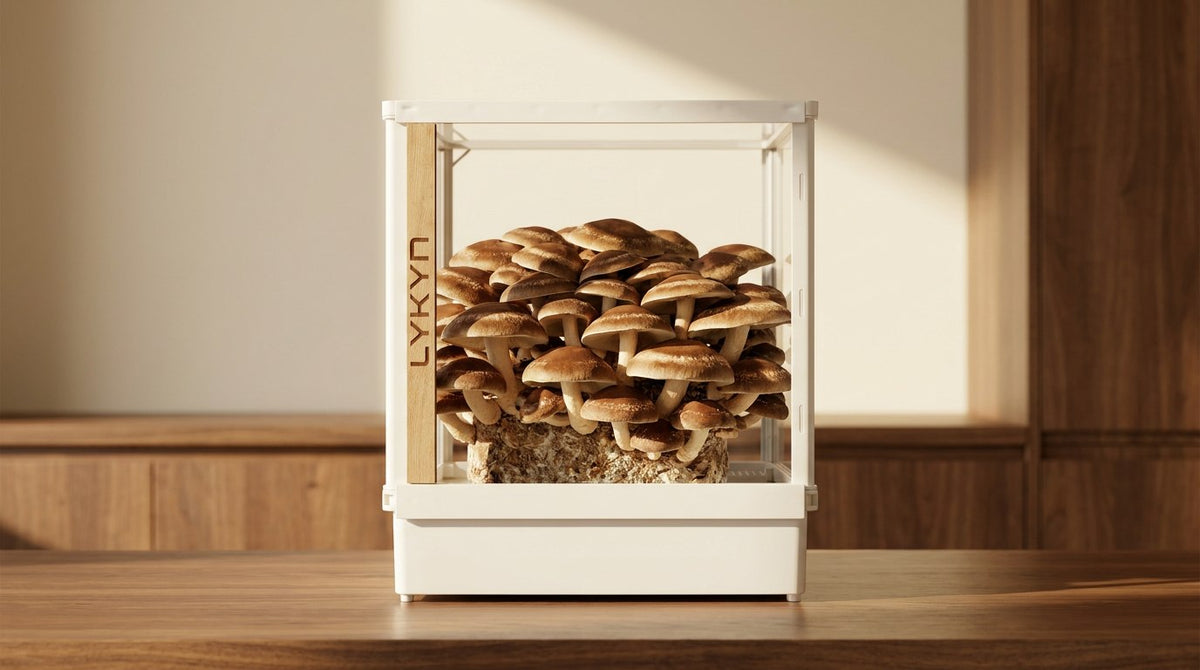
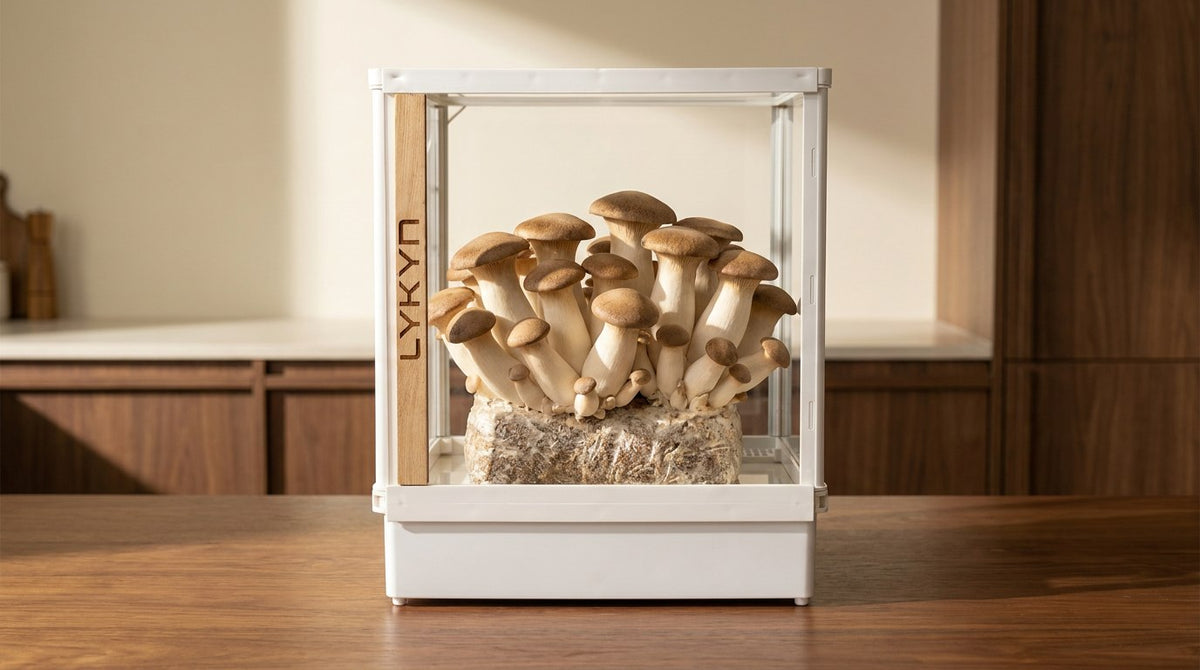
Smart Mushroom Grow Chamber
Plug-and-play smart chamber with humidity, light, and airflow dialed in for every species. Beginners harvest their first flush in days, not months.
Add to cart $299- Active organic matter being broken down (good for long-term soil health)
- Decent moisture retention
- Buried wood or root material still decomposing
- Trees nearby with healthy mycorrhizal partnerships
Mycorrhizal fungi attach to tree roots and trade water and minerals for sugars. A landscape with regular mushroom flushes near oak, pine, or birch is usually a landscape with healthy trees.
When mushrooms ARE a problem worth addressing
The fungus itself rarely hurts your lawn. The exceptions are worth knowing.
- Fairy rings that scorch the grass: some fairy ring species create a hydrophobic soil layer that repels water, causing a dead ring of turf inside or outside the mushroom circle.
- Slime molds: not technically mushrooms but often grouped with them. Bright yellow or gray blobs that appear after rain. Cosmetic only, hose off and move on.
- Persistent fruiting over a buried stump: the fungus is digesting the wood, which is what you want, but the surface fruiting can be a nuisance.
- Toxic species near pet or child play areas: a safety problem, not a turf problem.
Should you remove them?
If you have no safety concern and your lawn looks healthy, leaving mushrooms alone is the simplest choice. They release spores, the cap collapses, and the visible fruiting body is gone within a few days. The underground mycelium continues its work regardless.
If you do want to remove them, do it before they release spores. Pull or scoop with a hand trowel, get the base, bag them, and put them in the trash (not compost, since the spores will spread). Mowing over mushrooms is fine for cosmetic cleanup but mature caps will already have shed spores. Repeat as needed during wet stretches.
Fungicides are rarely the right tool. They don't reach the deep mycelium effectively, they're expensive, and they kill beneficial soil fungi alongside the visible one.
Preventing repeat appearances
You can't truly prevent mushrooms in a yard that has the conditions for them, but you can reduce frequency:
- Aerate compacted soil to improve drainage
- Dethatch in spring or fall to remove the moist mat at the soil surface
- Remove old stumps, buried wood, and large root chunks where practical
- Adjust irrigation so the lawn dries between waterings (deep, infrequent beats shallow, frequent)
- Trim shaded areas to let more sun reach problem spots
None of these eliminate fungi outright. They make the environment less hospitable to fruiting.
The case for treating yard fungi as a feature
The same biology that fruits in your lawn powers controlled mushroom cultivation. Outside in a yard, fungi handle nutrient cycling for free. Indoors in a substrate-and-spawn system, they produce gourmet harvests on a schedule. If finding wild mushrooms made you curious about growing your own safely and predictably, that's a reasonable place for the curiosity to land.
For your yard right now, the practical takeaway is straightforward. Don't panic. Don't eat them. Keep pets and small kids away from any you can't identify. Pull the ones in high-traffic spots, leave the ones in quieter corners, and treat the whole thing as evidence that something alive and useful is happening beneath your feet.

Share:
Mushrooms in Spanish: Setas, Hongos, and Every Variety Name
Mushrooms in Spanish: Setas, Hongos, and Every Variety Name