



If you've ever stared at the pile of button mushrooms in your shopping cart and wondered whether they're actually doing anything for your health, the answer is yes. The nutritional facts about button mushrooms explained in plain terms: a cup of raw white buttons delivers roughly 15 calories, 2.2 grams of protein, almost no fat, and a surprisingly dense list of B vitamins and minerals. They're not a superfood in the marketing sense, but they punch far above their calorie weight.
Below is the science-backed breakdown of what's actually inside a button mushroom, why it matters, and how to keep those nutrients on the plate instead of in the cooking water.
A Quick Look at the Numbers

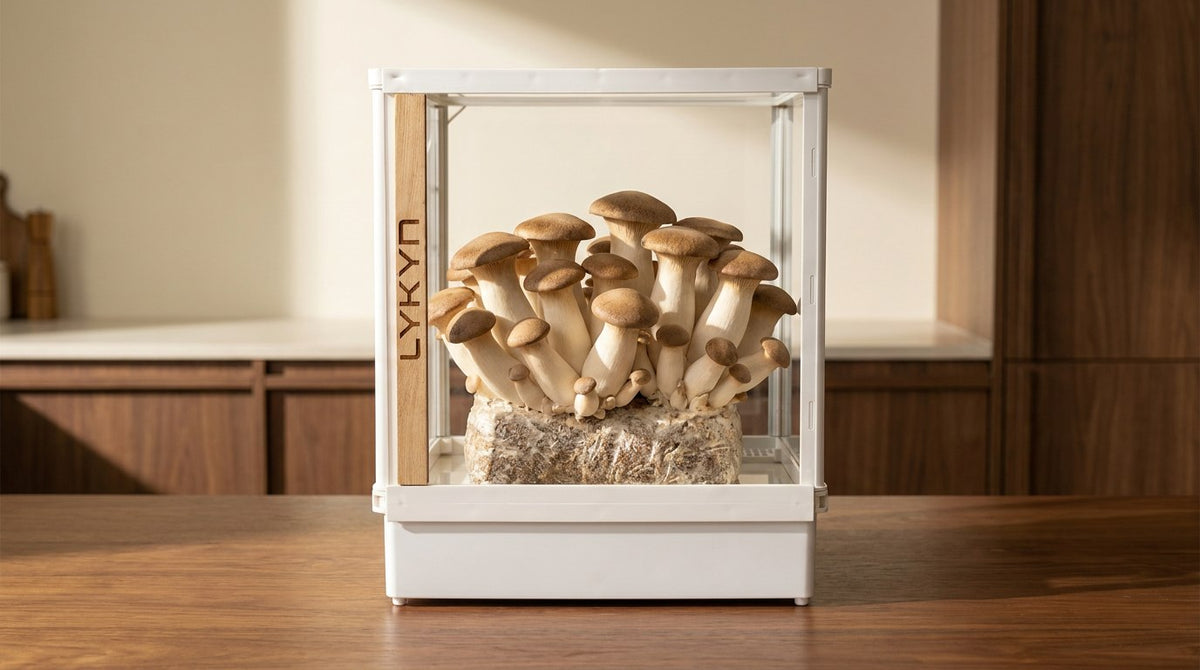
Smart Chamber. Bone White Single
- 2.8L tank, 90% humidity automatic
- App-controlled, plug-and-play
- 6 lb block ceiling, in stock

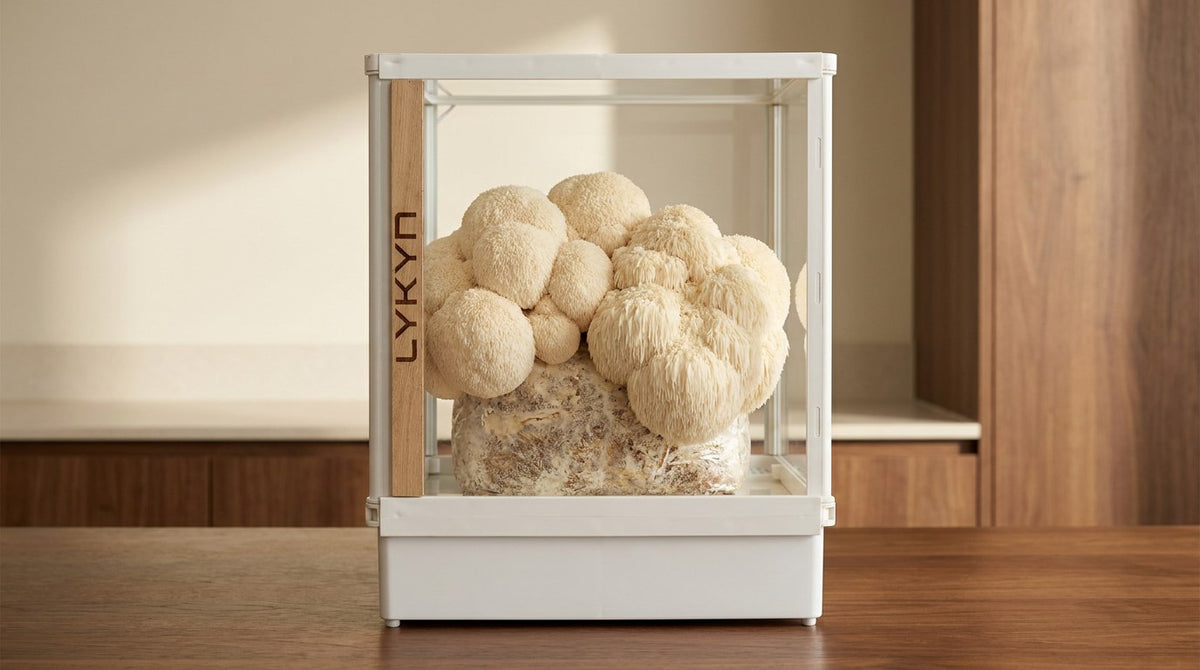
Smart Chamber. Obsidian Black Single
- Same hardware as Bone White
- Matte black premium finish
- Pairs with any kitchen palette

According to USDA FoodData Central, 100 grams of raw white button mushrooms (Agaricus bisporus) contains about 22 calories, 3.1 grams of protein, 0.3 grams of fat, and 3.3 grams of carbohydrates. Roughly one gram of that carb is dietary fiber, and another gram is sugar. Water makes up about 92 percent of the mushroom by weight, which is why they shrink so dramatically in the pan.
What's hiding in those 22 calories is the interesting part. You'll find meaningful amounts of riboflavin, niacin, pantothenic acid, copper, selenium, and potassium, plus a handful of compounds you won't find easily in plant foods.
The B Vitamin Story
Button mushrooms are one of the few non-fortified, non-animal sources of B vitamins worth talking about. A 100-gram serving covers roughly 30 percent of the daily value for riboflavin (B2), 20 percent for niacin (B3), and 15 percent for pantothenic acid (B5). These three vitamins help convert food into usable energy, support skin health, and keep the nervous system humming along.
Riboflavin is particularly worth noting if you eat a mostly plant-based diet, since the richest sources are usually dairy and eggs. A cup of sliced buttons sneaks a noticeable dose onto your plate without changing the calorie math.
The Vitamin D Wildcard
Here's where button mushrooms get genuinely interesting. They're the only commonly eaten produce item that contains vitamin D, and the levels depend entirely on how they were grown. Mushrooms grown in the dark, which describes most supermarket buttons, contain trace amounts. Mushrooms exposed to UV light during cultivation can deliver several hundred IU per serving.
If you want to boost the vitamin D content of mushrooms at home, set them gill-side up on a windowsill or a sunny counter for 30 to 60 minutes before cooking. The ergosterol in their flesh converts to vitamin D2 when hit with UVB. It's a small, free upgrade.
Minerals Worth Mentioning
Button mushrooms quietly deliver copper, selenium, and potassium in respectable amounts. A 100-gram serving covers about 35 percent of the daily value for copper, a mineral involved in red blood cell formation and connective tissue health, and around 15 percent for selenium, which supports thyroid function and acts as an antioxidant cofactor.
Potassium clocks in at roughly 318 mg per 100 grams, putting buttons in the same neighborhood as a small banana for blood-pressure-supportive electrolyte content, with a fraction of the sugar.

Fuel Your Mushroom Journey
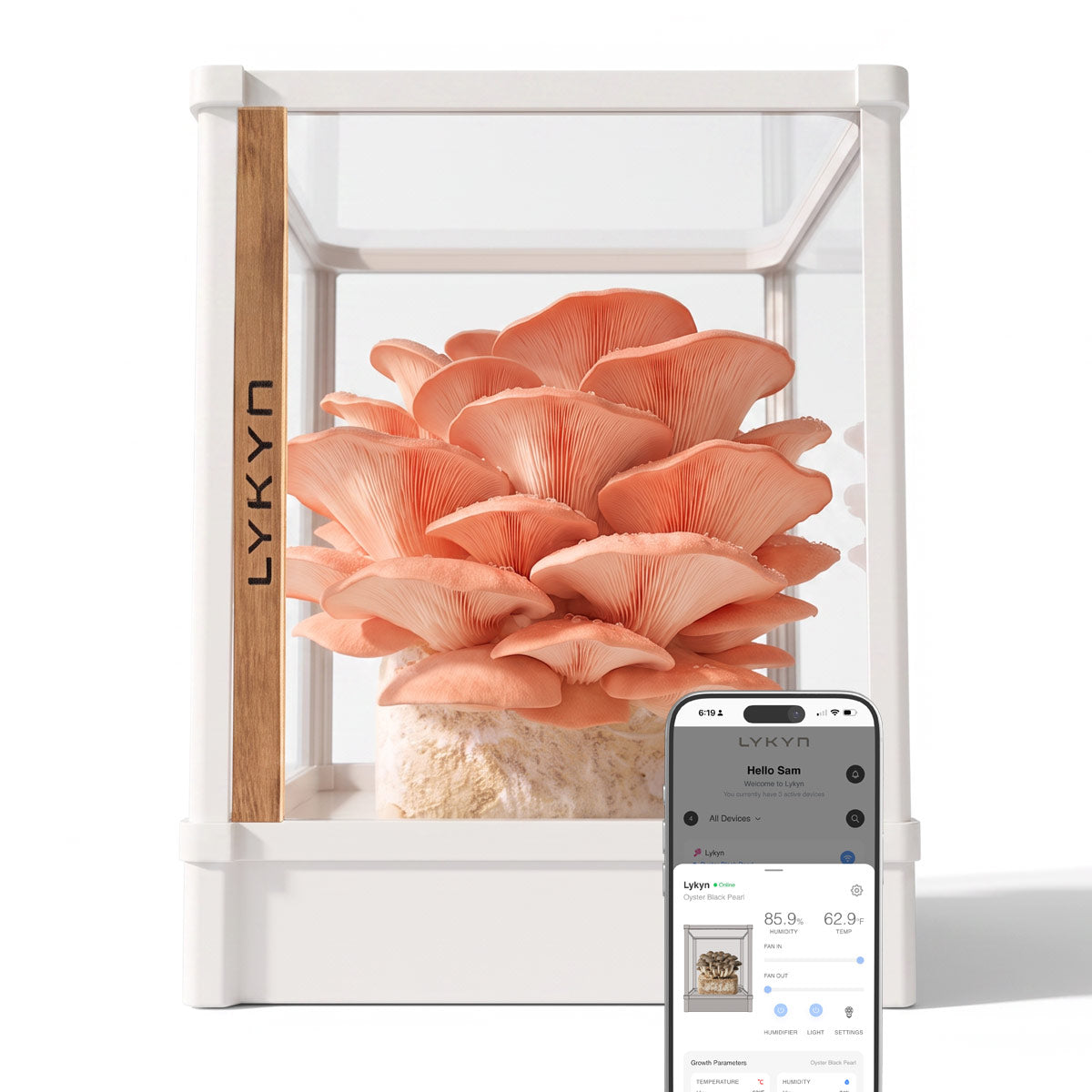
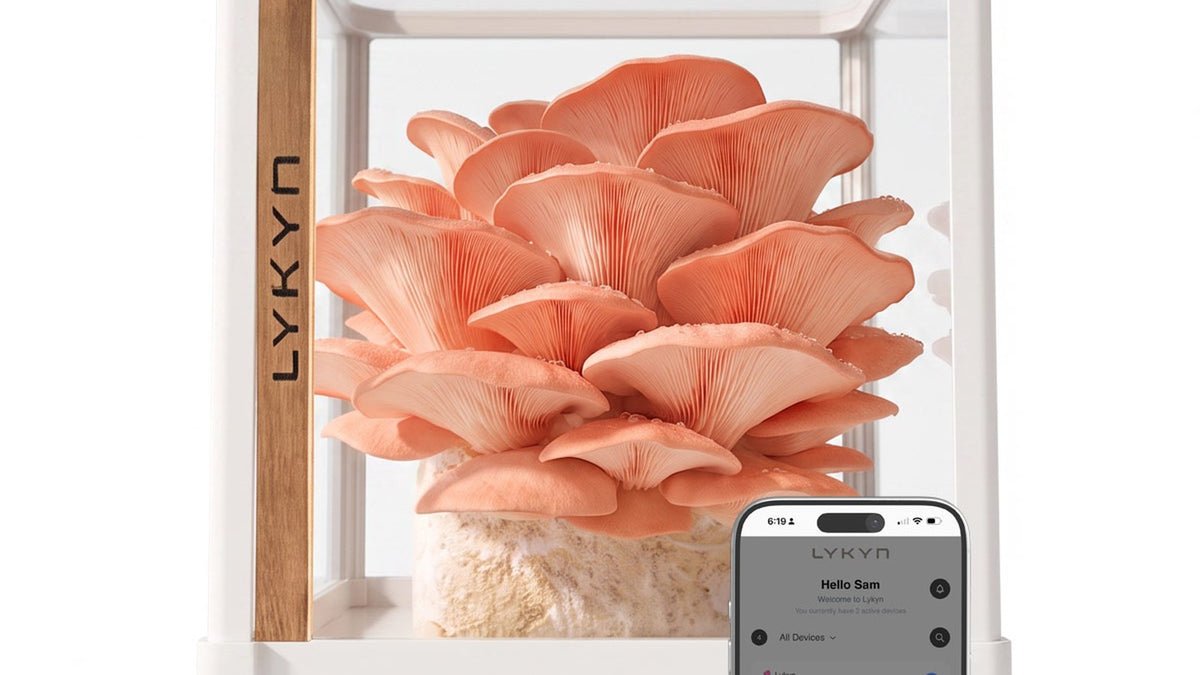
Smart Mushroom Grow Chamber
Plug-and-play smart chamber with humidity, light, and airflow dialed in for every species. Beginners harvest their first flush in days, not months.
Add to cart $299Protein, Fiber, and the Beta-Glucan Bonus
Three grams of protein per 100 grams sounds modest, but button mushroom protein is unusually complete for a non-animal food. It contains all nine essential amino acids, though some in smaller amounts than legumes or eggs. For a vegetable, that's rare.
The fiber story is more nuanced. Most of the carbohydrate in button mushrooms is chitin and beta-glucans, two compounds your gut bacteria love. Beta-glucans in particular have been studied for their effects on immune signaling, blood sugar response, and LDL cholesterol. A 2015 review in Nutrients summarized dozens of human trials showing modest but consistent benefits at intakes of 3 to 5 grams per day, which is achievable with regular mushroom consumption alongside oats and barley.
Antioxidants You Won't Find in Lettuce
Button mushrooms contain ergothioneine and glutathione, two antioxidants that aren't widely available in other foods. Ergothioneine accumulates in tissues with high oxidative stress, including the liver, kidneys, and eyes, and a 2017 Penn State analysis ranked mushrooms among the highest dietary sources by a wide margin. Cooking doesn't destroy ergothioneine, so sauteed mushrooms retain most of what you started with.
Selenium and copper also contribute antioxidant activity, working as cofactors for the enzymes that neutralize free radicals.
How Cooking Changes the Math
Most people eat button mushrooms cooked, and cooking changes the nutrient profile in a few predictable ways. Dry-heat methods like sauteing, roasting, and grilling preserve most water-soluble vitamins because the mushrooms release moisture instead of absorbing it. Boiling is the worst case, since B vitamins and potassium leach into the cooking water.
Concentration is the other half of the story. A pound of raw buttons cooks down to about a third of its starting volume, which means the same nutrients are packed into a smaller portion. Eating cooked mushrooms is often a more efficient way to hit meaningful intake numbers than eating them raw.
One more thing: a small percentage of people are sensitive to the hydrazines in raw Agaricus mushrooms, and cooking breaks those compounds down. There's no strong evidence of harm from raw button mushrooms in moderate amounts, but cooking is the safer default.
Should You Eat Them Every Day?
Short answer: yes, if you enjoy them. A daily serving of one to two cups of cooked button mushrooms fits into almost any dietary pattern, adds fiber and B vitamins, and stays under 50 calories. They pair well with eggs, grains, leafy greens, and most proteins, which makes them easy to slip into existing meals.
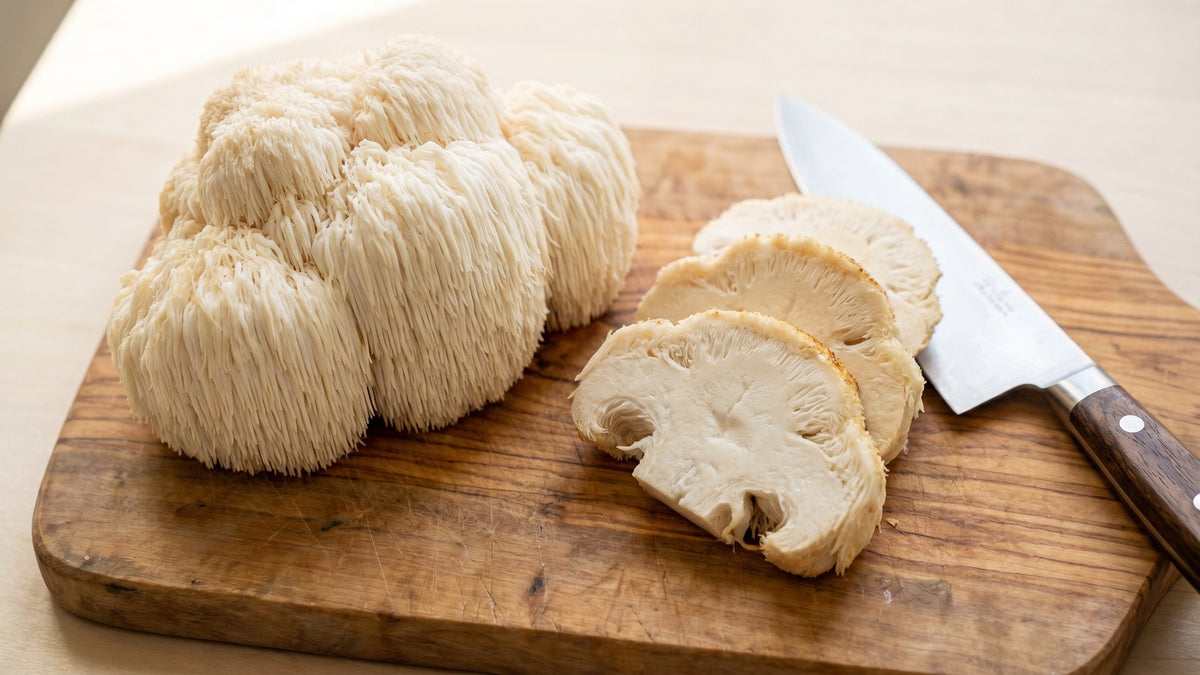
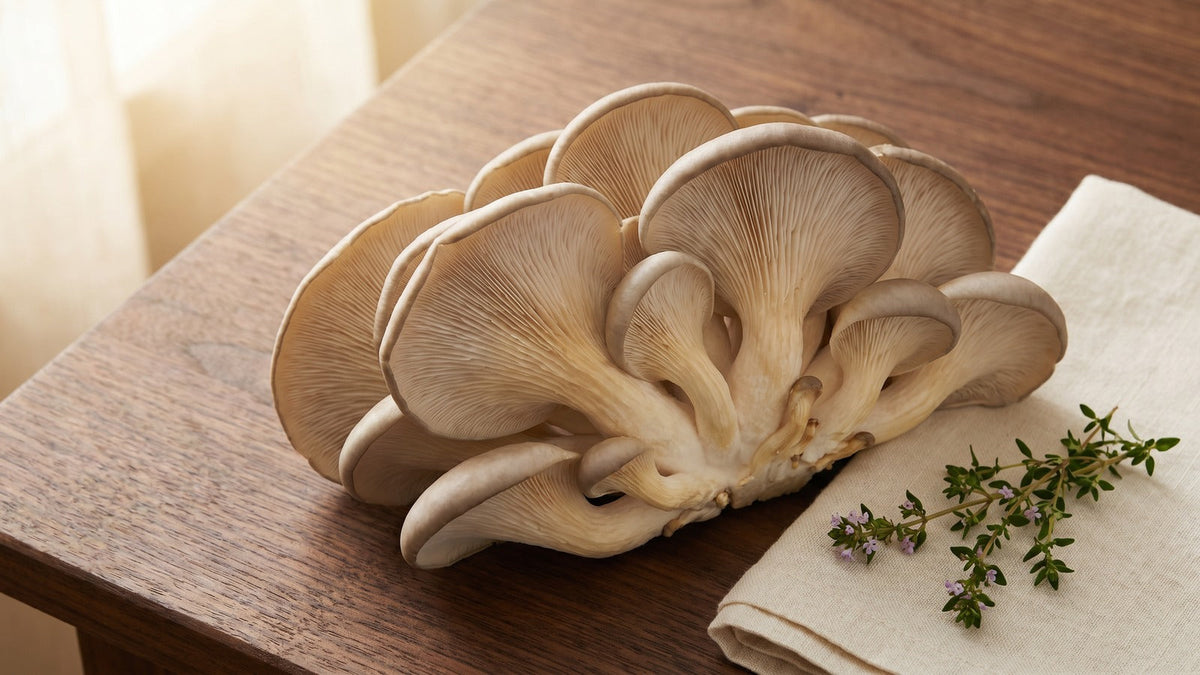
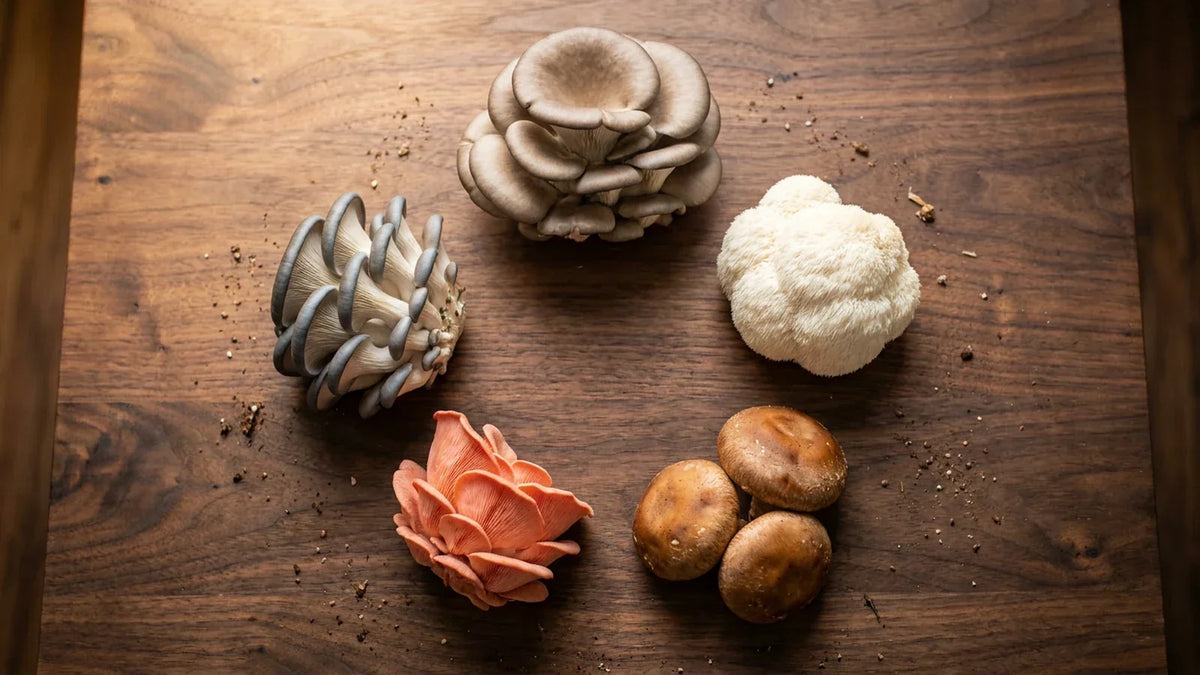
If you want to expand beyond the supermarket selection, growing your own opens up specialty species like lion's mane and oyster, which carry their own nutrient profiles. A countertop kit from Lykyn's mushroom grow kits can produce more than a pound of fresh mushrooms in about a week, with no soil, no greenhouse, and no learning curve.
Button mushrooms won't transform your health on their own, but they're one of the most nutritionally efficient foods you can put on a plate. The nutritional facts about button mushrooms explained here should make the decision to add them to your weekly rotation an easy one.




Share:
Growing Button Mushrooms at Home: Tips and Tricks
Growing Button Mushrooms at Home: Tips and Tricks