


The parasol mushroom (Macrolepiota procera) is one of the most recognizable wild edibles in temperate forests, often standing taller than the grass around it with a cap as wide as a dinner plate. Mature specimens reach 10 to 12 inches in diameter on stems that can stretch 12 to 16 inches high, making this one of the few mushrooms you can spot from a moving car. The flesh is firm, the flavor is gently nutty with a hint of roasted hazelnut, and a single cap is large enough to bread and pan-fry like a schnitzel.
Parasols are foraged, not cultivated. They form a mycorrhizal relationship with the soil ecosystem and have resisted decades of commercial cultivation attempts. If you want to eat them, you need to learn to identify them in the wild and you need to learn the look-alikes that have sent people to the hospital. This guide covers both.
How to identify a parasol mushroom

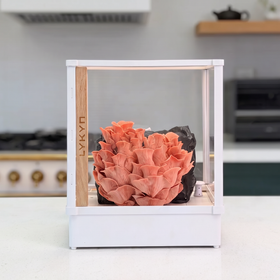
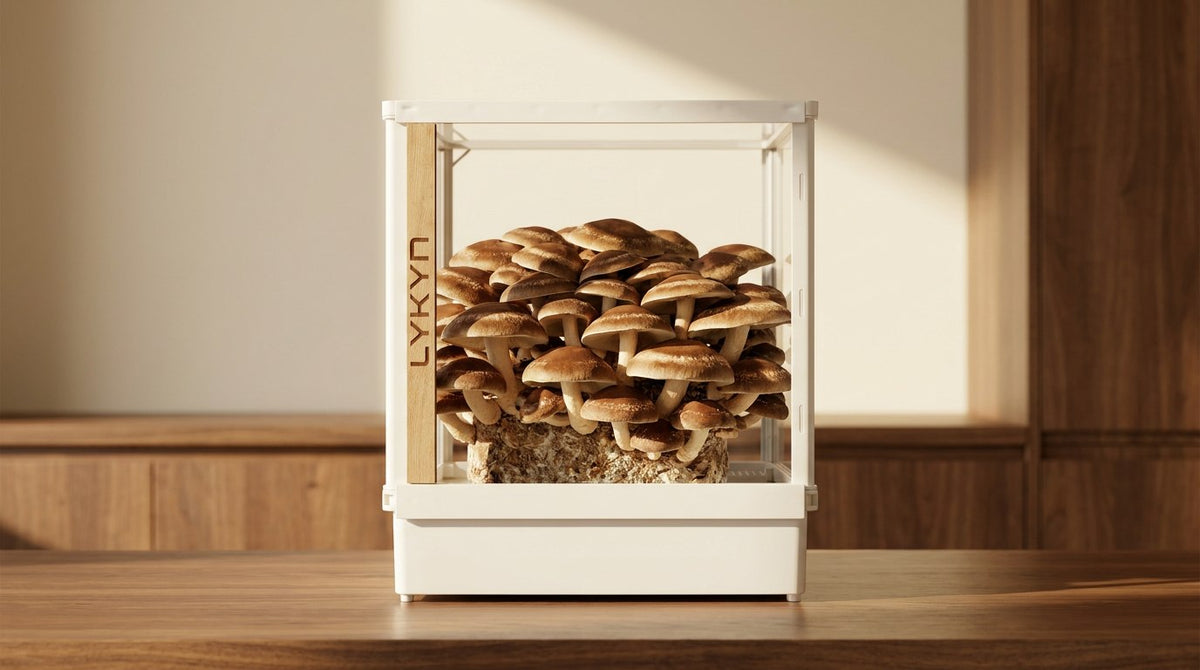
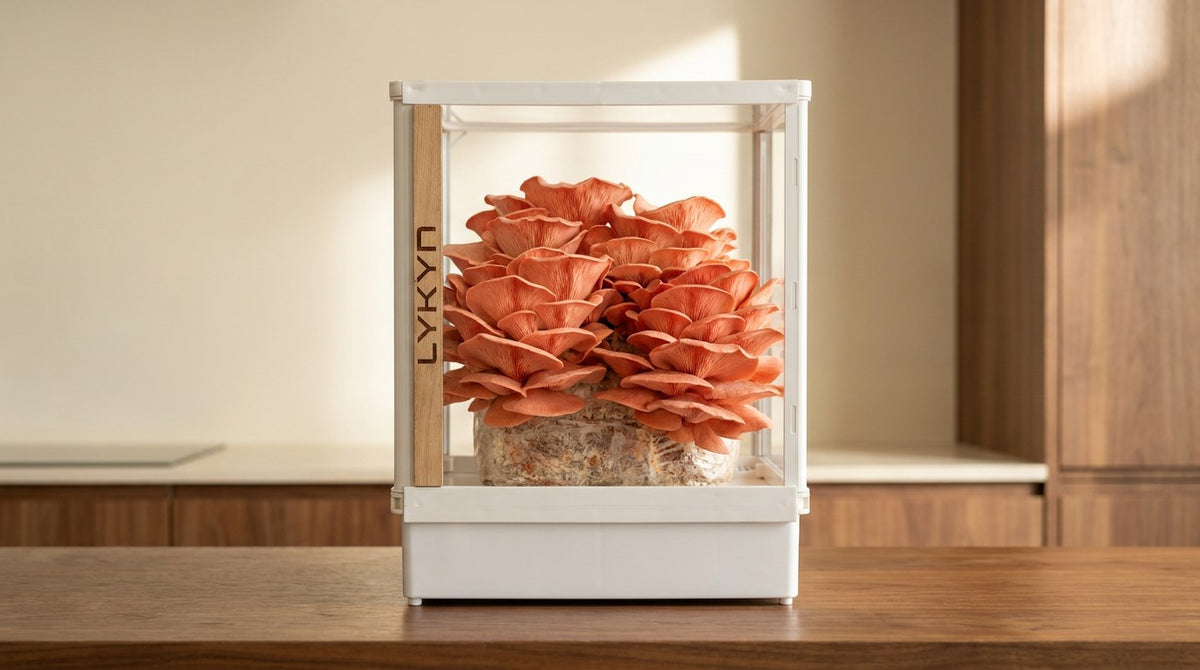
Smart Chamber. Bone White Single
- 2.8L tank, 90% humidity automatic
- App-controlled, plug-and-play
- 6 lb block ceiling, in stock

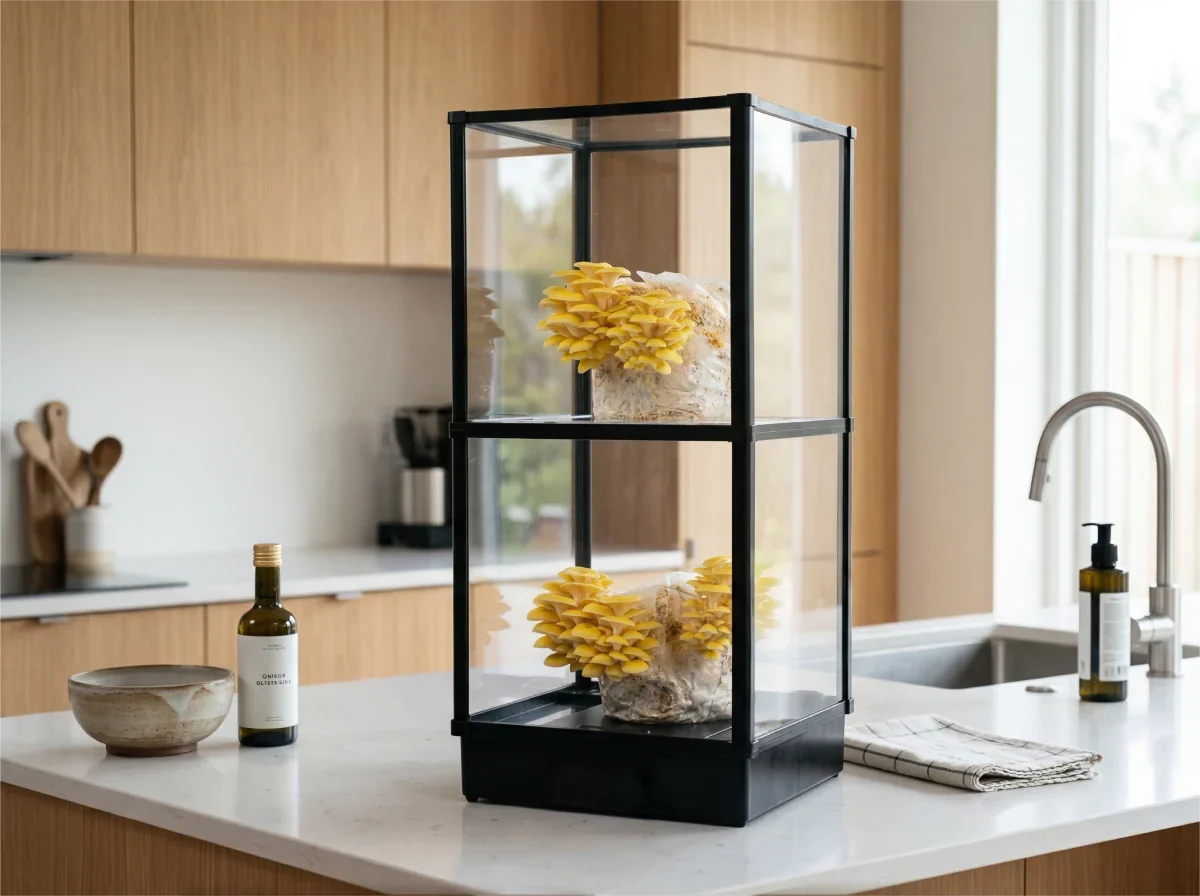
Smart Chamber. Obsidian Black Single
- Same hardware as Bone White
- Matte black premium finish
- Pairs with any kitchen palette

Mature parasols have five reliable features. The cap starts egg-shaped and opens flat with a small raised bump (an umbo) in the center, like a Japanese parasol. The surface is covered in coarse brown scales arranged in a roughly concentric pattern over a cream-colored background. The gills underneath are white to off-white and never turn pink, brown, or black with age. The stem is tall, slender, and covered in a snakeskin pattern of brown scales. The ring around the upper stem is double-edged and can be slid up and down freely once the mushroom matures, a feature foragers call a "movable ring."
Spore print is white. Cut the flesh and it stays white or slightly cream. If your specimen bruises red, orange, yellow, or stains saffron, stop right there. You're holding a different species, and one of those species is toxic.
The dangerous look-alikes
Three look-alikes share parasol habitat and cause real poisonings every season. The first is Chlorophyllum molybdites, the green-spored parasol or "vomiter." It looks nearly identical when young but its gills turn olive-green as the spores mature, and its spore print is green, not white. It causes severe gastrointestinal distress within 1 to 3 hours, and it's the single most-reported mushroom poisoning in North America.
The second is Chlorophyllum rhacodes, the shaggy parasol. The cap looks similar but the stem is smooth (no snakeskin scaling), and the cut flesh stains reddish or saffron. Some people eat it without issue but a significant minority react badly, so most foraging guides treat it as inedible.
The third group is the deadly Lepiota species, including Lepiota brunneoincarnata and Lepiota subincarnata. These contain the same amatoxins as death caps and can be fatal. They are much smaller than parasols (caps under 2 inches) but a beginner can mistake a young parasol button for one of these. The size rule is simple: if your mushroom has a cap smaller than 4 inches across, walk away. True parasols are big.
Where and when to find them
Parasols favor grassy edges of deciduous and mixed forests, old pasture, hedgerows, and the sunny side of woodland paths. They like nutrient-poor soil and good drainage, which is why they often show up in places sheep or cattle once grazed. In Europe, the season runs from August through October. In North America, look from late summer through the first frost.
They tend to fruit in scattered groups rather than tight clusters, sometimes forming rough arcs (fragments of a fairy ring). Once you find one productive spot, mark it. Parasols come back to the same ground year after year as long as the habitat doesn't change.

Fuel Your Mushroom Journey
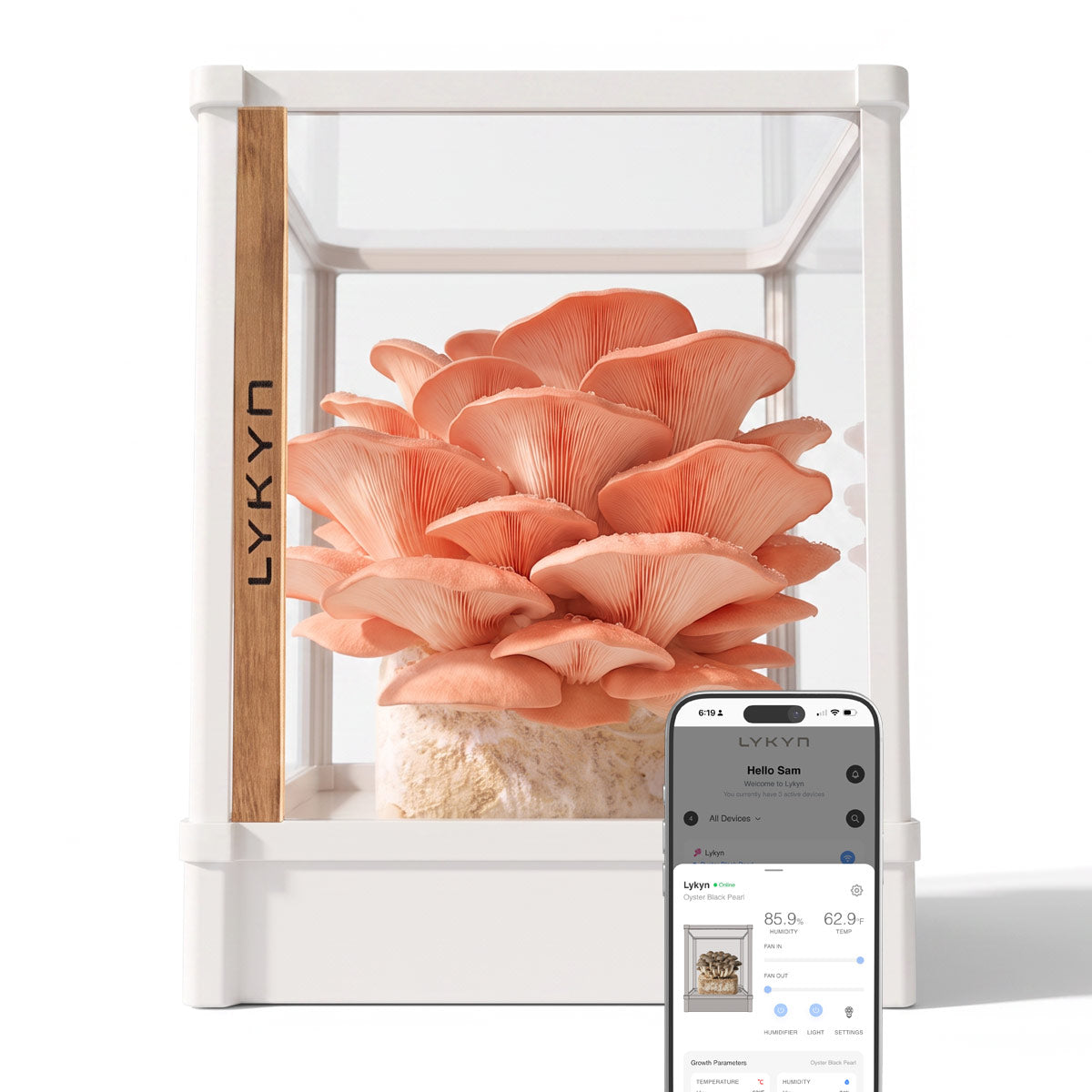
Smart Mushroom Grow Chamber
Plug-and-play smart chamber with humidity, light, and airflow dialed in for every species. Beginners harvest their first flush in days, not months.
Add to cart $299Edibility, taste, and how to cook them
Only the caps are eaten. Mature parasol stems are tough and fibrous, and most foragers cut them flush at the gill line. The cap flesh is firm enough to hold up to high heat without collapsing, which is what makes parasols so popular in European kitchens.
The classic preparation is breaded and pan-fried: dredge the cap in flour, dip in beaten egg, coat in breadcrumbs, and fry in butter until golden on both sides. Treated this way, a parasol cap eats like a thin, savory schnitzel with a delicate woodland flavor. Other good preparations include grilling over hardwood coals, stuffing with cheese and herbs, or slicing thinly into a creamy pasta sauce. The flavor is mild and pairs better with butter, cream, and herbs than with strong spices that would mask it.
Cook parasols thoroughly. Like most wild mushrooms they should never be eaten raw. Aim for an internal temperature of at least 160°F, and discard any specimen that looks waterlogged, slimy, or has been chewed by insects.
Foraging tips for beginners
Three habits will keep you safe. First, only collect fully mature parasols where the cap is open and the ring is movable, so all the identification features are visible. Second, take a spore print at home before cooking: place the cap gill-side down on white paper for a few hours and confirm the print is white, not green. Third, when in doubt, throw it out. There are no rare or special parasols worth a hospital visit.
Carry your finds in a basket or paper bag so spores can drop as you walk, helping the colony spread. Trim away leaves and dirt in the field and inspect every cap for insect damage before bagging.
Can you grow parasol mushrooms at home?
Practically speaking, no. Macrolepiota procera has a complex life cycle tied to outdoor soil ecology that no one has reproduced indoors at any commercial scale. Hobbyists have reported occasional fruiting from soil-bed experiments, but the success rate is too low to recommend.
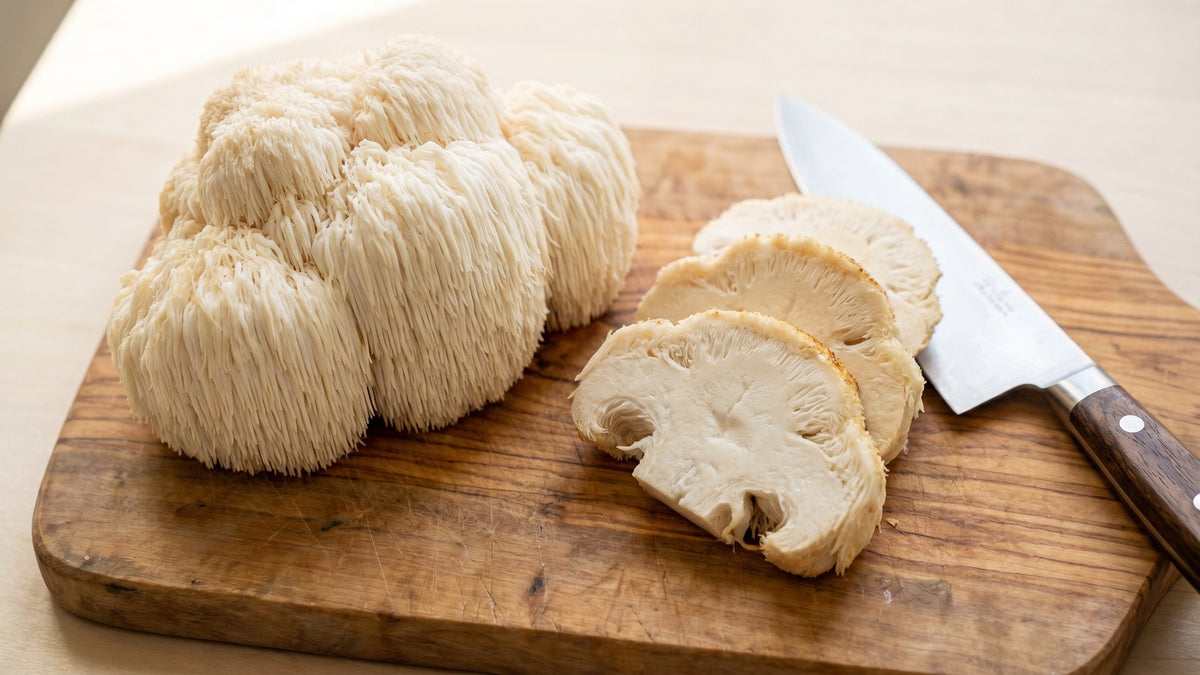
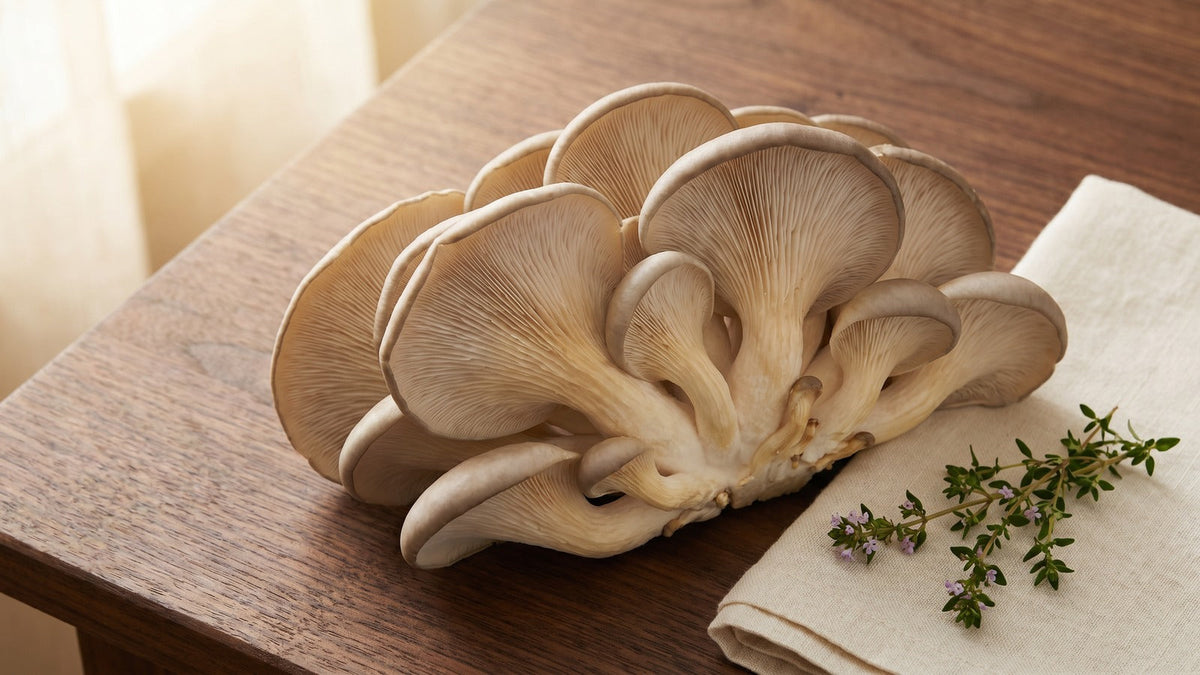
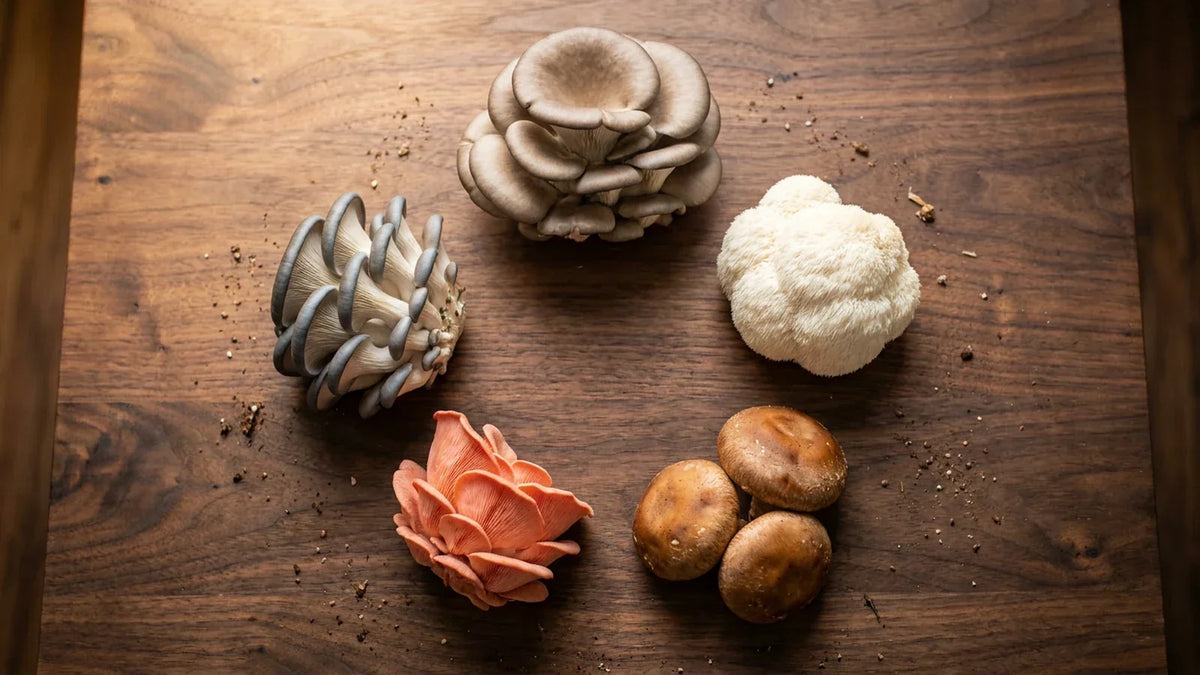
If you love the experience of growing your own gourmet mushrooms but want a species that actually performs at home, look at oyster, shiitake, and lion's mane. They're all cultivatable on prepared substrate and they're all available as ready-to-grow mushroom grow kits with predictable yields and harvest windows. Parasols stay on the foraging list, where they belong.
The bottom line on parasols
Few wild edibles reward a careful forager as well as a fully mature parasol. A 10-inch cap pan-fried in butter is a benchmark dinner that you can't buy in any store. But the species sits next to look-alikes that range from "ruins your night" to "ruins your liver," so the rules matter. Big cap, snakeskin stem, movable ring, white spore print, white-staying flesh: all five features or it doesn't go in the pan. Once you've nailed identification with an experienced forager a few times, parasols become one of the most reliable autumn meals a mixed forest will offer you.
Share:
Shaggy Mane Mushroom: Identification, Foraging, and Cooking
Shaggy Mane Mushroom: Identification, Foraging, and Cooking