


The shaggy mane (Coprinus comatus) is the mushroom that taught a generation of foragers to be punctual. From the moment you pick a young, white, bullet-shaped cap to the moment it dissolves into a puddle of inky black liquid is rarely more than 24 hours. That self-digesting process, called deliquescence, is the species' calling card, and it's also why you almost never see shaggy manes for sale: they don't survive a trip to market. Forage them, cook them the same day, and they'll reward you with a creamy, asparagus-like flavor that most cultivated mushrooms cannot match.
Shaggy manes are also one of the safest beginner foraging mushrooms in temperate climates. The combination of distinctive shape, distinctive habitat, and distinctive self-destruction makes them easy to identify with confidence. This guide covers identification, where to find them, the alcohol warning, and how to handle them between forest and pan.
How to identify a shaggy mane

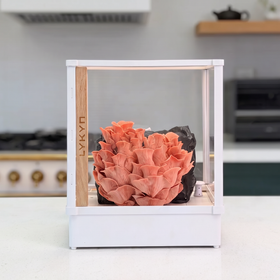
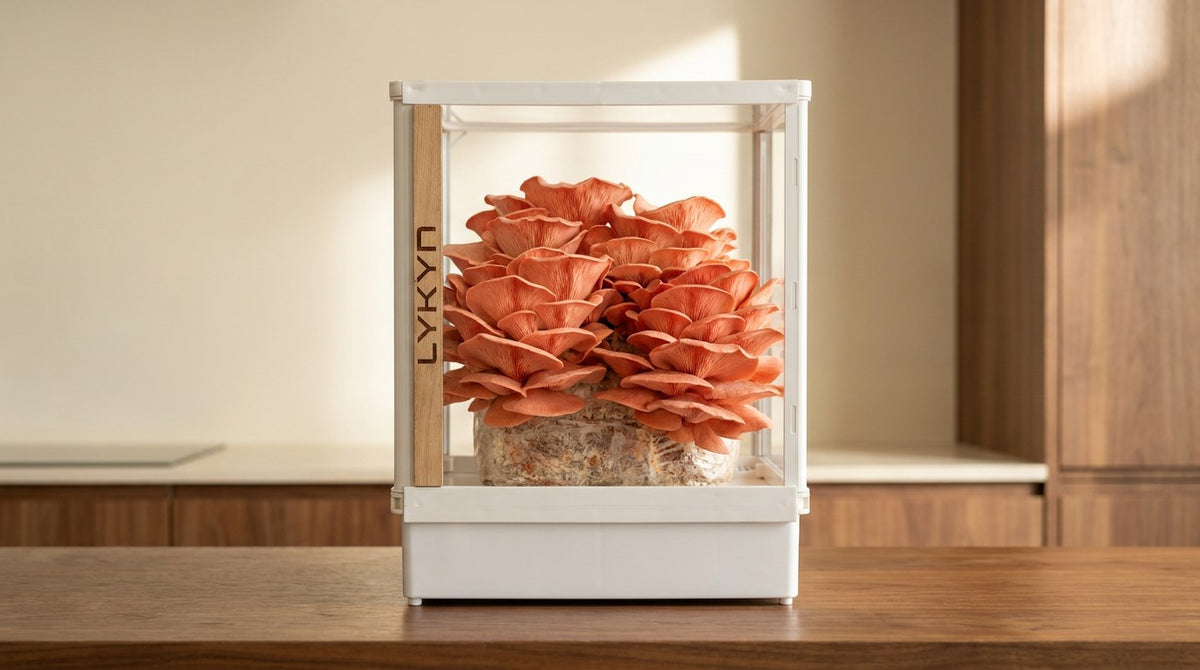
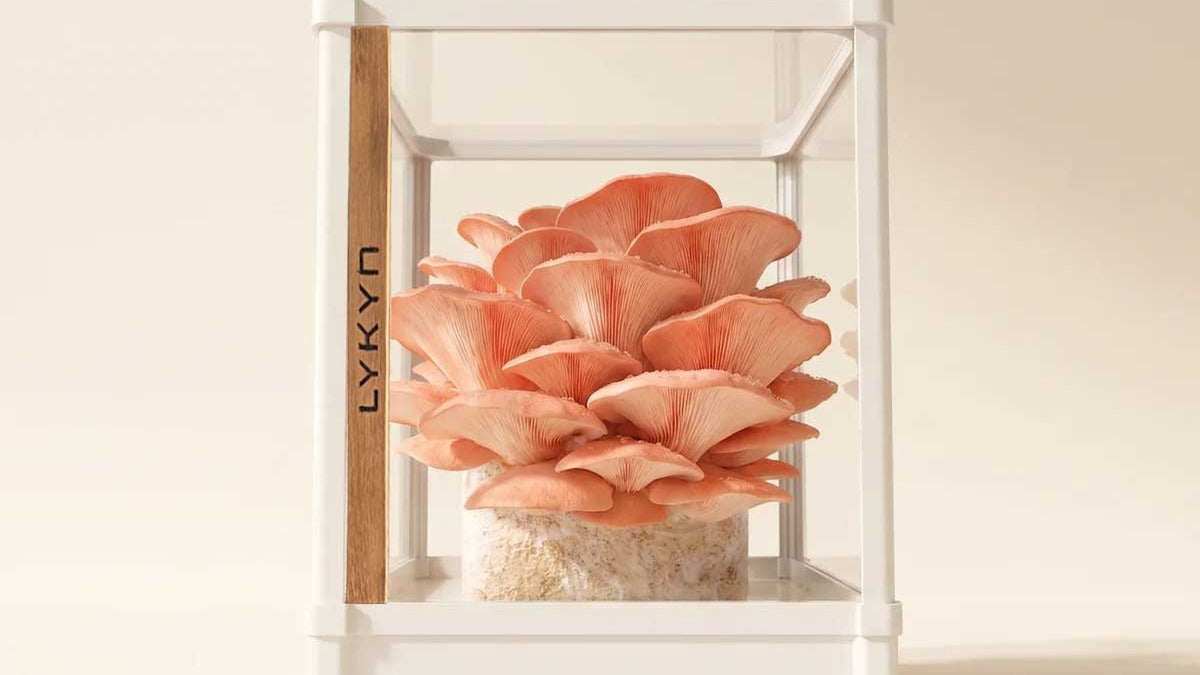
Smart Chamber. Bone White Single
- 2.8L tank, 90% humidity automatic
- App-controlled, plug-and-play
- 6 lb block ceiling, in stock

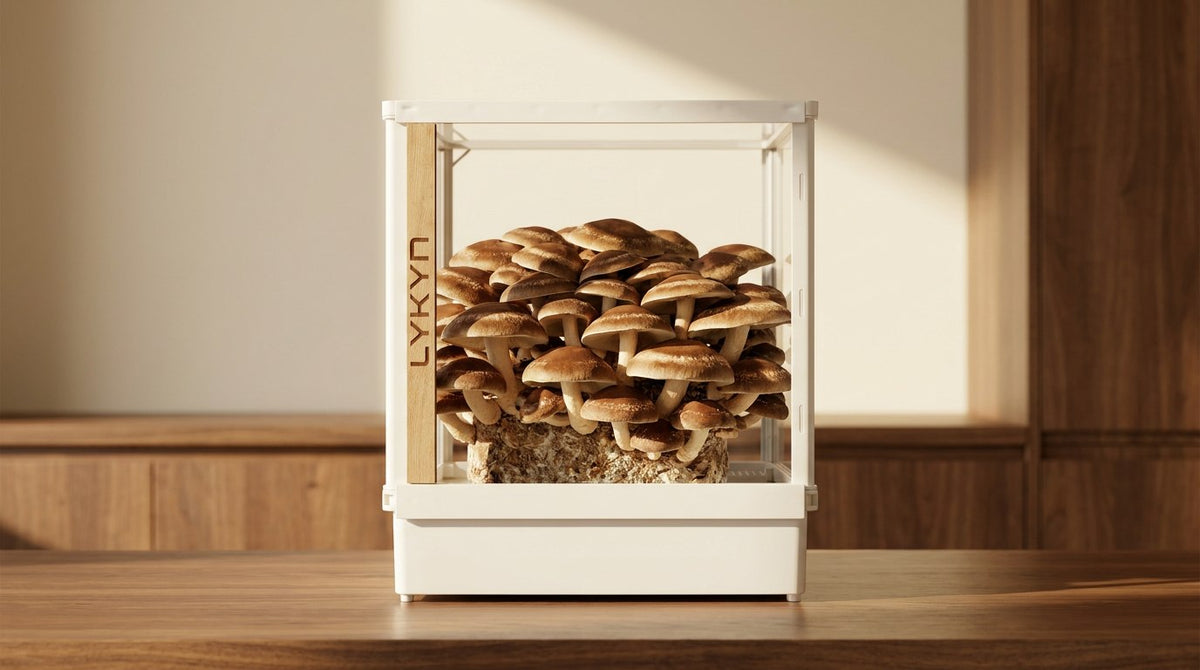
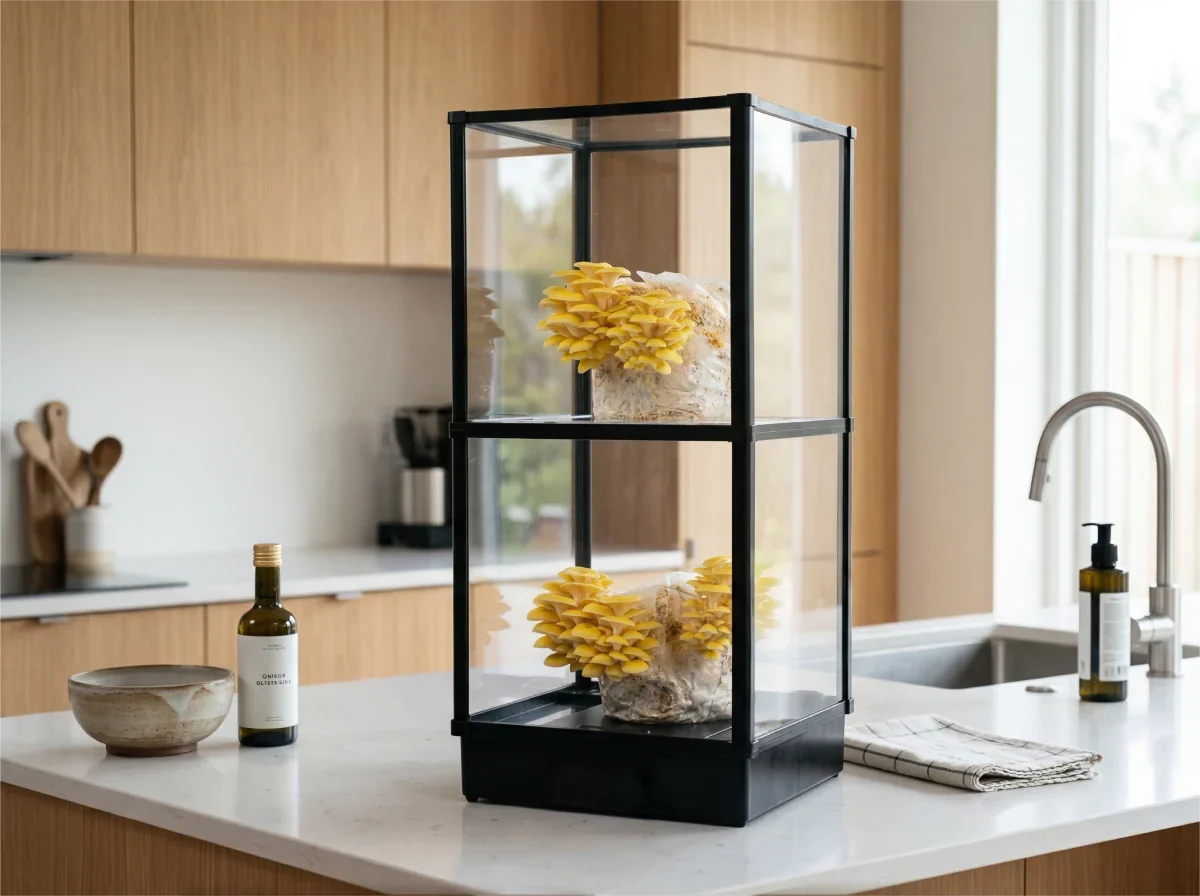
Smart Chamber. Obsidian Black Single
- Same hardware as Bone White
- Matte black premium finish
- Pairs with any kitchen palette

Young shaggy manes look like white shotgun shells stuck point-down in the grass. The cap is 1.5 to 6 inches tall, cylindrical, and tightly closed at first, with edges hugging the upper stem. The white surface is broken into upturned, shaggy scales (the "mane"), which curl back as the cap matures. Underneath, the gills start white, turn pink within hours, and then darken to black as the spores ripen. The stem is hollow, 4 to 8 inches tall, smooth, and bears a small movable ring near the base.
The unmistakable feature is deliquescence. As the cap matures, it digests itself from the bottom edge upward, releasing a black inky liquid (rich in spores) that drips onto the ground below. By the next morning, a fresh button is often a black puddle. No other common North American or European edible behaves this way, which is one reason experienced foragers consider Coprinus comatus one of the "foolproof four" beginner mushrooms.
Where and when to find them
Shaggy manes are urban-tolerant. They fruit in disturbed, nitrogen-rich ground: roadside verges, lawn edges, gravel driveways, construction sites, athletic fields, parks, and the margins of woodland trails. They often appear in groups of 10 to 50 caps spread over a small area. Look for them after a soaking rain followed by mild temperatures.
In North America, the main season runs from August through November, with smaller flushes possible in spring after warm rains. In Europe the pattern is similar. They can fruit through the first light frost but tend to disappear after a hard freeze.
Avoid harvesting shaggy manes from contaminated ground. Roadside specimens accumulate lead and other heavy metals from traffic exhaust, and lawn-edge specimens may be lightly contaminated with herbicide or pesticide residue. Pick from clean, untreated turf or woodland edges.
The alcohol warning
Some sources warn against drinking alcohol with shaggy manes because of confusion with the common ink cap (Coprinopsis atramentaria), a closely related species that contains coprine. Coprine inhibits the same enzyme that disulfiram blocks, causing flushing, nausea, and rapid heartbeat when combined with alcohol. The reaction is unpleasant but rarely dangerous, and it can occur up to 72 hours after eating the mushroom.
Current research suggests true shaggy manes do not contain meaningful coprine. However, cautious foragers and most field guides still recommend skipping alcohol with any meal that includes wild Coprinus-style mushrooms, just because a young common ink cap can be misidentified as a shaggy mane by an inexperienced eye. If you're confident in your ID, the risk is minimal. If you're new to the species, follow the guides.

Fuel Your Mushroom Journey
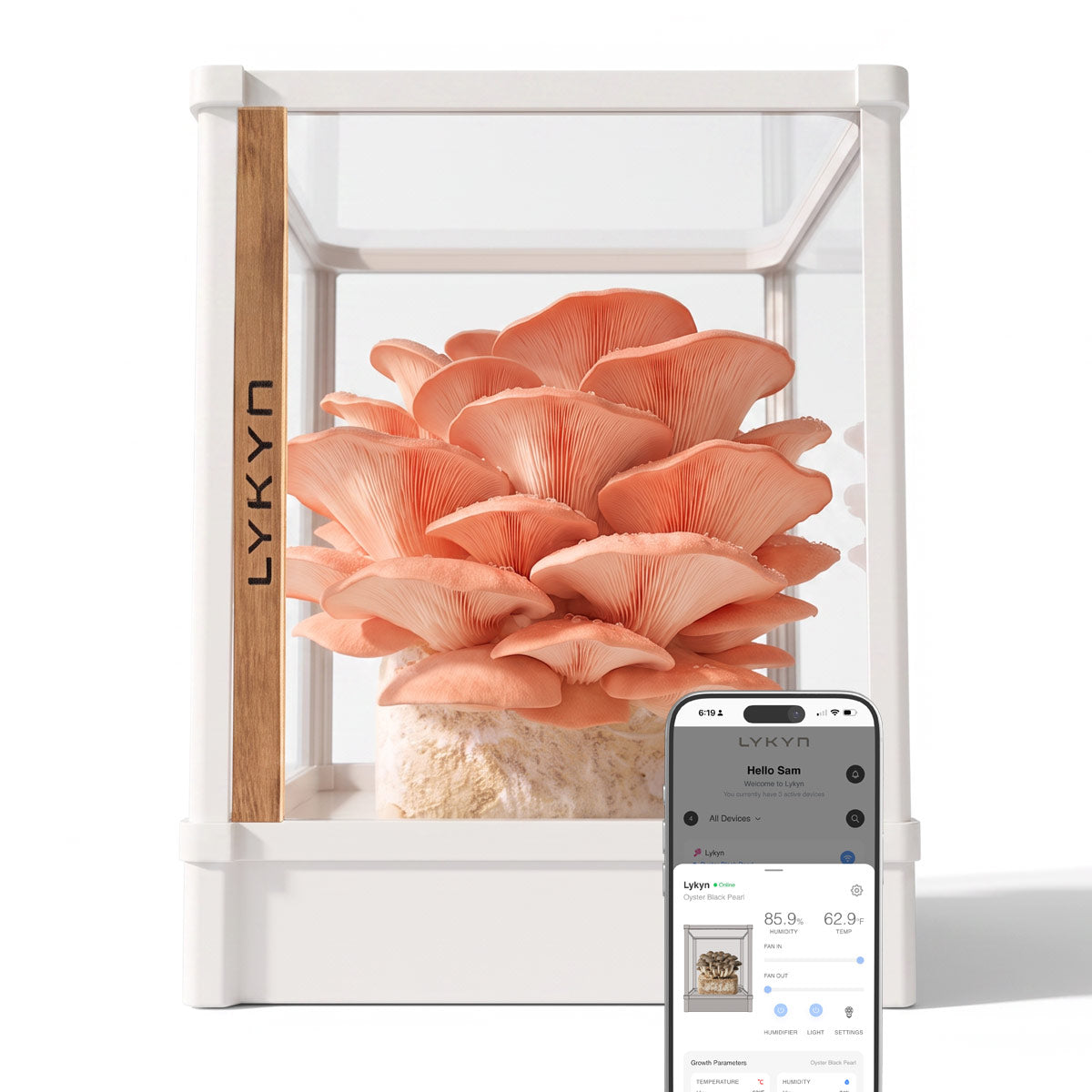
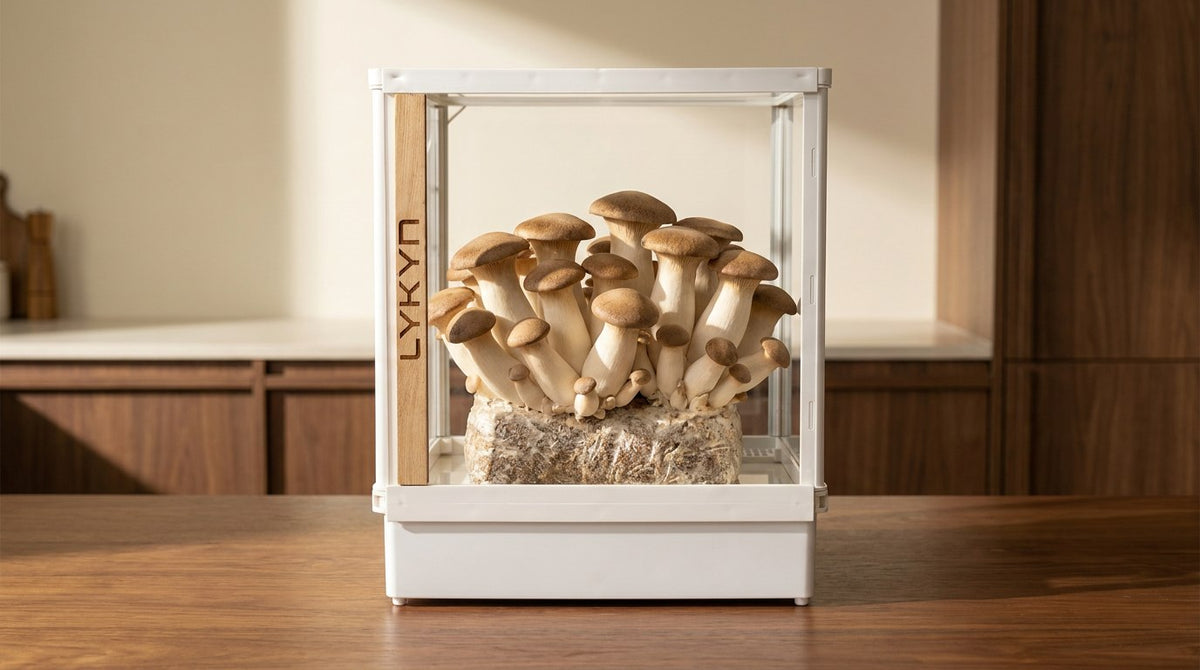
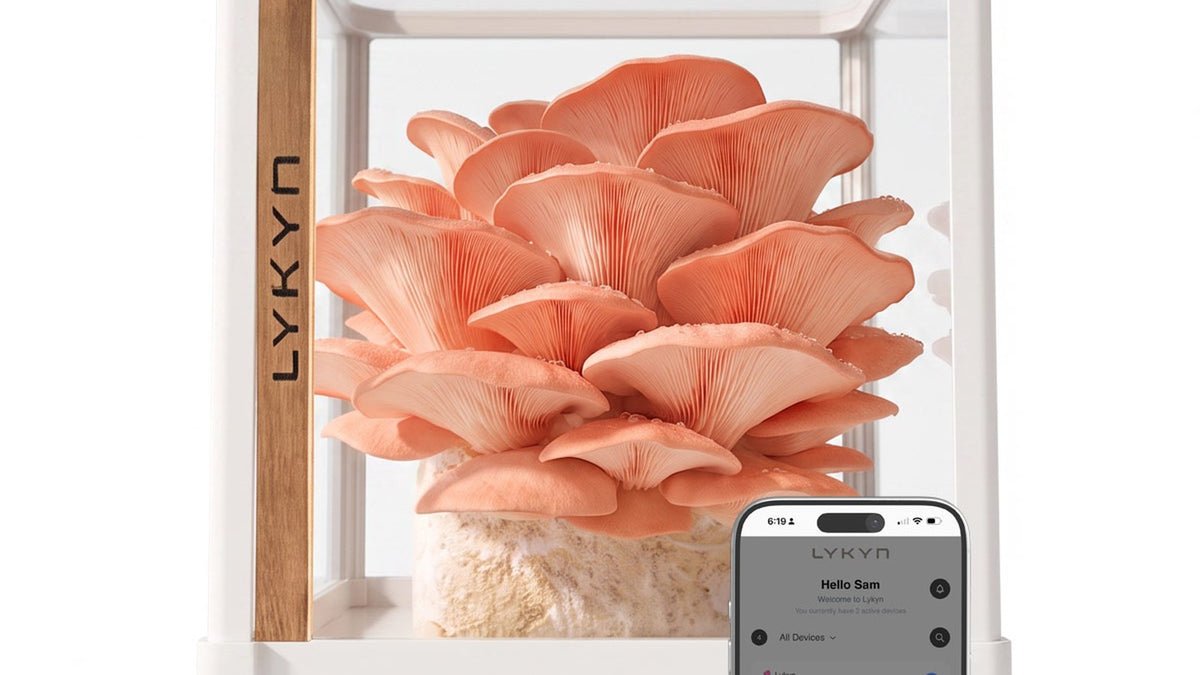
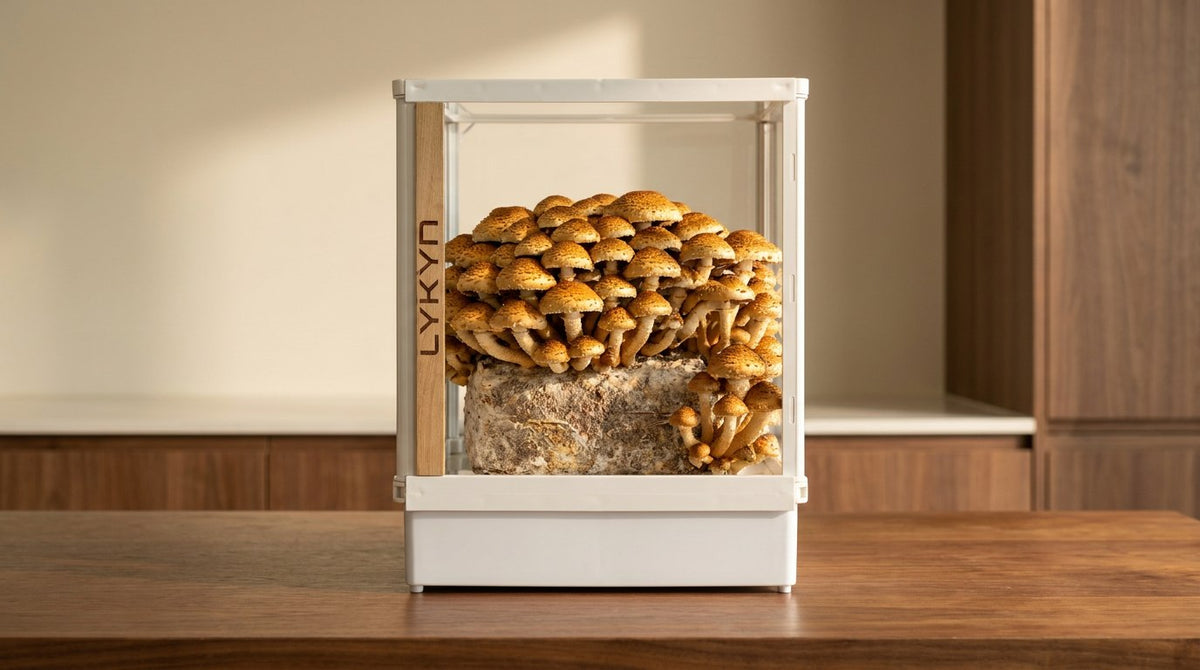
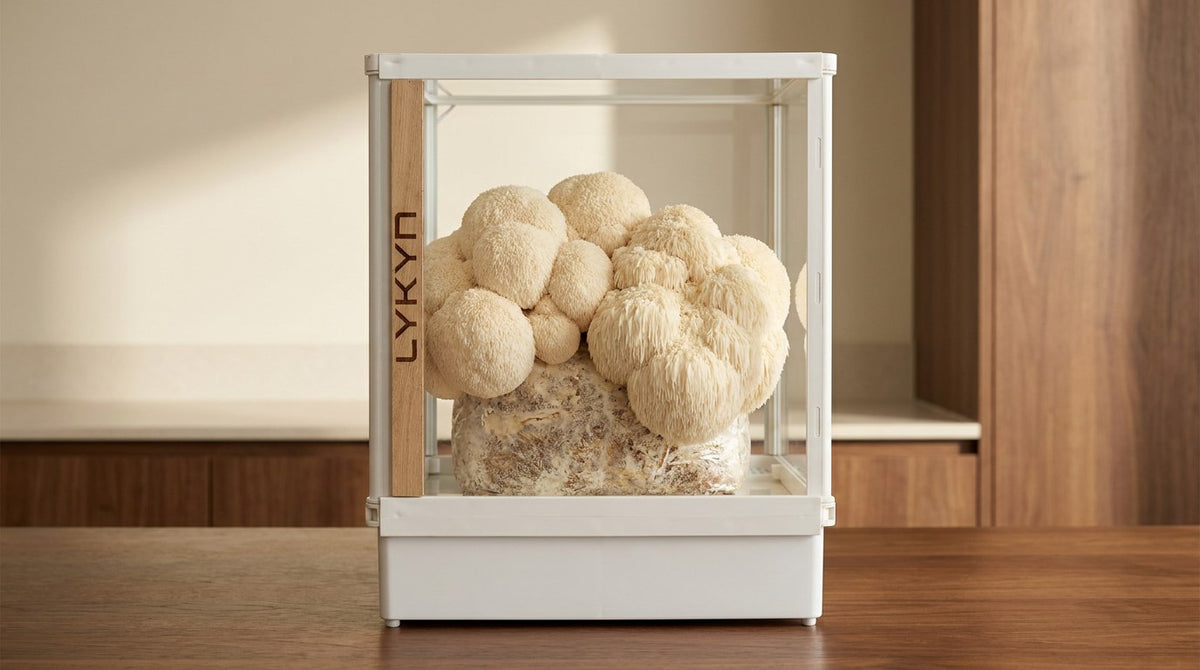
Smart Mushroom Grow Chamber
Plug-and-play smart chamber with humidity, light, and airflow dialed in for every species. Beginners harvest their first flush in days, not months.
Add to cart $299Edibility and taste
Shaggy manes are a delicate, prized edible when picked young and cooked fresh. The flavor is mild and slightly sweet, often described as a cross between asparagus, oyster mushroom, and fresh corn. The texture is soft and silky once cooked. Older specimens whose gills have started to turn pink or gray can still be eaten, but the flavor and texture decline rapidly.
Process them the same day you pick them. Even refrigerated, a fresh shaggy mane will start to deliquesce within 12 to 24 hours. You can extend the window by cleaning, slicing, and freezing them raw, or by sautéing them in butter and freezing the cooked product. Dehydration is not recommended; the high water content and self-digesting enzymes make them turn black and slimy in a low-temperature dryer.
How to cook shaggy mane
The simplest preparation is the best. Trim the bases, halve or quarter the caps lengthwise, and sauté in butter over medium heat for 4 to 6 minutes until tender. Salt at the end. The mushroom releases a significant amount of liquid; let it cook off without crowding the pan.
Three classic preparations show off the flavor. A shaggy mane cream soup uses cooked mushrooms blended with chicken stock, sautéed shallots, a splash of cream, and a pinch of nutmeg. Shaggy mane on toast pairs sautéed caps with a fried egg over rustic sourdough. Shaggy mane risotto folds the sautéed caps into the rice at the final minute, preserving their silky texture.
Avoid acidic or strongly spiced preparations; they overwhelm the mushroom's subtle flavor. Skip the eating-raw experiments. Like most wild mushrooms, shaggy manes should be cooked thoroughly to at least 160°F internal temperature.
Can you cultivate shaggy mane?
Shaggy mane has been cultivated on a small scale in Europe and Asia, mostly on straw or composted manure substrate in shaded outdoor beds. Yields are unpredictable, the harvest window is impossibly short for retail sale, and the species does not tolerate the controlled humidity environments that work for oyster and shiitake. As a result, no commercial home grow kit for Coprinus comatus exists at the time of writing.
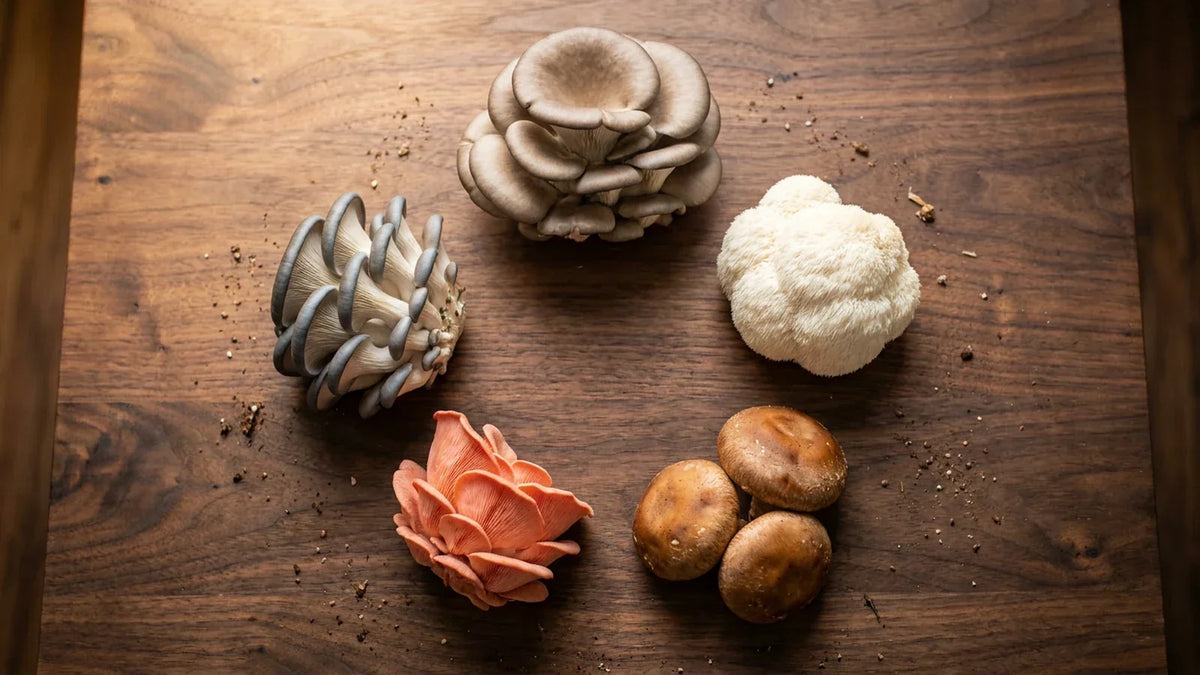
If you want the joy of a same-day harvest with a predictable timeline, look at species that are bred for cultivation: oyster, lion's mane, king trumpet, and shiitake. They're available as ready-to-fruit mushroom grow kits with documented yields and 5 to 14-day harvest windows.
The bottom line on shaggy manes
Few wild edibles ask for so little and give so much. Pick young, cook fast, eat fresh. Once you've learned to spot the white shotgun-shell shape on a roadside verge after a rain, you have access to a delicate gourmet mushroom that no grocery store in the world stocks. Just respect the clock: every shaggy mane is on a 24-hour countdown from the moment you decide to pick it.
Share:
Parasol Mushroom: Identification, Look-Alikes, and Cooking Tips
Parasol Mushroom: Identification, Look-Alikes, and Cooking Tips