


Seafood mushroom is one of several marketing names for white beech mushroom (Hypsizygus tessellatus, the white variety), the small, clustered mushroom you see in grocery store produce sections labeled "seafood mushroom," "white shimeji," "alba shimeji," or "white clamshell." The name comes from a vague resemblance to small squid bodies or scallops when the cluster is presented whole, plus a mildly briny, oceanic note in the flavor when the mushroom is cooked. It's not seafood, it doesn't taste exactly like seafood, but it does bring a delicate umami complexity that pairs beautifully with shellfish, fish, and any preparation where you'd want a clean, slightly sweet mushroom note.
Like its brown sibling bunashimeji, seafood mushroom is inedible raw (noticeably bitter) and outstanding cooked. Two to three minutes in a hot pan eliminates the bitterness and turns the cluster nutty and tender-crisp. This guide covers what to buy, how to identify it, how to cook it, and how it compares to other small clustered mushrooms.
What seafood mushroom actually is
Seafood mushroom is white beech mushroom, the albino variant of Hypsizygus tessellatus. The brown variant is sold as bunashimeji or brown beech mushroom. Both are the same species, cultivated and selected for different cap pigmentation, and both grow in tight clusters of 30 to 60 small caps sharing a single substrate base.
The cluster format is distinctive. A typical 100-gram package contains a clump of pure-white, slender mushrooms with caps roughly half an inch across and stems 2 to 3 inches long. The bottom of the cluster has a thick white base of fused stems plus a chunk of dark substrate that gets trimmed off before cooking. The whole package has a slightly briny, almost oceanic smell that contributes to the "seafood" marketing name.
Several other species sometimes get marketed under similar names in different regions. White enoki (very long, very thin, gelled-together stems) and king trumpet (thick single stems, no cluster) are different mushrooms entirely and shouldn't be confused with seafood mushroom.

Smart Chamber. Bone White Single
- 2.8L tank, 90% humidity automatic
- App-controlled, plug-and-play
- 6 lb block ceiling, in stock

Smart Chamber. Obsidian Black Single
- 2.8L tank, 90% humidity automatic
- App-controlled, plug-and-play
- Matte obsidian finish, in stock

Black Oyster Fruiting Block
- 5 lb colonized hardwood block
- 1-3 day cycle, easy first flush
- Lab-tested strain, in stock
How it's grown
Seafood mushroom is one of the most industrially produced specialty mushrooms in the world. Commercial farms use a sterilized sawdust-and-grain substrate packed into 1-liter polypropylene bottles. The bottles are inoculated with spawn, incubated for around 80 to 100 days at controlled temperature and humidity, and then triggered to fruit by a stepped drop in temperature. Total time from inoculation to harvest is 100 to 120 days.
The cluster format isn't an accident. Bottle cultivation forces the mycelium to push fruiting bodies up through the bottle neck simultaneously, creating the characteristic tight clump of 30 to 60 caps. Japan produces tens of thousands of tons annually, with Korea, China, and now the United States supplying growing North American demand.
Home cultivation of seafood mushroom is technically possible but practically slow. Most home cultivators stick with species that fruit in 10 to 20 days from a ready-to-fruit substrate block rather than the 14 to 18-week beech mushroom timeline.
Taste, texture, and the cooking rule
Cooked seafood mushroom is mildly nutty with a clean, slightly briny finish that pairs naturally with ocean ingredients. The caps stay tender while the stems hold a crisp, satisfying snap. The flavor is subtler than shiitake, more delicate than oyster, and noticeably more refined than white button mushroom.
Raw seafood mushroom is bitter and slightly metallic. The bitterness comes from unstable compounds that break down at around 140°F, so even brief heat eliminates it completely. Always cook seafood mushroom before eating, even when it's serving as a garnish on top of a finished dish. A 60-second drop into hot broth is enough.

Fuel Your Mushroom Journey
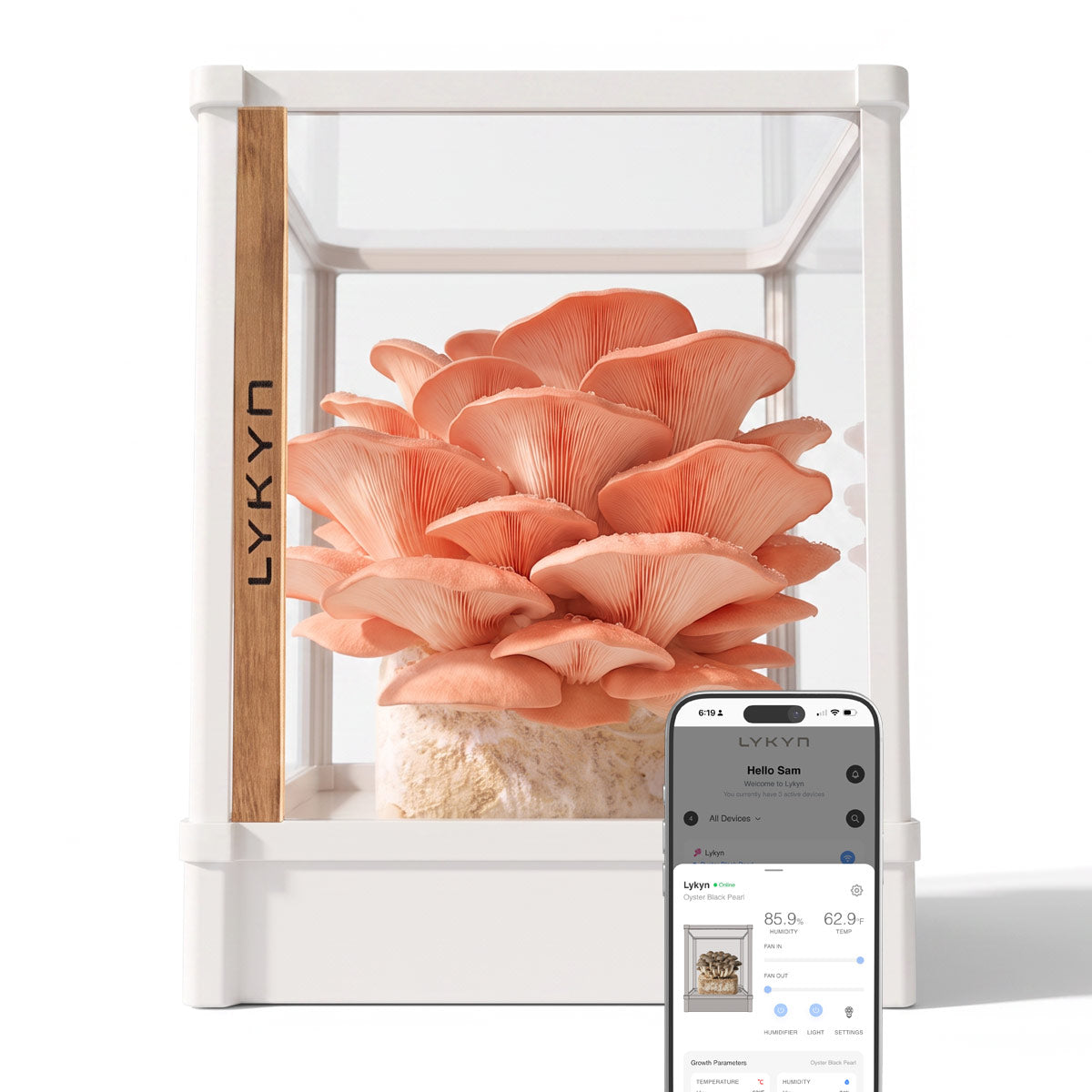
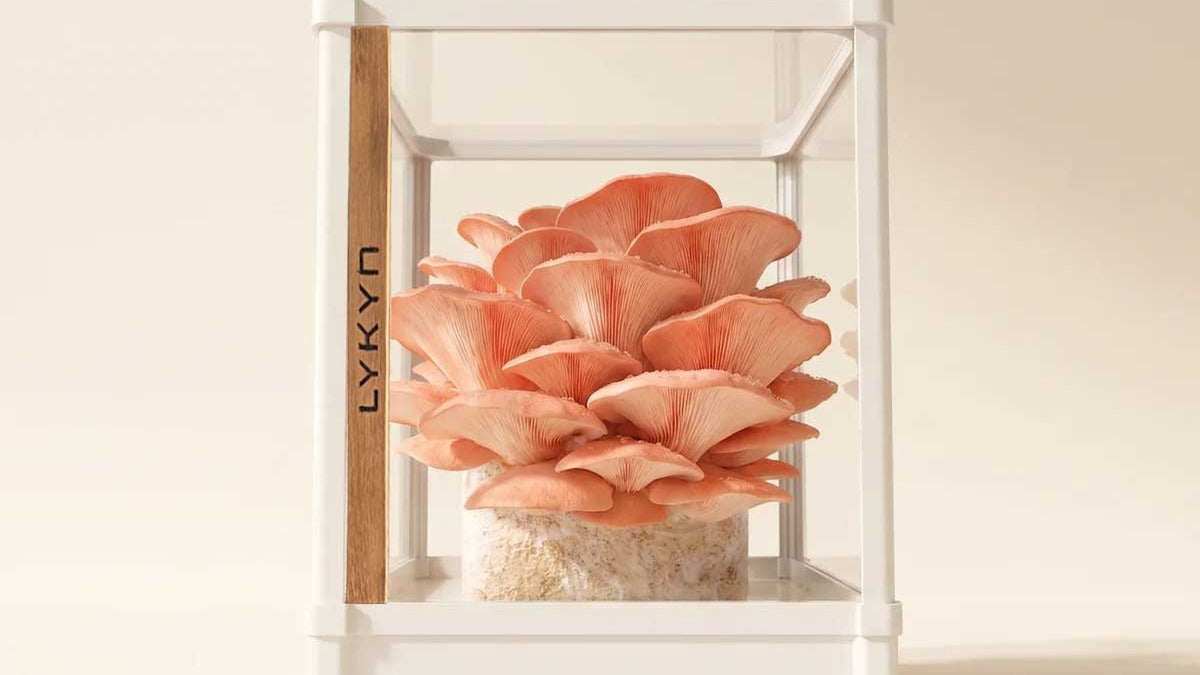
Smart Mushroom Grow Chamber
Plug-and-play smart chamber with humidity, light, and airflow dialed in for every species. Beginners harvest their first flush in days, not months.
Add to cart $299How to cook seafood mushroom
Three rules cover most preparations. First, separate the cluster: cut off the bottom inch of substrate-fused stems and pull the individual mushrooms apart, or leave them in smaller clumps of 3 to 5 for visual presentation. Second, cook hot and fast. A wok or skillet over high heat, a tablespoon of neutral oil, 2 to 3 minutes of stir-frying, finished with butter or soy sauce. Third, don't overcook. The stems lose their crispness if you simmer them more than 5 minutes.
Five preparations that work consistently. In a clear broth or miso soup, drop the cluster in for the last 60 seconds. In a seafood stir-fry with shrimp or scallops, add the mushrooms after the aromatics and cook for 2 minutes before adding the protein. In butter-roasted salmon, pile the cluster around the fish in the pan and roast at 400°F for 12 to 15 minutes total. In a steamed-fish preparation, lay the cluster on top of the fillet with ginger and scallions and steam for 8 to 10 minutes. In scrambled eggs, sauté the cluster first in butter, then fold the cooked mushrooms into the curds at the very end.
The flavor pairings worth remembering: seafood mushroom plus butter plus shellfish, seafood mushroom plus miso plus scallion, seafood mushroom plus soy plus sesame. Avoid heavy cream sauces that mask the mushroom's delicate finish and avoid acidic preparations that fight the briny notes.
Buying and storing
Look for clusters where the caps are firm and dry, the stems are bright white, and the substrate base is clean and free of slime. Caps that look shriveled, slimy, or yellowing are past their prime. A faint clean mushroom smell is normal; sour or ammonia-like smells mean the package is too old.
Stored properly, fresh seafood mushroom keeps for 7 to 10 days. Use a paper bag in the vegetable drawer of your refrigerator. Sealed plastic traps moisture and turns the cluster slimy within 3 days. Don't wash the mushrooms before storage; substrate-grown product is already clean enough to use after trimming the base.
Cooked seafood mushroom freezes well in airtight containers for up to 3 months. Raw freezing destroys the crisp stem texture and is not recommended.
Nutrition
A 100-gram serving of cooked seafood mushroom provides around 25 calories, 1 to 2 grams of fiber, 2 grams of protein, and trace amounts of B vitamins (B2, B3, B5), copper, selenium, and potassium. Like most cultivated mushrooms, the species contains beta-glucans (polysaccharides being studied for immune-supportive properties) and is a low-fat, low-sodium way to add umami and texture to a dish. Clinical research specific to Hypsizygus tessellatus is limited.
Seafood mushroom versus other small mushrooms
Three small clustered mushrooms regularly get confused at the grocery store. Seafood mushroom (white beech) has slender white stems, caps half an inch across, and clusters of 30 to 60. Bunashimeji (brown beech) is the same species in a brown-pigmented variant; flavor is similar but slightly more pronounced. Enoki has very long, very thin (one millimeter) stems, gelled together in dense bundles, with tiny pinhead caps and a very different cooking profile (much more delicate, much shorter cook time).
For most home cooks who want a versatile small mushroom for soups, stir-fries, and seafood pairings, seafood mushroom and bunashimeji are interchangeable. Pick whichever the store stocks fresher.
Growing fresh mushrooms at home
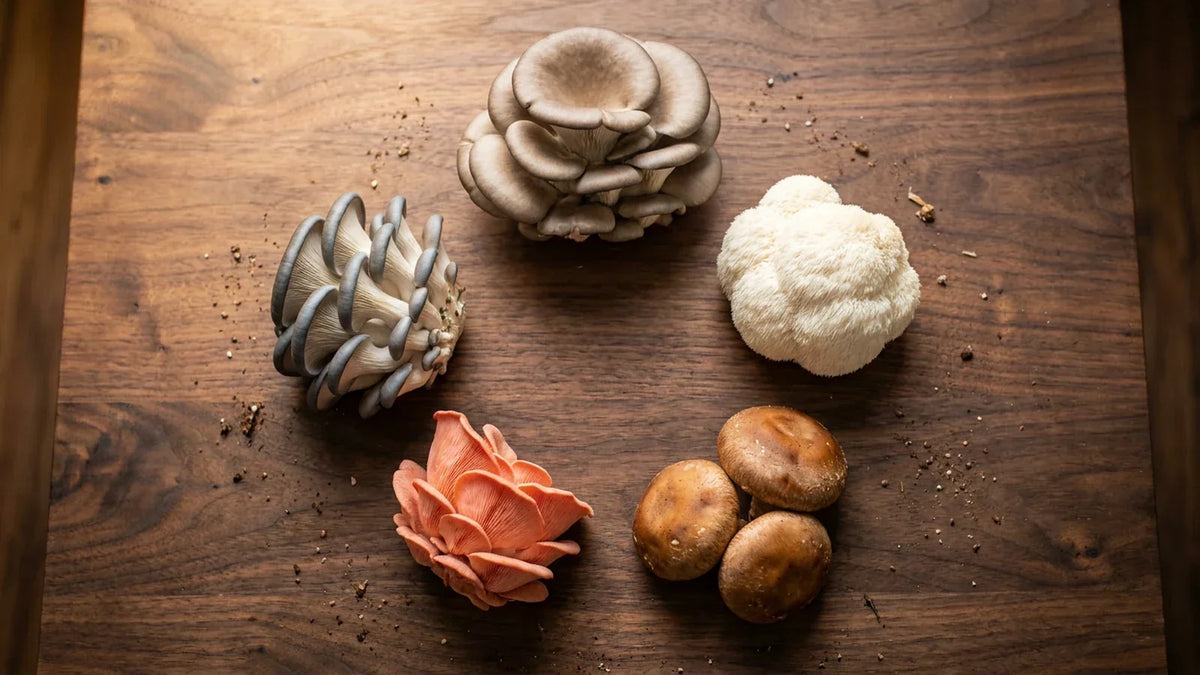
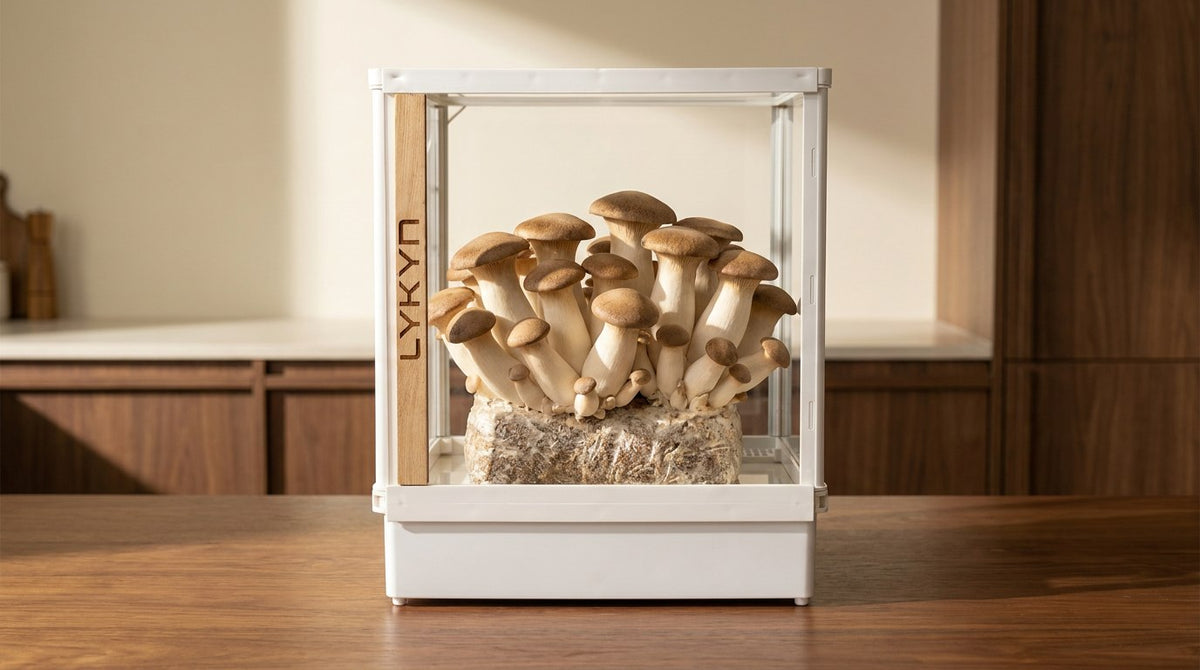
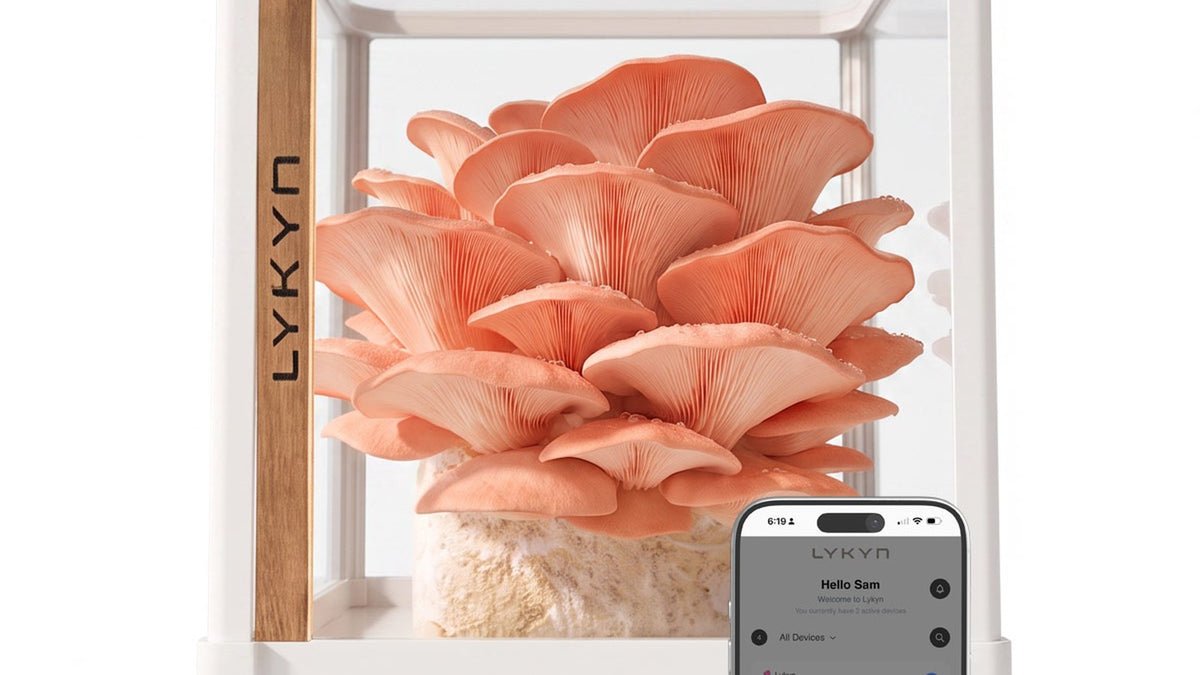
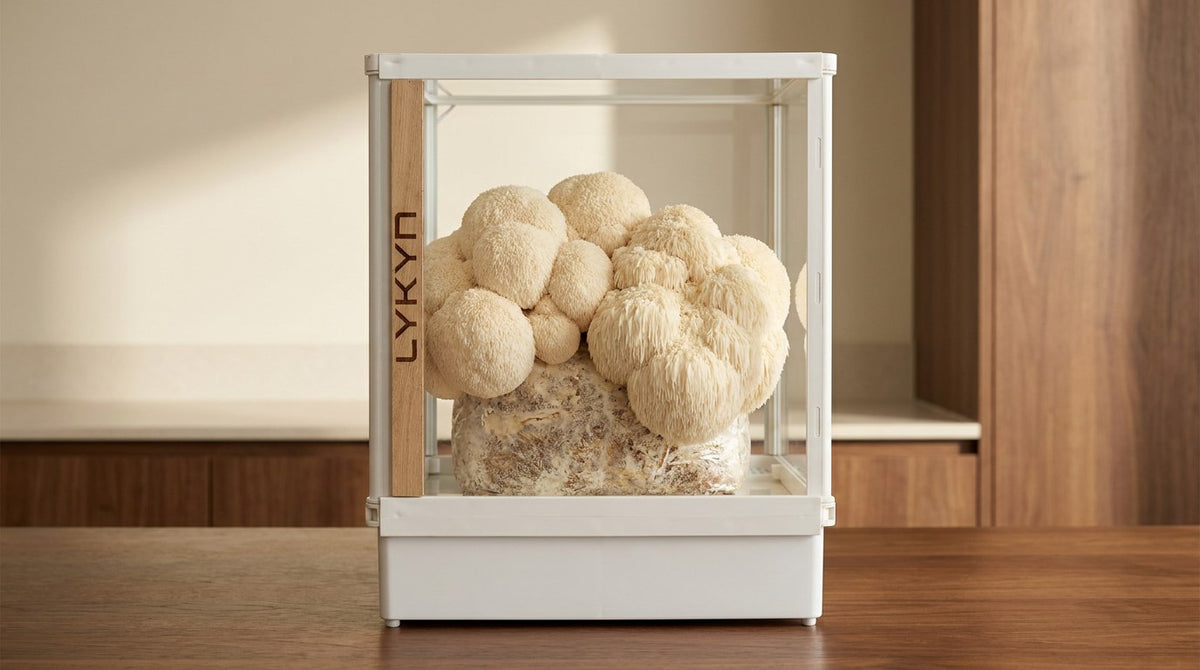
Seafood mushroom is grown industrially in highly controlled bottle facilities. The home version of "fresh mushrooms with predictable harvest dates" works better with species that fruit in 10 to 20 days on ready-to-fruit blocks, like oyster, lion's mane, and king trumpet. Those are available as mushroom grow kits with documented yields. Seafood mushroom stays on the grocery list.
The bottom line on seafood mushroom
Seafood mushroom is the small, clustered, snow-white mushroom that earns its keep in soups, stir-fries, and any dish where you want a clean, slightly briny umami note alongside fish or shellfish. Always cook it, cook it fast, and pair it simply. A single $3 cluster is enough to lift a midweek dinner from average to memorable, which is more than most specialty mushrooms can claim.
Share:
Sauteed Mushrooms and Onions: The 15-Minute Side Everyone Loves
Asian Mushrooms: A Field Guide to Varieties and Cooking